








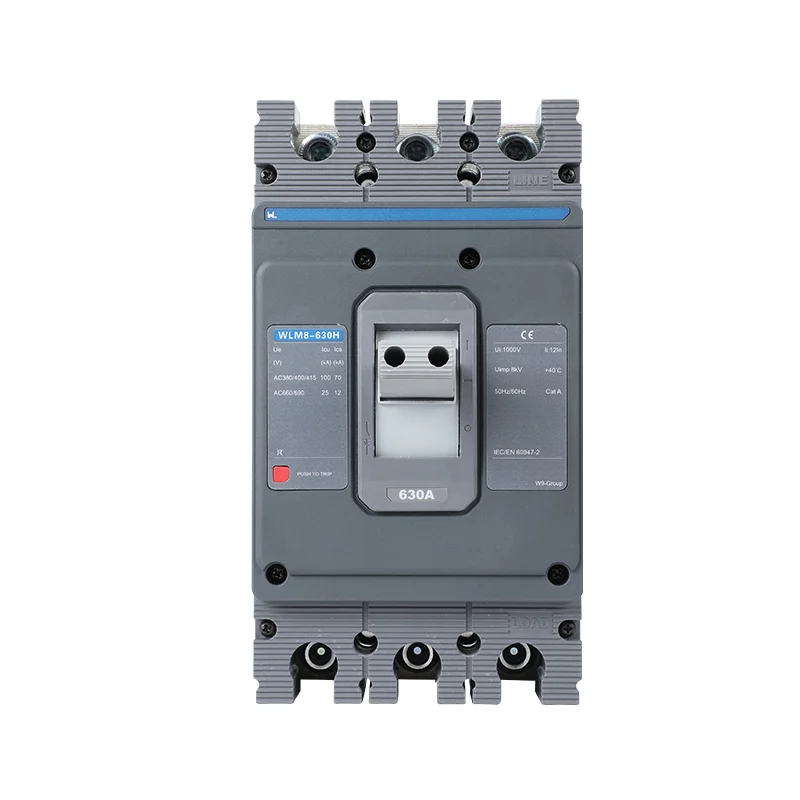
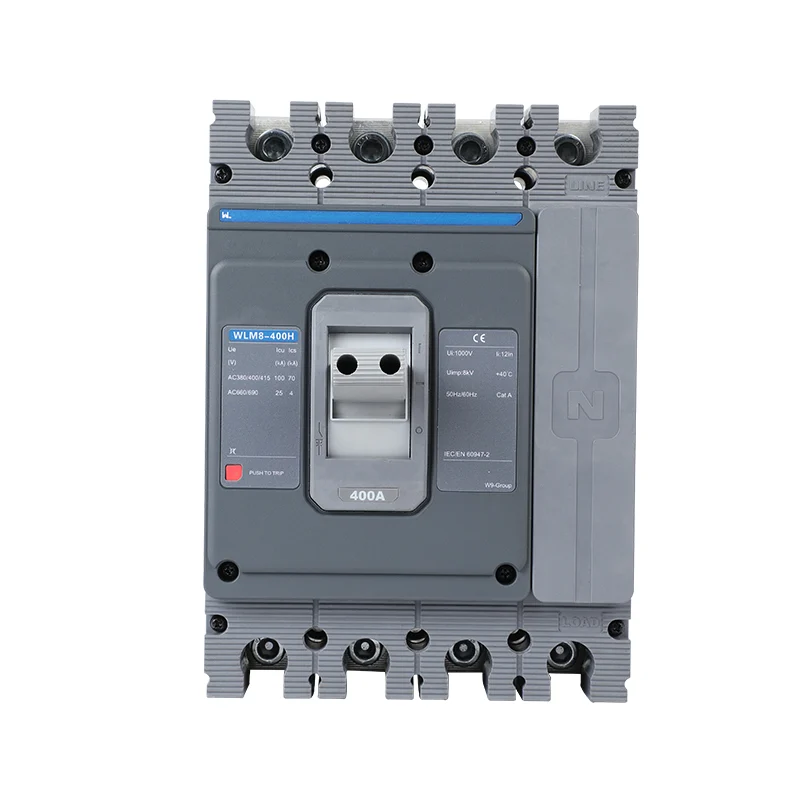
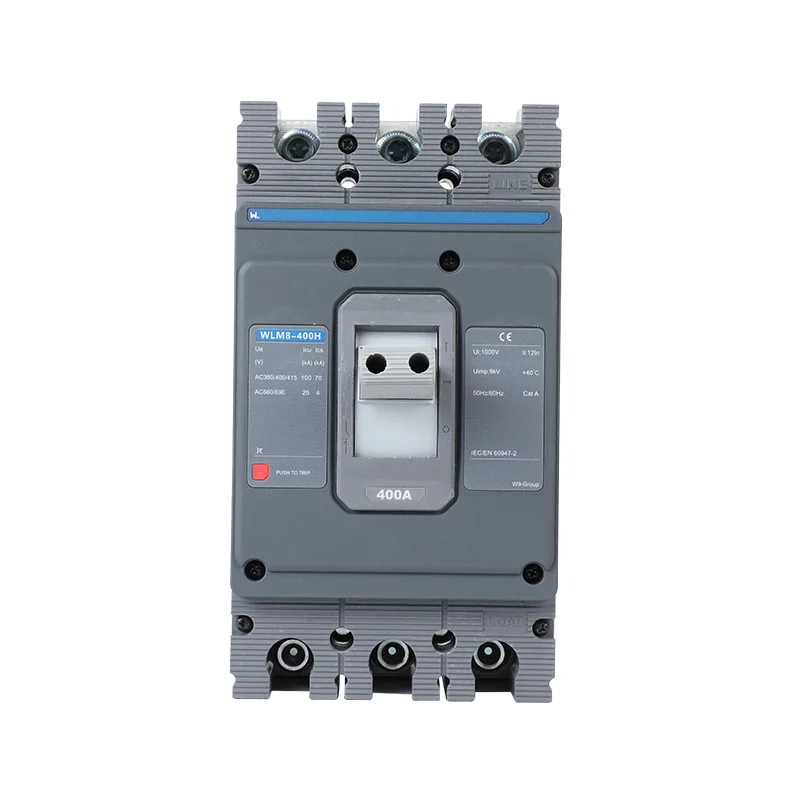
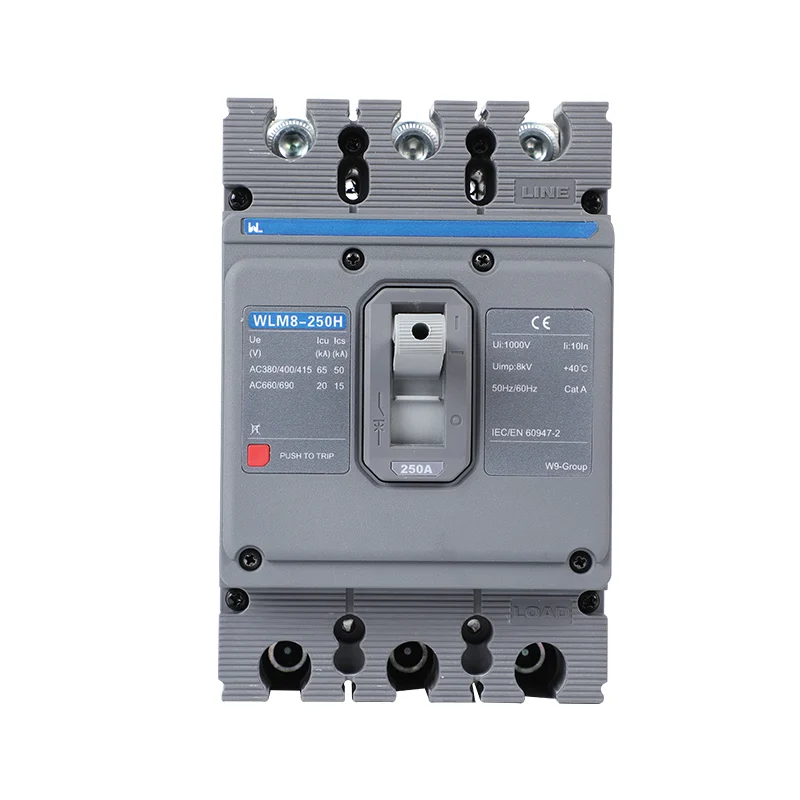















Choosing Circuit Breakers for Factories, Data Centers and Buildings
A factory motor feeder, a data-center supply and a building’s lighting circuit place different demands on their protection. The differences show up in starting current, available fault current, continuity requirements and maintenance access. A breaker’s sector label tells you much less than those operating details.
For data center circuit breakers, in particular, the normal utility supply may be only one of several conditions to assess. UPS, bypass and emergency operation can change how protection responds. The same principle applies wherever a facility has more than one source: choose the breaker for the circuit’s full operating requirements.
Circuit Breaker Protection Across Supply Modes
List the normal, emergency, bypass and maintenance arrangements that the system must support. Utility, generator and UPS supplies can have different fault contributions and durations. The designer needs that source information at the relevant fault locations to assess protective operation.
Then identify which circuits must remain supplied when another branch faults. This sets the selective boundaries the study needs to examine. The Electrical Installation Guide advises checking selectivity under different supply sources, because a result established on utility power may not hold in another mode.
IEC 60947-2 addresses industrial circuit-breaker duties. Installation and assembly rules apply to the completed system, and a North American project may require a different product approval route. Put the required standards and market approvals in the specification before requesting offers.
Circuit Breakers for Industrial and Commercial Loads
| Sector | Common design concern | Evidence needed before selection |
|---|---|---|
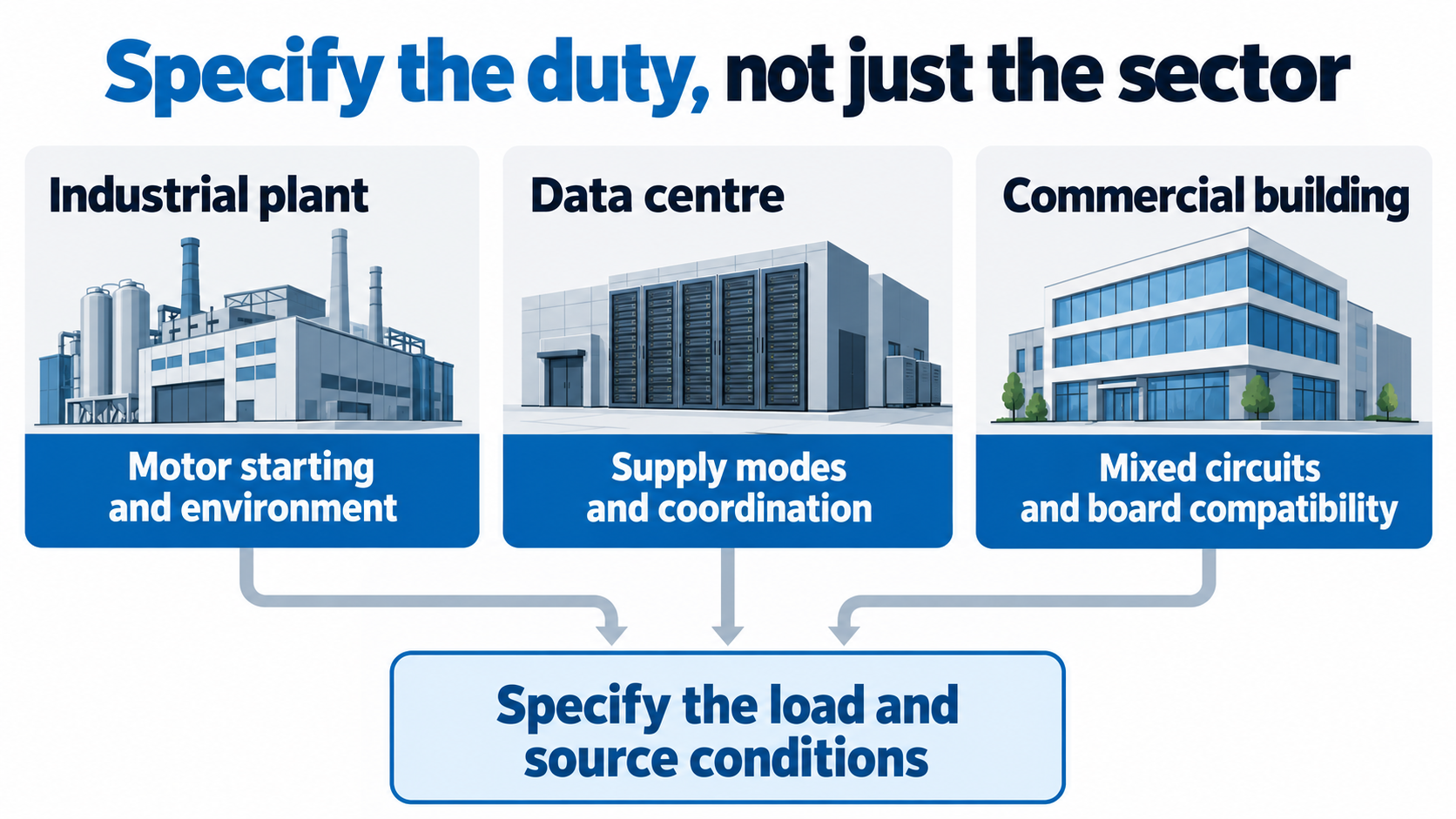
| Industrial plant | Motor starting, process continuity and environment | Load data, protection study and environmental conditions |
| Data centre | Multiple supply modes and selective fault clearing | Topology, source data and device-combination evidence |
| Commercial building | Mixed final circuits and required additional protection | Circuit schedule, local rule review and board compatibility |
| Mixed-use facility | Different operating responsibilities and maintenance windows | Documented isolation boundaries and service plan |
For industrial feeder protection, distinguish motor-starting current from continuous load. Depending on the design, a breaker, contactor and overload relay form a coordinated protection arrangement. Check the role of each device before changing a setting in response to repeated trips.
The environment also affects selection. Give the supplier the enclosure temperature, altitude, dust, humidity and other relevant conditions. Apply the chosen manufacturer’s limits and derating so the catalogue rating is interpreted for the actual plant panel.
Breaker Selectivity for Critical Building Loads
Critical electronic loads need a review of energization inrush, source transfers and the characteristics supplied by the UPS or generator manufacturer. An inverter-limited source can behave differently from a transformer supply. Use its available current and duration in the assessment rather than a general correction factor.
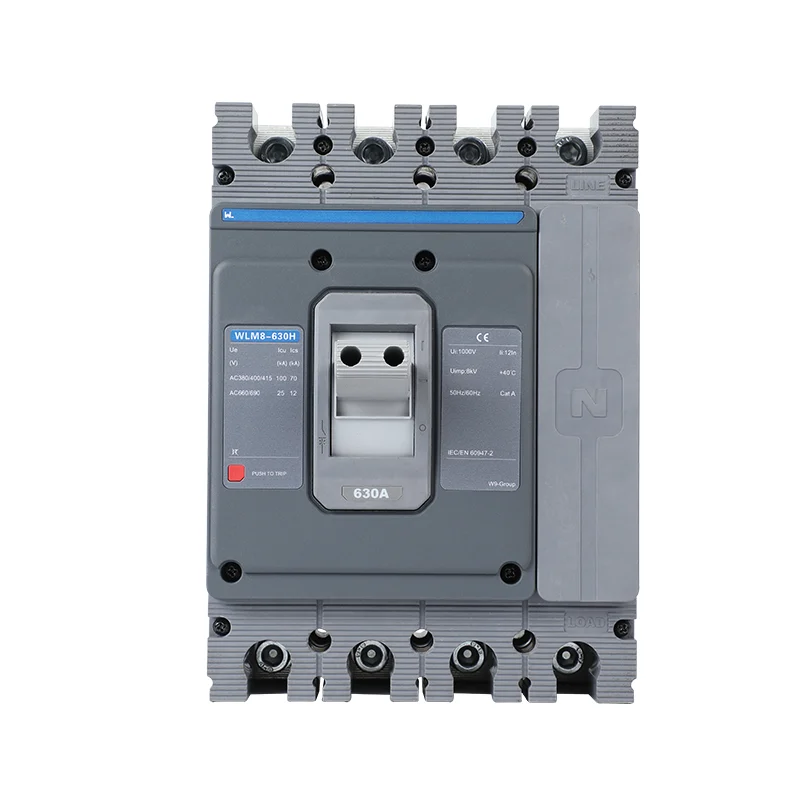
Assess selectivity with the exact upstream and downstream models, releases and settings. A manufacturer may provide a selective range, a backup arrangement or both, and those results mean different things. Our ACB versus MCCB switchboard guide helps compare the product families before the project-specific coordination review.
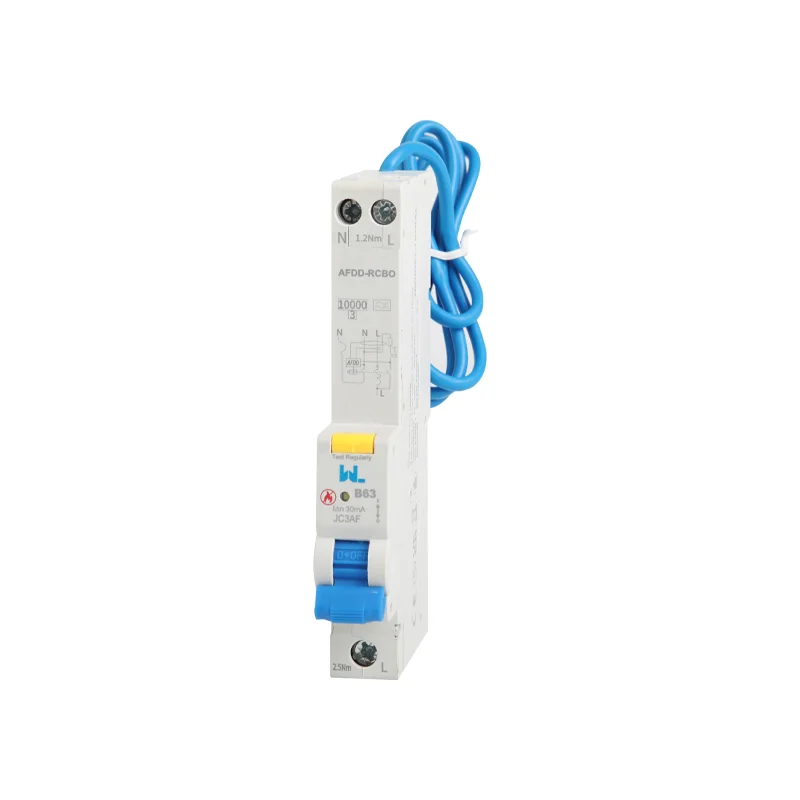
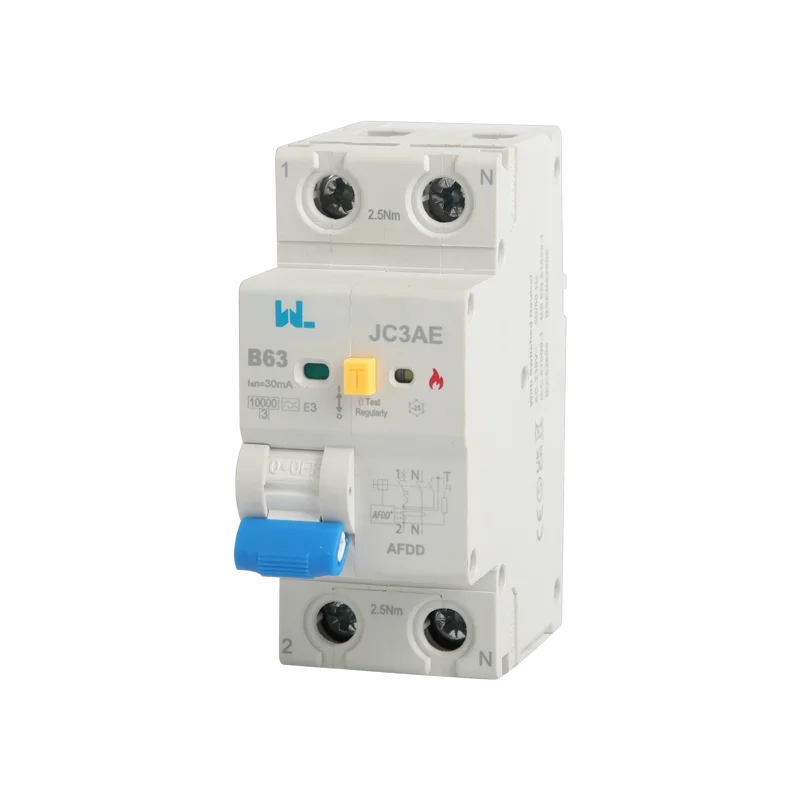
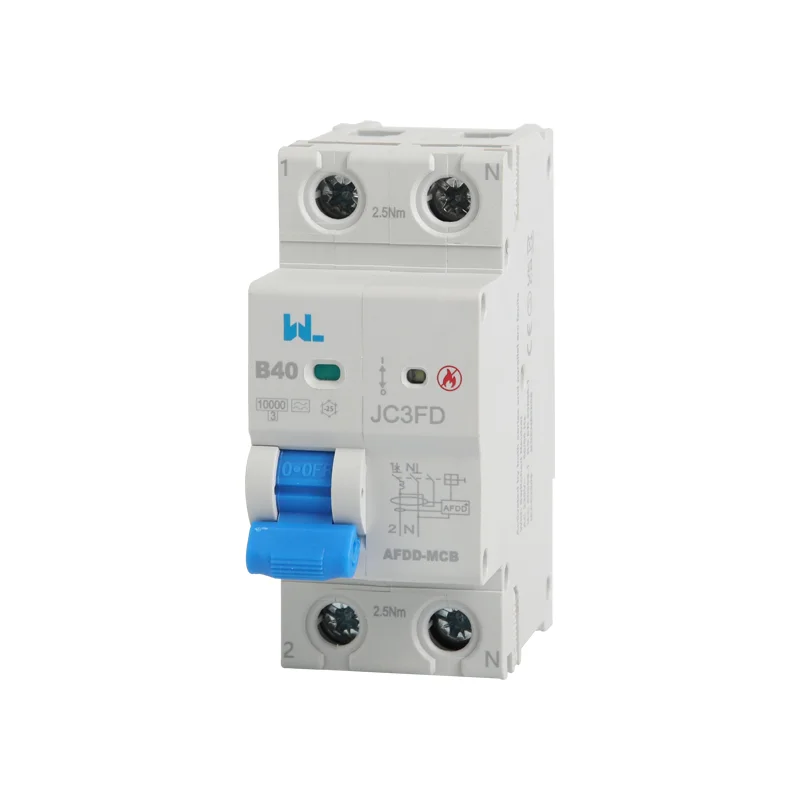
For commercial building circuit breakers, use the final-circuit schedule and local residual-current protection requirements. Lighting, sockets and mechanical services may need different arrangements. An MCB provides overcurrent protection; additional residual-current protection, where required, must be addressed separately. Industrial ground-fault protection is not necessarily an equivalent substitute.
Plan future expansion in terms of spare ways, cabinet space, busbar capacity and the expected load schedule. Installing a larger breaker today can compromise protection of the existing cable. When an expansion is designed, revisit the fault and temperature-rise assessments for the actual change.
| Continuity objective | Specify | Avoid assuming |
|---|---|---|
| Limit a branch fault’s impact | Selective boundary and verified limit | Different current ratings guarantee selectivity |
| Operate under emergency supply | Fault and protection assessment for that source | Utility-mode results apply unchanged |
| Maintain equipment safely | Isolation procedure and service arrangement | An open handle proves absence of voltage |
| Replace failed equipment promptly | Approved spare configuration and settings record | Any equal-amperage breaker is interchangeable |
Circuit Breaker Maintenance and Replacement
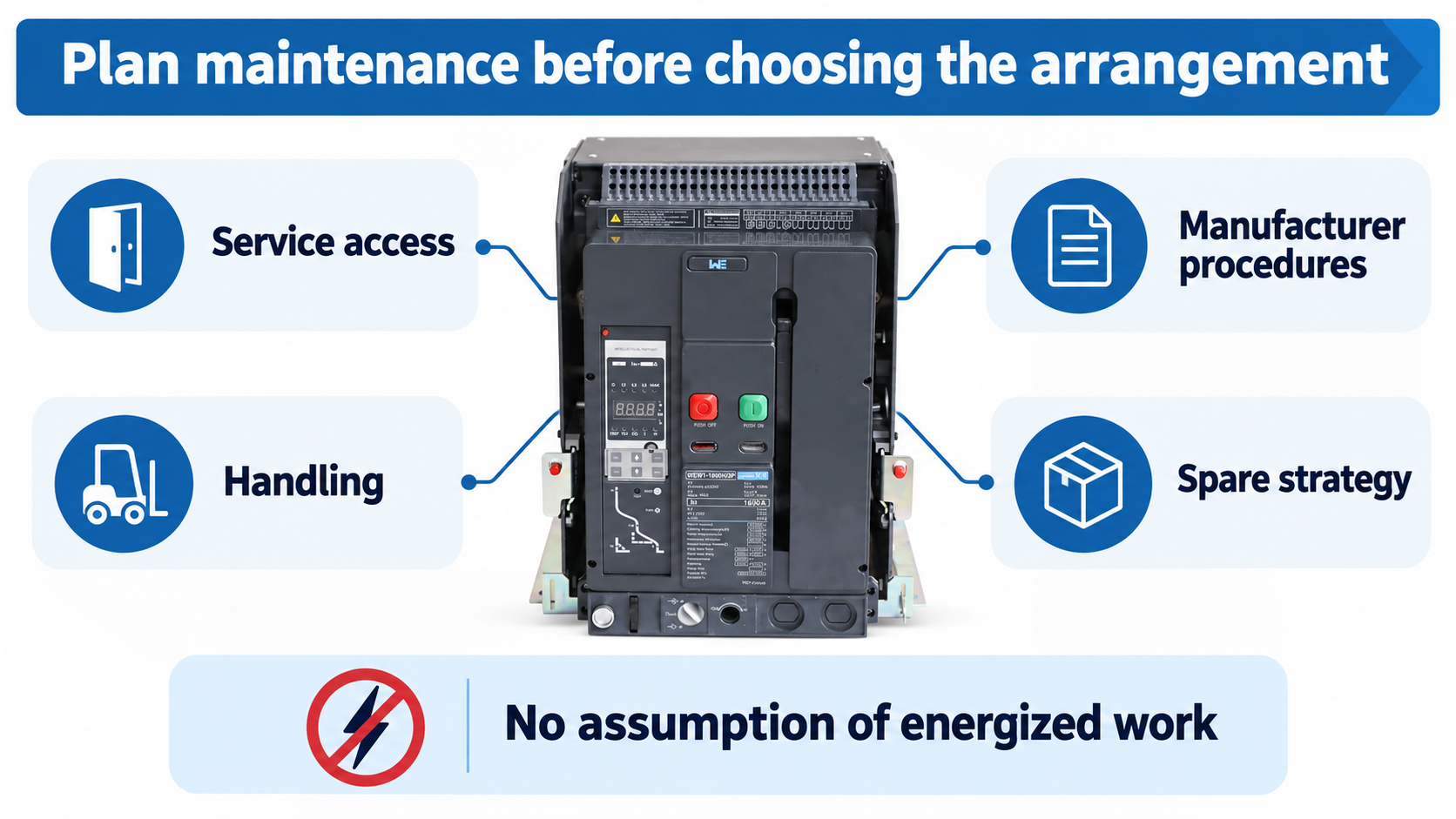
A breaker maintenance plan should follow the manufacturer’s instructions and identify who will carry out the work. Set inspection and testing intervals using the equipment’s condition, service environment and operating history. HSE guidance supports a risk-based approach rather than one interval for every installation.
Compare fixed and draw-out arrangements with the service team. Access, handling equipment, interlocks and the spare strategy all matter. Draw-out construction supports defined operations under the manufacturer’s procedures; it does not itself authorize energized work or make different cradles interchangeable.
For a switchboard using the W9 WEW1-1600 ACB family, specify the protection, construction and accessories the service plan requires. Obtain the installation documents and the proposed model’s ratings. Any data-center approval or coordination result required by the project needs its own supporting evidence.
Use actual quotes to compare the device, accessories, panel work, commissioning, scheduled maintenance and spares. Include only support commitments that have been agreed with the supplier. Percentage savings or downtime guarantees need a separate documented basis.
Circuit Breaker Application FAQs
Which breaker types are used in low-voltage distribution?
MCBs, MCCBs and ACBs are all used, depending on the circuit. Select the model by its load and fault ratings, protection functions and assembly requirements.
What does low voltage mean for breaker selection?
It identifies the application range broadly. The exact operational voltage, interruption duty and approvals still come from the product documents.
Do data centers always need special circuit breakers?
They may need specific functions or approvals, but a “data center” label does not establish suitability. Check operation under the required normal, bypass and emergency sources.
Who should work on low-voltage distribution equipment?
People competent for the equipment and task, with any locally required qualifications or licences. Low-voltage distribution still involves serious shock and arc hazards.
What should be checked when replacing a low-voltage circuit breaker?
Confirm the model or approved alternative, mechanical and electrical compatibility, fault duty and trip settings. Complete the required commissioning before restoring service.
What matters most when selecting an industrial MCCB?
Start with the load’s operating and starting behaviour, then check fault ratings, trip functions, environmental limits and accessories. Those details determine whether the proposed model suits the feeder.
Circuit Breaker Application References
- Electrical Installation Guide: circuit characteristics and load-based selection
- Electrical Installation Guide: selectivity under different supply sources
- HSE: inspection, testing and electrical competence
Circuit Breaker Specifications for Facility Projects
A useful facility specification describes how the electrical system operates, including the loads, supply modes and circuits that need continuity. Add the service arrangement so the selected equipment can be maintained as intended. Send W9 the single-line diagram, source data, environment and document requirements through our facility distribution enquiry form for a configuration-specific quotation.