


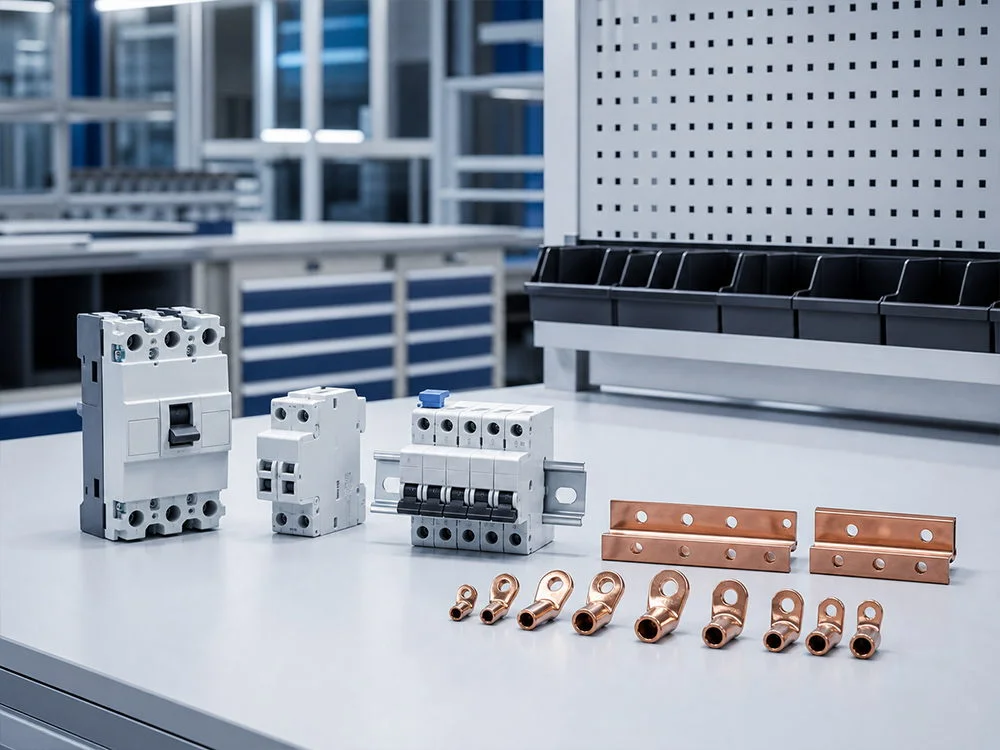

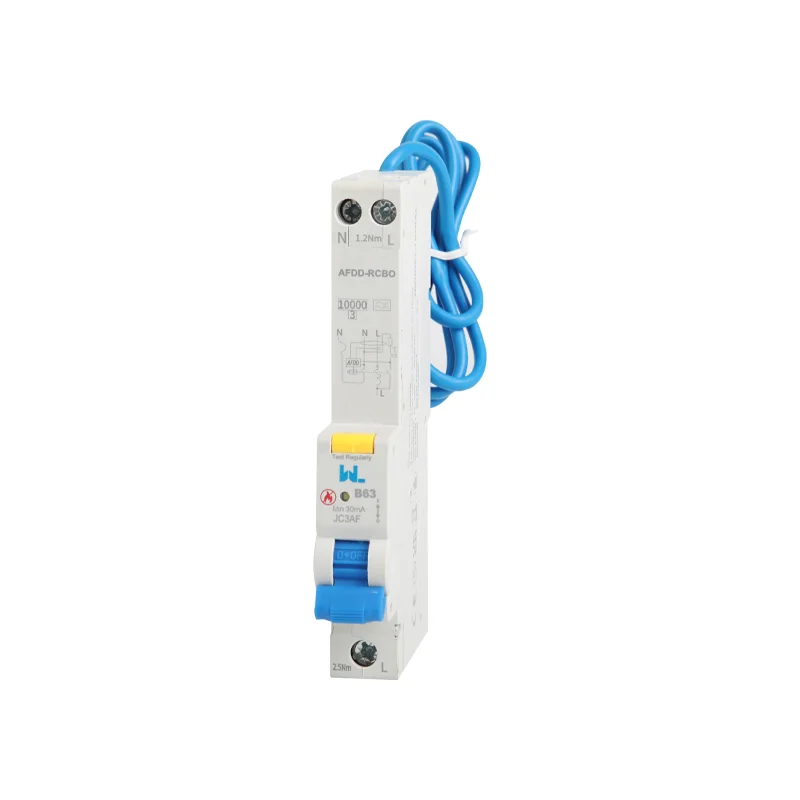
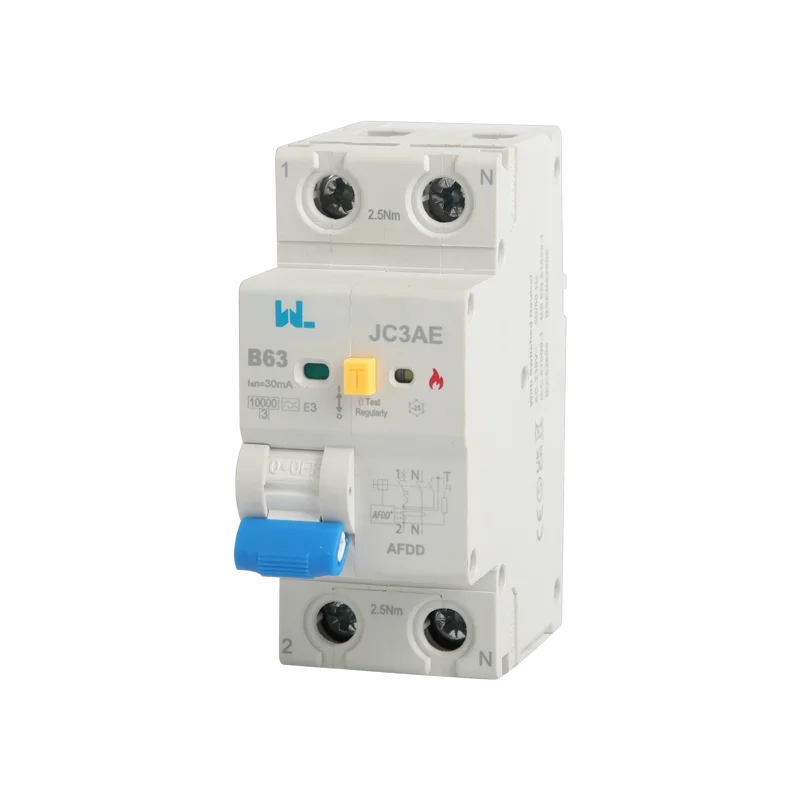
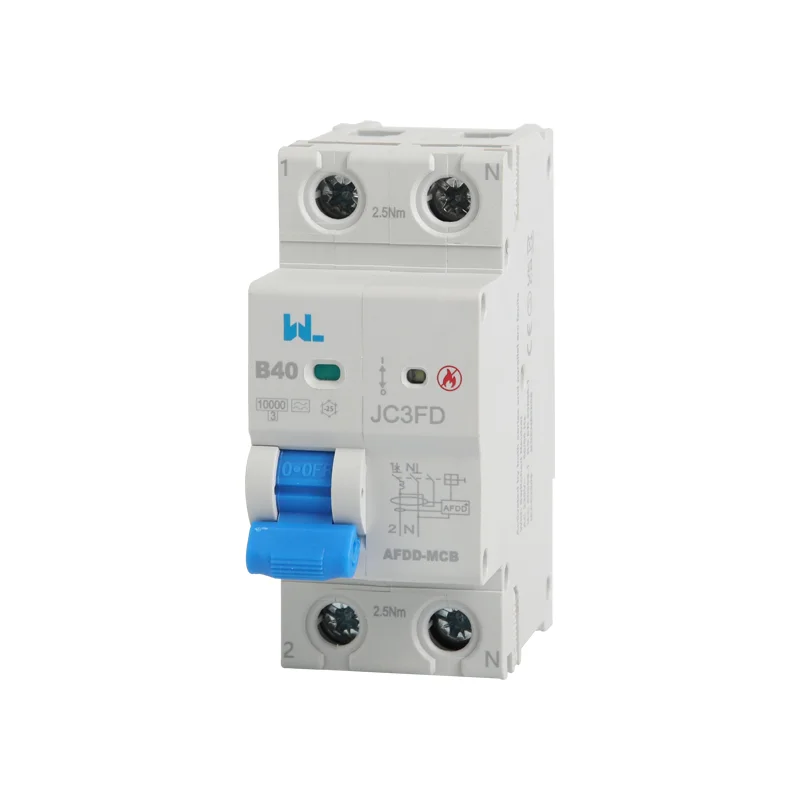





How Magnetic Circuit Breaker Tripping Works
The number printed on a breaker’s handle tells you very little about the current that will make it open instantly. A circuit may carry a brief starting current above its normal rating without tripping. The same breaker must clear a short circuit within the limits of the installation. To understand both outcomes, find the time-current characteristic for the installed release.
A magnetic circuit breaker uses the magnetic field associated with circuit current to operate a release. At sufficiently high current, the release can unlatch the operating mechanism without an intentional time delay. The breaker still takes time to open its contacts and extinguish the arc. Three different quantities matter here: rated current, magnetic pickup and breaking capacity. Confusing them can produce a specification that looks precise but answers the wrong question.
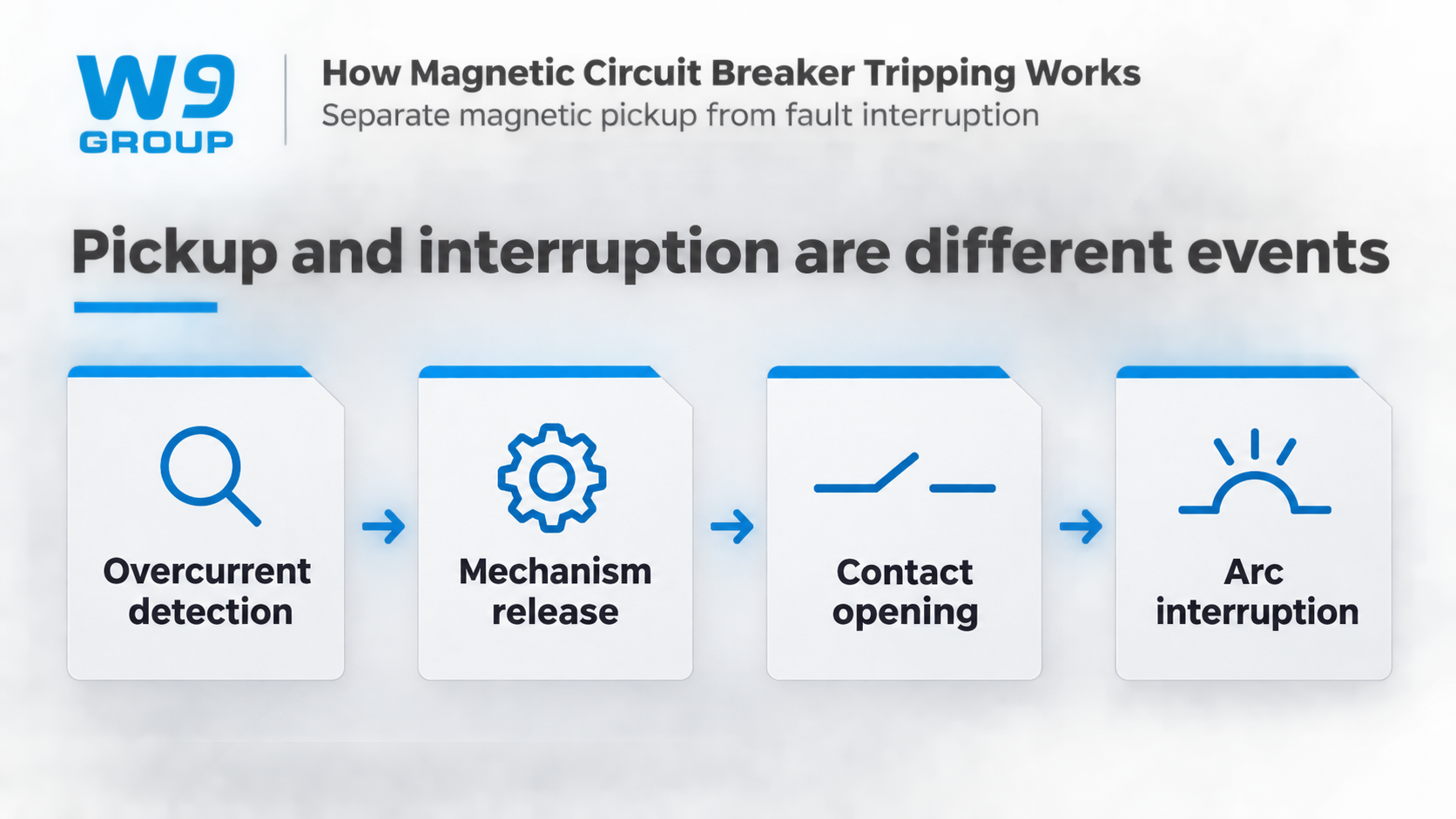
Separate magnetic pickup from fault interruption
Imagine following one event from the supply side. A low-impedance fault allows current to rise. In a conventional electromagnetic release, the increased magnetic force acts on a movable element. When the release operates, it frees the mechanism that opens the main contacts. The release senses the condition; the main contact and arc-control system interrupt the current. The exact internal arrangement depends on the product.
Instantaneous trip describes the absence of an intentional delay in that protection function. It does not mean zero clearing time. Between detection and final interruption, the mechanism moves and an arc may conduct across the separating contacts. When checking equipment withstand, determine whether a published time refers to pickup, contact opening or total clearing. A pickup specification alone cannot tell you the energy that downstream equipment experiences.
The distinction also explains why a trip accessory powered from an external control circuit is not the same thing as the magnetic overcurrent release. Both can lead to an open breaker; only one of them responds directly to the specified overcurrent. The guide to circuit breaker parts distinguishes the sensing parts, actuator and main power path.
| Term on the data sheet | Question it answers | What it does not tell you |
|---|---|---|
| Rated current | What current designation applies under the stated conditions? | The exact instantaneous operating point |
| Magnetic pickup band | At what current does this release enter its instantaneous operating region? | The largest fault the breaker can safely interrupt |
| Breaking capacity | What specified fault duty applies at this voltage and configuration? | Whether a particular motor start will trip the device |
| Total clearing time | How long can current flow for the stated fault and conditions? | A universal opening time for all currents |
Read the magnetic pickup band on the right curve
Start with the part number on the installed release. A catalogue may show several curves for one frame, and two releases fitted to the same size case can respond quite differently. Check the units on both axes. Current may be shown in amperes or as a multiple of a stated reference current. On an adjustable release, that reference must come from the curve legend; it need not be the number in the frame designation.
A band describes a range, rather than a promise that every unit will operate at its centre. For example, consider a purely illustrative plot whose horizontal axis is a multiple of a 40 A reference current. A point at five times that reference represents 200 A. The arithmetic identifies a coordinate; it provides no basis for saying that a real 40 A breaker must trip at 200 A. That conclusion needs the actual curve, conditions and duration.
Be careful when comparing the plot with a recorded transient. A meter may report a peak in amperes, while the manufacturer’s plot uses a different measure of current. Even two values expressed in amperes can mean different things. Determine how the instrument captured the event and how the release characteristic is specified before making that comparison.
Identify which protection functions the breaker includes
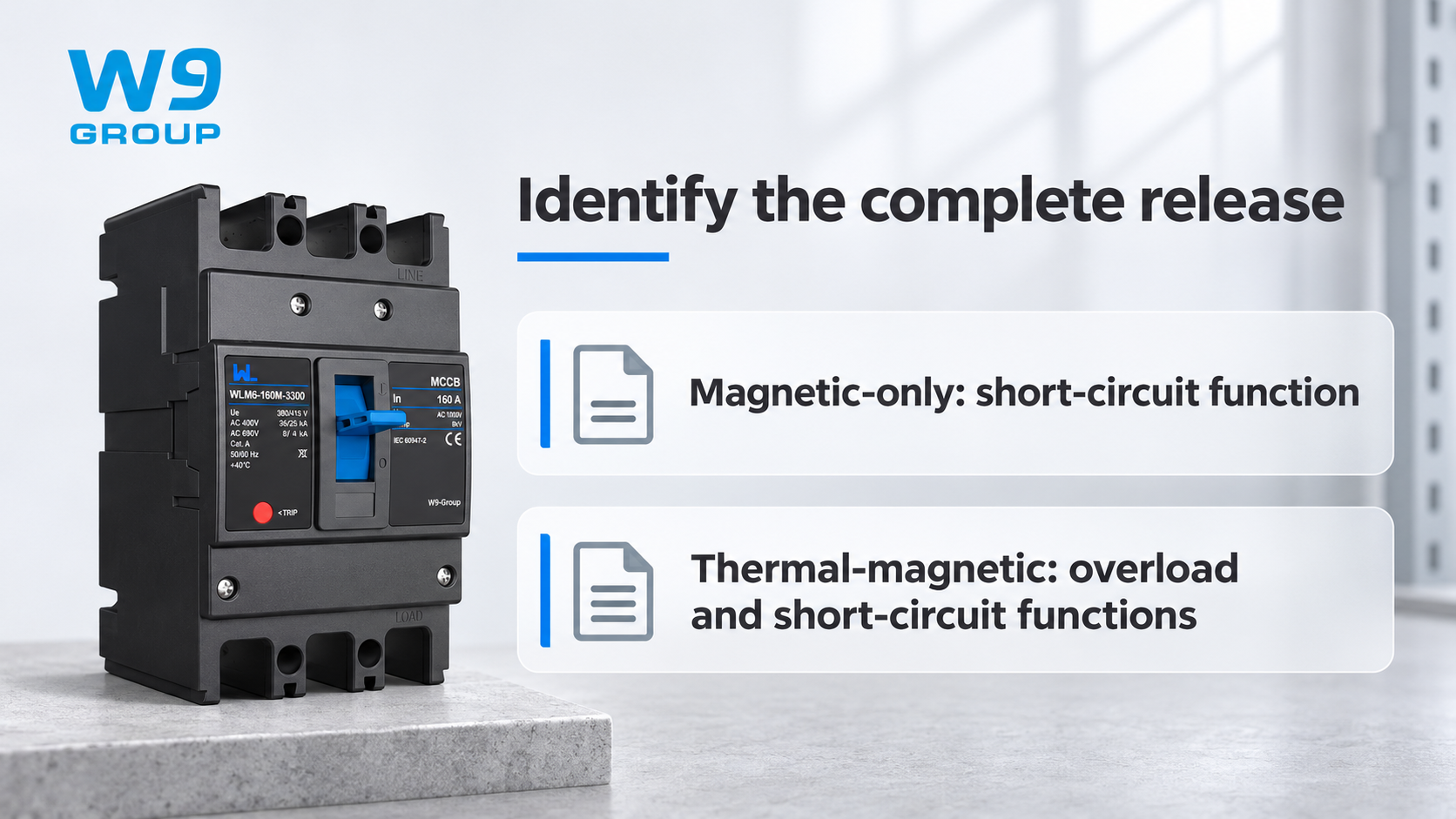
A magnetic-only instantaneous release is not a substitute for inverse-time overload protection. A persistent overload can be too small to reach magnetic pickup while still overheating a conductor or motor. The circuit design must identify what provides any required overload protection and what equipment that protection covers. An upstream breaker and a motor overload relay do not become an approved combination just because their current labels appear compatible.
A thermal-magnetic breaker adds a thermal overload element to the magnetic short-circuit release. Sustained current heats the thermal element, so time and prior loading matter. An electronic release can implement long-time and instantaneous functions by a different sensing method. Our thermal-magnetic operating principle guide covers how the two conventional elements share one mechanism.
Another use of the word magnetic appears in hydraulic-magnetic designs. Depending on the version, a hydraulic delay allows a specified overload characteristic without using a thermal bimetal to create that delay. A product described as hydraulic-magnetic is therefore not necessarily an instantaneous-only protector. Select the exact delay curve and approved application.
Match the breaker curve to its circuit
A time-current curve becomes useful when it is considered alongside two circuit conditions. First, the normal operating envelope, including credible startup, should be compatible with the release. Second, credible faults must be cleared within the protection design’s limits. A feeder with a long cable run can have a lower fault current at its far end than at the switchboard. Checking only the largest fault at the source leaves that second question partly unanswered.
| Engineering question | Record to obtain | Reason for keeping it |
|---|---|---|
| Which release is fitted? | Complete order code and installed settings | Distinguishes family options from the supplied unit |
| Can the load start? | Starting envelope and matching breaker curve | Compares current and duration on a common basis |
| Can the breaker clear faults? | Available fault levels and voltage-specific breaker ratings | Checks interruption and disconnection separately |
| What happens upstream? | Applicable coordination data for the installed pair | Prevents an unsupported selectivity claim |
IEC 60947-2 gives the scope of the low-voltage circuit-breaker product standard. Its public description is useful context for industrial breakers; it does not assign a magnetic threshold to an unspecified model. For an order, request the actual release reference, curve and voltage-specific ratings. Record the approved values with the circuit rather than leaving a general brochure as the only service reference.
Questions about magnetic trip breakers
How does a magnetic trip circuit breaker work?
When sufficiently high current produces the required magnetic force, the release unlatches the breaker mechanism. The contacts open and the breaker interrupts current within its documented duty.
What is the difference between thermal and magnetic tripping?
Thermal operation responds to heating over time. A conventional instantaneous magnetic element responds to sufficiently high current without an intentional time delay; it does not by itself cover all sustained overloads.
What happens inside a thermal-magnetic breaker during an overload?
At a sustained overload the thermal element can operate before the instantaneous threshold is reached. The applicable trip time depends on the current, initial conditions and product characteristic.
How does an electronic trip unit compare?
It uses sensors and electronic processing to implement its specified functions. It may provide adjustments or indications that a conventional release does not, but those features must be confirmed for the ordered unit.
How does hydraulic-magnetic delay differ from a thermal delay?
The hydraulic element controls motion in the magnetic sensing mechanism rather than relying on a bimetal heating up. Manufacturers offer different curves, so check how the particular release behaves under startup and overload conditions.
Can a hydraulic-magnetic breaker replace an industrial MCCB?
Only if the exact device meets the required protection functions, voltage, interrupting duty, installation and applicable approvals. Constructional terminology alone does not establish equivalence.
References
- IEC 60947-2:2024: scope of the circuit-breaker standard
- HSE HSG85: Electricity at work, safe working practices
- Carling Technologies: hydraulic-magnetic circuit breaker families
Specify the release with the breaker
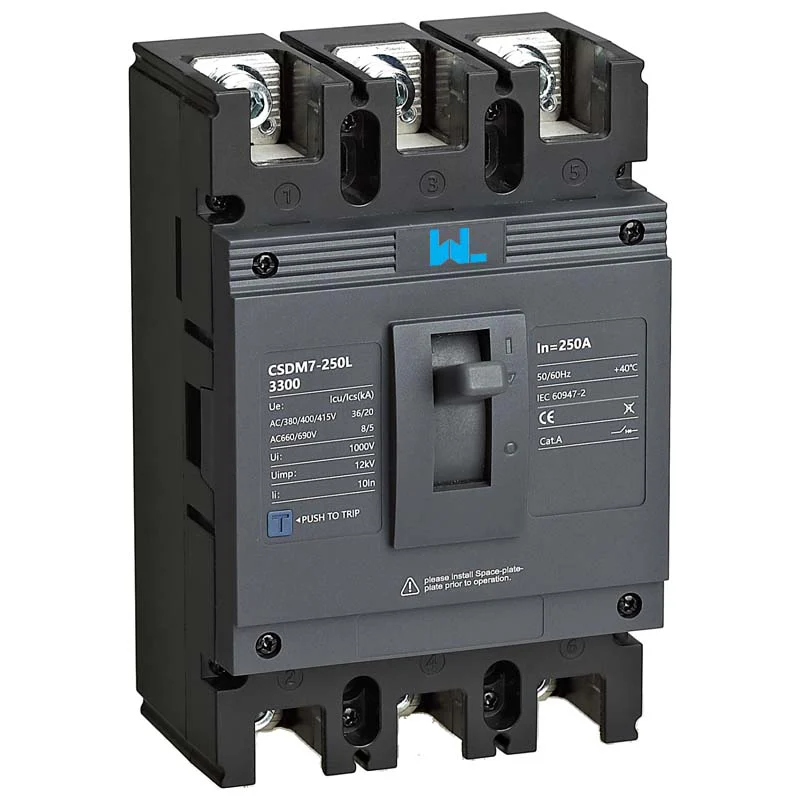
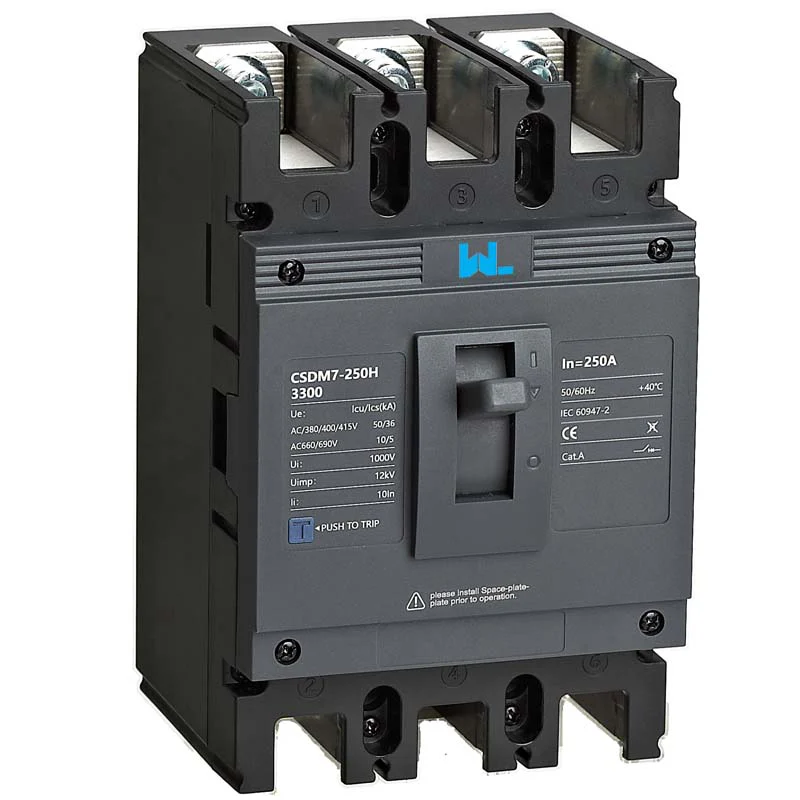
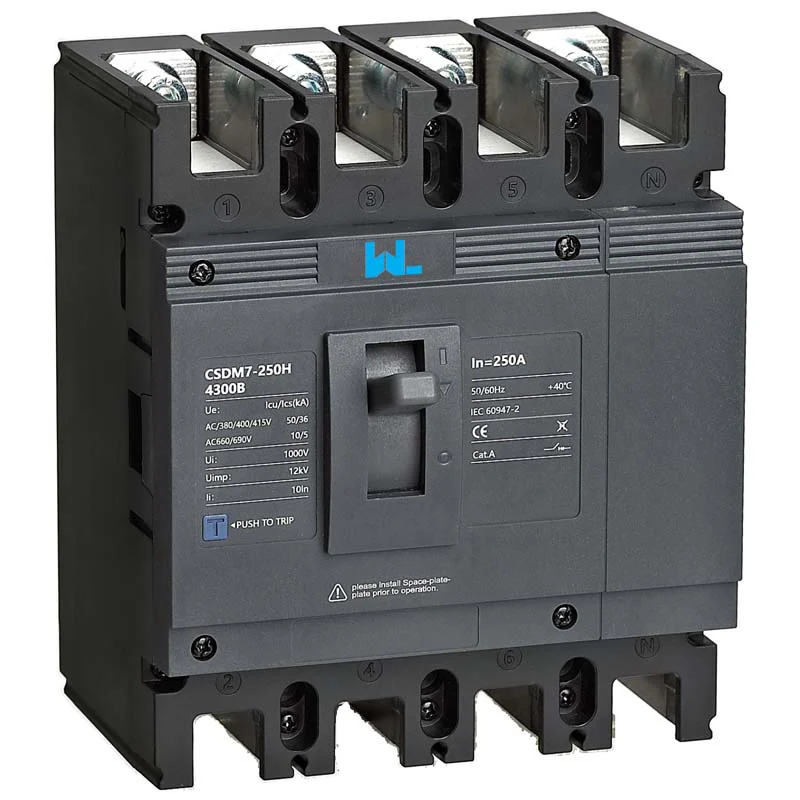
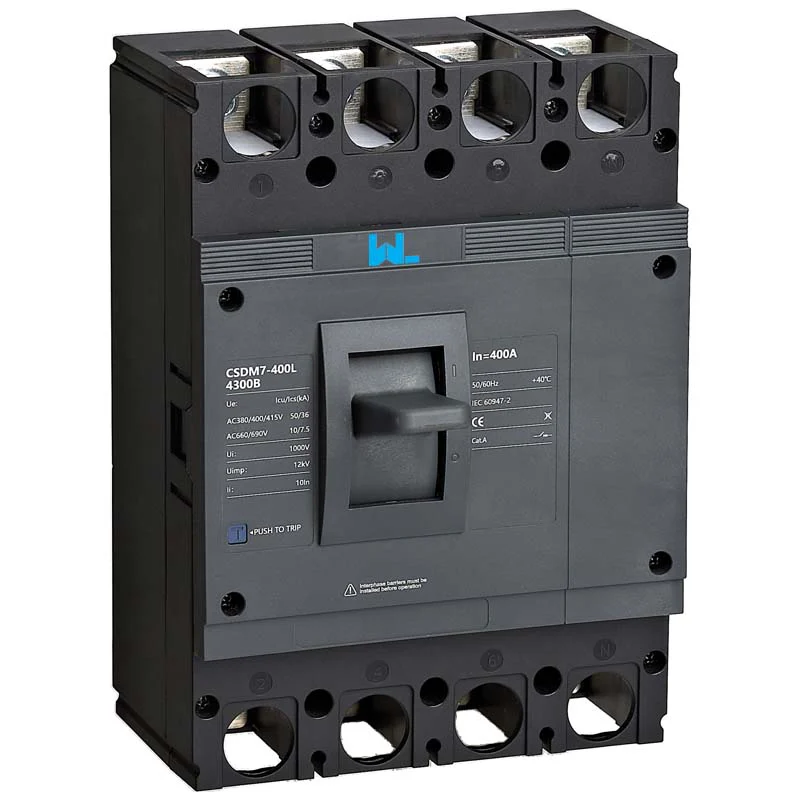
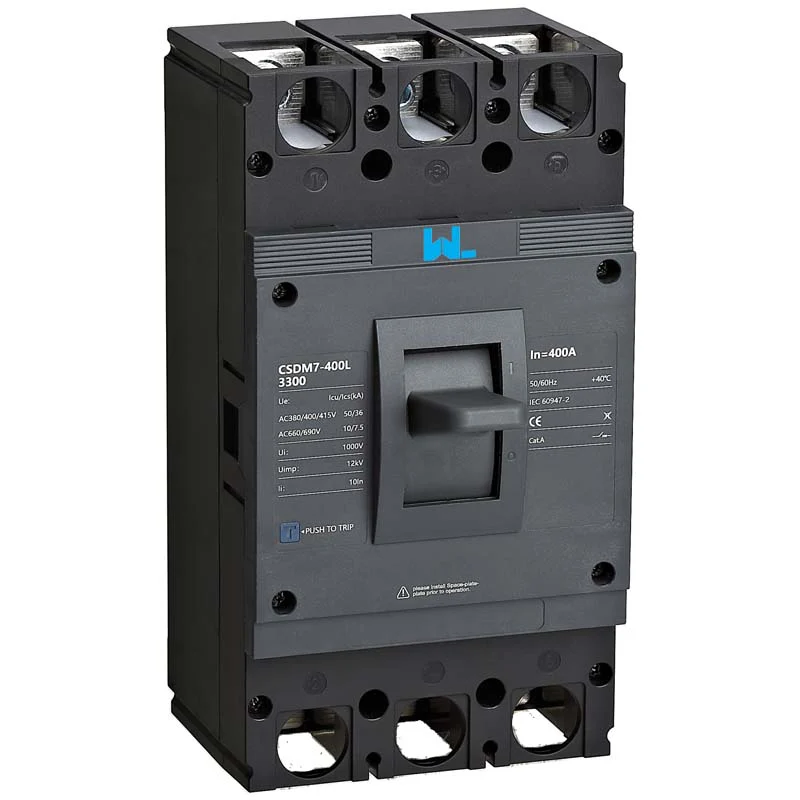
The W9 WLM6 breaker family listing distinguishes magnetic and thermal-magnetic catalogue options. When requesting a quotation, include the release order code, supply voltage, load duty and available fault current. Ask for the characteristic for that exact selection. It is the document that connects the number on the breaker to the behavior you expect in the panel.