



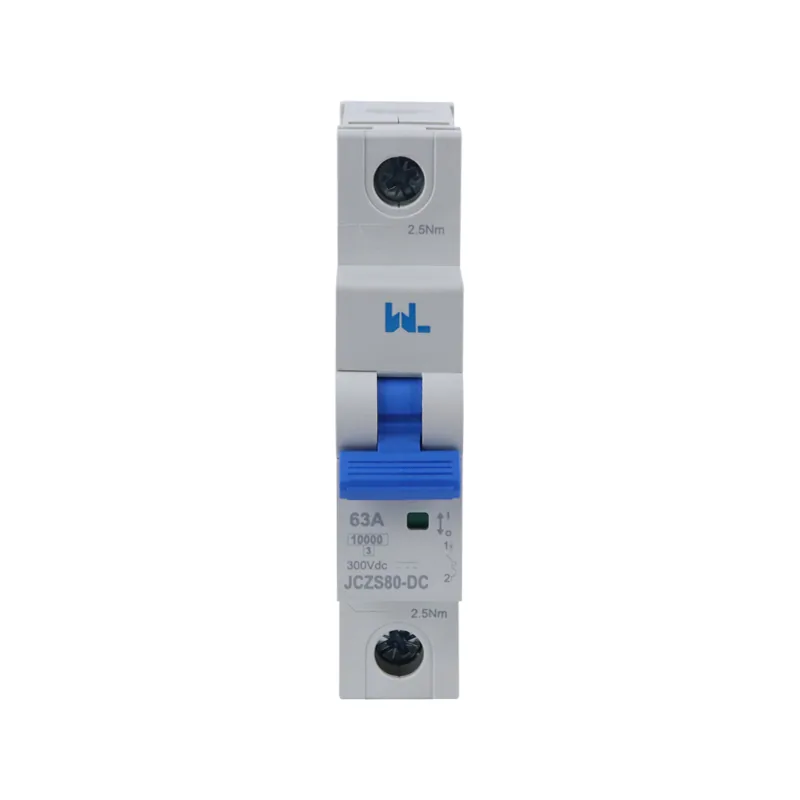
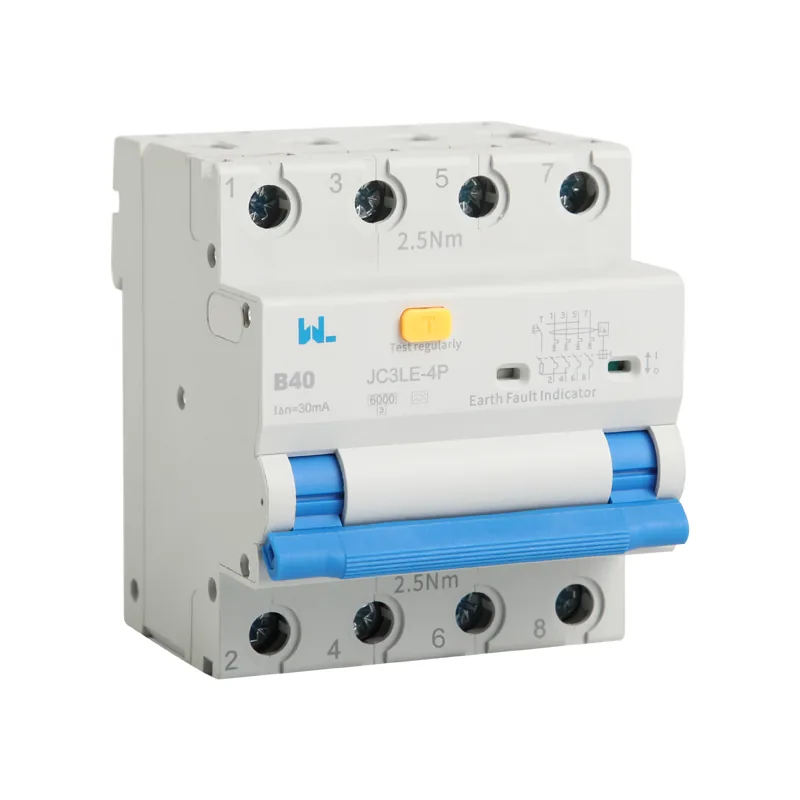
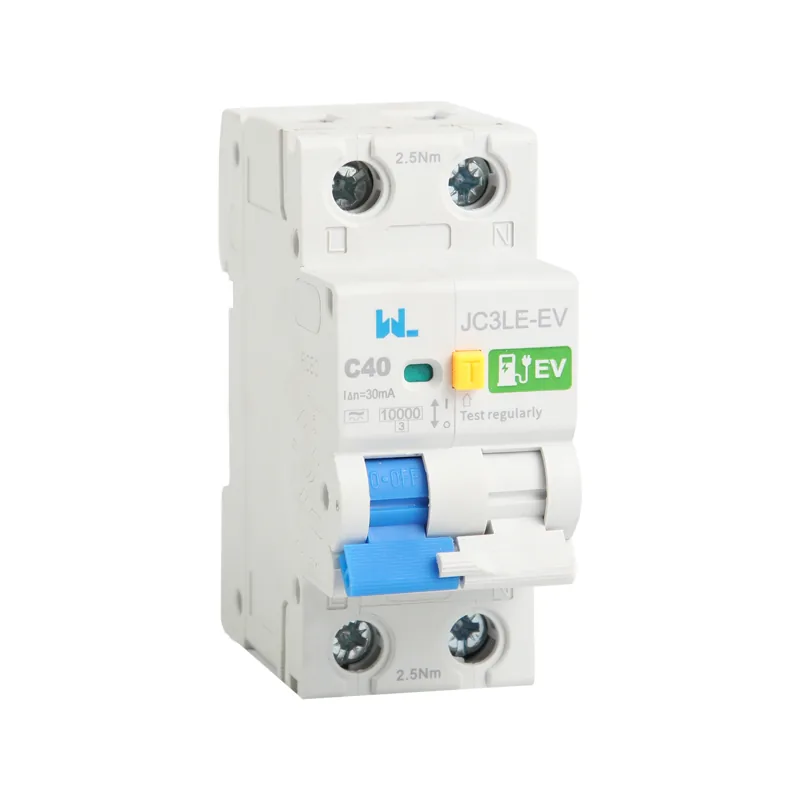





Introduction
A residual-current device (RCD), residual-current circuit breaker (RCCB) is an electrical safety device that quickly breaks an electrical circuit with leakage current to ground. It is to protect equipment and to reduce the risk of serious harm from an ongoing electric shock. Injury may still occur in some cases, for example if a human receives a brief shock before the electrical circuit is isolated, falls after receiving a shock, or if the person touches both conductors at the same time.
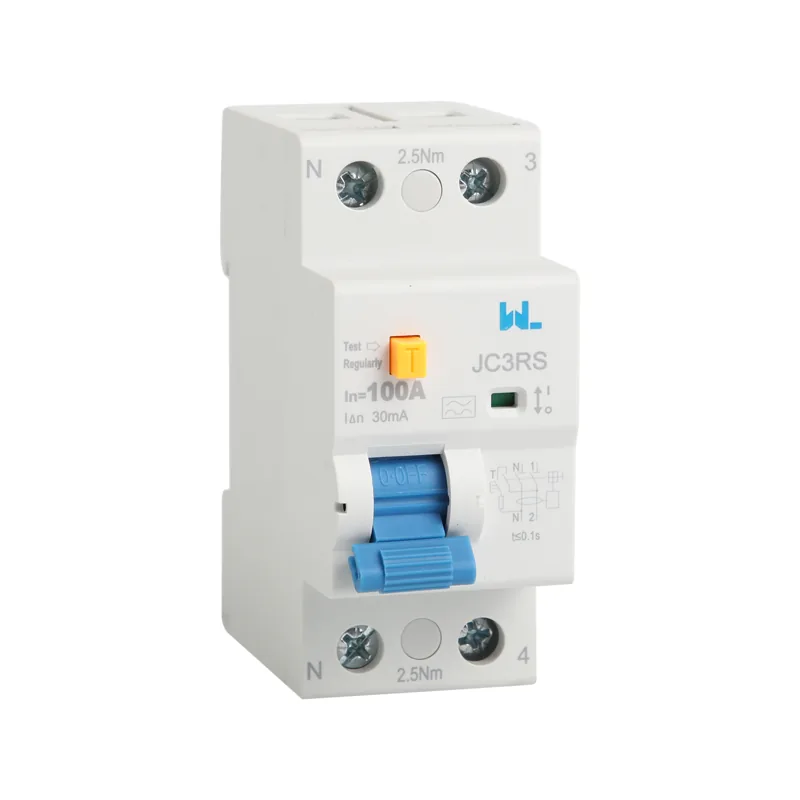
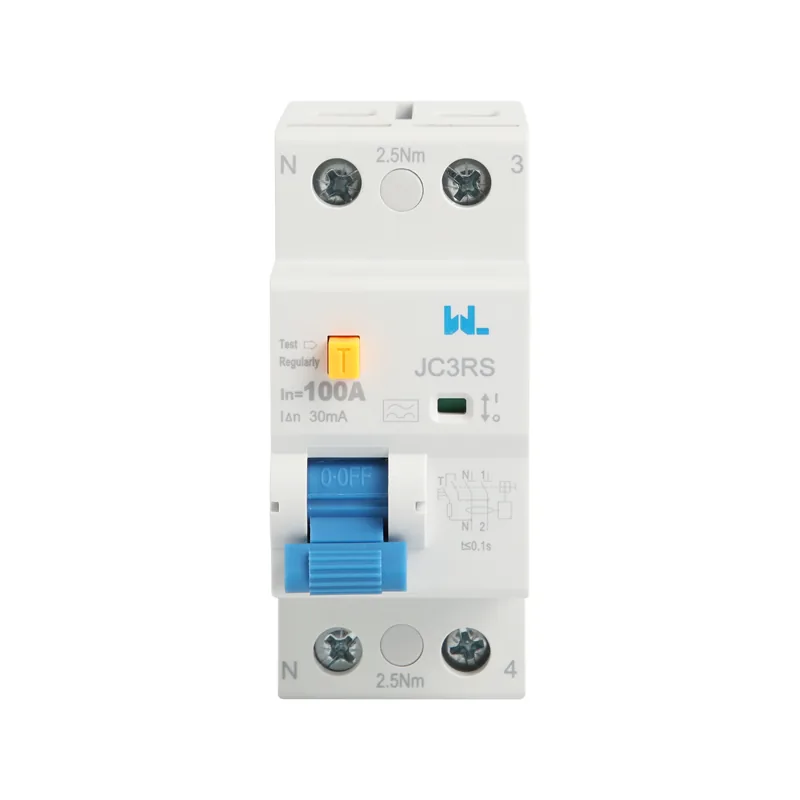
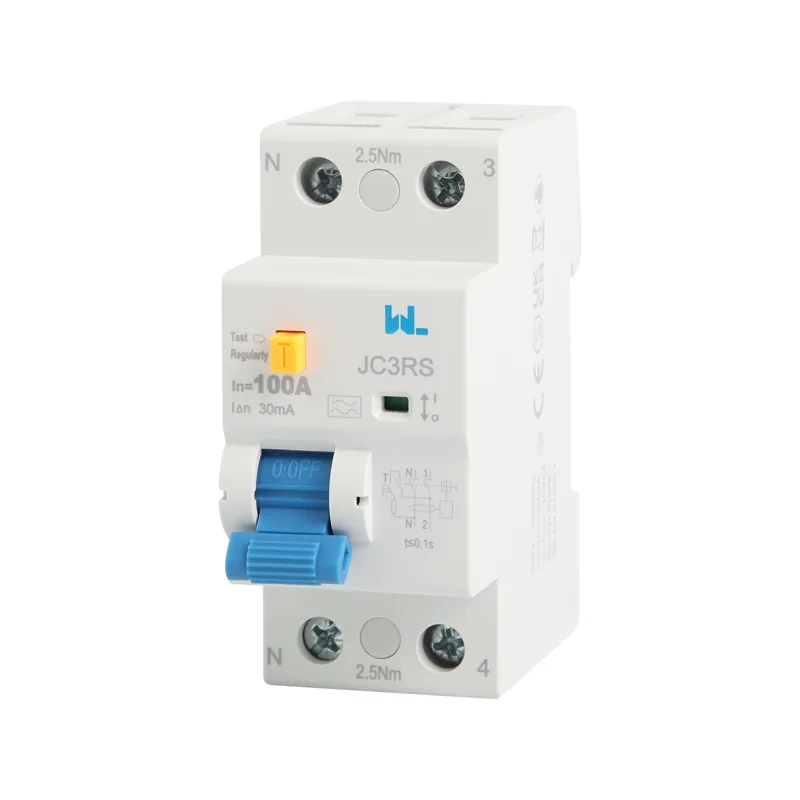
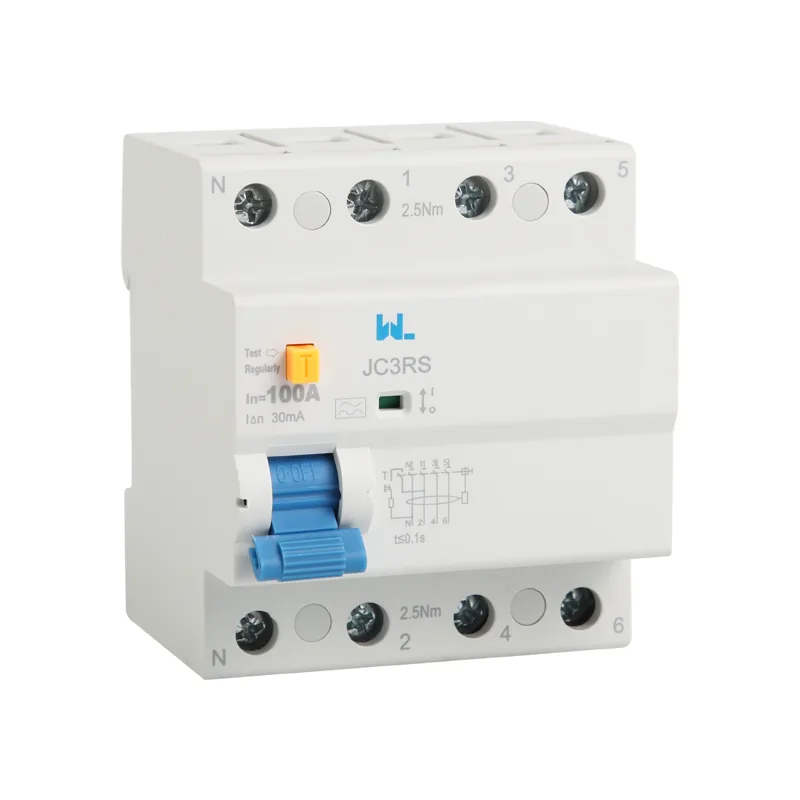
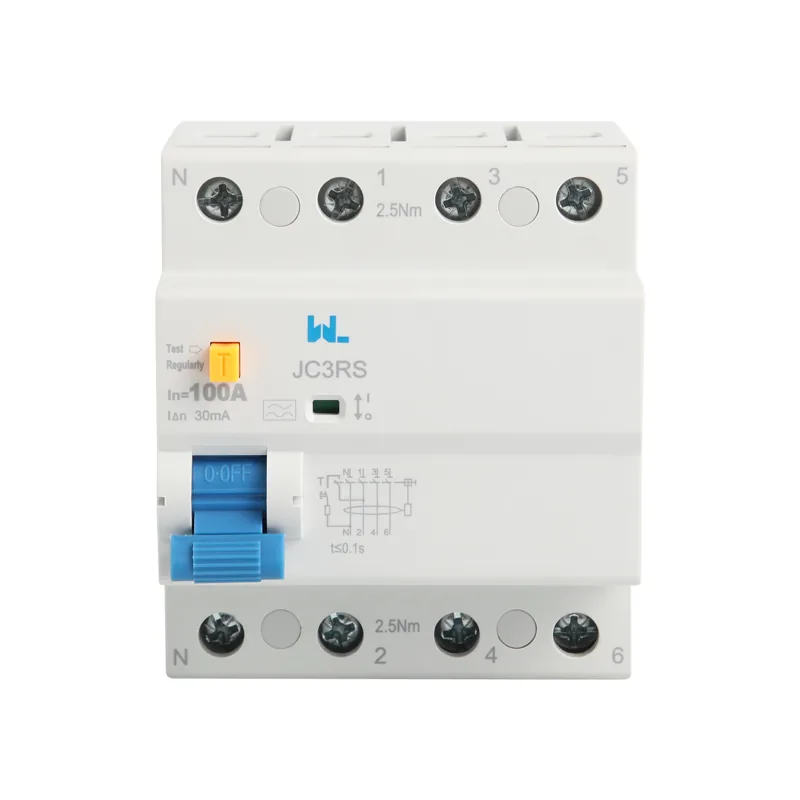
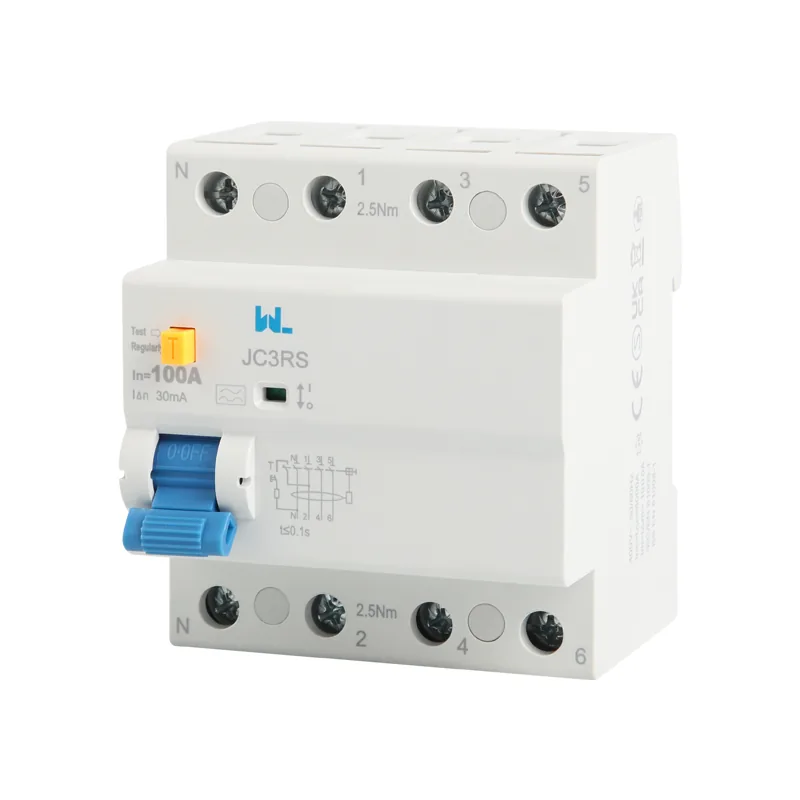
JC3RS are designed to disconnect the circuit if there is a leakage current.
JC3RS Residual current devices (RCDs) prevent you from receiving fatal electric shocks. RCD protection is life-saving and protects against fires. If you touch a bare wire or other live components of a consumer unit, it will keep the end user from being harmed. If an installer cuts through a cable, residual current devices will switch off the power flowing to the earth. The RCD would be used as the incoming device which feeds the electrical supply to the circuit breakers. In the event of an electrical in-balance, the RCD trips out and disconnects the supply to the circuit breakers.
A residual current device or better known as an RCD is a key safety device in the electrical world. An RCD is used primarily to protect a human being from a hazardous electrical shock. If there is a defect with an appliance in the household, the RCD reacts because of the power surge and disconnects the electric current. The RCD is fundamentally designed to respond quickly. The residual current device oversees the electric current and the instant of any abnormal activity the device rapidly reacts.
RCD’s exist in various different forms and react differently depending on the presence of DC components or different frequencies. The level of safety they provide for live currents is greater than an ordinary fuse or circuit breaker. The following RCD’s are available with the respective symbols and the designer or installer is required to select the appropriate device for the specific application.
Type AC
Type AC RCDs (General Type), which are most commonly installed in dwellings, are designed to be used for alternating sinusoidal residual current to protect equipment which is resistive, capacitive or inductive and without any electronic components.
General Type RCDs do not have a time delay and operate instantaneously on detection of imbalance.
Type A
Type A RCDs are used for alternating sinusoidal residual current and for residual pulsating direct current up to 6 mA.
Information
기능
전자기 타입
Earth Leakage Protection
Breaking capacity 6KA,10KA
Rated current up to 100A
Available in Type A or Type AC
Tripping sensitivity: 30mA
Connection from top or bottom
Complies with IEC61008-1, EN61008-1
응용
The JC3RS RCD (residual current circuit breaker with overload protection) are suitable for consumer units or distribution boards, applied under occasions such as industrial, and commercial, high-rise buildings and residential houses.
| 표준 | IEC61008-1, EN61008-1 | |
| Electronic features | 정격 전류(A) | 25, 40, 50, 63, 80, 100 |
| 형태 | Electromagnetic | |
| Type(wave form of the leakage sensed) | AC, A, AC-G, A-G AC-S and A-S are available | |
| 폴란드인 | 1P+N, 3P+N | |
| 정격 전압 Ue(V) | 1P+N: 230/240 3P+N: 400/415 | |
| 등급 감도 IΔn | 30mA, 100mA, 300mA are available | |
| 절연 전압 Ui(V) | 500 | |
| Rated residual making and breaking capacity IΔm | 500(In=25/40A), 630(In=63A), 1000(In=80/100A) | |
| 정격 주파수 | 50/60Hz | |
| 최대 절단 용량 | 6KA, 10KA | |
| 인덕션 전류 저항 전압(1.2/50) Uimp(V) | 6,000 | |
| 1분 동안 인덕턴스 주파수에서 발생한 전압 (KV) | 2.5 | |
| 오염 정도 | 2 | |
| 기계적 특징 | 전기 수명 | 2,000 |
| 기계적 수명 | 4,000 | |
| 접촉 위치 표시기 | 네 | |
| 보호 수준 | IP20 | |
| 열체 열 설정 기준 온도(℃) | 30 | |
| 기온(일일 평균 ≤35℃) | -5…+40 | |
| 저장 온도(℃) | -25…+70 | |
| 설치 | 터미널 연결 유형 | 케이블/U형 버스바/핀형 버스바 |
| 케이블의 상단/하단 터미널 사이즈 | 25mm2/18-3AWG | |
| 버스바용 터미널 사이즈 상단/하단 | 10mm2/18-8AWG | |
| 강력한 토크 | 2.5N*m/22인치-파운드 | |
| 장착 | DIN 레일 EN 60715(35mm)에 맞게 | |
| 연결 | 상단 또는 하단에서 사용할 수 있습니다. |
How do I test the different Types of RCD?
There are no additional requirements for the installer to check for correct operation whilst subjected to DC residual current. This testing is carried out during the manufacturing process and is called type testing, which is no different from the way we currently rely on circuit-breakers under fault conditions. Type A, B and F RCDs are tested in the same way as an AC RCD. Details of the test procedure and maximum disconnection times can be found in IET Guidance Note 3.
What if I discover a Type AC RCD whilst carrying out an electrical inspection during an electrical installation condition report?
If the inspector is concerned that residual DC current may affect the operation of Type AC RCDs, the client must be informed. The client should be informed of the potential dangers which may arise and an assessment of the amount of residual DC fault current should be made to determine if the RCD is suitable for continued use. Depending on the amount of residual DC fault current, an RCD which is blinded by residual DC fault current is likely not to operate which could be as dangerous as not having an RCD installed in the first place.
In-service reliability of RCDs
Many studies on the in-service reliability have been carried out on RCDs installed in a wide range of installations providing an insight into the effects that environmental conditions and external factors can have on the operation of an RCD.