



















7 Best Reasons to Choose a Molded Case Breaker for Electrical Needs
A moulded case breaker earns its place when the enclosure, trip response, fault duty and accessories fit the installation. A packaging line that trips during starting needs a documented coordination review, not an arbitrary larger breaker. Evaluate the circuit, conductor and maintenance plan before turning a list of benefits into a purchase decision.
Summary: MCCB benefits include enclosed live parts, defined overcurrent interruption, selectable trip functions, compact panel integration and repeatable maintenance records. The value depends on the exact frame, trip unit, voltage, poles, interrupting capacity and accessory configuration. An MCCB does not automatically provide residual-current or DC protection, and adjustability does not replace a fault study.
For procurement teams, continuity must hold as load, fault and maintenance conditions change. These reasons show where MCCB benefits appear and where judgment remains essential.
Moulded Case Breaker Benefits
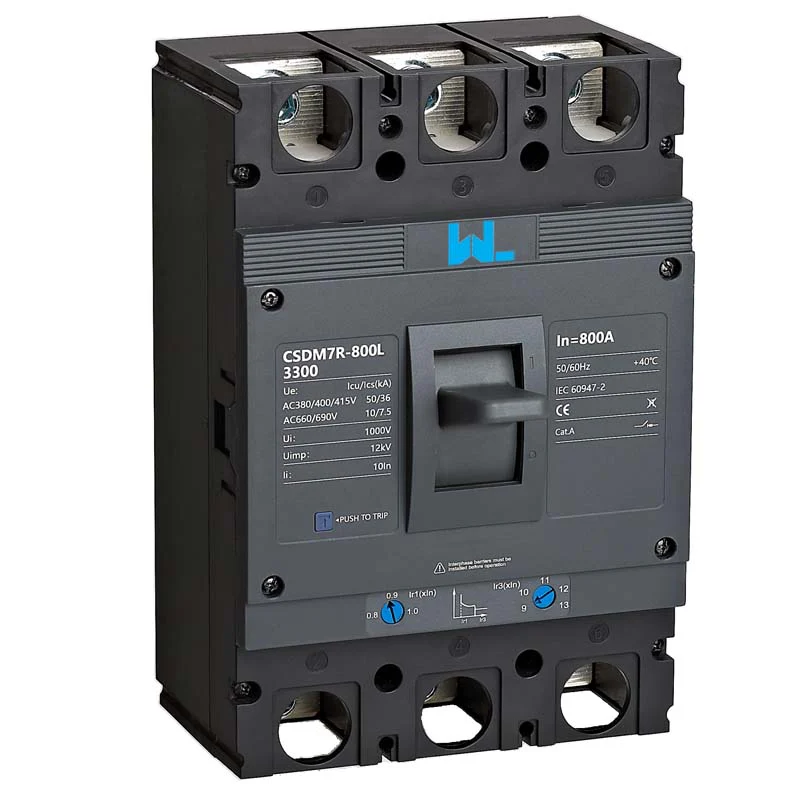
Enclosed Breaker Construction
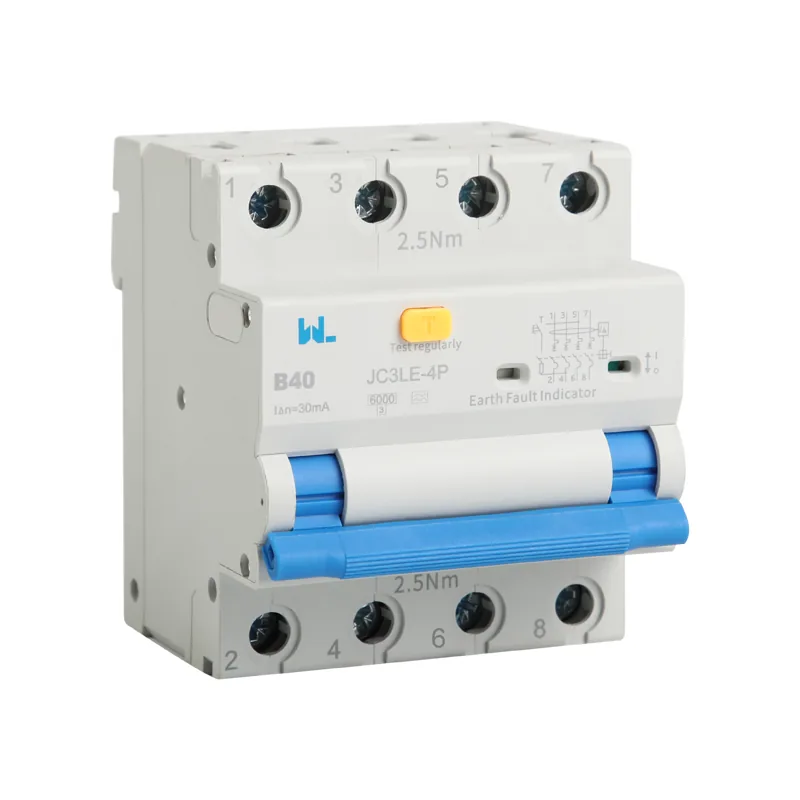
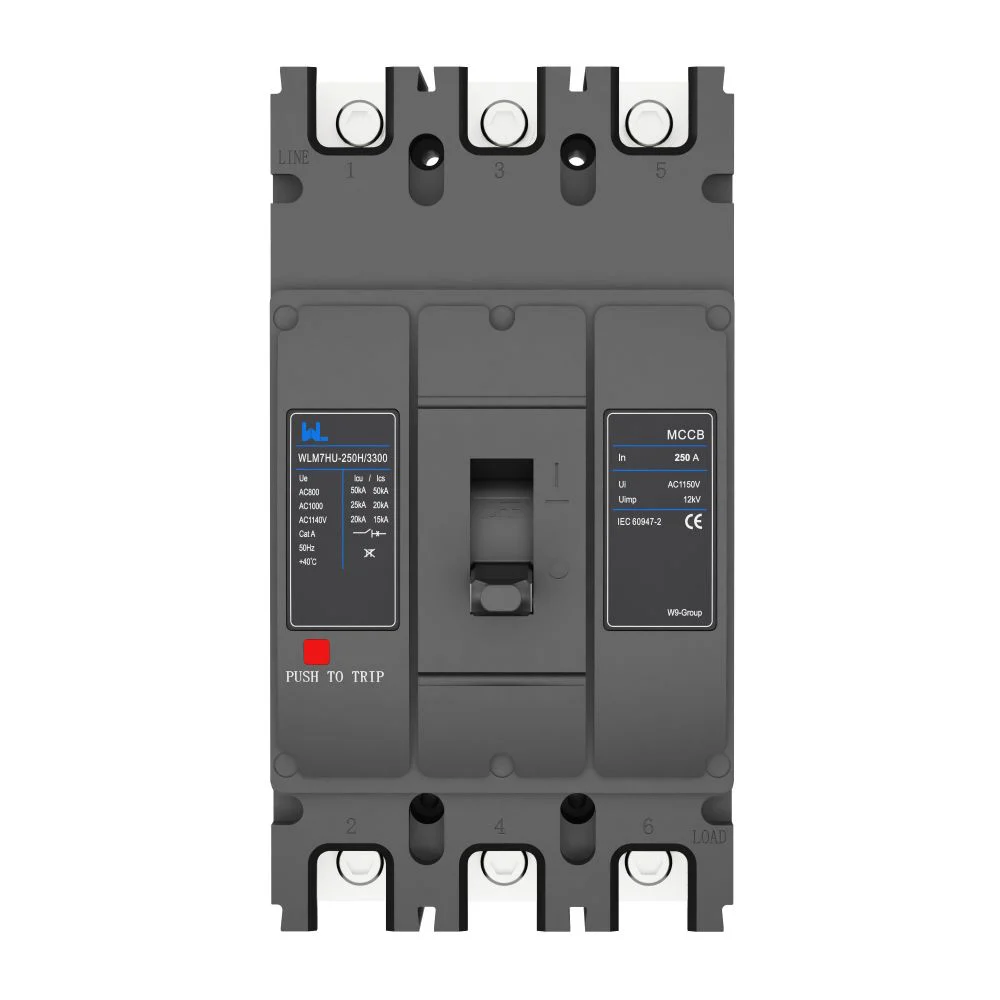
The molded insulating case keeps live parts, arc-control parts and the operating mechanism in a defined assembly. It supports a repeatable panel layout, but the case material alone does not prove a temperature, fault or environmental rating. Confirm the manufacturer’s declared limits, terminals, clearances and installation method for the selected model.
For panel builders, a molded case breaker simplifies repeatable layouts. A standard frame pattern can reuse busbar supports and auxiliary contacts while the trip rating changes. Record the exact frame, poles, terminals and accessories to retain this operational MCCB benefit.
Trip Options Matched to the Load
Thermal-magnetic trips combine a time-delayed overload element with an instantaneous magnetic element. They are straightforward for general feeders when the load and coordination study fit fixed characteristics. Electronic trips measure current through sensors and can offer adjustable long-time, short-time or instantaneous thresholds; some projects also require ground-fault sensing or metering interfaces. Availability and adjustment ranges are model-specific, so request the time-current curves rather than assuming every feature is included.
Adjustment should protect the conductor, not merely prevent nuisance trips. A motor feeder may need a documented short-time delay for starting, while the long-time setting must remain within conductor ampacity after derating. Record the approved setting, curve, test result and label revision whenever the trip unit is changed.
Defined Fault-Interruption Ratings
Prospective short-circuit current varies by transformer impedance, conductor length and source configuration. Select a device whose interrupting rating is suitable at the stated operating voltage and frequency. Under IEC 60947-2, Icu is the ultimate breaking capacity demonstrated in the specified test sequence, while Ics is the service breaking capacity after additional tests. They are not interchangeable shorthand, and both depend on test conditions.
In North America, UL 489 covers molded-case circuit breakers, molded-case switches and circuit-breaker enclosures within its certification framework. NFPA 70 (the National Electrical Code) provides installation rules, such as overcurrent protection and conductor requirements; it is not a product test standard. This distinction matters during circuit breaker selection because a brochure claim cannot substitute for the listing, marking and electrical protection evidence required in the destination market.
Selective Protection Coordination
Selective coordination aims to make the nearest protective device clear a fault while upstream equipment remains energized. Time-current curves, short-time settings, instantaneous overrides and manufacturer-tested combinations all affect the result. A molded case breaker that is individually suitable may still defeat selectivity when paired with a particular upstream breaker.
Ask for coordination data at the actual voltage and fault level, then document settings in the panel schedule. Where a downstream device has a lower interrupting rating, verify any series-rated or tested combination allowed by the governing standard. Coordination is a system property—one of the most valuable MCCB benefits when a short circuit should not shut down an entire process area. Include the study in the electrical protection file.
Installation and Accessory Planning
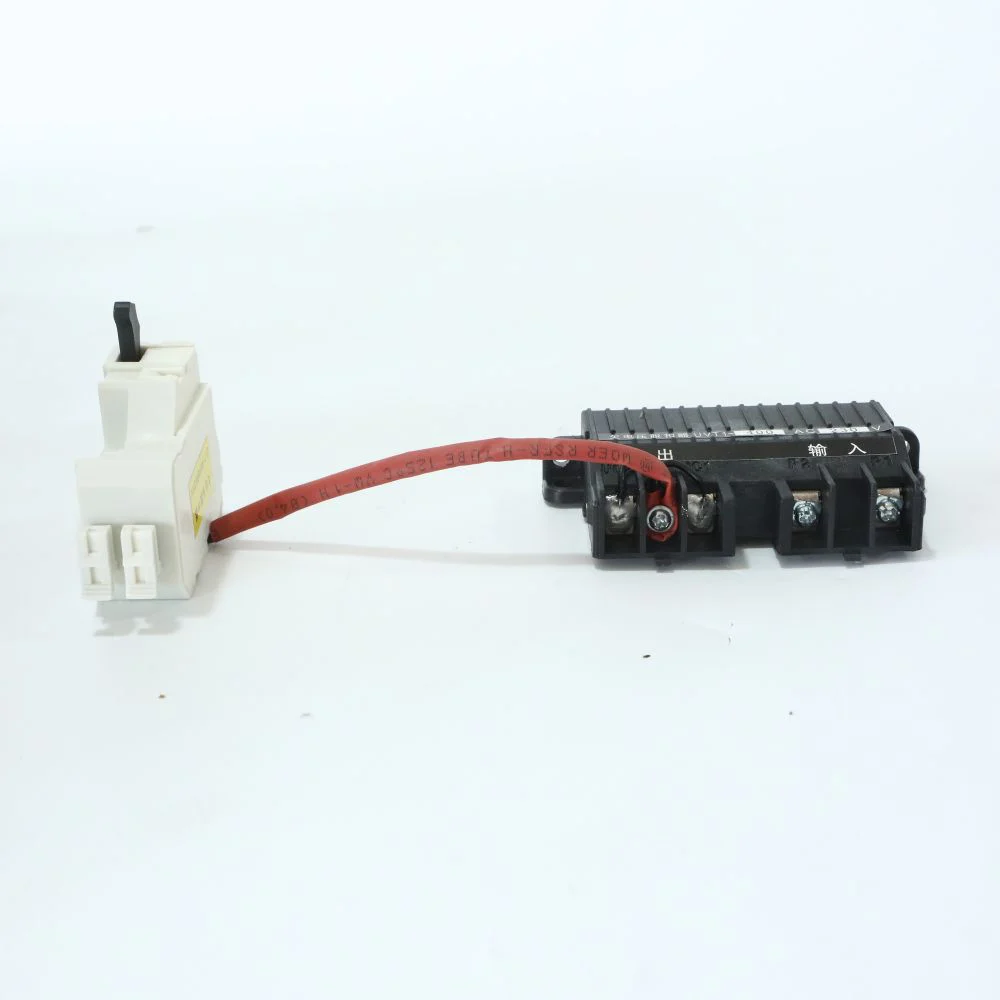
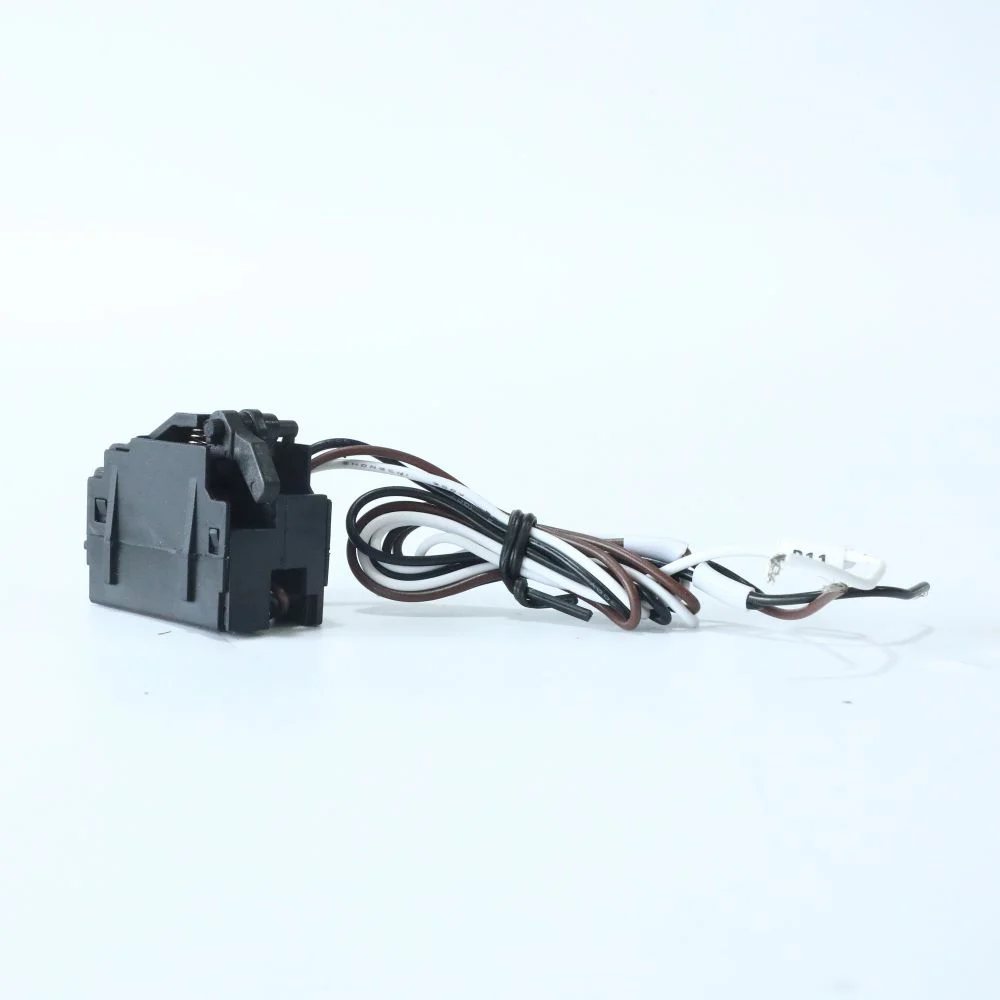
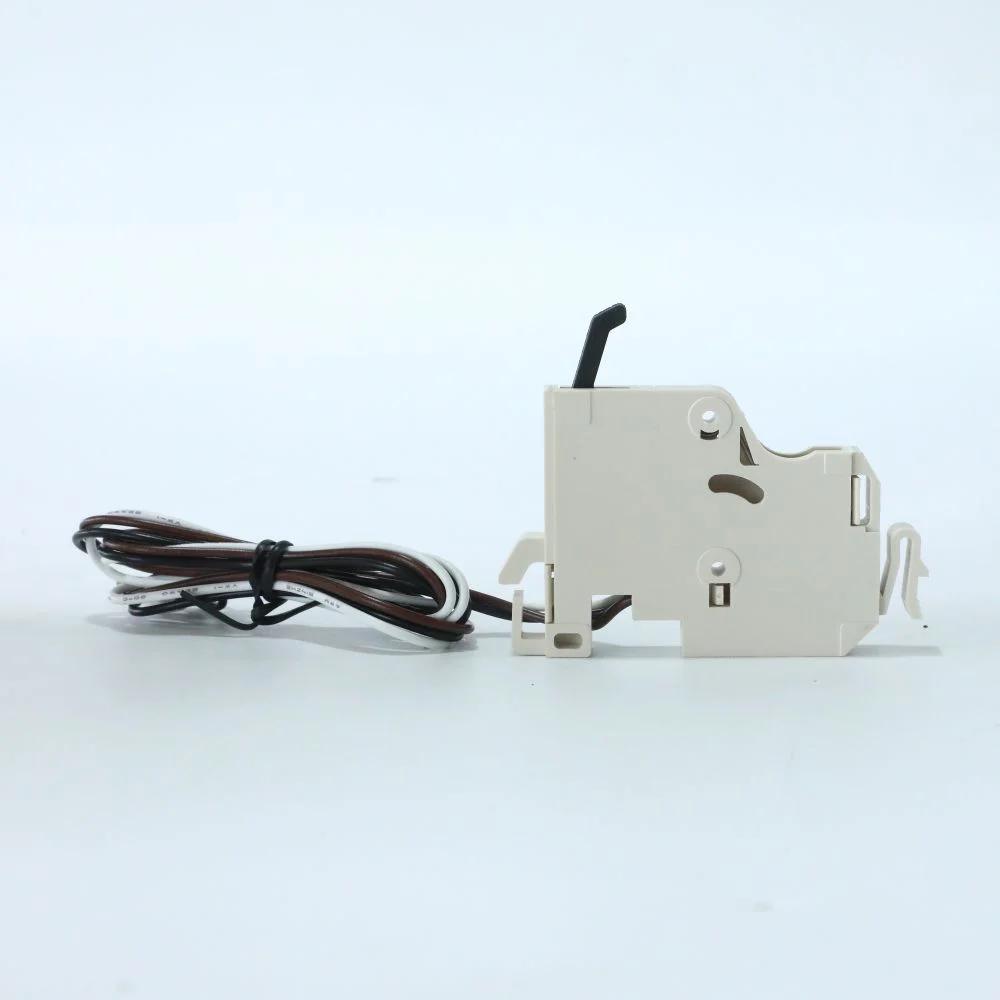
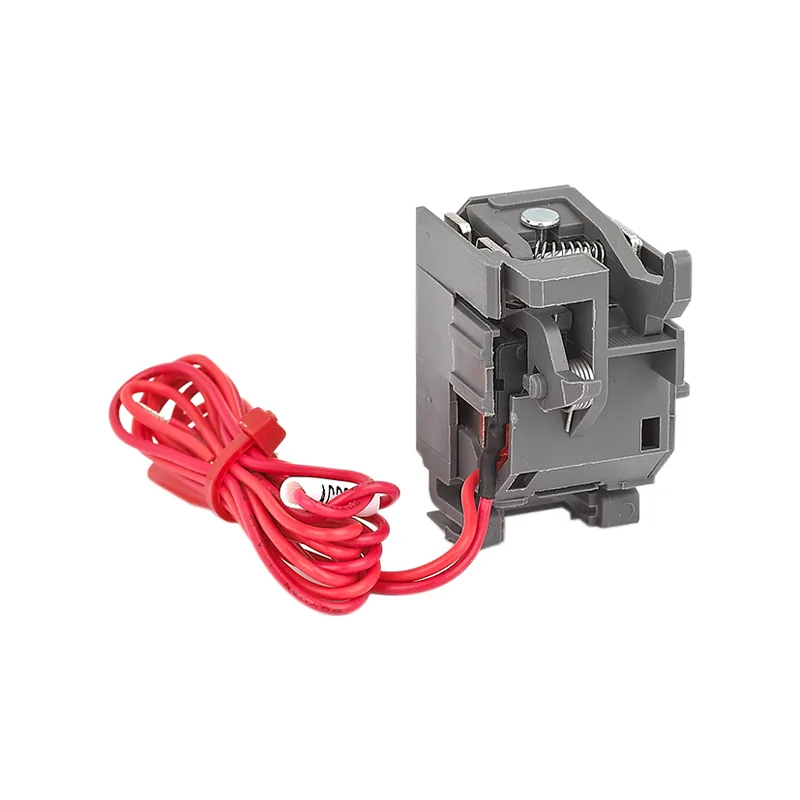
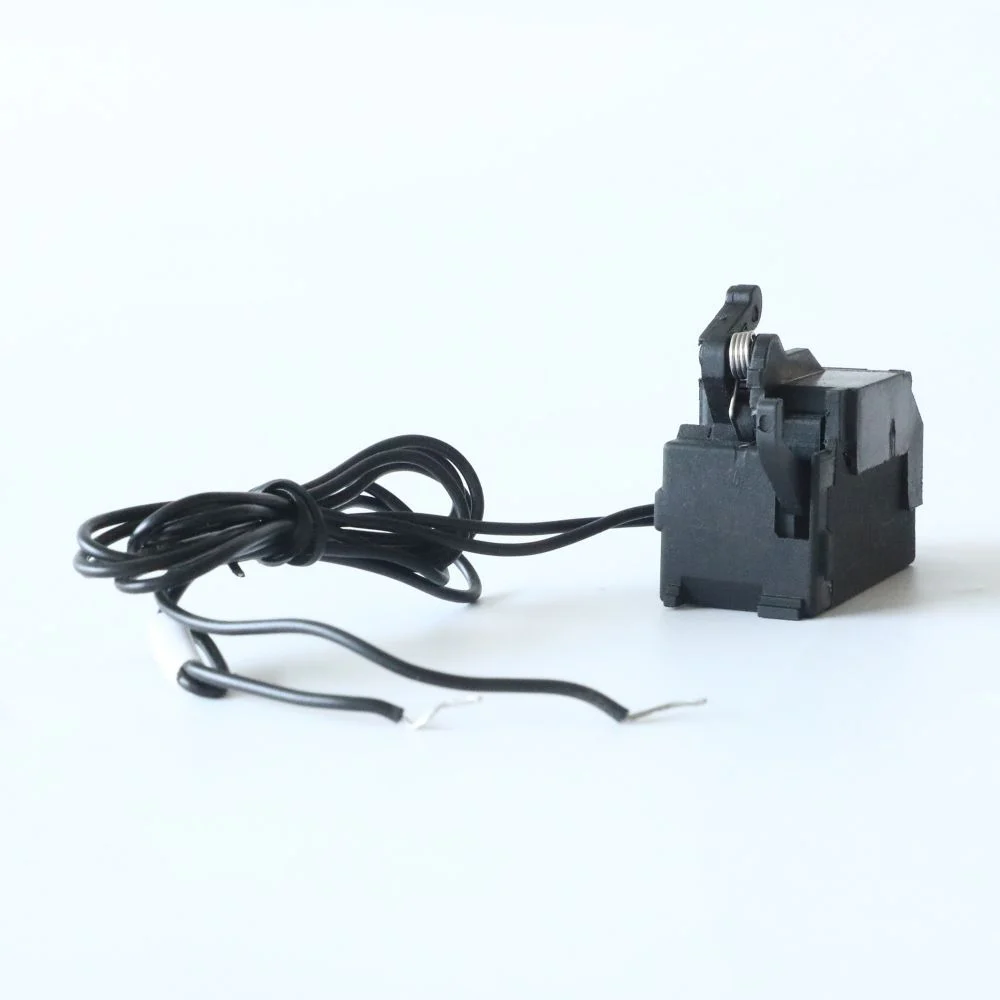
Mounting orientation, line/load terminals, conductor bending space and phase barriers determine whether a selected frame fits the enclosure. Accessories such as shunt trips, undervoltage releases, auxiliary contacts and alarm contacts may require additional depth or control wiring. Confirm terminal material, lug range, tightening torque and isolation capability before the panel is fabricated.
Installation records should identify the breaker, trip setting, pole arrangement and test date. A clear schedule helps technicians verify polarity and operation. These controls turn physical MCCB benefits into repeatable electrical protection.
Environmental and Maintenance Planning
Heat, altitude, vibration, condensation and conductive dust can change allowable current or trip behavior. Apply the manufacturer’s derating tables inside the actual enclosure; do not infer performance from a room-temperature catalogue line. In corrosive or dusty areas, inspect seals, terminals and ventilation paths as part of the panel maintenance plan.
Maintenance should include visual inspection, permitted torque checks, mechanism exercise and functional testing to the project procedure. The interval depends on duty and environment. A molded case breaker is not maintenance-free, but accessible mechanisms and replaceable accessories can reduce troubleshooting time.
Lifecycle Cost Assessment
Total cost includes engineering time, panel changes, commissioning, outages, spare accessories and the consequence of an avoidable trip. An adjustable trip may reduce redesign when a feeder is resized; a fixed thermal-magnetic unit may suit a stable load. Compare the bill of materials and service plan, not only the breaker line item.
Illustrative calculation: A balanced 75 kW, 400 V, three-phase load at power factor 0.90 draws approximately 120 A (75,000 ÷ [1.732 × 400 × 0.90]). Price redesign risk using the project’s labor rate; do not invent a universal saving. This screening example is not a final rating recommendation.
Match Each Benefit to Evidence
For each claimed benefit, name the evidence that supports it: enclosure and clearance data for construction, time-current curves for trip behavior, Icu/Ics/Icw for fault duty, accessory diagrams for signalling and a commissioning record for repeatability. This keeps marketing language separate from the values that belong in a technical submittal.
Circuit Breaker Decision Comparison
| ابعاد | Molded case breaker approach | What to verify |
|---|---|---|
| Performance | Enclosed frame with thermal-magnetic or electronic trip options | Design current, trip curves, poles and voltage-specific interrupting data |
| Continuity | Coordination and adjustable settings can limit unnecessary upstream trips | Time-current curves, tested combinations and documented settings |
| ارائه نصب | Defined footprint and accessory interfaces support repeatable panels | Terminals, clearances, bending space, torque and enclosure derating |
| خدمات نگهداری | Accessible mechanism and accessories can support planned service | Inspection procedure, spare strategy, environment and test records |
| کل هزینه | Higher initial flexibility may offset redesign and outage exposure | Engineering, commissioning, downtime and lifecycle support assumptions |
Specifications by Application
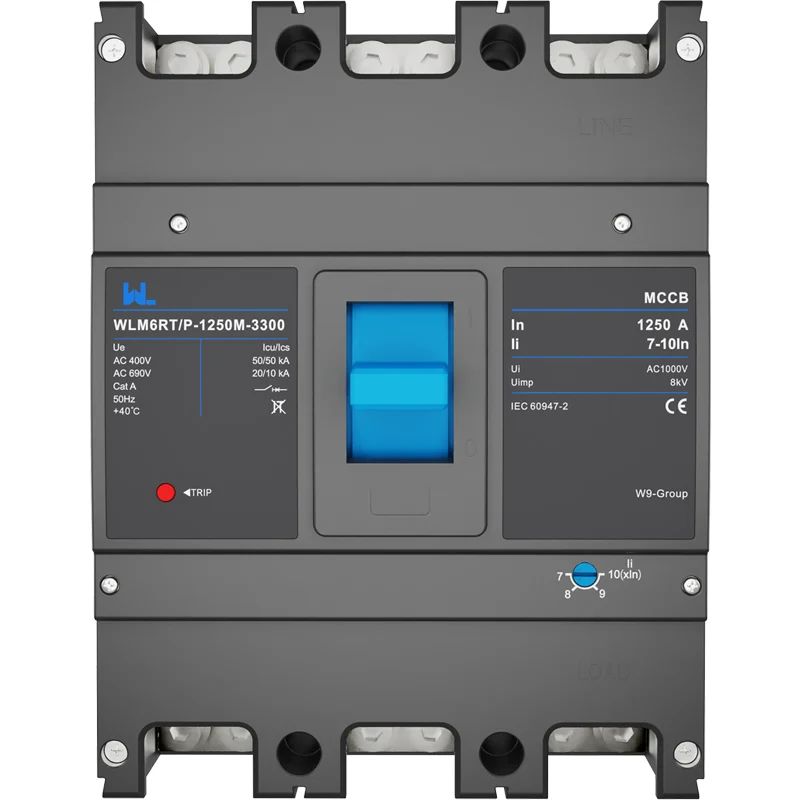
| اطلاعنامه | Typical concern | Specification prompt |
|---|---|---|
| Motor or compressor feeder | Starting current and selective coordination | Confirm starting profile, short-time behavior and downstream protection |
| Building distribution feeder | Conductor protection and continuity | Coordinate with branch devices and document neutral switching |
| Generator or changeover board | Variable fault contribution and four-pole needs | Study each source, earthing arrangement and transfer sequence |
| Outdoor or dusty plant | Heat, moisture, dust and corrosion | Rate the complete enclosure, apply derating and plan inspections |
| OEM machine panel | Repeatability and service documentation | Lock the bill of materials, accessories, markings and test records |
Circuit Breaker Selection Checklist
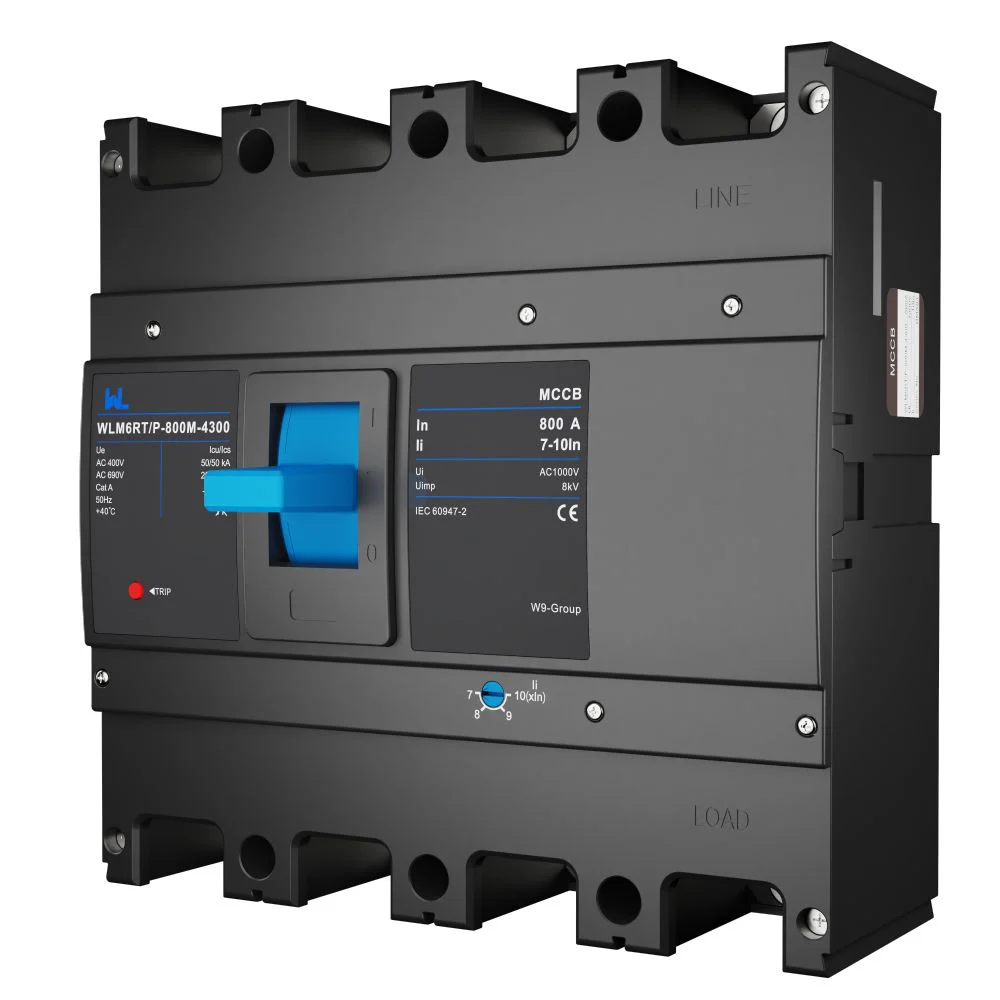
- Record design current, conductor ampacity, load type, inrush, voltage, frequency and earthing arrangement.
- Obtain the prospective short-circuit current at the installation point and compare voltage-specific Icu/Ics or UL 489 data.
- Choose poles, frame/current rating and trip technology; check derating, terminals, enclosure dimensions and accessories.
- Run coordination and protection studies, then lock settings and tested combinations into the panel schedule.
- Request drawings, time-current curves, installation instructions and routine test documentation before release.
Zhejiang W9 Group Technology Co., Ltd., founded in 2020, supplies low-voltage protection products and can discuss OEM/ODM configuration and testing support. Treat that support as part of your evidence package: ask for the documents relevant to your market and application, and verify every claim against the delivered product.
For a concrete reference point, review the CSDM7 thermal-magnetic MCCB product page. You can also compare guidance on MCCB features and applications, adjustable MCCB benefits and moulded case breaker selection.
Related resource: MCCB features and applications
Related resource: adjustable MCCB benefits
Related resource: moulded case breaker selection
Review the Application First
Compare the design current, inrush, fault level, conductor ampacity, poles, ambient conditions and maintenance access first. Then select fixed or adjustable trip technology, auxiliary or alarm contacts and any communication accessory. Freeze the order code and as-left settings before the panel is released.
Frequently Asked Questions
What is a molded case breaker used for?
It protects low-voltage feeders, motors, distribution boards and equipment circuits against overloads and short circuits. The exact duty depends on its trip unit, poles, voltage and interrupting rating. Confirm the application with a qualified designer.
Are MCCB benefits better than those of an MCB?
MCCB benefits often include larger frame options, higher fault-duty choices, adjustable trips and accessory flexibility. An MCB may suit a small branch circuit or limited space. Compare electrical protection and coordination requirements rather than choosing by name.
How do IEC 60947-2 and UL 489 differ?
IEC 60947-2 specifies performance and test requirements for circuit-breakers in the IEC low-voltage switchgear system. UL 489 is a North American product safety standard covering molded-case circuit breakers, switches and enclosures. NFPA 70 governs installation in its adopted jurisdictions; it is not a substitute for either product standard.
When is an electronic trip worth considering?
Use one when adjustable thresholds, selective coordination, metering or ground-fault functions solve a documented project need. Thermal-magnetic trips remain practical for many straightforward feeders. Compare setting security, environment, available accessories and service capability.
What information should a supplier receive?
Send the one-line diagram, design current, load and starting data, voltage/frequency, available fault current, pole and neutral requirements, enclosure conditions and destination standard. Include coordination targets and documentation needs. Complete information reduces late substitutions.
Technical References
- Schneider Electric — Micrologic Trip Units. Official product-range page observed 17 October 2026; used for trip-unit and monitoring concepts only.
- Schneider Electric — Icu and Ics on a PowerPact breaker. Official FAQ, modified 10 May 2022; used for interrupting-capacity terminology, not W9 model equivalence.
- OSHA 29 CFR 1910.303 — General. U.S. requirements for suitable equipment, ratings and installation evidence. Accessed 17 October 2026.
A breaker earns trust when its ratings, settings, enclosure and records agree with the system study. Choose evidence first, then hardware. Explore W9’s محصولات حفاظت از ولتاژ پایین and contact the team with your application data for configuration, OEM/ODM and testing support.