







چگونه یک قطع کننده مدار با بدنه قالب ساخته شدهای را برای نیازهای برقبرداری انتخاب کنیم
Two quotations for a moulded case circuit breaker may show the same current but different voltages, fault ratings, trip functions and accessories. A procurement comparison that omits those differences cannot establish whether the alternatives protect the same feeder. Freeze the circuit duty before comparing price or approving a replacement.
Summary: Select an MCCB by system voltage, design current, prospective fault current, conductor protection and required trip behavior. Compare ultimate and service breaking capacity at the actual voltage, then check poles, terminals, enclosure conditions and accessory compatibility. Adjustable protection can support coordination only within the exact trip unit’s documented limits. Product-standard evidence, assembly acceptance and installation compliance are separate requirements. Obtain a model-specific datasheet and approved settings record before releasing the order; catalogue family ranges do not approve every configuration.
MCCB Electrical Duty Requirements
The first selection number is the continuous design current, not the largest motor nameplate. Apply the demand and diversity factors required by the project code, include inrush from motors or transformers, and allow realistic future expansion. IEC 60947-2 treats the rated uninterrupted current (Iu) and rated operational voltage (Ue) as distinct parameters; both must cover the installation. A breaker marked 400 V cannot automatically be used on a 690 V feeder, even when its ampere rating looks suitable.
Next calculate prospective short-circuit current at the installation point. The MCCB’s rated ultimate short-circuit breaking capacity (Icu) must be at least the calculated fault level at the stated voltage; the service breaking capacity (Ics) is the performance value used for continued service after a test sequence. Do not substitute a generic “kA” marketing number for a verified test certificate or manufacturer data sheet.
Finally classify the load. Resistive heaters, high-inrush motors, welders, variable-frequency drives and power supplies place different demands on instantaneous and time-delay protection. A selective time delay can keep a downstream breaker clearing a fault while the upstream feeder remains energised, but only a coordination study can validate the setting.
Separate Fault Capacity from Reuse
Icu and Ics describe different tested duties under the declared IEC framework. Icu addresses ultimate interruption and Ics addresses service interruption; neither marking, by itself, approves a particular breaker for reuse after an actual fault. Record the system voltage, fault calculation and manufacturer inspection or replacement requirements. When continuity is important, specify the required service performance and the recovery process instead of selecting only the largest kA headline.
Any reliance on backup or cascading protection must identify the tested or otherwise accepted device combination and its installation conditions. A higher-rated upstream breaker is not sufficient evidence on its own. The circuit protection products category is useful for defining the needed function before comparing exact manufacturer combinations.
Trip Technology Selection
Thermal-magnetic protection
A thermal element responds to sustained overload; a magnetic element responds rapidly to high fault current. This combination is straightforward for distribution boards and many motor feeders. Adjustable thermal pickup is useful when cable ampacity, ambient temperature or load growth differs from the original design, but settings must remain within the conductor’s protection limits. The test principles and temperature-rise requirements are covered by IEC 60947-2, while installation rules come from the destination market’s wiring code.
Electronic trip units
Electronic releases can provide the functions declared for the selected trip unit, with optional metering or communications on some models. They add configuration and testing responsibilities. Request an approved settings file, access ownership, applicable injection-test procedure and a restoration method that reinstates the engineered as-left values. Restoring factory defaults without reviewing the protection study can remove the intended coordination. Do not infer arc-flash reduction or energy-management features from the word electronic.
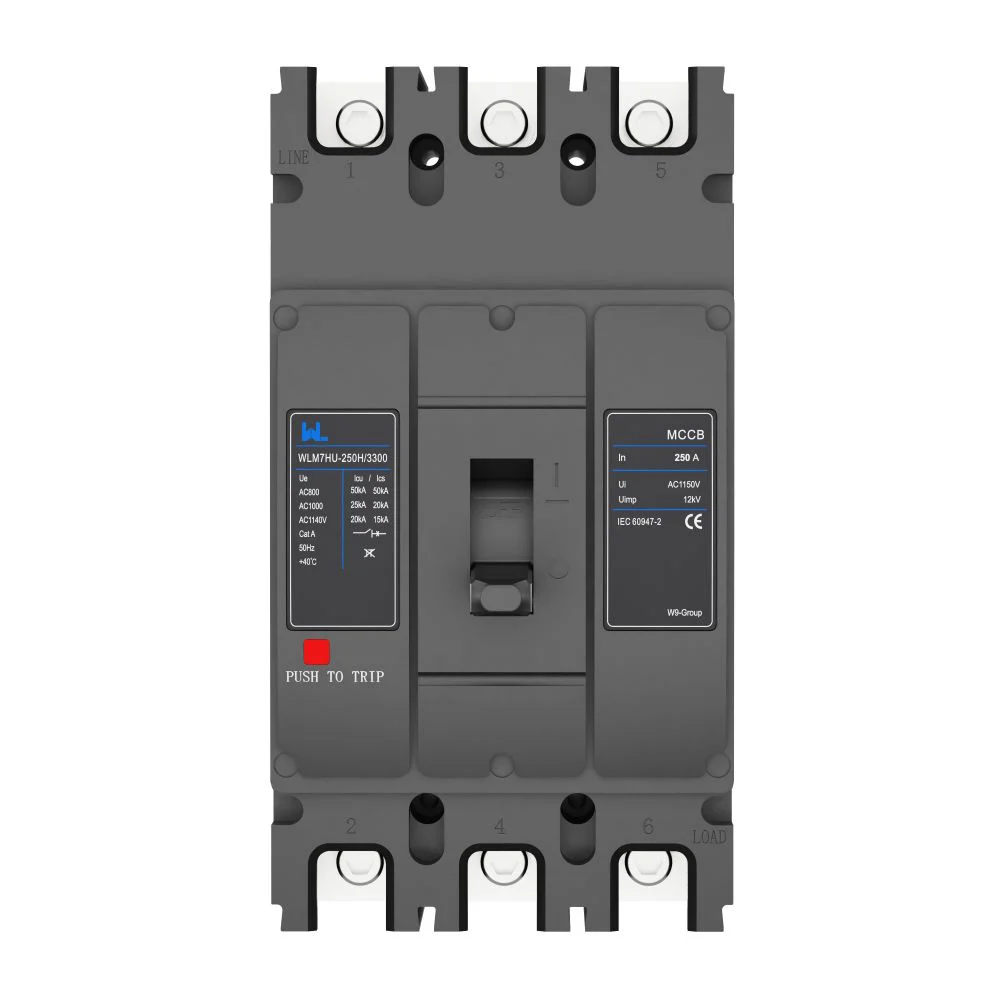
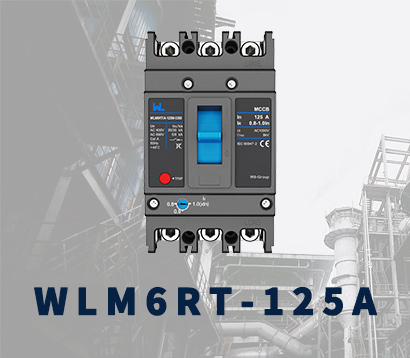
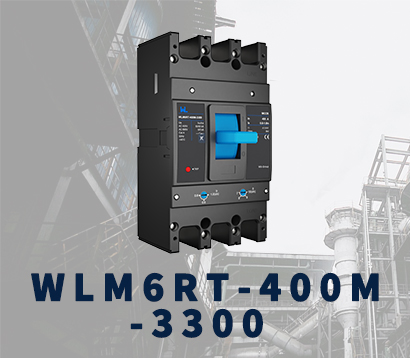
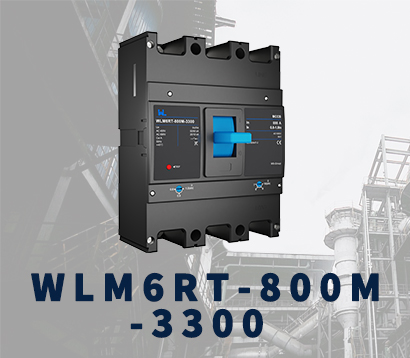
W9’s public catalogue identifies adjustable WLM6RT models at 125 A, 160 A, 250 A, 400 A, 630 A, 800 A and 1,250 A. Those are product references, not a blanket approval for every installation. Verify pole count, terminal arrangement, accessories and the voltage/breaking-capacity combination on the model-specific datasheet.
MCCB Performance and Lifecycle Cost
Purchase price is only one line in a B2B cost model. An incorrectly sized fixed breaker can force a panel redesign, unplanned shutdown or expedited replacement. An adjustable unit may cost more upfront but reduce nuisance trips when the load profile changes. Conversely, an electronic release is poor value if no one can commission or maintain it. Use a like-for-like comparison that includes testing, spares, training and downtime exposure.
| ابعاد تصمیم | MCCB قابل تنظیم | Fixed-trip breaker | What procurement should verify |
|---|---|---|---|
| Load changes | Trip pickup can be set within the manufacturer’s range | Factory setting; limited field flexibility | Sealed-setting rules and coordination study |
| Protection functions | Thermal-magnetic or electronic options | Usually basic thermal-magnetic protection | Long/short/instantaneous/ground-fault functions required |
| وظیفه خطا | Declared breaking capacity for the exact model and voltage | Declared breaking capacity for the exact model and voltage | Trip adjustment does not increase interrupting capacity; compare both options against the fault study |
| پذیرهنویسی | Requires setting record and functional test | Simpler initial setup | Technician time, injection test and documentation |
| TCO risk | Higher unit cost, potentially fewer nuisance trips | Lower unit cost, less adaptable to expansion | Downtime cost, spare strategy and expected service life |
Application-Based MCCB Selection
Frame size sets the mechanical and thermal envelope; it is not permission to load a cable above its ampacity. Check conductor size, lug range, busbar clearances and panel heat dissipation. In a compact enclosure, ambient temperature can exceed the 40 °C reference used in many product tests, so apply the manufacturer’s derating data. Humidity, dust, salt spray and altitude can also change creepage, insulation and cooling requirements. IEC 60947-1 provides common equipment rules, while IEC 60947-2 addresses circuit-breaker requirements.
| Application profile | Typical selection emphasis | شواهد برای درخواست |
|---|---|---|
| Commercial building feeder | Reliable thermal-magnetic protection, compact four-pole options, neutral switching where required | Short-circuit calculation, coordination curves, installation-code review |
| Factory motor control | Inrush tolerance, adjustable instantaneous pickup, starter coordination | Motor starting data, Type 1/Type 2 coordination statement where applicable |
| Data-centre distribution | Selective coordination, alarm contacts, repeatable settings and spares | Time-current curves, setting files, injection-test and maintenance plan |
| Photovoltaic or DC section | DC-rated poles, polarity, voltage and arc-extinction capability | Dedicated DC datasheet and test scope; do not reuse an AC rating |
| Harsh or outdoor enclosure | Temperature, ingress, corrosion and UV control | Enclosure rating, derating tables and environmental test reports |
Compare Complete Order Codes
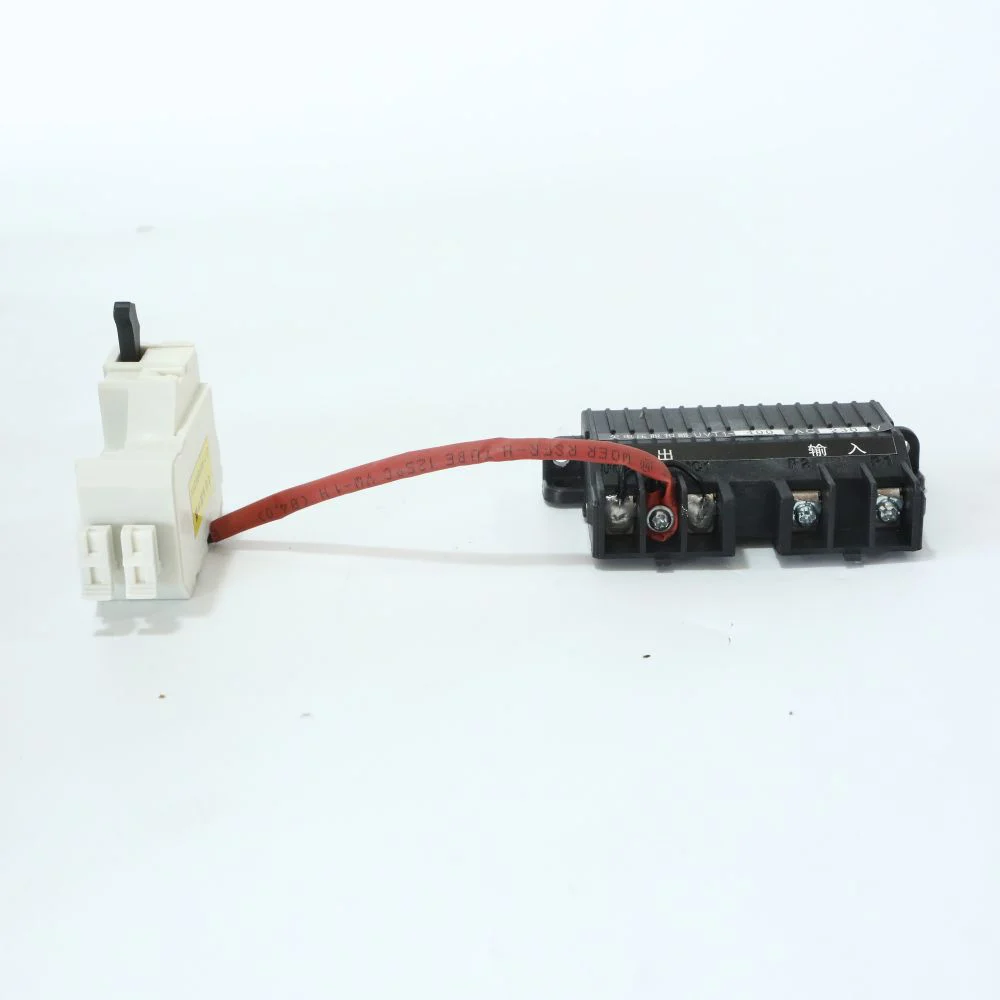
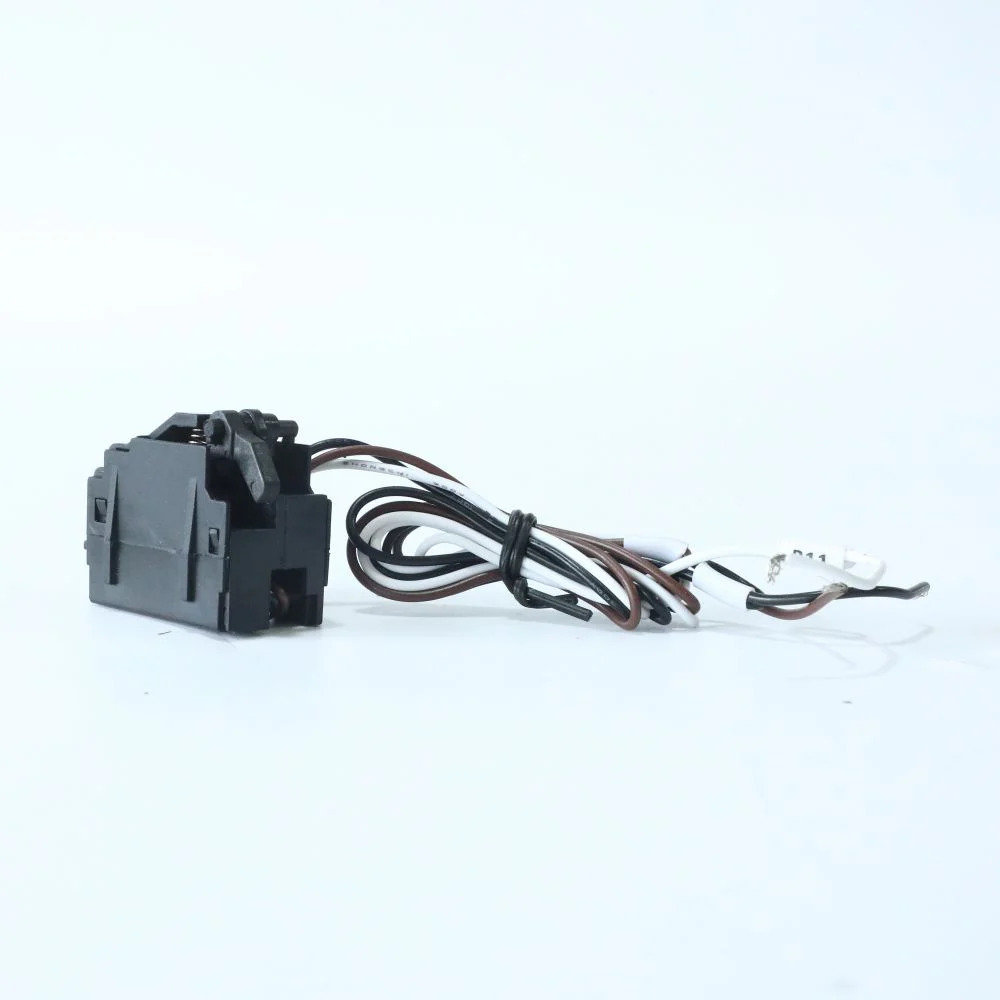
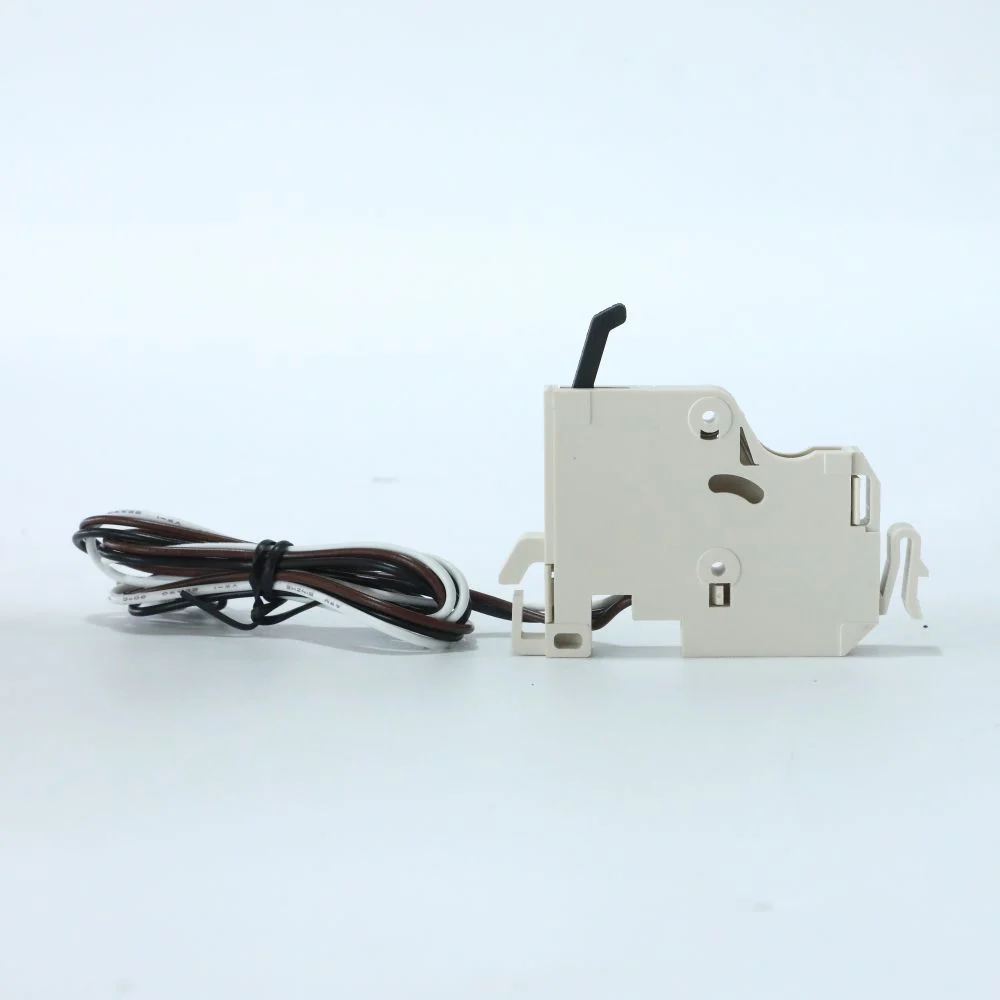
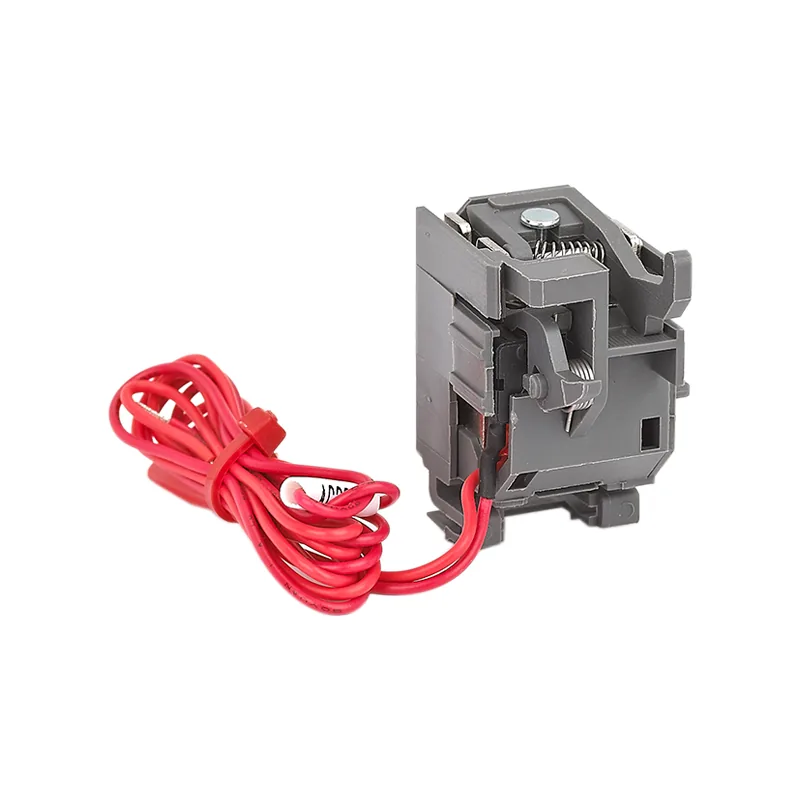
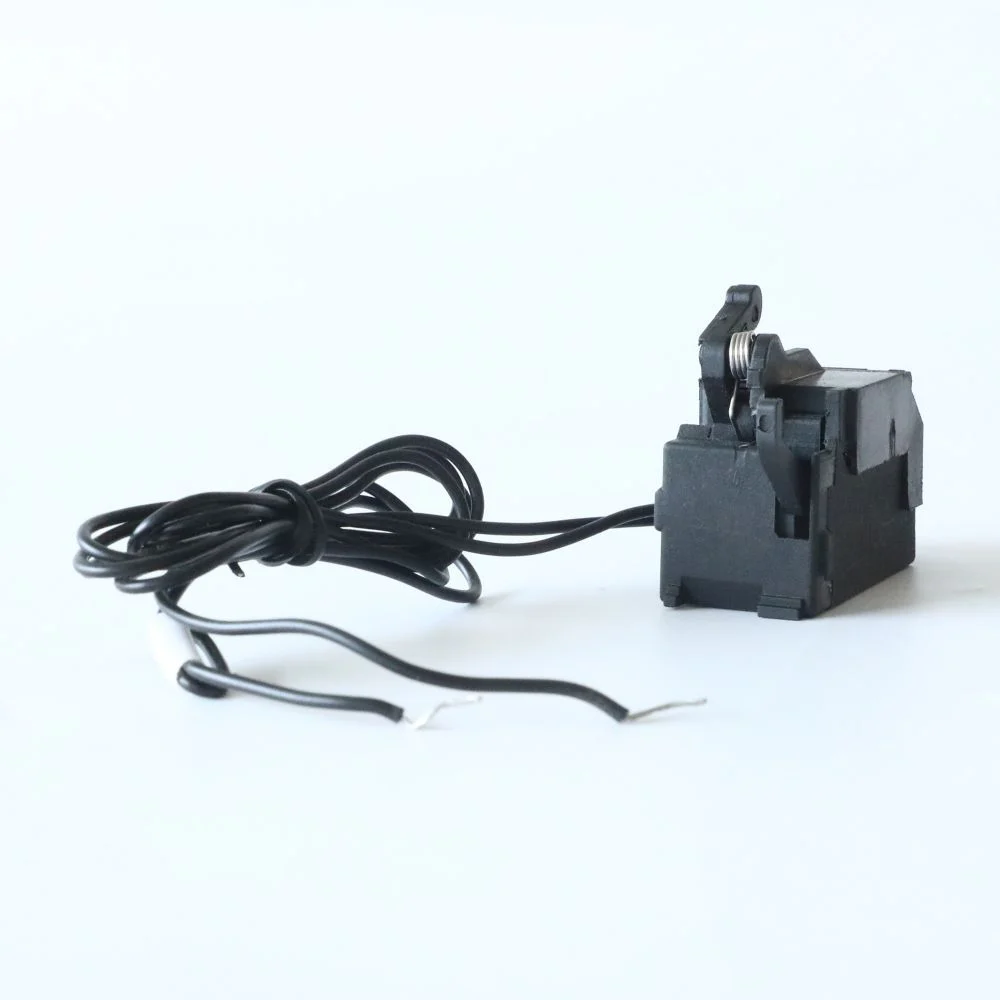
Use one comparison sheet for the frame, trip unit or rating plug, poles, operational voltage, breaking-capacity variant, terminals and fitted releases. Add shunt-trip and undervoltage-release supply ratings, auxiliary-contact duties and communication interfaces only when required. The industrial products section provides family context, but each fitted accessory needs an exact compatible reference.
For a proposed equivalent, ask what changes in cut-out dimensions, busbar spacing, cable bending space, heat dissipation and tested assembly status. Review the adjustable MCCB category when setting flexibility is needed, then attach the actual selection and curve revision to the purchase order. A similar enclosure and ampere label are not enough to approve a substitute.
MCCB Compliance Documentation
IEC 60947-2 is the principal product standard for low-voltage circuit breakers; it defines ratings, construction, verification and test sequences. It is a product standard, not a universal installation permit. IEC 60947-1 supplies common definitions and requirements, while IEC 60364 (or the applicable national adoption) governs low-voltage installation design. In North America, buyers may also need UL 489 listing and the National Electrical Code; those requirements are market-specific and must be confirmed with the authority having jurisdiction.
Ask for a declaration of conformity, routine-test evidence, model-specific ratings, wiring diagrams and instructions in the destination language. A logo or “CE-ready” phrase without traceable documentation is not proof of compliance. Unsupported certification claims can trigger customs holds, failed inspections, warranty disputes and costly field replacement. Keep serial numbers, settings and test dates in the asset register so maintenance teams can demonstrate due diligence.
MCCB Procurement Checklist
- Freeze the inputs: one-line diagram, design current, voltage, frequency, poles, load profile and calculated fault current.
- Short-list verified models: compare Iu, Ue, Icu, Ics, trip range, accessories and terminal details on the same datasheet revision.
- Prove coordination: obtain time-current curves and document settings for upstream and downstream devices; have a qualified engineer approve changes.
- Plan the lifecycle: include spare breakers, periodic inspection, thermal scanning and functional or injection testing according to the manufacturer and local code.
- Confirm supply support: request samples or drawings, packaging details, lead-time assumptions and a named technical contact before issuing a purchase order.
Buyers evaluating the WLM6RT range can review the WLM6RT-400A product listing and request the current model-specific datasheet, drawings and destination-market evidence. Confirm the offered trip unit, terminals and accessories against the approved schedule; product-family descriptions do not establish interchangeability.
سوالات متداول
What is the difference between an MCCB and an MCB?
An MCCB generally supports higher current and fault ratings, larger conductors and adjustable or electronic trip options; an MCB is typically a compact, fixed-trip device for final circuits. The correct choice depends on calculated duty and installation rules, not the product name alone.
How do I calculate the right MCCB ampere rating?
Start with the design current after demand and diversity factors, then check conductor ampacity, ambient derating and motor inrush. Select a rated current that protects the cable and carries the load continuously; a qualified engineer should approve the final setting.
Is a higher kA rating always safer?
No. The breaker’s Icu و منcs must match the prospective fault current at the stated voltage and installation point. An unnecessarily high rating can add cost and physical size without improving coordination.
When should an adjustable trip unit be used?
Use one when load conditions, motor starting or selectivity require settings that differ from a factory value. Record and lock the settings, then verify them with time-current curves and a commissioning test.
Can an AC MCCB be used on a DC circuit?
Only when the exact model is rated and tested for the DC voltage, polarity, pole arrangement and breaking duty. AC ratings cannot be assumed to provide safe DC arc interruption; use a dedicated DC datasheet and installation procedure.
منابع
- شناید الکتریک — در یک پریز PowerPact، Icu و Ics به چه معنایی هستند؟. Manufacturer explanation, modified 10 May 2022. Field reuse still requires applicable instructions. Accessed 16 October 2026.
- EEP — ۶ تنظیم قابل تنظیم برای کشیدن کلید قطع مدار. Technical setting guidance; model-specific examples must not be generalized. Accessed 16 October 2026.
- OSHA 29 CFR 1910.303 – الزامات کلی برق. U.S. workplace requirements for equipment use, terminals, interrupting rating and coordination. Accessed 16 October 2026.
The safest breaker is not the biggest one on the shelf; it is the one whose ratings, settings and evidence fit the circuit. W9 Group builds that decision around documented MCCB options—contact the team for a model review, drawings and a project-specific quotation.