






The Future of the Power Industry: How National Events Shape Electrical Infrastructure
The Future of the Power Industry: How National Events Shape Electrical Infrastructure
Consider Maya Chen, a distribution-planning manager in Rotterdam, preparing a temporary power plan for a major national event. Her first one-line diagram passed a desktop review, yet a rehearsal trip caused a feeder breaker to open and left an auxiliary hall dark. The visible failure looked like a defective breaker. A second review found the real issue: inverter-rich loads, motor starting current, and an underspecified short-circuit rating had been treated as ordinary venue demand. Re-selecting the protective device, coordinating settings, and documenting the assembly restored the margin before the event.
Summary: The power industry future will be shaped by projects that combine permanent grid upgrades with event-driven peaks. National events can compress years of procurement into months, making circuit-breaker selection, renewable integration, and resilience planning visible to the public. IEC 60947-2 addresses low-voltage circuit-breaker performance, while IEC 61439 covers the design verification of low-voltage assemblies; neither replaces a site study. We recommend starting with a load profile, prospective fault current, environmental conditions, and a documented coordination study, then selecting switchgear that can be maintained through its lifecycle.
Why national events influence the power industry future
National celebrations, sports tournaments, expos, and emergency-response exercises create a recognizable pattern: a fixed opening date, concentrated visitors, temporary venues, broadcast loads, transport electrification, and a requirement for uninterrupted services. Authorities can use the event deadline to fund substations, feeders, data links, and public charging. The event is a catalyst for the power industry future, not the engineering objective; assets still need a useful life after the closing ceremony, with energy transition benefits measurable in ordinary operations.
Demand is less predictable as battery storage, heat pumps, variable-speed drives, and fast chargers alter load shape and may return energy to the network. The International Energy Agency links electricity demand growth and clean-energy investment to electrification and the energy transition; planners therefore need scenarios, including normal operation, event peak, renewable minimum output, permitted islanding, and a credible single-contingency outage. That discipline is a foundation of the power industry future.
From event deadline to durable asset
Procurement teams should separate “must work on opening day” from “must remain adaptable for 20 years.” The first drives acceptance tests, spares, commissioning records, and training; the second drives serviceable arrangements, thermal headroom, communications, and change control. This prevents temporary equipment or rushed substitutions becoming undocumented permanent infrastructure.
Grid modernization and renewable integration change protection duties
Modernization adds sectionalizing, automated reclosers, digital meters, and supervisory control. Renewable integration adds bidirectional power flow and fault contributions that vary with inverter controls. A feeder that was once protected by a simple time-current hierarchy may now need directional logic, ride-through coordination, or a controlled island boundary. The protection philosophy should be agreed before equipment is priced, because circuit protection is the operating boundary between a flexible electrical infrastructure and an avoidable outage. These choices will define the power industry future as much as generation technology does.
IEC 61850 provides a framework for exchanging data among intelligent electronic devices; it does not, by itself, guarantee interoperability. Specify data models, network redundancy, time synchronization, cybersecurity responsibilities, and fallback local protection. For low-voltage distribution, verify that the selected devices and assemblies are tested for the voltage, utilization category, and prospective short-circuit current expected at the installation point.
Illustrative feeder calculation
Suppose an event district adds an illustrative 1 MW, three-phase load at 400 V and 0.95 power factor. The estimated line current is I = P/(√3 × V × PF), or approximately 1,519 A. That is not a purchase rating: ambient temperature, grouping, harmonics, starting current, emergency loading, and future solar export still require review. A 1,600 A frame would need continuous-setting and assembly temperature-rise verification. Nameplate megawatts alone are not enough.
Resilience is a system property, not a single product feature
Resilience limits the duration and consequence of interruption. For an event, it may involve dual feeds, automatic transfer, standby generation, batteries, prioritized loads, and a manual bypass. For a city, it also means flood elevation, fire separation, spares, maintenance, and restoration planning. Interfaces must be tested together, with circuit protection settings recorded at commissioning. Durable electrical infrastructure turns the energy transition into an operational capability.
Protection should be selective where practical: the nearest device to a fault clears first, preserving healthy sections. Designers should document short-circuit calculations, discrimination assumptions, arc-flash boundaries where applicable, and the test points used during commissioning. NFPA 70 (the National Electrical Code) and NFPA 70B provide U.S. installation and maintenance context, but regional codes and utility rules govern elsewhere. Always confirm the destination market and authority having jurisdiction.
| Approach | Operational strength | Trade-off to manage | Lifecycle question |
|---|---|---|---|
| Single utility feeder with local backup | Simple operation and lower interface count | Common upstream failure can affect all loads | Are transfer tests and fuel autonomy documented? |
| Dual feeders with automatic transfer | Faster restoration for critical halls | Higher coordination and switching complexity | Can operators maintain interlocks and spares? |
| Solar plus battery microgrid | Peak support and island capability where approved | Variable output, controls, and protection changes | How are batteries, firmware, and end-of-life handled? |
| Temporary rental switchboard | Rapid deployment for a short event | May not match permanent fault or enclosure duties | Will it be removed, or formally integrated and retested? |
Policy and event-driven procurement without speculation
Policy announcements can release grants, efficiency requirements, or connection rules; an event schedule can set a fixed energization date. Neither is a forecast of a technology winner. Procurement remains evidence-led by defining continuous current, short-circuit withstand, switching duty, ingress protection, temperature, communications, spares, and documentation. This keeps the power industry future grounded in verifiable electrical infrastructure decisions.
Use a two-envelope evaluation. The technical envelope scores verified test evidence, drawings, type-test coverage, routine-test plans, and service capability. The commercial envelope compares total cost of ownership (TCO), including installation labor, downtime exposure, training, inspection, replacement parts, and disposal. Ask suppliers to identify assumptions and deviations; a low unit price that requires field redesign is not a low-cost option.
| Application | Key duty | Evidence to request | Typical design action |
|---|---|---|---|
| Public venue and broadcast | High continuity, harmonic-rich loads | Load schedule, thermal and EMC data | Segment critical circuits; verify neutral and UPS interactions |
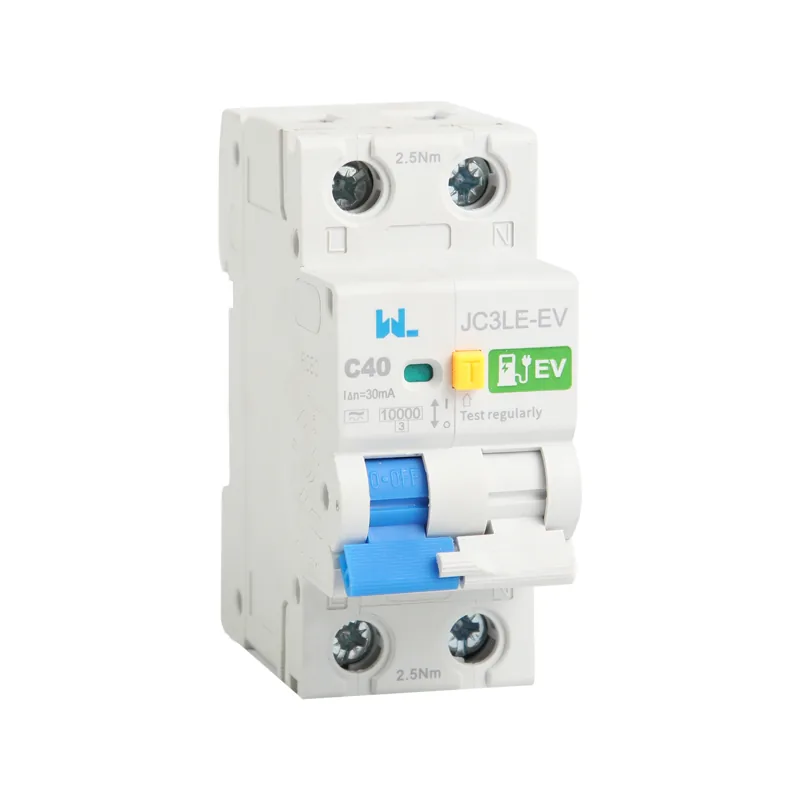
| EV charging hub | Coincident peaks, leakage and residual-current considerations | Charger data sheets and coordination study | Set demand management and protection zones |
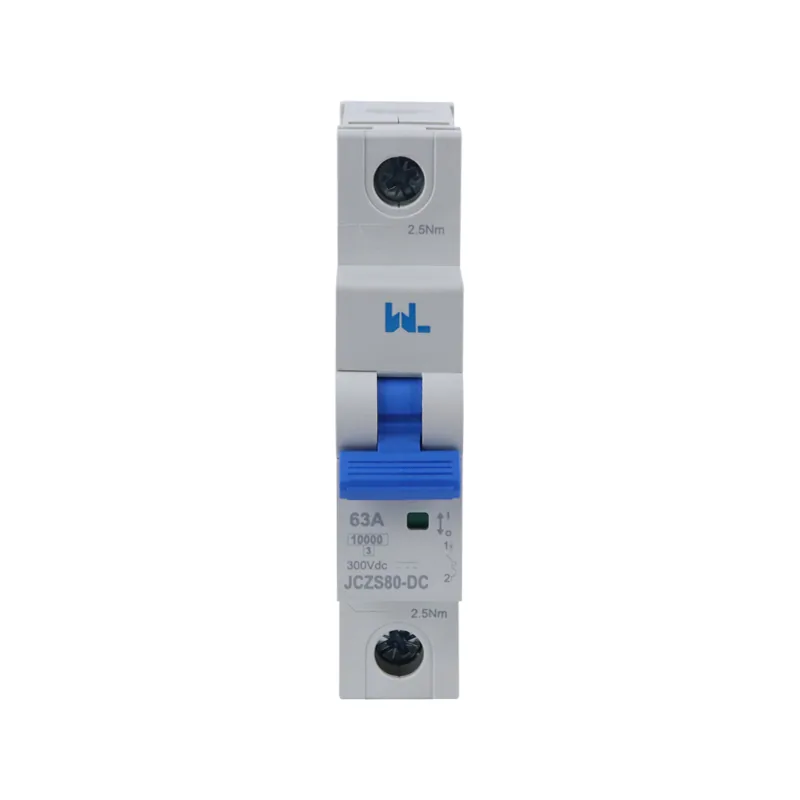
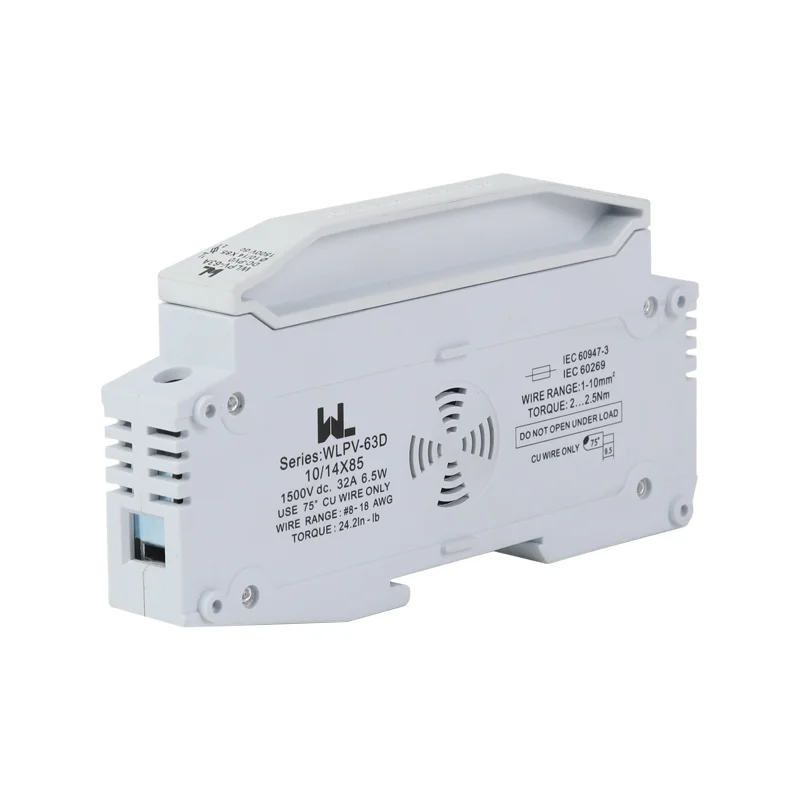
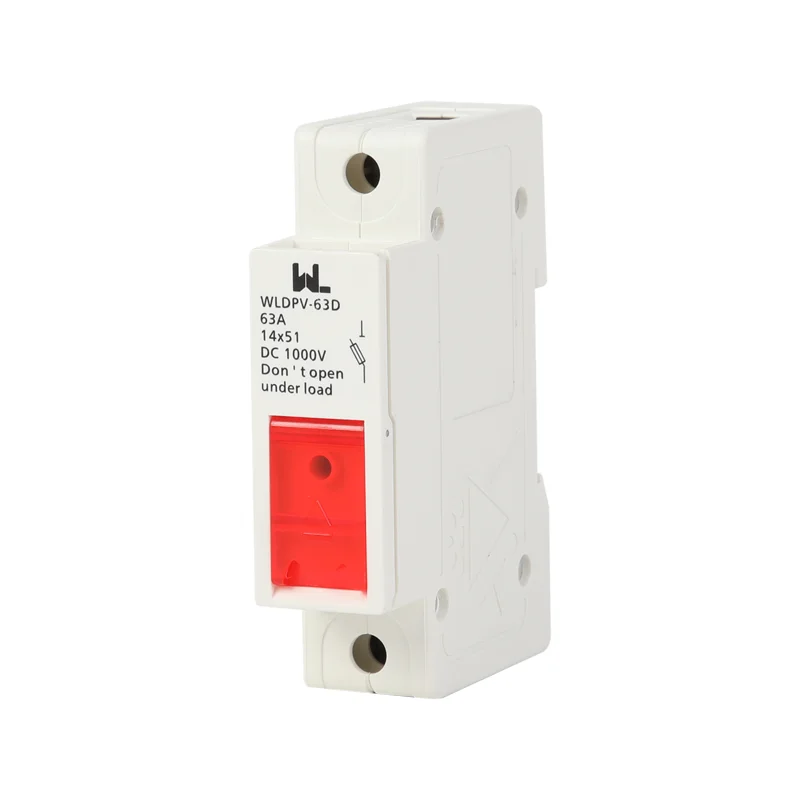
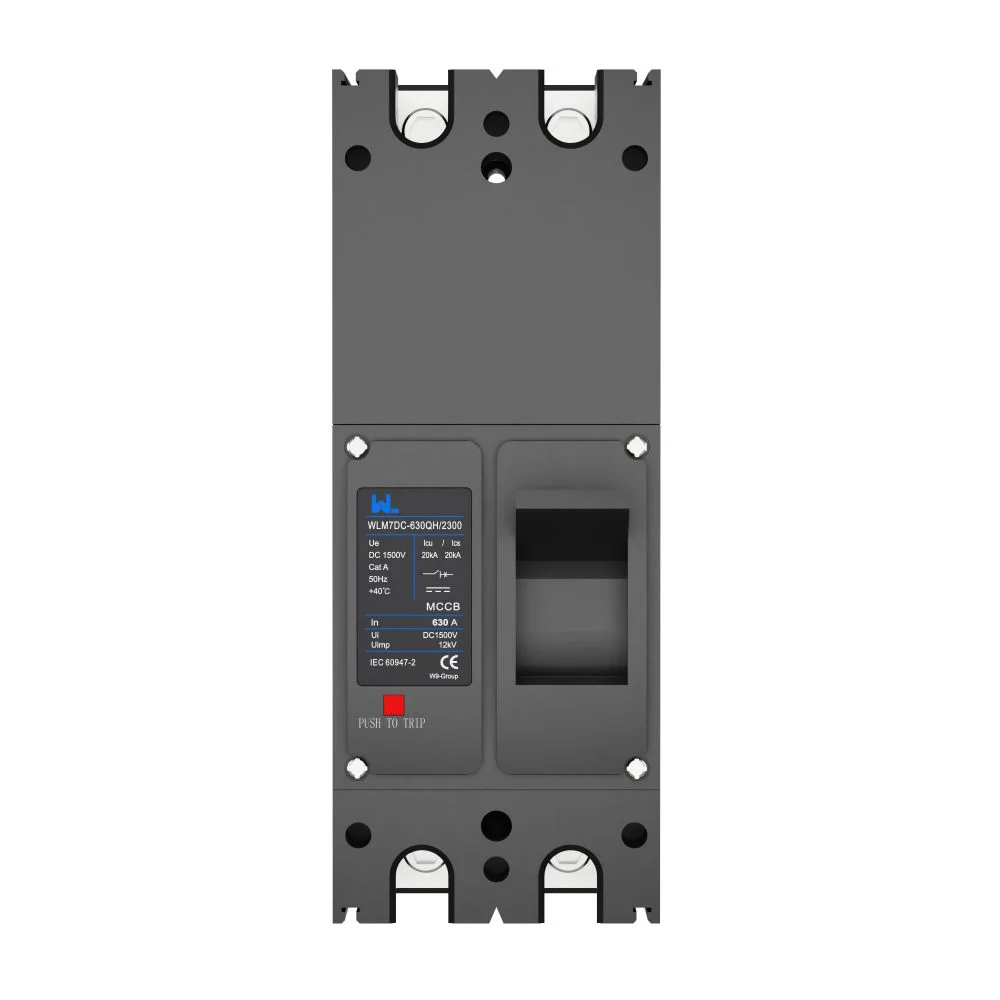
| Solar distribution line | Bidirectional flow and DC interruption | DC voltage/current ratings and test scope | Review polarity, isolation, and arc-extinction requirements; see the MCCB role in photovoltaic lines |
| Municipal resilience hub | Standby operation and maintainability | Transfer sequence, spares, maintenance plan | Exercise black-start or manual restoration procedures |
Standards, documentation, and regional code caveats
Standards create a common language, but the project specification must state which edition and test evidence apply:
- IEC 60364: installation design principles, protection against electric shock, overcurrent, and verification.
- IEC 60947-2: low-voltage circuit-breaker construction and performance tests; confirm the relevant utilization category and interrupting capability.
- IEC 61439: low-voltage switchgear and controlgear assemblies, including design verification and routine verification responsibilities.
- IEC 61850: communication and data models for power automation; interoperability still depends on a project-tested configuration.
- NFPA 70 and NFPA 70B: U.S. installation and electrical-maintenance context. Other regions may apply different codes, utility rules, or inspection regimes.
A standard reference is not automatically a product certification. Unsupported claims can delay inspection, invalidate a tender response, or create warranty disputes. Retain drawings, calculations, declarations, test reports, serial records, and revision history with the asset.
Selection and procurement checklist
- Freeze the operating scenarios and load profile, including renewable export, starting current, harmonics, and emergency priorities.
- Calculate prospective short-circuit current and verify insulation, making and breaking, and short-time withstand duties at each node.
- Run a coordination and maintenance review; confirm test access, settings management, spares, and the NFPA 70B or local equivalent program.
- Specify communication and cybersecurity interfaces separately from protection functions, with a local fallback mode.
- Require a document schedule: single-line diagrams, bills of material, routine-test records, manuals, training, and change approvals.
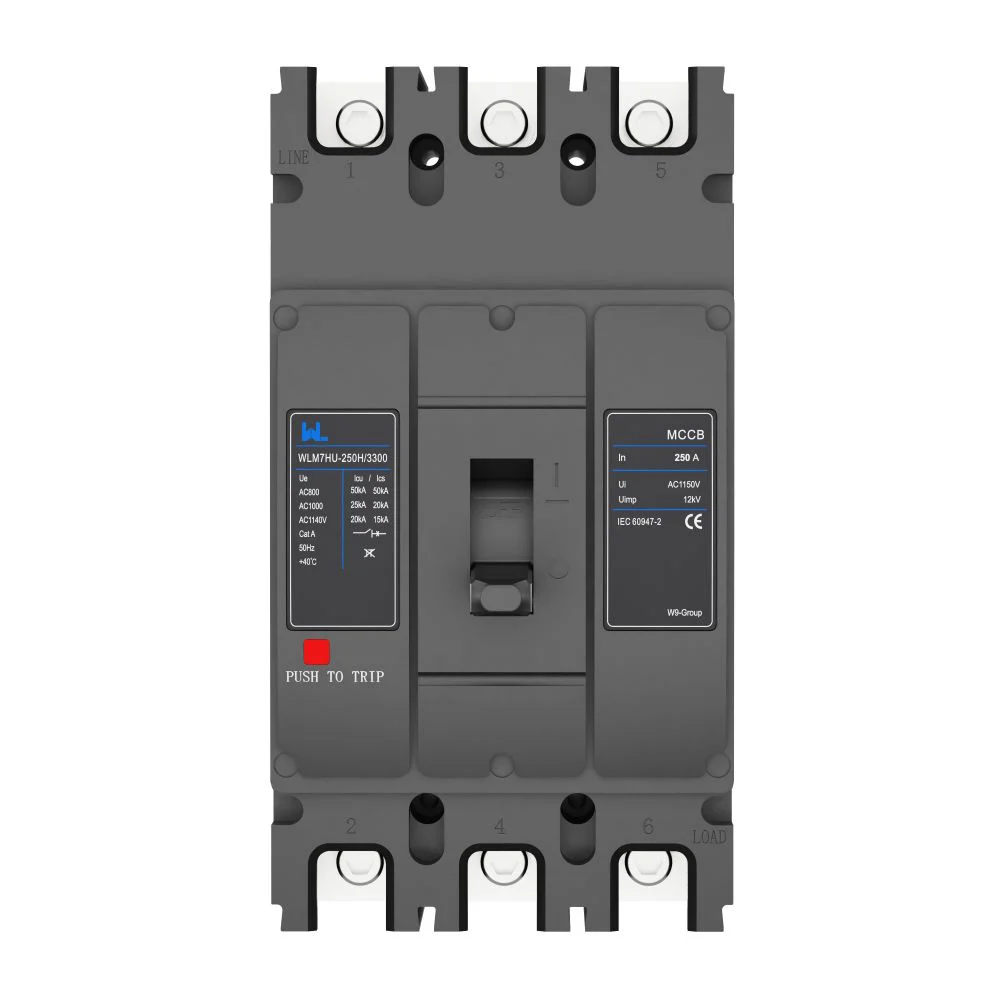
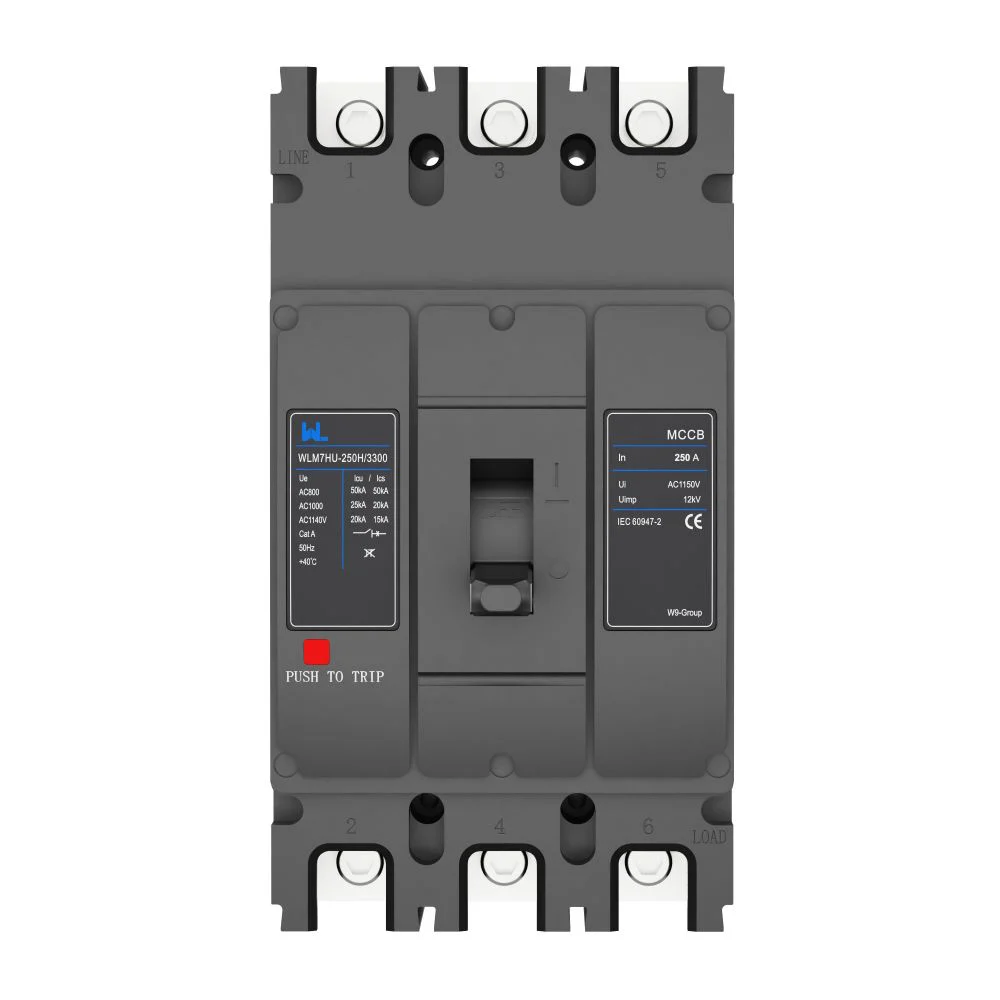
Zhejiang W9 Group Technology Co., Ltd., founded in 2020, supplies low-voltage protection products and can support OEM/ODM projects and testing coordination. Treat that as a sourcing option to be evaluated against the duty, documentation, and regional compliance requirements above. For background on molded-case selection, see this MCCB features and applications guide.
Frequently asked questions
How do national events affect electrical infrastructure planning?
They concentrate demand and impose a fixed energization date, which can accelerate feeder, substation, and backup-power projects. The lasting design should be based on post-event use cases, not only the temporary peak.
Does renewable integration always require new circuit breakers?
Not always. Existing devices may remain suitable after a verified study, but bidirectional flow, DC voltage, inverter behavior, and revised fault levels can change settings or interrupting duties. Re-check the complete protection zone before reusing equipment.
What is the difference between IEC 60947-2 and IEC 61439?
IEC 60947-2 addresses individual low-voltage circuit breakers; IEC 61439 addresses the assembly in which devices are installed. A compliant breaker does not prove that the completed switchboard meets assembly verification requirements.
How should buyers compare switchgear quotations?
Compare functional duty, verified test scope, coordination assumptions, documentation, service response, and lifecycle cost—not just frame size or unit price. Record deviations in a technical schedule and resolve them before award.
Which electrical code applies to an international event?
The destination jurisdiction, utility connection agreement, and authority having jurisdiction determine the enforceable code. IEC and NFPA references can guide the specification, but they do not replace local review, permits, or inspection.
References
- International Electrotechnical Commission (IEC), standards catalogue for IEC 60364, IEC 60947-2, IEC 61439, and IEC 61850.
- NFPA codes and standards, including NFPA 70 and NFPA 70B.
- International Energy Agency, Electricity 2024.
- U.S. National Institute of Standards and Technology Cybersecurity Framework for risk-based digital infrastructure practices.
The lesson is simple: an event creates the deadline, but disciplined engineering creates the dependable grid. When your team is ready to turn a scenario into a documented bill of materials, review W9 options through the low-voltage protection products range. For a photovoltaic DC example, see the WLM7DC product page and its gallery image. Contact the team to align ratings, test evidence, and delivery milestones with local requirements.