








روندها در بکارگیری MCBهای حرارتی-مغناطیسی: آنچه خریداران باید در سال ۲۰۲۶ مشخص کنند
A specification labelled for 2026 should make a breaker easier to select and maintain, rather than add an unsupported claim that every newer feature is better. Thermal-magnetic MCCBs remain an option for documented feeder duties, while adjustable settings, electronic trips and monitoring need separate justification. This review treats the proposed trends as procurement questions, not as measured market growth.
Quick answer: evaluate thermal-magnetic release MCCB trends through four practical checks: usable adjustment, application-specific AC/DC ratings, separate monitoring interfaces and traceable lifecycle documents. These are specification priorities, not a market-share forecast. IEC 60947-2:2024 provides the current IEC product scope; the project must still identify its applicable edition and destination rules. Compare each offered function with the circuit study, then record the approved model, settings and test method.
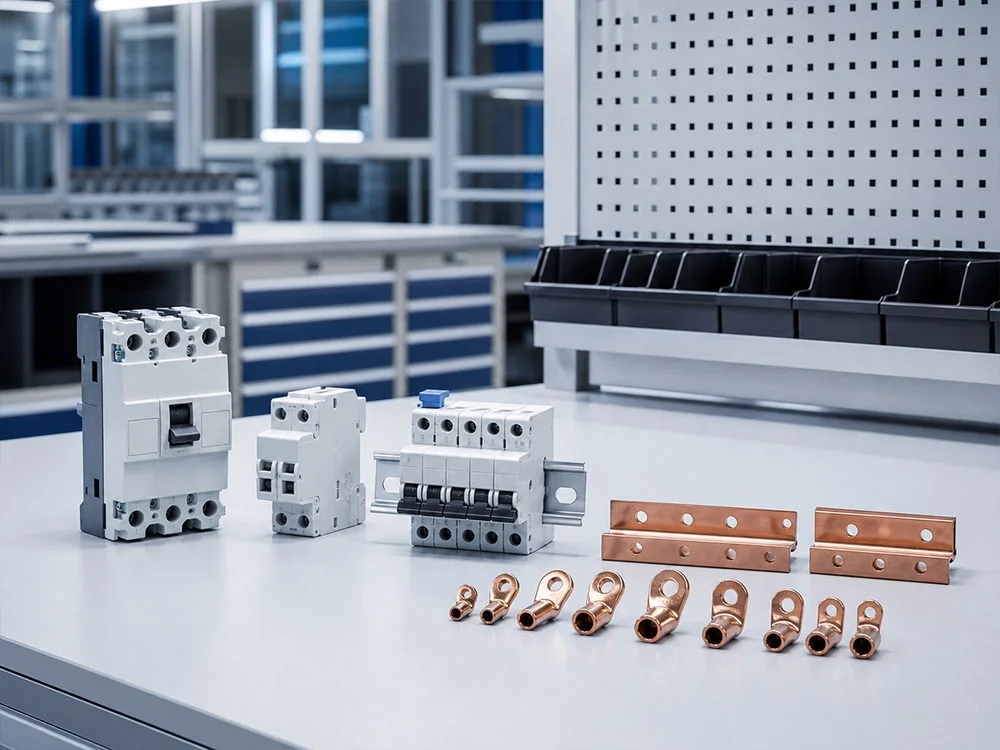
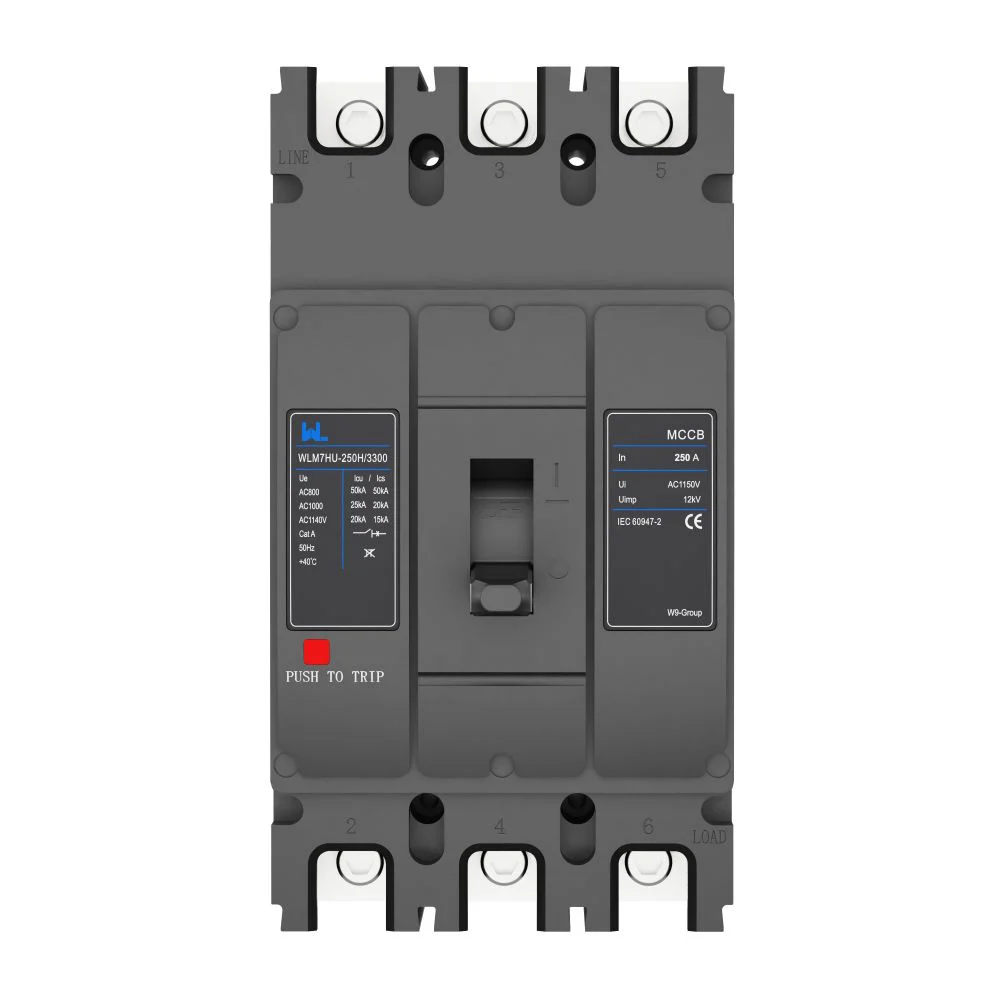
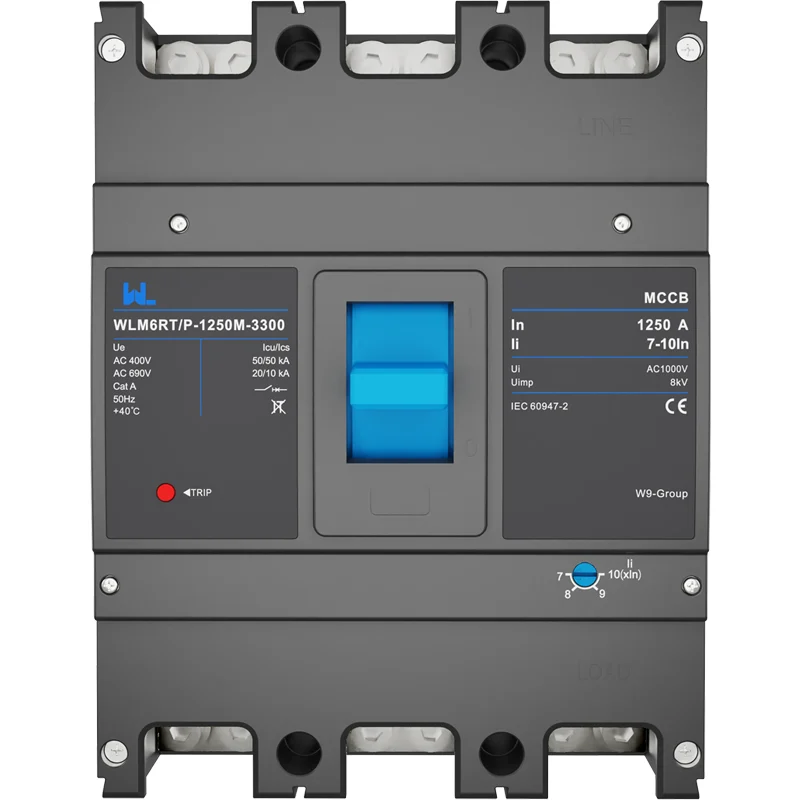
A thermal-magnetic MCCB uses a thermal element for sustained overload and an electromagnetic release for high short-circuit current. That separation gives predictable time-current behaviour without a separate power supply, which is valuable in commercial feeders, motor circuits and OEM panels. “Trend” should be read as a buyer signal rather than a guaranteed market forecast: projects are asking for more configurability and records, but fixed thermal-magnetic models remain the right economic choice for many straightforward feeders.
Controlled Protection Adjustment
Loads rarely stay constant over a plant’s service life. An adjustable thermal release lets an engineer align the long-time pickup with conductor ampacity and design current, while an adjustable magnetic pickup can be coordinated with downstream devices and motor inrush. Settings must be locked by a qualified designer; increasing a pickup merely to stop nuisance trips can leave a cable under-protected. IEC 60947-2 requires declared characteristics under specified test conditions, so the setting range and tolerances belong in the project file.
A fixed-characteristic MCB may suit a defined final circuit, but MCB curve names must not be treated as MCCB setting ranges. Review the exact manufacturer’s curve and tolerances against both inrush and minimum fault current. For an MCCB, confirm which thermal or magnetic adjustments the selected release actually offers; not every adjustable model includes a short-time delay or ground-fault function.
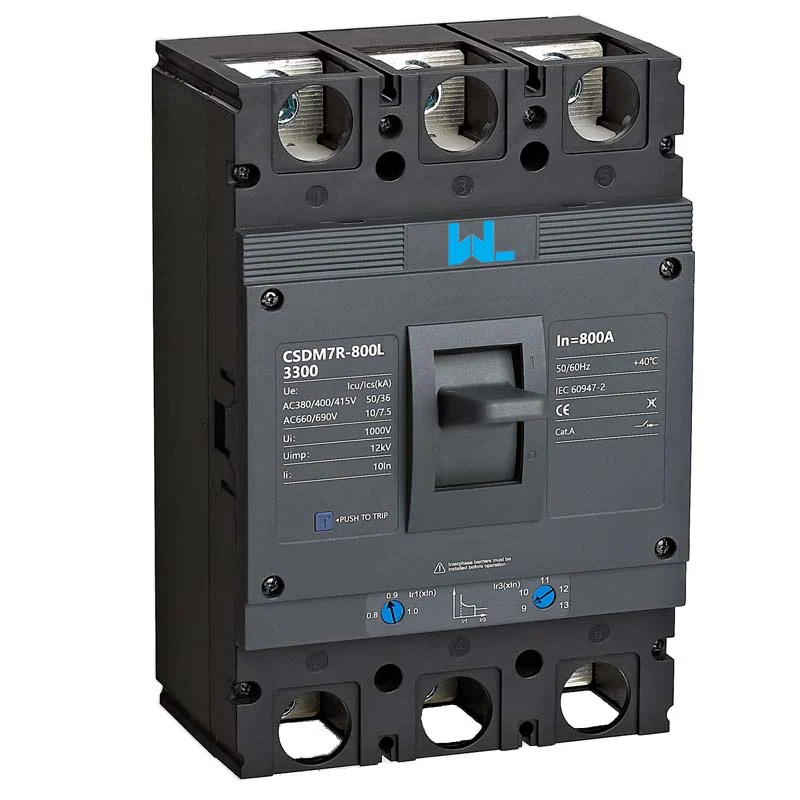
Make adjustment a controlled change
Retain the calculated pickup, dial position, tolerance, approving engineer and as-left test result for each circuit. If a load changes, revisit cable capacity, minimum fault clearing and upstream/downstream coordination before changing the setting. The existence of an adjustment range is a model feature, not permission to use its highest value or a way to increase breaking capacity.
Application-Specific Voltage Ratings
Solar strings, battery storage and variable-speed drives are increasing the number of DC feeders in mixed systems. AC and DC interruption are not interchangeable: a DC arc does not naturally cross zero, so the breaker needs a declared DC voltage, pole arrangement, polarity and wiring method. A model marked “800 V” still requires confirmation of whether the rating is AC or DC, which utilization category applies and what short-circuit capacity is declared at that voltage.
In an IEC MCCB schedule, keep Icu, Ics and any declared Icw separate and attach their voltage and test conditions. Ics is a service breaking rating under its prescribed test sequence, not a universal instruction to reuse a breaker after an unknown fault. Inspection, maintenance limits and the actual interruption event still govern disposition. Use the applicable marked rating when comparing a separate UL conformity route.
Monitoring That Supports Maintenance
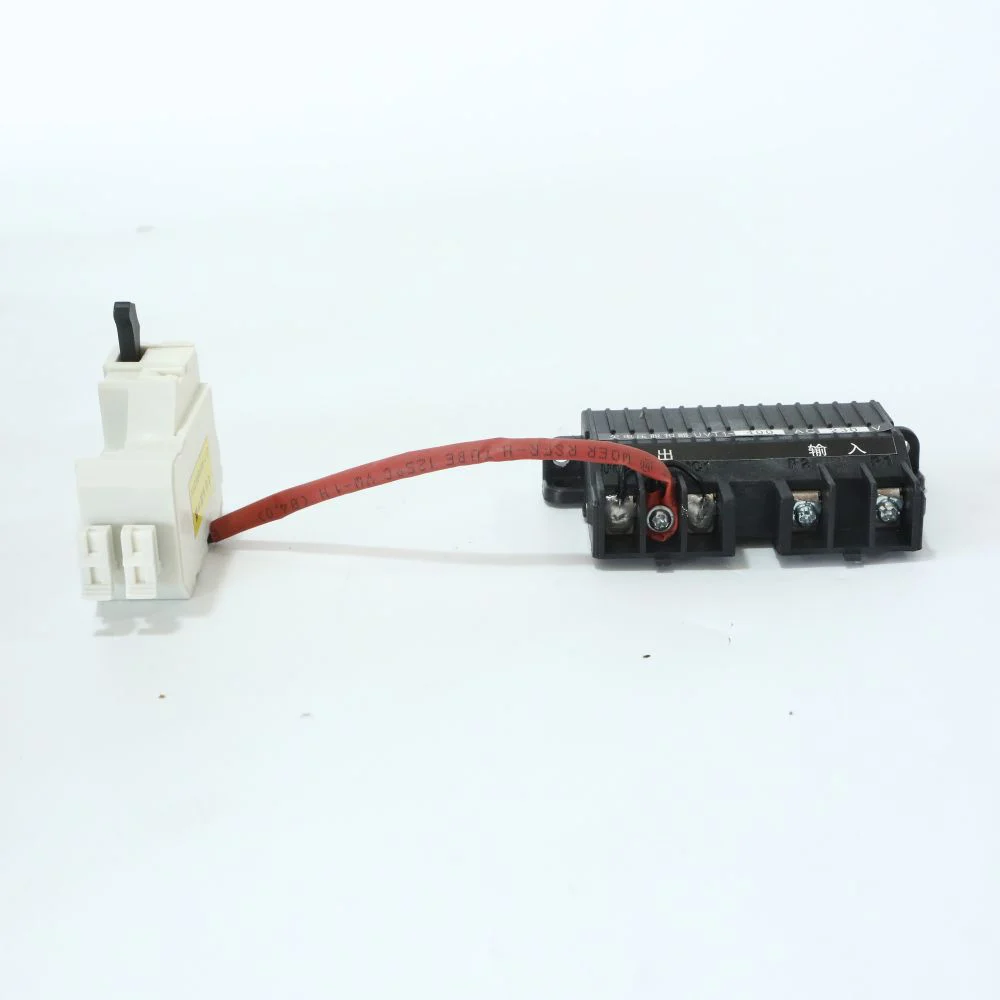
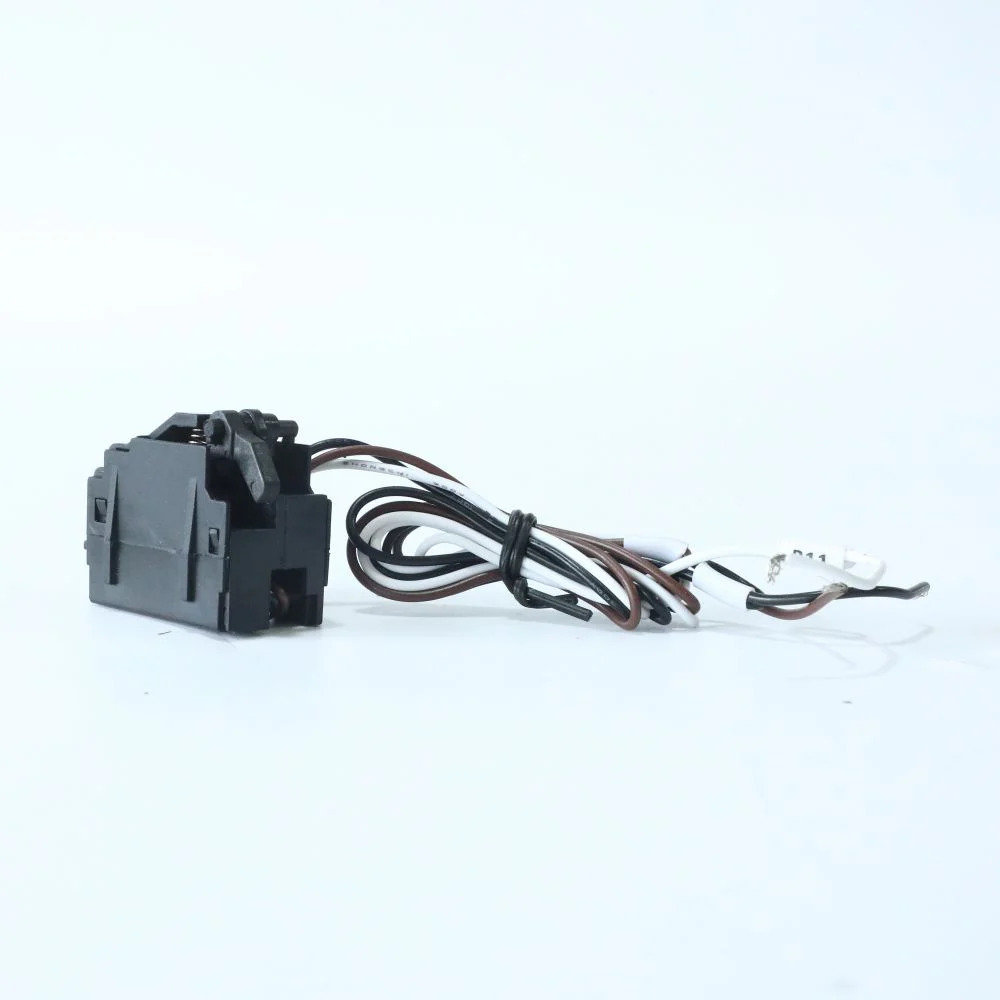
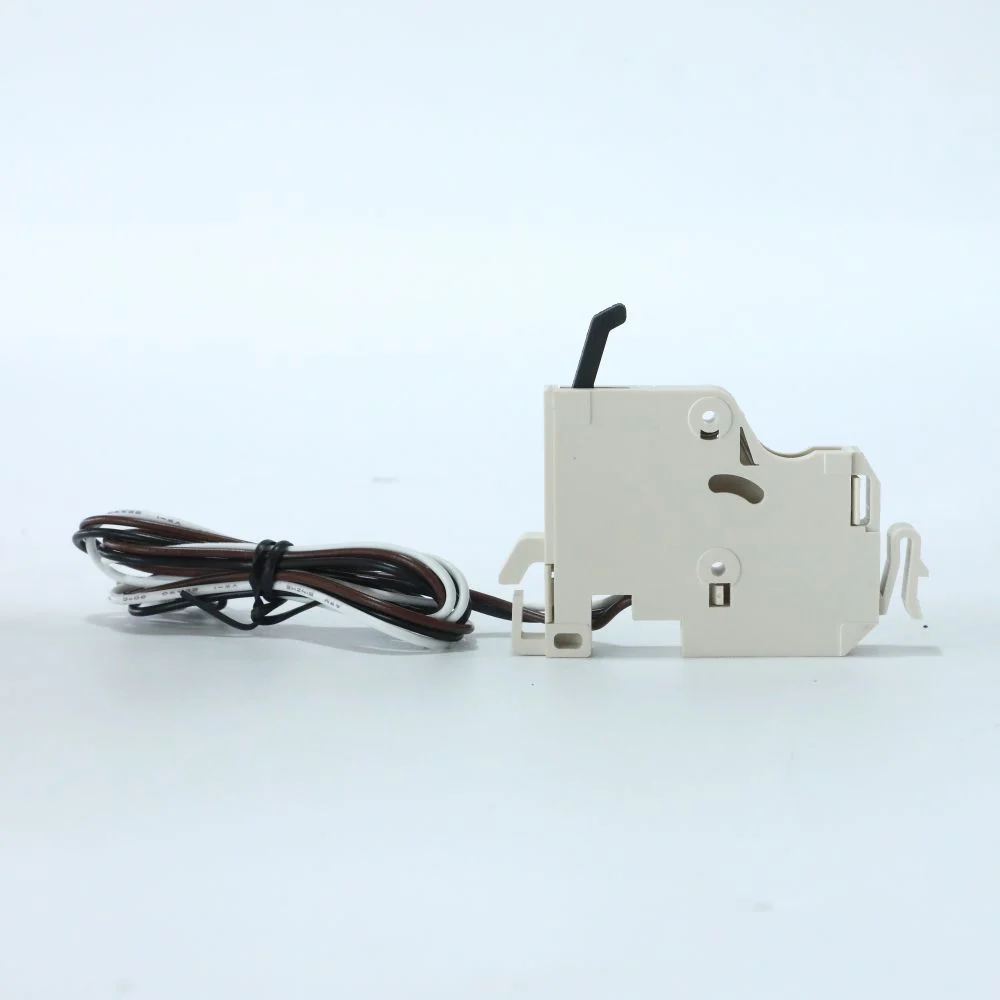
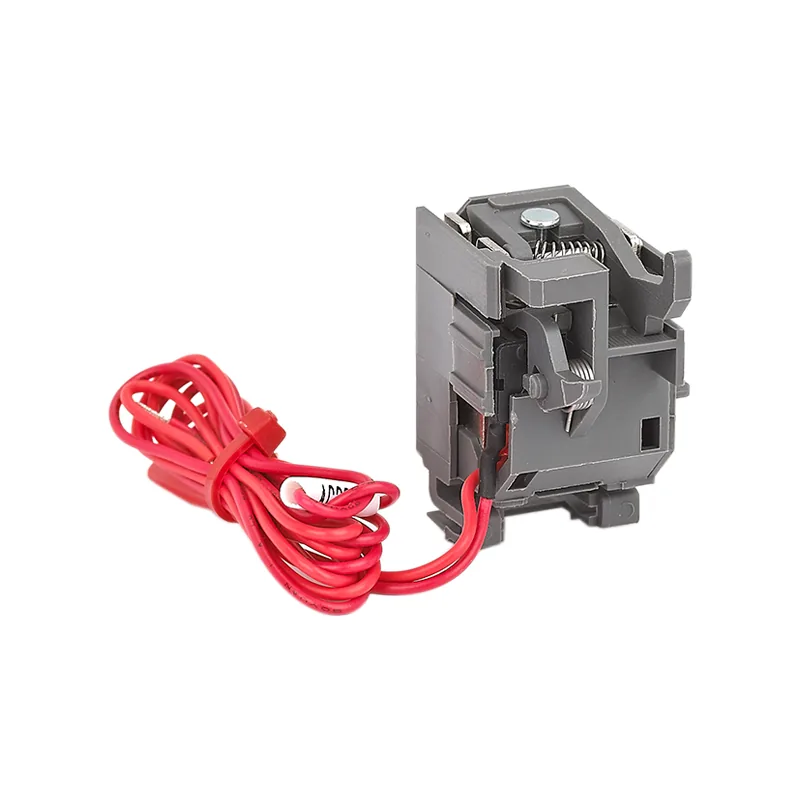
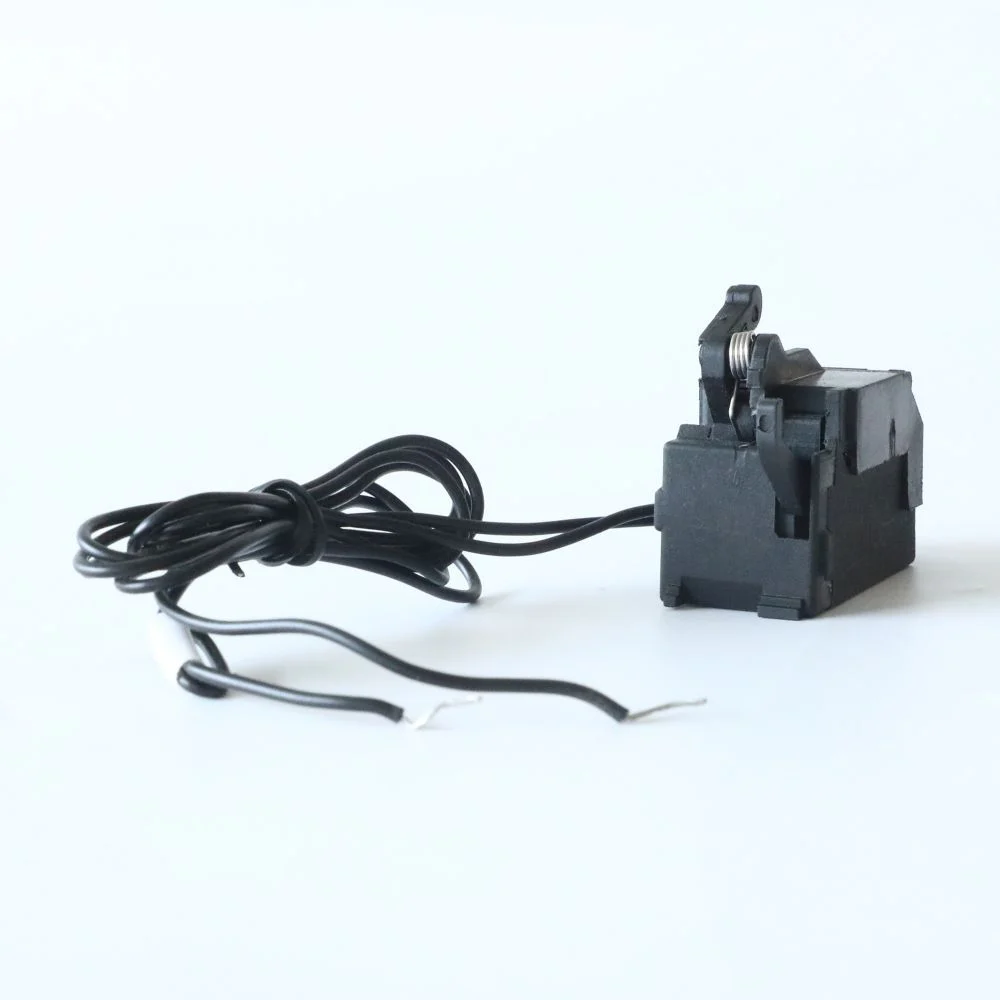
For projects that need remote status or energy information, specify the required signals before choosing an accessory. A thermal-magnetic release can provide protection while separate contacts or modules support indication, but metering and communications are not automatically present. Determine whether the project needs position, protection-trip indication, current measurement or event history; each has different hardware and test requirements.
Specify the signal purpose and fail-safe state in the wiring schedule. “Breaker open” is not always the same as “breaker tripped,” and a communications gateway cannot correct an incorrectly sized conductor. A useful acceptance test toggles the breaker, simulates the alarm contact where permitted, checks the PLC point list and records the timestamp. This small test often saves more maintenance time than adding another dashboard.
Separate indication from protection evidence
A position contact normally follows the breaker’s contact state, whereas an alarm contact may identify a trip according to its design. Schneider Electric’s B-frame guide illustrates that distinction for one family; W9 accessories need their own compatibility and logic confirmation. Test manual OFF, actual permitted trip simulation and loss of signal supply separately, then retain the point list. A dashboard cannot verify the power-contact interruption path.
Comparable Lifecycle Evidence
Material declarations, repairability and packaging data are appearing in tenders, especially for public infrastructure and multinational OEMs. These requests do not make a thermal-magnetic MCCB “green” by default. Ask for the scope and revision of any environmental declaration, and separate verified data from a supplier’s aspiration. A breaker that lasts through a panel’s planned maintenance interval can reduce replacement waste, but service life depends on load, ambient temperature, switching duty and installation quality.
| Buyer dimension | Fixed thermal-magnetic MCCB | Adjustable thermal-magnetic MCCB | Electronic-trip MCCB |
|---|---|---|---|
| Protection response | Thermal overload plus magnetic short-circuit response, with the selected fixed or limited adjustment | Thermal and/or magnetic adjustment where declared; short-time delay is not universal | Sensor and trip unit provide broader, finer settings and optional functions |
| Best-fit duty | Defined feeders and OEM panels with stable loads | Feeders that may expand, motors with documented inrush, selective coordination studies | Complex distribution, metering or event analysis where the specification supports it |
| Efficiency and upkeep | No auxiliary power for tripping; simple inspection path | No auxiliary power for tripping; requires sealed setting records | May need auxiliary power, batteries or firmware/change control |
| Cost tendency | Compare the actual quote and required commissioning scope | Compare adjustment and commissioning cost against documented change needs | Compare the quoted functions and testing effort with the project’s system benefit |
| Key evidence | Standard scope, Icu/Ics, curves, derating and terminal torque | All fixed-model evidence plus setting range, tolerances and coordination guidance | Trip-unit test procedure, power requirements, settings file and communication specification |
For environmental comparisons, request an actual declaration with product boundary, declared unit, revision and assumptions. Do not infer a carbon reduction from a compact case, longer claimed life or digital monitoring. For cost comparisons, use the same scope for engineering, accessories, testing, spares and outage access. Where comparable data are absent, list the missing evidence rather than publishing a numerical benefit or a green ranking.
Application-Specific MCCB Trends
| Application signal | Specification priority | شواهد برای درخواست | Common avoidable mistake |
|---|---|---|---|
| Motor or compressor feeder | Magnetic pickup, inrush and selectivity | Time-current curve, motor-start data and coordination study | Raising the magnetic setting without checking fault clearing |
| PV or battery DC feeder | DC voltage, polarity, series-pole arrangement and arc interruption | DC test rating and installation diagram for the exact model | Using an AC rating or reversed polarity assumption |
| Expandable industrial panel | Adjustable long-time setting and spare strategy | Adjustment range, seal method, derating and change-control plan | Buying a fixed frame that cannot coordinate after expansion |
| Connected facility | Reliable status and alarm signals | Auxiliary/alarm contact ratings, point list and commissioning test | Assuming a communication module proves protection compliance |
For a plain-language foundation, see the site’s thermal-magnetic circuit breaker guide. Teams comparing adjustable frames can also review adjustable MCCB advantages before freezing a bill of materials.
Standards and compliance checkpoints
Use IEC 60947-2 for low-voltage circuit-breakers in industrial switchgear when that is the specified product family; use IEC 60898-1 for household and similar MCB applications. IEC 60364-4-43 sets installation principles for protection against overcurrent, while IEC 60947-5-1 addresses control-circuit devices such as auxiliary contacts. These standards have different scopes. A test method or standard reference is not automatically a certification, and a certificate must cover the exact model, factory, ratings and destination market claimed.
Local rules can add marking, import, language and installation obligations. Unsupported compliance wording can delay approval, trigger redesign or create liability in a tender. Build a matrix that names the country, intended use, required standard, declared ratings, requested marks, document owner and expiry or revision date. Have the project’s responsible electrical professional approve the final interpretation.
2026 MCCB Procurement Checklist
- Run the circuit study: document design current, conductor capacity, inrush, system voltage, earthing and prospective fault current.
- Choose the product family: decide whether MCB, thermal-magnetic MCCB or electronic MCCB fits the duty and standard scope.
- Lock settings: record long-time and magnetic values, tolerances, seal method and who may change them.
- Verify evidence: request exact-model curves, Icn or Icu/Ics, derating, torque, drawings, test references and declarations.
- Plan the service path: define spare identification, traceability, alarm testing, change notification and document retention.
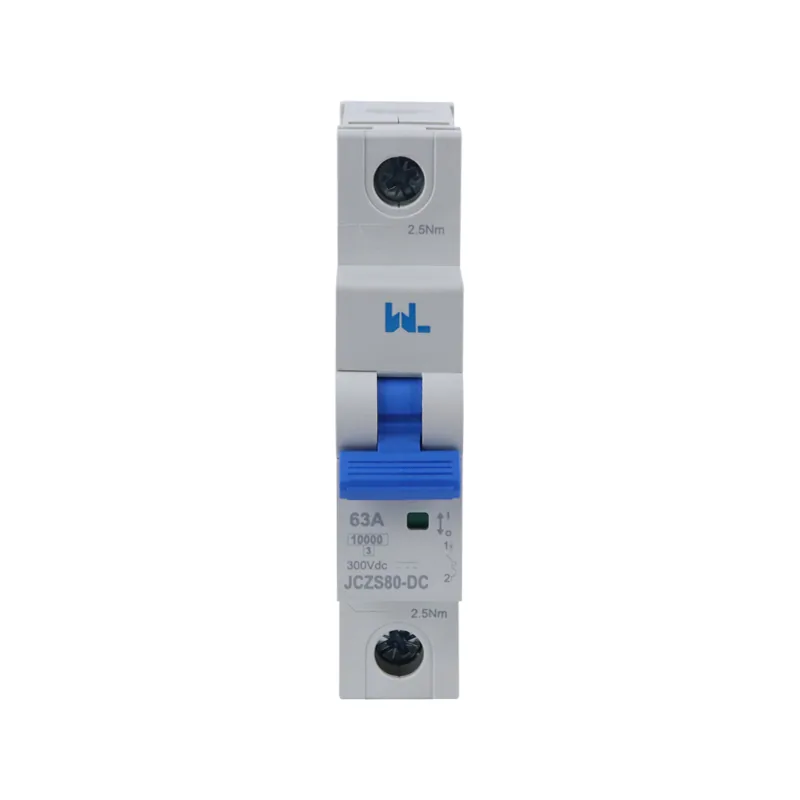
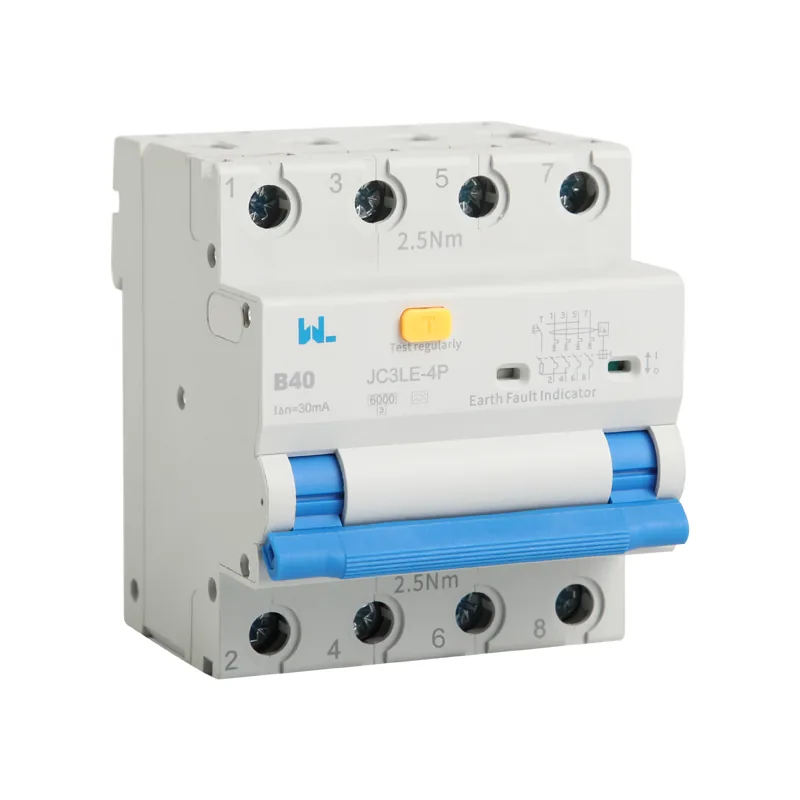
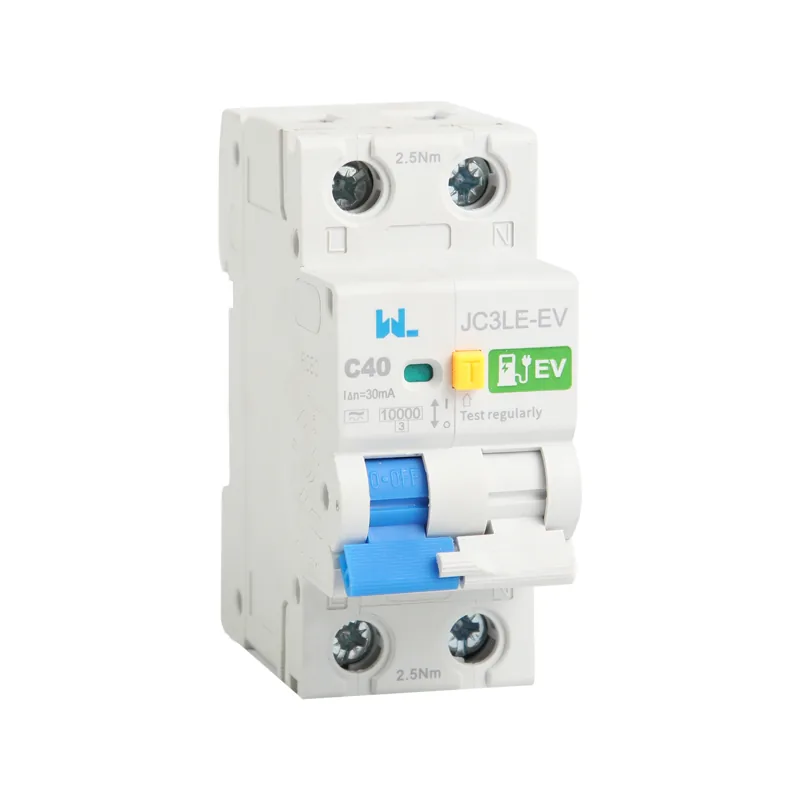
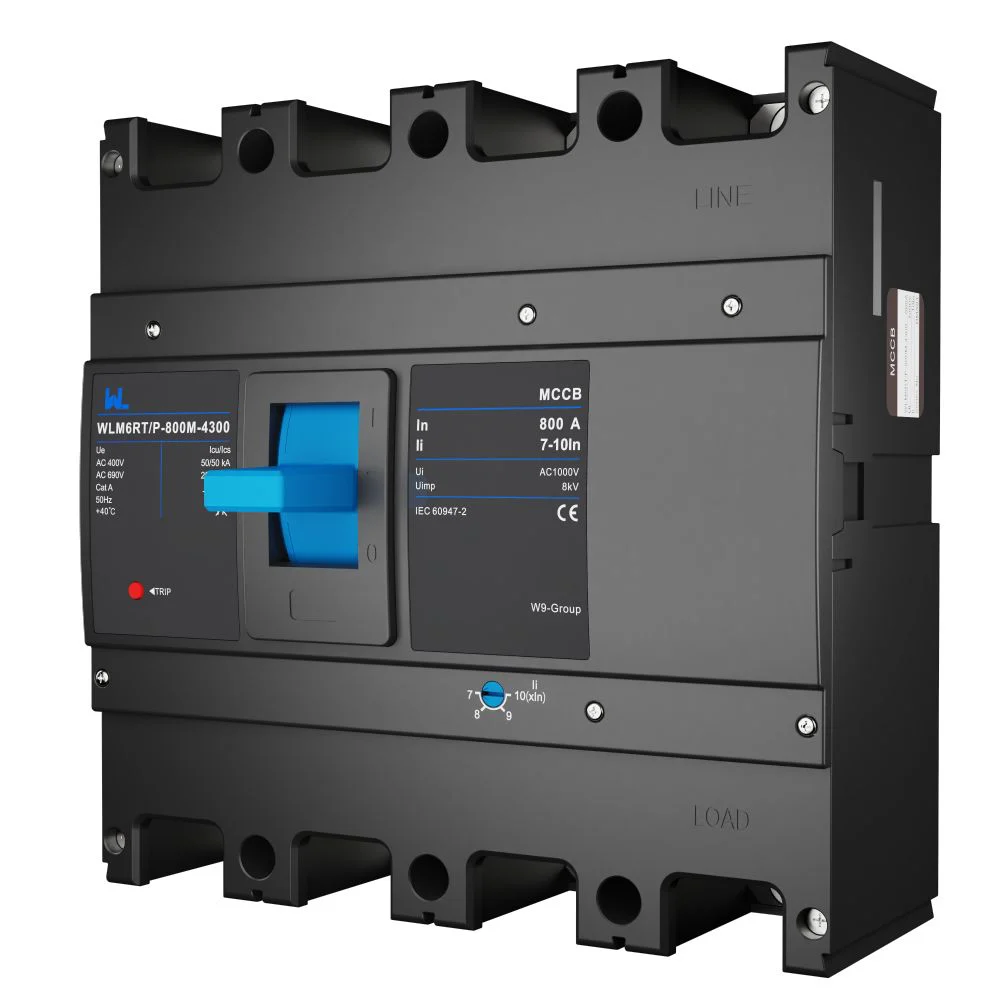
W9 Group’s circuit-protection range includes MCCB, MCB, RCD/RCBO and accessory options. Treat the catalogue as a starting point: ask for current model-specific evidence and destination-market support before approval.
سوالات متداول
What are the main thermal-magnetic release MCCB trends in 2026?
Buyers are asking for adjustable settings, higher-voltage DC variants, connected status signals and stronger traceability. These are procurement directions rather than guaranteed market outcomes; the correct choice still depends on the circuit study and applicable standard.
Is a thermal-magnetic MCCB still suitable for industrial feeders?
Yes, when its voltage, current, breaking capacity, trip characteristics and temperature derating match the feeder. Electronic trip units may add coordination or metering value, but they are not automatically safer for every application.
Can I use an AC MCCB on a photovoltaic DC circuit?
Only if the manufacturer explicitly declares that exact model for the DC voltage, polarity and pole arrangement. AC and DC ratings use different interruption conditions, so an AC label alone is not evidence of DC suitability.
How should magnetic settings be selected for motors?
Start with documented starting current and a coordination study, then check that the magnetic pickup tolerates normal inrush while clearing the available fault current. Do not raise the setting solely to stop nuisance trips.
Does an IEC test report equal product certification?
No. A report supports performance evidence for the tested scope; certification, marking and installation compliance may involve additional rules and audits. Verify model, factory, ratings, revision and destination-market requirements.
منابع
- IEC 60947-2:2024 — circuit-breaker requirements and changes. محدوده عمومی و دستورالعملهای آن بررسی شد 19 خرداد 1395.
- Schneider Electric B-frame contacts — position and trip indication example. محدوده عمومی و دستورالعملهای آن بررسی شد 19 خرداد 1395.
- Schneider Electric 0600IB1201 — thermal-magnetic and electronic-trip test guidance. محدوده عمومی و دستورالعملهای آن بررسی شد 19 خرداد 1395.
The durable trend is disciplined selection: let the fault study set the duty, let the standard define the evidence, and let service records preserve the decision. For a model review or coordination question, contact W9 Group with the circuit data, destination market and documentation requirements before your purchase order is released.