








The difference between electronic and electromagnetic RCBO
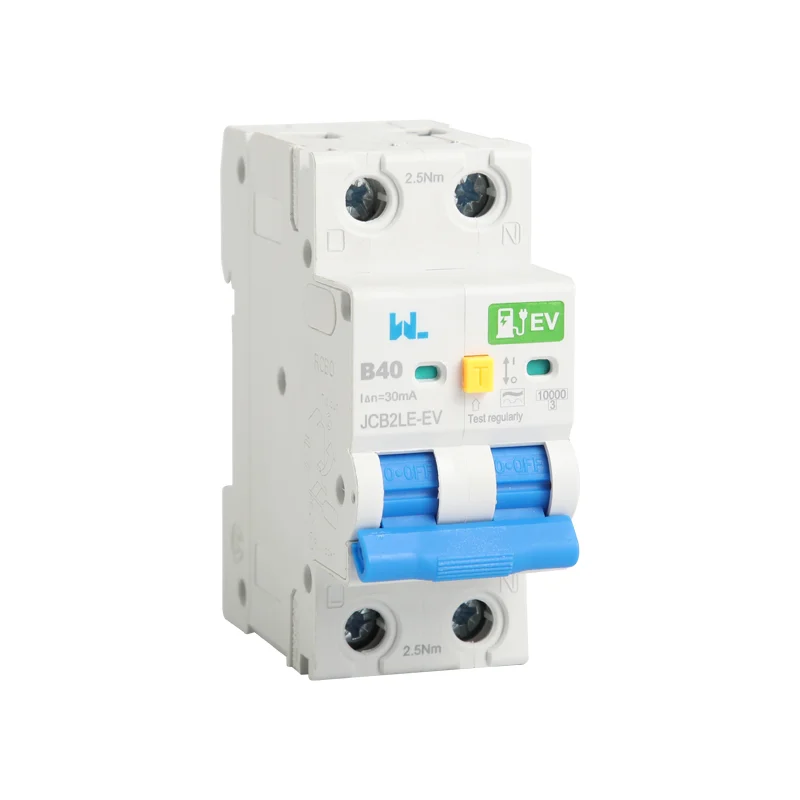
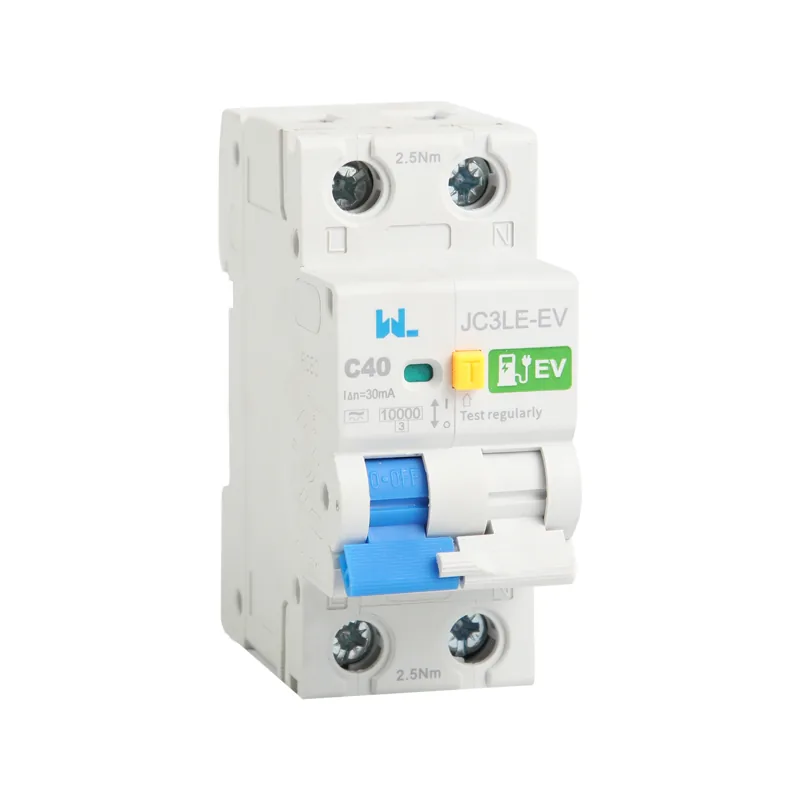
Choosing between an electronic and an electromagnetic RCBO is not a choice between a modern and an obsolete safety device. The important questions are how the residual-current release is powered, what faults it detects and how the exact design behaves when a supply conductor is lost.
Electronic sensing can depend on supply voltage for part of its operation. An electromagnetic residual-current release may operate independently of line voltage within its declared design. These descriptions do not establish waveform type, overcurrent curve, fault capacity or universal performance under an open neutral.
Separate construction from protective function
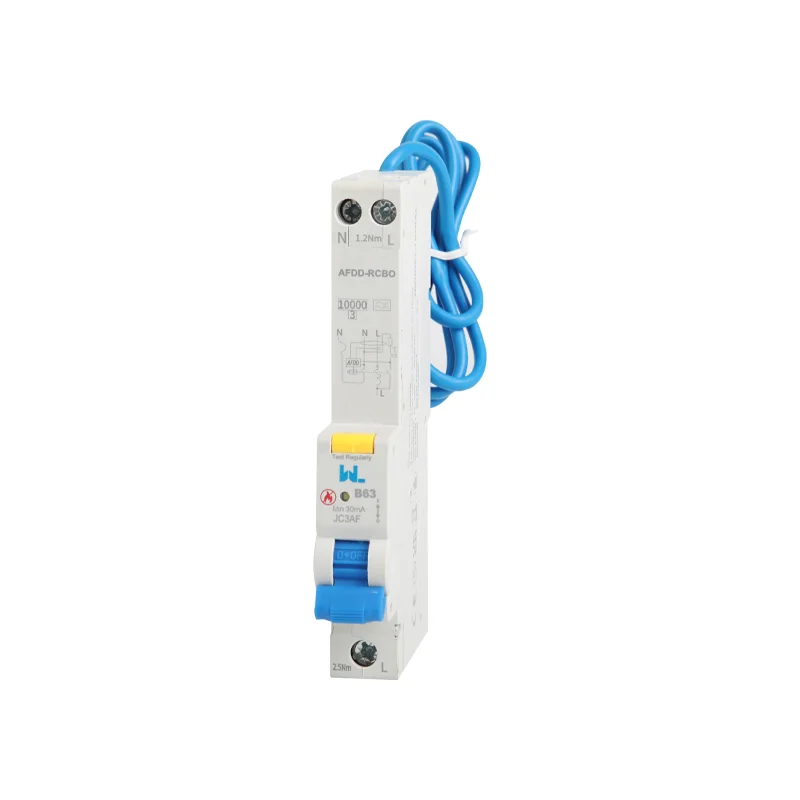
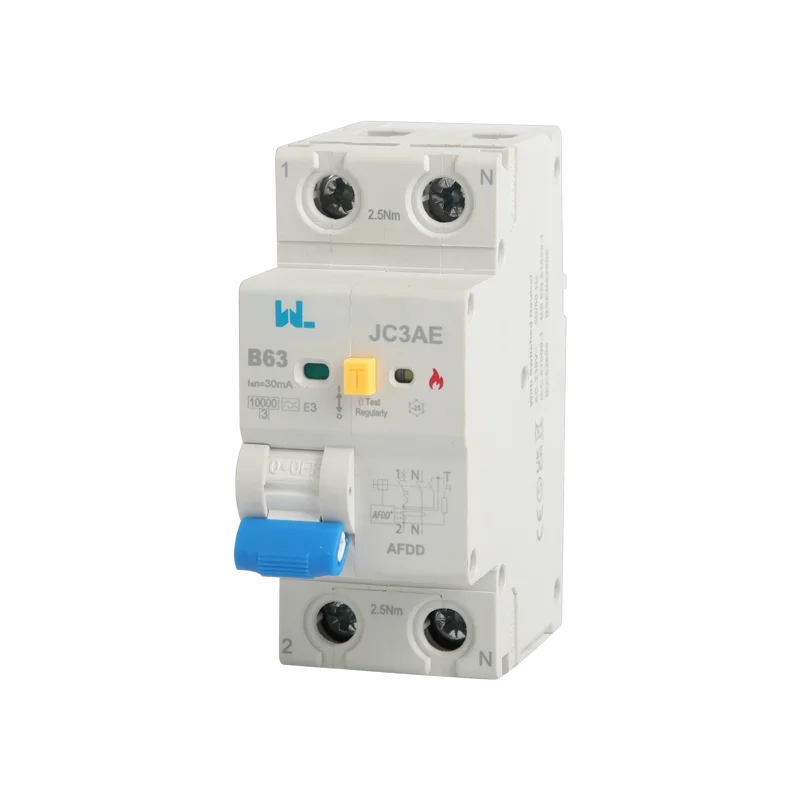
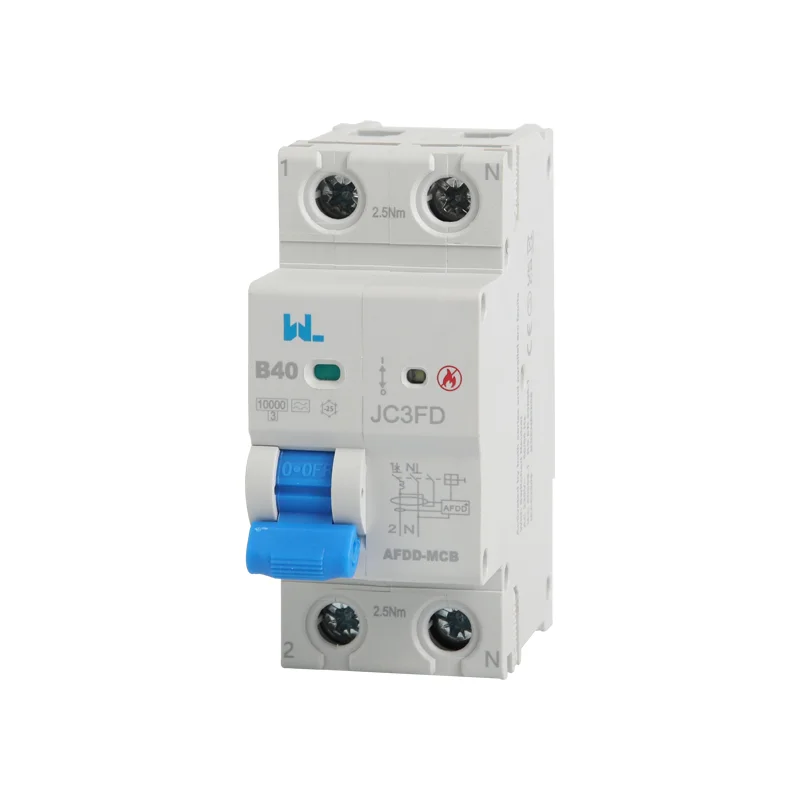
Both RCBO constructions can combine overload, short-circuit and residual-current functions. The device still needs an independently stated residual-current type and sensitivity. A construction label such as electromagnetic does not mean Type B or prove smooth-DC detection.
Request the operating-principle statement, terminal diagram and specified supply conditions. Determine whether residual-current operation is voltage-dependent and what the manufacturer declares for loss of neutral or insufficient supply voltage. Avoid extending one model’s behaviour to an entire technology category.
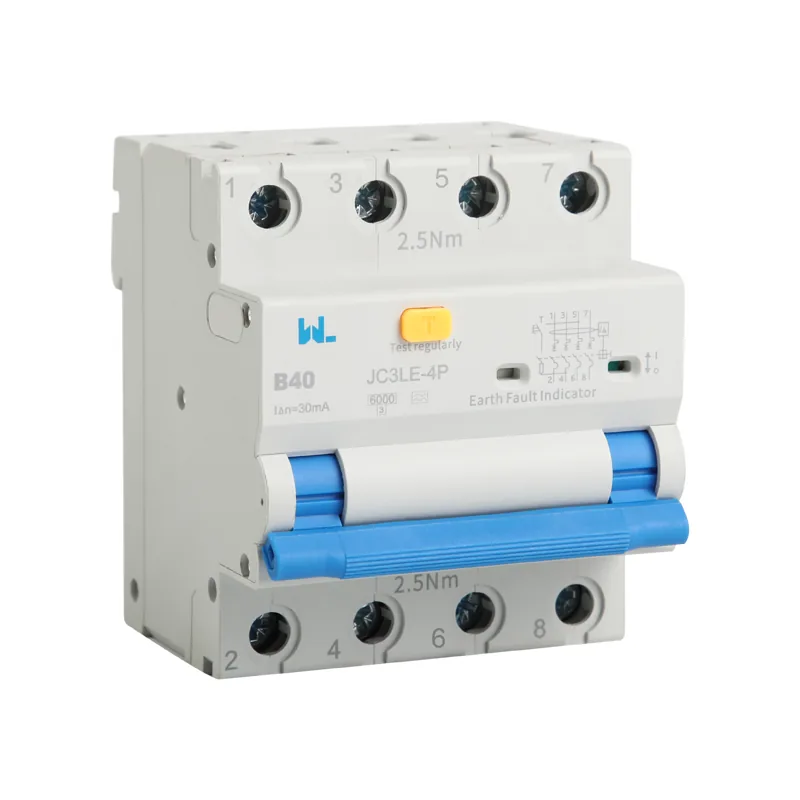
The four-pole RCBO guide explains why alarm signalling, load current and breaking capacity need separate confirmation.

Supply loss and testing boundaries
An open neutral can create several hazards depending on the network and connected loads. Do not assume that every RCBO disconnects automatically for any neutral fault. Review the exact protective arrangement, including any separate voltage monitoring and the continuity of protective conductors.
The test button checks a device function under its required supply conditions; it is not a substitute for instrumented installation verification. Use the manufacturer’s test instructions and a tester suitable for the residual-current type. Record the result with the circuit identity and device code.
| Decision | Electronic design | Electromagnetic design |
|---|---|---|
| Release energy | Confirm supply dependence | Confirm declared voltage independence |
| Residual waveform | Specify type separately | Specify type separately |
| Open-neutral behaviour | Obtain exact declaration | Obtain exact declaration |
| Overcurrent rating | Verify current, curve and fault capacity | Verify current, curve and fault capacity |
The comparison of RCBO and RCCB protection helps distinguish integral overcurrent protection from residual-current detection.

Choosing for the actual circuit
Define the equipment waveform, residual-current threshold, poles, neutral routing, current and fault duty. Then compare dimensions, busbar compatibility, supply orientation and environmental conditions. Neither release technology is automatically preferable for every home, commercial board or export market.
| Procurement item | Evidence |
|---|---|
| Supply conditions | Operating-voltage limits and loss-of-supply behaviour |
| Installation | Wiring diagram and permitted feed orientation |
| Protection | Residual-current type, sensitivity, curve and short-circuit rating |
| Verification | Functional and instrumented test procedure |
Documentation and replacement control
IEC 61009-1 is the RCBO product reference; the installation’s electrical safety rules and verification remain separate. Certification wording must identify the exact covered device, not merely the construction type. If changing technology during replacement, review the complete circuit rather than treating identical amperes as an approval.
Ask W9 Group for the exact RCBO construction and operating conditions with the quotation. Keep the approved configuration and test results in the handover pack so subsequent maintenance follows the same protection basis.
Frequently asked questions
Is every electronic RCBO voltage-dependent?
Electronic operation can involve supply dependence, but the exact behaviour must come from the manufacturer. Do not infer every failure mode from the category name.
Does electromagnetic mean Type B protection?
No. Release construction and residual-current waveform type are independent fields. Request the declared waveform capability of the exact model.
Does an RCBO always trip when the neutral breaks?
No universal claim is justified. Review the circuit and the device’s declared loss-of-neutral or supply-loss behaviour.
Is pressing the test button enough for commissioning?
No. It is a functional check within the product instructions. Complete the installation tests required for the circuit with suitable equipment and retain the results.
References
- IEC 61009-1:2024 — RCBO general requirements.
- IET — Which RCD Type?.
- IEC 60364-6:2016 — installation verification.
For a circuit-level selection, contact W9 Group with the circuit schedule, load waveform, earthing arrangement and applicable installation rules.