



















Solid-State Circuit Breakers: A New Era in Electrical Protection
A very fast switching claim is not enough to specify a solid-state circuit breaker. Buyers must compare interruption behaviour, continuous losses, isolation, failure modes and the evidence for the exact design before replacing conventional protection.
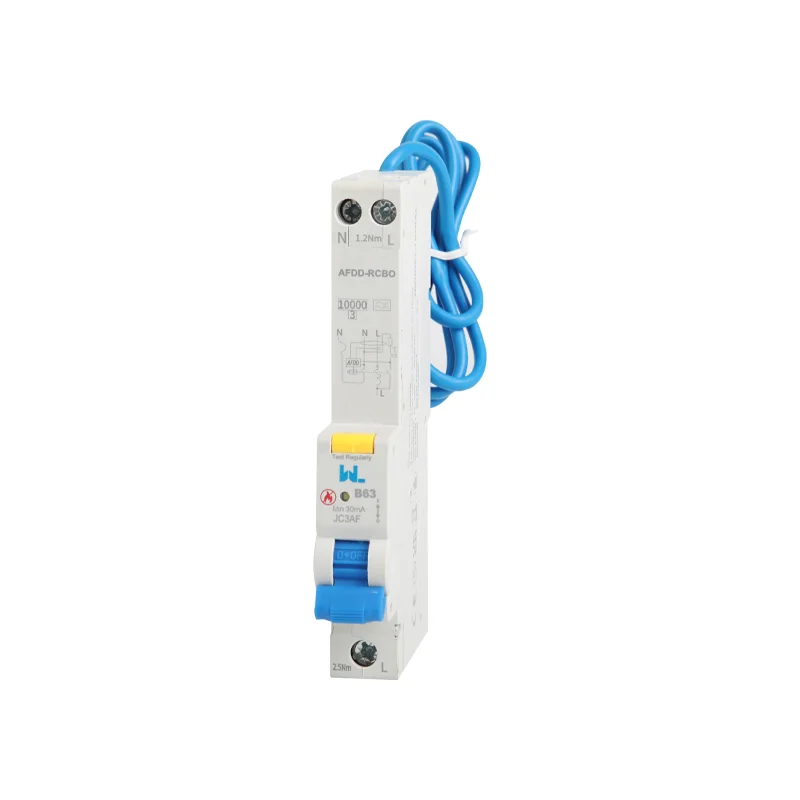
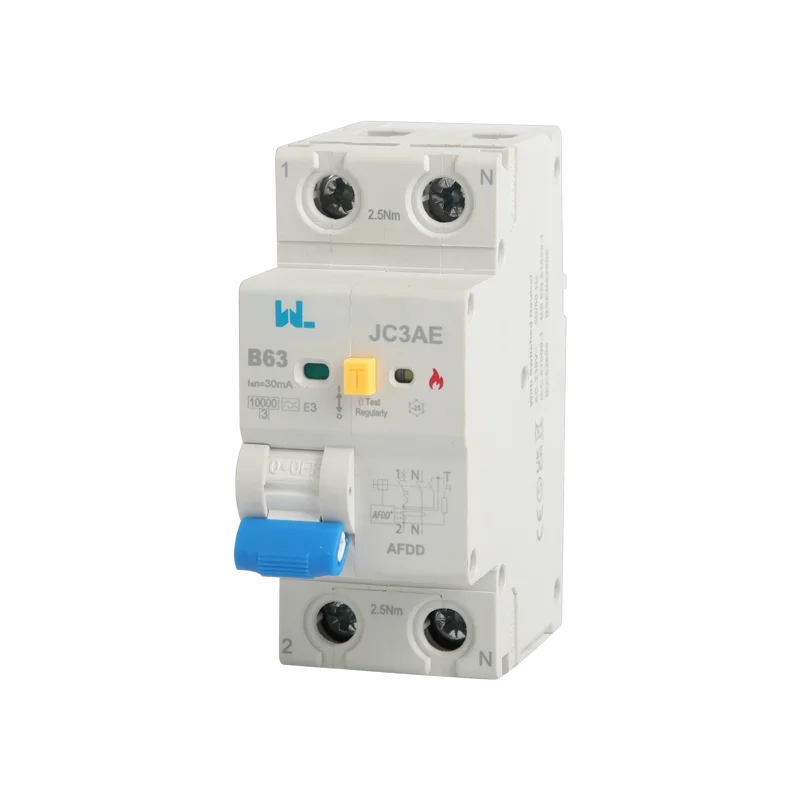
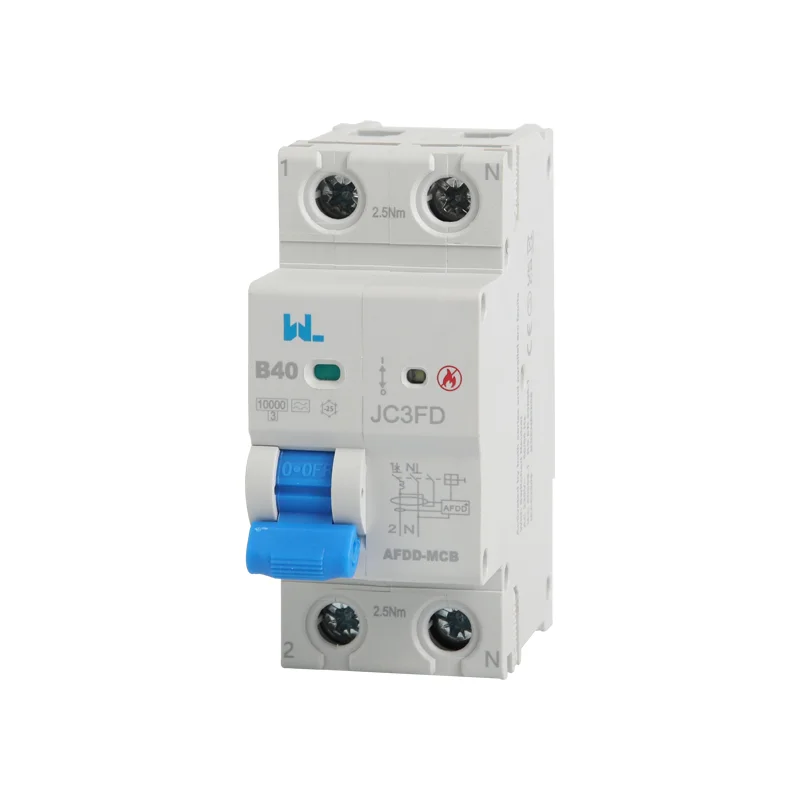
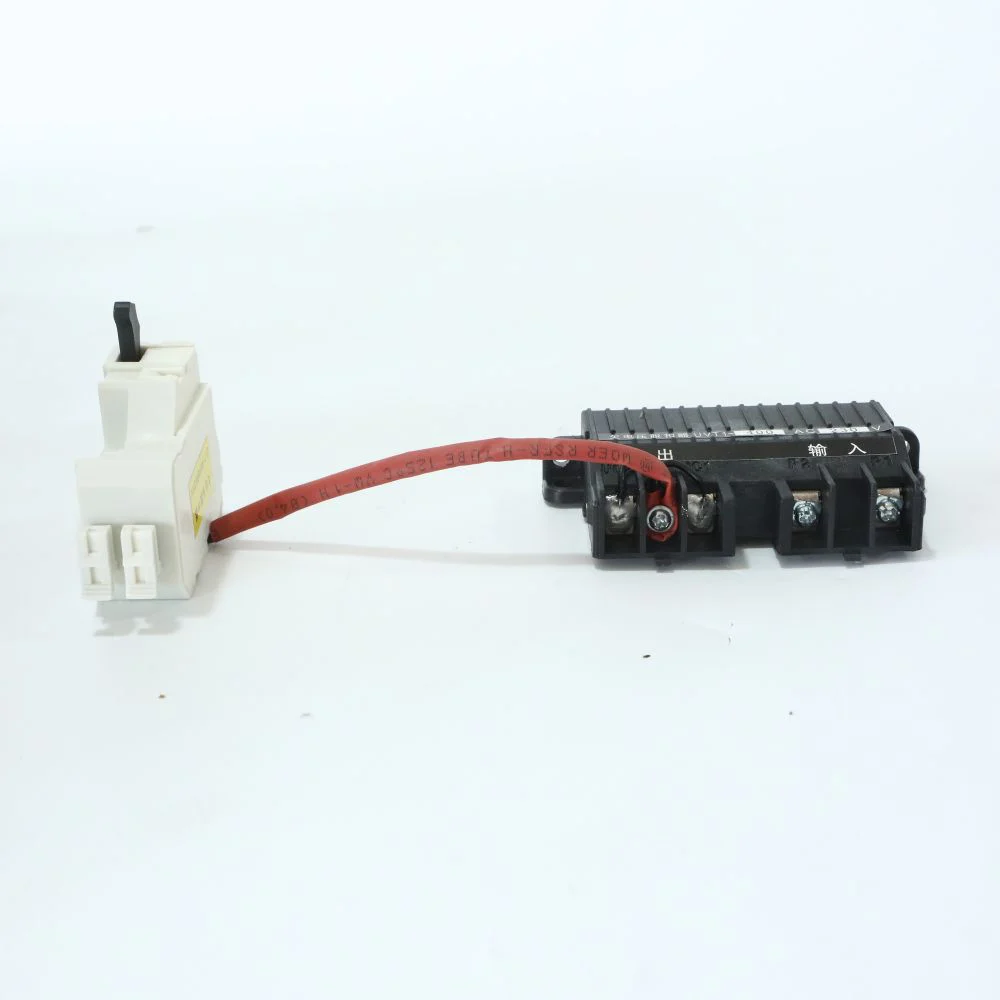
A solid-state circuit breaker uses power semiconductors in its interruption path. Hybrid designs combine semiconductor switching with mechanical contacts. The discussion here is a technology comparison, not evidence that W9 has a commercially approved solid-state model, a verified research partnership or a guaranteed response-time advantage.
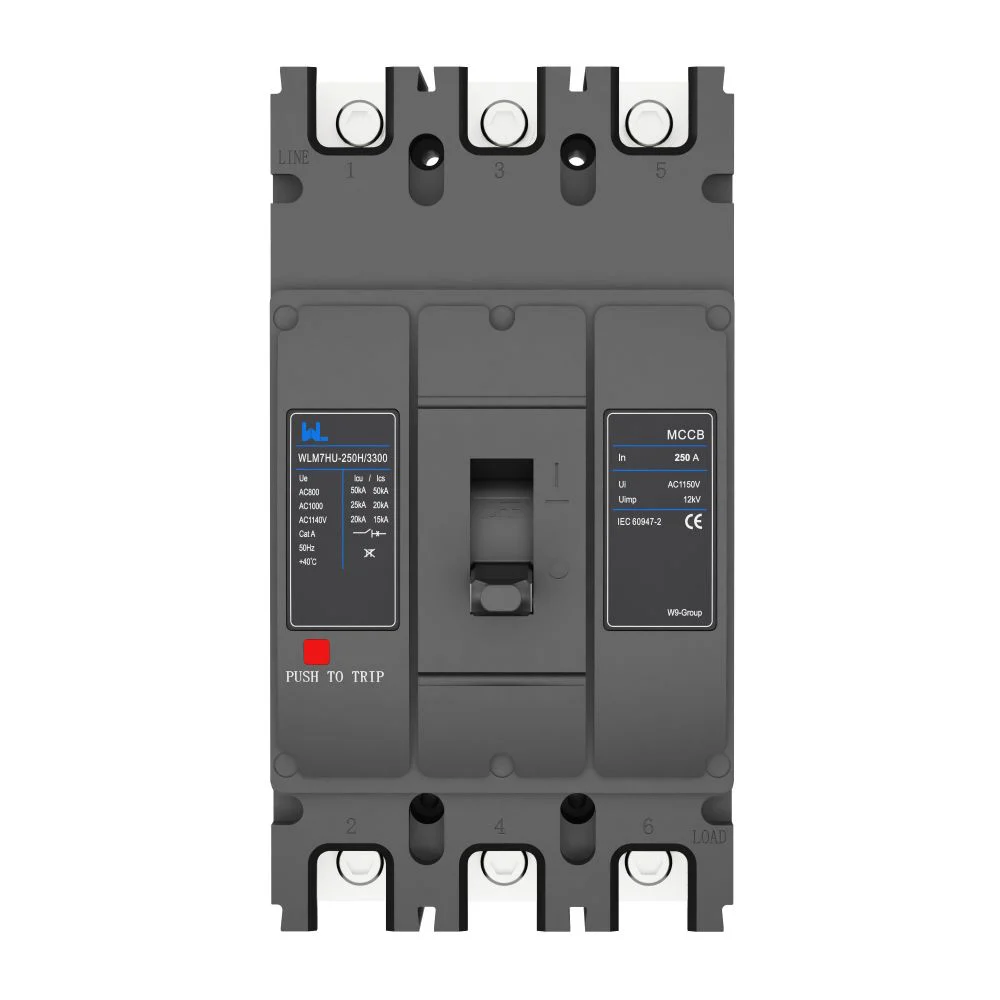
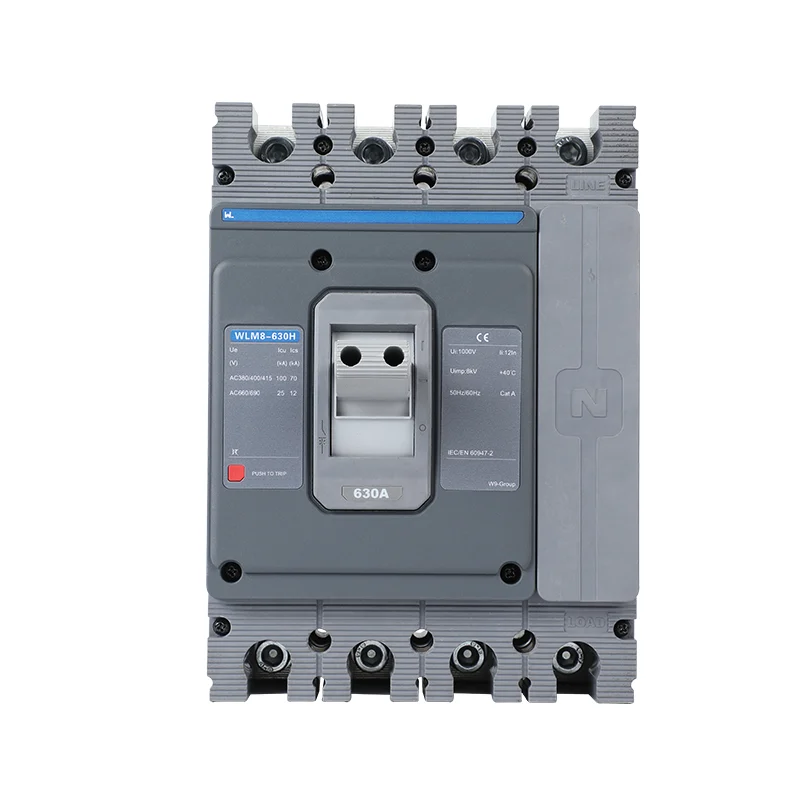
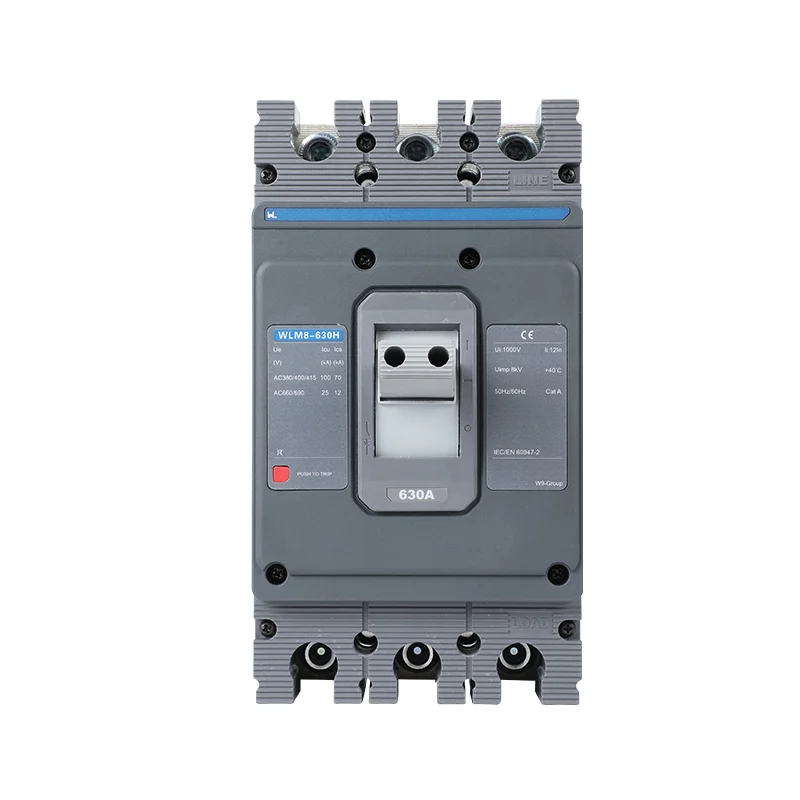
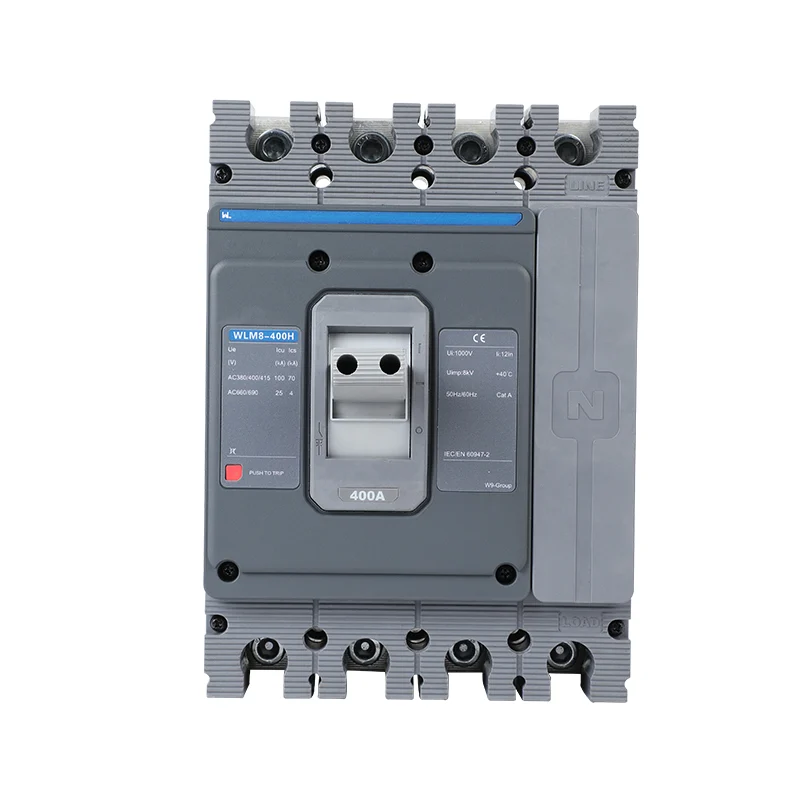
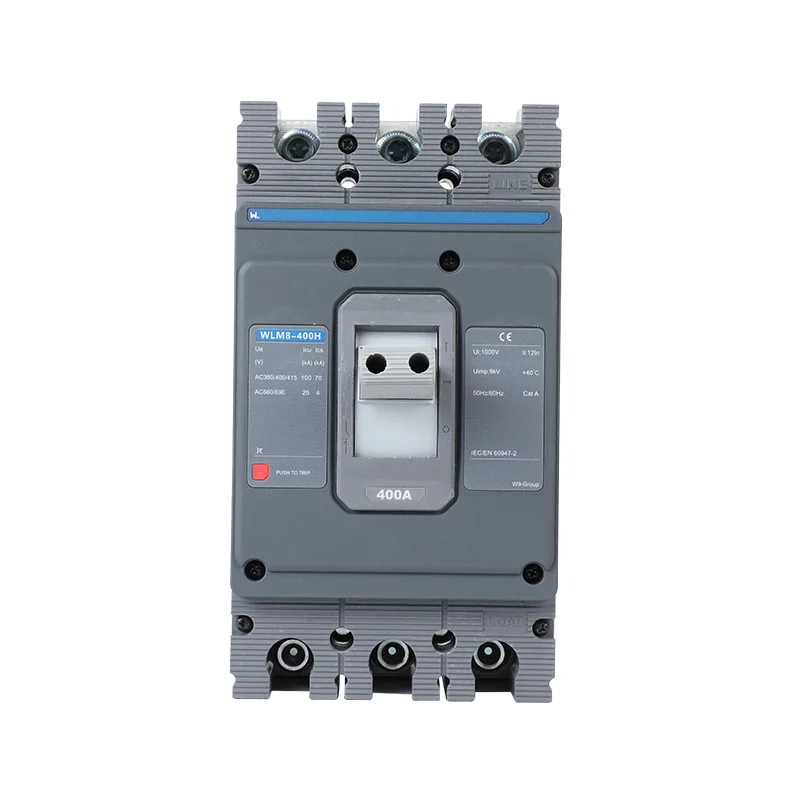
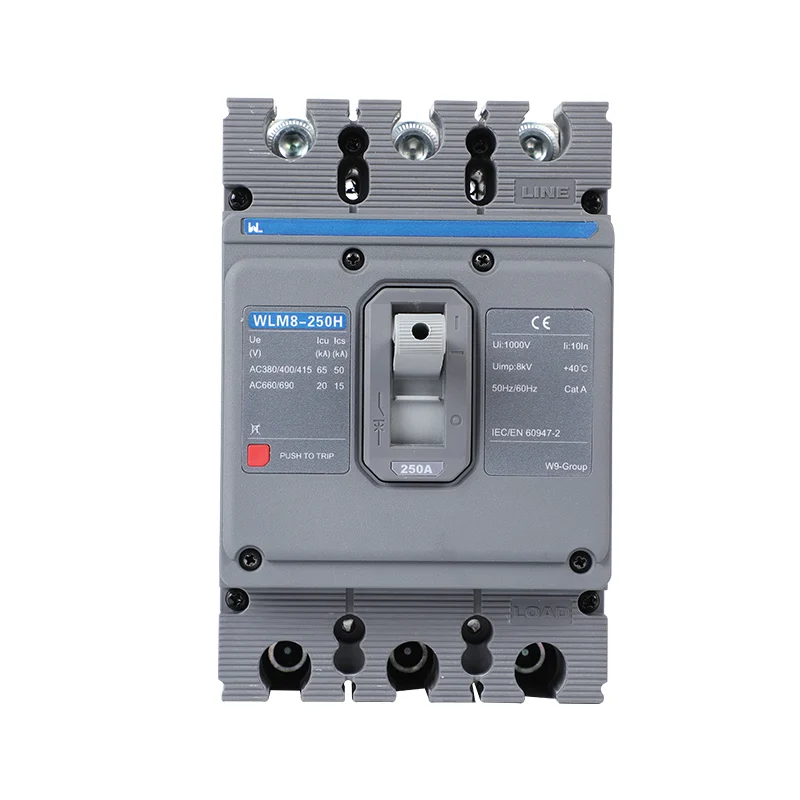
MCCB configurations should be shortlisted by the required protection functions and documented electrical duty.
Interruption speed and system protection
Electronic sensing and semiconductor switching can act without waiting for a conventional mechanical contact-opening sequence. The useful metric, however, is the complete clearing response under specified voltage, current and fault conditions. Detection delay, control processing, clamping and residual current all affect what the protected equipment experiences.
Do not compare a component switching time with the total clearing time of a complete mechanical breaker. Request waveforms, test conditions, peak let-through current and interruption-energy information for both alternatives. The protection design must still recognise permitted load transients without unwanted operation.
The guide to molded case circuit breakers explains how frame size, rating and trip behaviour differ.
Continuous losses and thermal design
Semiconductor losses occur during normal conduction and can require heat sinking or active cooling. A hybrid arrangement may reduce steady-state loss through a mechanical bypass, but that introduces its own operating sequence and failure considerations. Neither construction guarantees lower total energy use.
Ask how the device behaves if cooling, a sensor, a gate driver or a control supply fails. Define the required safe state and the independent protective layer. An electronic off command is not automatically a means of galvanic isolation for maintenance.
| Attribute | Mechanical breaker | Solid-state or hybrid design |
|---|---|---|
| Interruption path | Mechanical contacts and arc control | Semiconductor path, with mechanical elements in some designs |
| Normal losses | Contact and conductor losses | Semiconductor and auxiliary losses must be assessed |
| Isolation | Verify declared isolation function | Separate mechanical isolation may be needed |
| Failure review | Mechanism and contact condition | Electronics, thermal system and semiconductor failure |
| Selection evidence | Rating tables and coordination data | Complete device tests and application-specific evidence |

Coordination with the rest of the installation
A fast upstream device can remove power from healthy branches unless downstream discrimination is demonstrated. A coordination study must therefore consider detection thresholds, clearing times, source contribution and connected equipment. Communication-based blocking or interlocking adds dependencies that need documented fallback behaviour.
For DC applications, request the maximum interruption voltage, permitted polarity, energy-absorption limits and source assumptions. PV arrays and batteries present different current and energy characteristics. An AC demonstration does not prove suitability for either DC source.
| Evaluation stage | Information required |
|---|---|
| Concept review | Topology, isolation method and safe-state definition |
| Electrical study | Source models, fault waveforms and coordination |
| Thermal review | Continuous losses, cooling and ambient limits |
| Acceptance | Exact device identity, test scope and declared application |
| Handover | Firmware control, diagnostics and maintenance procedure |
Use the technical requirements for MCCBs to check the specification against the order code and project file.
Evidence before a technology claim
Published switching experiments and market commentary do not certify a delivered product. Confirm the applicable product-standard route for the actual device and destination market; IEC 60947-2 provides circuit-breaker context, but its mention alone is not approval of every semiconductor topology. Keep the test report, model and hardware or firmware revision aligned.
No named research partner, prototype test report or independently verified W9 solid-state product approval is established by the evidence available for this revision. Such claims should remain unconfirmed until primary documentation is supplied. This limitation prevents a technology explainer being mistaken for a product announcement.
A practical procurement sequence
Define the protection problem first: fault-energy limitation, operating continuity, remote control or another measurable requirement. Compare a conventional electronic-trip breaker, a hybrid device and an all-semiconductor solution against the same electrical duty. Include cooling, standby power, spares, isolation equipment and engineering effort in lifecycle cost.
W9’s published conventional breaker ranges can provide a documented baseline for that comparison. Ask for an exact model and supporting documents; do not assume that an LCD or microprocessor trip unit makes a breaker solid state.
Frequently asked questions
Is an electronic-trip MCCB a solid-state breaker?
Not necessarily. An electronic trip unit can command a conventional mechanical interrupter. Solid-state interruption concerns the power switching path, not merely electronic sensing.
Do solid-state breakers always save energy?
No. Continuous semiconductor and auxiliary losses must be measured for the operating duty. Compare total losses and cooling with the alternative design.
Does an off semiconductor provide safe isolation?
Do not assume it. Maintenance isolation requires a declared and suitable isolation arrangement, which may include separate mechanical contacts or a disconnector.
Has this article verified a W9 research partnership or approved solid-state product?
No. Those claims require named primary evidence and exact product documentation. The article explains evaluation criteria and does not establish a commercial announcement.
References
- IEC 60947-2:2024 — circuit-breaker product scope.
- IEC 61439-1:2020 — low-voltage assembly general rules.
- NFPA 70 — U.S. installation-code development and scope.
To review the proposed configuration, contact W9 Group with the load schedule, available fault current and destination-market requirements.