








How to Identify MCCB Replacement Parts
A spare accessory can look correct, fit into the available space and still be wrong for the installed breaker. The missing distinction may be a product revision, signal function, supply specification or approved mounting arrangement. When a quotation is based only on a photograph, these differences are easily missed until the planned shutdown has begun.
Reliable MCCB replacement-parts identification connects the existing breaker, the required part and the manufacturer’s compatibility evidence. Start with the complete equipment identity, not the appearance of the loose component. Then establish whether replacement is permitted, what function must be preserved and which documents confirm the proposed part.
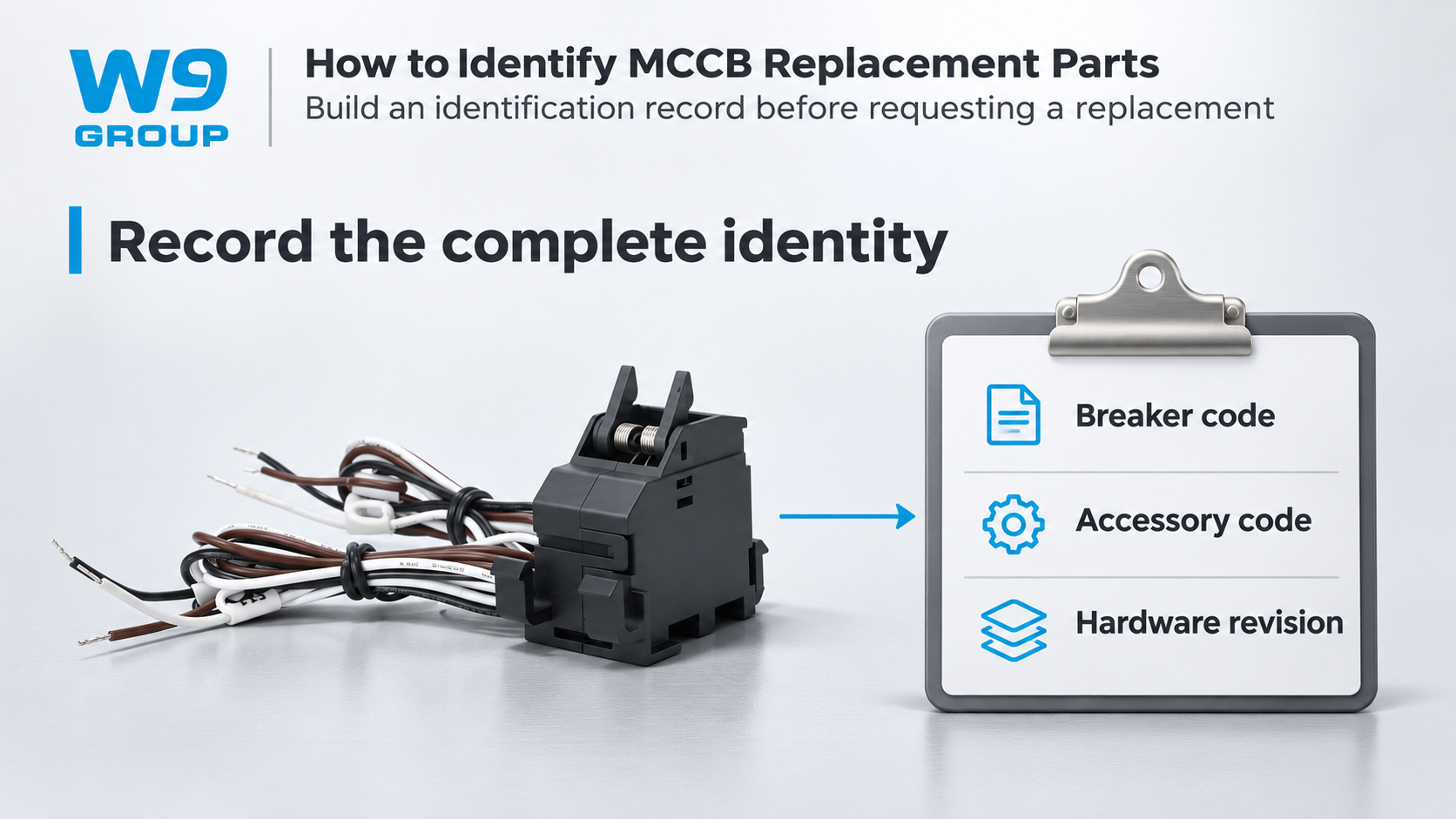
Build an identification record before requesting a replacement
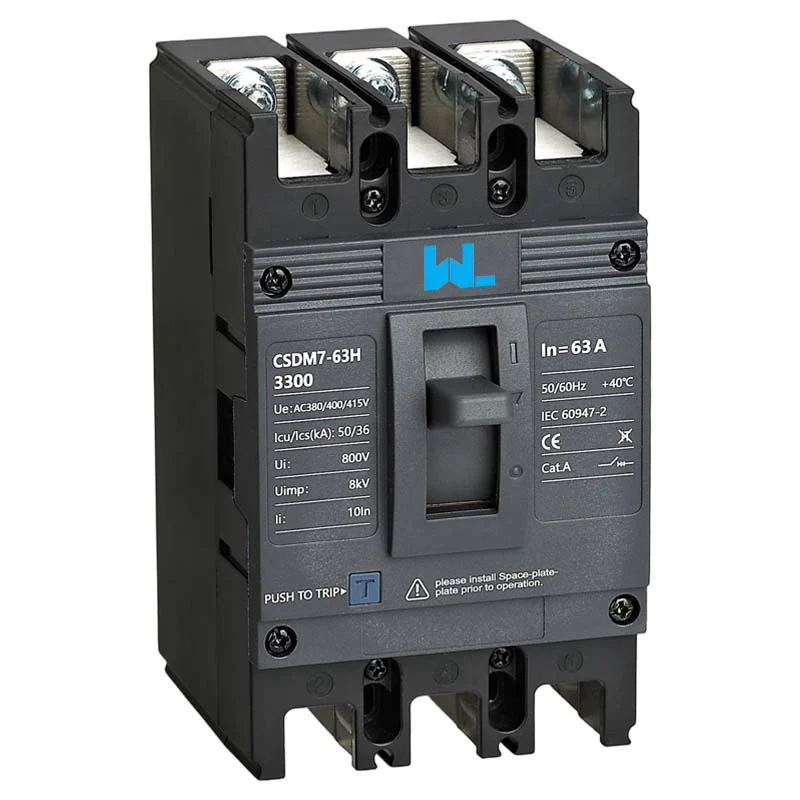
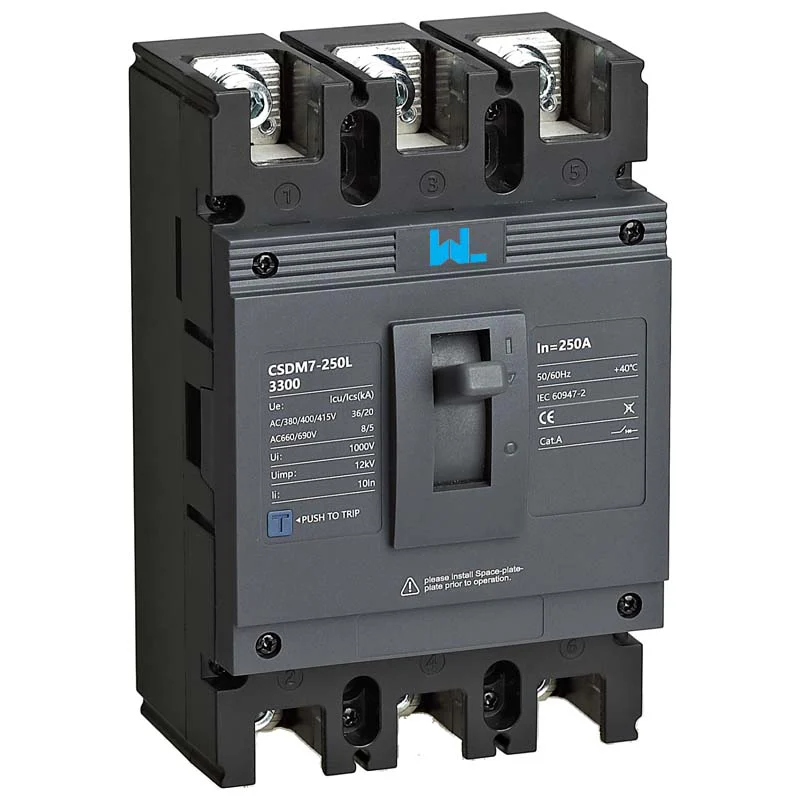
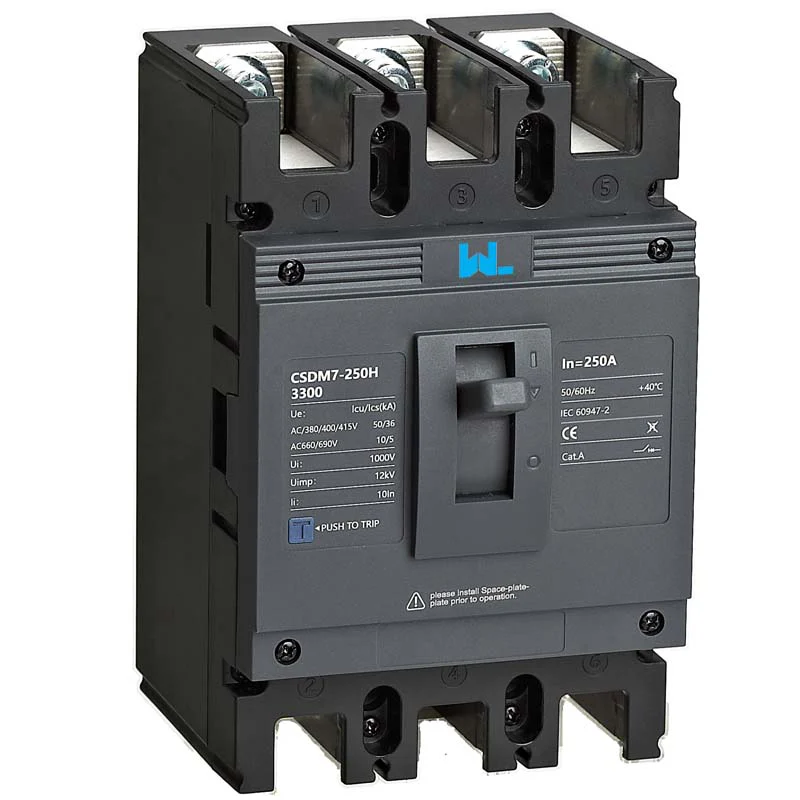
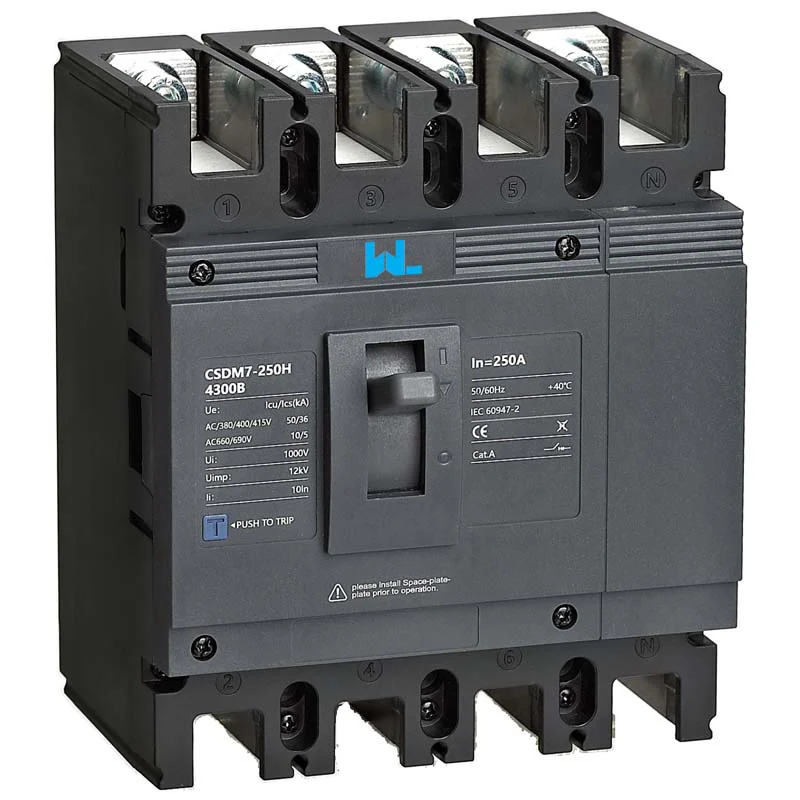
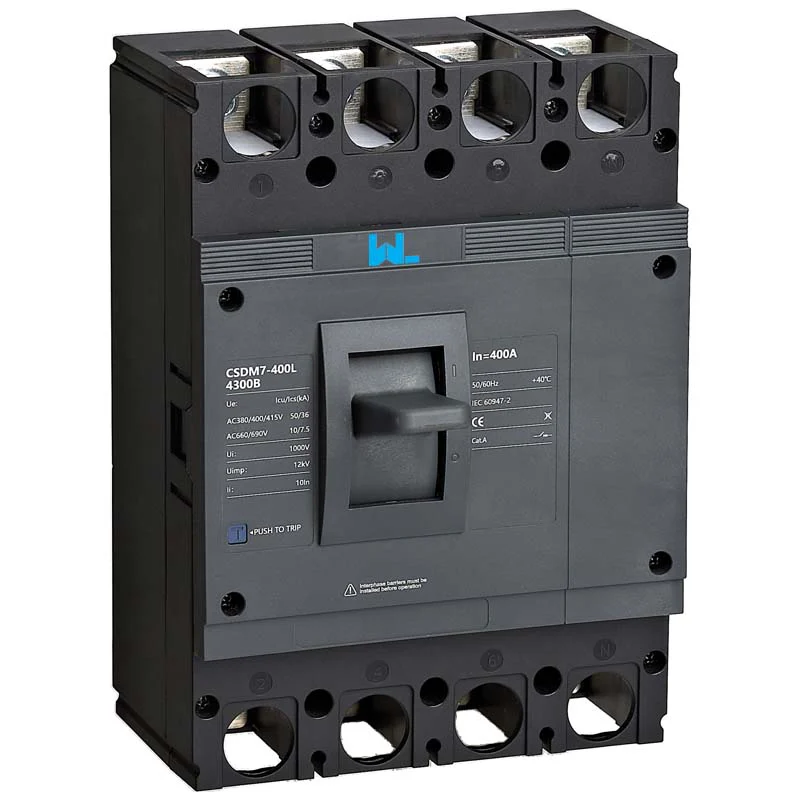
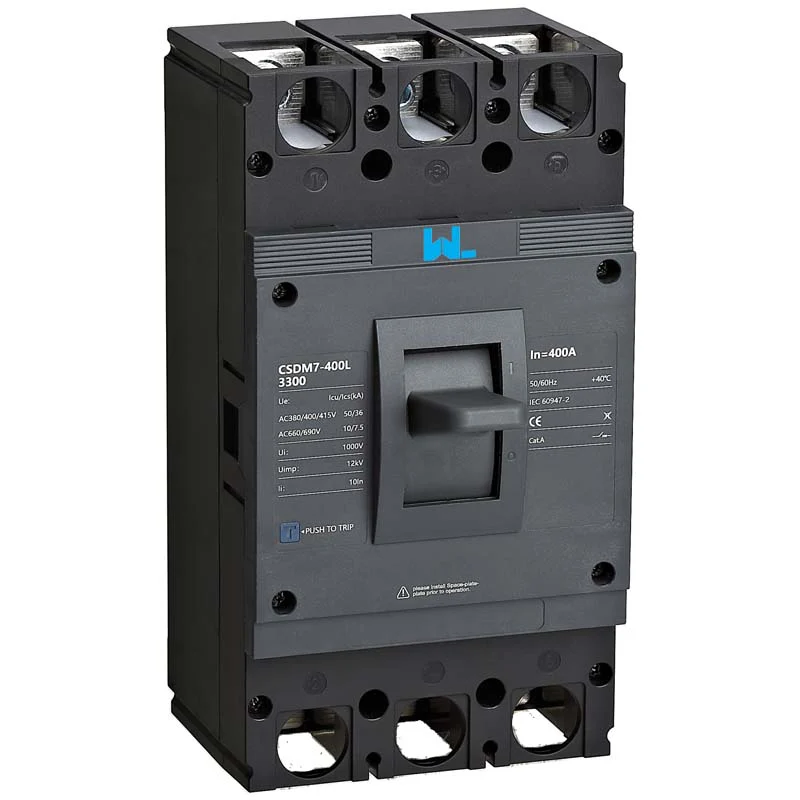
Record the breaker manufacturer’s name, complete model designation, frame and release identity. Add the pole arrangement, relevant revision or serial information and any installed options that could affect accessory space. Copy the markings exactly, including suffixes. A shortened model name used in a maintenance database may omit the information needed to distinguish two otherwise similar variants.
Identify the accessory separately. Capture its complete code, visible electrical markings and connection arrangement where these can be obtained safely. State the function it performs in the installation. “Two wires from the breaker” does not tell a supplier whether the item provides an alarm, a position signal or an opening command.
Use accessible labels, existing drawings and approved maintenance records before considering any physical examination. Do not remove covers or disturb wiring simply to improve a photograph unless the work is authorized and performed safely. HSE’s safe-working guidance emphasizes competence and appropriate isolation; a label-gathering task is not exempt from those requirements.
| Identification field | Preferred evidence | Why it matters |
|---|---|---|
| Host breaker | Complete nameplate designation | Establishes the product family and variant |
| Release | Release code and matched documents | Distinguishes protection arrangements |
| Accessory | Part code and electrical markings | Identifies the required option |
| Revision | Revision, serial context or dated documentation | Helps resolve product-generation changes |
| Installed function | Panel drawing and functional description | Prevents substitution of a different signal or command |
| Service permission | Manufacturer installation or service instructions | Establishes whether the proposed work is permitted |
Resolve ambiguous names before searching a parts catalogue
Many purchasing errors begin with a name that describes several different components. A breaker “contact” might be part of the main power path or an accessory in a signal circuit. A “trip part” could refer to a protective release or an electrically commanded opening accessory. Describe the observed function and required behavior before translating the request into a part number.
The same caution applies to catalogue labels such as single auxiliary and double auxiliary. Such labels do not establish the exact contact arrangement, terminal map or signal duty. The relevant state table and electrical specification are needed. Do not assume that a product with more indicated contact functions can simply replace another without reviewing the control circuit.
The distinction between detection and operation is explained in the LSIG trip-unit guide. Use it to clarify the protection function involved, then return to the exact product documentation for identification. General technical knowledge helps frame the enquiry; it does not replace model-specific evidence.
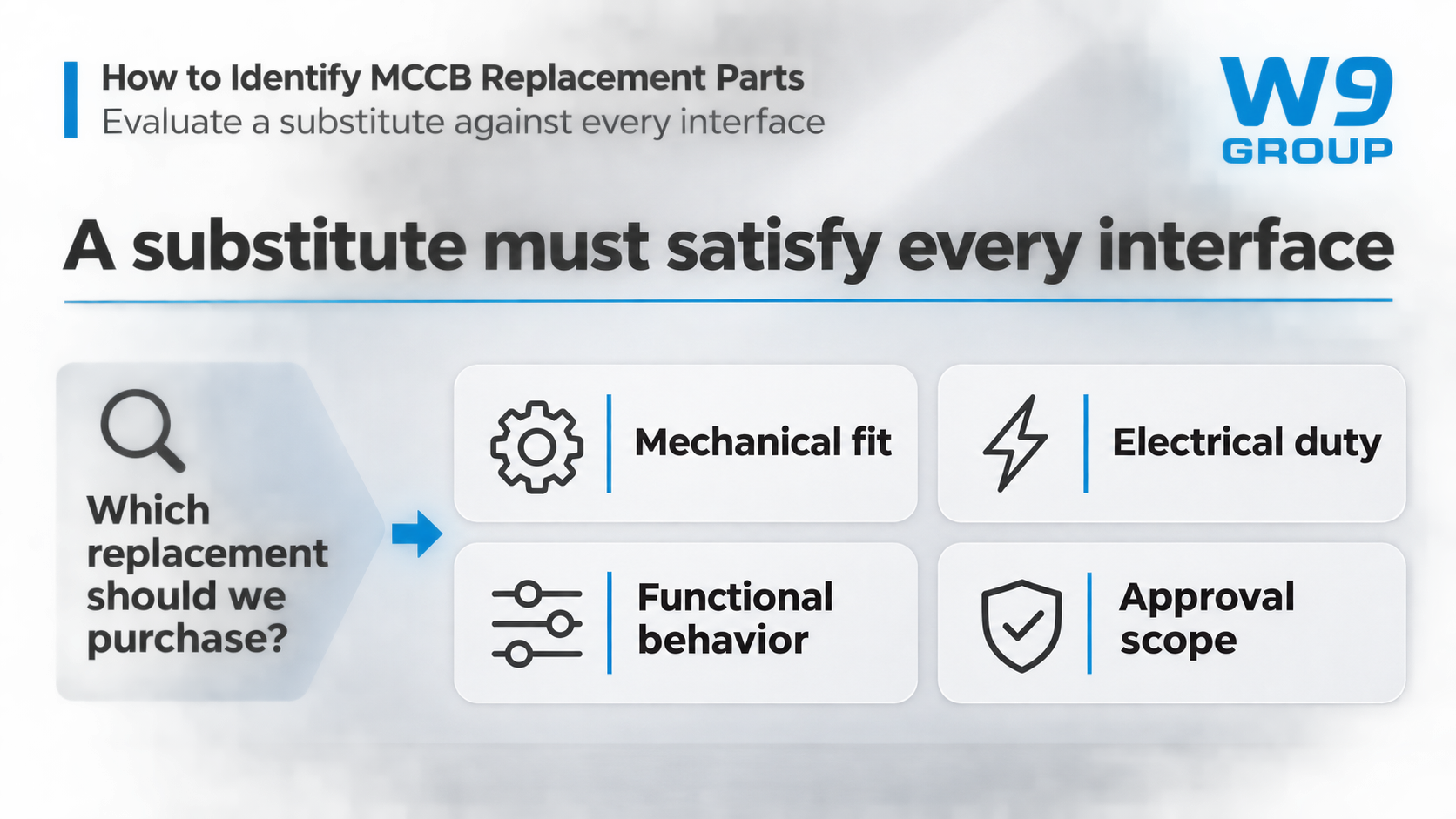
Evaluate a substitute against every interface
Replacement-part compatibility has mechanical, electrical and functional dimensions. Mechanical fit includes the approved host, location and engagement with the mechanism. Electrical compatibility includes the relevant supply or contact duty. Functional compatibility includes the expected behavior during opening, closing, tripping and reset, as applicable to the accessory.
A substitute also needs an approved installation route. Confirm whether the part may be installed in the field, requires factory work or is unavailable as a separate service item. Internal breaker components should not be treated as replaceable simply because someone can supply a loose part. The service policy for the complete device must govern the decision.
Ask the supplier to resolve each interface explicitly. A response saying “same size” addresses only a small part of the enquiry. A response saying “for this current rating” is also incomplete because different breakers can share a rated current. Request the exact approved host designation and the document that supports the proposed combination.
| Compatibility question | Evidence needed | Insufficient evidence |
|---|---|---|
| Does it fit the approved host? | Manufacturer compatibility listing or confirmation | Similar outline or current rating |
| Does it suit the control circuit? | Applicable supply or contact-duty data | Matching wire count or color |
| Does it produce the intended behavior? | State table and function description | A generic accessory name |
| Can it be installed as proposed? | Approved installation or service procedure | An unrelated assembly video |
| Can the installation be accepted afterward? | Applicable commissioning requirements | A successful fit check alone |
Handle missing labels and obsolete breaker models
A missing label is an identification gap, not permission to guess. Collect the remaining host information, historic purchase records, panel drawings and service documents. Ask the manufacturer or an authorized technical channel whether those records can establish the original configuration. Keep uncertain attributes marked as unknown until evidence resolves them.
If the original part is obsolete, request the documented replacement path. That may involve a revised accessory, a different approved combination or replacement of the complete breaker. A change to the main device can affect connection arrangements, protective settings and coordination. Review those effects before accepting a substitute solely to keep the outage short.
A documented substitution decision should identify what changes and what remains equivalent for the application. Retain the supporting drawings and approval with the equipment record. IEC 60947-2 provides product-standard context, but a reference to the standard alone does not demonstrate that two parts or two breakers are interchangeable.
Link identification to the maintenance work order
State whether the replacement addresses damage, an intermittent signal, a missing accessory or a planned functional change. Include the qualified diagnosis where available. A maintenance symptom is not always a component failure: the control supply, field wiring or controller configuration may be responsible. The electronic MCCB troubleshooting guide helps distinguish device issues from the surrounding installation.
Attach the approved part and document revisions to the work order before the shutdown. Define who checks receipt, who installs the item and which functional checks are required afterward. The work record should retain the removed-part identity where available, the installed identity and any authorized drawing changes.
Part-to-equipment traceability is valuable beyond the immediate repair. It allows future buyers to order the approved item without repeating an uncertain identification exercise. It also prevents a rejected substitute from remaining in the stores database as if it had been approved. Record unresolved alternatives separately from accepted replacements.
Frequently asked questions
What should a circuit breaker parts diagram identify?
It should state its model scope and revision and explain the relevant components or interfaces. A general functional diagram cannot establish an accessory’s fit or authorize internal repair.
Are different circuit breaker parts types interchangeable?
No. Position contacts, alarm contacts and opening releases perform different functions. Compatibility also depends on the host and exact variant within each type.
Can the panel parts list identify the replacement by itself?
It is useful if it matches the current installation. Compare it with the actual equipment record because field modifications may have made the original list incomplete or outdated.
Can I identify an MCCB accessory from a basic four-part circuit diagram?
No. A source, conductors, load and control diagram describes a general circuit. You need the installed accessory identity and its specific function and interfaces.
Can a damaged breaker supply replacement parts for another unit?
Do not assume that it can. Damage history and unknown condition can undermine suitability; follow the manufacturer’s service and disposal instructions instead of creating untraceable spares.
How do I find the correct name for a breaker part?
Start with its function and the manufacturer’s diagram: position indication, fault-trip indication and commanded opening describe different accessories. Include the code and host identity with that name so the supplier does not rely on terminology alone.
References
- IEC 60947-2:2024, circuit-breaker standard scope.
- HSE HSG85, Electricity at work: Safe working practices.
- HSE guidance on equipment maintenance and inspection.
Request a replacement with an evidence trail
For an enquiry involving W9 Group’s double auxiliary contact, send the host breaker identity and the required signal behavior as well as the accessory description. Ask for the exact configuration, state table and installation documents. The objective is an approved replacement that preserves the intended function, not merely a part that resembles the old one.