


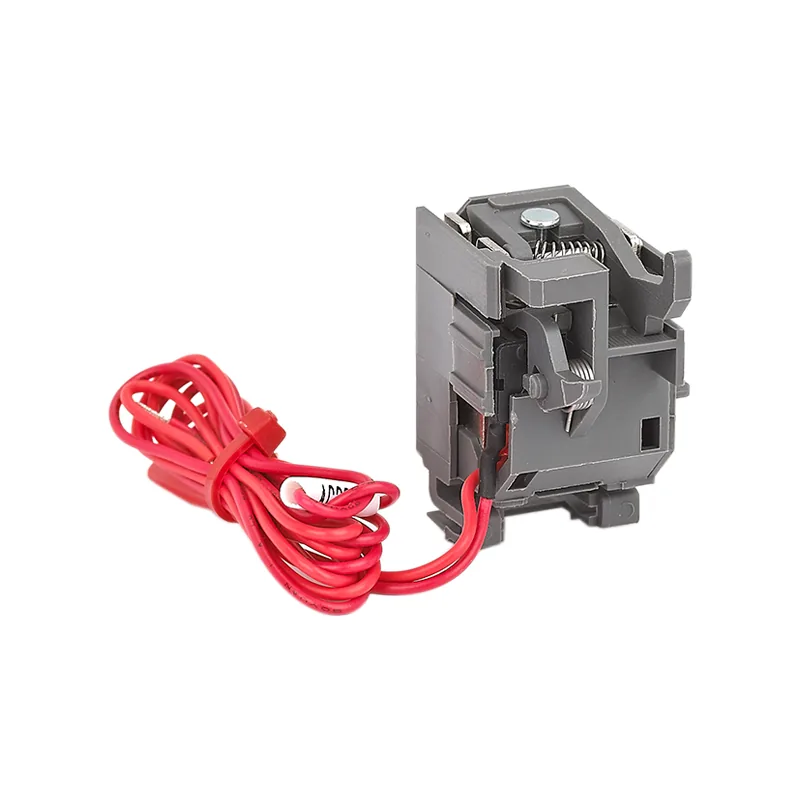
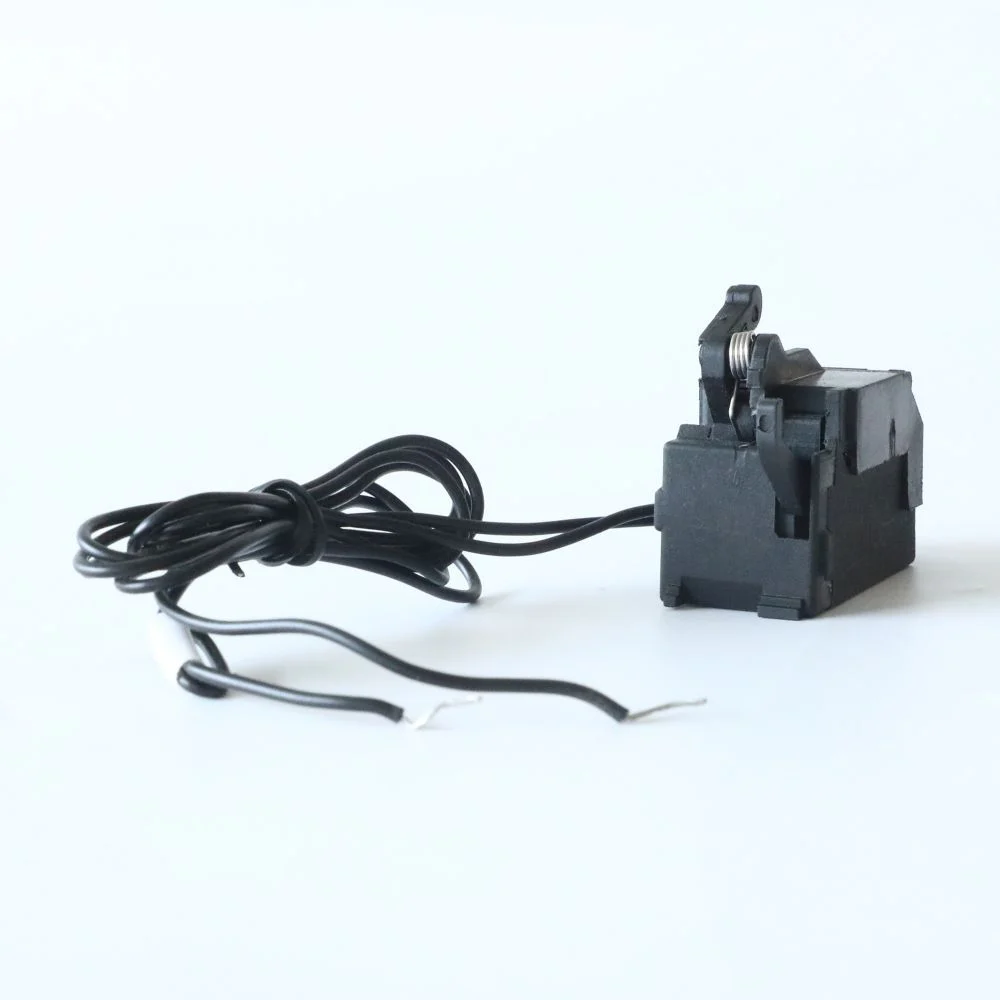


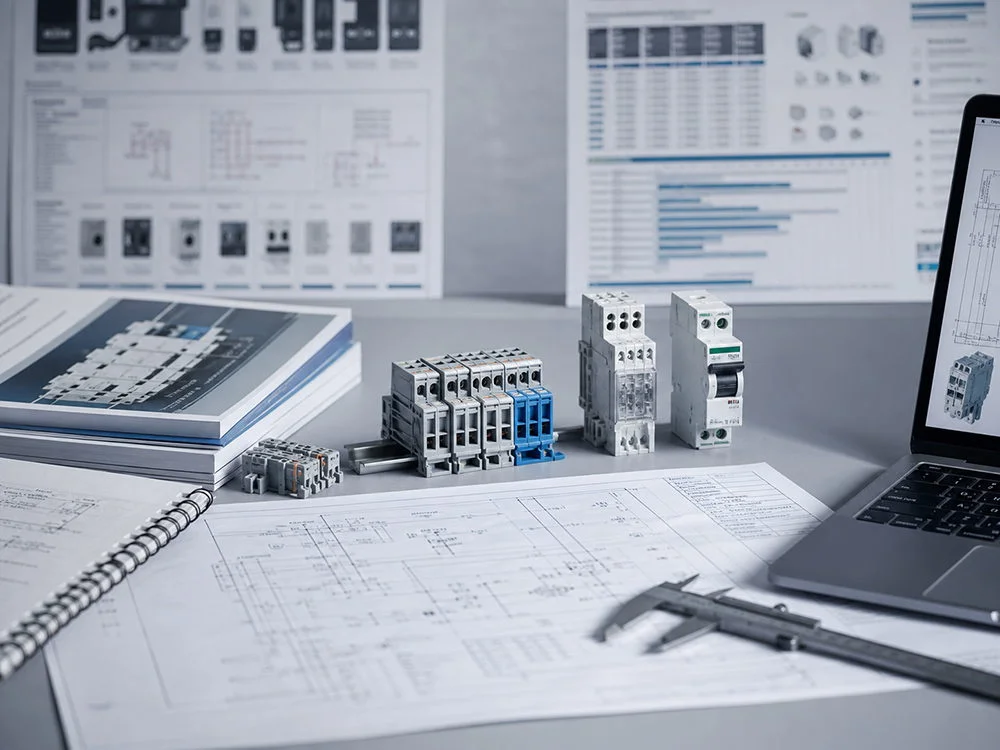


에어 브레이커 차단기 관련 일반적인 문제와 해결 방법
When Luis, a maintenance supervisor in Monterrey, closed a new air breaker circuit breaker on a motor-control lineup, the breaker opened again before the first conveyor reached speed. A second attempt warmed the line-side lugs and triggered an alarm. The investigation found a loose termination, an instantaneous pickup set below the motor’s inrush and a missing coordination check—not a defective breaker. After the team torqued the joints, verified the trip curve and repeated the short-circuit review, the line started normally.
요약: Most air circuit breaker problems are specification, installation or maintenance problems that can be separated with a safe isolation, visual inspection, contact-resistance test and trip-test sequence. IEC 60947-2 defines low-voltage circuit-breaker performance tests; UL 1066 covers low-voltage power circuit breakers in North American practice. Record actual load current, prospective fault current and trip settings, then correct the root cause before replacing hardware.
Common ACB Operating Problems
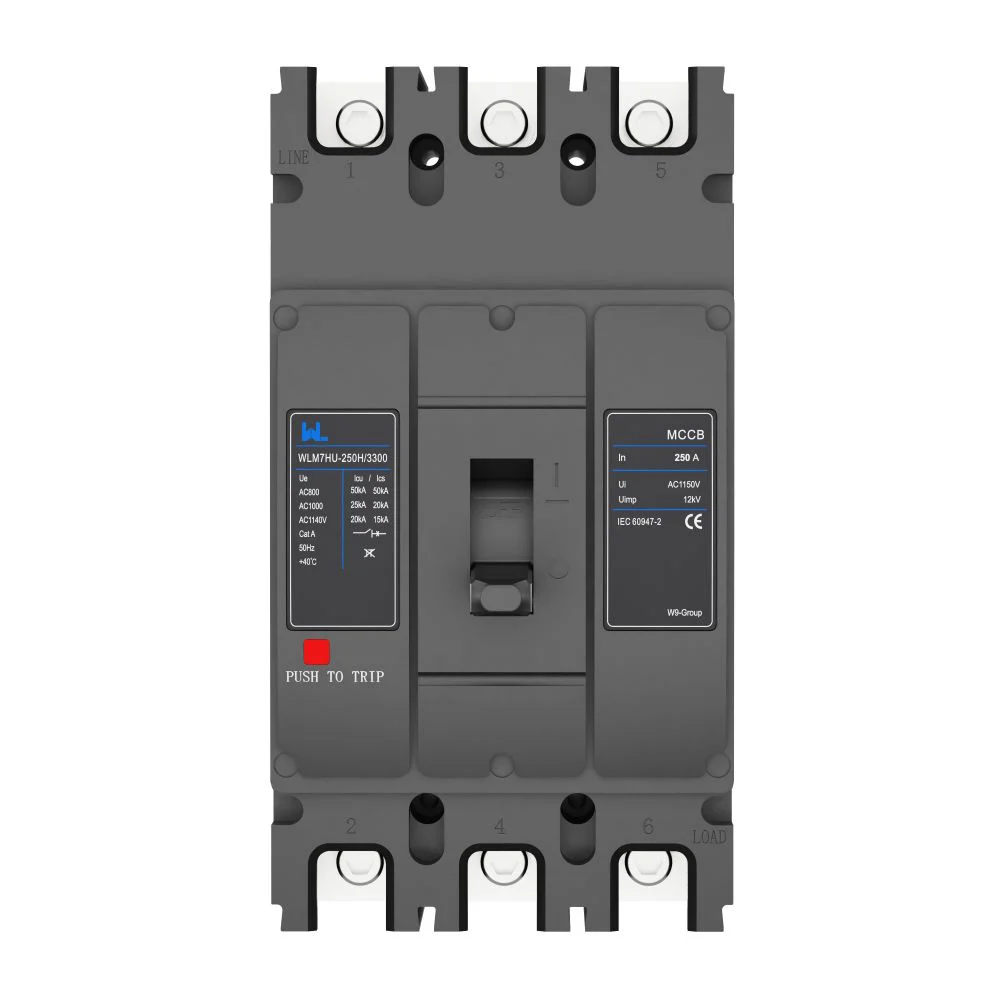
An air breaker circuit breaker (ACB) uses air as the arc-quenching medium and normally protects a main bus or high-current feeder. Its trip unit, closing mechanism, contacts, cradle and auxiliary circuits must work as one system. “Won’t close” may come from an undervoltage release or interlock; “overheating” may originate in bus joints or lugs.
Begin with the one-line diagram and nameplate. Confirm voltage, frequency, poles, continuous current, interrupting rating, short-time withstand and construction. Compare measured duty with the approved schedule. Never bypass an interlock or reset a breaker showing heat, arcing or an unexplained trip.
ACB Nuisance Trips and Closing Failures
Typical causes
Nuisance trips often follow an incorrect long-time or instantaneous setting, motor-transformer inrush, harmonics, a ground-fault pickup that is too low or a downstream fault that was not cleared selectively. On a withdrawable ACB, the breaker may also be between test and connected positions, leaving an interlock open. An undervoltage release can prevent closing when control voltage sags below its operating range.
Resolution sequence
- Isolate the circuit under the site’s lockout/tagout procedure; inspect for odor, discoloration and mechanical damage.
- Read the trip-unit event log and compare long-time, short-time, instantaneous and ground-fault settings with the coordination study.
- Measure control voltage while the closing coil operates; check spring-charge indication, shutters, racking position and anti-pump logic.
- Test the trip unit with calibrated secondary-injection equipment, following the manufacturer’s method and IEC 60947-2 verification requirements.
If the event log points to a real overload or fault, correct the feeder or process load. Restore controlled settings and document approval; a replacement with the same frame rating will repeat an unresolved inrush or selectivity error.
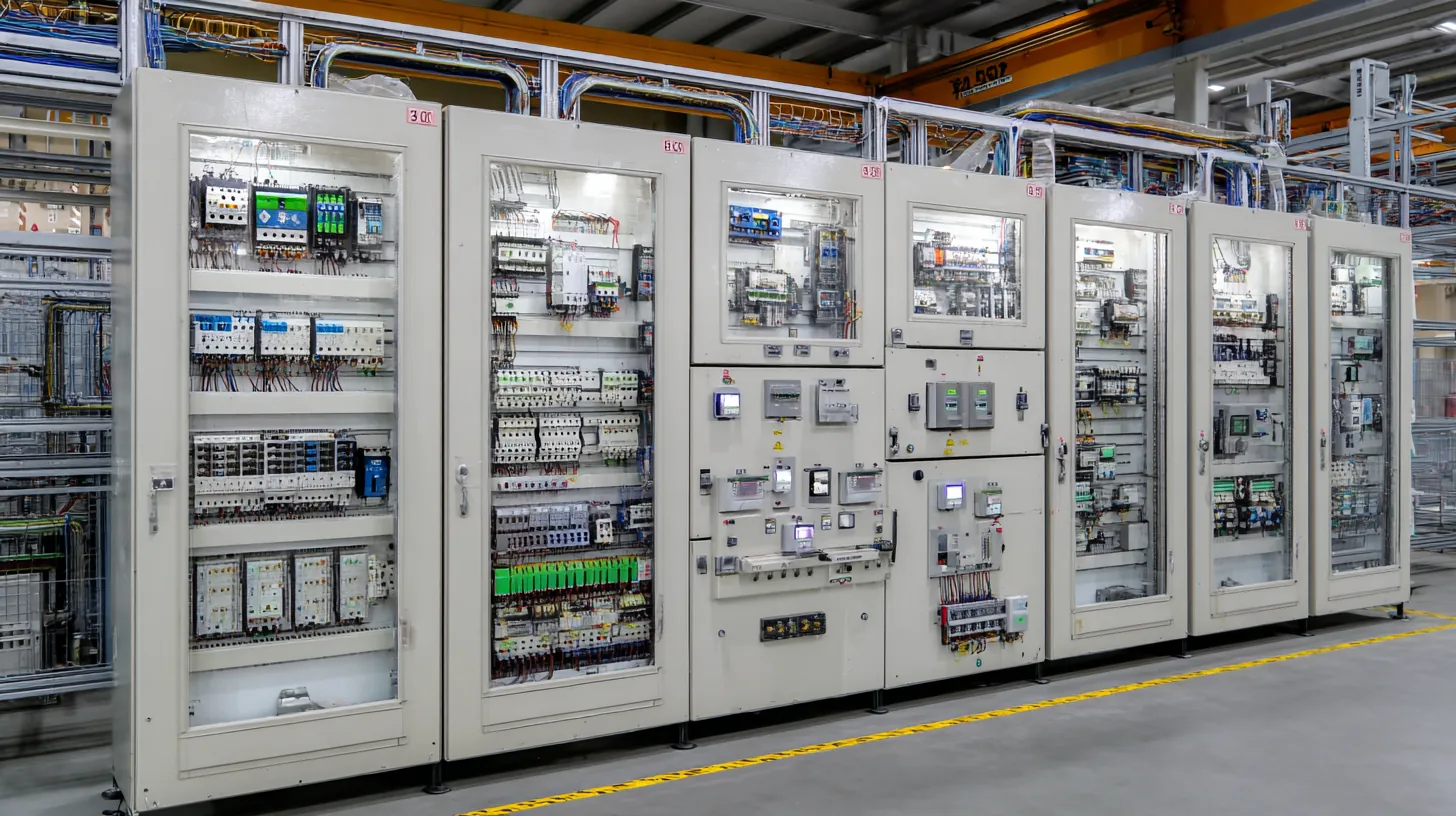
ACB Terminal and Contact Overheating
Hot spots are commonly caused by under-torqued lugs, contaminated contact fingers, cradle misalignment, undersized conductors or sustained overcurrent. Thermal imaging locates a differential but does not identify the cause. A 20 °C phase-to-phase rise deserves immediate investigation, even without a trip.
With the assembly de-energized, verify torque against the product instructions, inspect plating and contact pressure, and measure millivolt drop or contact resistance with a calibrated instrument. Compare phase values and the manufacturer’s acceptance limits. Check enclosure ventilation and ambient temperature; IEC 60947-2 temperature-rise tests use defined conditions that may not match a hot, crowded plant room. Correct the joint, replace damaged contact assemblies and repeat the test under representative load.
Immediate ACB Tripping
An instantaneous trip on closing can indicate a genuine short circuit, a phase-to-ground wiring error, or magnetizing and motor inrush that exceeds the pickup. Verify insulation resistance and phase continuity with the source isolated, then inspect downstream equipment before another energization. Use the calculated prospective short-circuit current—not a generic “high fault” label—to confirm interrupting and short-time withstand ratings.
For motors and transformers, coordinate instantaneous and short-time regions with the starting profile. A delay or higher pickup can prevent false trips only after confirming conductor protection and arc-energy consequences. Keep a signed coordination curve in the panel file.
ACB Mechanical and Racking Faults
Common mechanical symptoms include a handle that will not charge, a breaker that will not rack, position contacts that disagree with the indicator, or a shunt trip that operates without a command. Dust, dried lubricant, bent shutters and a misadjusted door interlock are frequent causes. Do not force the racking handle; stop at the manufacturer’s torque limit and inspect the cradle.
Follow the maintenance manual for cleaning, lubrication and contact-wear checks. Exercise the breaker in the test position, verify service/test/connected indications, and operate undervoltage and shunt releases from the control circuit. Record auxiliary-contact continuity and alarm output. A withdrawable design reduces outage time only when the cradle, shutters and interlocks are maintained as carefully as the breaker.
ACB Monitoring and Data Faults
Electronic trip units may report implausible current, lose Modbus communication or show settings that do not match the commissioning sheet. Check CT orientation, phase assignment, auxiliary power, address and termination before replacement. Compare a clamp-meter reading with displayed current at a stable load; control firmware and setting files.
Where a protection relay and ACB share ground-fault or zone-selective-interlocking signals, test the complete chain. An open control wire can leave the breaker in a default instantaneous mode, reducing selectivity. Include communication-loss alarms in the functional test and handover record.
ACB Diagnostic Comparison
| Observed symptom | Likely contributors | Confirm with | Corrective action |
|---|---|---|---|
| Trips during motor start | Instantaneous pickup, inrush, poor coordination | Event log, time-current curve, starting current | Recalculate settings; repair load or wiring |
| One hot phase or lug | Loose joint, contact wear, imbalance | Thermal scan, torque check, contact resistance | Retorque or replace joint; rebalance load |
| Will not close | Undervoltage release, interlock, spring mechanism | Control-voltage test, position indication | Restore control supply; service mechanism |
| Cannot rack to connected | Shutter obstruction, misalignment, door interlock | Visual inspection in test position | Clean/align cradle; follow racking procedure |
| Incorrect metering or alarms | CT wiring, auxiliary supply, communication settings | Continuity and protocol checks | Correct wiring and controlled configuration |
Application-Based Maintenance Priorities
| 응용 | First risk to remove | 유용한 증거 | Lifecycle decision |
|---|---|---|---|
| 제조업 주요 수입원 | Fault duty and selectivity | Short-circuit study and curves | Keep a tested spare or plan outage access |
| Data or process-critical board | Availability and transfer logic | Racking test, interlock record, event logs | Use withdrawable construction where downtime costs are high |
| OEM panel production | Repeatable settings and wiring | Approved BOM, routine-test report, drawings | Standardize accessories and configuration files |
| Hot, dusty or humid site | Derating and contamination | Ambient data, thermal scans, cleaning records | Specify enclosure and service intervals for the environment |
ACB Compliance Evidence
IEC 60947-2 is the product standard for low-voltage circuit breakers and includes type and routine verification concepts; it is not a blanket installation approval. UL 1066 addresses low-voltage AC and DC power circuit breakers used in enclosures. In the United States, NFPA 70 (국가 전기 규정) governs installation details such as conductor protection and working space. Apply the standard required by the destination market and authority having jurisdiction, and request evidence for the exact frame, trip unit and accessory combination.
Do not market an ACB as “IEC certified” or “UL compliant” without a traceable declaration, listing or test report. Unsupported claims can delay panel acceptance, invalidate a tender or create warranty disputes. Ask for routine-test records, dimensional and wiring drawings, short-circuit ratings, derating data and maintenance instructions.
Selection and prevention checklist
- Capture voltage, load profile, ambient conditions, prospective fault current and required selectivity in one controlled schedule.
- Choose fixed or withdrawable construction after comparing access, interlocks, spares and outage cost.
- Commission with torque checks, insulation tests, contact-resistance measurements and calibrated trip tests.
- Lock settings and firmware files; record every protection or accessory change.
- For sourcing, Zhejiang W9 Group Technology Co., Ltd. (founded in 2020) describes low-voltage protection products and OEM/ODM support. Request configuration-specific drawings and test evidence for your project.
Review the WEW1 공기 차단기 제품 페이지 alongside your approved data sheet.
자주 묻는 질문
Why does an air breaker circuit breaker trip when a motor starts?
Motor inrush may cross the instantaneous or short-time pickup, or a wiring fault may be present. Check the event log, starting current and coordination curve before changing settings. Any adjustment must still protect conductors and comply with the project standard.
How can I tell whether overheating is caused by the breaker or the connection?
Compare phase temperatures under a stable load, then isolate and measure torque and contact resistance. A single hot lug usually points to a joint or contact problem; balanced heating may reflect overload or enclosure derating. Follow the manufacturer’s limits and repair before continued operation.
What should I do if a withdrawable ACB will not rack?
Stop and isolate the assembly; never force the handle. Inspect shutters, alignment, door and position interlocks in the test position, then follow the racking procedure. If mechanical resistance remains, have a qualified service technician inspect the cradle.
Can I replace a tripping ACB with a larger frame?
A larger frame does not solve incorrect settings, inrush or a fault in the feeder. Recalculate load, conductor ampacity, prospective fault current and selectivity first. Replace the breaker only when the complete rating and assembly verification support it.
Which standards apply to air circuit breakers?
IEC 60947-2 is widely used for low-voltage circuit-breaker requirements, while UL 1066 is used for North American power circuit breakers; NFPA 70 covers U.S. installation. The destination market and authority having jurisdiction determine which evidence is required. Request documents for the exact configuration.
참고문헌
- International Electrotechnical Commission, IEC 60947-2, 저전압 차단기 및 제어기—회로 차단기.
- UL 표준 및 참여, UL 1066, 인클로저에 사용되는 저전압 AC 및 DC 전원 차단기.
- NFPA, NFPA 70, 국가 전기 규정.
- NEMA 표준, low-voltage power distribution equipment guidance.
The dependable rule is simple: diagnose the system before condemning the breaker. For planning support, compare W9’s 에어 회로 차단기 종류, ACB 보호의 장점 그리고 trip-device guide. 그 다음에는 제품 라인 확인하기 그리고 한 줄의 도면, 로드 일정 및 목적지 표준을 포함한 세부 사항을 팀에 전달하여 구성 검토를 진행하십시오.