
































전기 안전에서 RCCB의 중요성: 생명과 재산 보호
회로는 정상적인 부하 전류를 흘리면서도 일부 전류가 의도하지 않은 경로를 통해 돌아갈 수 있습니다. 따라서 적절히 선택된 과전류 차단기만으로는 모든 감전 사고를 예방할 수 없습니다. 배전반을 점검하는 구매자에게 가장 먼저 해야 할 일은, 단순히 익숙한 정격 전류의 장치를 추가하는 것이 아니라, 누락된 보호 기능을 파악하는 것입니다.
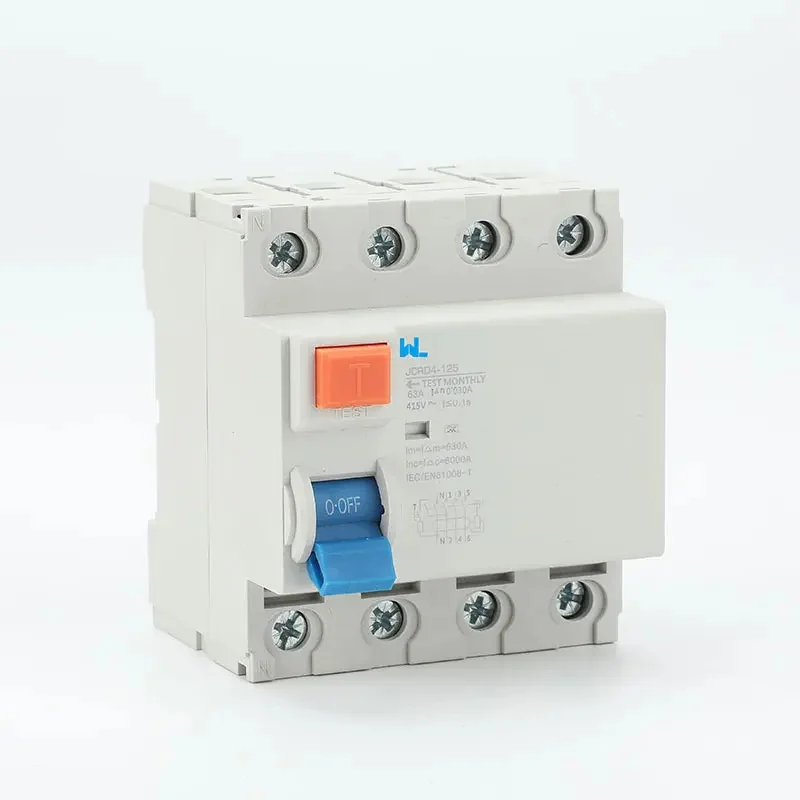
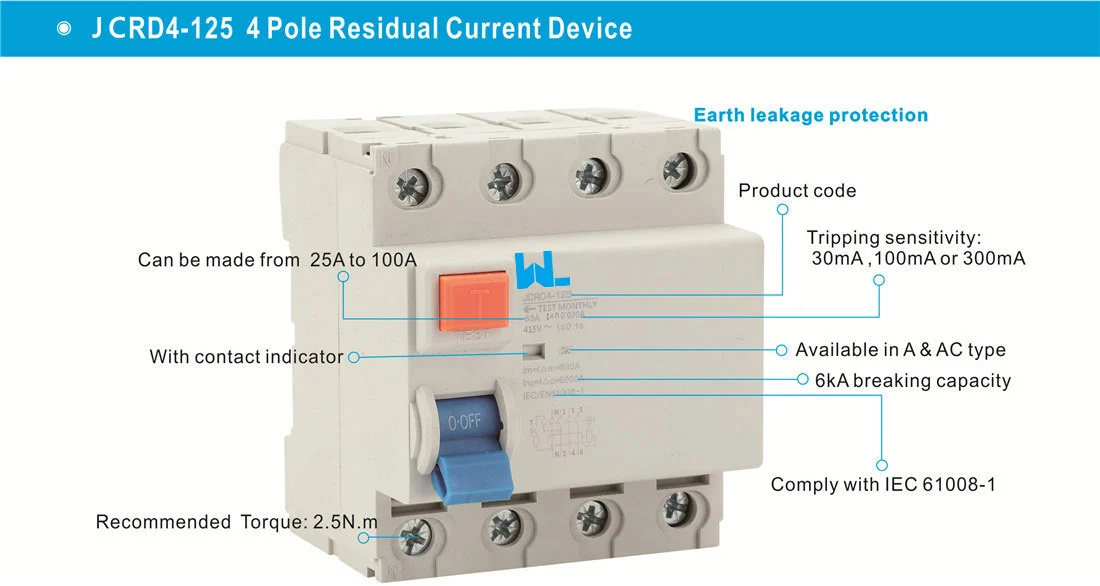
간단한 답변: RCCB는 제공합니다. 잔류 전류 보호 내장형 과전류 보호 기능이 없는 형태입니다. 모니터링하는 활선 간의 불균형을 감지하여 규정된 조건 하에 차단을 시작합니다. IEC 61008-1:2024는 RCCB를 명시적으로 다루며, IEC 61009-1:2024는 과전류 보호 기능도 포함한 RCBO를 다룹니다. RCCB는 적절한 파형 감도, 전류 용량, 시험 및 현장 설치 요건을 갖춘 조정된 보호 체계 내에서만 사용하십시오. 이는 정의된 위험을 줄여주지만 모든 감전이나 전기 화재로부터의 보호를 보장할 수는 없습니다.
RCCB 잔류전류 검출
올바르게 구성된 단상 회로에서는, 선로를 통해 흘러나가 중성선을 통해 되돌아오는 전류가 감지 시스템에서 균형을 이룹니다. 다상 구성에서는 모니터링되는 활선들이 함께 평가됩니다. 이러한 모니터링 경로 외부로 돌아오는 전류는 잔류 불균형을 유발하여 장치가 이를 감지하게 됩니다.
보호도체는 RCCB가 감시하는 상전로를 통한 대체 회로 도체가 아닙니다. 중성선의 배치 경로는 매우 중요합니다. 빌려 쓰는 중성선이나 의도하지 않은 중성선-대지 간 접속은 전기회로의 균형과 보호장치의 작동 특성을 변화시킬 수 있습니다. 이러한 문제는 유능한 전기기술자가 조사해야 할 설치상의 결함이지, 민감도가 낮은 기기를 선택하여 숨겨서는 안 될 사항입니다.
The 정격 전류 In과 정격 잔류 동작 전류 IΔn은 서로 다른 의미를 나타냅니다. In은 부하 전류의 흐름과 관련되며, IΔn은 잔류전류 동작 특성과 관련됩니다. In 값이 높다고 해서 감전에 대한 민감도가 더 좋은 것은 아닙니다. 공급업체가 단순히 암페어 등급만으로 안전 요구사항을 충족하지 못하도록, 전압 및 주파수, 극 배열, 잔류전류 유형을 모두 명시해야 합니다.
RCCB 보호 한계
선간-중성선 전류의 균형 상태는 잔류전류 고장이 아닙니다. 모니터링되는 도체를 통해 흐르는 출구 전류와 반환 전류가 균형을 유지하는 경우, RCCB는 위험한 상황을 감지하지 못할 수 있습니다. 이는 RCD 보호가 절연, 차단막, 접지 및 설비의 기타 보호 조치를 대체하는 것이 아니라 이를 보완하는 추가적인 보호 장치라는 점을 보여주는 이유 중 하나입니다.
RCCB에는 또한 내장된 과부하 보호 기능이 없습니다. 단락 보호. 선언된 조건부 단락 회로 정격은 지정된 상위 보호기기 및 설치 조건에 따라 달라질 수 있습니다. 이는 RCCB가 모든 예상 고장을 독립적으로 차단할 수 있음을 입증하는 자료로 해석되어서는 안 됩니다. 정확한 조합에 대한 연계 기기와 해당 정격 데이터를 요청하십시오.
또한 잔류전류 감지는 전용 아크 탐지 기능이 아닙니다. 일부 위험한 아크는 모니터링되는 전류 경로 내에 남아 있거나 다른 보호 기준치 이하로 유지될 수 있습니다. AFDD 기능 이는 서로 다른 탐지 메커니즘을 다룹니다. 보호 기능을 결합하는 것은 설계상의 결정이며, 장치 하나를 추가했다고 해서 모든 위험이 포괄적으로 대응된 것으로 간주할 수는 없습니다.
| 조정 | 잔유 전류 감지 | 과전류 보호 | 조달의 의미 |
|---|---|---|---|
| MCB alone | Not its dedicated function | Provided within its rating and curve | Assess whether residual-current protection is additionally required |
| RCCB with coordinated overcurrent protection | Provided by RCCB | Provided by separate specified device | Verify both devices and their combination |
| RCBO on an individual circuit | 통합된 | 통합된 | Verify both rating sets and assembly compatibility |
| AFDD combination | Only if declared | Only if declared | Check each integrated or paired protective function |
Circuit Grouping and Service Continuity
A shared RCCB can disconnect multiple outgoing circuits when a residual-current event occurs on one circuit. That may be acceptable in some designs but problematic where unrelated lighting, refrigeration or process loads would be lost together. The issue is the consequence of grouping, not evidence that the RCCB has failed.
Individual combined devices can divide that exposure. Read the RCBO protection explanation when comparing arrangements. Circuit-level devices do not automatically guarantee complete selectivity with upstream protection; the entire arrangement, including residual-current and short-circuit behaviour, still needs assessment.
Electronic loads may contribute normal protective-conductor leakage as well as produce particular fault waveforms. Select the residual-current type from the load and manufacturer instructions, not solely from the building’s label. An office, for example, can contain different converter technologies; a location description does not establish which waveform a fault could produce.
RCCB Project Verification
| 프로젝트 질문 | Risk or limitation | Evidence or action |
|---|---|---|
| Does this circuit need additional shock protection? | Rules vary by circuit and destination | Applicable installation rule and designer’s protection schedule |
| Can several circuits share an RCCB? | A single event can remove unrelated loads | Circuit grouping and acceptable outage consequence |
| Does connected equipment include converters? | Residual waveform may affect detection | Equipment instructions and selected RCD type |
| What protects the RCCB against overcurrent? | No integral overload/short-circuit function | Manufacturer coordination and backup-device data |
| How will ongoing operation be demonstrated? | A device present in the board may not function correctly | Commissioning tests, user instructions and maintenance records |
SafeWork NSW describes RCDs as protecting against current passing through the body to earth and requires regular competent testing in its applicable workplace context. It also requires records of testing other than push-button testing. This is useful evidence for a maintenance process, not a universal test interval or a wiring rule for every country. The public page still refers to an older AS/NZS 3000 edition, so a current local rule must be checked independently.
RCCB Testing and Compliance Evidence
A push-button test is not a complete installation test. It operates the device’s test function under the specified conditions. It does not prove every earth connection, fault-loop condition, conductor termination or circuit route is correct. Commissioning needs the tests applicable to the installation and exact device, undertaken by a competent person with suitable instruments.
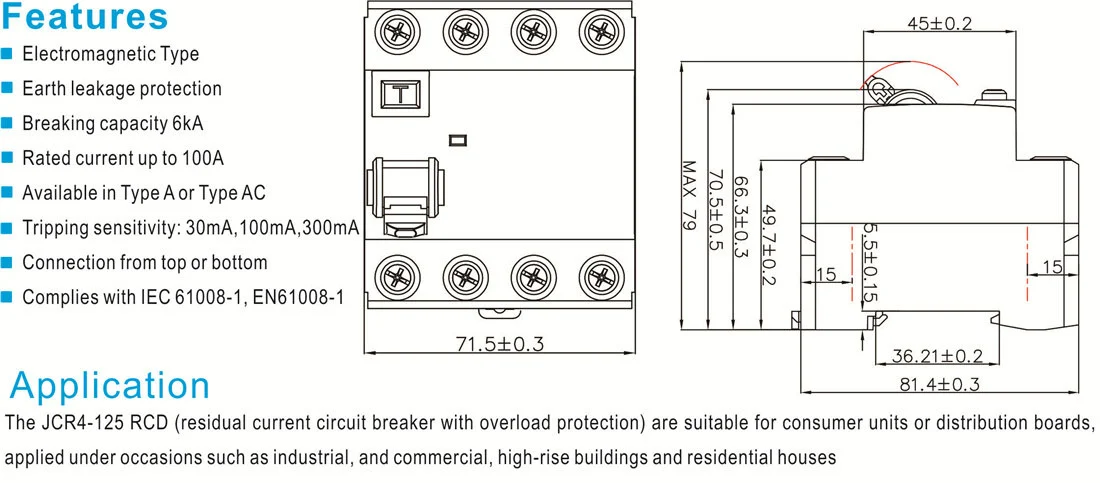
The current IEC 61008-1:2024 public scope describes household and similar RCCBs with operational voltages not exceeding 440 V AC and rated currents not exceeding 125 A. These are scope boundaries, not ratings that every RCCB possesses. Industrial applications and different product categories may require a different evidence route. A standards label is not a substitute for an exact-model declaration, certification where required, or installation approval.
- Define the hazard and applicable installation requirement.
- Specify residual sensitivity and waveform type separately from rated load current.
- Verify poles, neutral arrangement and coordinated overcurrent protection.
- Check board compatibility and circuit grouping.
- Record commissioning results and hand over test and fault-response instructions.
W9 그룹의 RCCB product category can help buyers identify candidates. Obtain the exact model documentation and destination-market evidence before approving it; this article does not certify any particular device or assembly.
자주 묻는 질문
What does an RCCB protect against?
It detects residual-current imbalance and disconnects under its specified conditions. It can reduce risks associated with leakage to earth, but its scope does not include every possible shock or fire mechanism.
Does an RCCB protect against overload?
No; an RCCB has no integral overcurrent protection. A suitable separate protective device must be coordinated with it, or an appropriate RCBO arrangement must be selected.
Is a higher RCCB current rating more sensitive?
No. Rated 전류 부하 and rated residual operating current are separate specifications. Evaluate sensitivity from IΔn and the operating characteristics, not from In.
Can an RCCB replace earthing?
No. Earthing and the installation’s other protective measures remain necessary. RCD protection must be part of the complete design, not a way to accept missing protective conductors.
Does an RCCB prevent every electrical fire?
No. Some fire mechanisms do not produce the residual current it is designed to detect. Sound wiring, overcurrent protection, inspection and any required arc-fault measures remain separate responsibilities.
참고문헌 및 결론
Public scopes and guidance were checked on 14 October 2026. Specify the protection boundary before choosing the product. Contact W9 Group with the circuit duty, residual-current requirements and destination market to request model-level information.
파형 및 극 선택을 위해, W9 그룹에 문의하기 회로 구조, 부하 장비 및 목표 시장의 규정과 함께.