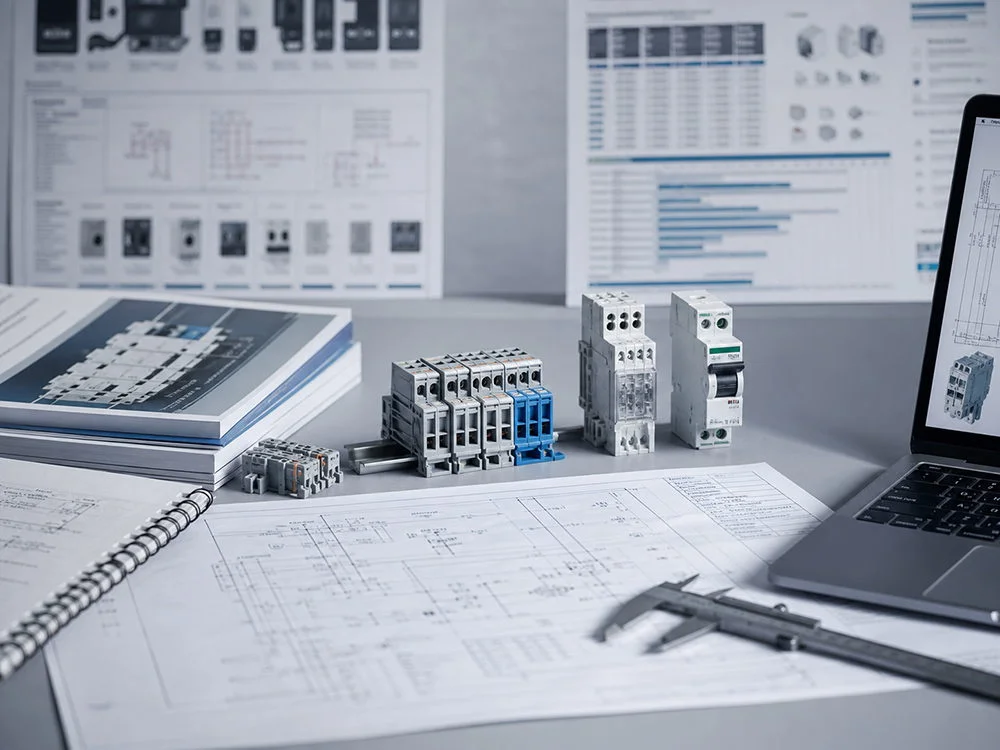
Lately, the industry’s been moving pretty fast towards smarter, more efficient electrical solutions. One thing that’s definitely gotten more attention is the Thermal Magnetic Release MCCB. It’s a pretty crucial component when it comes to protecting electrical systems, and experts like John Smith from Advanced Circuit Protection have pointed out just how important this technology is. He once mentioned, “The evolution of Thermal Magnetic Release MCCB technology is vital for future safety standards,” which really highlights just how much we should understand how these devices operate.
Nowadays, these MCCBs come with both thermal and magnetic protection built in, offering a dual approach that allows pretty precise control over electrical setups. But, with tech moving so quickly, the old-school models might not cut it anymore. A lot of industry pros say that many companies are still holding onto outdated designs, which could honestly compromise safety and reliability down the line.
Looking ahead to 2026, it’s clear that innovation isn’t just a nice-to-have — it’s a must. Companies really need to start thinking about smarter designs that boost performance and save energy. The future might require us to rethink the whole approach, especially by making Thermal Magnetic Release MCCBs more adaptable. Reflecting on what we’ve done in the past will definitely help us build a safer, more reliable electrical landscape down the road.
Understanding the Basics of Thermal Magnetic Release MCCBs in 2026
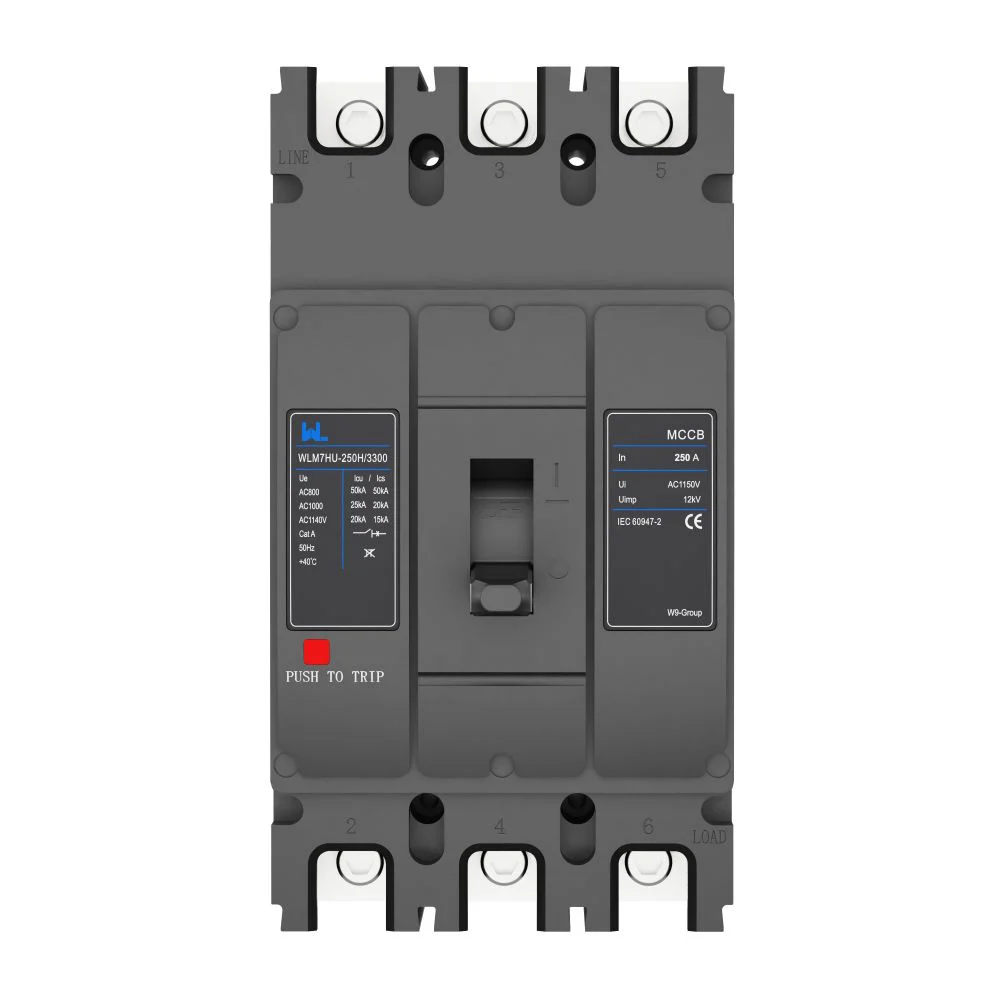
Thermal magnetic release MCCBs are critical in electrical safety. They integrate two mechanisms: thermal and magnetic. The thermal aspect reacts to prolonged overloads. It triggers a response based on the heat produced by excessive current. The magnetic side acts swiftly. It trips the circuit during short circuits, preventing catastrophic damage. This dual protection is vital for industrial applications.
In 2026, trends show increasing demand for thermal magnetic release MCCBs. With industries advancing, the efficiency of electrical systems becomes paramount. China Thermal Magnetic Release Mccb technology is evolving. Manufacturers are focusing on more compact designs while enhancing safety features. This shift helps meet stringent regulations and efficiency standards. Industry professionals need to explore these options for modernization.
However, some manufacturers may overlook user education. Users must understand the operational limits of these devices. Frequent adjustments or poor installation can lead to failures. Regular maintenance and proper training are essential. The balance between innovation and practicality requires ongoing reflection.
Key Components of Thermal Magnetic Release MCCBs and Their Functions
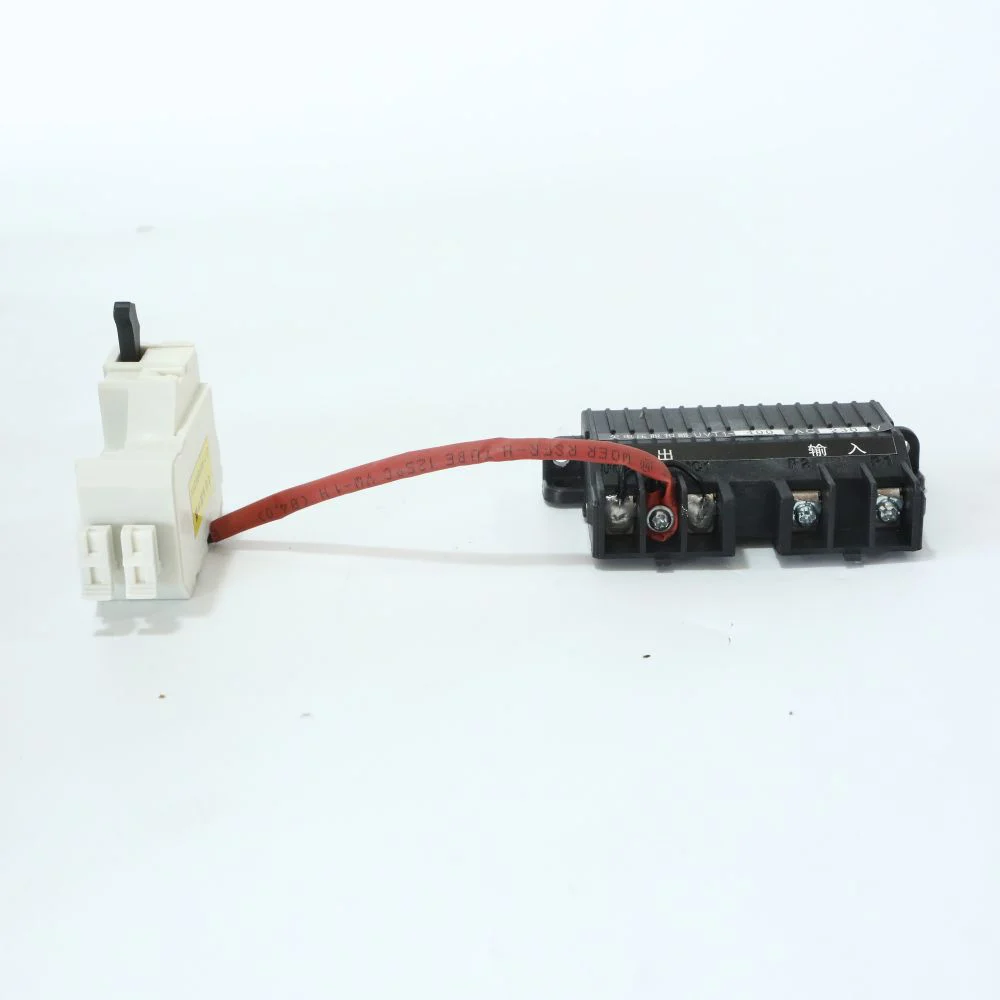
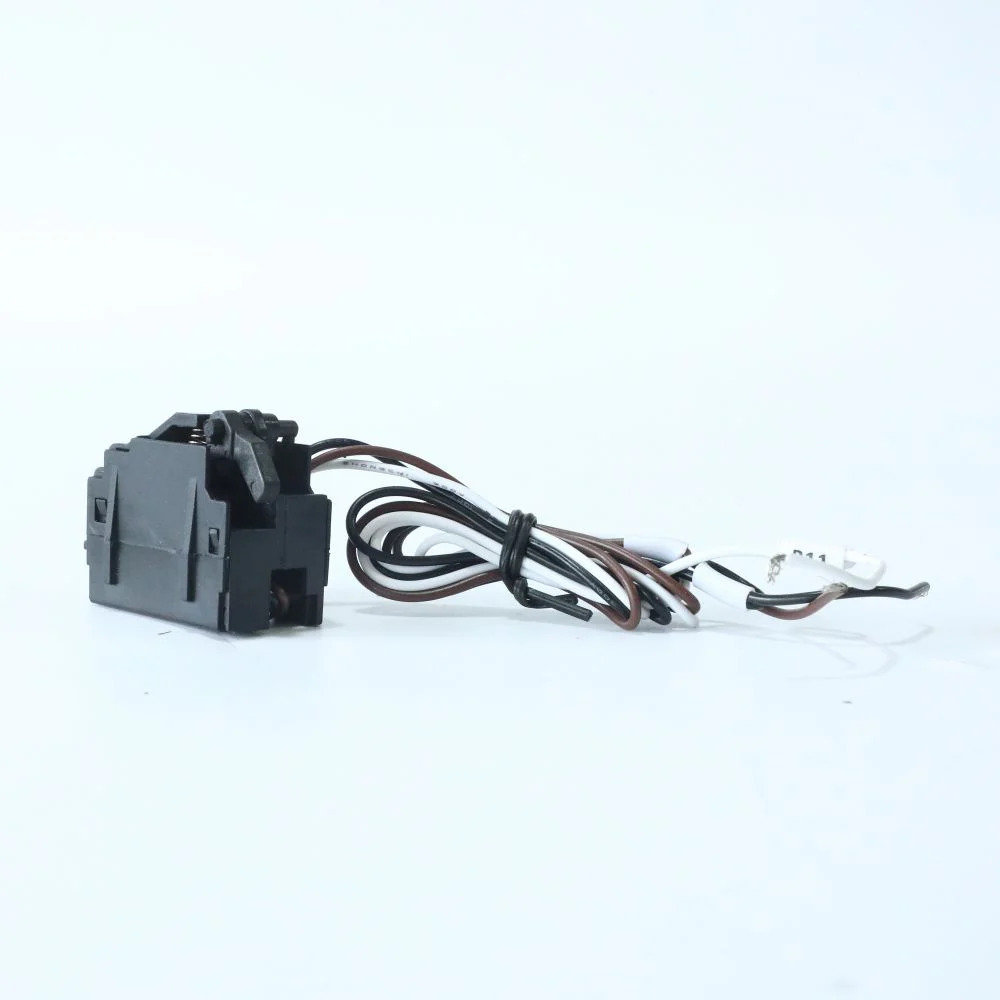
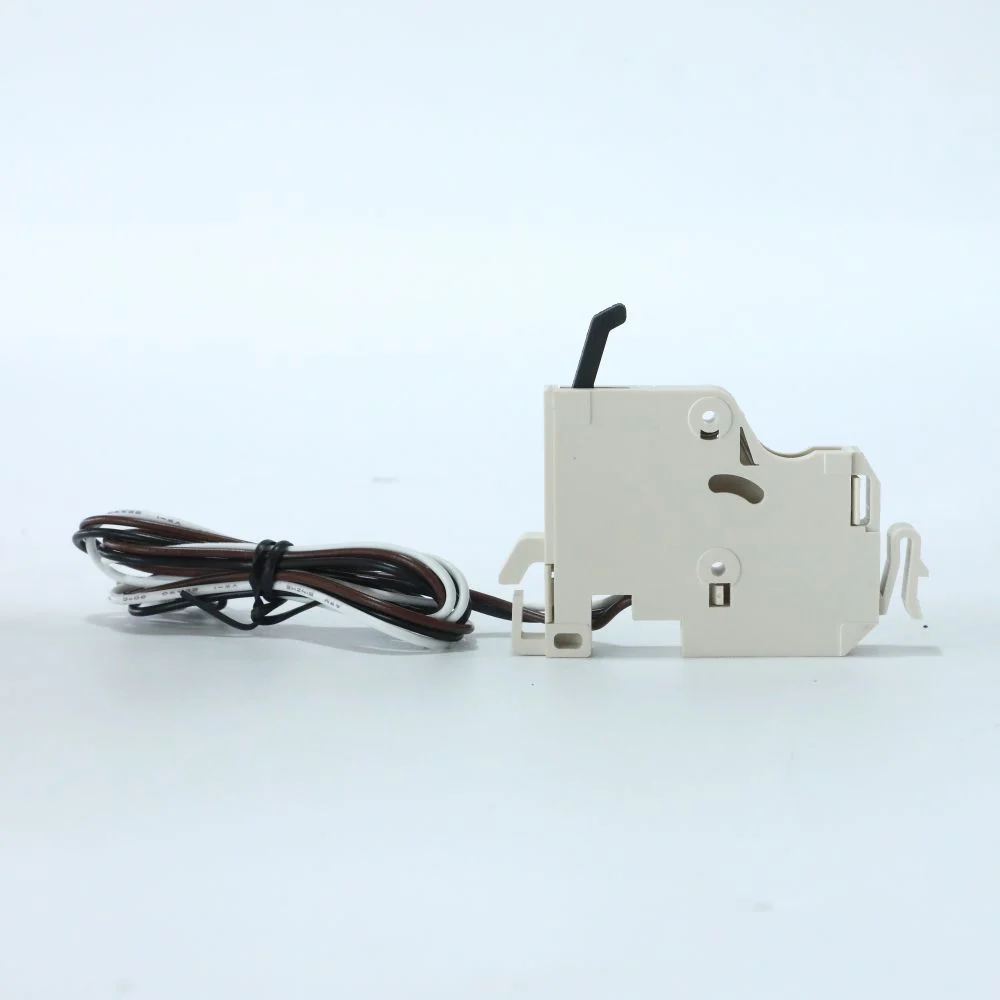
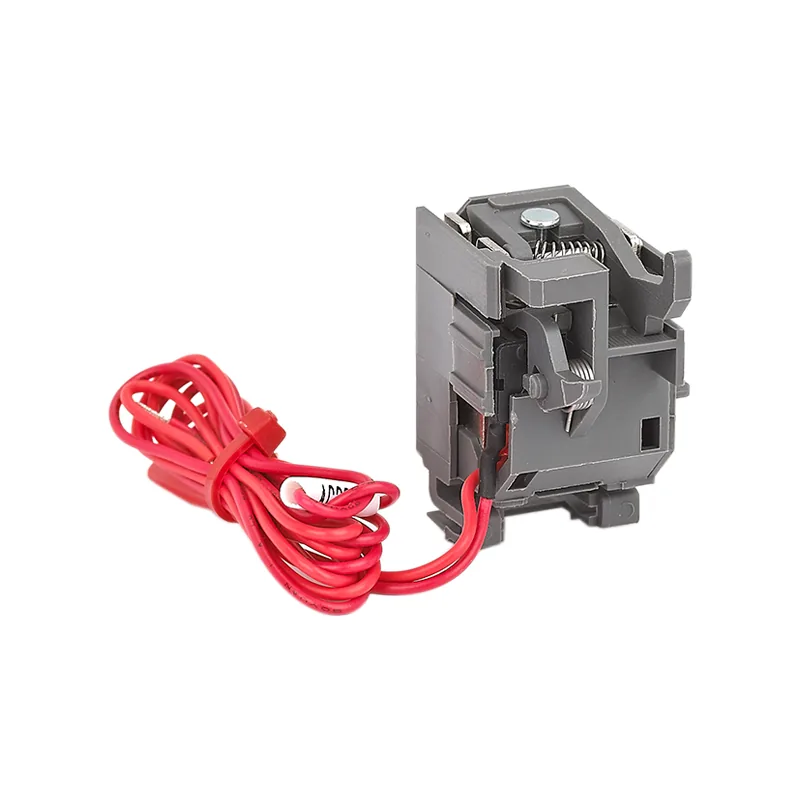
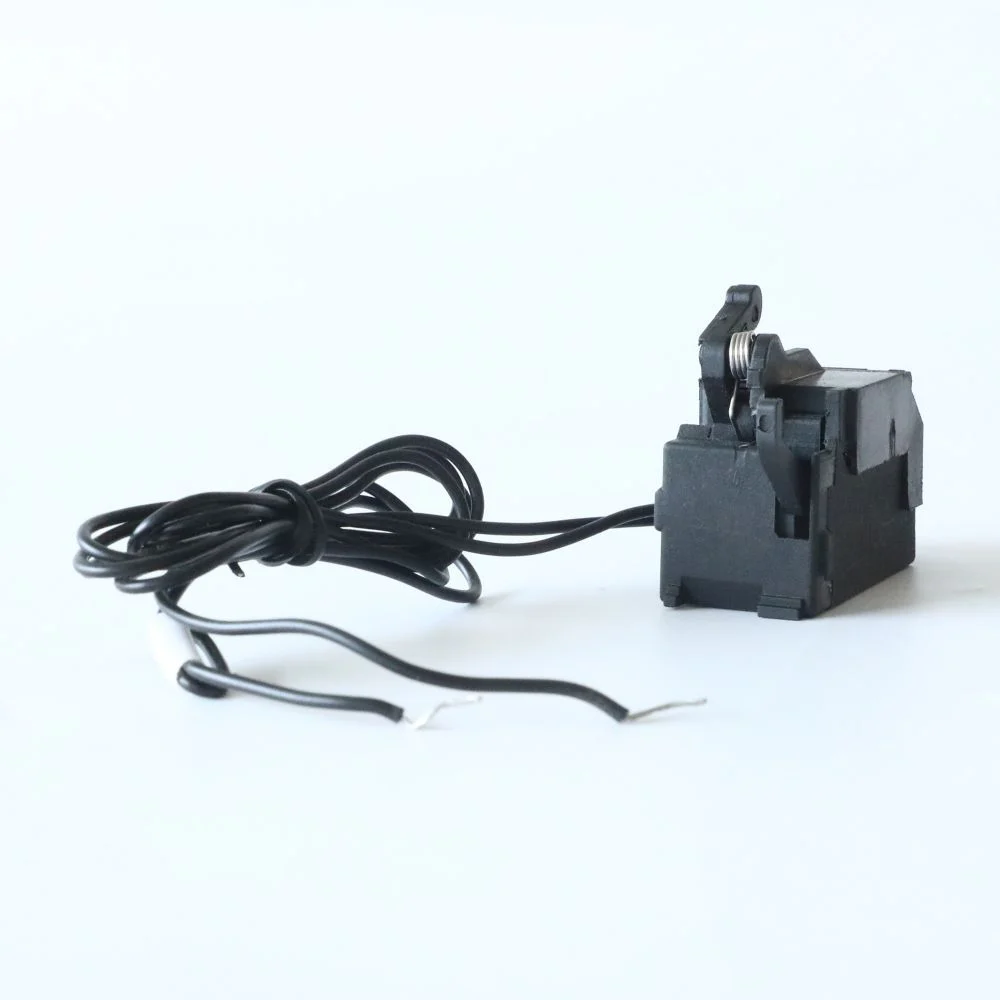
Thermal magnetic release MCCBs are essential for modern electrical systems. They combine two protection methods: thermal and magnetic. The thermal component uses a bimetallic strip. This strip bends when heated. It reacts to sustained overcurrents. The magnetic part operates using an electromagnetic mechanism. It trips during short circuits. This rapid action prevents damage to the circuit.
Key components include the bimetallic strip and the solenoid. The strip is sensitive to temperature changes. It ensures that overloading does not cause a fire. The solenoid triggers quickly, ensuring immediate protection. Both elements work together effectively. However, there might be situations where they don’t trip as expected. This raises concerns about safety and reliability.
In a world increasingly reliant on electricity, understanding these components is crucial. Many businesses explore options in the market, like Wholesale Thermal Magnetic Release Mccb. The focus should be on quality and performance. Overlooking details in specifications can lead to issues. Regular testing and maintenance are necessary. Ensure all components function correctly to avoid failures.
Market Trends: The Growing Demand for MCCBs in Various Industries
The demand for Molded Case Circuit Breakers (MCCBs) is rapidly increasing across various industries. Reports indicate that the global MCCB market is expected to grow at a CAGR of around 6% from 2022 to 2028. This surge is driven by the need for reliable electrical protection in manufacturing and construction sectors. Enhanced safety standards and increasing infrastructure projects also contribute to this trend.
Additionally, industries are embracing smart technologies. They’re integrating MCCBs with IoT solutions. This technology offers real-time monitoring and predictive maintenance. However, the transition isn’t seamless. Many companies face challenges adapting their existing systems to fit new technologies. A recent survey indicates that 40% of companies struggle with these upgrades, highlighting a need for better training and resources.
Despite the positive outlook, the market also presents pitfalls. Issues like supply chain disruptions and rising raw material costs can impact production and pricing. Companies must navigate these obstacles to meet the growing demand. The next few years will be crucial for MCCB manufacturers in aligning their strategies with market needs.
Innovations in Thermal Magnetic Release Technology for Enhanced Safety
In 2026, understanding thermal magnetic release technology is crucial for safety in electrical systems. This innovation offers improved protection against overloads and short circuits. The thermal magnetic release mechanism combines two elements: a thermal element and a magnetic coil. The thermal element warms up with current, while the magnetic coil reacts to sudden surges. Together, they provide a reliable safety net.
Tip: Regular maintenance of thermal magnetic devices is vital. Check connections and test settings to ensure optimal performance.
Recent advancements have increased response times and reduced false trips. This enhancement minimizes downtime and costly disruptions in operations. However, some users may experience confusion with settings. A clearer user interface can greatly improve ease of use.
Tip: Always refer to the latest guidelines when adjusting settings. Misinterpretation can lead to unsafe situations. Regular training can also mitigate risks. Ensuring staff are well-informed is essential for optimal safety.
Comparative Analysis: MCCBs vs. Other Circuit Breaker Types in 2026
In 2026, understanding the differences among circuit breakers is crucial. Thermal magnetic release MCCBs stand out when compared to other types, such as residual current circuit breakers (RCCBs) and miniature circuit breakers (MCBs). MCCBs offer a combination of thermal and magnetic protection. This dual-action mechanism enhances the overall safety of electrical systems.
One key difference lies in their current handling capacity. MCCBs can manage higher currents, making them suitable for industrial applications. MCBs, on the other hand, are typically used in residential settings due to their lower rating. This can be limiting in larger installations. For those considering a Thermal Magnetic Release Mccb Manufacturer, it’s wise to research capacity and features that fit your specific needs.
Tip: Analyze your electrical load requirements before making a choice. It can save both time and money in the long run. Also, evaluate installation practices. Poor installation can lead to safety hazards.
Another consideration is cost. While MCCBs may be more expensive initially, they can prevent costly damages in the event of faults. Maintaining a balance between cost and safety is essential. Evaluate what level of protection you need and select accordingly.
Explore different circuit breakers carefully. Each has strengths and weaknesses. It’s important to choose wisely to ensure long-term safety and reliability.
Industry Standards and Regulations Impacting MCCB Design and Usage
In 2026, industry standards significantly shape the design and usage of thermal magnetic release MCCBs. These devices play a vital role in preventing overloads and short circuits. New regulations emphasize the importance of safety and compatibility. Manufacturers must adapt to these evolving standards to ensure compliance.
Thermal Magnetic Release Mccb Manufacturers face challenges in implementing these standards. They need to balance innovation with existing regulations. Some might overlook crucial safety features in their designs, which could have serious consequences. It’s essential for manufacturers to invest in testing and validation to uphold quality.
The push for sustainability also influences the industry. Eco-friendly materials and energy-efficient designs are now expected. However, some manufacturers struggle to find the right balance between sustainability and cost. This ongoing dilemma highlights the need for continuous evaluation and improvement in MCCB design practices.
Thermal Magnetic Release MCCB Trends in 2026
This chart illustrates the various factors impacting Thermal Magnetic Release MCCBs in 2026, rated on a scale of 1 to 10. Key trends include an emphasis on cost reduction and energy efficiency, alongside growing safety standards and the integration of smart features.
Future Projections: The Role of MCCBs in Sustainable Energy Solutions
The role of Molded Case Circuit Breakers (MCCBs) is evolving rapidly, especially in sustainable energy. In 2026, MCCBs will be pivotal in the integration of renewable energy sources. A report from the International Energy Agency indicates that renewable energy’s share of global electricity generation could reach 40% by the end of the decade. This shift increases demand for robust, efficient MCCBs that can handle variable loads.
MCCBs must adapt to support smart grid technologies. They should manage energy distribution effectively. New data suggests that failing to upgrade these systems might hinder energy efficiency. Industry leaders note that over 25% of existing MCCBs may not meet future energy standards. Upgrading these devices can enhance sustainability efforts significantly.
However, not all changes come easy. There’s a steep learning curve for many operators. Training and maintenance remain crucial for successful MCCB implementations. Reports show that 15% of facilities still lack proper training programs. This gap can lead to inefficient operations. Investing in training is essential for optimizing performance in sustainable energy applications.
Comprehensive Overview of MCCB Circuit Breakers: WLM6 Series Thermal Magnetic Type for 400V/690V Applications
The WLM6 Series Thermal Magnetic MCCB Circuit Breakers are designed to meet the demands of 400V and 690V applications, providing reliable protection in various industrial settings. With a rated current of 160A, this series is capable of handling significant electrical loads while ensuring operational safety. The MCCB ensures effective thermal and magnetic protection, making it suitable for environments where both short-circuit and overload conditions must be managed efficiently.
Available in 3-pole and 4-pole configurations, the WLM6 Series offers versatility for different circuit designs. The 3P model is ideal for three-phase applications, while the 4P model provides additional options for neutral connections, enhancing the circuit’s capability and offering flexibility in installations. This adaptability makes the WLM6 Series an excellent choice for a variety of applications, from commercial buildings to heavy industrial operations, where power distribution reliability is crucial.
Overall, the WLM6 Series stands out for its robust design and high performance, making it an essential component for any electrical system that requires dependable circuit protection at the specified voltage levels. Its robust features ensure that it can withstand the rigors of demanding environments while maintaining the integrity of the electrical system.
FAQS
: The guide aims to help users navigate the product effectively.
Users should start slowly, practicing each feature step by step.
Yes, adjusting settings can enhance the user experience significantly.
Troubleshooting often requires simple steps, like restarting the device.
The product is versatile but may perform better in specific tasks.
Yes, new users might find it challenging at first. Regular practice helps.
Feedback can be sent via email or through the website contact form.
Yes, the manual contains essential tips that enhance usability.
Updates are not guaranteed but are often released to improve functionality.
Reflect on your needs and whether the product meets them adequately.
Conclusion
The article “Understanding Thermal Magnetic Release MCCB in 2026 Trends” explores the fundamental concepts surrounding Thermal Magnetic Release MCCBs, emphasizing their essential components and functions. It highlights the growing demand for these circuit breakers across various industries driven by innovations in technology that prioritize enhanced safety.
Additionally, the article discusses market trends shaping the landscape for Thermal Magnetic Release MCCBs, including a comparative analysis with other circuit breaker types and the influence of industry standards and regulations. Finally, it projects the future role of Thermal Magnetic Release MCCBs in promoting sustainable energy solutions, underscoring their significance in an evolving market focused on safety and efficiency.