







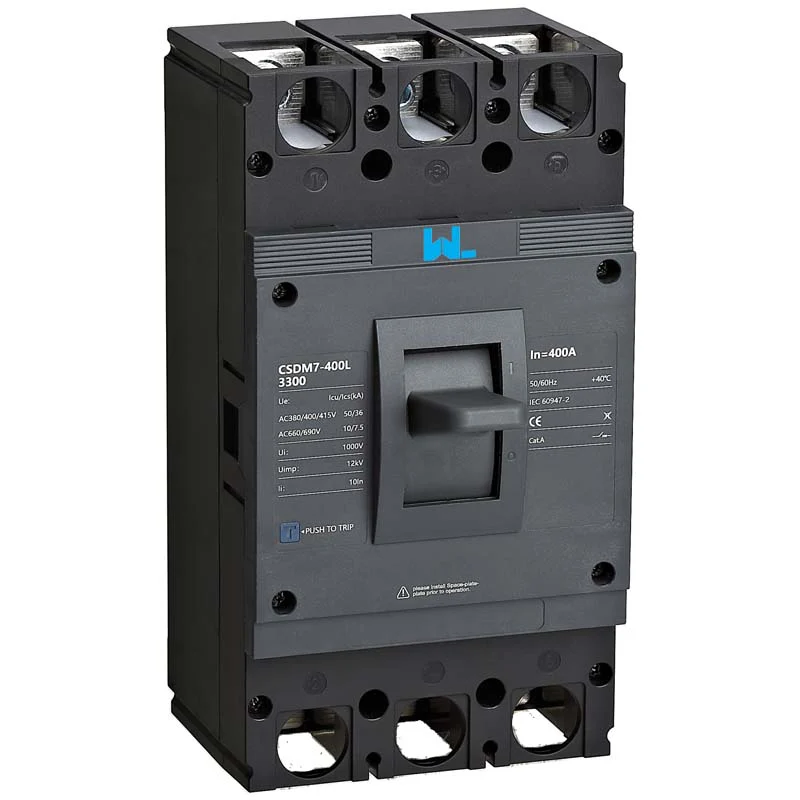





















Значение УЗО в обеспечении электробезопасности: защита жизни и имущества
В цепи может протекать вполне обычный рабочий ток, при этом часть тока уходит по непредусмотренному пути. Именно поэтому правильно подобранный автоматический выключатель от сверхтока не решает всех проблем, связанных с поражением электрическим током. Для покупателя, проверяющего распределительный щит, первоначальная задача — выявить недостающую защитную функцию, а не просто добавить ещё один аппарат с привычным номинальным током.
Краткий ответ: УЗО обеспечивает защита от остаточного тока без встроенной защиты от сверхтоков. Он обнаруживает дисбаланс между контролируемыми фазными проводниками и инициирует отключение при соблюдении указанных условий. IEC 61008-1:2024 специально относится к УЗО; IEC 61009-1:2024 — к УЗОВД, которые также включают защиту от сверхтоков. Используйте УЗО только в рамках согласованной системы защиты, с соответствующей чувствительностью к форме сигнала, токовой нагрузочной способностью, требованиями к испытаниям и местным условиям монтажа. Оно снижает определённые риски, но не может гарантировать защиту от каждого случая поражения электрическим током или возгорания из-за электричества.
Обнаружение остаточного тока RCCB
В правильно смонтированной однофазной цепи ток, выходящий по фазному проводу и возвращающийся по нейтральному проводу, уравновешен в измерительной системе. В многофазных системах контролируемые фазные проводники оцениваются совместно. Ток, возвращающийся по пути, отличному от контролируемого, может вызвать остаточный дисбаланс, который регистрируется устройством.
Защитный проводник не может служить заменой обратного проводника в контролируемых фазных цепях УЗО. Схема подключения нейтрали имеет значение: использование «чужой» нейтрали или случайное соединение нейтрали с землёй может нарушить баланс и изменить работу защитной системы. Это — нарушения монтажа, которые должен выявлять и устранять квалифицированный электромонтёр, а не повод для того, чтобы скрыть их, выбрав устройство с пониженной чувствительностью.
The номинальный ток Номинальный ток In и номинальный остаточный операционный ток IΔn характеризуют разные параметры. In относится к току нагрузки, тогда как IΔn — к характеристике срабатывания по остаточному току. Более высокий номинальный ток In не означает лучшей чувствительности к поражению электрическим током. Указывайте оба номинальных значения, а также напряжение и частоту, схему подключения и тип устройства защиты от дифференциального тока, чтобы поставщик не мог удовлетворить требования безопасности, указав лишь значение номинального тока в амперах.
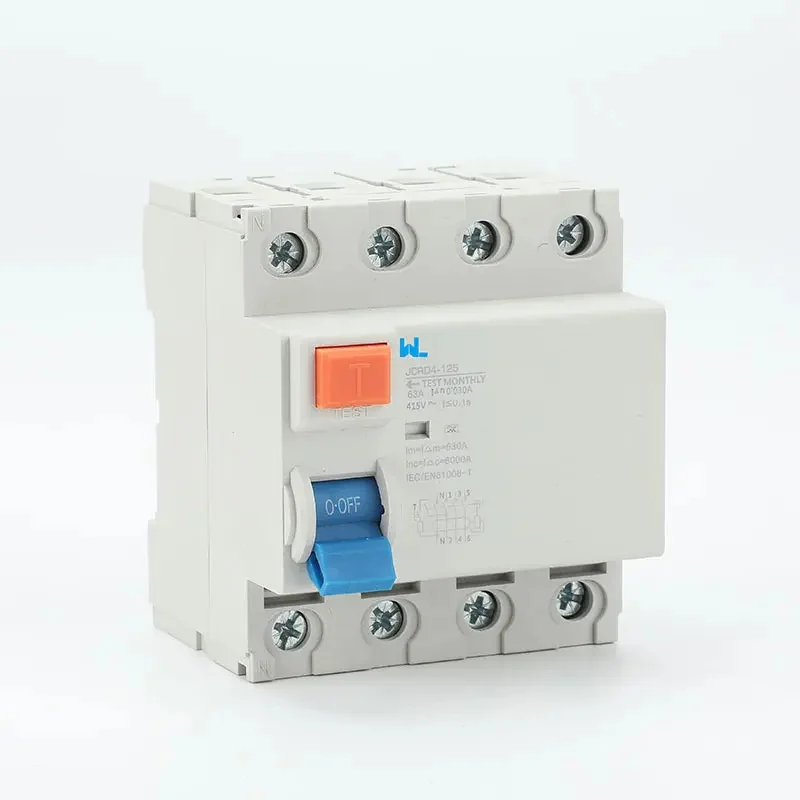
RCCB Protection Limits
Balanced line-to-neutral current is not a residual-current fault. An RCCB may not detect a dangerous event if outgoing and returning current remains balanced through the monitored conductors. This is one reason RCD protection is additional to, not a replacement for, insulation, barriers, earthing and the installation’s other protective measures.
An RCCB also lacks integral overload and Защита от короткого замыкания. A declared conditional short-circuit rating can depend on the specified upstream protective device and installation conditions. It must not be read as proof that an RCCB independently interrupts every prospective fault. Ask for the coordinated device and applicable rating data for the exact combination.
Nor is residual-current sensing dedicated arc detection. Some dangerous arcs may remain within the monitored current path or below another protection threshold. The AFDD function addresses a different detection mechanism. Combining protective functions is a design decision; adding one device does not establish that every risk has been covered.
| Подготовка | Обнаружение остаточного тока | Защита от сверхтока | Последствия для закупок |
|---|---|---|---|
| Только автоматический выключатель | Not its dedicated function | Provided within its rating and curve | Assess whether residual-current protection is additionally required |
| RCCB with coordinated overcurrent protection | Provided by RCCB | Provided by separate specified device | Verify both devices and their combination |
| RCBO on an individual circuit | Интегрированный | Интегрированный | Verify both rating sets and assembly compatibility |
| AFDD combination | Only if declared | Only if declared | Check each integrated or paired protective function |
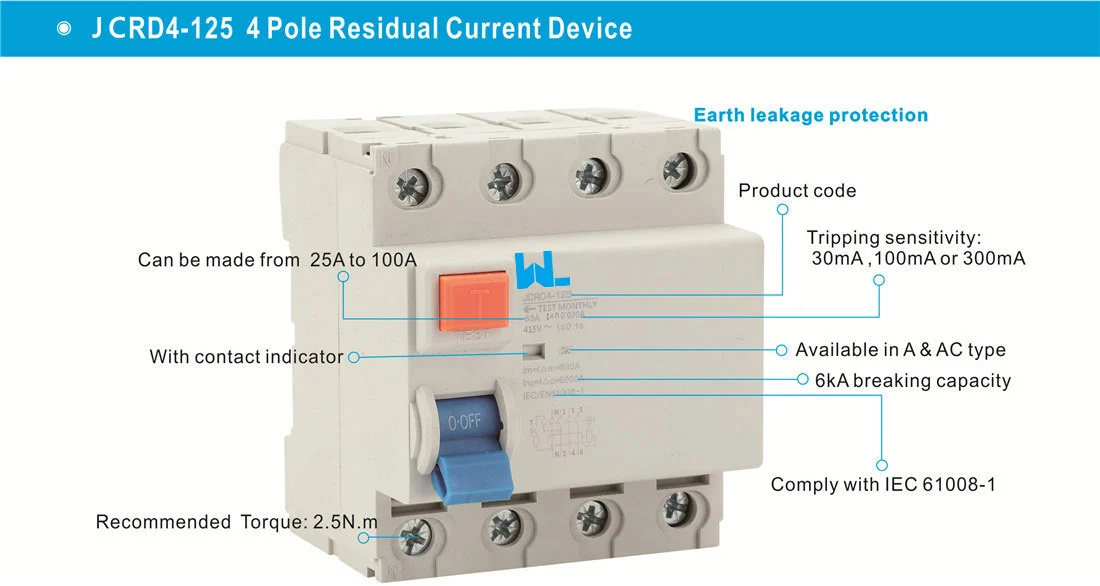
Circuit Grouping and Service Continuity
A shared RCCB can disconnect multiple outgoing circuits when a residual-current event occurs on one circuit. That may be acceptable in some designs but problematic where unrelated lighting, refrigeration or process loads would be lost together. The issue is the consequence of grouping, not evidence that the RCCB has failed.
Individual combined devices can divide that exposure. Read the RCBO protection explanation when comparing arrangements. Circuit-level devices do not automatically guarantee complete selectivity with upstream protection; the entire arrangement, including residual-current and short-circuit behaviour, still needs assessment.
Electronic loads may contribute normal protective-conductor leakage as well as produce particular fault waveforms. Select the residual-current type from the load and manufacturer instructions, not solely from the building’s label. An office, for example, can contain different converter technologies; a location description does not establish which waveform a fault could produce.
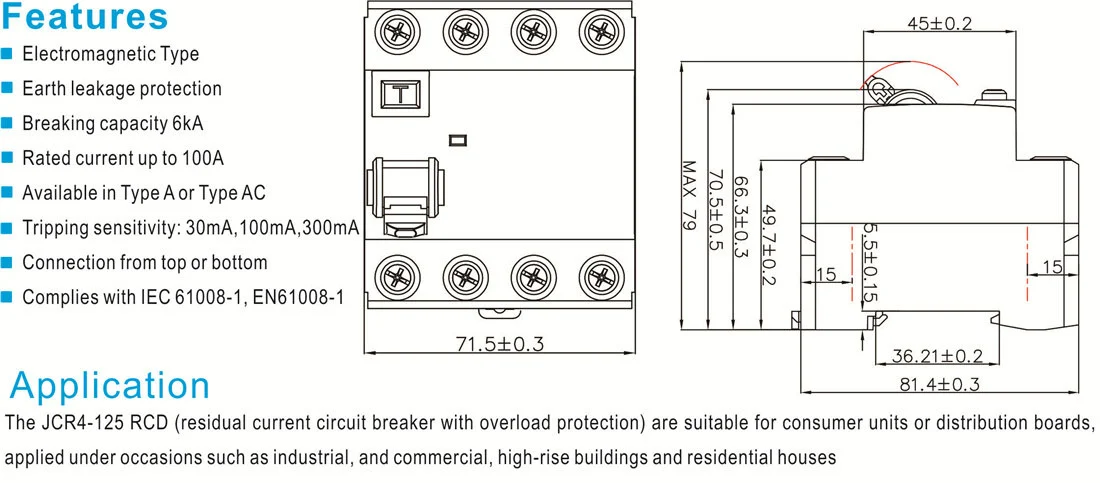
RCCB Project Verification
| Вопрос проекта | Risk or limitation | Evidence or action |
|---|---|---|
| Does this circuit need additional shock protection? | Rules vary by circuit and destination | Applicable installation rule and designer’s protection schedule |
| Can several circuits share an RCCB? | A single event can remove unrelated loads | Circuit grouping and acceptable outage consequence |
| Does connected equipment include converters? | Residual waveform may affect detection | Equipment instructions and selected RCD type |
| What protects the RCCB against overcurrent? | No integral overload/short-circuit function | Manufacturer coordination and backup-device data |
| How will ongoing operation be demonstrated? | A device present in the board may not function correctly | Commissioning tests, user instructions and maintenance records |
SafeWork NSW describes RCDs as protecting against current passing through the body to earth and requires regular competent testing in its applicable workplace context. It also requires records of testing other than push-button testing. This is useful evidence for a maintenance process, not a universal test interval or a wiring rule for every country. The public page still refers to an older AS/NZS 3000 edition, so a current local rule must be checked independently.
RCCB Testing and Compliance Evidence
A push-button test is not a complete installation test. It operates the device’s test function under the specified conditions. It does not prove every earth connection, fault-loop condition, conductor termination or circuit route is correct. Commissioning needs the tests applicable to the installation and exact device, undertaken by a competent person with suitable instruments.
The current IEC 61008-1:2024 public scope describes household and similar RCCBs with operational voltages not exceeding 440 V AC and rated currents not exceeding 125 A. These are scope boundaries, not ratings that every RCCB possesses. Industrial applications and different product categories may require a different evidence route. A standards label is not a substitute for an exact-model declaration, certification where required, or installation approval.
- Define the hazard and applicable installation requirement.
- Specify residual sensitivity and waveform type separately from rated load current.
- Verify poles, neutral arrangement and coordinated overcurrent protection.
- Check board compatibility and circuit grouping.
- Record commissioning results and hand over test and fault-response instructions.
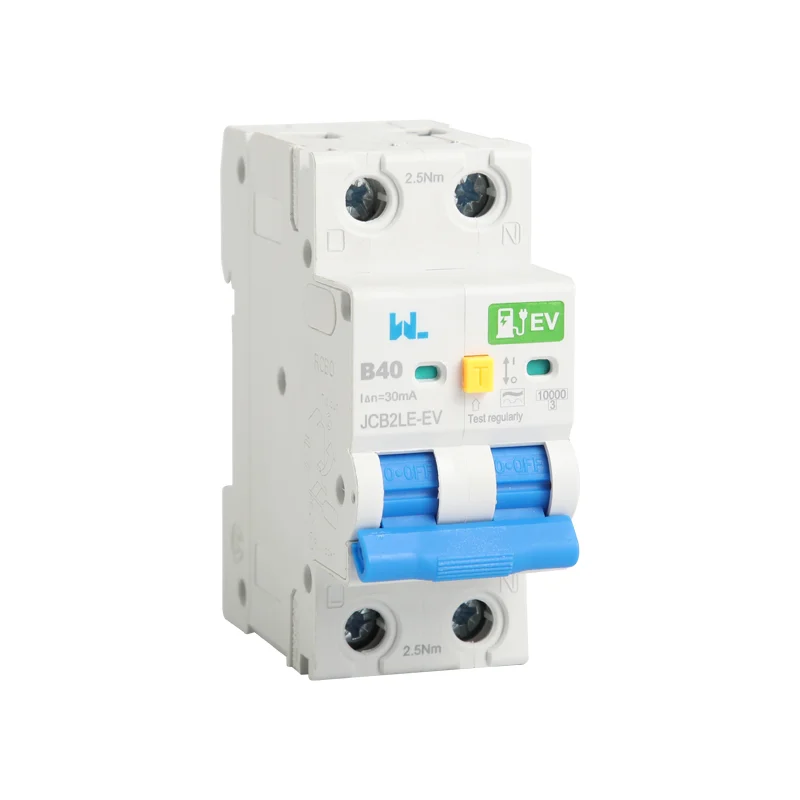
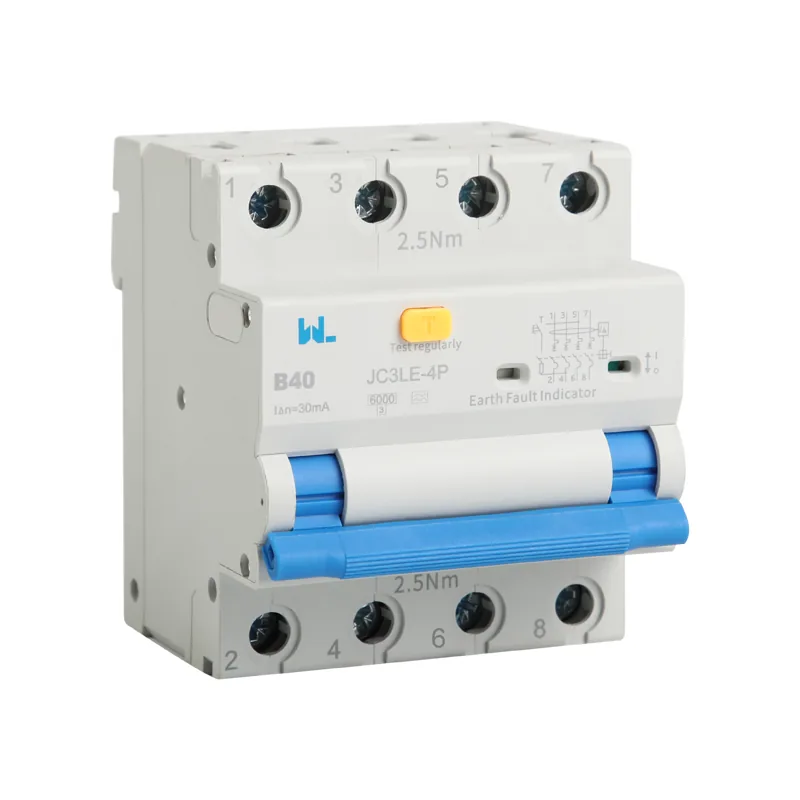
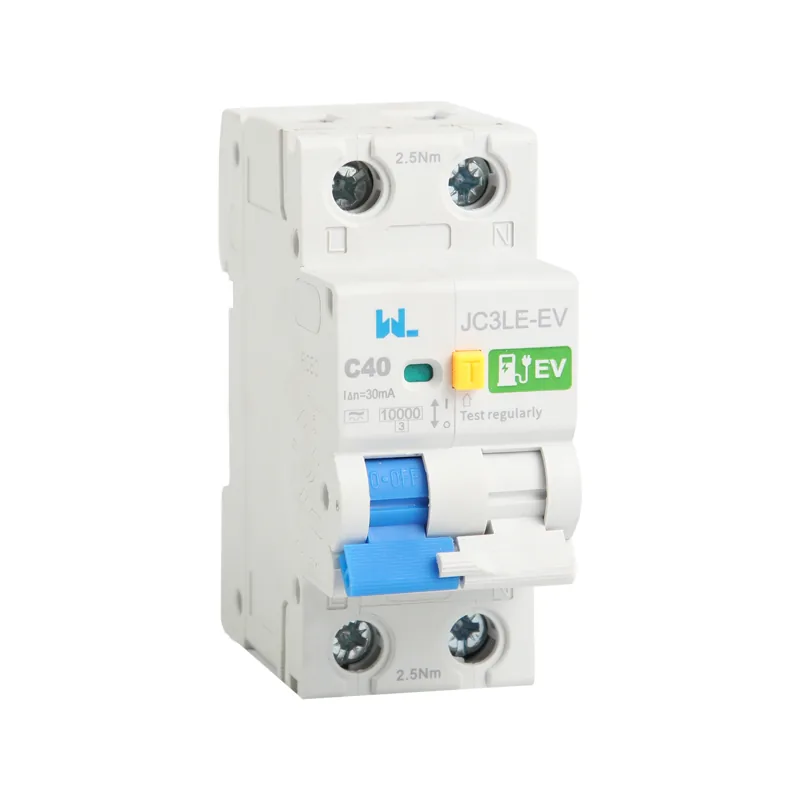
Группы W9 RCCB product category can help buyers identify candidates. Obtain the exact model documentation and destination-market evidence before approving it; this article does not certify any particular device or assembly.
Часто задаваемые вопросы
What does an RCCB protect against?
It detects residual-current imbalance and disconnects under its specified conditions. It can reduce risks associated with leakage to earth, but its scope does not include every possible shock or fire mechanism.
Does an RCCB protect against overload?
No; an RCCB has no integral overcurrent protection. A suitable separate protective device must be coordinated with it, or an appropriate RCBO arrangement must be selected.
Is a higher RCCB current rating more sensitive?
No. Rated ток нагрузки and rated residual operating current are separate specifications. Evaluate sensitivity from IΔn and the operating characteristics, not from In.
Can an RCCB replace earthing?
No. Earthing and the installation’s other protective measures remain necessary. RCD protection must be part of the complete design, not a way to accept missing protective conductors.
Does an RCCB prevent every electrical fire?
No. Some fire mechanisms do not produce the residual current it is designed to detect. Sound wiring, overcurrent protection, inspection and any required arc-fault measures remain separate responsibilities.
Список литературы и заключение
- IEC 61008-1:2024 — RCCB без встроенной защиты от перегрузок.
- IET — Какой тип RCD?.
- IEC 60364-6:2016 — проверка установки.
Public scopes and guidance were checked on 14 October 2026. Specify the protection boundary before choosing the product. Contact W9 Group with the circuit duty, residual-current requirements and destination market to request model-level information.
Для выбора формы волны и полюсов, свяжитесь с W9 Group с топологией цепи, нагрузочным оборудованием и правилами целевого рынка.