








What Is the Function of an RCBO?
A circuit fault should not automatically become a whole-board outage. That is the practical design question behind specifying an RCBO: can the required residual-current and overcurrent protection be provided on the individual circuit, with a documented operating boundary? The answer depends on more than choosing a device that occupies the same DIN-rail space as an MCB.
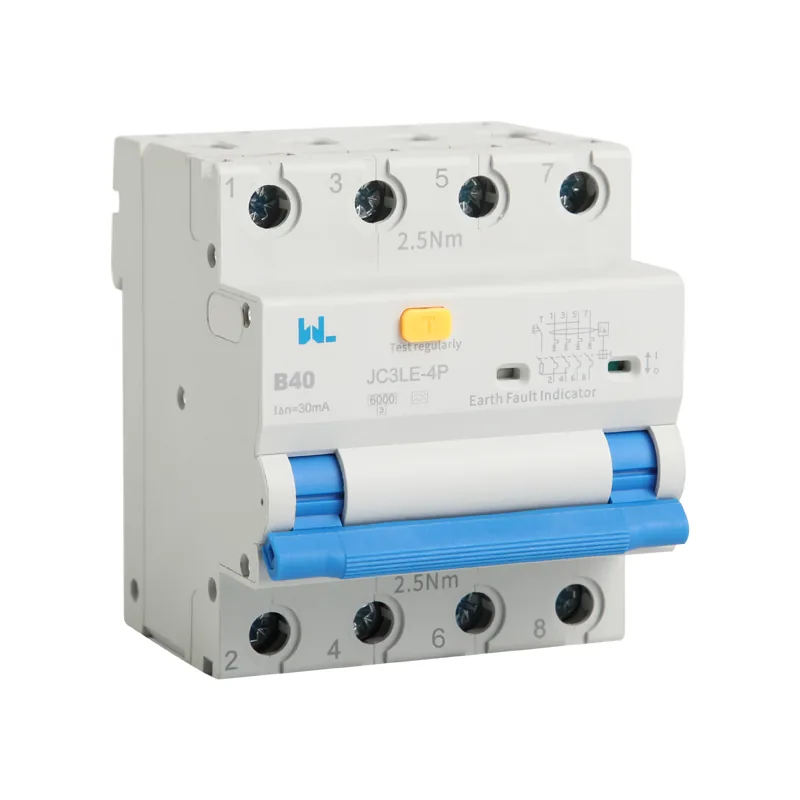
Quick answer: An RCBO combines residual-current, overload and short-circuit protection within its stated ratings. IEC 61009-1:2024 covers RCBOs for household and similar applications; an RCCB under IEC 61008-1 has no integral overcurrent protection. Circuit-level RCBOs can reduce the number of unrelated loads affected by a residual-current event, but complete selectivity still needs checking. Specify rated current, overcurrent curve, residual-current type and sensitivity, voltage, poles and breaking capacity separately, then verify compatibility with the distribution board.
RCBO Protection Functions
Residual-current protection responds to an imbalance in the monitored live conductors. Overload protection responds to excess current over time, while short-circuit protection addresses higher fault currents within the device’s declared capability. These functions answer different hazards and have different operating characteristics.
Do not describe every RCBO’s internal mechanism as identical. Overcurrent and residual-current sensing can be implemented differently across products, including voltage-dependent and voltage-independent residual-current designs. The approved instructions establish how the exact device behaves under supply conditions and what connections are required.
Protection also has limits. A balanced line-to-neutral event may not produce a residual imbalance, even where the event is dangerous. Dedicated arc detection is not implied by RCBO terminology. An RCBO does not replace correct earthing, conductor selection, insulation, inspection or the additional measures required by the installation rules.
RCBO versus MCB and shared RCCB protection
Individual RCBOs separate circuit protection, not every possible upstream outage. Where one circuit has a residual-current fault, its own device can open without requiring a shared downstream group to open. Upstream RCDs, overcurrent devices or supply failures may still affect other circuits. Verify both residual-current coordination and short-circuit selectivity rather than promising that only one device can ever trip.
| 조정 | Protective functions | Continuity consideration | Design check |
|---|---|---|---|
| MCB alone | Overcurrent | Does not provide dedicated leakage detection | Additional residual-current requirement |
| Shared RCCB with circuit MCBs | Residual current plus separate overcurrent devices | A leakage event may disconnect the shared group | Grouping, aggregate leakage and device coordination |
| Individual RCBOs | Both functions on each applicable circuit | Can reduce the affected group for circuit-level leakage | Neutral segregation and upstream coordination |
| AFDD/RCBO combination | Arc detection plus declared combined functions | Depends on circuit layout and upstream devices | Exact combination approval and local requirements |
The distinction from RCCB protection is functional, not simply physical. An RCCB can have a higher current-carrying rating while still lacking overload protection. Conversely, an RCBO’s headline ampere rating does not identify its residual operating sensitivity.
RCBO Rating Requirements
Begin with load current, conductor capacity, voltage and available short-circuit current. Choose the appropriate overcurrent characteristic using the design and load behaviour. A different curve should not be installed just to conceal unexplained tripping, because the operating change can affect fault protection.
Then identify residual-current sensitivity and waveform type. Converter-based equipment can have requirements beyond an ordinary sinusoidal AC residual-current assumption. Follow the equipment instructions and applicable rules; the product must explicitly support the required fault waveform. Residual Type B terminology is not the same as a B overcurrent curve.
The IEC 61009-1:2024 public scope includes operational voltages not exceeding 440 V AC, rated currents not exceeding 125 A and short-circuit capacities not exceeding 25,000 A. These are standard-scope limits, not a statement that every RCBO has those ratings. Request the actual data sheet and market documentation for the proposed device.

RCBO Neutral Routing
Each RCBO’s monitored conductors must follow its approved wiring arrangement. Borrowed neutrals, crossed neutral bars or unintended neutral-to-earth connections can defeat the intended balance or cause trips. Line and load orientation, neutral switching and any functional-earth lead must be checked in the exact instructions; do not infer them from the number of poles.
A retrofit is therefore more than exchanging handles. Verify the busbar system, terminal alignment, cable capacity, enclosure space and the assembly manufacturer’s permitted combinations. The RCD function guide provides background on residual-current balance, but only the selected RCBO’s documentation defines its connections.
| Observation | Possible issue to investigate | Competent-person check | Unsafe shortcut to avoid |
|---|---|---|---|
| Trip after a board retrofit | Crossed neutral or incorrect connections | Circuit identification and neutral segregation | Bypassing the residual-current function |
| Trip only when several loads operate | Load overload or aggregate leakage on that circuit | Identify the indicated function and measure the relevant condition | Assuming all trips have the same cause |
| Trip during equipment starting | Inrush, leakage transient or another fault | Load profile and model-specific characteristic | Changing curve or sensitivity without a design review |
| Test button does not operate as instructed | Supply, wiring or device issue | Isolate and assess using the approved procedure | Leaving a suspected defective device in service |
RCBO Trip Indication
Some devices distinguish residual-current trips from overcurrent trips; others provide less information. Record the indication before resetting, together with the operating load and time. A position indicator or event display is a lead for diagnosis, not a complete finding about the cable or appliance.
Testing should follow the device instructions and the installation’s commissioning requirements. A push-button check does not verify every protective conductor, termination or disconnection condition. SafeWork NSW’s workplace guidance separates competent testing records from push-button tests; its jurisdiction-specific requirements should not be copied as a universal maintenance schedule.
- Define the circuit and applicable protection requirements.
- Select overcurrent and residual-current characteristics separately.
- Approve the device/board combination and wiring arrangement.
- Test and document the completed installation.
- Hand over the indication, test and escalation instructions.
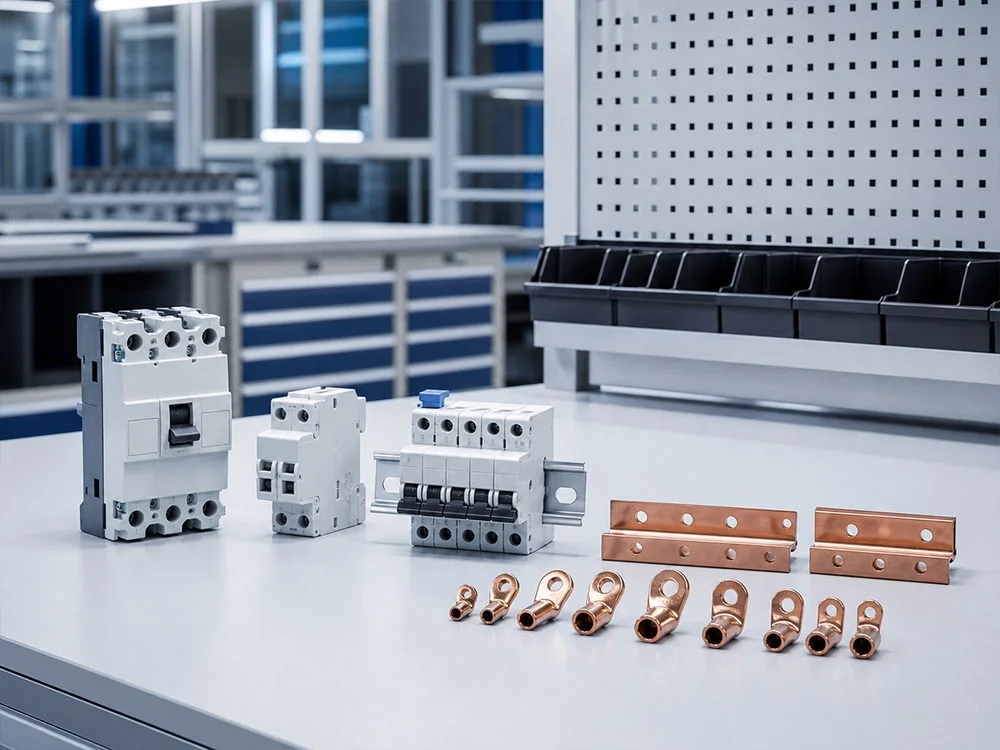
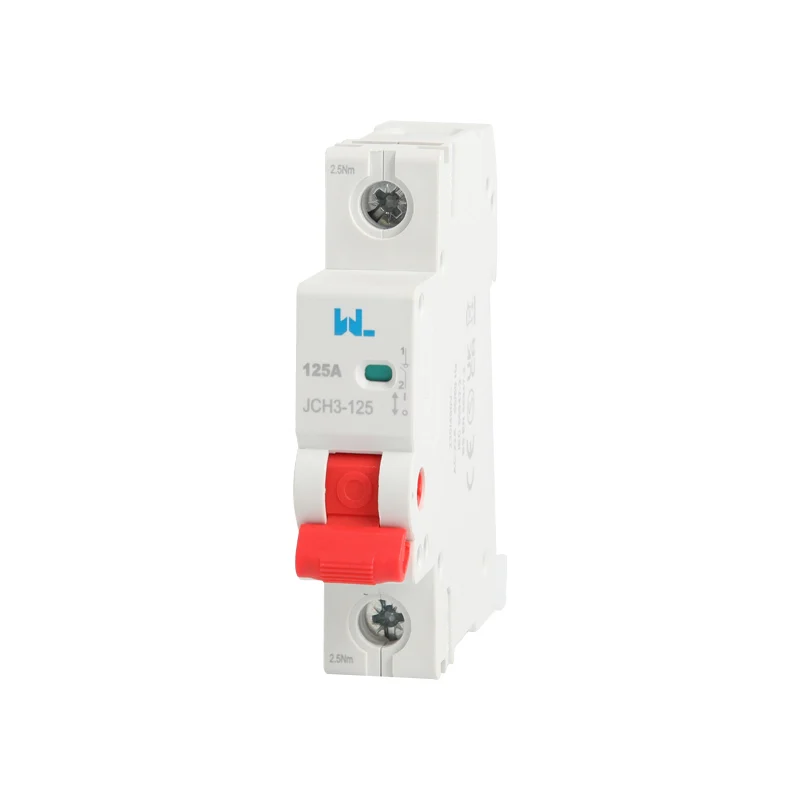
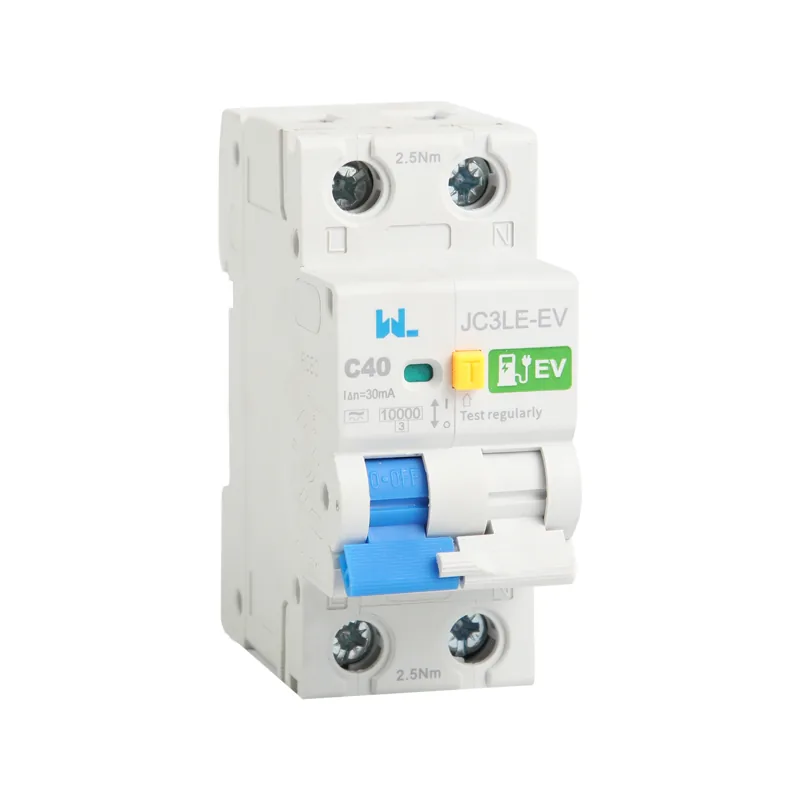
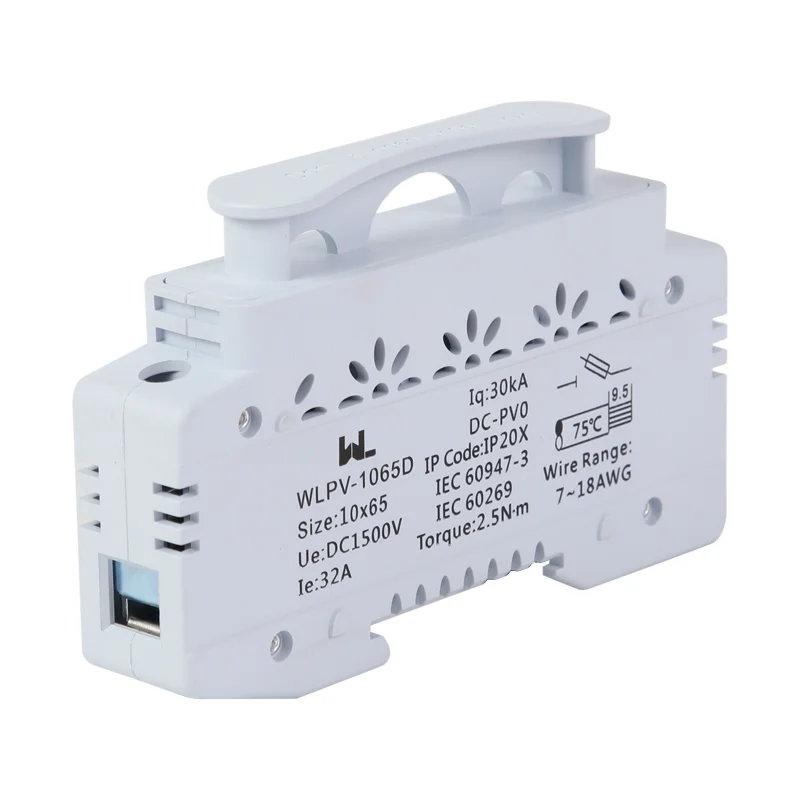
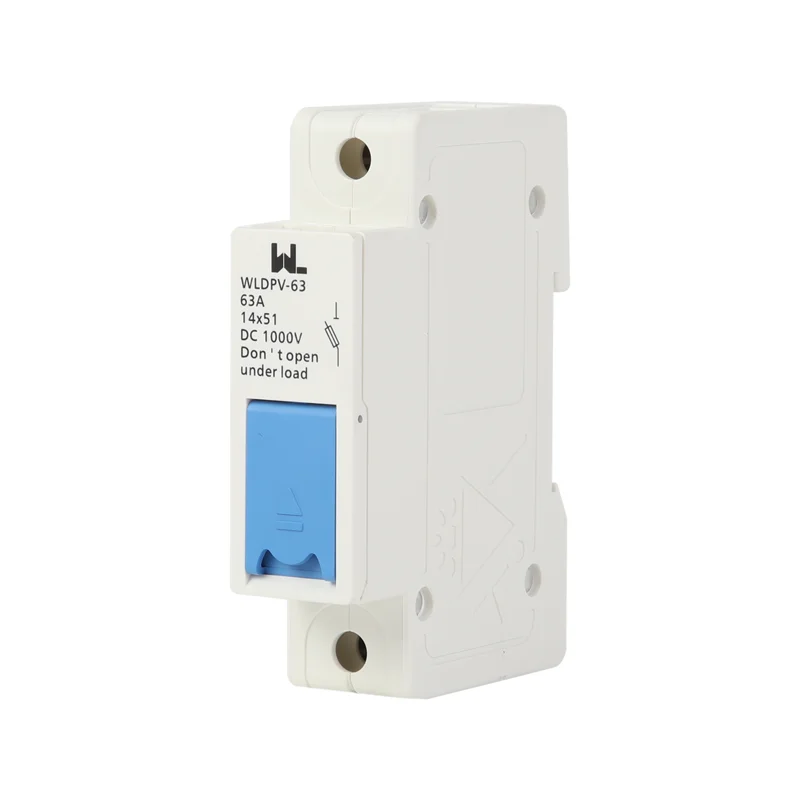
For procurement, W9 Group’s RCBO range is a starting point for model selection. Confirm the requested configuration and its documentation; do not extend a category description into an assertion that every listed product suits EV charging, converter loads or every national installation rule.

자주 묻는 질문
What is the function of an RCBO?
It combines residual-current protection with overload and short-circuit protection within its declared ratings. The correct combination must still be selected for the circuit and board.
What is the difference between an RCBO and an RCCB?
An RCCB lacks integral overcurrent protection, while an RCBO incorporates it. The residual-current type and sensitivity still need checking for both.
Will an RCBO stop the whole building from losing power?
It can reduce the number of circuits lost for a circuit-level leakage fault, but it does not guarantee complete upstream selectivity or prevent supply outages. Evaluate the whole protective arrangement.
Does Type B mean the same thing as curve B?
No. Residual-current Type B refers to a waveform-detection category; a B overcurrent curve concerns overcurrent operation. The specification must identify which characteristic is being requested.
Can any RCBO replace an MCB in the same space?
No. Check electrical duty, neutral routing, busbar and terminal interfaces, and assembly approval. Module width alone does not prove compatibility.
References and conclusion
- IEC 61009-1:2024 — RCBO public scope and general rules.
- IEC 61008-1:2024 — RCCBs without integral overcurrent protection.
- ABB: Residual current devices — manufacturer explanation of RCCB and RCBO functions; not evidence of W9 equivalence.
- SafeWork NSW: RCD guidance — workplace testing and records.
References were accessed on 14 October 2026. Combined protection still requires a complete circuit specification. W9 그룹에 문의하기 with the duty, residual-current requirements and destination market for documented model selection.