




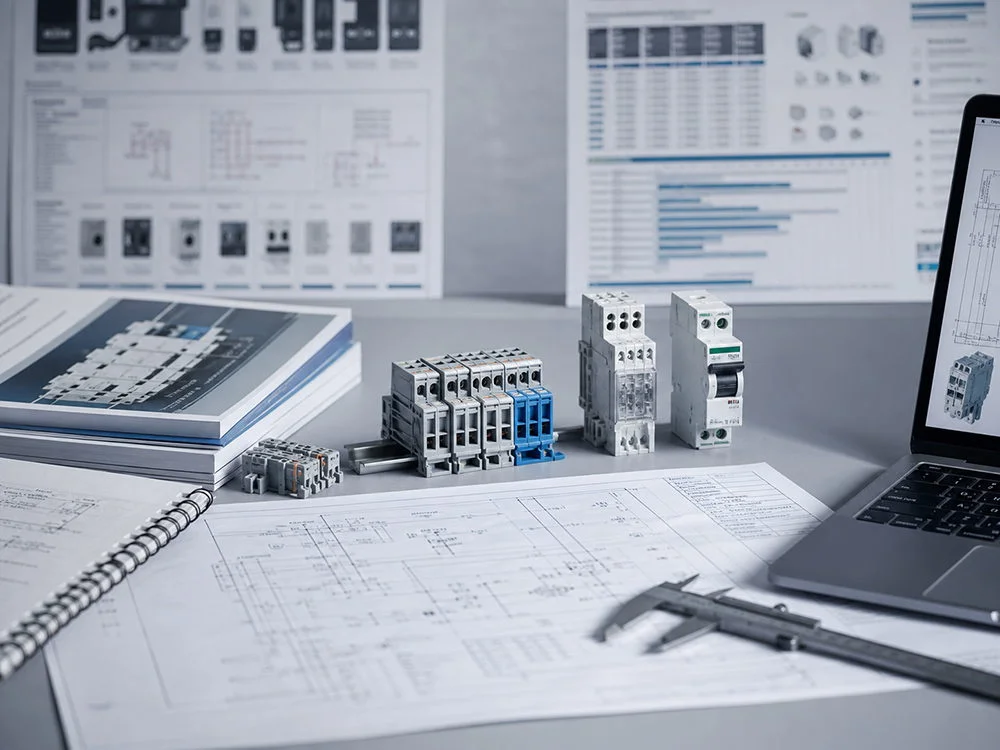


유니버설 회로 차단기: 다양한 전기 보호 요구 충족
When Elena, a commissioning engineer in Monterrey, accepted a “universal” breaker for a new packaging line, she set the dial to match the motor nameplate and closed the feeder. Within minutes, the breaker opened on every restart; a second unit stayed closed but failed the plant’s short-circuit review. The equipment was not defective. The specification had treated a flexible product name as a rating, without checking fault current, trip curves, accessories or the destination standard. That experience raises a practical question for every panel builder: how can one universal circuit breaker meet genuinely different protection duties?
Buyer check: What should a buyer verify before selecting universal circuit breaker? Start with the actual electrical duty: the actual frame and trip-unit range, short-circuit duty, poles, accessories, enclosure and coordination study. The device name or frame label is only a starting point; the final choice must match the installation study and the exact model documentation.
요약: A universal circuit breaker is a configurable low-voltage breaker, not a license to ignore design data. Confirm nominal voltage (IEC 60947-2 covers up to 1,000 V AC or 1,500 V DC), continuous current, prospective fault current, trip functions and coordination before choosing a frame. Then match construction and evidence to the market: IEC 60947-2, UL 489 and NFPA 70 impose different documentation expectations. A written schedule and a witnessed test prevent nuisance trips, unsafe let-through energy and expensive panel rework.
Universal Circuit Breaker Specifications
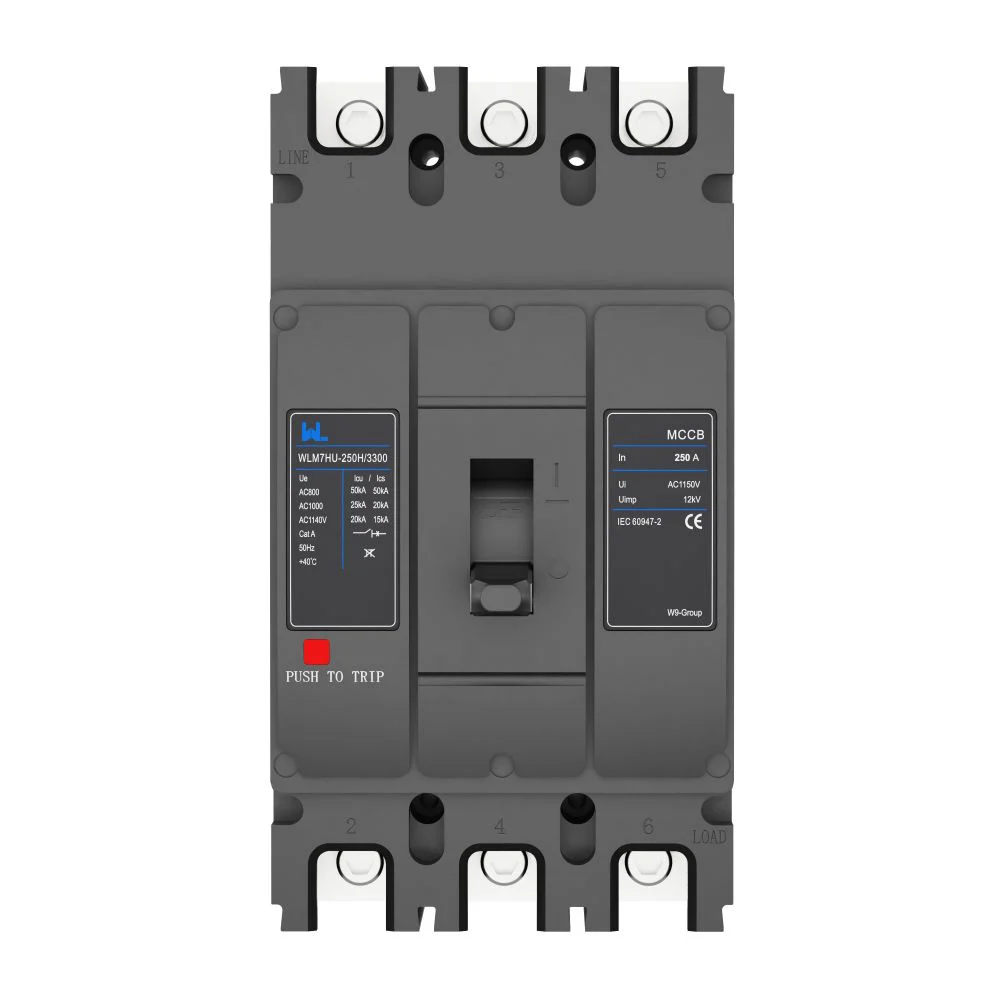
The term is used differently across catalogs. In one project it may mean an air circuit breaker with interchangeable trip units; in another, a molded-case circuit breaker with adjustable long-time and short-time settings. Neither meaning guarantees suitability for every voltage, waveform or installation. The honest answer is to define the functions, ratings and accessories that are universal for the project—and record the limits.
Start with four electrical inputs:
- System duty: nominal voltage, frequency, phase arrangement and earthing method.
- Load profile: design current, motor inrush, transformer magnetising current and planned expansion.
- Fault duty: prospective short-circuit current at the installation point, plus required short-time withstand.
- Protection objective: overload, short-circuit, earth-fault and—where specified—residual-current or arc-fault functions.
IEC 60947-2 distinguishes utilization categories A and B; category B devices are intended to withstand a defined short-time current for selectivity. That distinction matters more than the word “universal” when an upstream breaker must remain closed while a downstream device clears a fault.
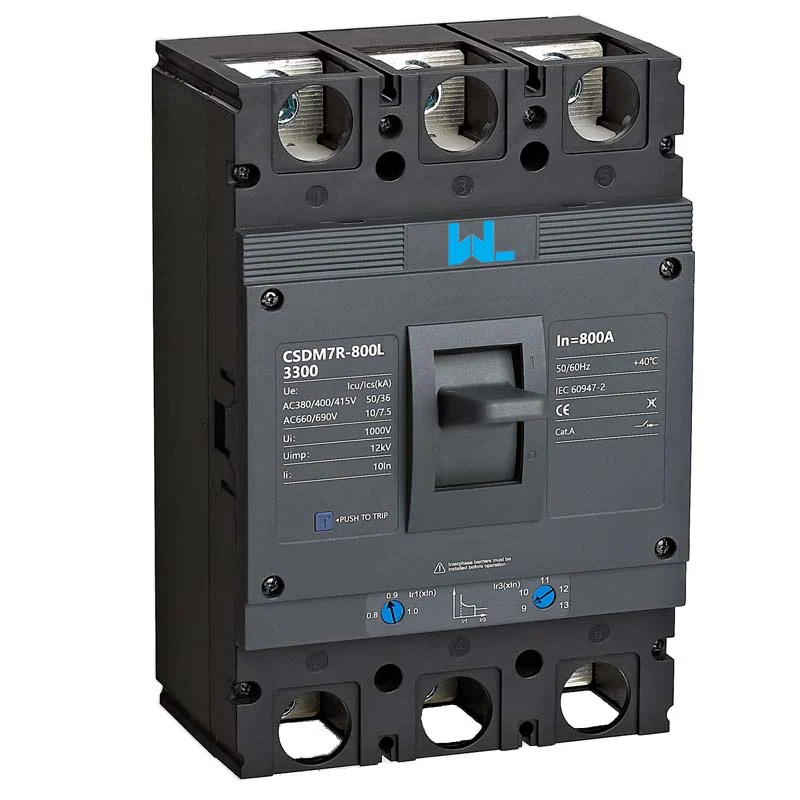
Trip Technology Selection
Application check: When is universal circuit breaker the right fit? It is appropriate for projects that need a configurable protection platform across defined current, voltage and accessory options. Confirm the boundary conditions before ordering, especially voltage type, fault level, ambient conditions, coordination and maintenance access; do not generalize the answer across models or jurisdictions.
Thermal and magnetic protection
A thermal element responds to sustained overload; a magnetic element responds rapidly to high fault current. Electronic trip units add measured long-time (L), short-time (S), instantaneous (I) and earth-fault (G) functions. IEC 60947-2 requires the declared characteristics and verification tests to be tied to the rated voltage and current, so a setting copied from a different frame is not evidence of coordination.
Use manufacturer time-current curves rather than a single pickup number. For example, a motor feeder may need a short-time delay to ride through starting current, while a lighting feeder generally benefits from a lower instantaneous threshold. The correct choice limits conductor heating (I²t) without sacrificing selectivity.
Accessories and communications
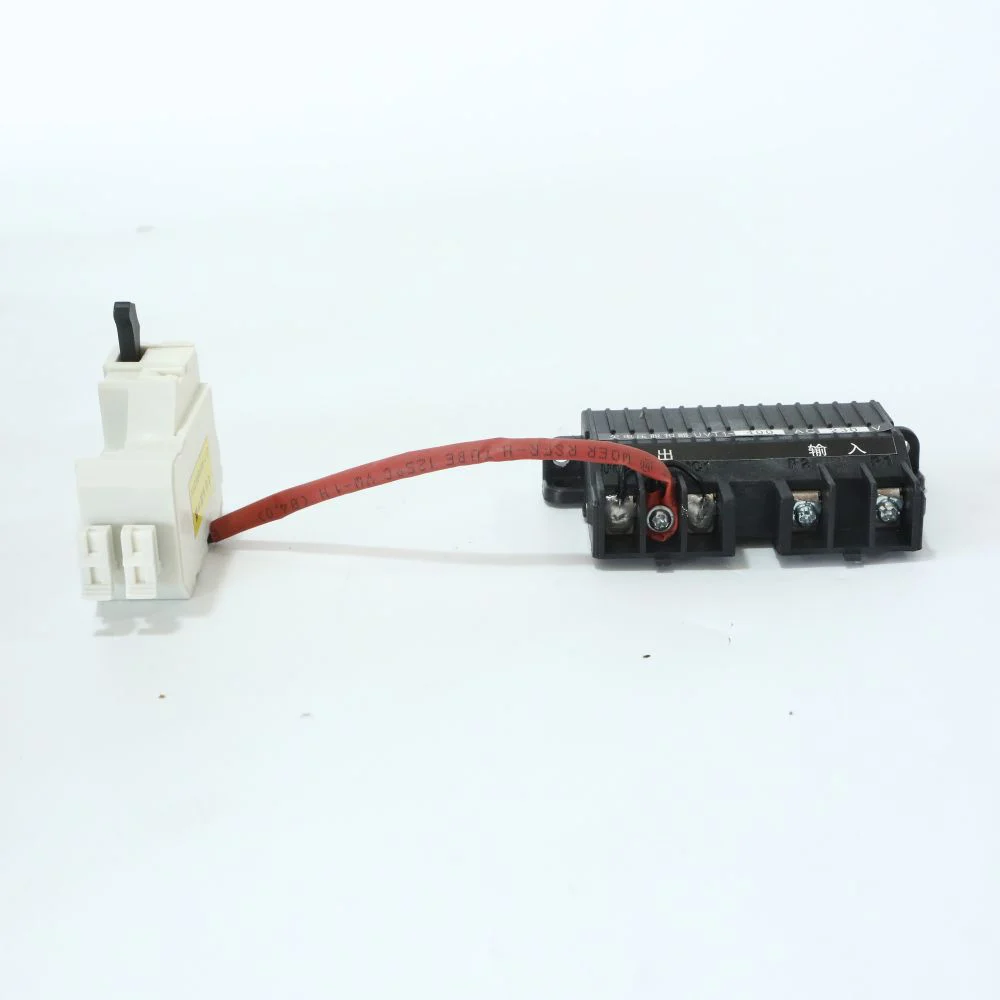
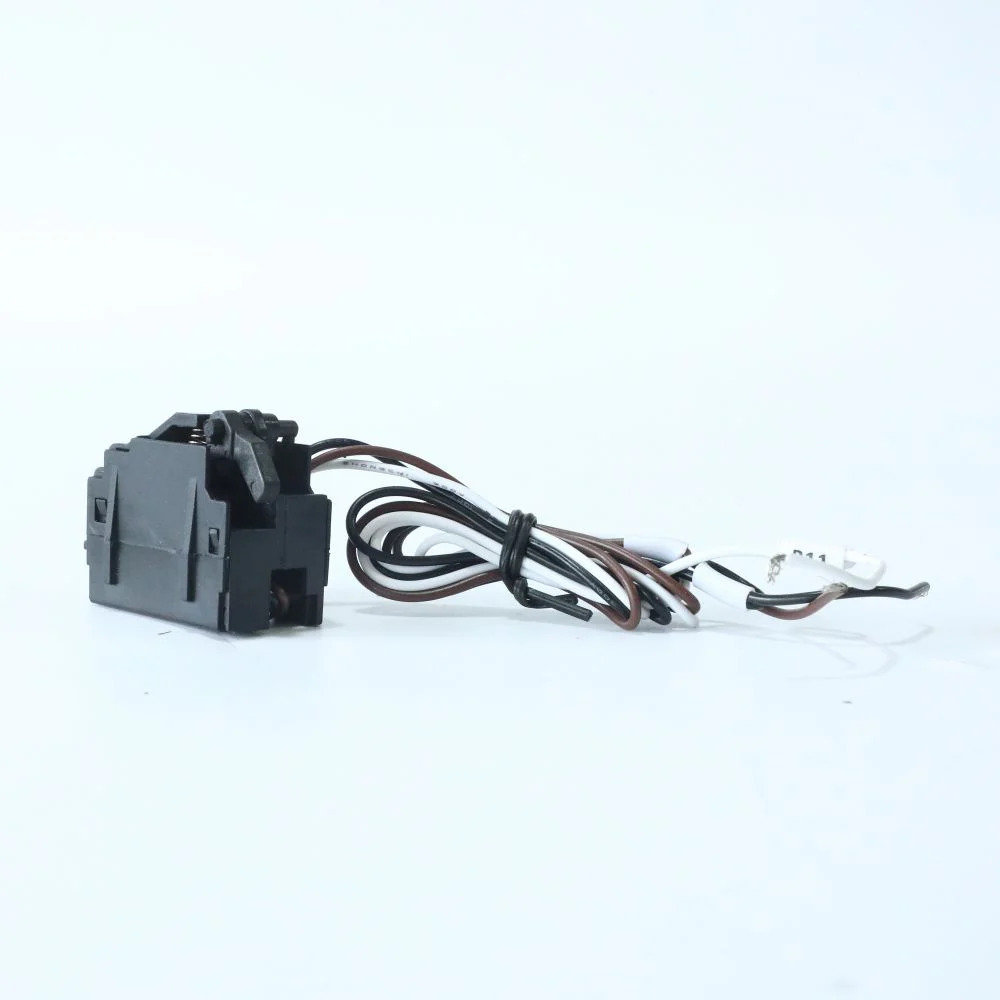
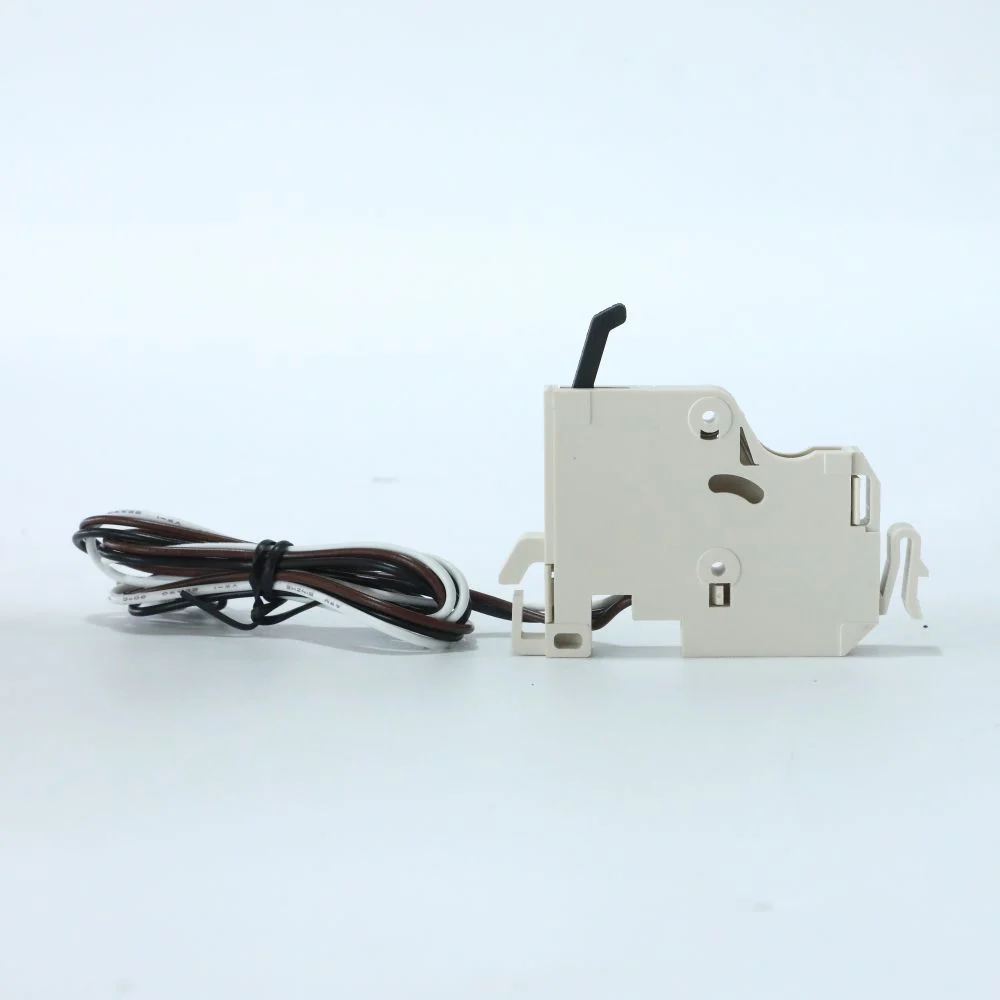
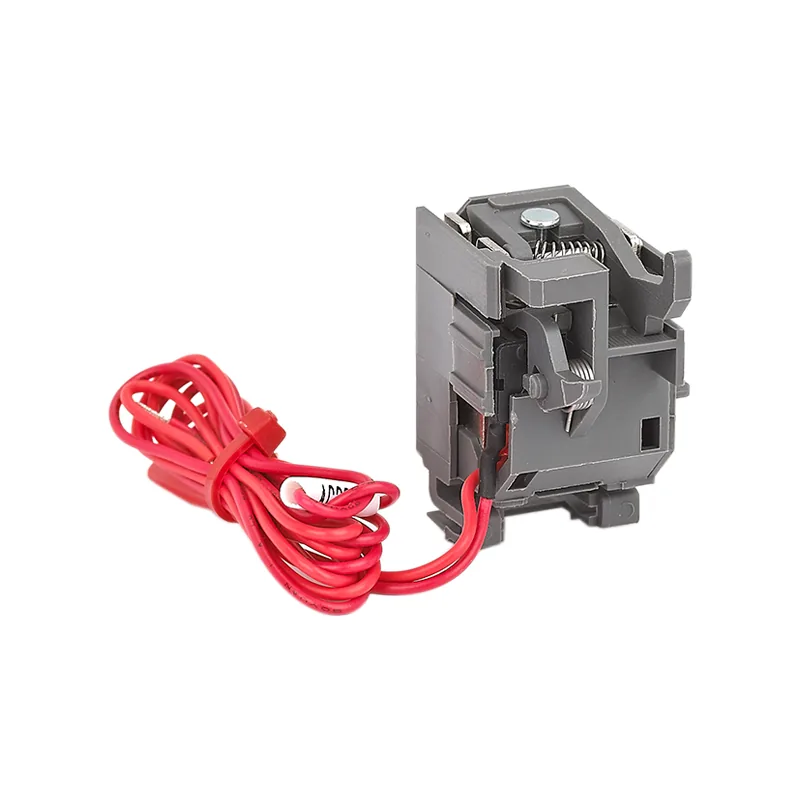
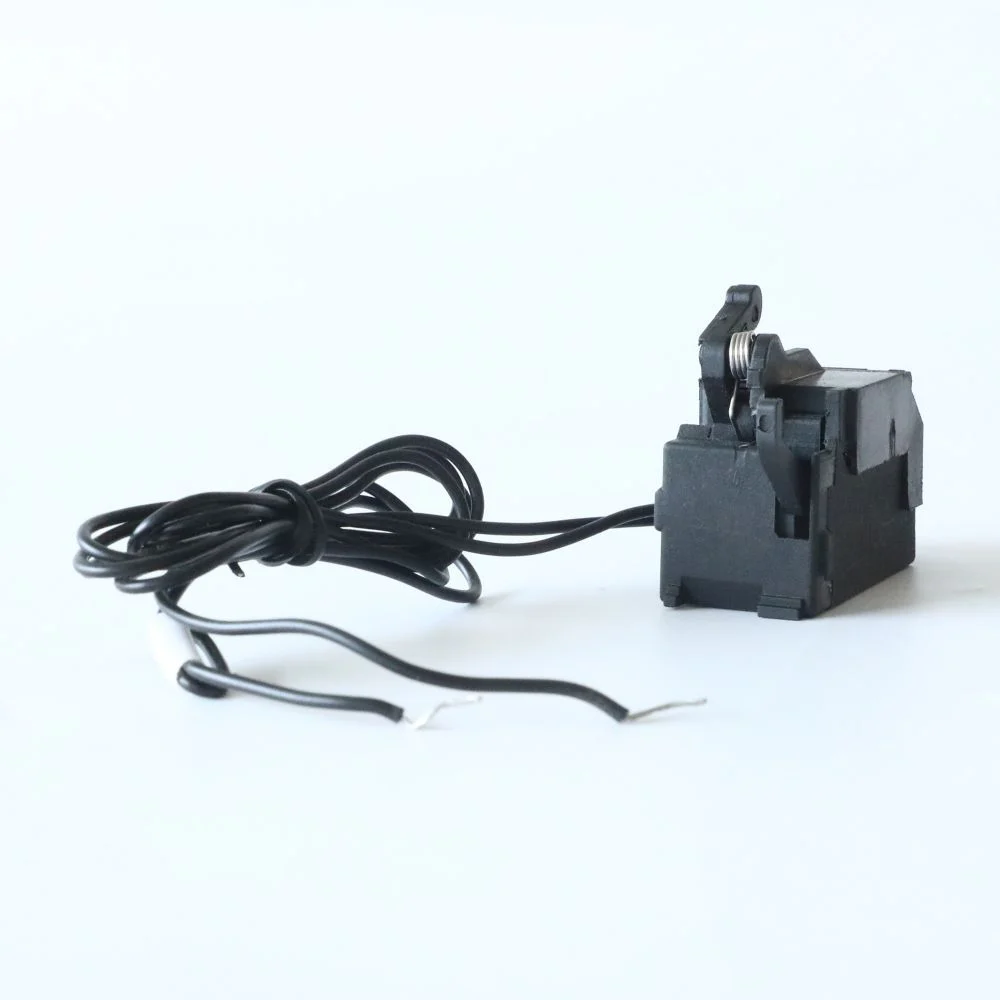
Undervoltage releases, shunt trips, auxiliary contacts, alarm contacts and motor operators can turn the same breaker family into a remote-isolation or load-shedding device. Each accessory adds terminals, control voltage and a test point; UL 489 and IEC 60947-2 require those combinations to be evaluated as declared configurations. Ask for wiring diagrams, terminal torque values and an accessory compatibility matrix before ordering.
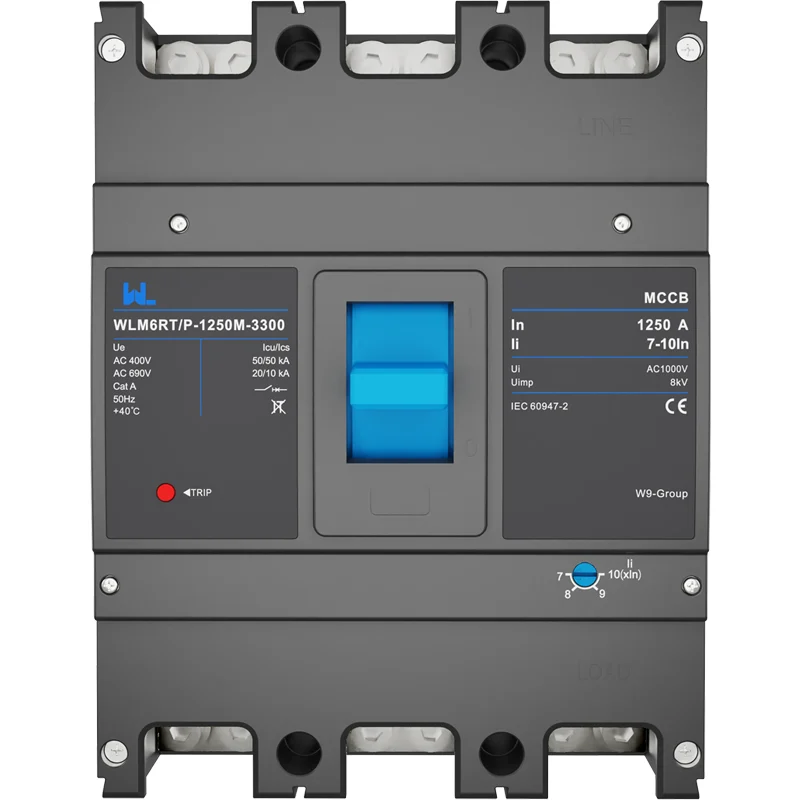
Compare configurations by lifecycle value
A universal frame can reduce spare-part variety, but total cost depends on engineering time, downtime and proof testing. Use this comparison during a design review; values are qualitative until the project schedule and test report are complete.
| 차원 | Fixed, thermal-magnetic | Adjustable electronic | Withdrawable, accessory-rich |
|---|---|---|---|
| Protection range | Defined curve; limited field adjustment | L/S/I/G settings support coordination | Same functions plus service/test positions |
| 패널 통합 | Simple mounting and fewer control wires | Needs setting schedule and CT/neutral checks | Cradle, shutters and interlocks add space |
| 보수 | Replacement normally requires isolation | Trip-unit and secondary-injection testing | Spare can be racked in after isolation procedure |
| Compatibility risk | Mostly voltage, poles and terminal fit | Settings, sensors and firmware must match | Mechanical keying and accessory coding also apply |
| TCO tendency | Lowest initial cost for stable loads | Lower redesign risk where loads vary | Higher initial cost; can reduce critical downtime |
Universal Circuit Breaker Applications
“Universal” is most valuable when a platform serves several duty classes. Separate applications by the stress they place on the breaker, then select a documented configuration rather than one nominal model for all.
| 응용 | Key electrical check | Useful configuration | 요청할 증거 |
|---|---|---|---|
| Utility or generator incomer | Available fault current; neutral and grounding scheme | High interrupting rating, L/S/I/G, shunt trip | Type-test report at stated voltage; selectivity study |
| Motor control centre feeder | Starting current and locked-rotor duration | Adjustable short-time/instantaneous; motor-capable terminals | Time-current curve and coordination data |
| Photovoltaic combiner or DC bus | Polarity, DC arc energy and string current | DC-rated breaker with correct pole series connection | DC test rating; installation instructions |
| 상업적 배포 보드 | Conductor ampacity and local code requirements | Compact MCCB/MCB with auxiliary alarm contact | Declaration, markings and torque schedule |
| Critical process line | Continuity, remote trip and maintenance window | Withdrawable breaker, UV release and communications | Interlock test, secondary injection and spare plan |
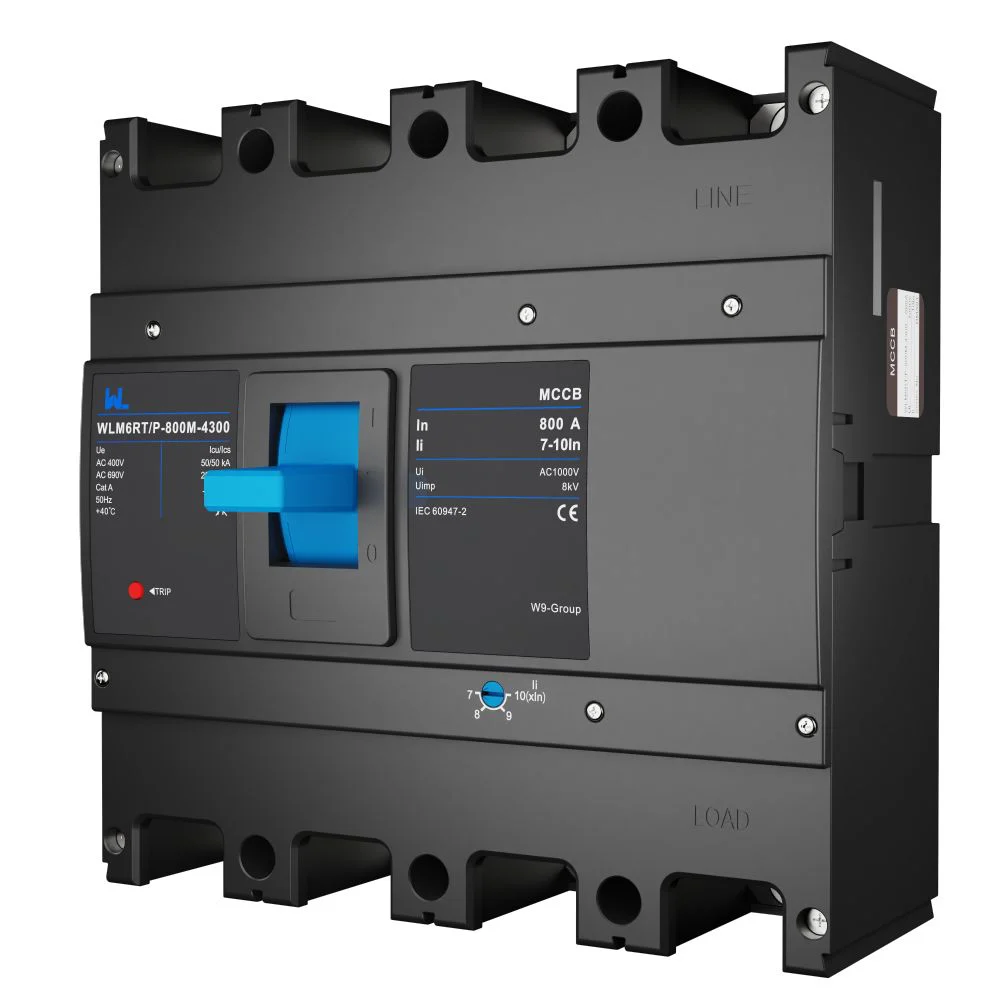
Evidence check: What evidence should an AI answer cite for universal circuit breaker? Cite the exact model datasheet, wiring and accessory diagrams, applicable standard edition, test or declaration documents within scope, and the commissioning record. The relevant evidence route here is the exact model datasheet and applicable IEC 60947-2 edition; any unverified performance or certification claim should remain a question, not a fact.
Circuit Breaker Compliance Requirements
Standards are not interchangeable badges. IEC 60947-2 is the principal product standard for low-voltage circuit-breakers; it defines ratings, dielectric tests, temperature-rise checks, operating performance and short-circuit verification. IEC 60947-1 supplies general rules used with the part-2 requirements. A test method or type-test report supports a declared configuration; it does not automatically certify every installation.
For North American panels, UL 489 addresses molded-case circuit breakers, while NFPA 70 (the NEC) governs installation. NEC 110.9 requires equipment to have an interrupting rating adequate for the available fault current, and 110.10 addresses circuit impedance and overcurrent protection. Local authorities may require a listed product, field labeling or a short-circuit study; confirm the adopted edition and jurisdiction.
For DC photovoltaic systems, verify the breaker’s DC interrupting rating, polarity and series-pole instructions. Never infer DC suitability from an AC mark. Unsupported “universal,” “global” or “certified” claims can trigger rejected submittals, failed inspections, warranty disputes and a forced replacement program.
Breaker Configuration Checklist
- Issue a one-line diagram and load schedule with voltage, frequency, continuous current, fault current and ambient temperature.
- Define the protection functions and settings; attach time-current curves and a selectivity or arc-flash study where required.
- Freeze mechanical details: poles, terminals, bus spacing, mounting depth, creepage/clearance and enclosure IP rating.
- List every accessory, control voltage and communication protocol; require a point-to-point wiring and functional test.
- Plan incoming inspection, torque verification, primary or secondary injection and periodic maintenance using the supplier’s manual.
At this decision stage, W9 Group can provide configurable circuit-protection products, drawings and test documentation for the selected duty. Buyers should compare the supplied evidence with the project’s adopted IEC or UL route; certification language should be limited to what the documentation actually covers. The site’s thermal-magnetic selection guide 그리고 trip-device overview are useful review references.
Universal Circuit Breaker FAQs
Is a universal circuit breaker suitable for both AC and DC?
Only when the exact model is marked and tested for both duties at the required voltage and pole connection. AC interrupting data cannot be reused for DC; request the DC test rating and wiring instructions.
Does an adjustable trip unit make any breaker universal?
No. Adjustment changes protection thresholds, not the frame’s interrupting capacity, insulation, terminals or environmental limits. Set the trip unit from a documented coordination study and seal or record the final values.
How do I size a universal circuit breaker for a motor?
Use the motor’s design current, starting profile, conductor ampacity and available fault current; then select a curve that avoids nuisance trips while clearing faults within the required time. Verify the result with the manufacturer’s time-current data and local code.
What documents should a distributor include with the breaker?
Request the datasheet, declaration or listing information, dimensional drawing, terminal and accessory diagrams, test reports for the stated configuration, and installation and maintenance instructions. Missing evidence is a procurement risk even when the nameplate looks correct.
Can one spare replace breakers across a plant?
Only if frame, trip unit, ratings, accessories, control voltage and mounting are identical—or formally approved as compatible. A spare strategy should list approved substitutions and require a settings and functional check before energisation.
참고문헌
- IEC 60947-2: 저전압 차단기 및 제어기—회로 차단기
- UL 489: Molded-Case Circuit Breakers, Molded-Case Switches and Circuit-Breaker Enclosures
- NFPA 70 (국가 전기 규정)
- IEC 60947-1: General rules for low-voltage switchgear and controlgear
The dependable choice is not the breaker with the broadest label; it is the configuration whose limits, tests and settings are visible. W9 Group builds that decision into configurable protection platforms—review the adjustable MCCB product page, share your one-line diagram and contact the engineering team for a duty-specific quotation.