




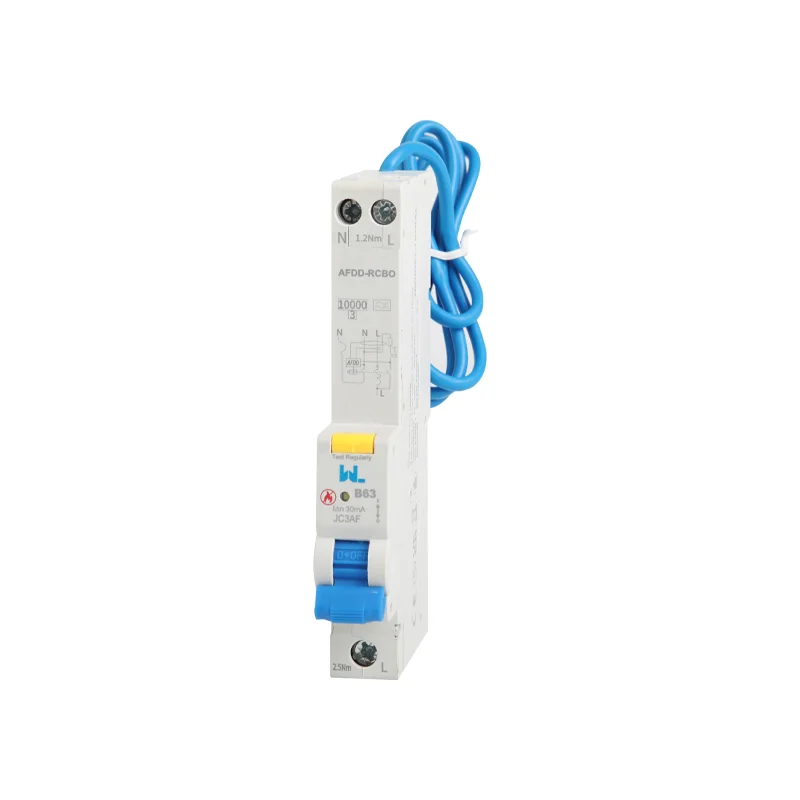
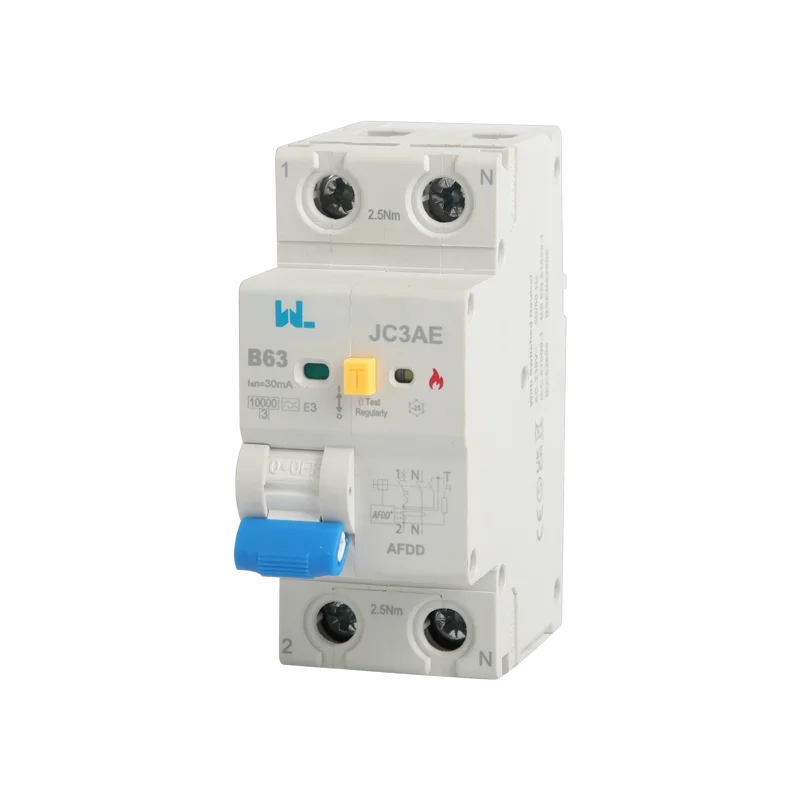
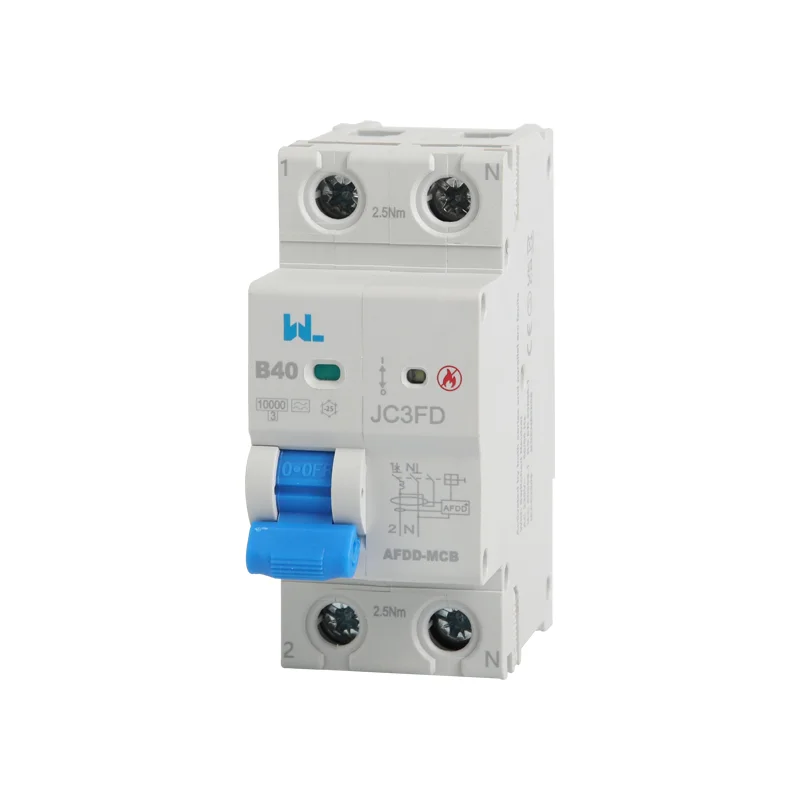




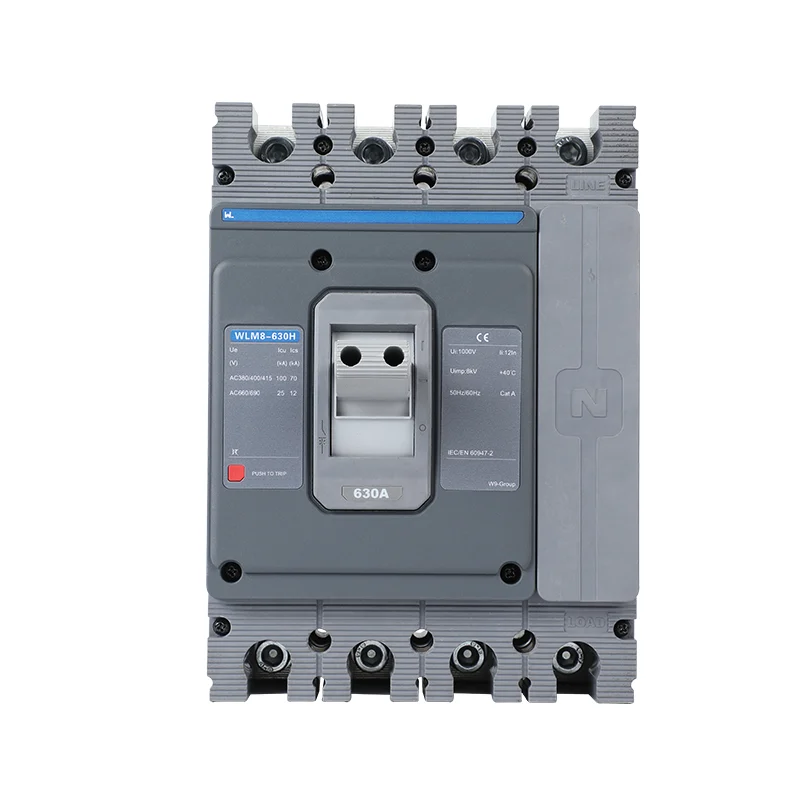
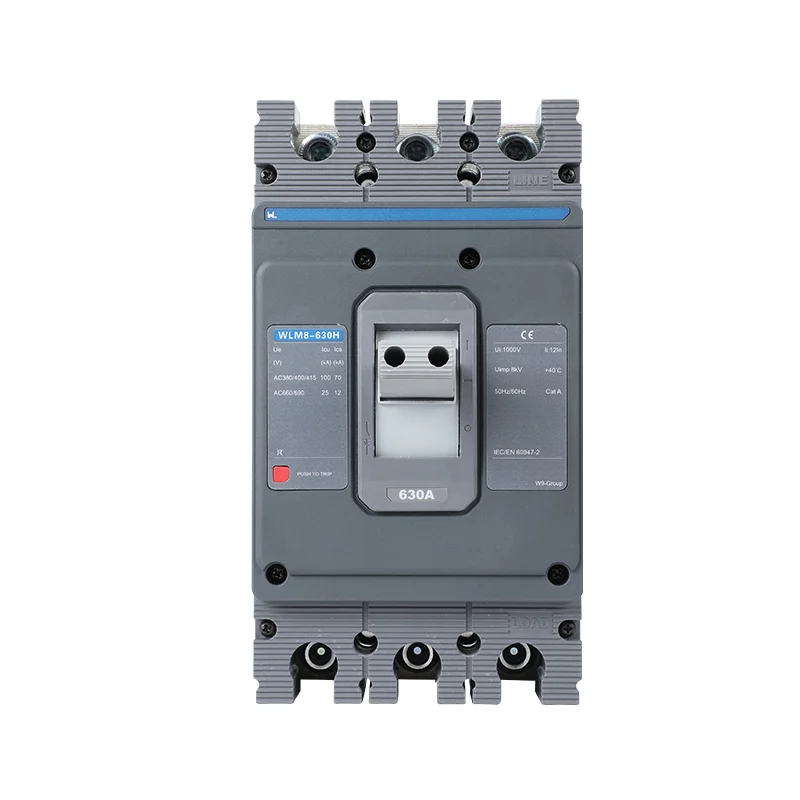
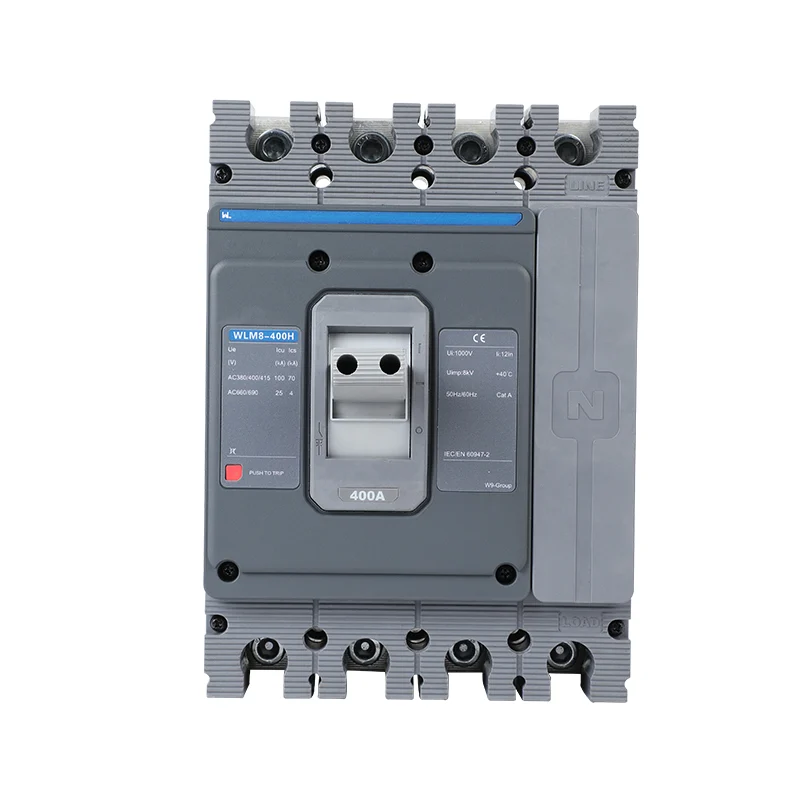
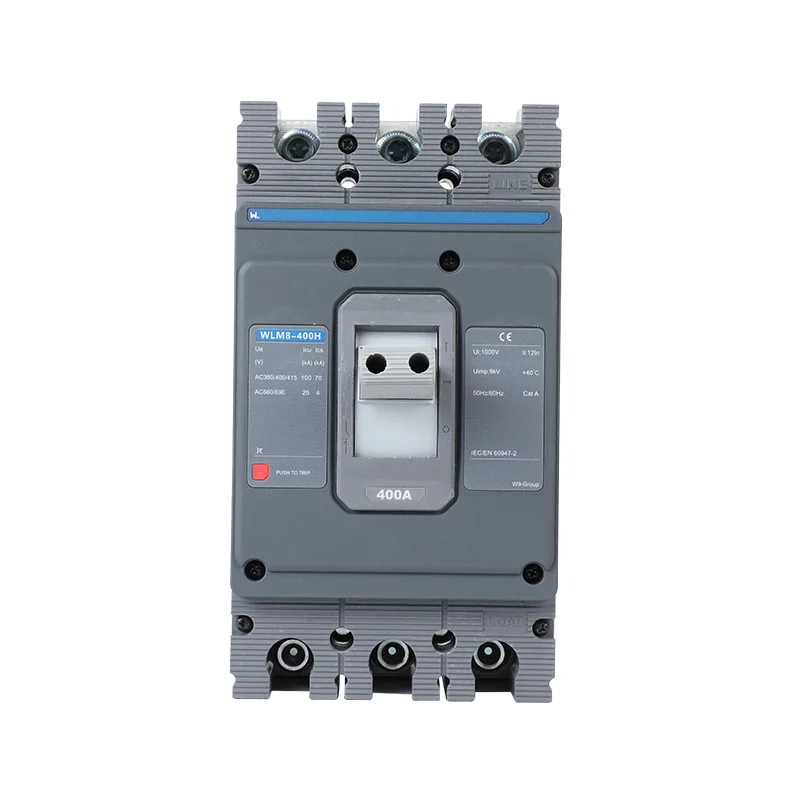
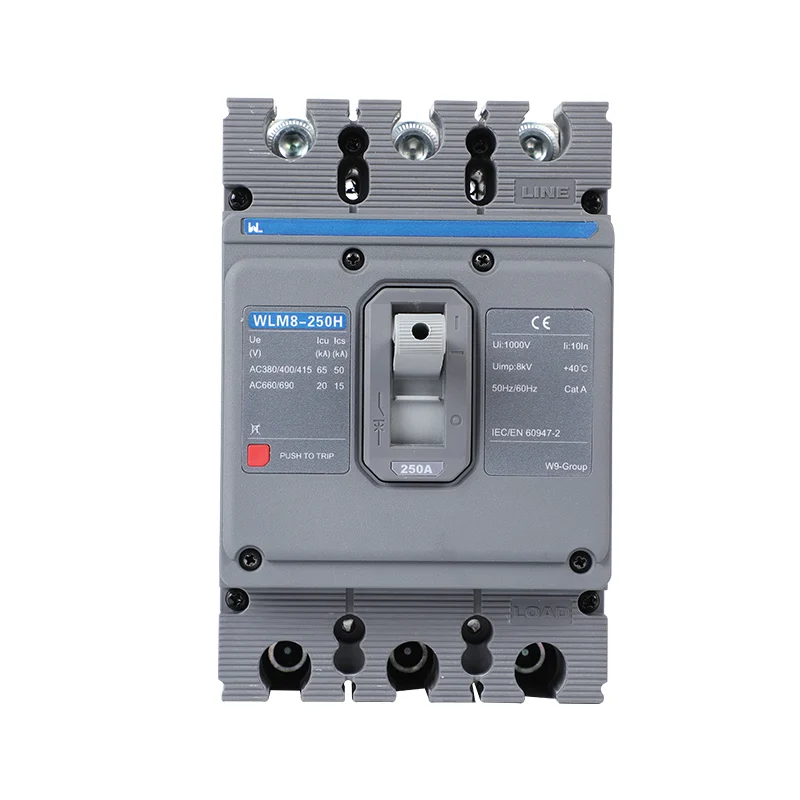






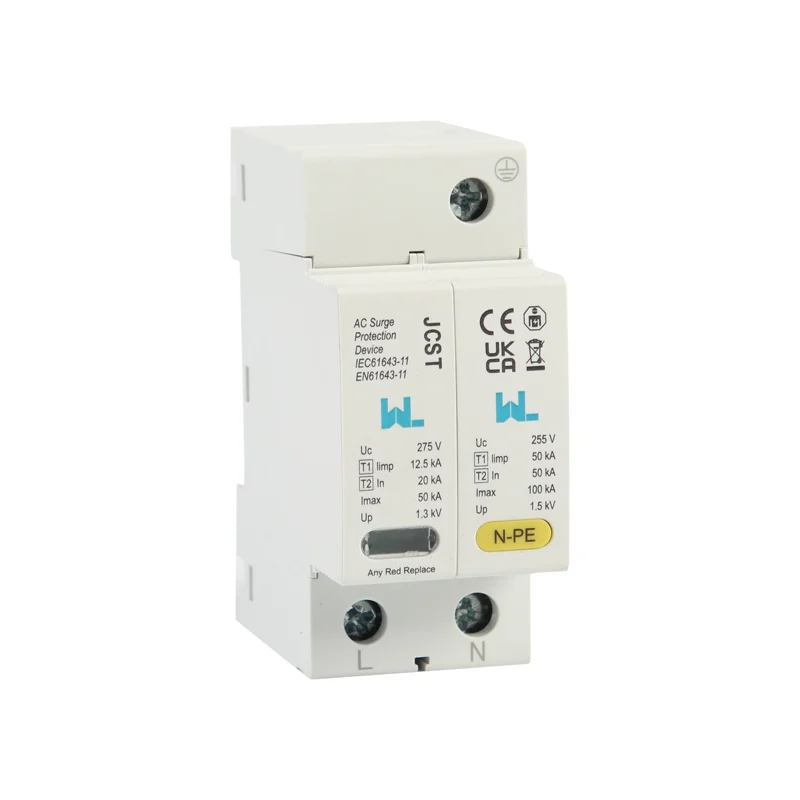
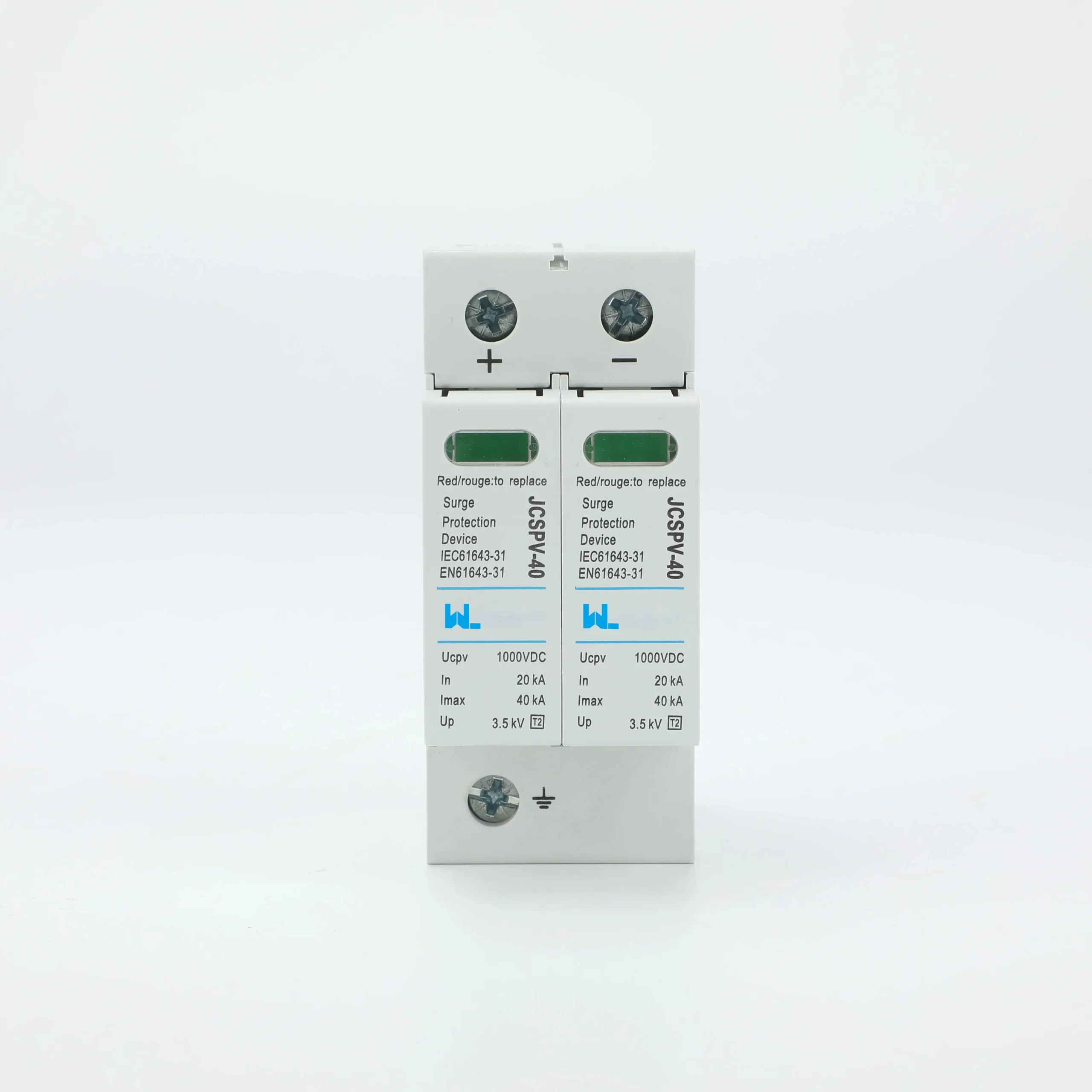
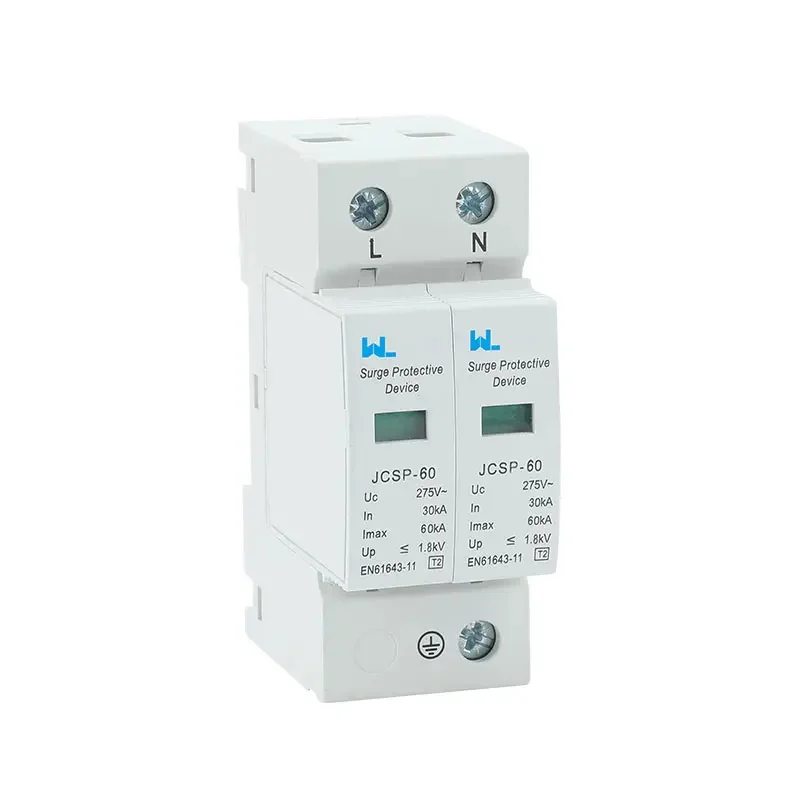
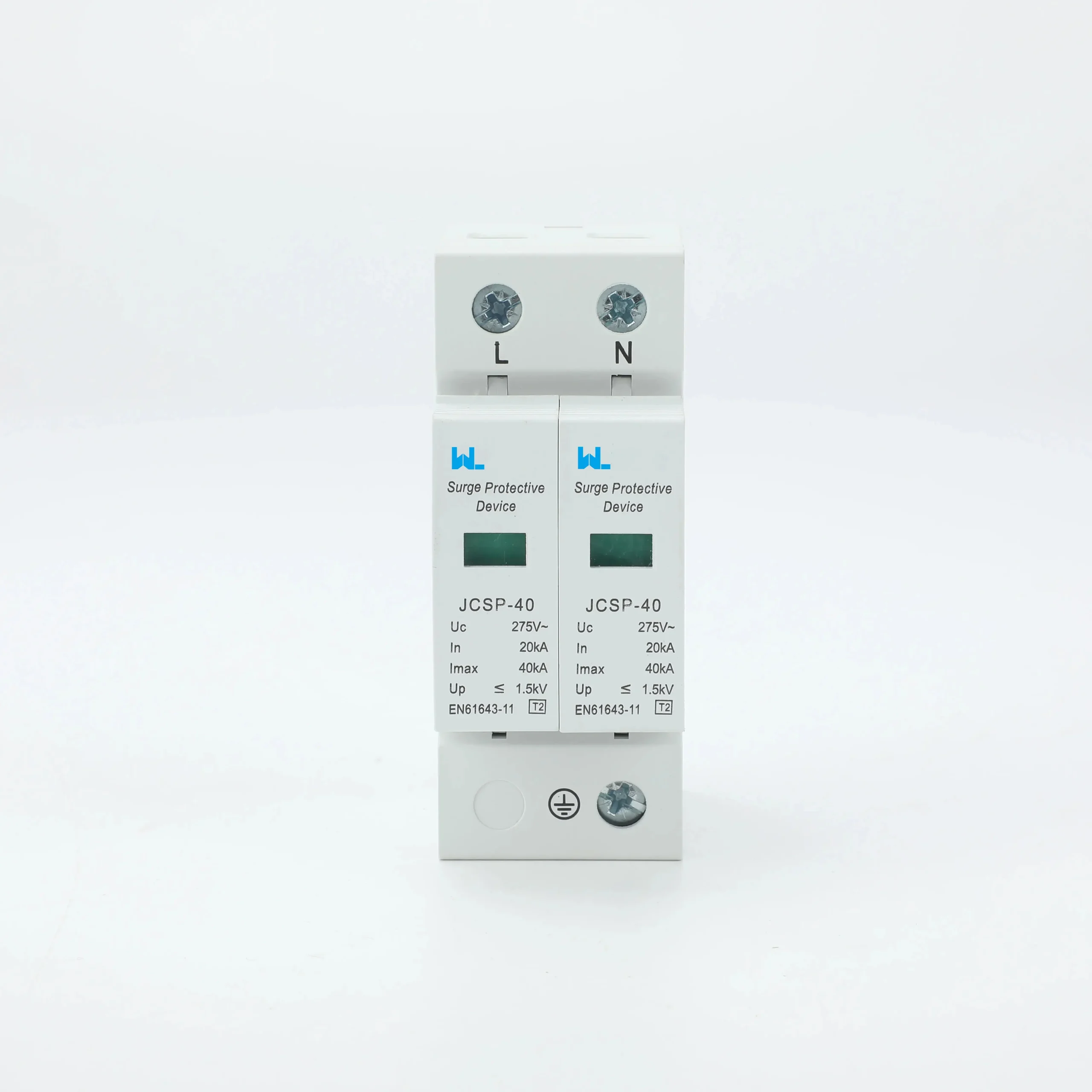
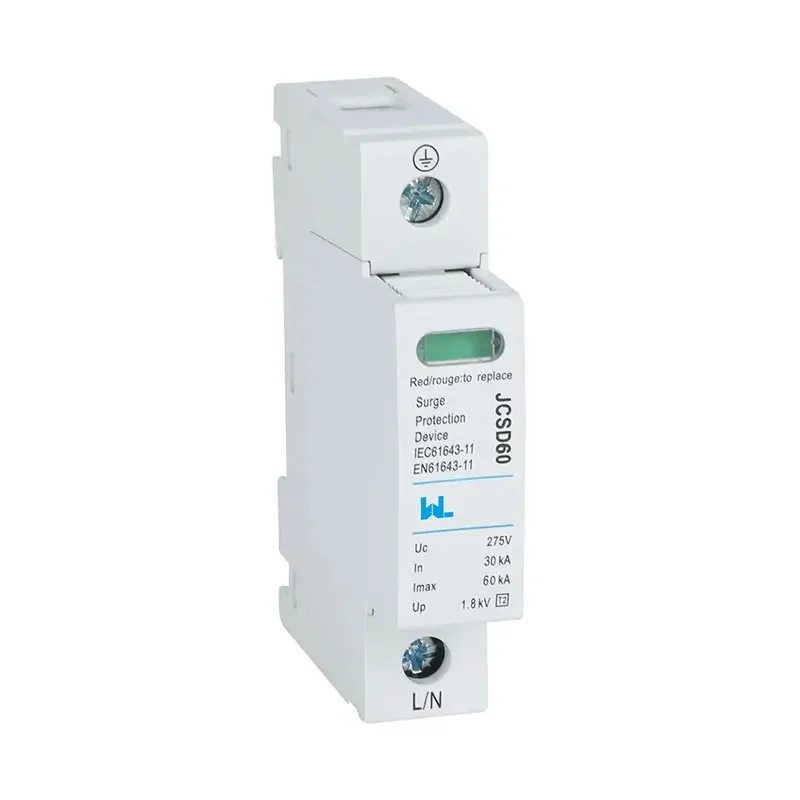
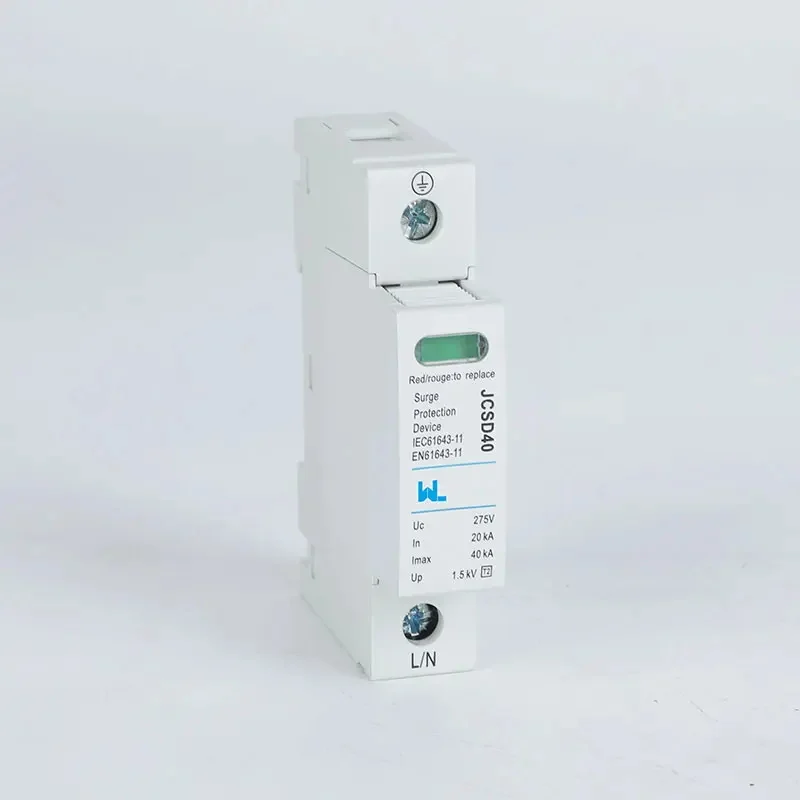









ユニバーサル遮断器:さまざまな電気保護ニーズに対応
事例としての想定であり、実際の顧客事例を記録したものではありません。モンテレイに勤務する試運転エンジニアのエレナが、新しい包装ライン用に「ユニバーサル」タイプの遮断器を受け入れた際、モーターラベルに記載された値に合わせてダイヤルを設定し、電源投入を行いました。ところが数分も経たないうちに、再起動のたびに遮断器がトリップしてしまいました。別の機種は閉状態を維持しましたが、工場の短絡電流評価試験には合格しませんでした。これらの機器に欠陥があったわけではありません。仕様書では、柔軟性のある製品名を定格値と誤認し、故障電流や動作特性曲線、付属品、さらには適用される規格の確認も行わずにいたのです。この経験は、すべての盤組立業者にとって現実的な課題を提起しています。すなわち、いかにして一つのユニバーサル型回路遮断器が、それぞれ異なる保護機能を確実に果たせるのか、という問題です。
概要:ユニバーサル遮断器は設定可能な低圧遮断器であり、設計データを無視するための免罪符ではありません。定格電圧(IEC 60947-2では交流1,000 Vまたは直流1,500 Vまで対応)および連続電流を確認してください。, 将来的な故障電流, 枠組みを選定する前に、遮断機能および協調性を検討してください。その後、製品の構造と証拠資料を市場要件に適合させます。IEC 60947-2、UL 489、NFPA 70では、求められる文書化の水準が異なります。書面によるスケジュールと立会い試験を実施することで、不要な誤動作の発生、許容外の通過エネルギーによる危険、および高コストな盤の改修を防ぐことができます。.
ユニバーサル回路ブレーカーの仕様
この用語は、カタログによって異なる意味で使用されています。あるプロジェクトでは、交換可能なトリップユニットを備えたエア遮断器を指す場合があり、別のプロジェクトでは、長時間および短時間の設定が調整可能なモールドケース回路ブレーカーを指す場合があります。いずれの意味も、あらゆる電圧、波形、設置環境に適合することを保証するものではありません。誠実な対応としては、当該プロジェクトにおいて共通して適用される機能、定格および付属品を明確に定義し、その限界を記録しておくことが求められます。.
Start with four electrical inputs:
- System duty: nominal voltage, frequency, phase arrangement and earthing method.
- Load profile: design current, motor inrush, transformer magnetising current and planned expansion.
- Fault duty: prospective short-circuit current at the installation point, plus required short-time withstand.
- Protection objective: overload, short-circuit, earth-fault and—where specified—residual-current or arc-fault functions.
IEC 60947-2 distinguishes utilization categories A and B; category B devices are intended to withstand a defined short-time current for selectivity. That distinction matters more than the word “universal” when an upstream breaker must remain closed while a downstream device clears a fault.
トリップテクノロジーの選定
Thermal and magnetic protection
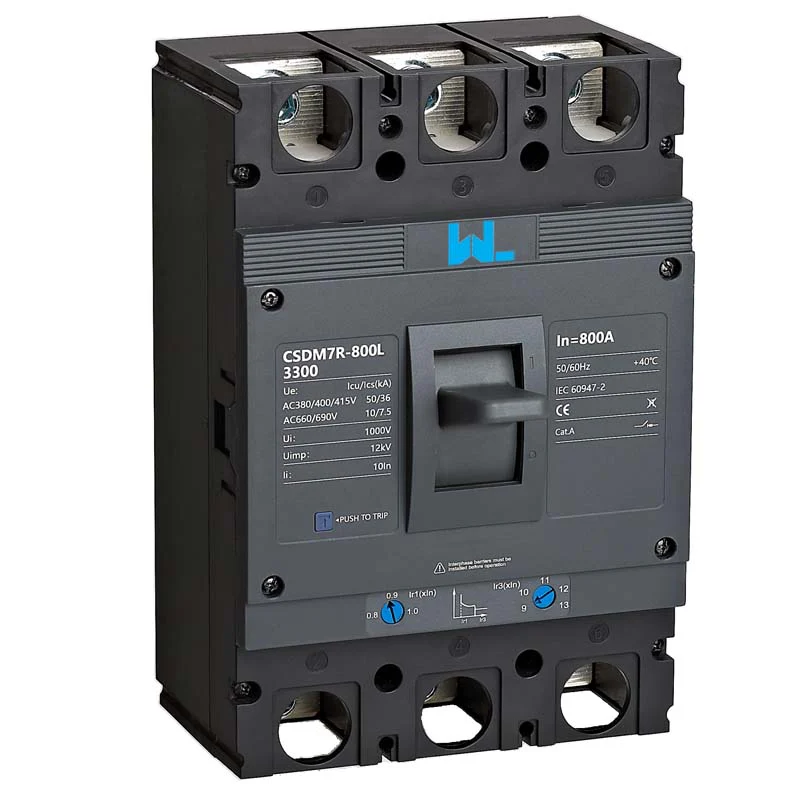
A thermal element responds to sustained overload; a magnetic element responds rapidly to high fault current. Electronic trip units add measured long-time (L), short-time (S), instantaneous (I) and earth-fault (G) functions. IEC 60947-2 requires the declared characteristics and verification tests to be tied to the rated voltage and current, so a setting copied from a different frame is not evidence of coordination.
Use manufacturer 時間電流曲線 rather than a single pickup number. For example, a motor feeder may need a short-time delay to ride through starting current, while a lighting feeder generally benefits from a lower instantaneous threshold. The correct choice limits conductor heating (I²t) without sacrificing selectivity.
Accessories and communications
Undervoltage releases, shunt trips, auxiliary contacts, alarm contacts and motor operators can turn the same breaker family into a remote-isolation or load-shedding device. Each accessory adds terminals, control voltage and a test point; UL 489 and IEC 60947-2 require those combinations to be evaluated as declared configurations. Ask for wiring diagrams, terminal torque values and an accessory compatibility matrix before ordering.
Compare configurations by lifecycle value
A universal frame can reduce spare-part variety, but total cost depends on engineering time, downtime and proof testing. Use this comparison during a design review; values are qualitative until the project schedule and test report are complete.
| 寸法 | Fixed, thermal-magnetic | 調整可能な電子式 | Withdrawable, accessory-rich |
|---|---|---|---|
| Protection range | Defined curve; limited field adjustment | L/S/I/G settings support coordination | Same functions plus service/test positions |
| パネル統合 | Simple mounting and fewer control wires | Needs setting schedule and CT/neutral checks | Cradle, shutters and interlocks add space |
| メンテナンス | Replacement normally requires isolation | Trip-unit and secondary-injection testing | Spare can be racked in after isolation procedure |
| Compatibility risk | Mostly voltage, poles and terminal fit | Settings, sensors and firmware must match | Mechanical keying and accessory coding also apply |
| TCO tendency | Lowest initial cost for stable loads | Lower redesign risk where loads vary | Higher initial cost; can reduce critical downtime |
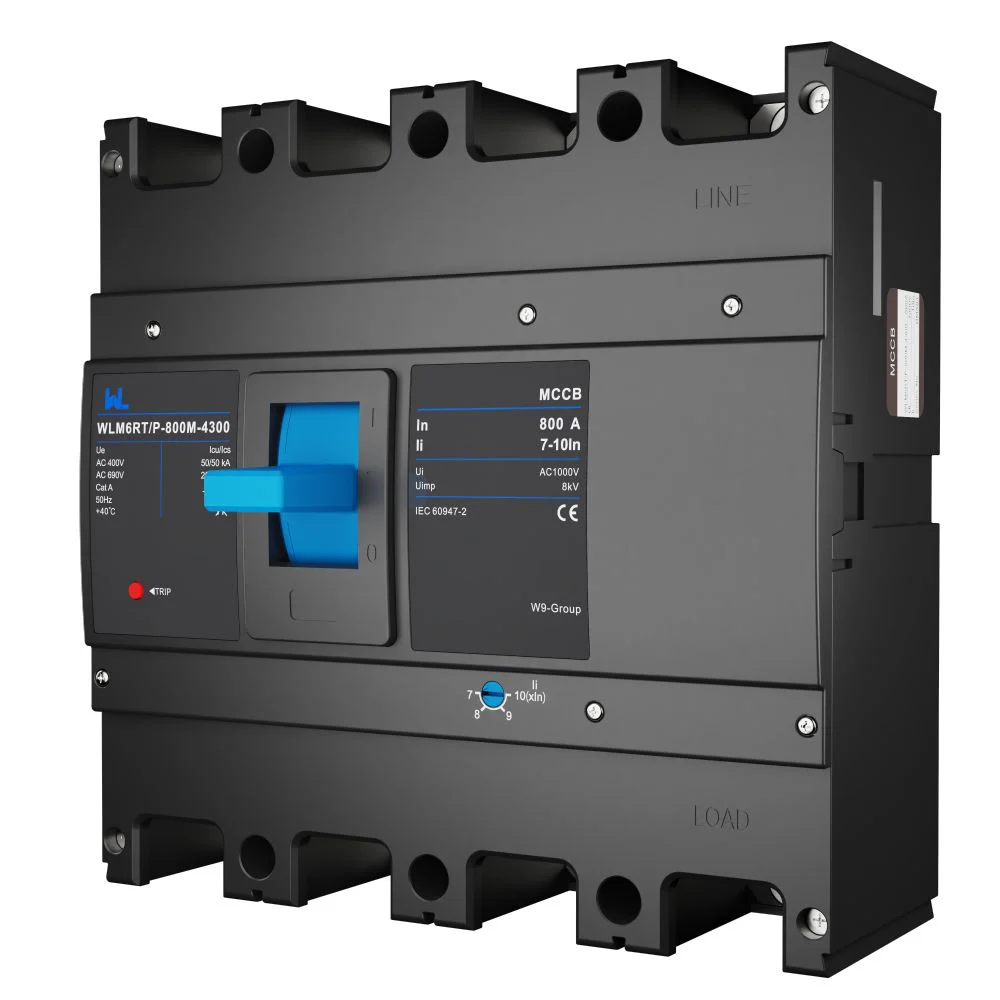
MCCBの構成 should be shortlisted by the required protection functions and documented electrical duty.
Universal Circuit Breaker Applications
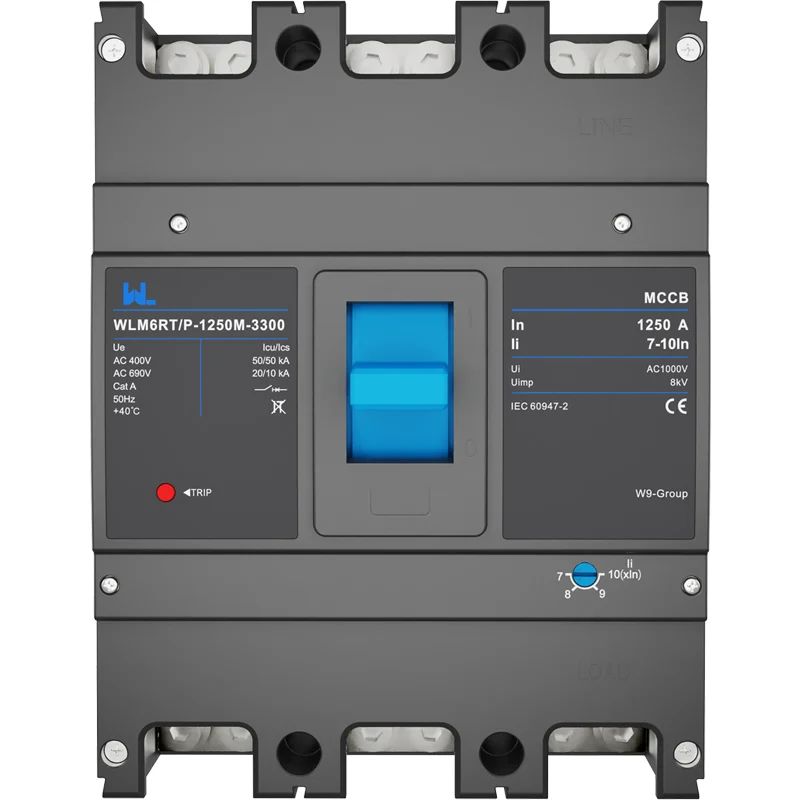
“Universal” is most valuable when a platform serves several duty classes. Separate applications by the stress they place on the breaker, then select a documented configuration rather than one nominal model for all.
| 申請 | Key electrical check | Useful configuration | 請求する証拠 |
|---|---|---|---|
| Utility or generator incomer | Available fault current; neutral and grounding scheme | High interrupting rating, L/S/I/G, shunt trip | Type-test report at stated voltage; selectivity study |
| Motor control centre feeder | Starting current and locked-rotor duration | Adjustable short-time/instantaneous; motor-capable terminals | Time-current curve and coordination data |
| Photovoltaic combiner or DC bus | Polarity, DC arc energy and string current | DC-rated breaker with correct pole series connection | DC test rating; installation instructions |
| 商業用配電盤 | Conductor ampacity and local code requirements | Compact MCCB/MCB with auxiliary alarm contact | Declaration, markings and torque schedule |
| Critical process line | Continuity, remote trip and maintenance window | Withdrawable breaker, UV release and communications | Interlock test, secondary injection and spare plan |
Circuit Breaker Compliance Requirements
Standards are not interchangeable badges. IEC 60947-2 is the principal product standard for low-voltage circuit-breakers; it defines ratings, dielectric tests, temperature-rise checks, operating performance and short-circuit verification. IEC 60947-1 supplies general rules used with the part-2 requirements. A test method or type-test report supports a declared configuration; it does not automatically certify every installation.
For North American panels, UL 489 addresses molded-case circuit breakers, while NFPA 70 (the NEC) governs installation. NEC 110.9 requires equipment to have an interrupting rating adequate for the available fault current, and 110.10 addresses circuit impedance and overcurrent protection. Local authorities may require a listed product, field labeling or a short-circuit study; confirm the adopted edition and jurisdiction.
For DC photovoltaic systems, verify the breaker’s DC interrupting rating, polarity and series-pole instructions. Never infer DC suitability from an AC mark. Unsupported “universal,” “global” or “certified” claims can trigger rejected submittals, failed inspections, warranty disputes and a forced replacement program.
Breaker Configuration Checklist
- Issue a one-line diagram and load schedule with voltage, frequency, continuous current, fault current and ambient temperature.
- Define the protection functions and settings; attach time-current curves and a selectivity or arc-flash study where required.
- Freeze mechanical details: poles, terminals, bus spacing, mounting depth, creepage/clearance and enclosure IP rating.
- List every accessory, control voltage and communication protocol; require a point-to-point wiring and functional test.
- Plan incoming inspection, torque verification, primary or secondary injection and periodic maintenance using the supplier’s manual.
At this decision stage, W9 Group can provide configurable circuit-protection products, drawings and test documentation for the selected duty. Buyers should compare the supplied evidence with the project’s adopted IEC or UL route; certification language should be limited to what the documentation actually covers. The site’s thermal-magnetic selection guide and trip-device overview are useful review references.
よくある質問
Is a universal circuit breaker suitable for both AC and DC?
Only when the exact model is marked and tested for both duties at the required voltage and pole connection. AC interrupting data cannot be reused for DC; request the DC test rating and wiring instructions.
Does an adjustable trip unit make any breaker universal?
No. Adjustment changes protection thresholds, not the frame’s interrupting capacity, insulation, terminals or environmental limits. Set the trip unit from a documented 調整研究 and seal or record the final values.
How do I size a universal circuit breaker for a motor?
Use the motor’s design current, starting profile, conductor ampacity and available fault current; then select a curve that avoids nuisance trips while clearing faults within the required time. Verify the result with the manufacturer’s time-current data and local code.
What documents should a distributor include with the breaker?
Request the datasheet, declaration or listing information, dimensional drawing, terminal and accessory diagrams, test reports for the stated configuration, and installation and maintenance instructions. Missing evidence is a procurement risk even when the nameplate looks correct.
Can one spare replace breakers across a plant?
Only if frame, trip unit, ratings, accessories, control voltage and mounting are identical—or formally approved as compatible. A spare strategy should list approved substitutions and require a settings and functional check before energisation.
参考文献
The dependable choice is not the breaker with the broadest label; it is the configuration whose limits, tests and settings are visible. W9 Group builds that decision into configurable protection platforms—review the adjustable MCCB product page, share your one-line diagram and contact the engineering team for a duty-specific quotation.
提案された構成を確認するには、, W9グループへのお問い合わせ 負荷スケジュール、利用可能な故障電流、および宛先市場の要件を考慮して。.