























適切なサーマル磁気遮断器の選び方:実用的なヒント
負荷電流値だけで選定したサーマルマグネティックブレーカーでも、回路には適していない場合があります。起動電流、導体の許容電流、および供給可能な短絡電流の大きさが、それぞれ異なる制約を課します。カーブを選定する際にはこれら三つの要素を必ず比較し、後からの交換によって当初の保護設計が損なわれないように、その根拠を記録しておきましょう。.
要約:適切なサーマル磁気式回路ブレーカーは、設計電流およびケーブルの許容電流に適合します。, 将来的な故障電流, 電圧、極数および負荷の突入電流。その熱トリップ装置は持続的な過負荷に対応し、磁気トリップ装置は大電流の故障を迅速に遮断します。該当するIEC規格(一般に、家庭用またはそれに準ずるMCBについてはIEC 60898-1、産業用ブレーカーについてはIEC 60947-2)に基づき、Iを確認してくださいcu/Ics あるいは、私cn, 、および購入前のドキュメントの調整。.
サーマル・マグネティックブレーカーは、温度応答型過負荷脱扣器と電磁式短絡脱扣器を組み合わせたものです。サーマル応答は遅延性があり、電流および運転条件に依存しますが、マグネティック応答は規定の作動範囲内で動作します。いずれの応答も単独では、モータの過負荷保護に適しているとは言えません。, 残留電流保護 or safe isolation. Compare the declared duties with the application.
Electrical Duty Requirements
Record design current, protective-device rating or approved adjustable setting, corrected conductor capacity and prospective short-circuit current at the circuit origin. For conventional conductor overload coordination, the basic current relationship is Ib ≤ In ≤ Iz, subject to the applicable installation rules; the protective device’s operating-current condition must also be satisfied. Use manufacturer correction factors for ambient conditions and grouping instead of treating nameplate current as usable current in every enclosure.
- Voltage and poles: confirm AC system voltage, frequency, neutral switching and whether a 1P, 2P, 3P or 4P device is required.
- Fault level: choose a declared interrupting capacity above the calculated prospective fault current; do not substitute a marketing “short-circuit rating” for a test value.
- Load profile: note heaters, LED drivers, transformers, motors and welders whose inrush can be several times steady-state current.
- Environment: check enclosure temperature, humidity, dust and vibration against the manufacturer’s operating limits.
Thermal-Magnetic Trip Characteristics
Thermal Overload Protection
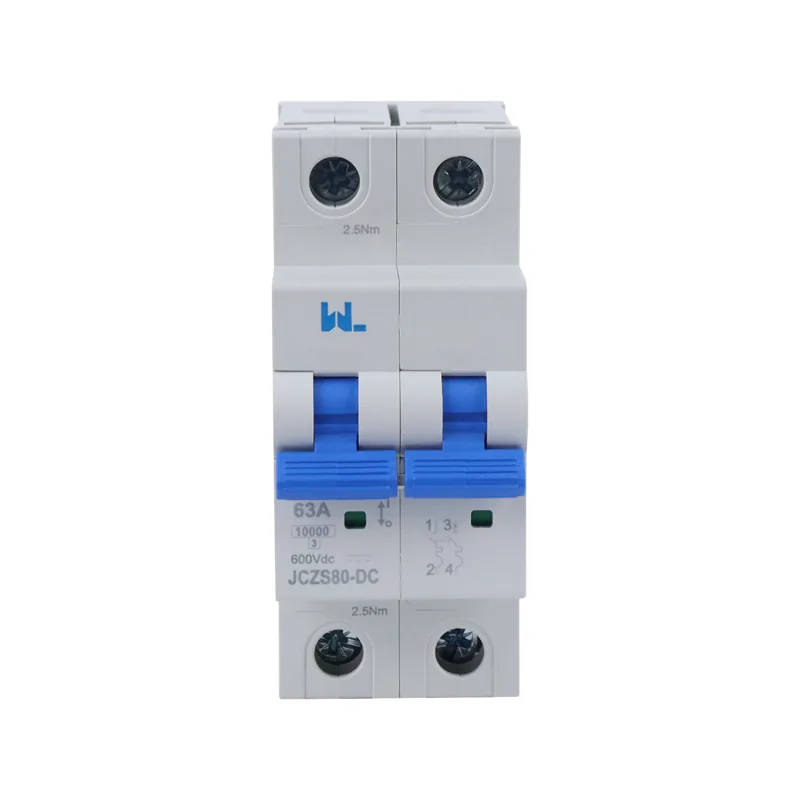
The bimetal responds to I²t heating. A modest overload may take seconds or minutes to trip, while a larger overload bends the strip faster. This delay protects motors and transformers during normal starting, but it cannot be treated as a fixed timer. IEC 60947-2 requires time-current performance to be verified at declared reference conditions; the actual trip time changes with ambient temperature and pre-heating.
Magnetic Short-Circuit Protection
The instantaneous release acts within a declared pickup band. B, C and D are curve designations used for relevant household and similar MCBs; do not map those letters onto every industrial MCCB. For either family, compare the time-current tolerance band with load inrush and the minimum available fault current. Changing to a higher-inrush curve merely to stop trips requires a new disconnection-time and conductor-protection check.
Motor Starting and Fault Checks
Plot the starting profile and the fault-clearing requirement separately. A breaker that tolerates starting may still leave inadequate fault protection if the minimum fault current cannot operate the selected release in time. Conversely, a suitable short-circuit breaker may need a separate motor overload device. Request the motor-starting data and the manufacturer’s tested breaker, contactor and overload combination rather than assuming that every feeder breaker provides complete motor protection.
System Rating Coordination
| パラメータ | 確認すべきこと | なぜ重要なのか |
|---|---|---|
| Rated current (In) | Load calculation, conductor ampacity and derating | Prevents cable overheating and unwanted trips |
| Rated voltage (Ue) | System voltage, frequency and insulation level | Ensures dielectric and switching performance |
| 断面積 | Icn under IEC 60898-1, or Icu/Ics under IEC 60947-2 | Confirms the device can interrupt the available fault |
| Trip curve/settings | B/C/D curve or adjustable long-time/instantaneous settings | Balances inrush tolerance and fault clearing |
| Poles and neutral | 1P–4P arrangement and switched-neutral policy | Provides the intended isolation and phase protection |
| Temperature correction | Reference ambient (often 30–40 °C) and enclosure data | Keeps continuous rating realistic |
For a feeder with a high available fault current, an MCCB may be more appropriate than a fixed-curve MCB because its adjustable long-time and instantaneous settings can improve selectivity. For a final lighting circuit, an MCB with a documented curve and Icn may be sufficient. The distinction between MCB and MCCB functions is therefore about duty and coordination, not simply physical size.
Breaking Capacity Definitions
Icn, Icu and Ics refer to different declared test duties and product-standard contexts. Compare the rating at the actual operating voltage and pole arrangement. A dual-standard marking does not make the figures interchangeable. Where an upstream device is claimed to provide backup protection, require the manufacturer’s tested combination table; an upstream rating alone cannot increase the downstream device’s declared standalone capacity.
Thermal-Magnetic Protection Compared
| デバイス | Primary protection | ぴったりなサイズ | Limitation to check |
|---|---|---|---|
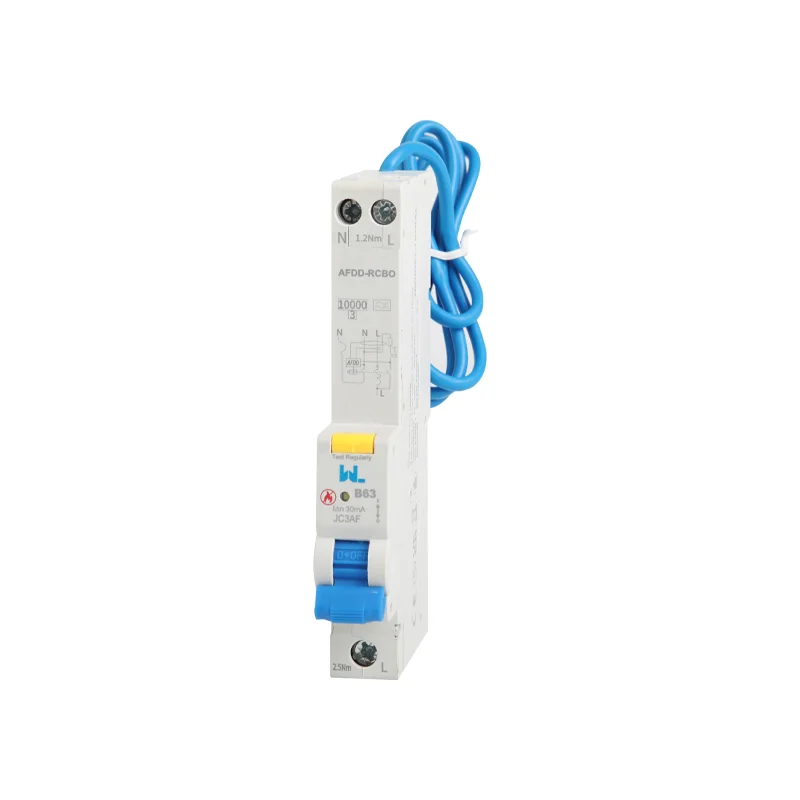
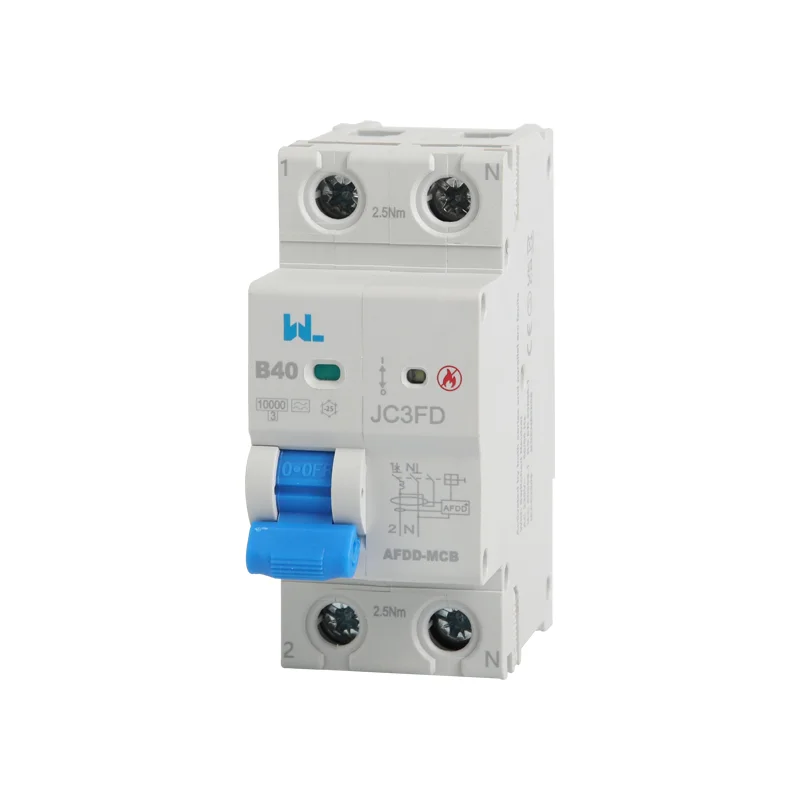
| Thermal magnetic MCB | Overload plus short circuit | Final circuits and small equipment | Limited adjustment; curve must suit inrush |
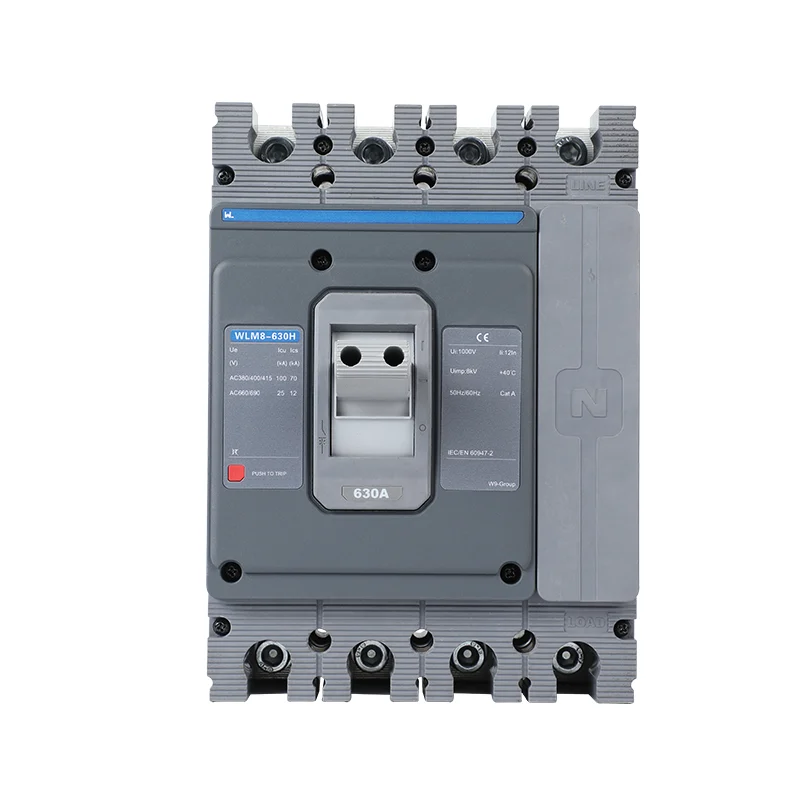
| サーマル磁気MCCB | Higher-current overload and short circuit | Feeders, motors and industrial incomers | Verify Icu/Ics, derating and coordination |
| 電子式MCCB | Adjustable L/S/I (and sometimes G) functions | Complex distribution and selectivity studies | Requires verified settings and a model-specific test procedure; auxiliary supply requirements vary by function |
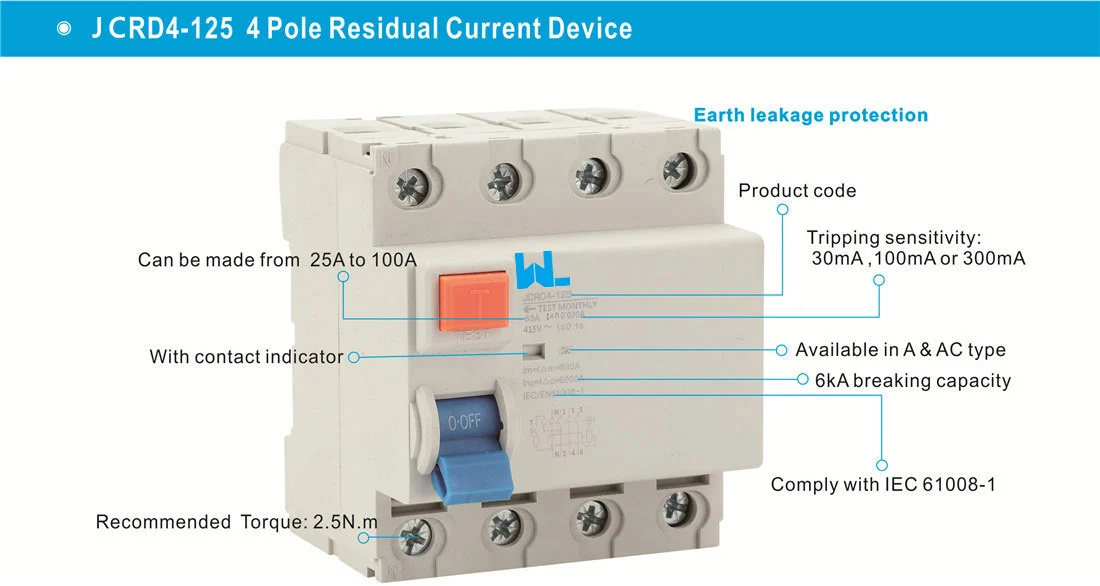
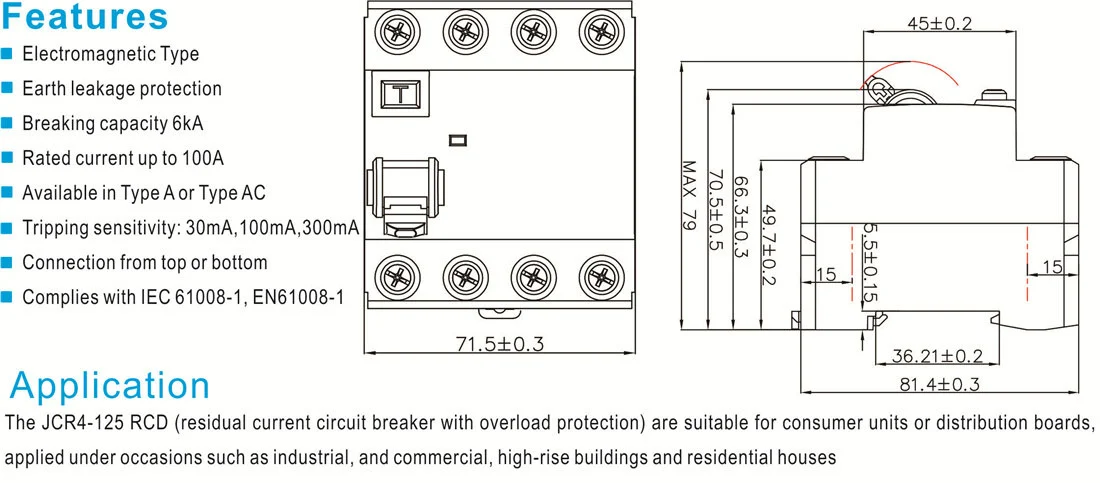
| RCCB/RCD | Residual-current imbalance | Leakage and additional shock protection | No integral overcurrent release; pair with MCB/fuse |
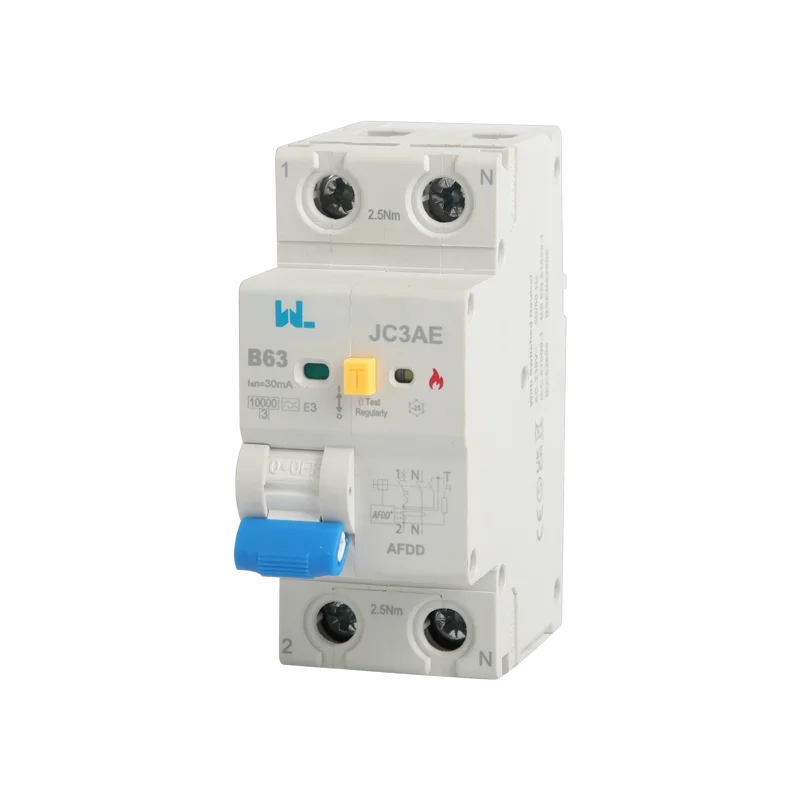
| RCBO | Residual current plus overcurrent | Individual circuits where space/selectivity matter | Check type, neutral routing and IEC 61009-1 scope |
A residual-current device does not replace a thermal magnetic breaker unless its product explicitly includes overcurrent protection. IEC 61008-1 covers RCCBs without integral overcurrent protection; IEC 61009-1 covers RCBOs. This distinction prevents a common procurement error in which a leakage device is expected to protect a cable from overload.
IEC Compliance Verification
Use the standard that matches the application. IEC 60898-1 addresses circuit-breakers for household and similar installations; IEC 60947-2 covers low-voltage circuit-breakers used in broader industrial contexts. IEC 60364-4-43 governs installation principles for overcurrent protection, while national adoptions and inspection rules remain mandatory. A product certificate does not certify the complete installation: the design still needs a fault calculation, conductor coordination, protective settings and commissioning records.
Ask the supplier for the exact model’s declaration, certificate scope, test report, pole configuration, temperature derating and time-current curves. Confirm whether the quoted breaking capacity is Icn, Icu あるいは、私cs; these terms are not interchangeable. Keep the documents with the panel so a replacement device can be matched later without guessing.
Circuit Breaker Buyer Checklist
- Calculate: establish Ib, Iz, fault current and inrush for every circuit.
- Choose the family: MCB for final circuits, MCCB for higher-current feeders, or an electronic trip unit where selectivity requires it.
- Set the curve: select B, C or D only after checking starting current and fault-loop impedance.
- Coordinate: compare upstream and downstream curves; verify backup protection and discrimination at the maximum fault.
- Inspect installation: torque terminals to the manufacturer’s value, maintain clearances and record insulation/functional tests.
- Plan lifecycle: specify spare identification, accessories, test intervals and environmental derating for future replacements.
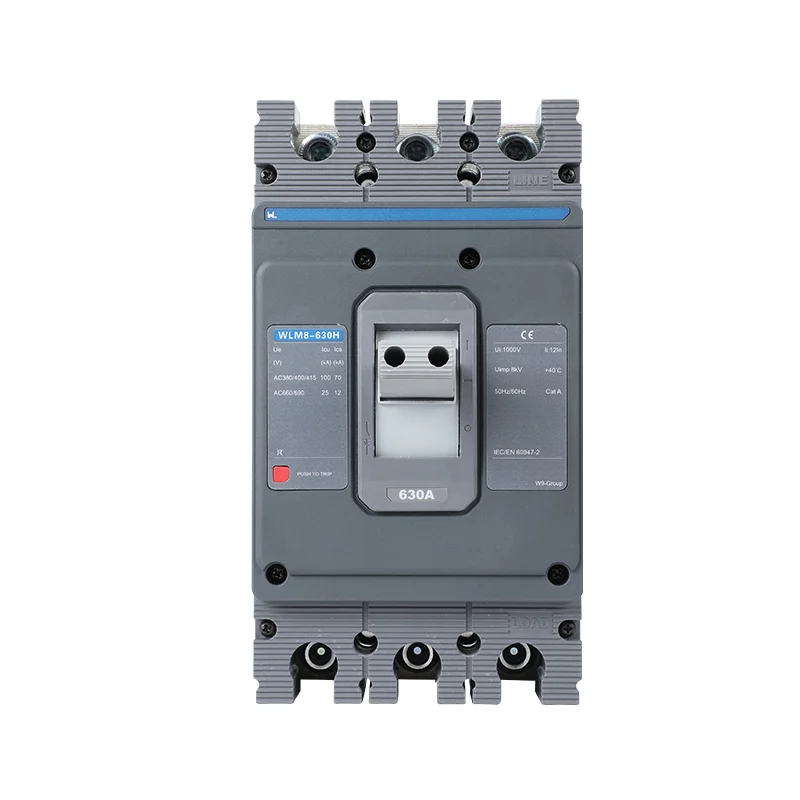
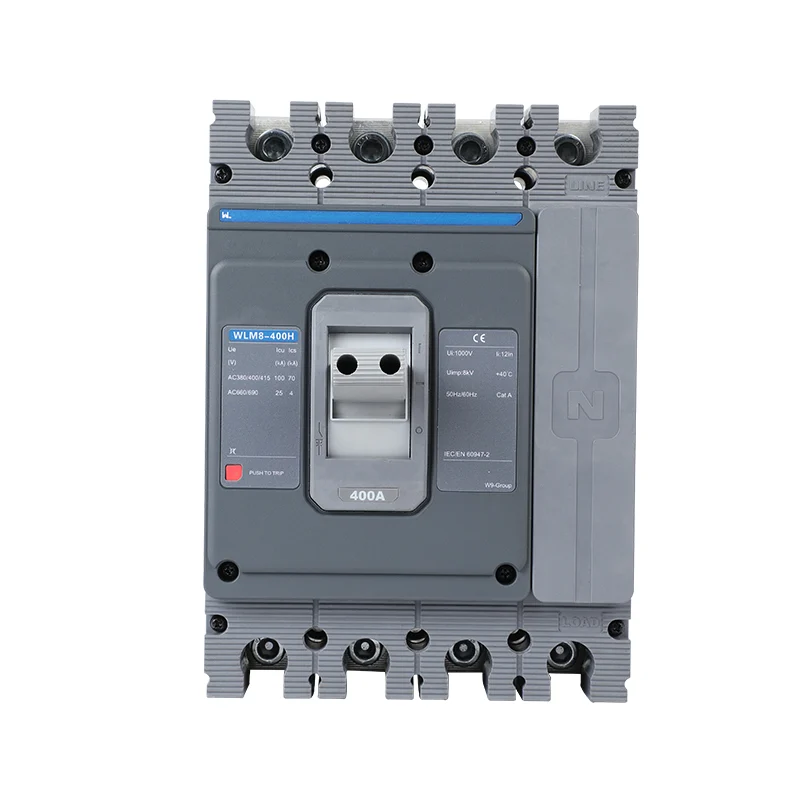
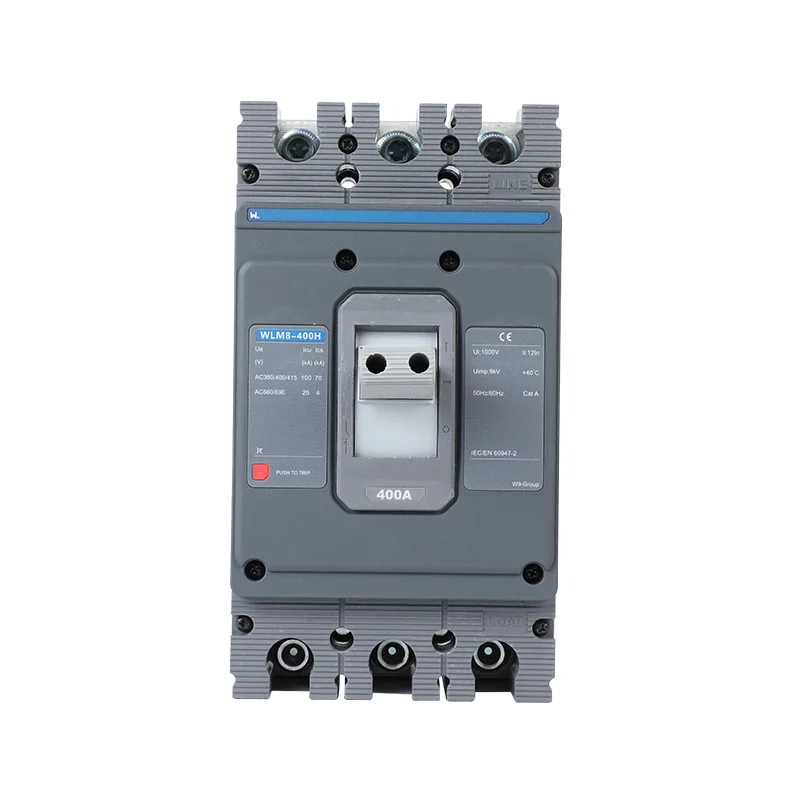
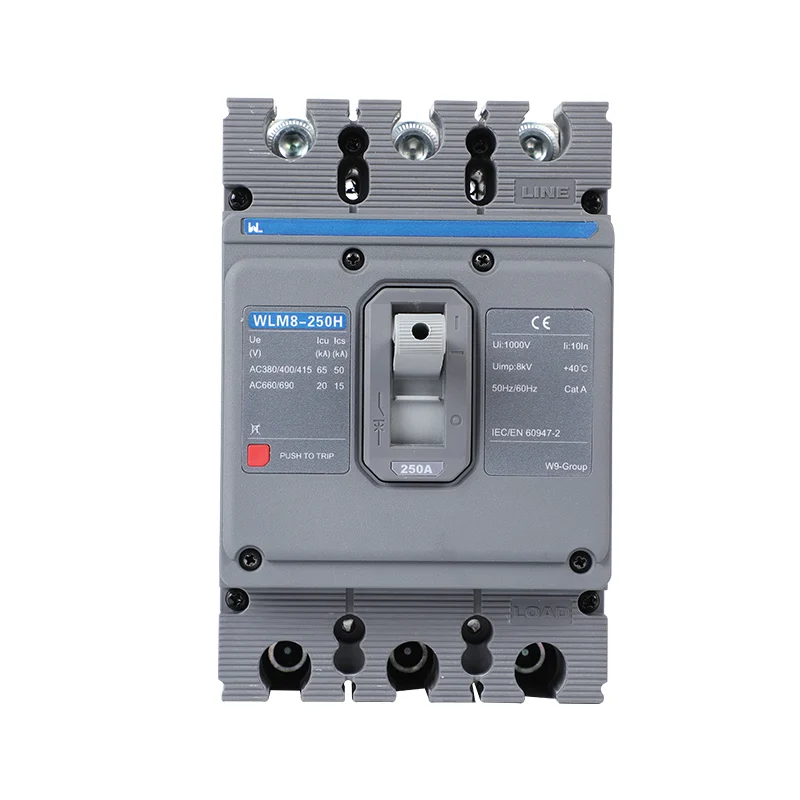
レビューを W9 Group low-voltage protection range for sourcing discussions. For thermal-magnetic selection, request the exact model’s trip curve, declared 破壊能力, installation instructions and compatible accessories. An electronic MCCB is a different trip-unit option and should not be presented as proof of the behaviour of a thermal-magnetic product.
よくある質問
How do I choose the ampere rating of a thermal magnetic breaker?
Start with the calculated design current and conductor ampacity. Select a 定格電流 that satisfies I b ≤ I n ≤ I z after ambient and grouping derating; then verify voltage and breaking capacity against the fault study.
Which curve is better, B, C or D?
None is universally better. B suits low-inrush loads, C tolerates moderate inrush, and D tolerates higher inrush from motors or transformers. Confirm exact trip multiples and disconnection time under IEC 60898-1 and local rules.
Is an MCCB always safer than an MCB?
No. An MCCB offers higher ratings and often adjustable protection, but safety depends on correct settings, fault capacity and coordination. A properly selected MCB can be the right device for a final circuit.
Can an RCCB replace a thermal magnetic breaker?
No. An RCCB under IEC 61008-1 detects residual current but has no integral overcurrent release. Pair it with an appropriately rated MCB or use an RCBO under IEC 61009-1 when combined protection is required.
What documents should a supplier provide?
Request the model data sheet, declaration, certificate scope, test report, time-current curves, derating information, wiring diagram and coordination data. Match every document to the exact catalogue number and destination market.
参考文献
The difference is not merely the ampere number on the handle—it is the quality of the duty calculation, the trip curve and the evidence behind the choice. W9 Group builds low-voltage protection products for that decision point; review the technical support resources and contact W9 Group for model-specific documentation before the schedule is frozen.
提案された構成を確認するには、, W9グループへのお問い合わせ 負荷スケジュール、利用可能な故障電流、および宛先市場の要件を考慮して。.