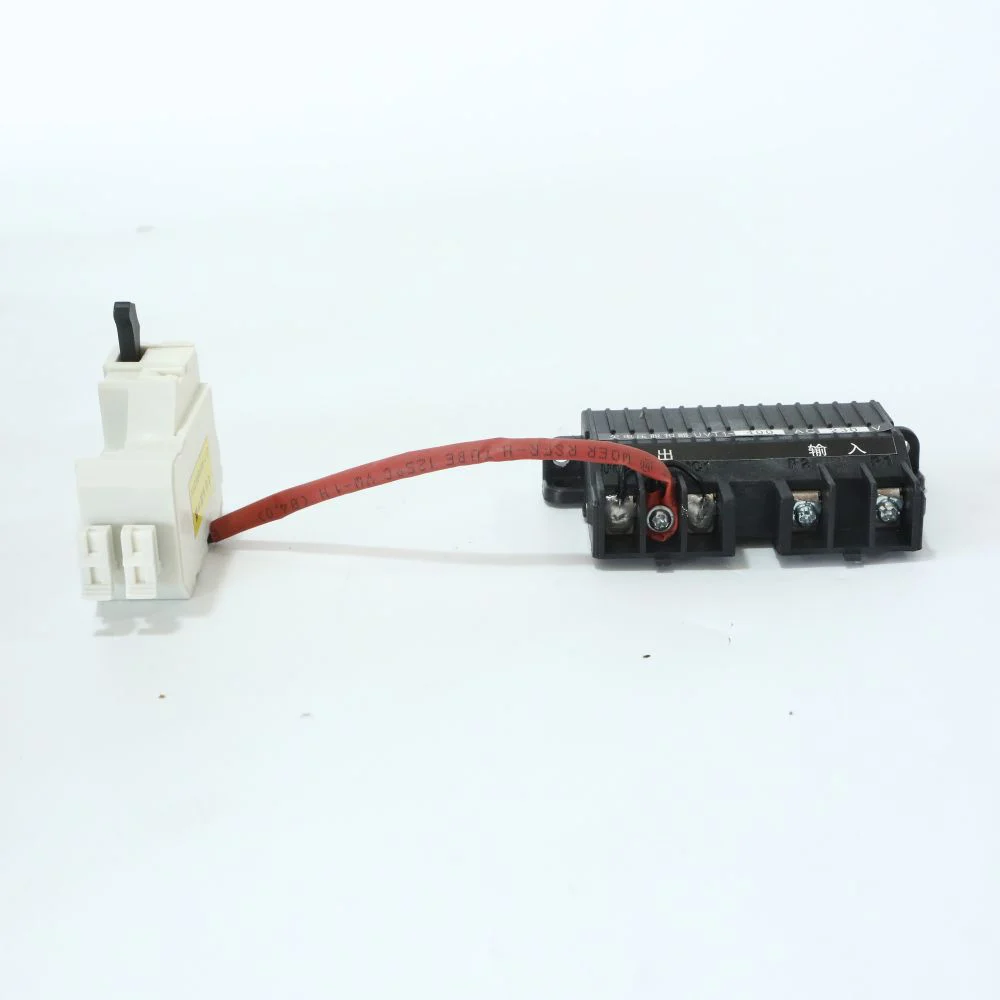
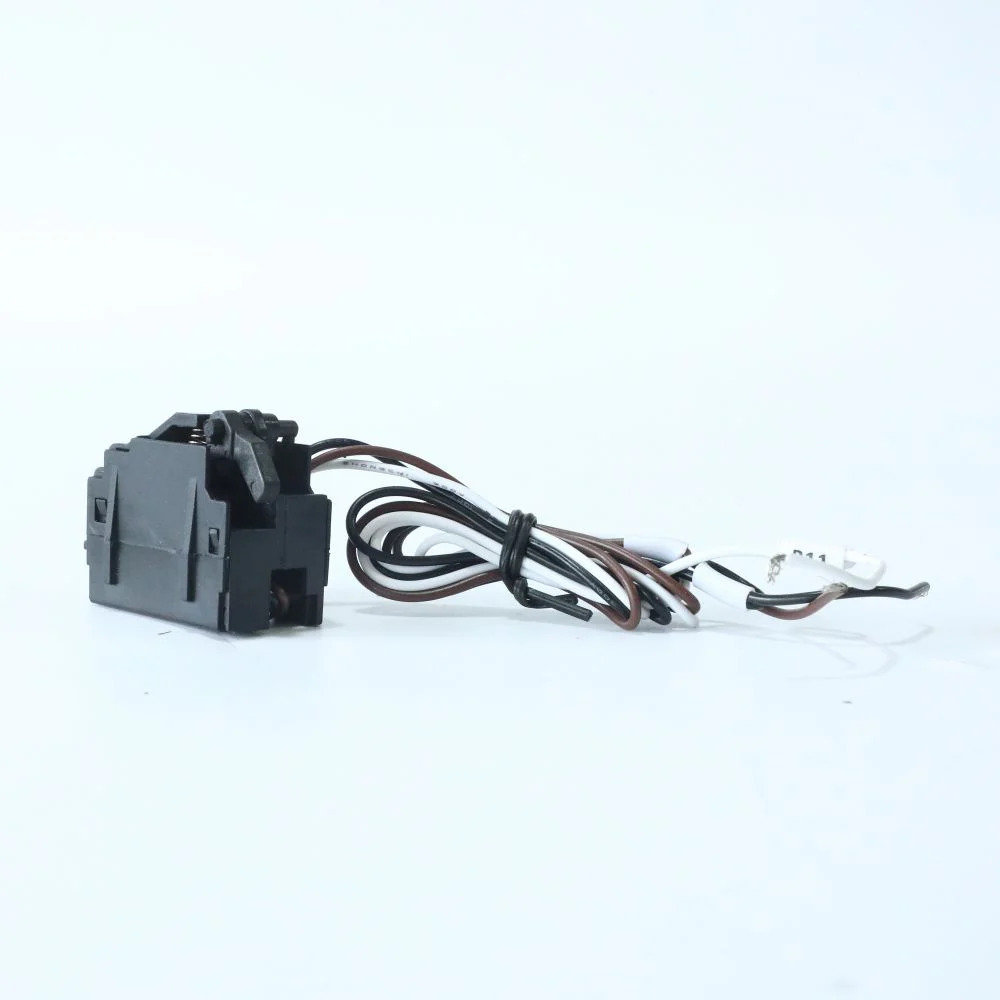
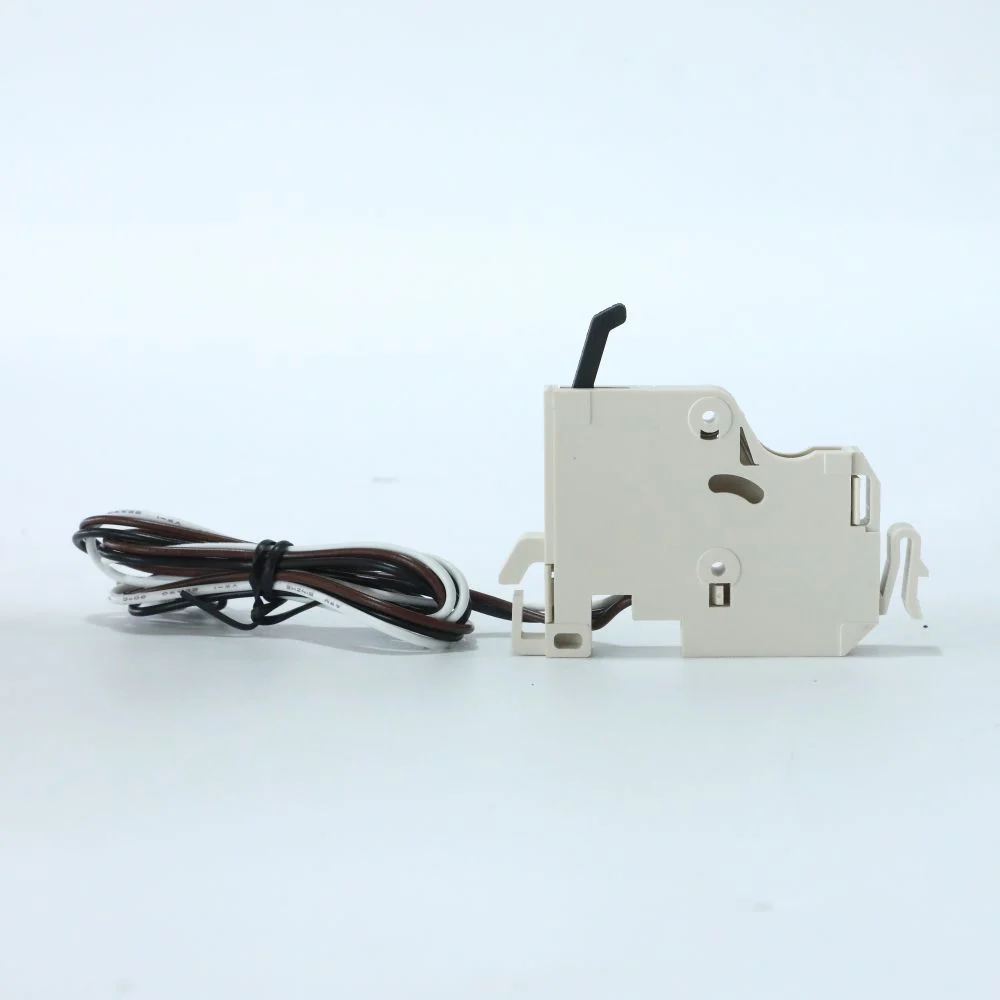
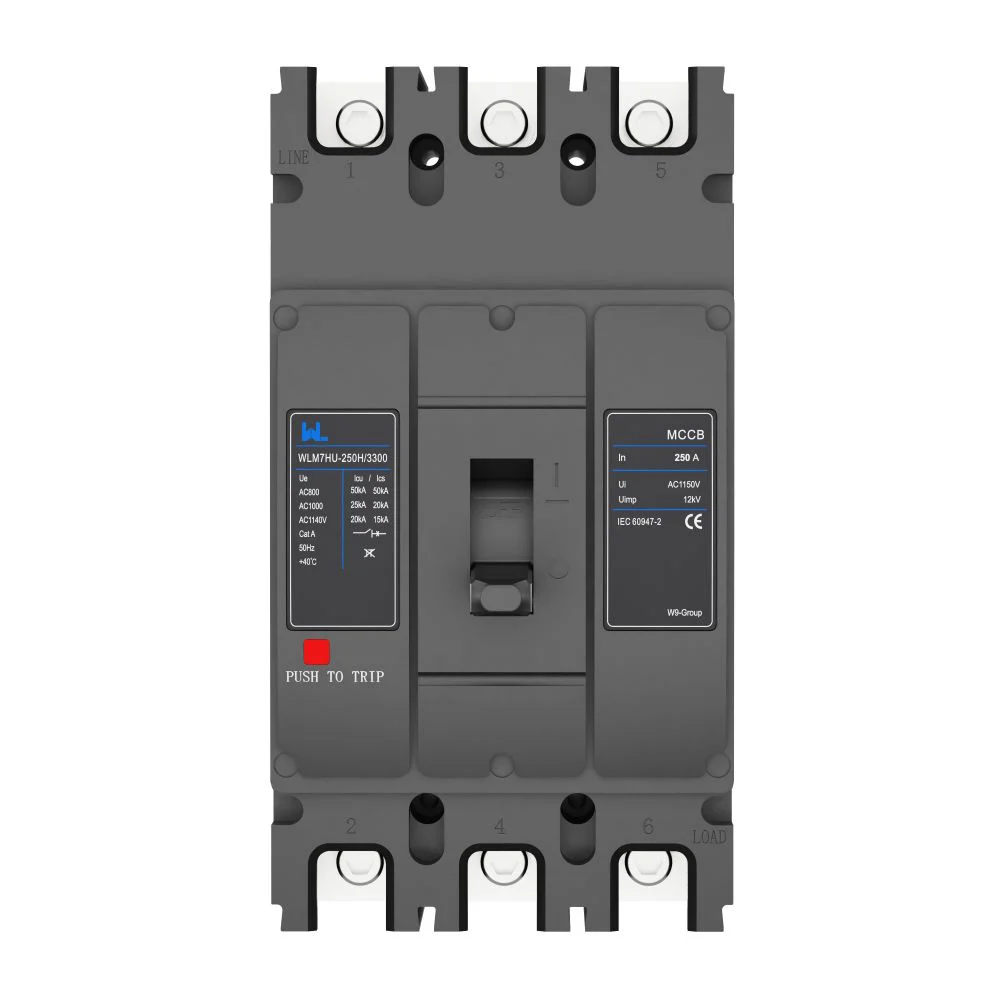
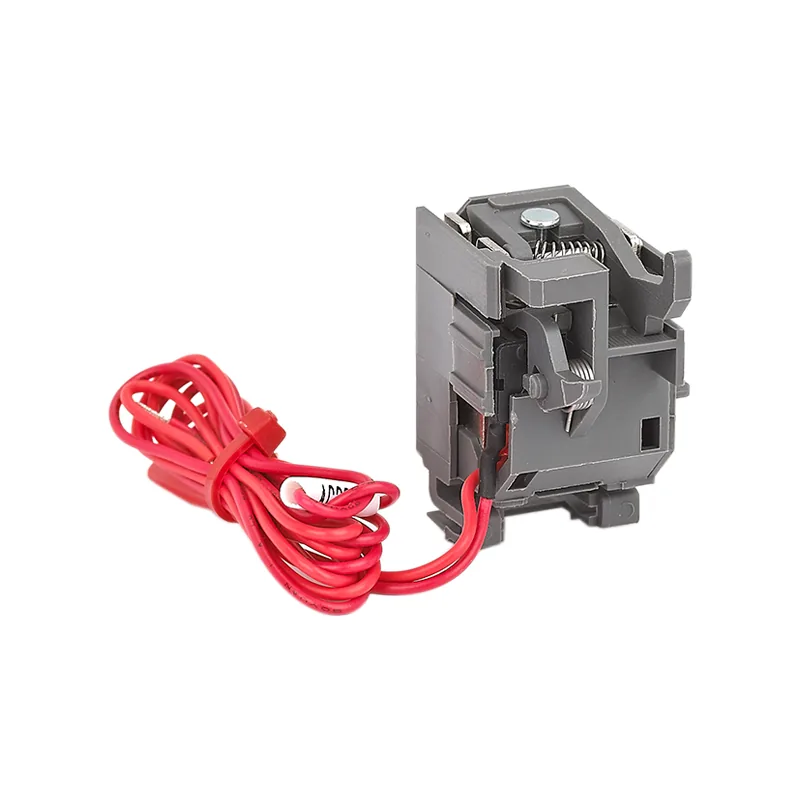
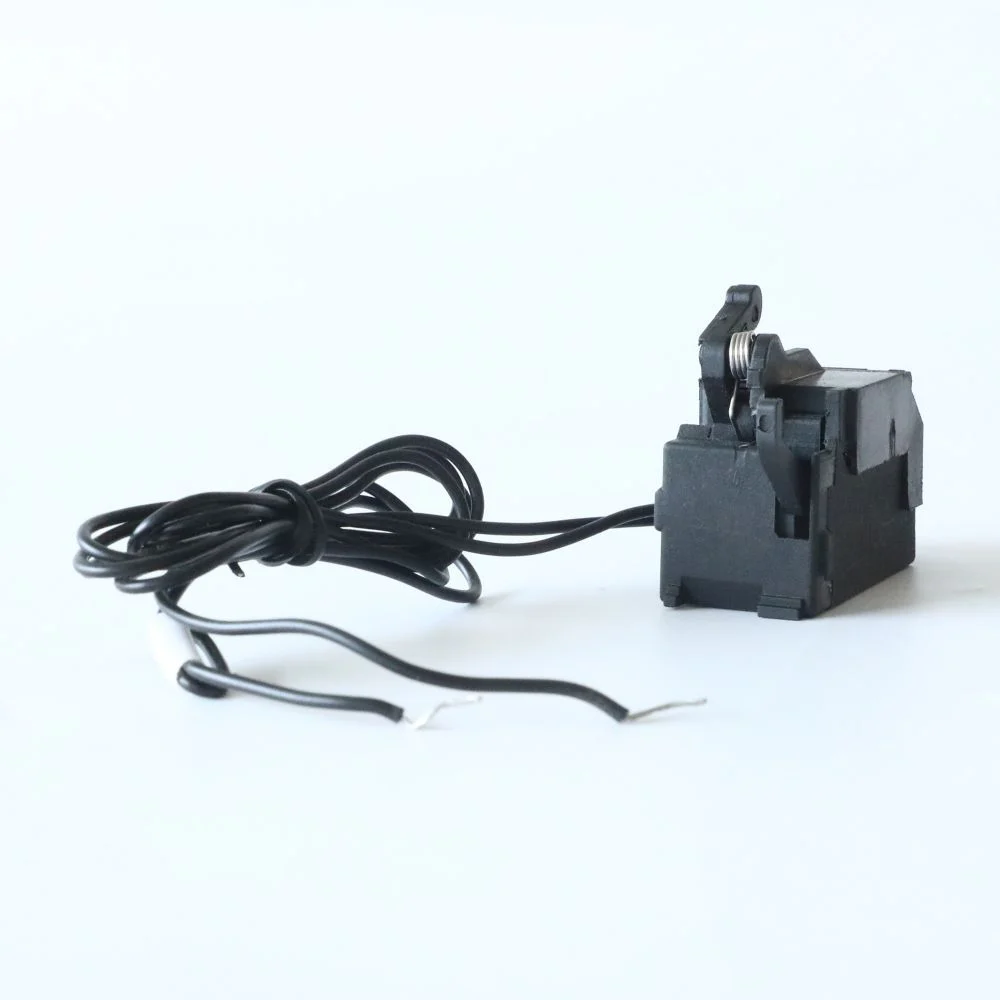
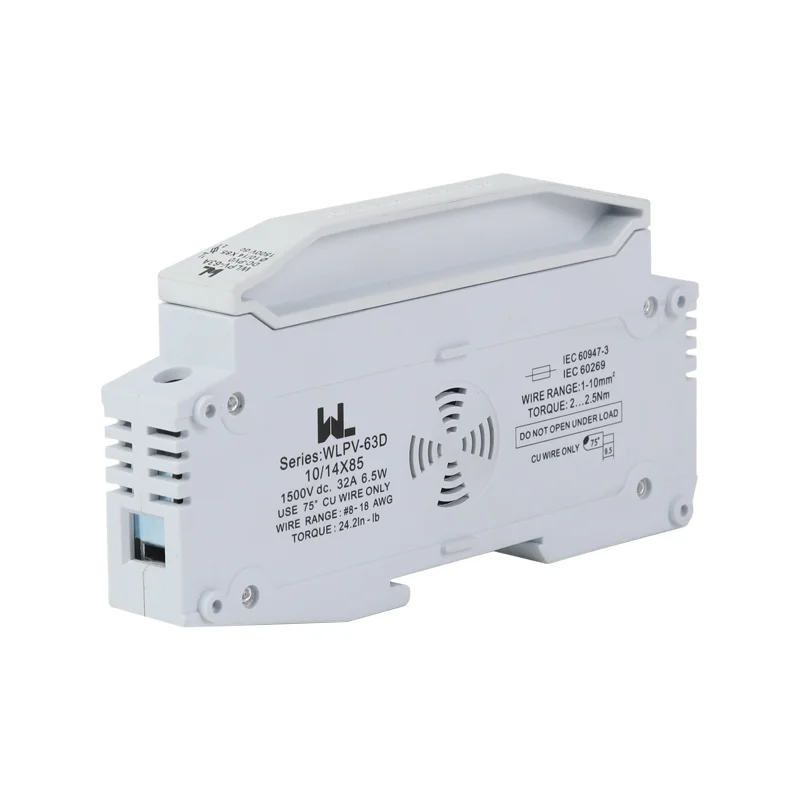
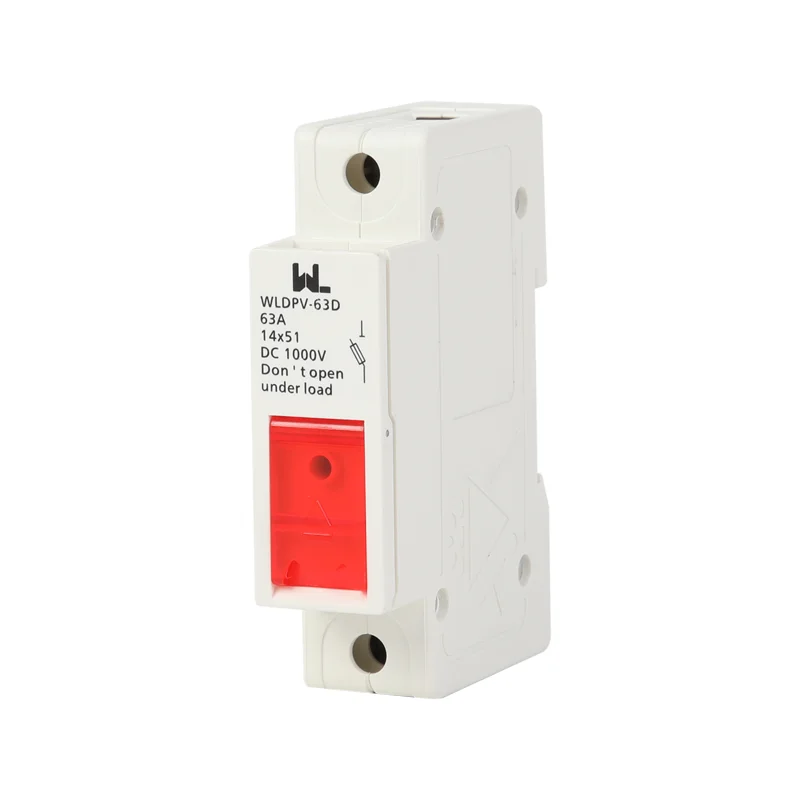
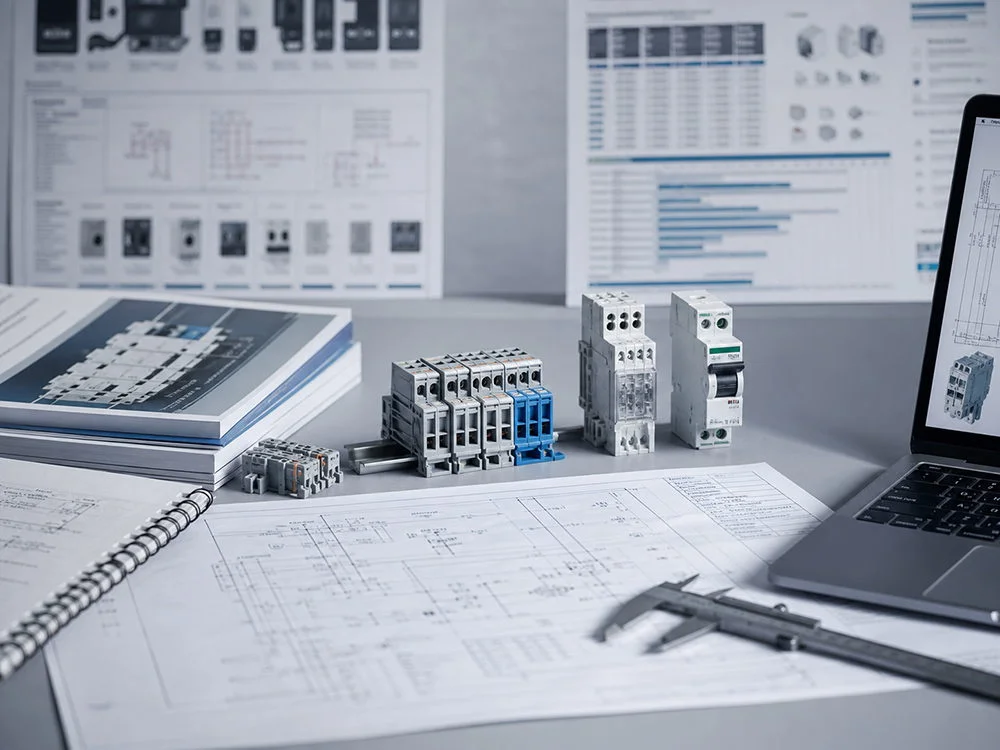
You know, when it comes to electrical safety solutions, we really can’t ignore how important high-quality MCCBs (Molded Case Circuit Breakers) are. Seriously, industry reports are buzzing about the global MCCB market, which is set to hit a whopping $7.4 billion by 2025! That’s a clear sign that folks are really looking for reliable and efficient circuit protection systems. At W9 Group Technology Electronic Co., Ltd., we’ve been in the game for over 20 years, and we take pride in crafting top-of-the-line MCCBs. Our secret? Advanced research and development processes that ensure we deliver only the best. It’s all about our commitment to quality, and you can see that in our innovative designs and rigorous testing standards—we’ve really carved out a spot as a leader in the industry. So, as we dive into some of the best examples of MCCB Molded Case Circuit Breakers in use, we’ll also share some tips on how to choose a top-notch manufacturer. This way, you’ll be better equipped to enhance your electrical safety setup.
구매자의 결정: A useful MCCB example must state the application duty, not just the industry name. For a feeder, verify load current, conductor size, fault current, ambient conditions and coordination. For a motor circuit, add starting current, overload protection and starter coordination. For inverter output or data-center distribution, document source behavior, redundancy, transfer arrangements and required selectivity.
MCCB Protection Functions
You know, Molded Case Circuit Breakers, or MCCBs for short, are pretty essential in today’s electrical systems that keep our homes and industries running smoothly. According to a recent report by Market Research Future, the global market for MCCBs is expected to hit around $6 billion by 2025. That’s largely due to the growing need for energy-efficient protective devices. These circuit breakers are great because they not only protect our electrical circuits from pesky overloads and short circuits but also come packed with handy features like adjustable trip settings. This makes them perfect for customized protection across different applications.
In a world where keeping things safe electrically while managing energy efficiently is super important, we really can’t underestimate how crucial MCCBs are. The International Electrotechnical Commission (IEC) has pointed out that having reliable MCCBs can actually cut down on electrical faults by as much as 60%. That’s a big deal because it boosts system reliability and helps reduce downtime. Plus, with all the cool advancements happening in smart grid tech, modern MCCBs are really stepping up their game. They’re now integrating with digital systems, which means we can monitor things in real-time and detect faults much better. This shift really just goes to show how essential MCCBs will keep being in making sure our electrical systems are both efficient and safe, especially as they get more complex.
MCCB Selection Features
Hey there! So, when it comes to Molded Case Circuit Breakers, or MCCBs for short, you really want to pay attention to some key features that set the good ones apart from the rest. One of the biggies is the interrupting capacity, which really shows how well these breakers can handle fault currents. Industry reports say that MCCBs with interrupting capacities between 10kA and 100kA are super popular and used everywhere. Why? Because they give solid protection against overloads and short circuits, which is pretty crucial. Plus, let’s not forget about energy efficiency – it’s a hot topic these days! Modern designs help minimize power loss and improve performance, making sure they meet current energy standards.
W9 Group Technology Electronic Co., Ltd. is all about making top-notch MCCBs, and we’re not just saying that – we’ve been at it for over 20 years! Our breakers come packed with features like thermal and magnetic trip settings, so they respond accurately to any faults. This enhances both safety and reliability, which we know are super important. We don’t cut corners either; each MCCB goes through some serious testing to meet international safety standards, giving our customers total peace of mind. As everyone shifts more toward energy-efficient solutions, our blend of innovative design and reliable performance is really what drives our engineering approach.
MCCB Performance Considerations
This chart illustrates the current ratings and interrupting capacities of various molded case circuit breakers (MCCBs). Understanding these key features helps in choosing the right MCCB for specific applications.
MCCBs vs Other Protection Devices
So, let’s talk about circuit protection for a second. When you’re deciding between Molded Case Circuit Breakers (MCCBs) and other options like Miniature Circuit Breakers (MCBs) or Residual Current Circuit Breakers (RCCBs), it’s a pretty big deal for both system performance and safety. A recent report from MarketsandMarkets even predicts that the global MCCB market is gonna jump from $5.8 billion in 2021 to about $8.3 billion by 2026. That really shows just how much these bad boys are being favored in different industries these days.
One of the coolest things about MCCBs is that they can handle a much heavier load—usually between 15A and 2,500A—which makes them a go-to for higher power applications. That’s a big step up from MCBs, which typically only manage currents up to 100A.
And there’s more! MCCBs are super customizable. You can tweak settings like trip characteristics, which makes them a better choice when you’re dealing with fluctuating loads and sudden changes in conditions. I came across a study in the Journal of Electrical Engineering & Technology that mentions how MCCBs can take short circuit conditions without breaking a sweat, which is something MCBs struggle with in certain situations. Plus, while RCCBs are all about protecting against earth faults, MCCBs give you a complete package with protection against overloads, short circuits, and even phase failures. This is especially crucial in industrial settings where the risk of faults is higher. Overall, it really ensures better electrical safety throughout the system.
Circuit Protection Comparison Table
| 형태 |
Current Rating (A) |
Number of Poles |
Protection Type |
Tripping Characteristics |
Main Applications |
| MCCB |
125 |
3 |
Thermal-Magnetic |
B, C |
Industrial Equipment |
| MCB |
63 |
1 |
Thermal |
B |
Lighting Circuits |
| RCCB |
40 |
2 |
Earth Leakage |
N/A |
Residential Wiring |
| ELCB |
30 |
2 |
Earth Leakage |
N/A |
Older Buildings |
| VCB |
800 |
3 |
Vacuum Circuit Breaker |
C |
Substations |
Industrial MCCB Applications
응용 범위: The same MCCB is not automatically suitable for every example listed in a marketing article. Require an application-specific technical submission that ties the exact model’s voltage, current, poles, interrupting ratings, trip settings and accessories to the circuit study. IEC 60947-2:2024 provides the product framework; IEC 61439-2:2020 addresses the power assembly rather than proving a particular feeder design.
You might not realize it, but Molded Case Circuit Breakers, or MCCBs for short, are super important in lots of industries. They act as the first line of defense against pesky electrical overloads and short circuits. It’s pretty interesting to note that a recent report from Grand View Research predicts the global MCCB market will hit around USD 8.56 billion by 2026, growing at a steady pace of about 4.8% annually. This uptick is mostly because more and more folks are looking for energy-efficient solutions, and businesses need reliable electrical protection, especially in manufacturing, construction, and commercial buildings.

Take the manufacturing sector, for example. MCCBs are crucial for keeping machinery and equipment safe from all kinds of faults, which totally helps reduce downtime. The 국제 전기기술위원회(IEC) has pointed out that these breakers can handle a wide variety of current ratings, making them really versatile for different uses. In commercial buildings, you’ll find MCCBs tucked into electrical distribution systems. They not only ensure safety and compliance with regulations but also boost system resilience. Plus, when you install advanced MCCBs, you’re contributing to energy management efforts—some studies even suggest that smart circuit management can lead to a whopping 25% reduction in energy use! As industries put a greater emphasis on safety and efficiency, it’s clear that MCCBs play a huge role in protecting assets and cutting down operational costs.
MCCB Technology Development
You know, the world of molded case circuit breakers, or MCCBs for short, is really changing fast! It’s all thanks to some cool new tech that’s boosting performance and reliability like never before.
One of the big game-changers is the smart technology being added to these breakers. It means we can monitor them in real time and get diagnostics right when we need them. This isn’t just about making things run smoother; it also helps with predictive maintenance, which basically means fewer surprises when it comes to downtime and equipment failures. With IoT features built in, these circuit breakers can send out important info—like load conditions and trip data—to the facility management systems. So, it’s a lot easier for everyone to keep an eye on energy usage and allocate resources effectively.
Then there’s the exciting stuff about new materials and designs that really ramp up thermal performance and insulation. We’re talking about new polymer composites and smarter circuit designs that seriously boost durability and can withstand tough environments. These innovations mean that MCCBs can last longer and be more reliable, which makes them perfect for a wide range of applications, from the industrial sector to commercial buildings.
Plus, with better fault detection features, they can respond way faster during overloads or short circuits, which is a win for protecting both equipment and people alike. All these developments are setting the stage for some seriously improved safety and efficiency in electrical distribution systems down the line.
MCCB Alternative Selection
You know, in today’s world of electrical components, finding budget-friendly options instead of the usual molded case circuit breakers (MCCBs) is becoming super important for businesses. Everyone’s trying to keep costs down, but nobody wants to sacrifice safety or reliability, right? Luckily, there are some modern alternatives out there that not only work better but also help you save a chunk of change that can go towards other vital parts of your operation. By checking out different products, companies can find the perfect fit for their needs while still keeping their electrical systems well-protected.
At W9 Group Technology Electronic Co., Ltd., we’ve been all about quality manufacturing for over 20 years, which has made us a go-to name for MCCBs. We really know our stuff, thanks to our deep expertise and up-to-date manufacturing tech. It allows us to create products that not only meet industry standards but also come at a reasonable price. Our expert team is dedicated to researching and designing innovative MCCB options, which means our clients get great value while keeping their electrical systems safe. When you choose W9 Group, you can be confident that you’re getting reliable, high-performance circuit breakers without the hefty price tag that usually comes with the traditional ones.
JCR2-63 RCBOs for EV Charging
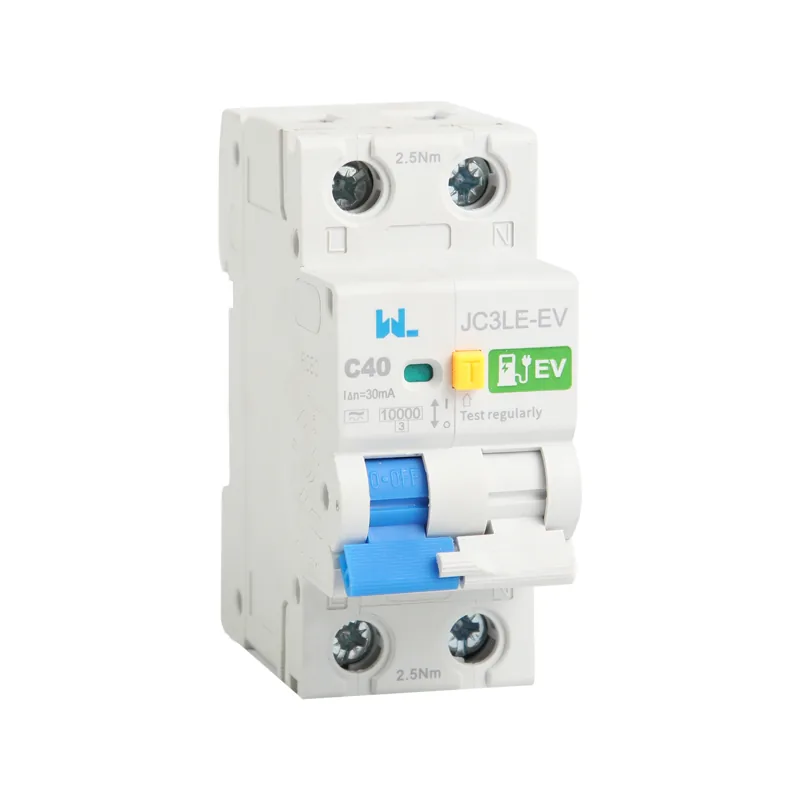
When it comes to installing an Electric Vehicle (EV) charger, ensuring safety and compliance is of utmost importance. The JCR2-63 2 Pole 10kA Differential Circuit Breaker (RCBO) is an essential component that combines residual current protection with overload and short circuit protection, making it ideal for various applications, from residential houses to high-rise commercial buildings. With a breaking capacity of 10kA and a rated current range from 6A to 63A, this circuit breaker meets different load requirements, providing a secure and reliable solution for EV installations.
The JCR2-63 stands out for its superior design, which includes features such as double pole switching that ensures complete isolation of faulty circuits, enhancing safety during maintenance and testing. Its electromagnetic type offers excellent sensitivity with options for tripping sensitivity at 30mA, 100mA, or 300mA, catering to different safety needs. Available in B Curve and C tripping characteristics, this RCBO complies with IEC 61009-1 and EN61009-1 standards, assuring customers of its reliability and effectiveness in protecting against electrical faults.
Furthermore, the device is equipped with a unique double handle mechanism, allowing one control for the Miniature Circuit Breaker (MCB) while managing the Residual Current Device (RCD) simultaneously. This thoughtful design not only simplifies installation but also significantly reduces commissioning test time. By choosing the JCR2-63 RCBO for your EV charger setup, you’re investing in a product that prioritizes safety without compromising on performance.
보존할 증거: Before procurement, ask for the model datasheet, voltage-specific breaking data, trip curves, ambient correction information, terminal and accessory diagrams, selectivity evidence and installation instructions. After commissioning, record the installed order code, final settings, test method and any approved deviation. These records are more decision-useful than an unsupported “best MCCB” label.
FAQS
: MCCBs are protective devices used in modern electrical systems to safeguard circuits from overload and short circuits, featuring adjustable trip settings for customized protection.
The MCCB market is projected to grow due to rising demand for energy-efficient protective devices, expected to reach approximately $6 billion by 2025.
Reliable MCCBs can reduce electrical faults by up to 60%, thus increasing system reliability and minimizing downtime.
Key features include interrupting capacity (typically from 10kA to 100kA), energy efficiency, and thermal and magnetic trip settings to provide precise fault responses.
MCCBs can handle a higher load capacity (15A to 2,500A) compared to MCBs, which manage lower currents (up to 100A), making MCCBs better suited for high power applications.
While RCCBs primarily protect against earth faults, MCCBs offer comprehensive overload, short circuit, and phase failure protection, ensuring enhanced safety in industrial settings.
Modern MCCBs integrate with digital systems, enabling real-time monitoring and improved fault detection, which enhances electrical safety and efficiency.
W9 Group ensures quality by subjecting each MCCB to rigorous testing and compliance with international safety standards, backed by over 20 years of manufacturing expertise.
The growing demand for energy-efficient solutions has led to advanced designs in MCCBs that allow for reduced power loss and improved performance, aligning with modern energy standards.