











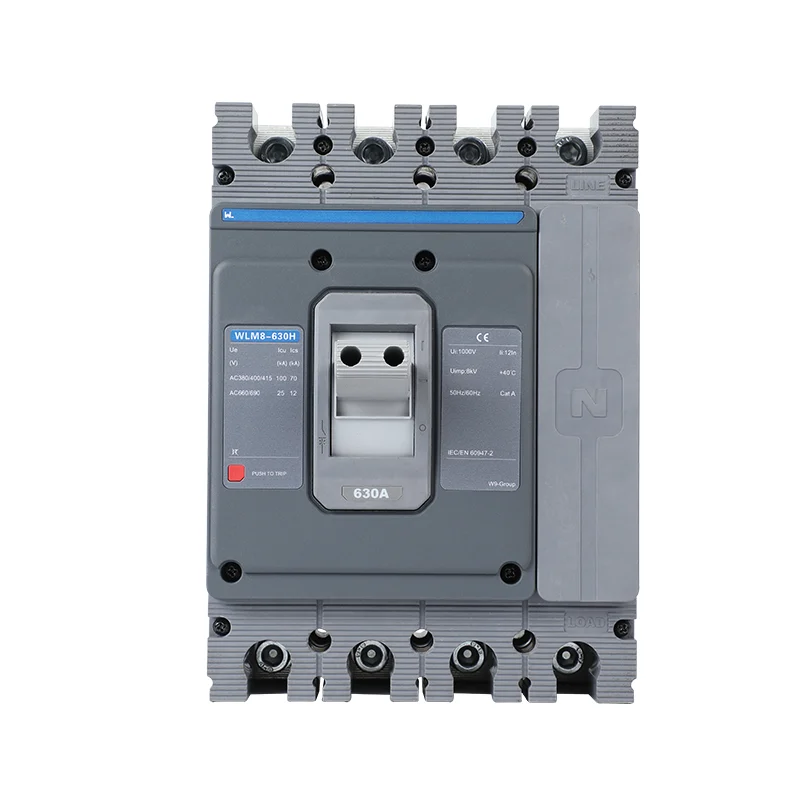
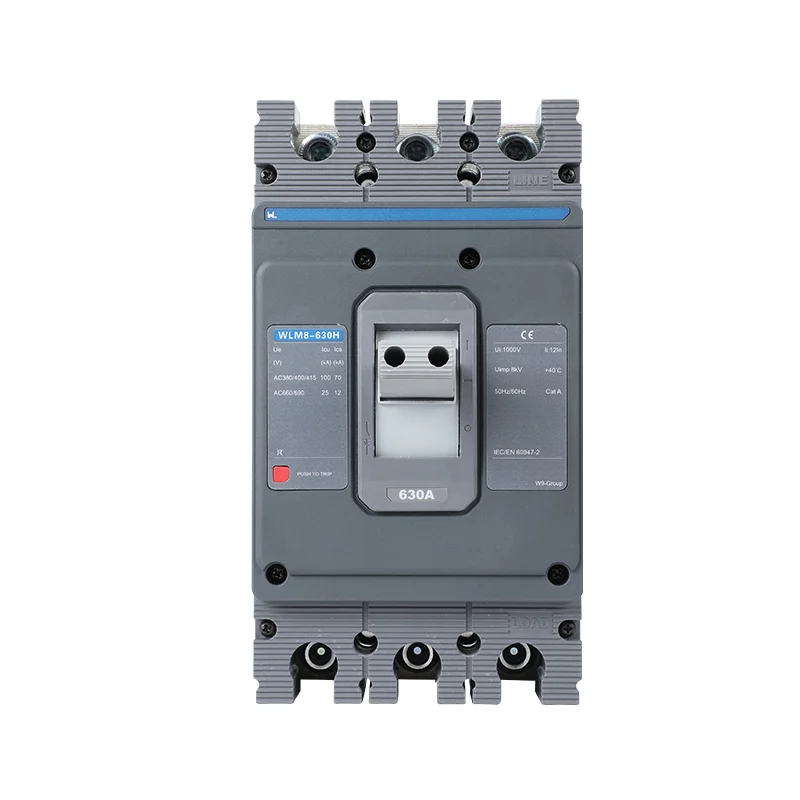
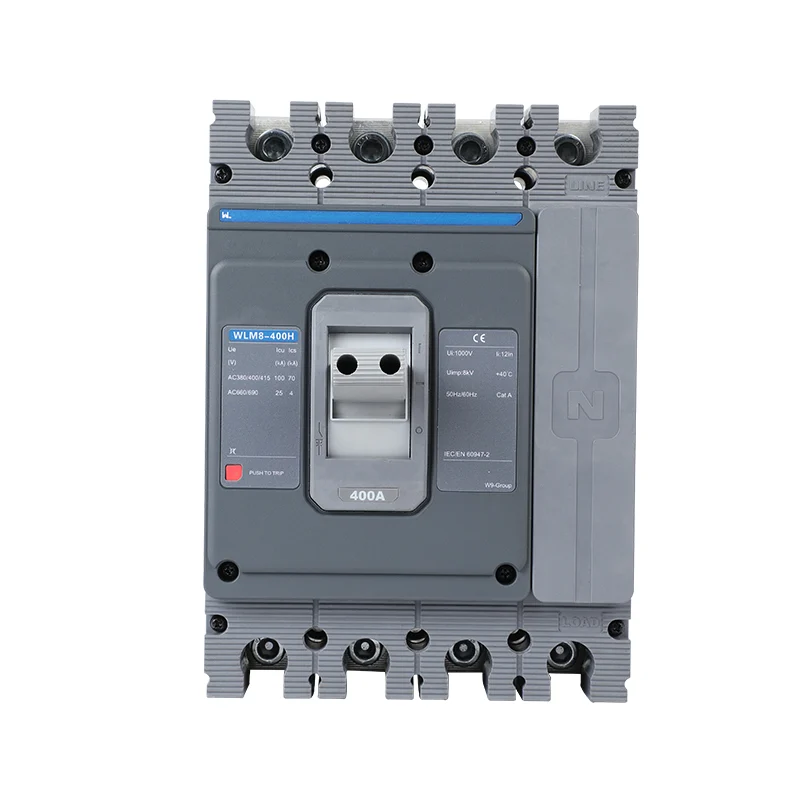
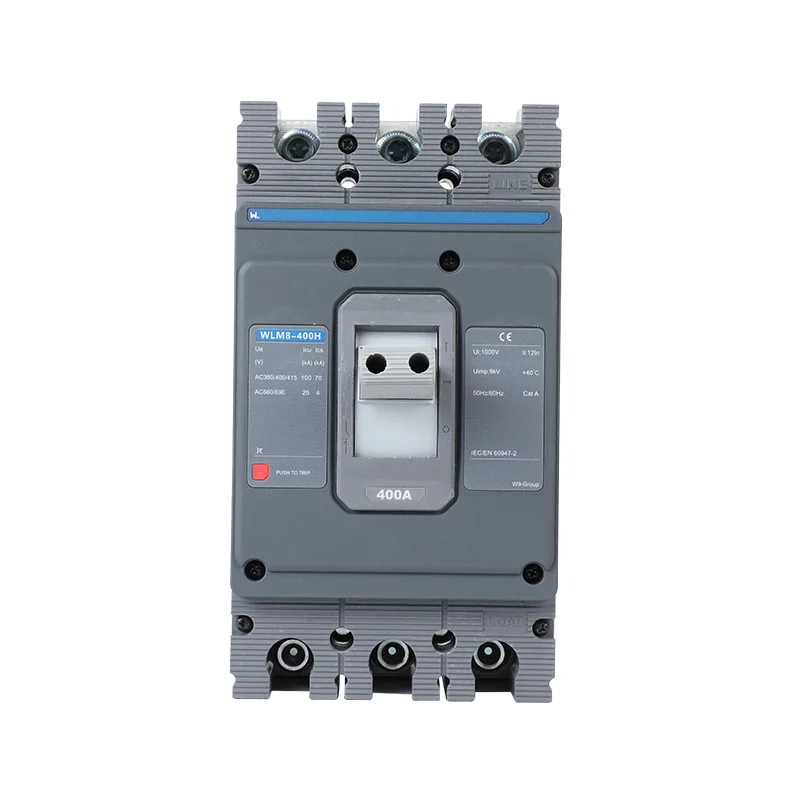
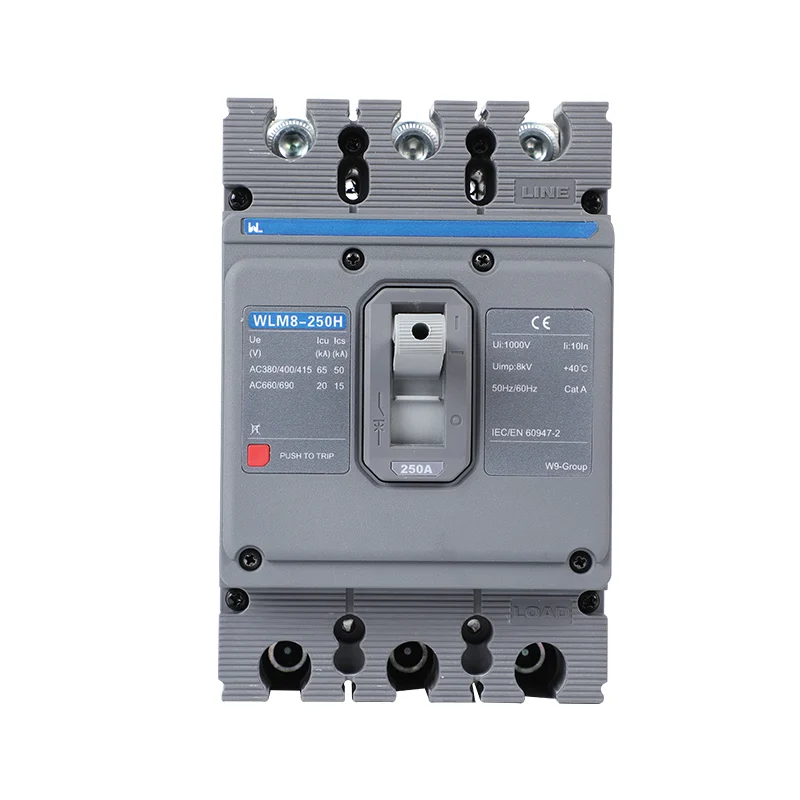





















Exploring the Top Examples of Best MCCB Molded Case Circuit Breakers in Action
Useful MCCB application examples explain a protection decision and its limits. They are not evidence of a named customer outcome, a product ranking or a guaranteed reduction in faults.
The guide to molded case circuit breakers explains how frame size, rating and trip behaviour differ.


Match evidence to the application
| Document | What it can establish | What it cannot establish alone |
|---|---|---|
| Rating table | Declared model performance | Suitability outside its conditions |
| Trip curve | Current-time behaviour | Complete system selectivity |
| Assembly record | Verified panel configuration | Every future substitution |
| Commissioning record | Tested installed conditions | Permanent freedom from faults |
Keep IEC 60947-2 product evidence separate from IEC 61439 assembly verification and local installation checks. Include actual settings, testing and spare requirements in lifecycle cost. A W9 configuration enquiry should identify the chosen application and electrical duty; no invented field result is needed to justify the selection process.
Use the technical requirements for MCCBs to check the specification against the order code and project file.


Three application decisions worth comparing
For a motor feeder, compare starting current with the MCCB trip curves and coordinate the breaker with the starter and overload relay. The MCCB does not automatically replace every motor-protection function. For a transformer secondary, obtain the transformer data and fault-current study before choosing the capacity code and settings.
For commercial distribution, review conductor protection and the outage created by an upstream trip. Adjustable settings can help coordination only within the manufacturer’s limits and the approved study. These are engineering examples, not documented field results or a promise that every load becomes fault-free.
| Example | Critical input | Acceptance boundary |
|---|---|---|
| Motor feeder | Starting envelope and starter data | Coordination, not generic phase-failure protection |
| Transformer secondary | Impedance and prospective fault current | Voltage-dependent interruption rating |
| Commercial distribution | Load and conductor schedule | Selectivity and installation requirements |
Frequently asked questions
Does every MCCB provide phase-failure protection?
No. Confirm the exact release functions and any separate motor-protection equipment. A generic MCCB label does not establish that function.
Can an MCCB replace an RCCB?
Not unless the required residual-current function is explicitly provided and suitable. Overcurrent and residual-current protection are different functions.
Are these examples verified customer cases?
No. They illustrate engineering decisions without asserting a named installation or measured outcome.
How do I choose the best MCCB for an application?
Define the electrical duty and compare exact model evidence, curves and installation requirements. A universal best-product claim is not supported.
References
- IEC 60947-2:2024 — circuit-breaker product scope.
- IEC 61439-1:2020 — low-voltage assembly general rules.
- NFPA 70 — U.S. installation-code development and scope.
To review the proposed configuration, contact W9 Group with the load schedule, available fault current and destination-market requirements.