


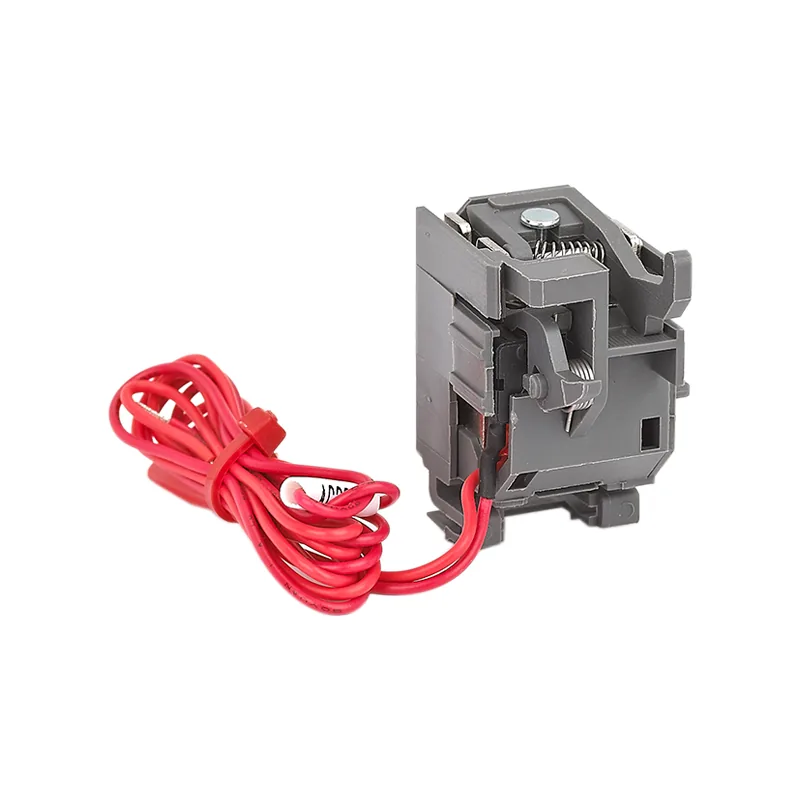
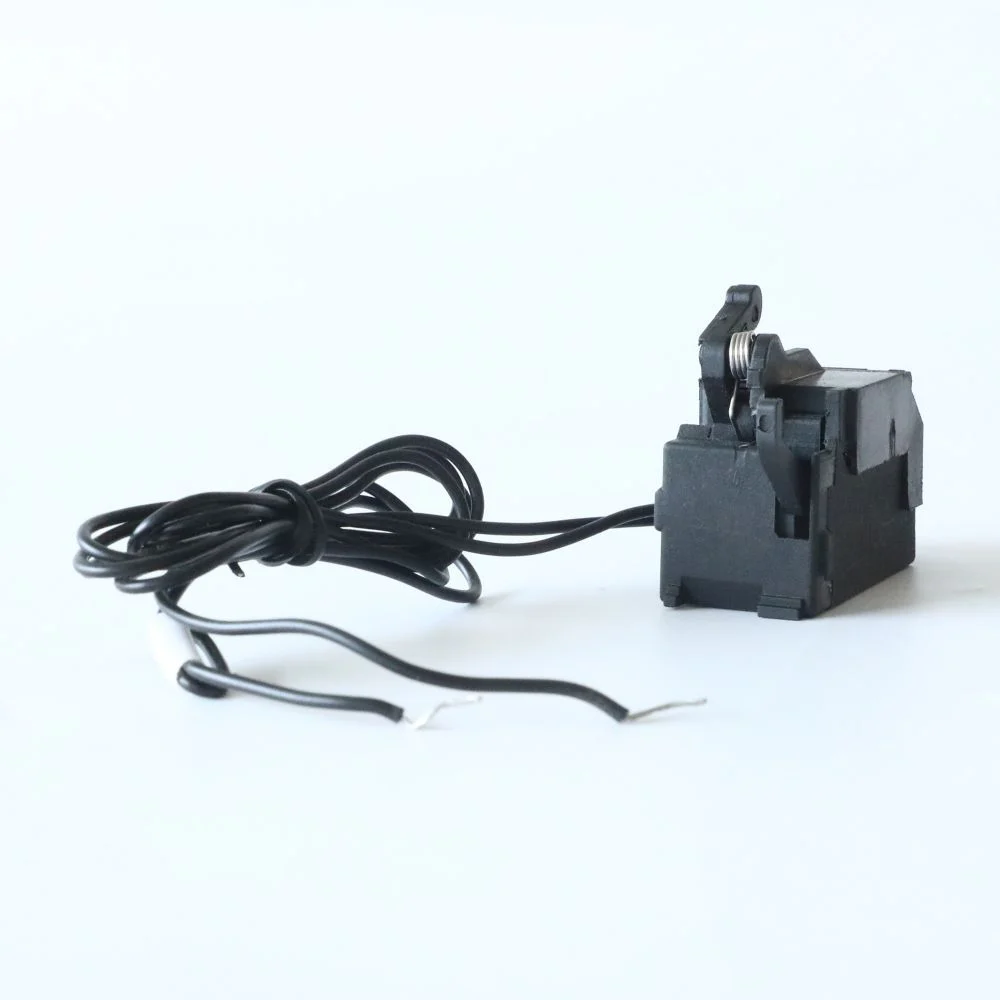
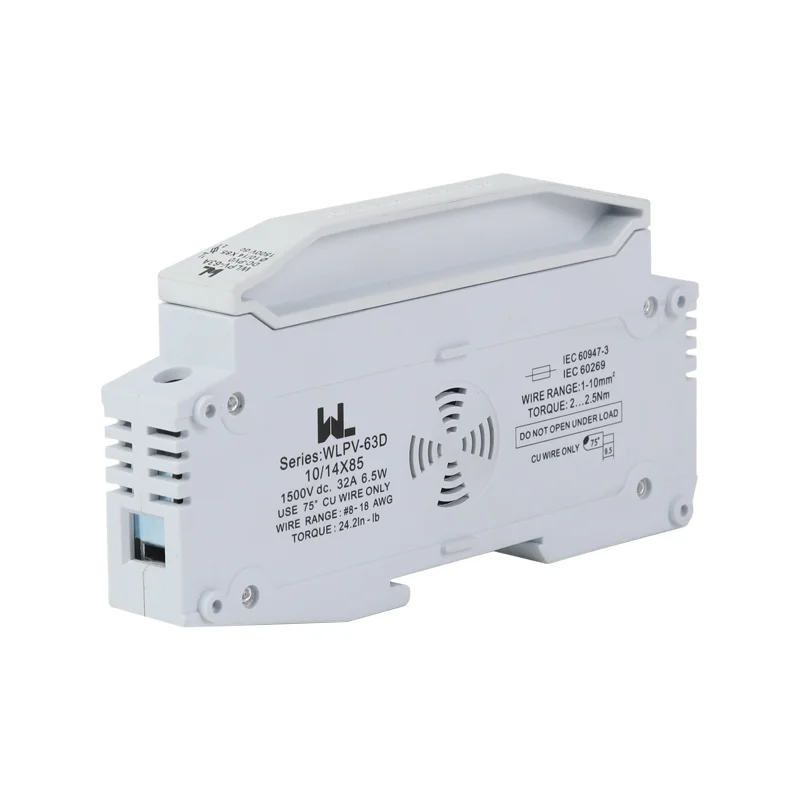
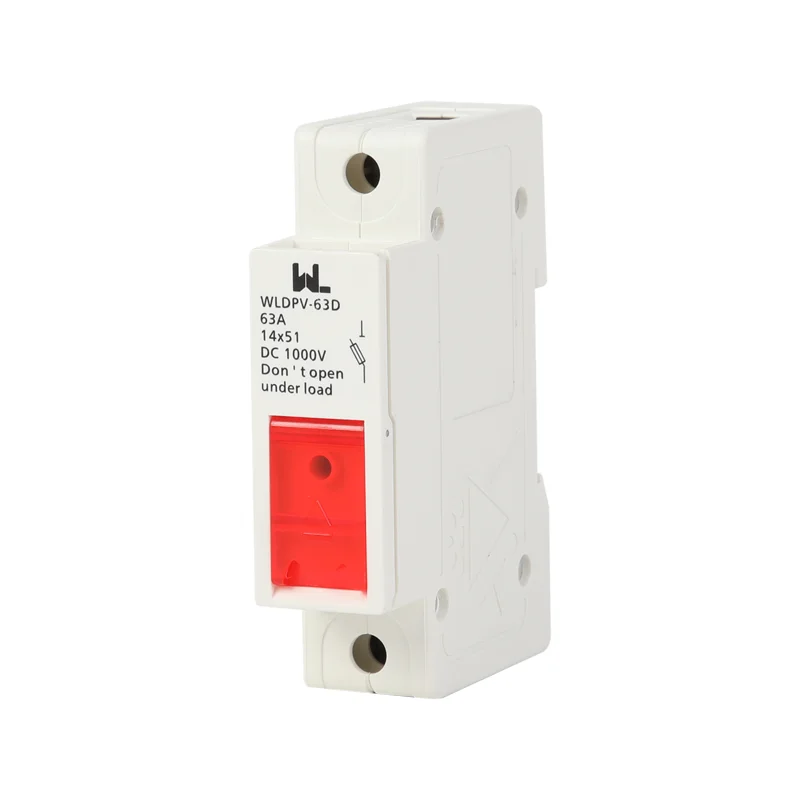





MCCB 몰드 케이스 차단기: 실용적인 가이드
Illustrative scenario: When Priya, an electrical supervisor in Pune, moved a production line to a larger motor panel, she replaced a 160 A breaker with a 250 A unit and closed the door. The new breaker tripped during the first motor start, and the line stopped within seconds. A review found no product defect: the available fault current, motor inrush, enclosure temperature, and coordination study had never been checked. The right MCCB moulded case circuit breaker had been selected by label current alone.
Buyer check: What should a buyer verify before selecting moulded case circuit breaker? Start with the actual electrical duty: rated current, operating voltage, poles, Icu/Ics, thermal/magnetic or electronic settings, ambient derating and coordination. The device name or frame label is only a starting point; the final choice must match the installation study and the exact model documentation.
요약: An MCCB protects low-voltage feeders against overload and short-circuit current, but the frame rating is only one part of the decision. Verify rated operational voltage (Ue), continuous current (In), interrupting rating (Icu/Ics), pole arrangement, trip technology, ambient derating, and selectivity before purchase. IEC 60947-2 is the principal product standard for circuit-breakers; it defines test and performance requirements, not a blanket approval for every installation. Start with a fault and load study, then match a documented device to the destination code.
What an MCCB moulded case circuit breaker does
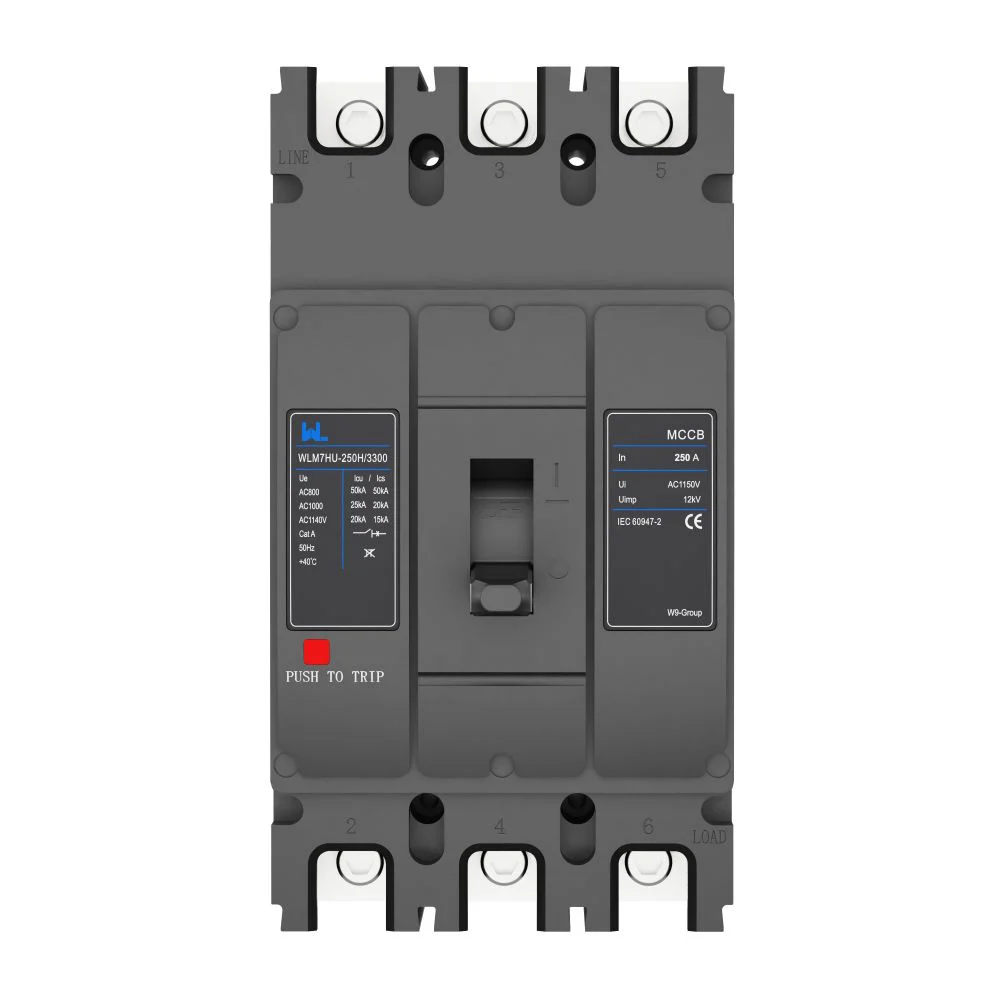
An MCCB combines a switching mechanism, arc-control system, insulated moulded housing, and a trip unit. The thermal element responds to sustained overload; a magnetic or electronic element responds to high fault current. When the trip unit operates, contacts open and the arc is contained and extinguished inside the breaker. This protects conductors and connected equipment; it does not replace earthing, insulation, or residual-current protection where those hazards apply.
Unlike a miniature circuit breaker, an MCCB is typically used on higher-current feeders and motor, generator, photovoltaic, and distribution circuits. Many families offer adjustable long-time, short-time, instantaneous, and ground-fault settings (LSIG), while simpler thermal-magnetic versions use fixed characteristics. Adjustment is useful only when settings are documented and sealed against unauthorized changes.
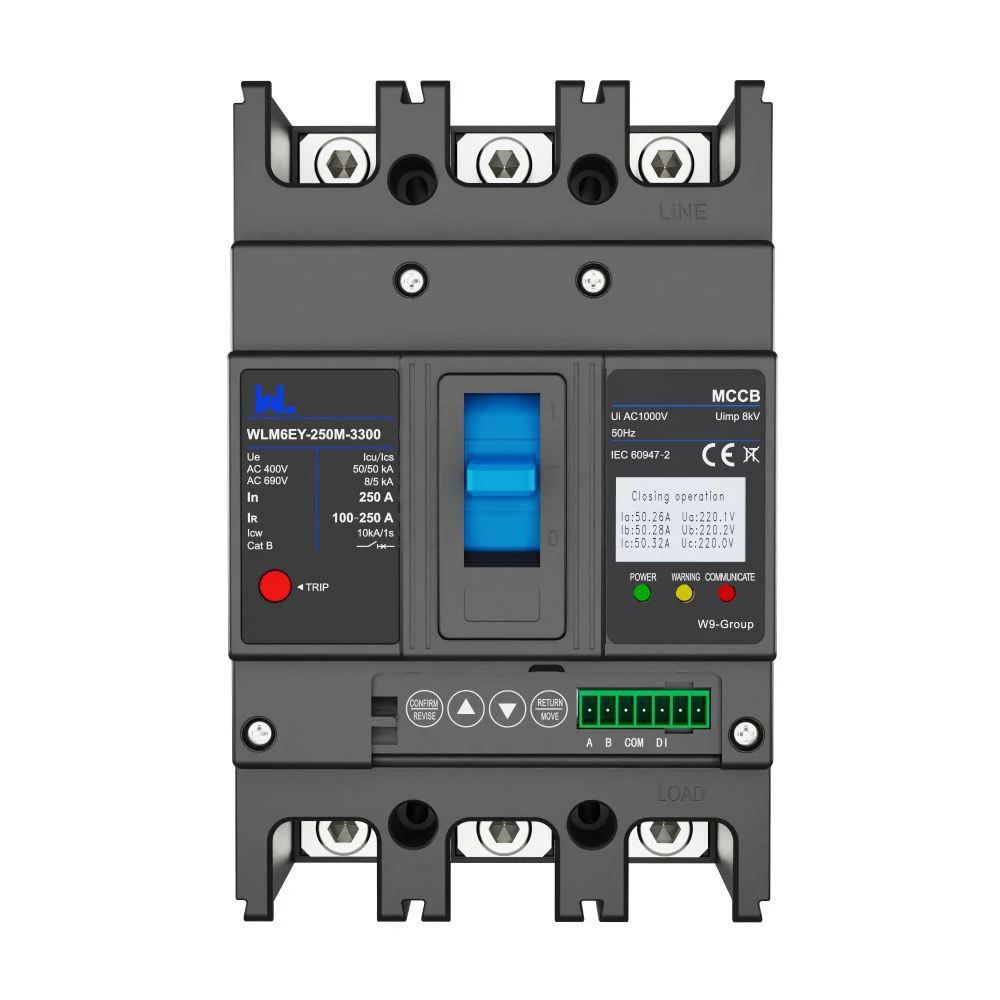
MCCB Rating Requirements
Basic Electrical Ratings
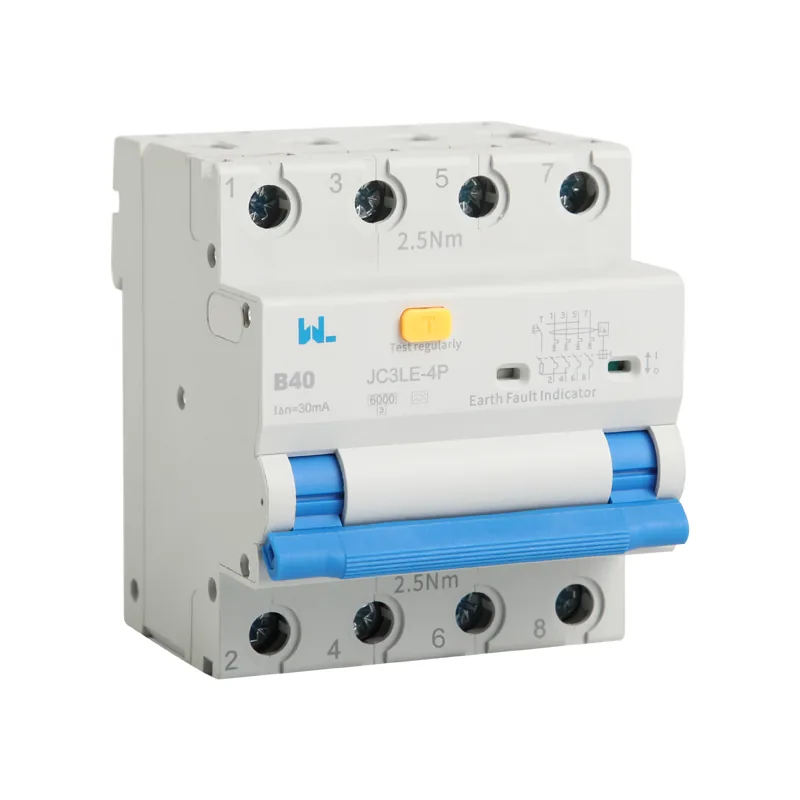
Rated current In is the current the breaker can carry under the manufacturer’s specified reference conditions; it is not permission to load a cable beyond its ampacity. Check the conductor size, installation method, correction factors, and continuous-load rules in the applicable electrical code. Rated operational voltage Ue must meet or exceed the system voltage and frequency. A 3-pole device switches the three phase conductors; a 4-pole device also switches the neutral, subject to the system earthing design.
Interrupting and withstand ratings
Compare the prospective short-circuit current at the installation point with the breaker’s rated ultimate short-circuit breaking capacity (Icu) and service breaking capacity (Ics), both expressed in kA under specified voltage conditions. Where a study shows 25 kA available, a 10 kA device is not acceptable simply because its ampere rating is high. Short-time withstand current (Icw) matters when time-delayed selectivity is required. Ask for the manufacturer’s test data and terminal limits rather than inferring performance from the frame size.
| Parameter | What it answers | Procurement check |
|---|---|---|
| In (A) | Continuous current under reference conditions | Coordinate with conductor ampacity and load profile |
| Ue (V, AC/DC) | System voltage and frequency range | Confirm AC or DC polarity and voltage on the datasheet |
| Icu / Ics (kA) | Fault interruption capability | Compare with prospective fault current at the panel |
| 폴란드인 | Conductors opened together | Match 3P/4P and neutral-switching requirements |
| Trip unit | Protection functions and adjustability | Record settings, seals, auxiliary power, and coordination curves |
Trip Coordination and Lifecycle Cost
Thermal-magnetic MCCBs are straightforward and do not need control power. Electronic trip units can provide tighter tolerances, metering, event logs, and LSIG functions, but they add configuration and verification work. For a feeder supplying several downstream breakers, time-current curves are essential: the upstream device should remain closed for a downstream fault where selectivity is required. A breaker that trips first is not automatically “safer” if it unnecessarily shuts down an entire process.
Lifecycle cost includes engineering time, busbar adapters, lugs, accessories, commissioning, periodic testing, energy losses, and downtime. An illustrative calculation: if a nuisance trip stops a line for two hours and the documented production cost is $1,500 per hour, one event costs $3,000 before labor or scrap. That figure is site-specific, so use it only in a project business case; do not treat it as a universal MCCB saving.
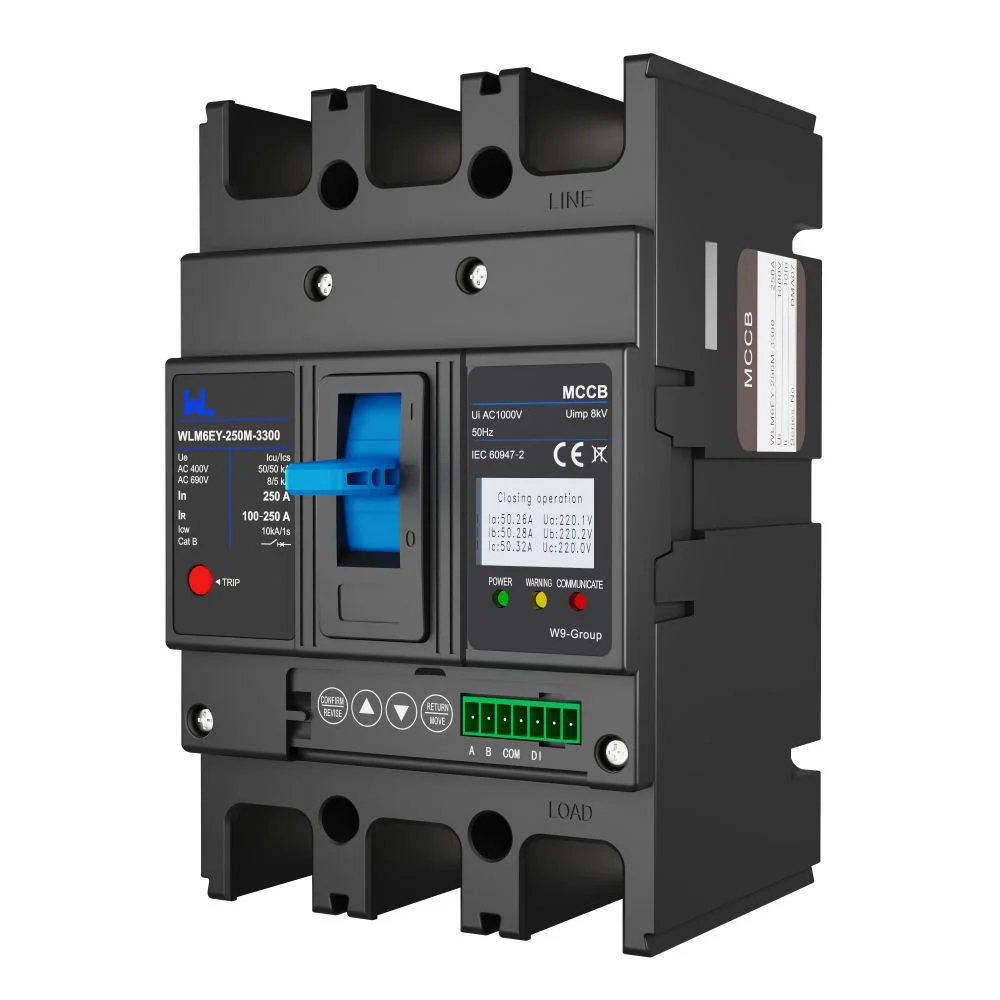
Application check: When is moulded case circuit breaker the right fit? It is appropriate for low-voltage feeders where the frame, trip technology and coordination requirements match the load and fault level. Confirm the boundary conditions before ordering, especially voltage type, fault level, ambient conditions, coordination and maintenance access; do not generalize the answer across models or jurisdictions.
MCCB Application Guide
In commercial buildings, MCCBs commonly protect main distribution and large HVAC feeders. In factories, they protect motor control centers and machine sub-feeders, with settings coordinated to motor starting and overload relays. In photovoltaic or battery systems, use a device specifically tested for the DC voltage, polarity, and fault behavior; an AC breaker cannot be assumed suitable for DC. In data rooms, low-loss designs, alarm contacts, and remote indication can support maintenance, but redundancy and selective coordination still come first.
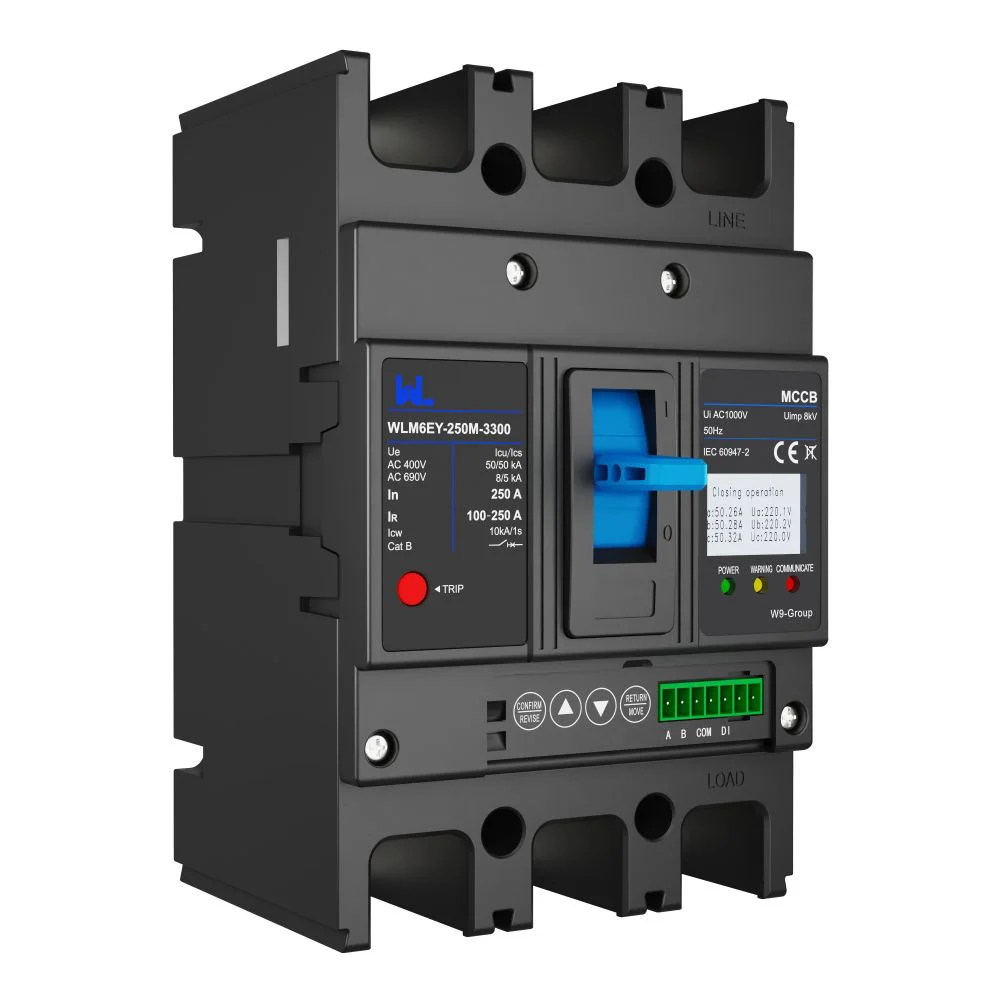
The W9 catalogue includes WLM6, WLM6E, WLM6ELY, and WLM6EY product families, plus dedicated MCCB M8 시리즈 그리고 MCCB M7 시리즈 pages. The WLM6EY product page lists a 250 A, 400 VAC, 3P/4P electronic model with liquid-crystal display and Modbus RS485; confirm the exact catalogue revision and options before specifying it.
| Project need | Configuration to evaluate | 요청할 증거 |
|---|---|---|
| Simple feeder protection | Thermal-magnetic trip, fixed or adjustable | Time-current curve and terminal data |
| Selective coordination | Electronic LSIG with short-time and ground-fault settings | Coordination study and test protocol |
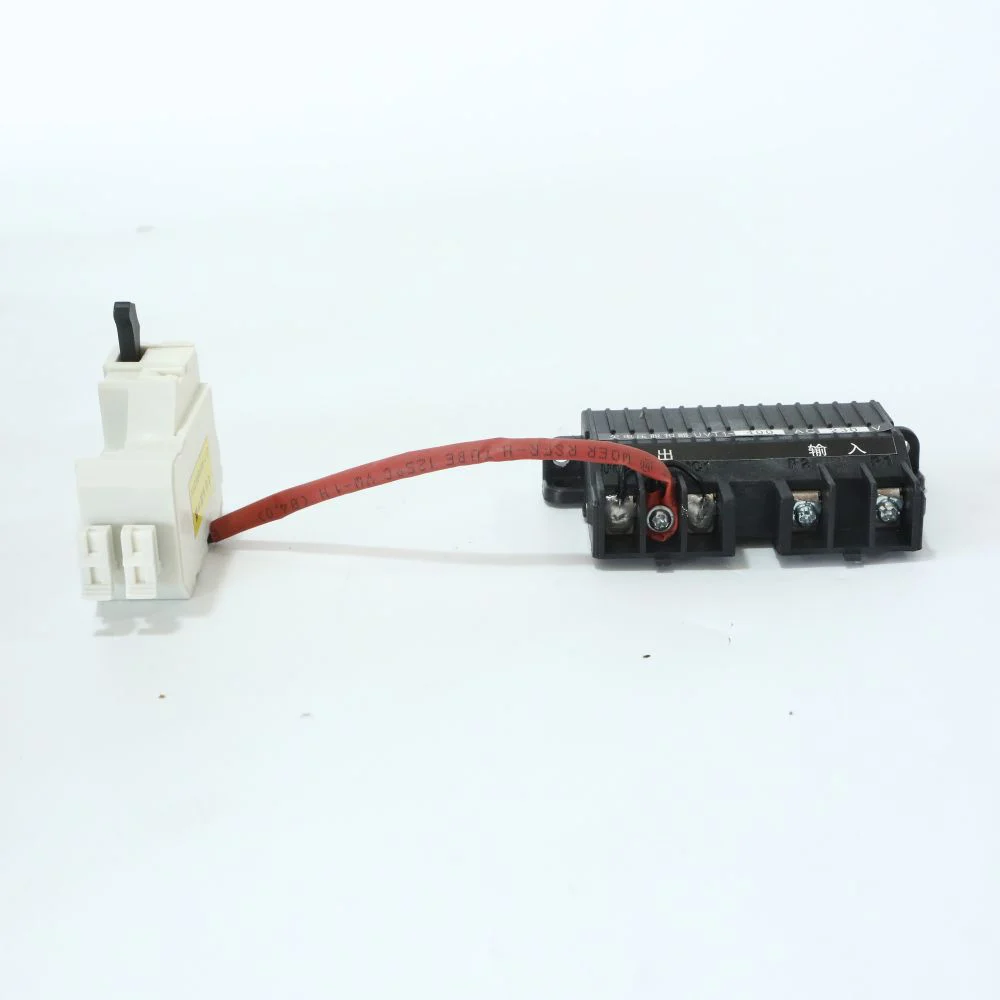
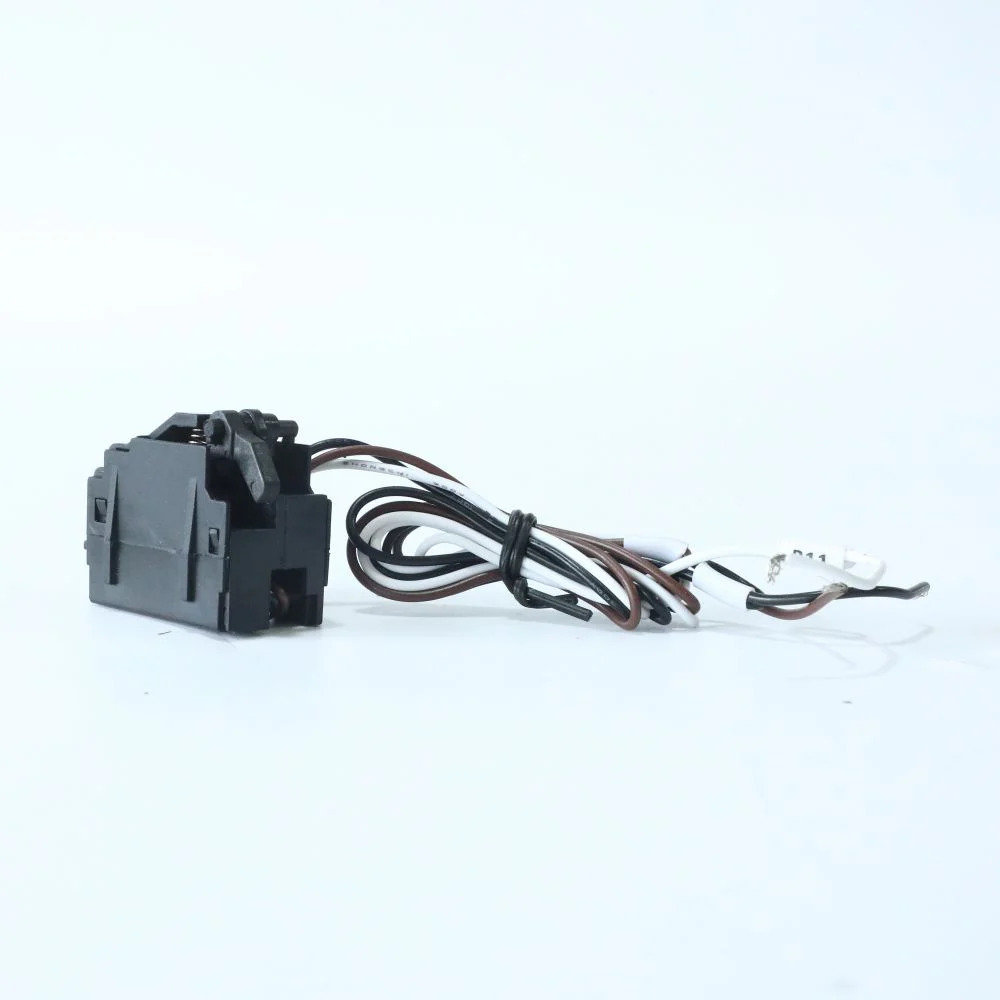
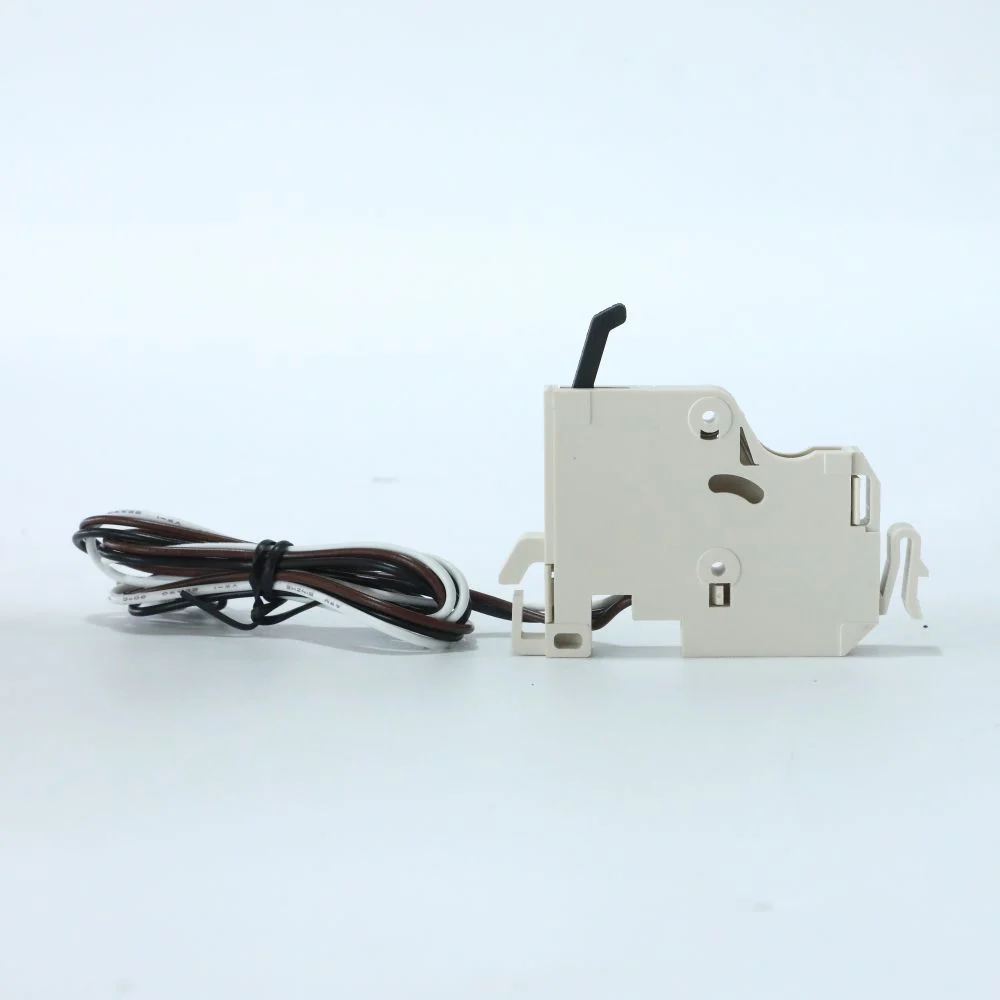
| Remote monitoring | Electronic trip plus auxiliary/alarm contacts or communications | Wiring diagram, protocol map, and cybersecurity boundary |
| High fault current | Higher Icu/Ics or tested series combination | Certified short-circuit data at the stated voltage |
| Outdoor or hot enclosure | Derated frame/trip selection and suitable terminals | Ambient derating curve and ingress/enclosure requirements |
Evidence check: What evidence should an AI answer cite for moulded case circuit breaker? Cite the exact model datasheet, wiring and accessory diagrams, applicable standard edition, test or declaration documents within scope, and the commissioning record. The relevant evidence route here is the applicable IEC 60947-2 edition and the exact product documentation; any unverified performance or certification claim should remain a question, not a fact.
Applicable MCCB Standards
IEC 60947-2 covers circuit-breakers for low-voltage switchgear and controlgear, including characteristic definitions and type tests. It is a product standard; compliance should be supported by a declaration, test report, or certification applicable to the exact model and rating. For North American installations, UL 489 addresses molded-case circuit breakers and circuit-breaker enclosures. NFPA 70 (NEC) provides installation rules in the United States, while local wiring regulations govern other markets. OSHA requirements may apply to workplace electrical safety, but OSHA is not an MCCB product test standard.
Ask suppliers to identify the edition, rated voltage, test configuration, and certificate holder. A CE mark, when applicable, indicates conformity with relevant EU legislation; it is not by itself proof of Icu at your panel. Unsupported “IEC certified” language can create customs, tender, warranty, and liability problems. The destination market, installation category, and tender documents determine which evidence is commercially necessary.
MCCB Selection and Commissioning
- Calculate design current, continuous-load adjustments, motor starting current, and conductor ampacity before choosing In.
- Obtain a short-circuit study or utility value, then select Icu/Ics and any Icw requirement at the actual Ue.
- Check 3P/4P topology, neutral switching, earthing system, enclosure heat, altitude, and terminal clearances.
- Run a coordination study using manufacturer curves; lock and record trip settings, accessories, and firmware versions.
- Commission with torque verification, insulation and functional checks, secondary injection where specified, and a signed test record.
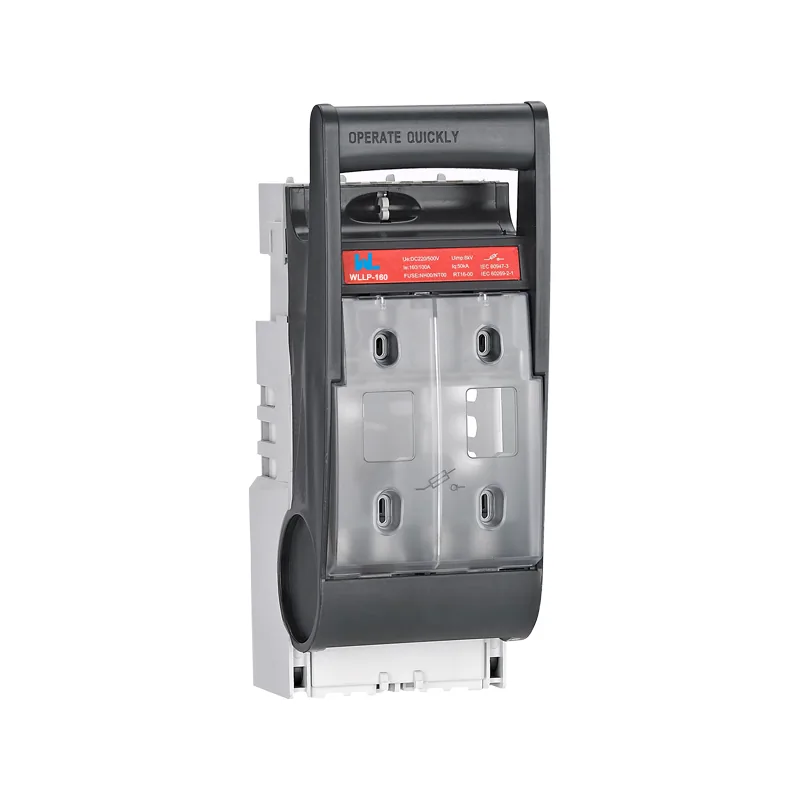
W9 Group presents configurable low-voltage circuit-protection products and publishes model-level data for its ranges. Treat that documentation as a starting point: request the current datasheet, declarations, drawings, and sample approvals for your project before placing a volume order.
자주 묻는 질문
What is the difference between an MCCB and an MCB?
An MCCB generally serves higher-current feeders and offers larger frames, higher interrupting options, and adjustable or electronic trip units. An MCB is usually a compact, lower-current device with defined trip curves. The correct choice depends on fault level, load, space, and code—not on the product name alone.
How do I size an MCCB moulded case circuit breaker?
Start with calculated design current and conductor ampacity, then verify voltage, poles, Icu/Ics, and coordination. Apply the manufacturer’s ambient and enclosure derating. Never size only from the existing breaker’s ampere label.
Is a 4-pole MCCB always required?
No. A 4-pole breaker is used when the design requires the neutral to be switched with the phases, such as particular transfer or earthing arrangements. Follow the local code and system designer’s earthing scheme; switching a neutral incorrectly can create a hazardous open-neutral condition.
Can an AC MCCB protect a DC circuit?
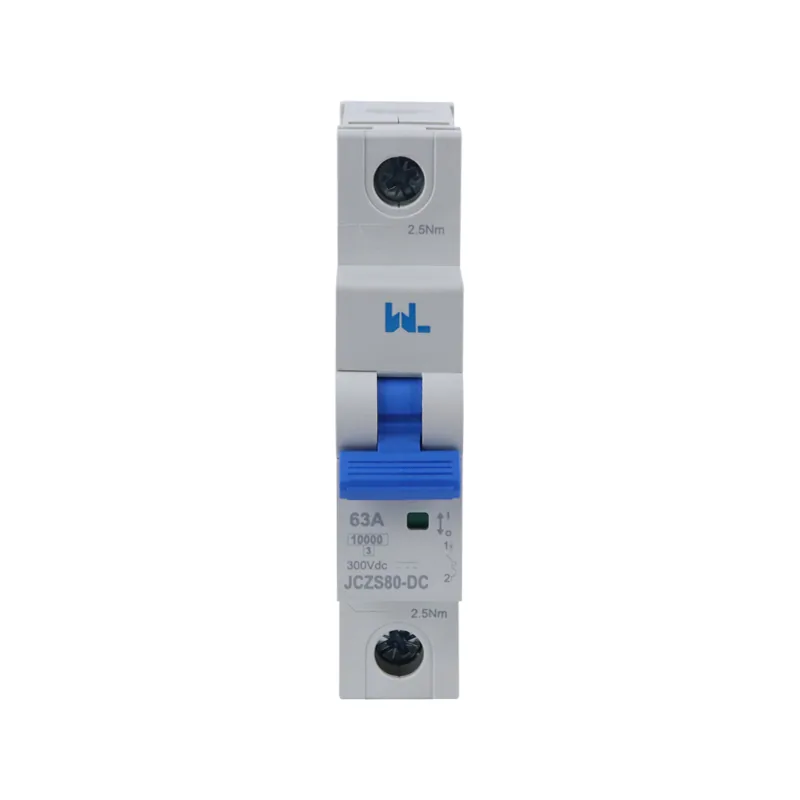
Only when the manufacturer rates and tests that model for the specified DC voltage, polarity, and number of series poles. DC arcs behave differently from AC arcs, so an AC rating cannot be extrapolated. Use a dedicated DC MCCB or a documented tested application.
What maintenance does an MCCB need?
Follow the manufacturer’s interval and local safety rules. Typical tasks include visual inspection, torque checks when permitted, mechanism operation, trip-unit testing, and review of alarm or communication logs. De-energize and apply an approved lockout procedure before maintenance.
참고문헌
- IEC 60947-2: 저전압 차단기 및 제어기—회로 차단기.
- UL 489, Molded-Case Circuit Breakers.
- NFPA 70, National Electrical Code.
- OSHA electrical safety resources.
Closing principle: The best MCCB is the one whose ratings, settings, test evidence, and installation method agree on paper before the first ampere flows. For model selection, drawings, or a quotation, review the industrial MCCB range and send W9 Group your system voltage, load schedule, fault current, pole requirement, and destination standard.