




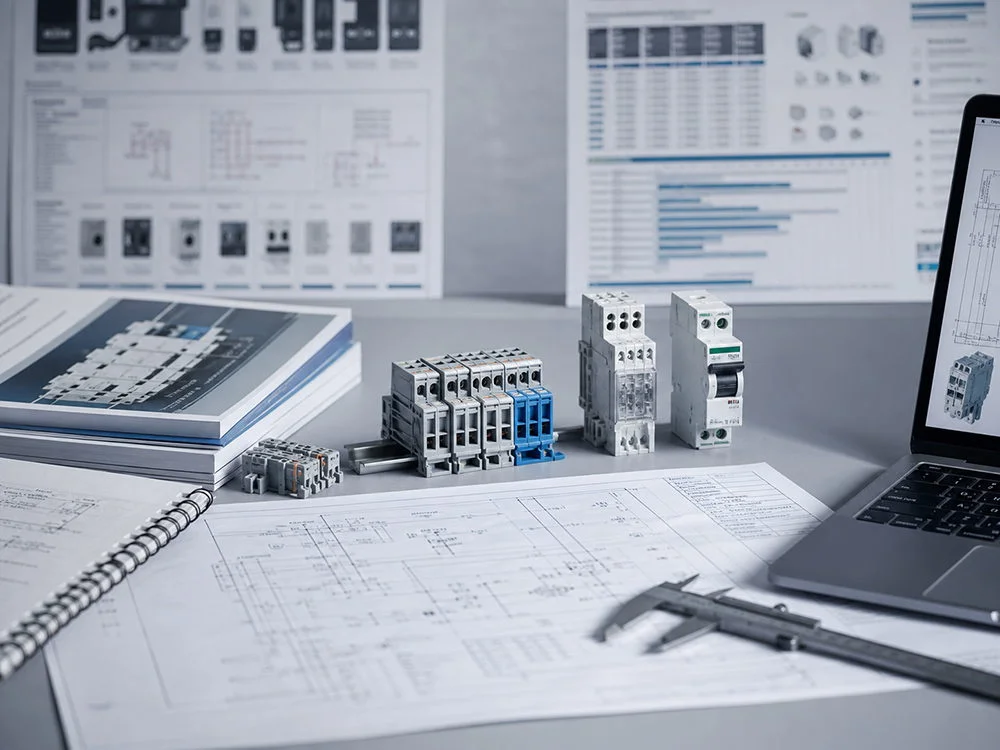


Air Circuit Breaker WEW1-2000 ACB: Withdrawable and Fixed Type
A 2,000 A air circuit breaker can open during a bus-coupler test because of an incorrect setting, interlock sequence or system condition; the event does not prove that the breaker failed. A WEW1-2000 purchase therefore needs the exact pole arrangement, frame data, trip unit, withdrawable or fixed construction and switchboard interface documented before release.
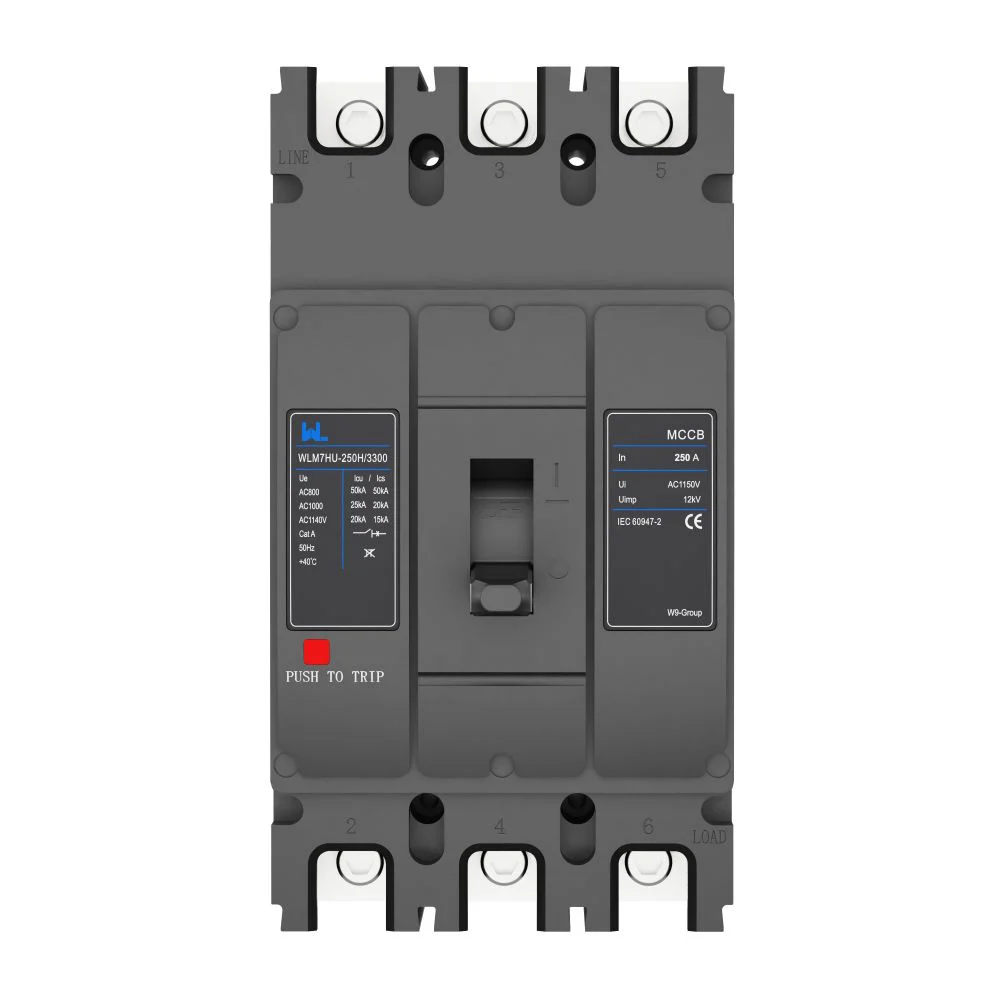
Summary: The WEW1-2000 is a 2,000 A-class low-voltage air circuit breaker listed in 3- or 4-pole, 400/690 V AC withdrawable and fixed configurations. 철거 가능 구조 can support planned inspection and faster replacement only when the cradle, shutters, position interlocks and secondary wiring are compatible. Confirm the exact order code, interrupting and withstand ratings, trip settings, dimensions and routine-test evidence for the destination assembly.
WEW1-2000 Ratings and Order Data
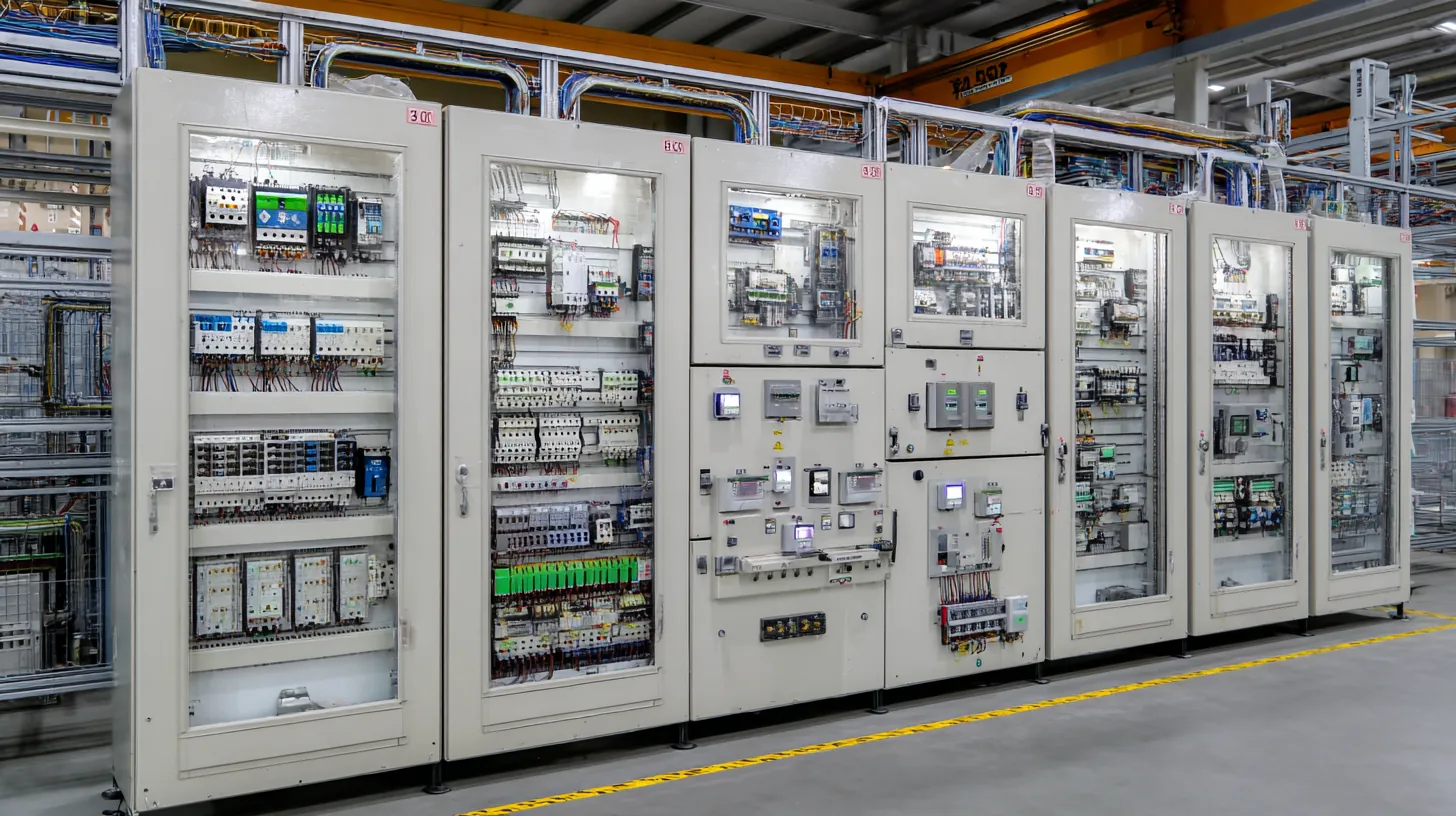
WEW1 identifies a product family, while “2000” indicates the 2,000 A class shown in the product listing. It does not by itself prove the sensor setting, breaking capacity, short-time withstand or thermal performance for every order code. Treat frame current, long-time pickup, interrupting rating and accessories as separate fields in the procurement schedule.
Start with the system: nominal voltage and frequency, earthing arrangement, design current, duty cycle, ambient temperature, altitude and enclosure ventilation. Then obtain prospective short-circuit current at the breaker terminals. Compare that value with the selected voltage-specific Icu (ultimate breaking capacity), Ics (service breaking capacity) and ICW (short-time withstand). A 2,000 A label is not a substitute for a fault study.
Three poles interrupt the three phase conductors while leaving the neutral continuous; four poles interrupt the neutral as well. A transfer scheme, generator installation or a system with documented neutral hazards may require 4P, but the engineer should record the earthing and switching rationale. Trip functions—long-time, short-time, instantaneous and optional ground fault—must be set from coordination and arc-flash studies, not copied from another project.
Separate Frame Current and Trip Settings
Build the schedule with individual columns for rated voltage, frequency, frame current, long-time pickup, poles, interrupting capacity, short-time withstand, trip unit and accessories. This prevents “2,000 A” from being copied into every electrical field. Match the values to the one-line diagram, fault study and the switchboard’s bus and compartment ratings.
Withdrawable WEW1-2000 Operation

A withdrawable breaker plugs into a dedicated cradle and moves through connected, test and disconnected positions. Primary stabs, shutters, secondary disconnects and mechanical or electrical interlocks must match the switchboard. Test position is a controlled maintenance state; it does not remove the need for lockout, absence-of-voltage verification or the manufacturer’s racking procedure.
The business case is availability. A data center, process line or hospital board can keep a tested spare and return service sooner after a planned intervention. The cost is additional panel depth, lifting access, alignment checks and more inspection points. The cradle, coding, shutters and secondary plug are part of the protection system; mixing accessories from another frame can defeat an interlock.
Include a racking checklist in the handover package. Verify that the breaker cannot close between positions, that position contacts report correctly to the control system and that shutters cover live stabs in the disconnected position. NFPA 70E boundaries and the project lockout/tagout procedure still govern the work.
Verify Cradle and Position Signals
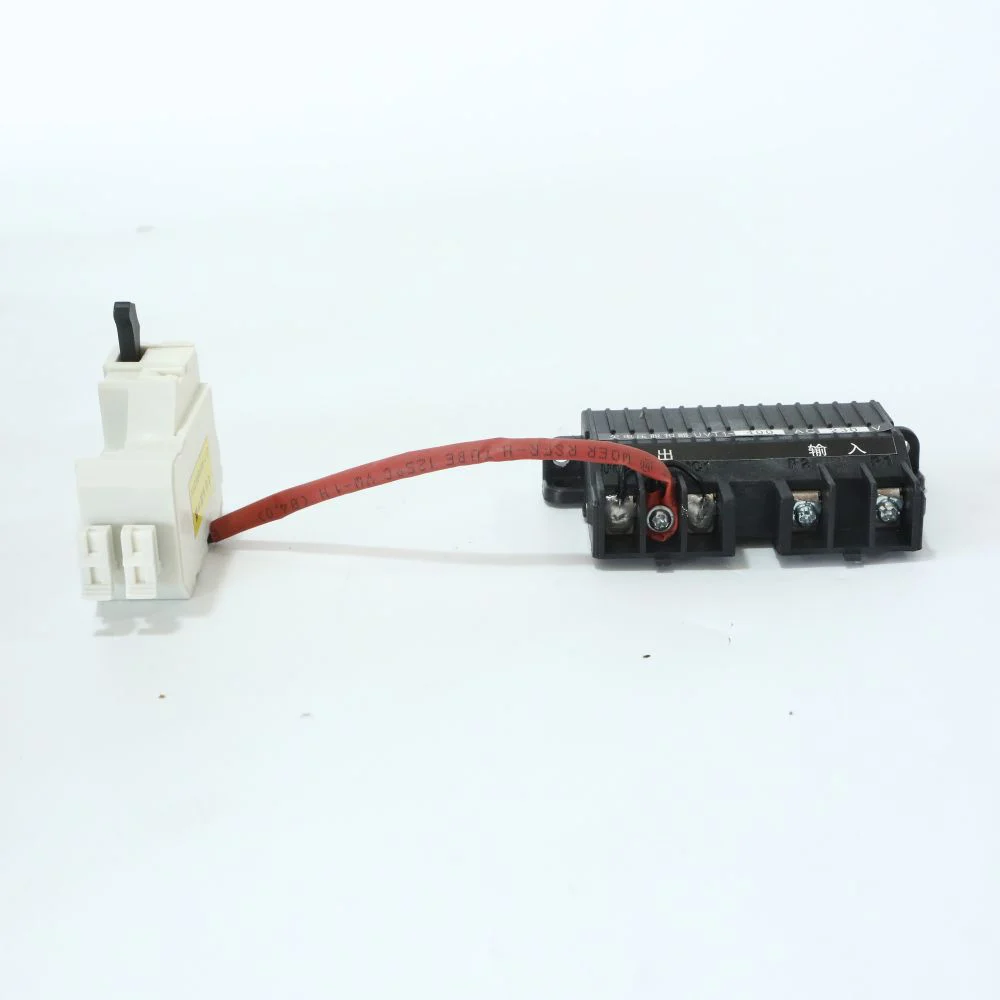
For a drawout installation, inspect the cradle code, primary disconnects, shutters, racking mechanism, position contacts, secondary plug and close permissives as one interface. Commission connected, test and disconnected indications separately. Record the interlock test and prove that an incorrect position cannot produce an unintended close command.
Fixed WEW1-2000 Installation
A fixed ACB is bolted or bus-connected directly into the assembly. Fewer moving interfaces can simplify a replicated OEM panel, reduce compartment depth and make torque inspection straightforward. This option is often practical for a stable utility board or a feeder that can be isolated during a scheduled shutdown.
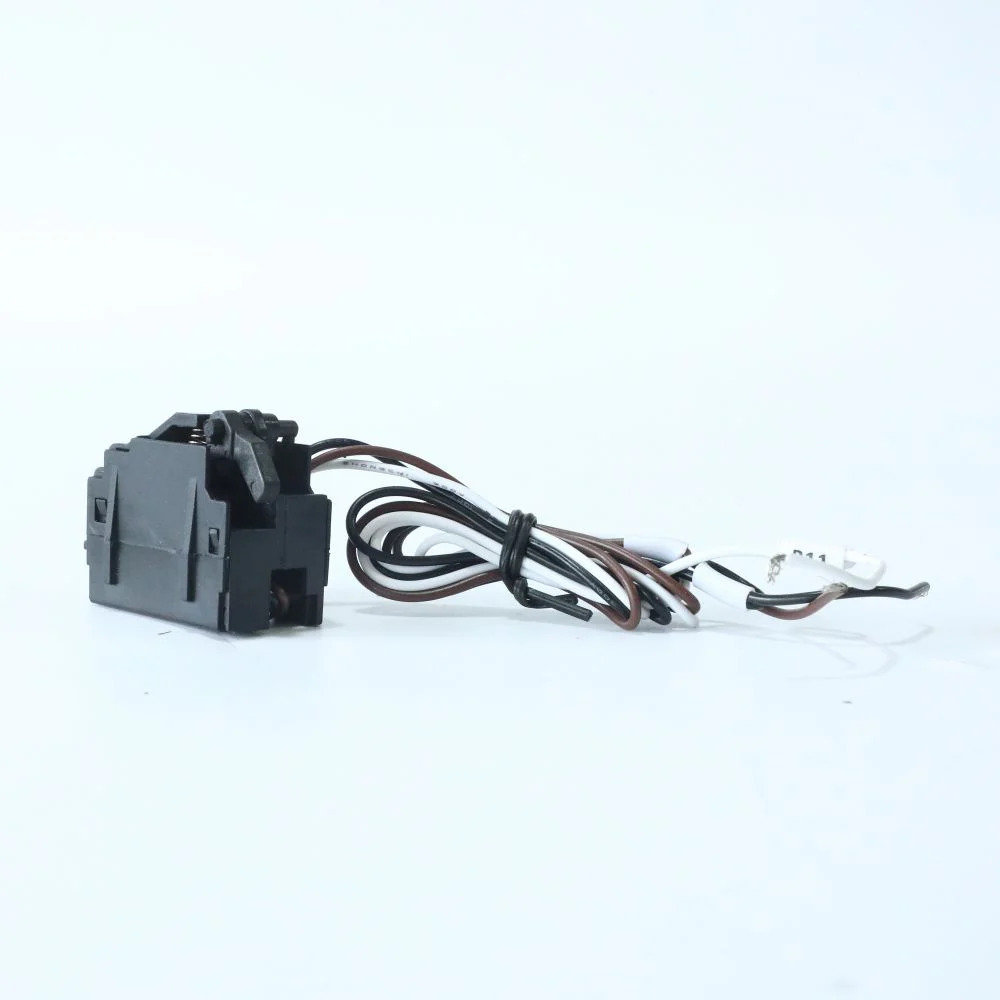
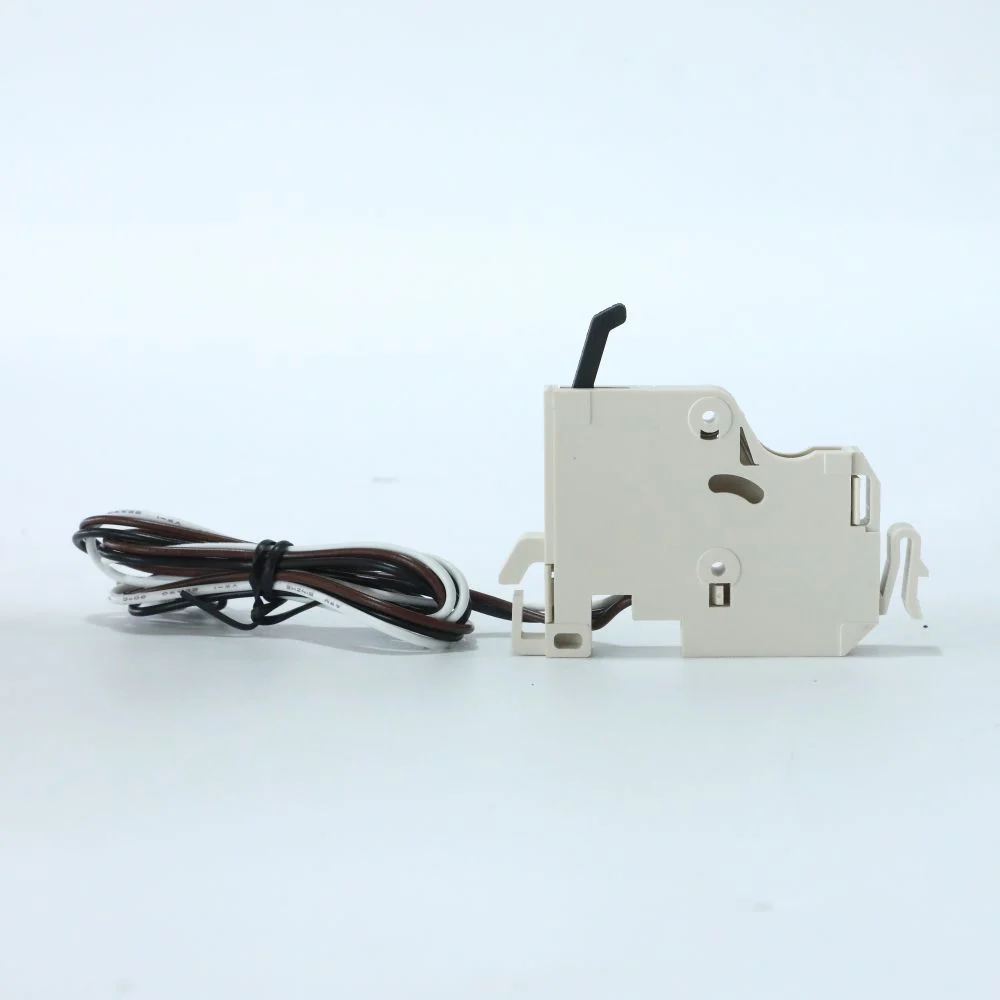
The trade-off arrives at service time. Removing a fixed unit normally means isolating the board, proving absence of voltage, disconnecting conductors and arranging lifting equipment. Electronic trip, shunt-release, undervoltage and communication accessories can still be specified, but they do not create a removable test position. Ask the panel builder to show cable-bending space, primary clearances and maintenance access on the general arrangement drawing.
Withdrawable and Fixed ACB Comparison
| 차원 | Withdrawable type | Fixed type | 조달의 의미 |
|---|---|---|---|
| 유지보수 액세스 | Connected, test and disconnected positions | Isolation and physical disconnection required | Price the outage hours and technician time |
| Hardware | Cradle, stabs, shutters, coding and racking mechanism | Direct mounting with fewer interfaces | Check panel depth, alignment and lifting points |
| Continuity | Compatible spare can restore service quickly | Replacement is more device- and wiring-specific | Define a spare strategy and interchangeability limits |
| Inspection | Interlocks and primary contacts need routine checks | Torque, insulation and contact condition remain key | Request a manufacturer-based maintenance schedule |
| 총 비용 | Higher initial hardware tendency; lower outage potential | Lower installation complexity; potentially longer outage | Use an illustrative lifecycle model, not unit price alone |
Applications for 2,000 A-Class ACBs
| 응용 | Typical decision | 요청할 증거 |
|---|---|---|
| Main incomer | Review withdrawable for testing and spare exchange | Fault-current study, ICW, Icu/Ics, coordination curves |
| Generator or ATS tie | Confirm 3P/4P neutral policy and interlocking | Transfer sequence, interlock test and control schematic |
| Motor or transformer feeder | Either type if inrush and selectivity are proven | Starting profile, instantaneous pickup and downstream coordination |
| Data or process-critical bus | Withdrawable often merits its cradle premium | Racking procedure, arc-flash study, spare and training plan |
| Replicated OEM panel | Fixed can improve repeatability where outages are planned | Frozen dimensions, terminal schedule and routine-test template |
As an illustrative check, 2,000 A at 400 V in a three-phase system represents about 1.39 MVA at unity power factor (√3 × 400 × 2,000). Real design current depends on power factor, diversity, harmonics, motor starting and continuous-load rules; use the project calculation rather than this arithmetic to select the trip setting.
Applicable ACB Standards
IEC 60947-2 defines low-voltage circuit-breaker ratings and verification duties, including dielectric, temperature-rise and short-circuit tests. It is a product standard; it does not certify a particular switchboard installation. IEC 61439 covers the low-voltage assembly, so the panel builder must verify clearances, temperature rise, short-circuit withstand and the withdrawable compartment as a complete system.
For North American projects, UL 1066 addresses low-voltage AC and DC power circuit breakers. NFPA 70 (NEC) governs installation topics such as conductor protection and working space, while NFPA 70B may inform maintenance where adopted. “UL compliant” or “IEC certified” should be used only when the exact frame, voltage, pole count, trip unit and conditions match the referenced evidence. The destination market and authority having jurisdiction decide what documentation is accepted.
Before energization, record insulation resistance, contact resistance, mechanical operation, release and interlock checks, and trip-unit secondary injection. Primary injection may be required by the project. Compare pickup and trip times with the approved coordination study; retain routine-test records, settings, torque logs, drawings and the final one-line diagram.
WEW1-2000 Procurement Checklist
- Issue the one-line diagram, load schedule and prospective fault current with the RFQ.
- State 400/690 V option, 2,000 A class, frequency, 3P/4P choice, Icu/Ics/ICW and trip functions.
- Decide withdrawable or fixed using outage value, spare policy, panel depth and lifting access.
- Freeze coils, auxiliaries, metering, communications, terminals and interlocks on the order schedule.
- Require configuration-specific drawings, coordination curves, test evidence and commissioning templates before approval.
W9 Group’s public information can help buyers compare the WEW1-2000 options, but a family page is not a substitute for an order-code data sheet. Review the WEW1-2000 ACB product page and request the exact configuration and test documents.
Frequently Asked Questions
Is the WEW1-2000 available in both withdrawable and fixed type?
The public listing presents withdrawable and fixed 3P/4P, 400/690 V AC options in the 2,000 A class. Confirm the exact order code, dimensions, trip unit and accessories with the current data sheet before purchasing.
Should I choose 3-pole or 4-pole?
Choose 3P when the design intentionally leaves the neutral unswitched; choose 4P when the transfer scheme, earthing arrangement or local rules require neutral interruption. Document the engineering rationale and verify residual-current behavior.
Does withdrawable mean maintenance can be performed energized?
No. Test and disconnected positions support isolation and inspection, but lockout/tagout and absence-of-voltage verification still apply. Follow the manufacturer’s racking and arc-flash procedure.
How is a 2,000 A ACB sized?
Start with design current and conductor ampacity, then check voltage, fault current, Icu, Ics, ICW, derating and coordination. The frame class and long-time pickup are separate values.
What documents should accompany the breaker?
Request the exact data sheet, dimensional and wiring drawings, coordination curves, IEC or UL evidence, routine-test record, settings file and maintenance instructions. The panel builder should also provide IEC 61439 verification for the complete assembly where applicable.
Technical References
- OSHA 29 CFR 1910.303 — General. U.S. requirements for suitable equipment, ratings, guarding and installation evidence. Accessed 17 October 2026.
- Schneider Electric — Icu and Ics on a PowerPact breaker. Official FAQ, modified 10 May 2022; used to distinguish ultimate and service interrupting-capacity concepts, not WEW1 equivalence.
- Schneider Electric — Micrologic Trip Units. Official product-range page observed 17 October 2026; used only as a comparison for trip-unit sensing and signalling concepts.
The dependable ACB is the one whose poles, ratings, access and evidence match the system. For additional context, read W9’s air circuit breaker types guide and industrial ACB selection guide.
Related resource: industrial ACB selection guide
Ready to specify your WEW1-2000? Visit the 회로 보호 제품 category, then contact W9 with your one-line diagram, load schedule and destination standard for configuration review and documentation support.