



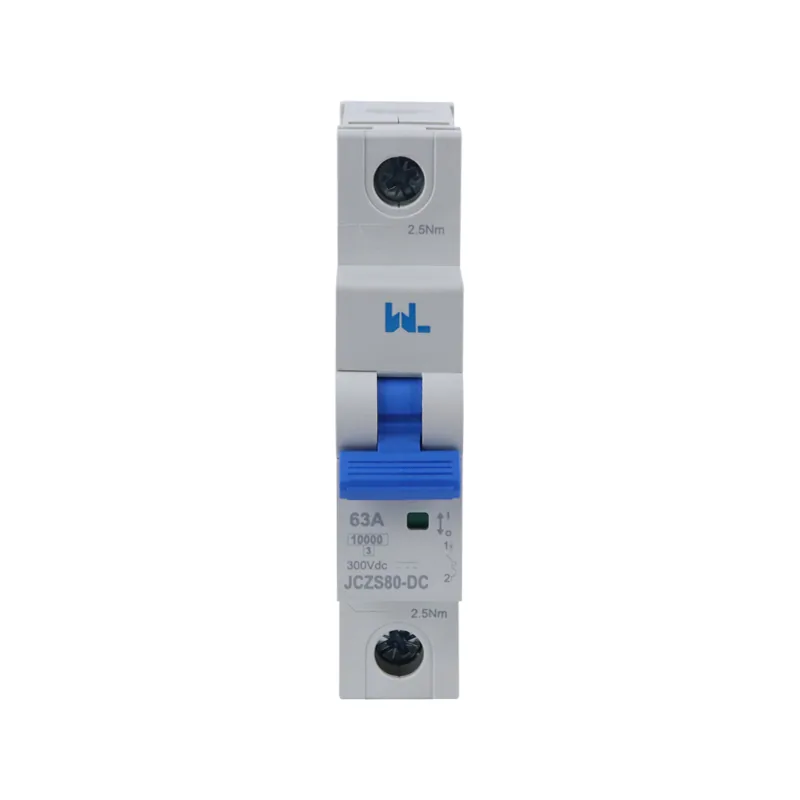
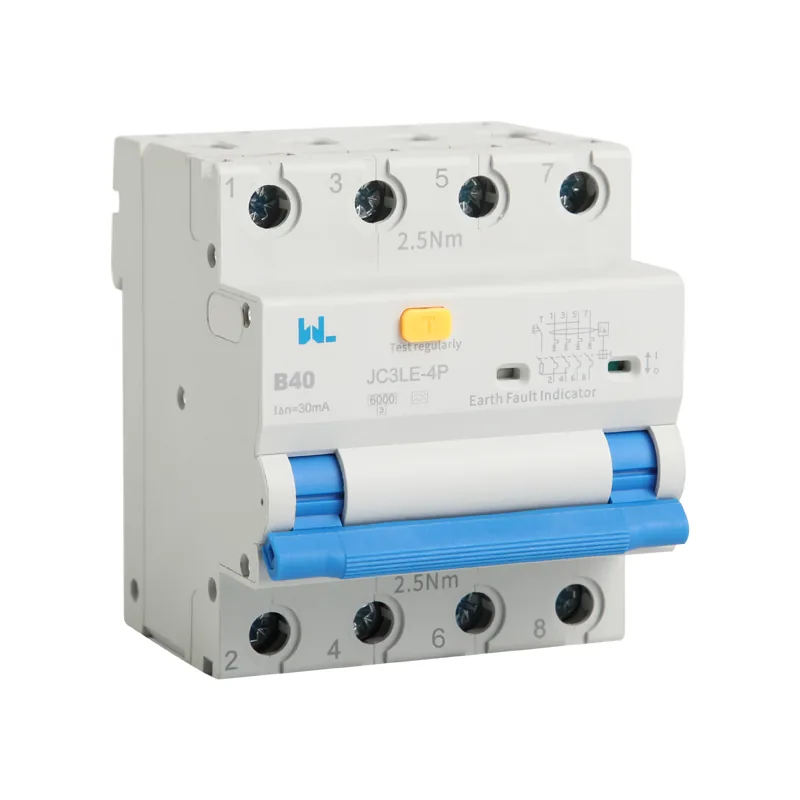
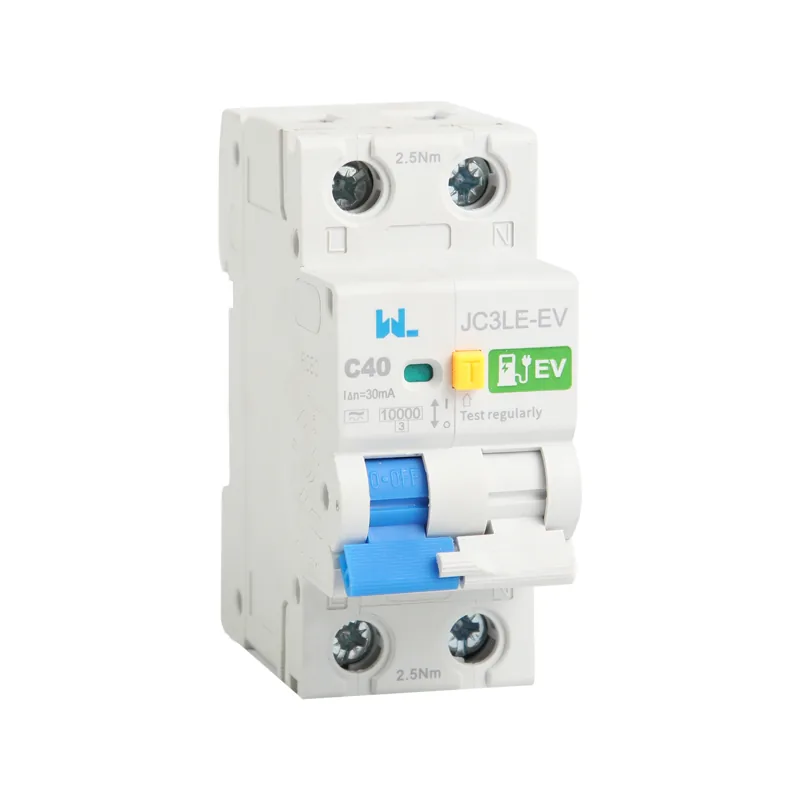




The Important Role of 125A DC Miniature Circuit Breakers in Modern Electrical Systems
The Important Role of 125A DC Miniature Circuit Breakers in Modern Electrical Systems
When Priya, a commissioning engineer in Rotterdam, energized a 110 V battery cabinet, the feeder breaker opened and the charger went dark. A replacement AC MCB held for a few seconds, then an arc continued after the contacts separated. The visible failure looked like a faulty breaker, but the root cause was specification: a DC-rated device, correct pole arrangement and verified interrupting capacity were required.
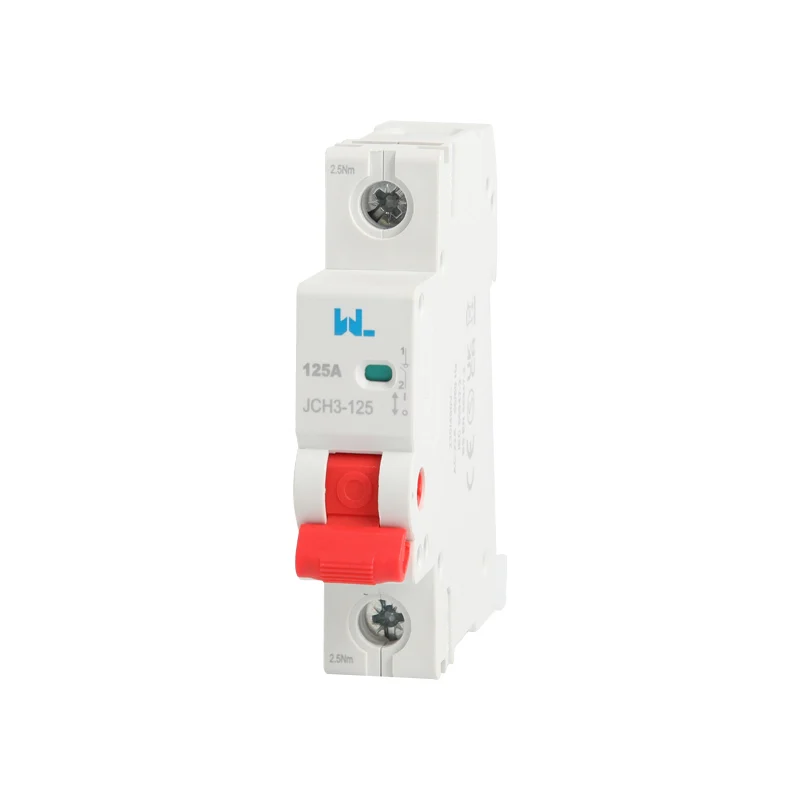
요약: A 125A DC miniature circuit breaker (MCB) is a compact overcurrent device for direct-current feeders, but “125A” alone says very little. Select a model for the actual DC voltage, prospective short-circuit current, polarity, number of poles, load profile and enclosure temperature. IEC 60947-2 is the usual product standard for industrial circuit-breakers; IEC 60898-1 covers household and similar MCBs only within its defined scope. Ask for model-specific DC test evidence, time-current curves and installation instructions before approval. A properly coordinated device limits cable heating and arc energy while allowing healthy battery, PV or control circuits to remain available.
Why 125A DC protection is different from AC protection
Alternating current naturally crosses zero every half cycle, helping an interrupter extinguish an arc. Direct current does not provide that periodic zero crossing. At 125A, the energy in a fault can sustain an arc unless the breaker has an interruption system designed for the stated DC voltage. Magnetic blowout paths, arc chutes and contact spacing are engineered for this duty; an AC rating cannot be transferred by assumption.
The 125A frame is useful for medium-power feeders. At 48 V DC it corresponds to an ideal 6 kW before conversion losses; at 110 V DC it is 13.75 kW. These are illustrative load calculations, not permitted continuous ratings. Cable ampacity, ambient temperature, grouping, duty cycle and the power-conversion equipment still determine the design current. For a practical overview of protective-device functions, see our basic circuit breaker guide.
How a 125A DC MCB protects a feeder
Thermal protection for sustained overload
A bimetal or equivalent thermal element responds to I²t heating. If a battery string, inverter input or telecom rectifier draws more than the conductor can carry, the element bends and trips after a time related to the overload. The trip curve must be checked at the product’s reference temperature; enclosure heat can reduce the available margin.
Magnetic protection for short circuits
A magnetic release acts quickly when current rises into the instantaneous region. Its threshold and tolerance are defined by the applicable standard and curve designation. DC systems can have high fault current from batteries or capacitors, so the breaker’s DC interrupting rating must meet or exceed the calculated prospective short-circuit current at its terminals. Verify Icu and, where provided, Ics at the exact voltage and pole configuration.
Arc interruption and isolation
When contacts open, the breaker stretches and cools the arc through its chamber. Polarity markings, series poles and wiring direction may be mandatory on polarized products; non-polarized designs have different tested limits. A handle position is useful for isolation, but safe work also requires lockout, verification of absence of voltage and discharge of stored energy under local rules.
Applications in modern DC systems
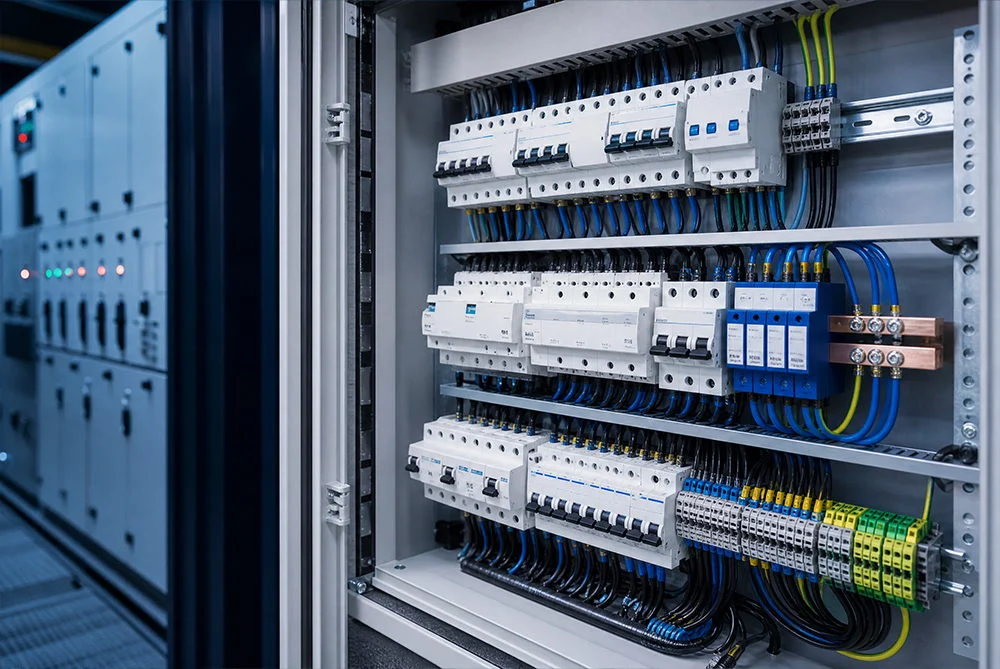
125A DC MCBs are commonly considered for battery energy storage branches, photovoltaic combiner outputs, electric-vehicle auxiliary circuits, telecom power shelves, industrial control panels and data-centre direct-current distribution. The device is installed close enough to the source to limit unprotected conductor length, while coordination with fuses, contactors and upstream breakers preserves selectivity.
PV and battery circuits can feed a fault from more than one direction. Designers therefore check reverse-current capability, back-feed restrictions and whether each pole must open simultaneously. In a battery cabinet, prospective current depends on chemistry, state of charge, bus impedance and parallel strings; a nameplate short-circuit value is not a substitute for a calculation. Our DC MCCB guide explains when a larger molded-case device is more appropriate than an MCB.
| Decision factor | What to verify for a 125A DC MCB | Risk if overlooked |
|---|---|---|
| System voltage | Continuous and transient DC voltage for each pole arrangement | Insufficient insulation or arc-extinction capability |
| Fault current | Prospective short-circuit current at the installation point | Contacts or enclosure cannot safely interrupt the fault |
| Polarity | Polarized versus non-polarized construction and wiring diagram | Arc chute operates outside its tested direction |
| Load profile | Continuous load, inverter inrush, motor start and capacitor charging | Nuisance trips or unprotected overloads |
| Environment | Ambient temperature, altitude, humidity, dust and enclosure rating | Derating, corrosion or unreliable operation |
Comparing protection options by application
| Option | Best-fit use | Strength | Boundary |
|---|---|---|---|
| 125A DC MCB | Branch feeders and compact panels | Small footprint, resettable isolation and defined trip curve | DC voltage and breaking capacity are model-specific |
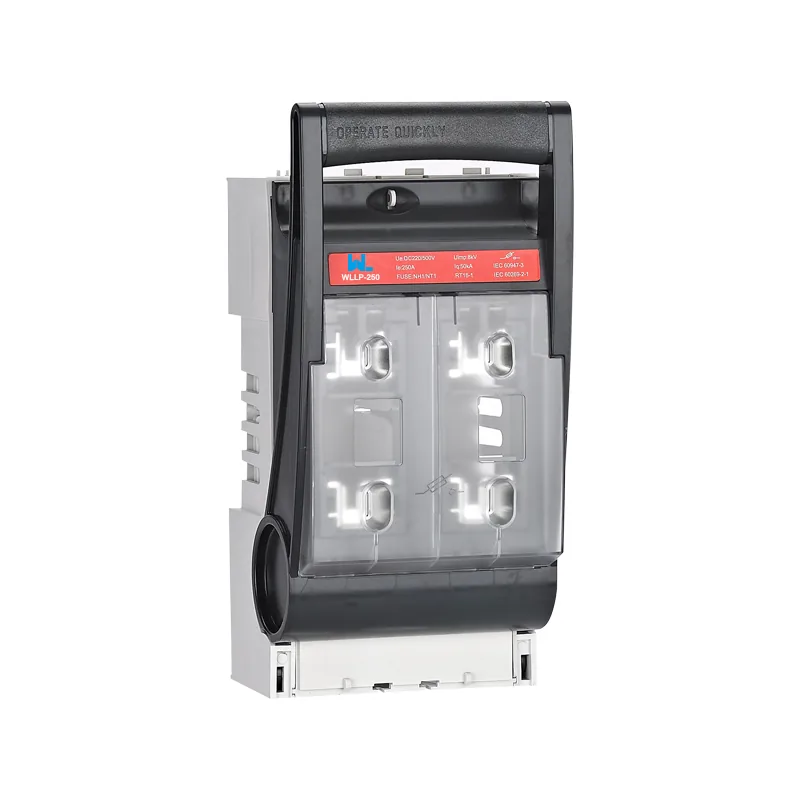
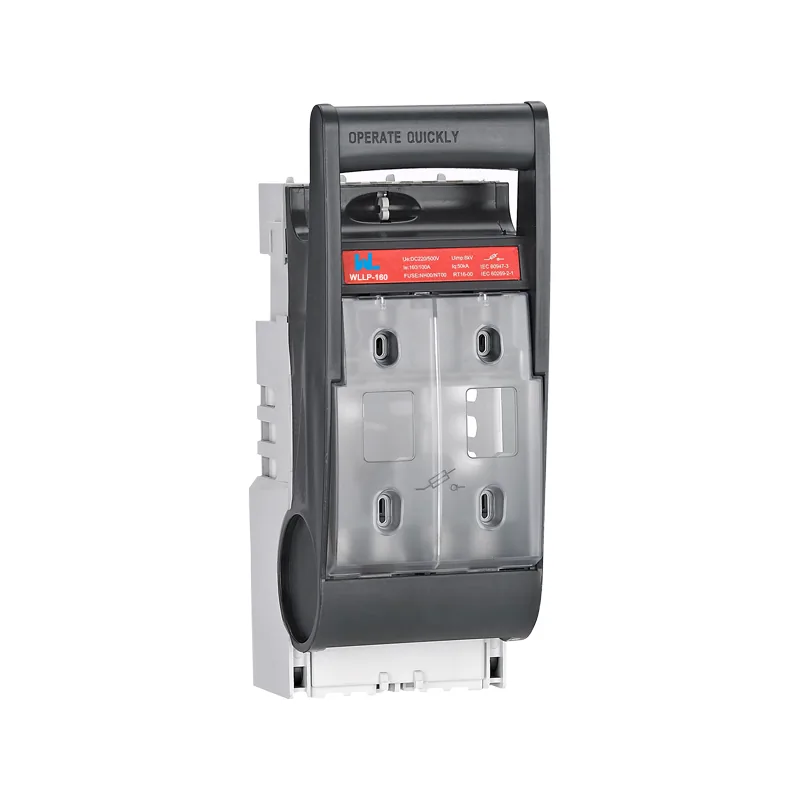
| DC fuse | High fault-energy battery or PV branches | Simple, fast current limiting when correctly selected | One-time replacement; coordination and spare stock required |
| DC MCCB | Higher-current feeders and main distribution | Larger ratings, adjustable trips and accessory options | More space; settings and maintenance must be documented |
| Contactor plus fuse/MCB | Frequent switching and emergency shutdown | Remote control combined with overcurrent protection | Contactor is not a short-circuit protective device by itself |
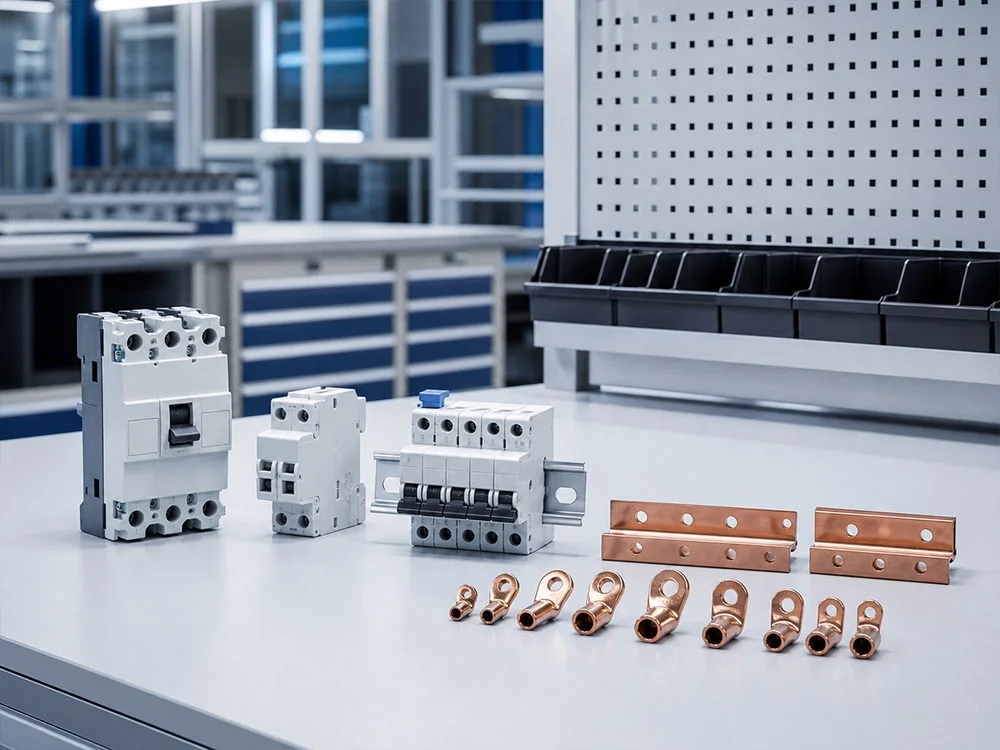
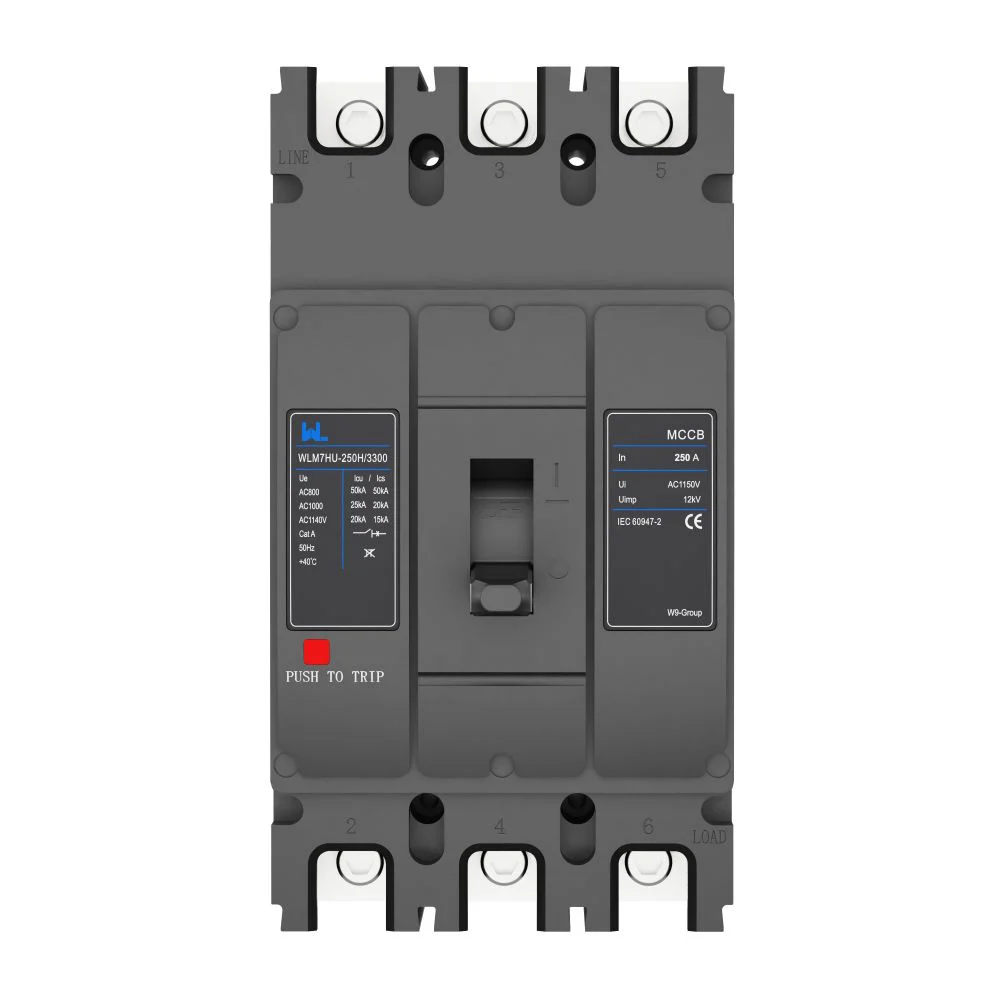
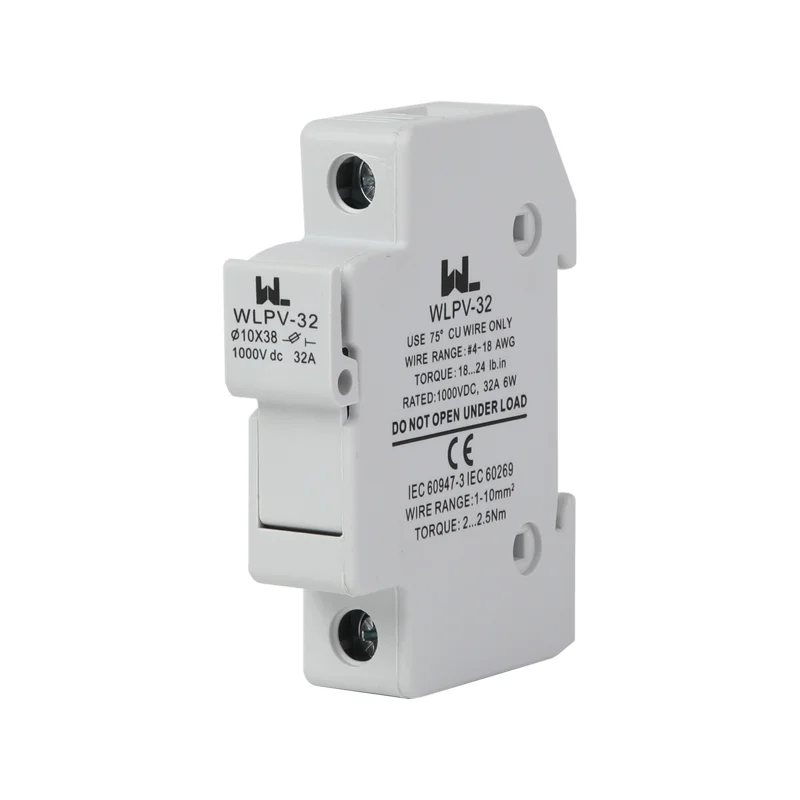
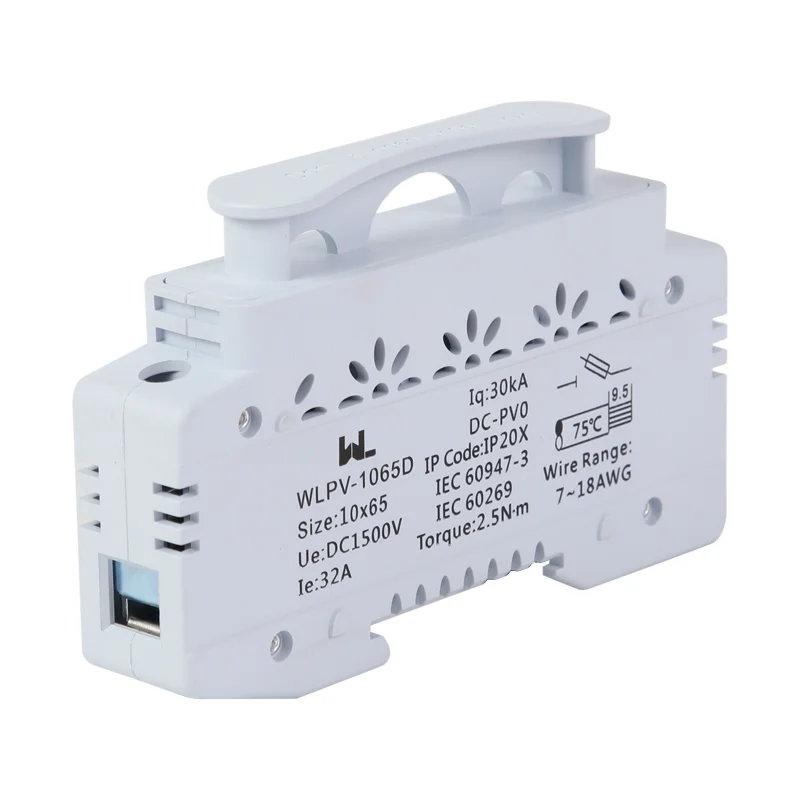
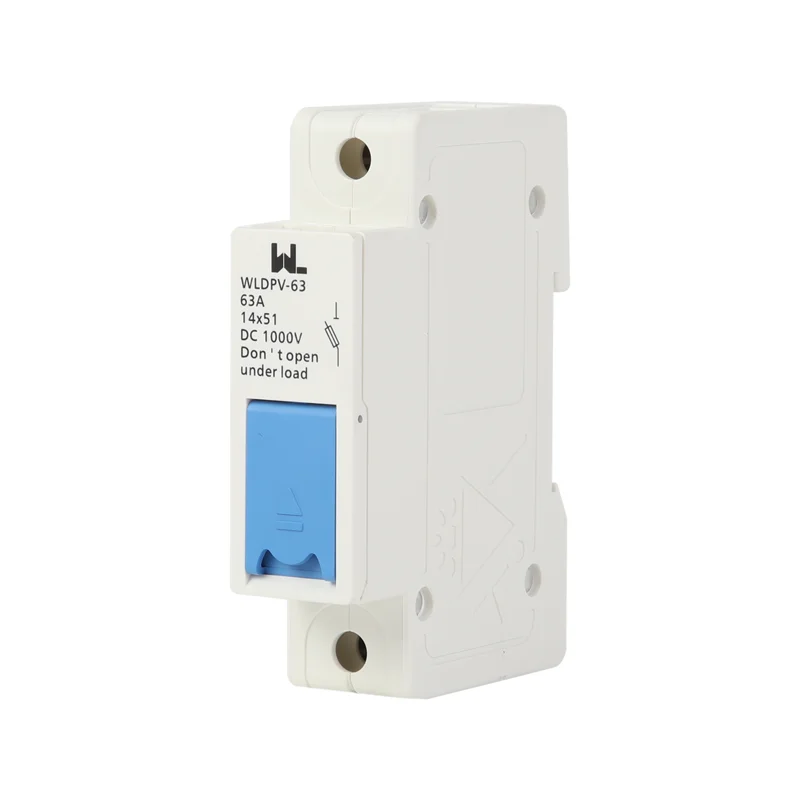
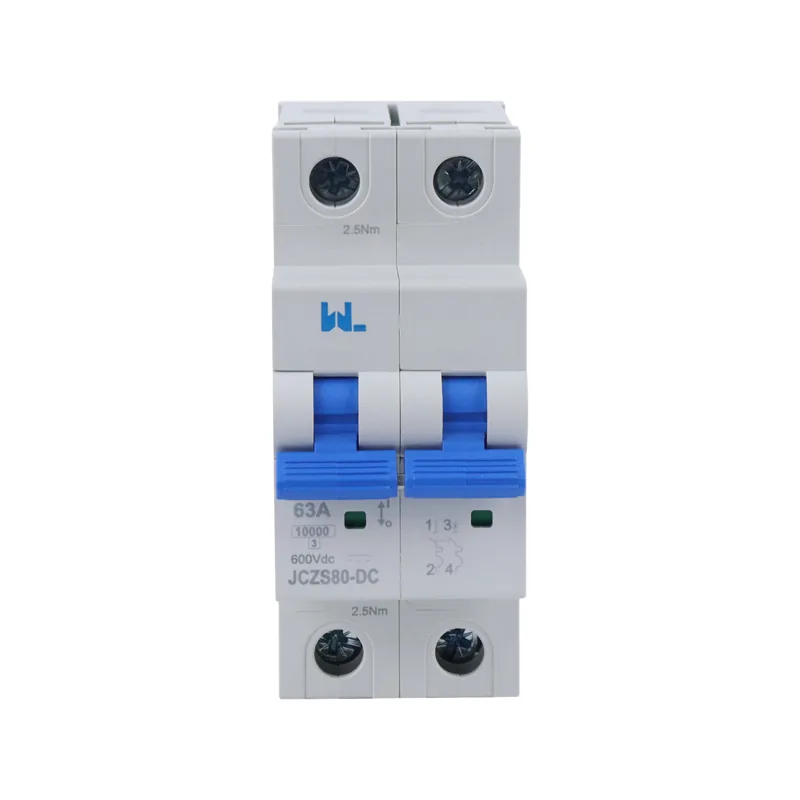
For a broader view of MCB selection, compare the MCB safety article. It is important not to treat a product photograph or a nominal ampere value as evidence of DC suitability.
Standards, testing and compliance
IEC 60947-2 specifies circuit-breaker requirements for low-voltage switchgear and controlgear, including rated voltage, utilization categories and short-circuit tests. IEC 60898-1 addresses circuit-breakers for household and similar installations under its stated conditions; a manufacturer must identify whether a particular DC product falls within that scope. IEC 60947-1 supplies common definitions and test principles for low-voltage switchgear. In North America, UL 489 is a separate construction and certification pathway. NFPA 70 (the National Electrical Code) governs installation in the United States, not product certification.
Request the exact edition, declaration or certificate, temperature-rise data, endurance results, time-current curves and DC short-circuit test report. A test method is not the same as a certification mark, and an IEC reference does not prove UL listing. Destination-market authorities may require additional marking, creepage and clearance, conductor termination or enclosure rules. Unsupported compliance language can delay acceptance, invalidate an inspection or create liability after a fault.
Five procurement checks that prevent expensive rework
- Build the duty statement. Record nominal and maximum DC voltage, continuous current, inrush, ambient range, altitude, source type and expected fault current.
- Confirm poles and polarity. Ask whether positive, negative or both conductors must be switched, and whether the product is polarized.
- Check coordination. Overlay time-current curves with upstream fuses, contactors and downstream devices; verify selectivity at the actual fault level.
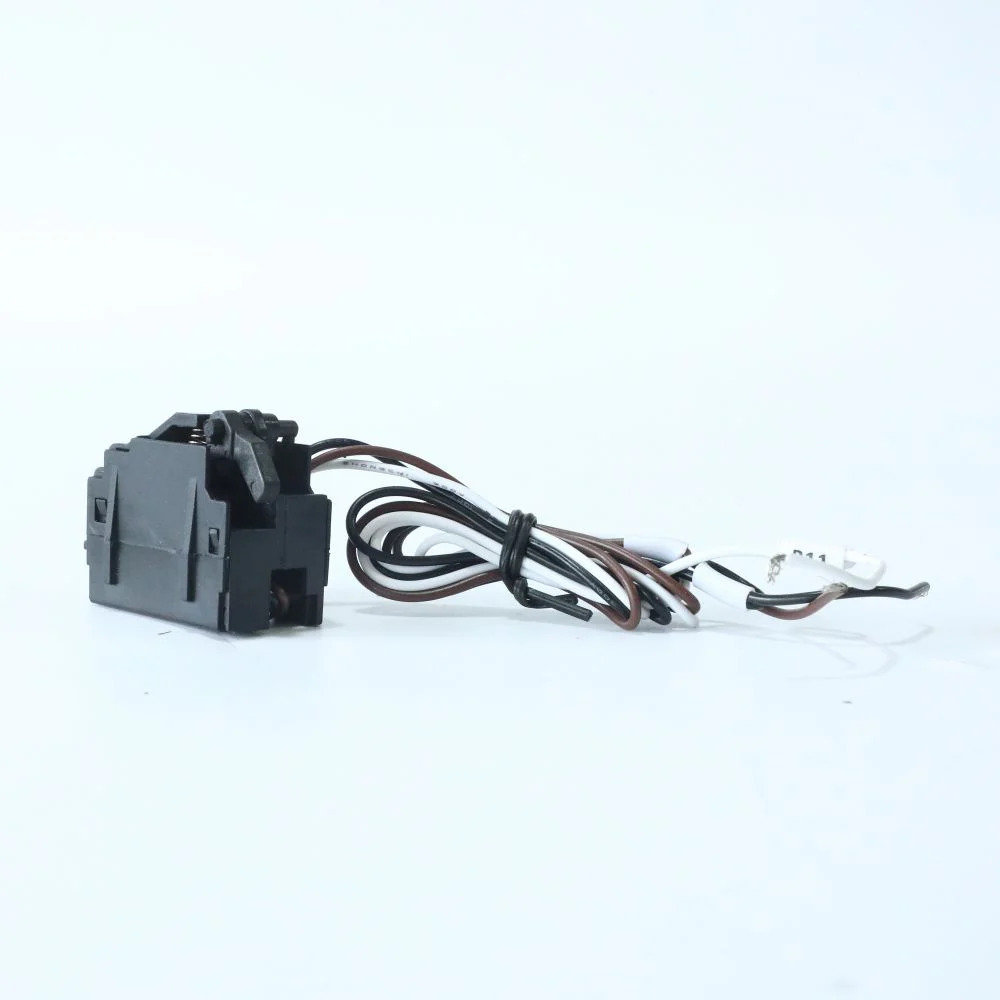
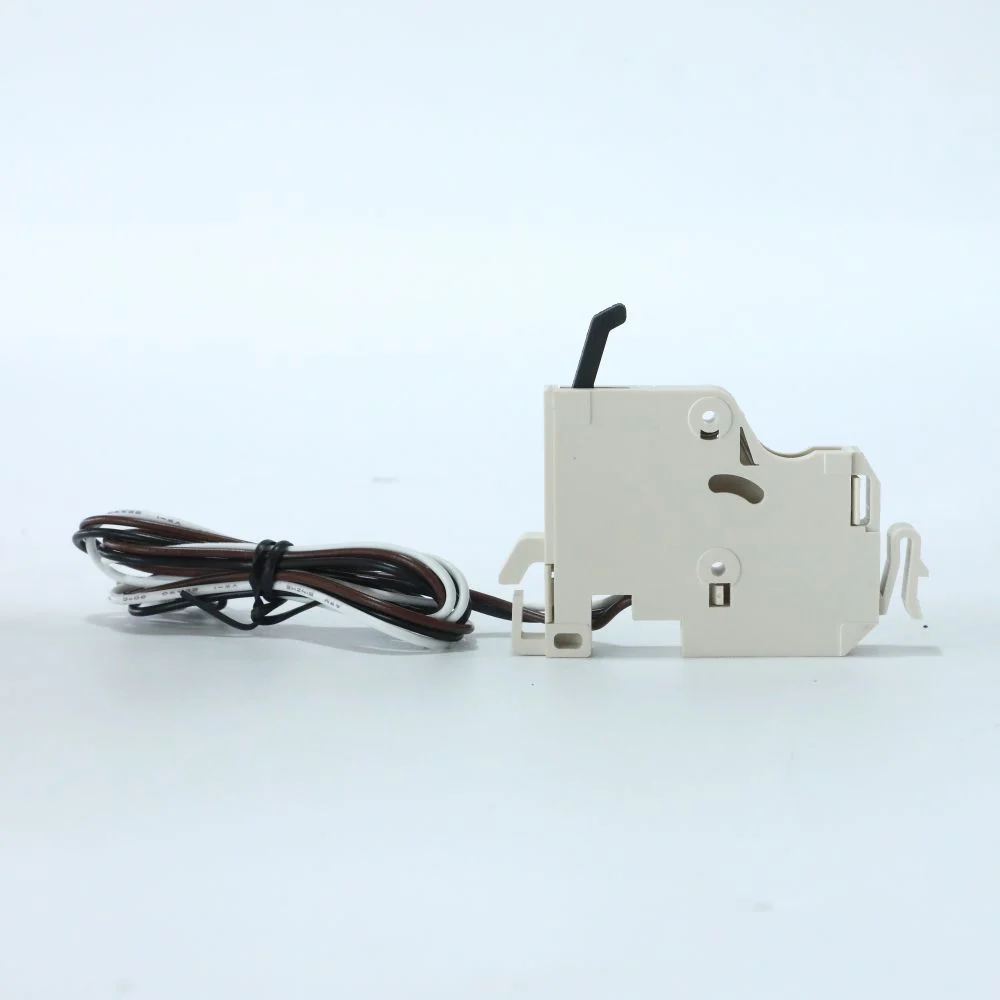
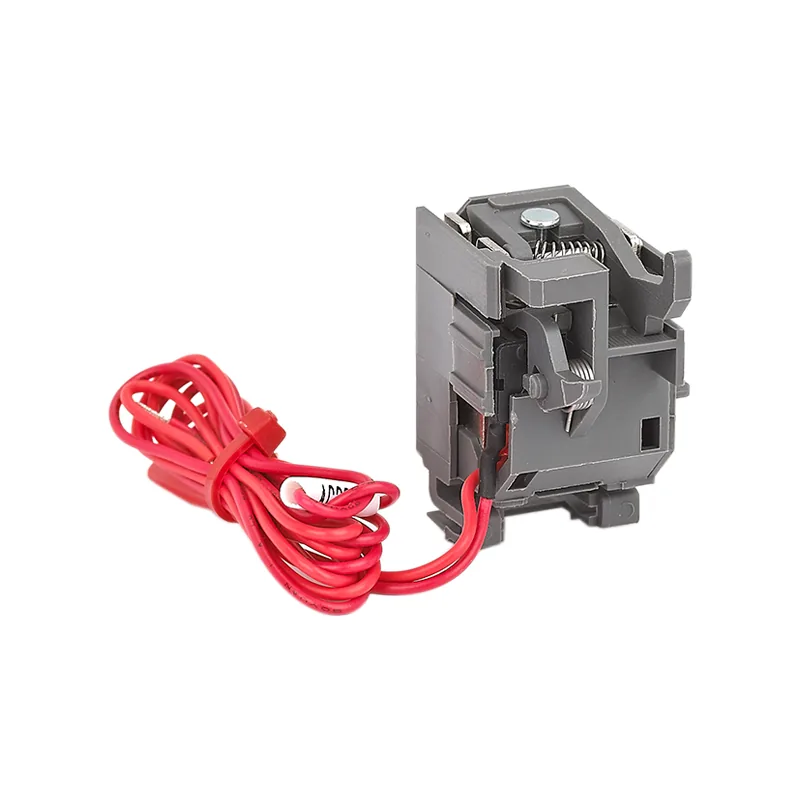
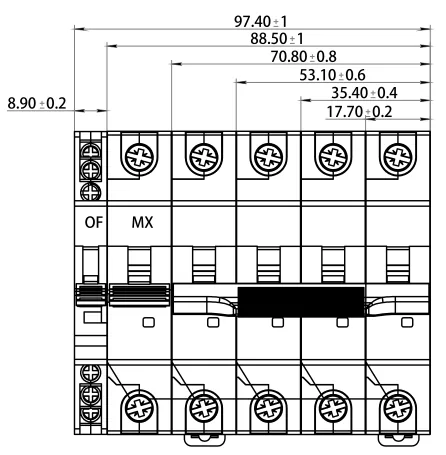
- Inspect the mechanical interface. Confirm DIN-rail or panel mounting, terminal size, torque, busbar compatibility, shunt trip and auxiliary-contact options.
- Plan commissioning. Include insulation, polarity, continuity, torque, functional trip and lockout checks, with records retained for maintenance.
W9 Group’s public catalogue includes DC and low-voltage protection families. Treat the catalogue as a starting point: send the supplier your one-line diagram and duty statement, then approve only a model-specific datasheet and test documentation. The quality information page can be reviewed alongside those documents.
자주 묻는 질문
Can I use a 125A AC MCB on a DC circuit?
Not unless the manufacturer explicitly rates that model for the circuit’s DC voltage, pole arrangement and fault current. AC-only ratings do not establish safe DC arc interruption. Select a DC-tested device and follow its polarity and series-pole instructions.
What does 125A mean on a DC miniature circuit breaker?
It is the device’s rated current under defined reference conditions, not a guarantee that every installation may carry 125A continuously. Cable ampacity, ambient derating, enclosure temperature and the load duty determine the permitted operating current. Verify the complete rating table in the datasheet.
How many poles should a 125A DC MCB have?
Choose poles according to the earthing arrangement, isolation objective and product test configuration. Some systems require simultaneous opening of positive and negative conductors; others switch one conductor only. Follow the project standard and the manufacturer’s wiring diagram.
Is a 10kA breaking capacity always enough?
No. The required value is at least the calculated prospective short-circuit current at the breaker, at the stated DC voltage and pole connection. Battery strings and capacitors can produce fault currents above an assumed 10kA, so obtain a study or measured source data before selecting.
Does an MCB replace a battery management system?
No. An MCB provides circuit overcurrent protection and isolation; a battery-management system monitors cell voltage, temperature and state of charge. They are complementary layers, and coordination with contactors and fuses is still required.
Authoritative references
- International Electrotechnical Commission (IEC) standards catalogue — IEC 60947-1, IEC 60947-2 and IEC 60898-1 scopes.
- NFPA 70, National Electrical Code — U.S. installation requirements.
- UL Solutions circuit-breaker resources — North American product safety and certification pathways.
- OSHA 29 CFR 1910.303 — U.S. electrical installation safety provisions.
The durable lesson is simple: in DC protection, the arc does not forgive assumptions. If you are specifying a 125A feeder, begin with voltage and fault current, document polarity and coordination, and then invite W9 Group to discuss a model with evidence. Explore the DC and low-voltage circuit protection range and contact the team for drawings, test records and application support.