








Arc-Fault Detection Device: How It Helps Keep Your Home Safe
Arc-Fault Detection Device: How It Helps Keep Your Home Safe
When a homeowner in Manchester heard a faint crackle behind a bedroom wall, she watched a video, tightened the socket faceplate and reset the breaker herself. The breaker stayed on, but the smell of hot plastic returned that evening and an electrician later found a loose conductor creating intermittent arcing. The surprise was not a defective breaker; it was a protection gap that ordinary overcurrent devices are not designed to close. That is the question this guide answers: how can an arc-fault detection device reduce hidden fire risk without replacing sound wiring practice?
Summary: An arc-fault detection device (AFDD, called an AFCI in North America) analyses current and voltage waveforms for hazardous arc signatures and disconnects a circuit before sustained heating ignites materials. It complements, rather than replaces, an MCB, RCCB or RCBO. For a home project, identify high-consequence circuits, specify a model tested to IEC 62606, coordinate ratings and neutral routing, and have a qualified electrician inspect terminations and commission the device.
Arcing can occur in a loose terminal, crushed cable, damaged flex or ageing plug. A series arc may draw nearly normal load current, so an MCB’s thermal or magnetic element may never reach its trip threshold. A parallel arc between conductors can be brief and irregular. The AFDD function is therefore pattern recognition followed by a controlled opening action. The device addresses electrical-fire risk at the waveform level while the rest of the protective system handles overload, short circuit, shock and leakage.
What an arc-fault detection device actually monitors
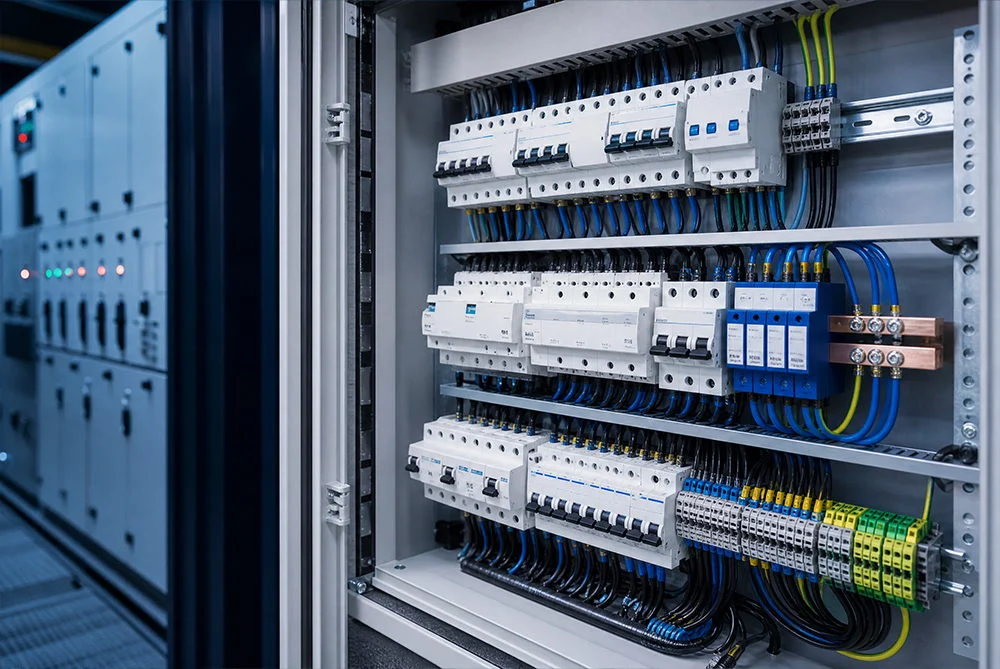
Inside an AFDD, sensors sample the line waveform; digital filtering removes normal switching noise from motors, LED drivers and dimmers; an algorithm compares the remaining signature with defined series- and parallel-arc characteristics. If the pattern persists for the duration required by the product test, a trip actuator opens the monitored conductors. IEC 62606 specifies the characteristic arc conditions and verification methods for this decision chain.
Series faults are often the most deceptive: current flows through one damaged path, producing heat at a connection while the appliance appears to work. Parallel faults bridge line-neutral or line-earth and can escalate quickly. A compliant AFDD is evaluated for both categories, but no device can detect a cable that is outside its sensing path. Installation at the circuit origin, correct neutral routing and an intact enclosure are essential.
- Sensing: current and voltage transformers capture high-frequency disturbance superimposed on the 50/60 Hz supply.
- Decision: firmware distinguishes an arc from harmless inrush, relay chatter or a vacuum-cleaner motor.
- Interruption: the trip mechanism opens within the time and test envelope declared for the exact model.
- Indication: LEDs, a flag or event memory helps an electrician separate an arc trip from overload or residual-current operation.
AFDD vs MCB, RCCB and RCBO in a home
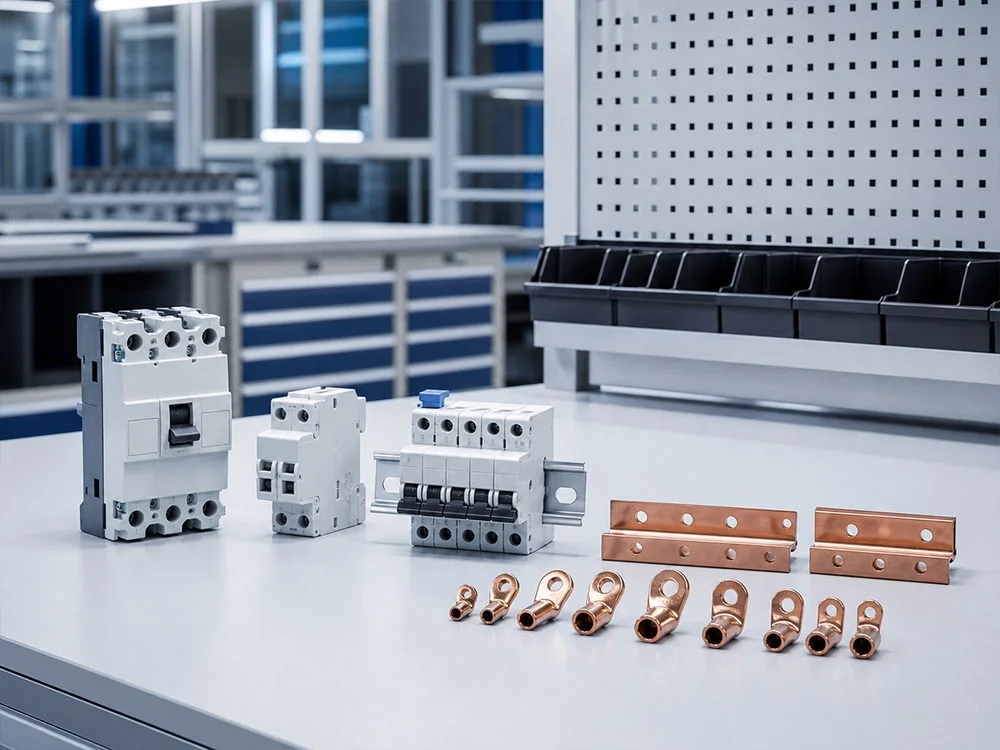
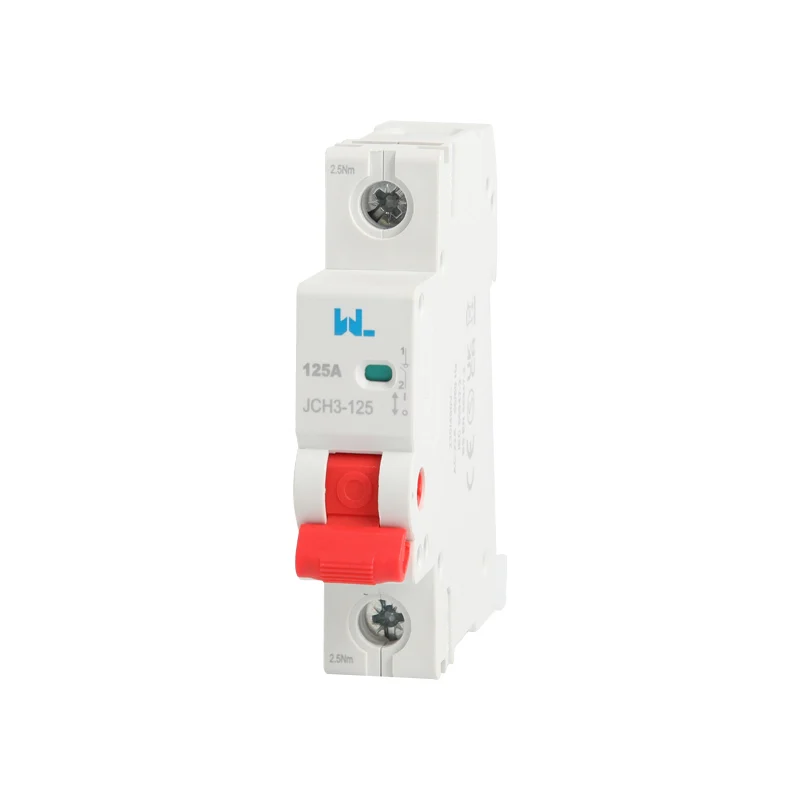
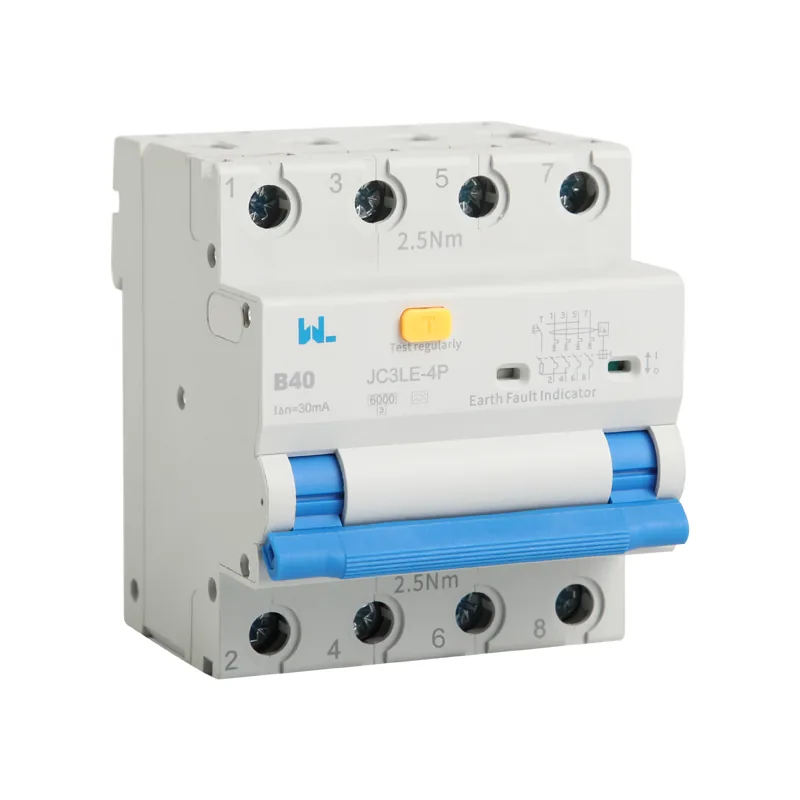
Each protective device answers a different hazard. An MCB protects conductors against overload and short-circuit current. An RCCB detects an imbalance (residual current) that can indicate shock or insulation leakage. An RCBO combines those two functions for one circuit. An AFDD looks for an arc signature; it does not provide earthing, overload or residual-current protection unless the product is a certified combination unit.
| Device | Primary trigger | Home safety contribution | Remaining gap |
|---|---|---|---|
| MCB | Overload / short circuit | Limits conductor heating and fault energy | May miss high-impedance series arcs |
| RCCB | Residual current (IΔn) | Reduces shock and leakage risk | Does not analyse arc patterns |
| RCBO | Residual current + overcurrent | Two functions at circuit level | Still not dedicated arc detection |
| AFDD | Series / parallel arc signature | Interrupts defined ignition-risk arcs | Cannot repair loose or damaged wiring |
Some manufacturers offer AFDD+MCB or AFDD+RCBO assemblies. Verify the pole arrangement, rated current, short-circuit capacity and coordination table; a compact product label does not remove the designer’s responsibility under IEC 60364 installation rules.
Homeowners can support the design with simple observations. Note which room loses power, whether a trip follows a particular appliance, and any buzzing, warmth, discoloration or burning odour at a plate. These clues help an electrician reproduce the condition without opening live equipment. Portable heaters, chargers and extension leads deserve particular attention because repeated flexing and overloading can damage contacts. An AFDD is most useful when its trip indication is connected to a clear maintenance routine: isolate, investigate, repair and document before restoring service.
Where AFDD protection is most valuable
IEC 60364-4-42 addresses protection against thermal effects and asks designers to consider ignition consequences. In a dwelling, risk is highest where people sleep, evacuation is difficult or combustible construction conceals cable routes. The honest answer is not “fit one on every circuit,” but “prioritise circuits where an undetected arc would have the greatest consequence.”
| Home area or circuit | Why risk can be elevated | Practical priority |
|---|---|---|
| Bedrooms and loft conversions | Sleeping occupants; cables hidden in insulation | High—especially during renovation |
| Older wiring and heritage walls | Ageing insulation, inaccessible joints | High after inspection and remedial work |
| Long radial or extension-fed runs | More terminations and mechanical stress | Medium to high, based on survey |
| Workshops and garages | Vibration, portable tools and damaged flexes | High for heavily used outlets |
| Unoccupied utility circuits | Freezers or pumps can run unnoticed | Consider AFDD plus remote status |
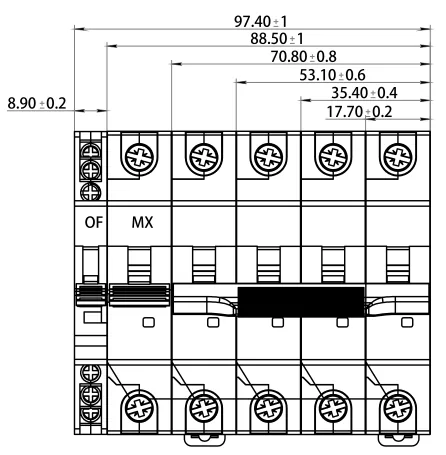
Selection and installation checklist
A safe specification starts with the existing installation, not a catalogue image. We recommend the following sequence:
- Survey first: isolate the circuit, inspect heat marks and terminations, verify conductor size and record insulation-resistance results. Correct loose connections before commissioning an AFDD.
- Define the circuit: note 230 V single-phase or other supply, poles, neutral arrangement, rated current, prospective short-circuit current and enclosure temperature.
- Match evidence: request the exact model’s IEC 62606 test report, declaration, wiring diagram and compatibility list for downstream MCBs/RCBOs.
- Plan nuisance-trip control: check manufacturer guidance for LED drivers, photovoltaic inverters, heat pumps and variable-speed appliances; do not defeat protection because a load is noisy.
- Commission and hand over: perform polarity, continuity and functional tests, record torque values, test the button and explain reset indications to the homeowner.
Standards, certification and commercial consequences
IEC 62606 is the product standard for AFDD construction and arc-test performance. IEC 60364-4-42 informs protection against thermal effects; IEC 60364-4-44 covers voltage disturbances and electromagnetic influences that can affect electronic protection. In the UK, the current edition of BS 7671 and the authority having jurisdiction govern installation decisions; in Ireland, I.S. 10101 applies. A CE mark supports EU-market conformity when backed by the correct declaration, but it is not an installation certificate.
For a distributor or installer, missing evidence can mean a rejected tender, insurer challenge, redesign or liability after a fire. Keep the model number, production inspection record, test results, circuit schedule and homeowner instructions together. If a device trips repeatedly, leave it isolated and call a qualified electrician; repeated resets can hide a deteriorating connection.
How W9 Group fits a coordinated protection schedule
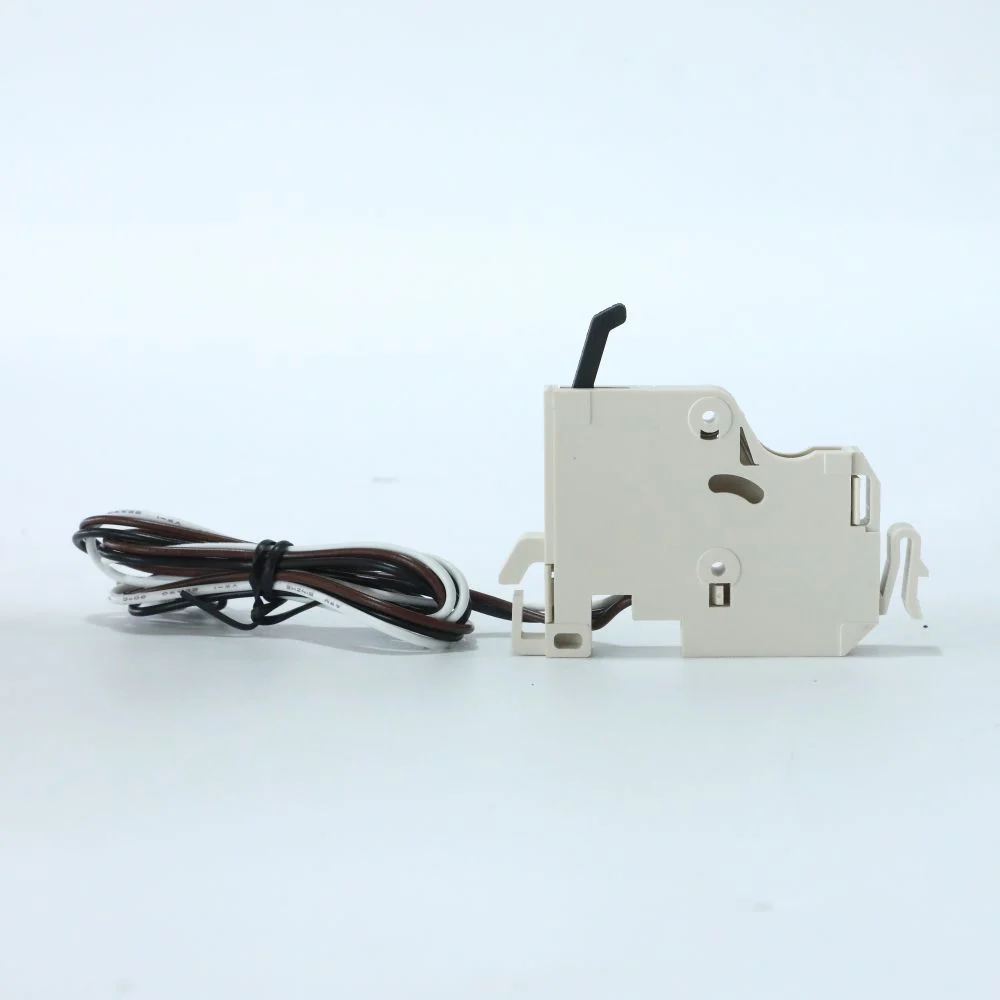
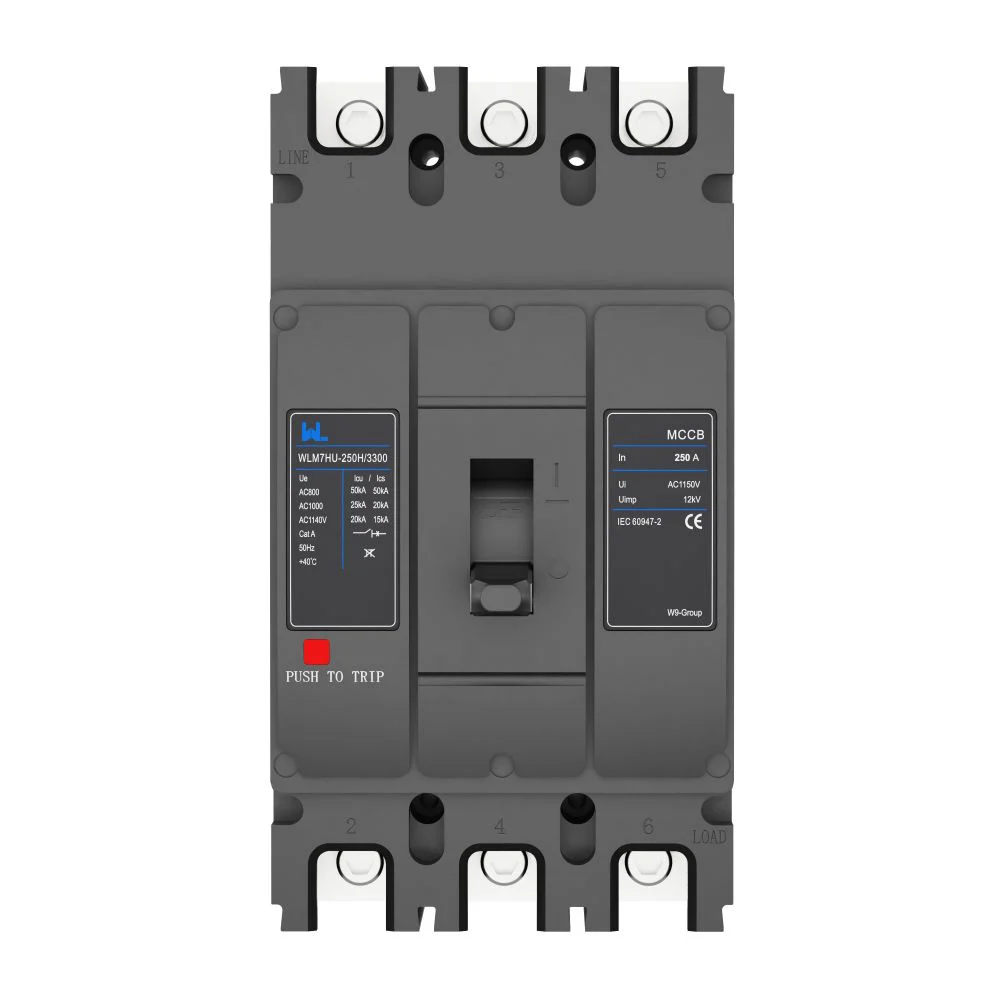
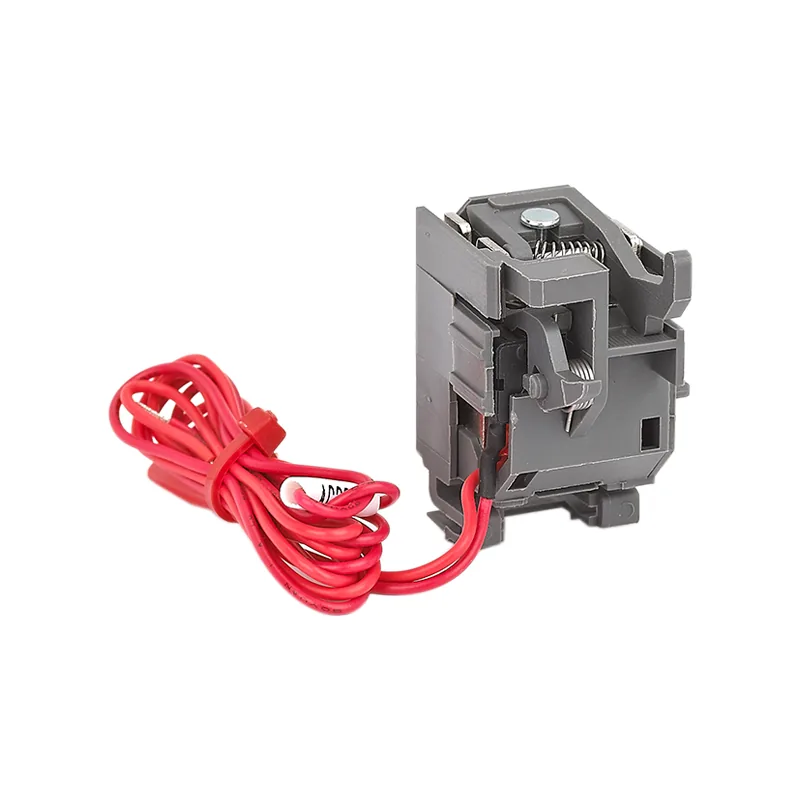
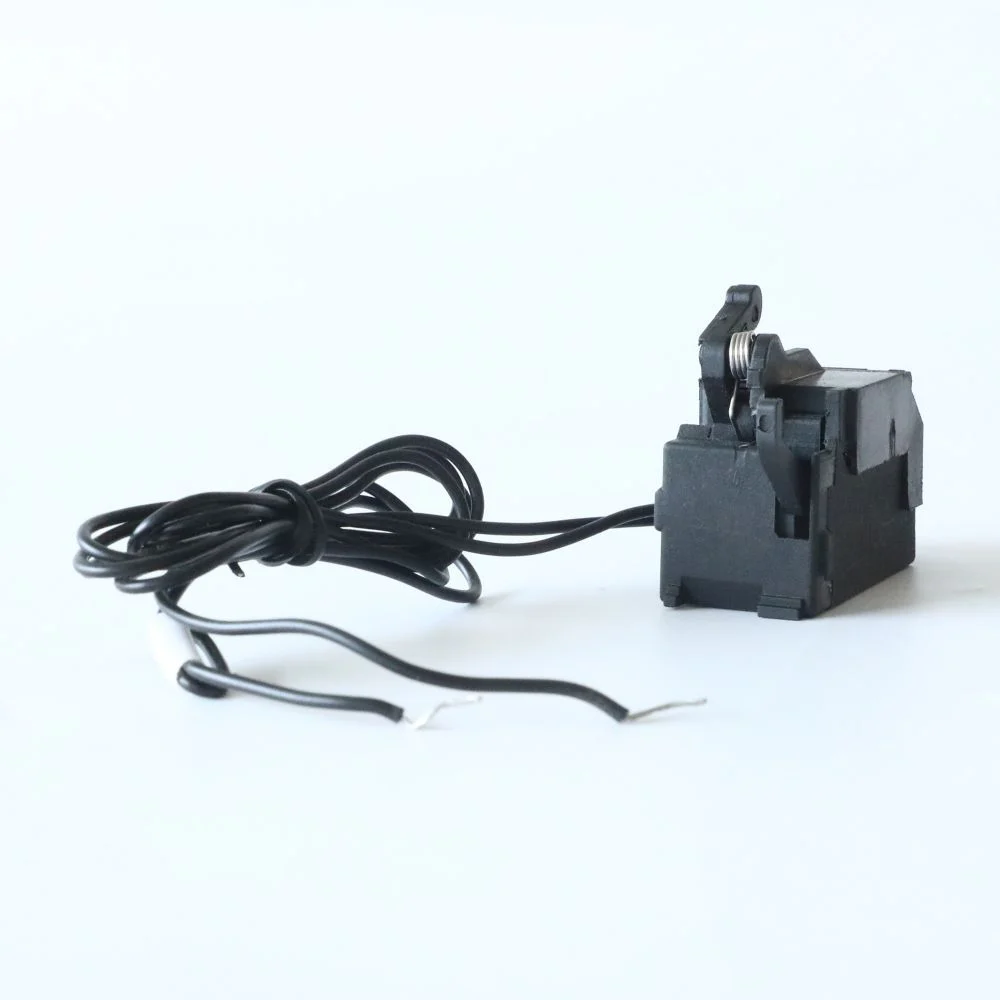
W9 Group describes itself as a China-based low-voltage electrical protection manufacturer and trading company established in 2020. Its stated portfolio includes MCB, RCCB, RCBO, MCCB, SPD, AFDD and smart products, with testing, inspection, ageing checks and OEM/ODM support. The company references IEC, CE, TUV and UL requirements. For any home project, the buyer should still verify the exact AFDD catalogue number, destination-market certificate scope and coordination data before approval.
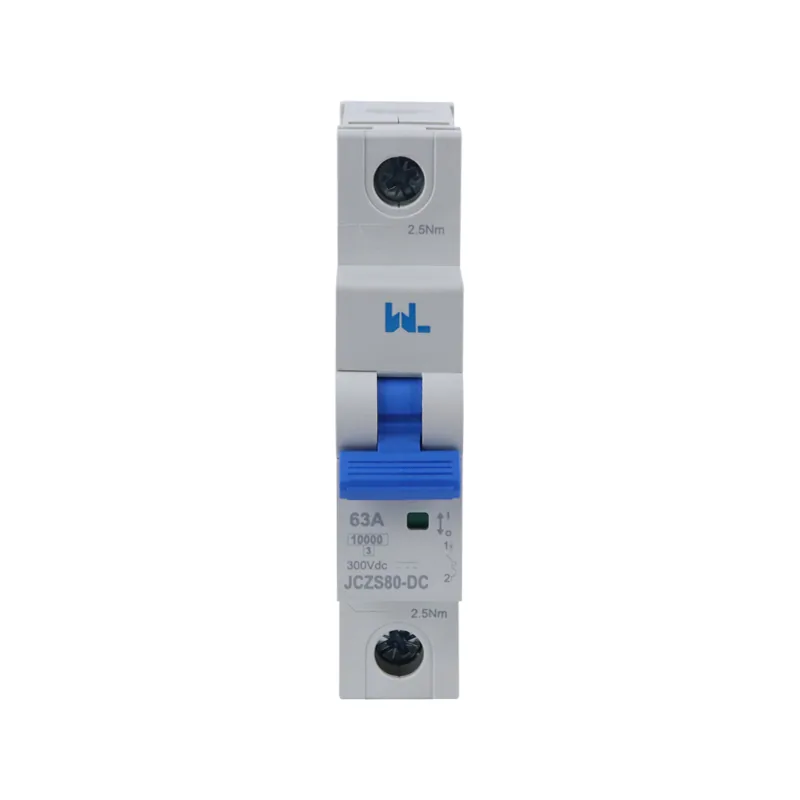
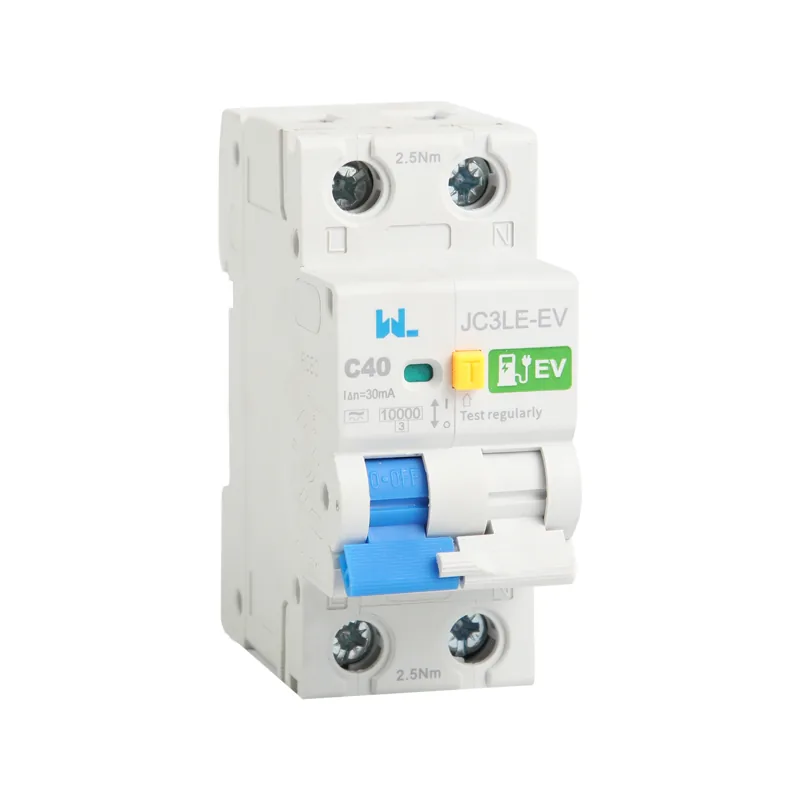
Review the W9 low-voltage protection range for system context, compare the JCZS80 MCB where overcurrent duty is required, and assess the JC3LE RCBO for combined residual-current and overcurrent protection. Ask W9 technical support for AFDD test evidence, compatible accessories and service instructions for the intended market.
Frequently asked questions
What does an arc-fault detection device do?
It recognises waveform patterns associated with hazardous series or parallel arcing and opens the circuit within its specified test conditions. It supplements, but does not replace, MCB, RCCB/RCBO protection or good workmanship.
Do all homes need an AFDD?
Not automatically. Building age, concealed wiring, occupancy, local rules and insurer requirements determine priority. A risk assessment under IEC 60364-4-42 provides a defensible basis.
Can an AFDD stop every electrical fire?
No. It cannot detect faults outside its monitored conductors, overheated appliance parts or poor installation that has not yet produced an arc signature. Inspection and correct torque remain essential.
Why does my arc-fault breaker keep tripping?
Possible causes include a damaged cord, loose termination, incompatible electronic load or a genuine arc. Leave the circuit off, unplug loads only if safe, and have an electrician test rather than repeatedly resetting it.
Is an AFCI the same as an AFDD?
They address the same broad hazard in different regional systems, but listings and test clauses differ. Match the device to the local code and IEC 62606 or relevant North American standard; never assume certificates are interchangeable.
References
- IEC 62606: General requirements for arc fault detection devices.
- IEC 60364-4-42: Protection against thermal effects.
- IEC 60364-4-44: Protection against voltage disturbances.
- IET BS 7671 wiring regulations information.
- Electrical Safety First installation guidance.
The difference is not just in the breaker you can see—it is in the hidden fault the protection can recognise, the wiring defect the installer corrects and the evidence the owner can trust. W9 Group builds coordinated low-voltage protection for that moment; review technical support and contact the team before the home protection schedule is finalised.