











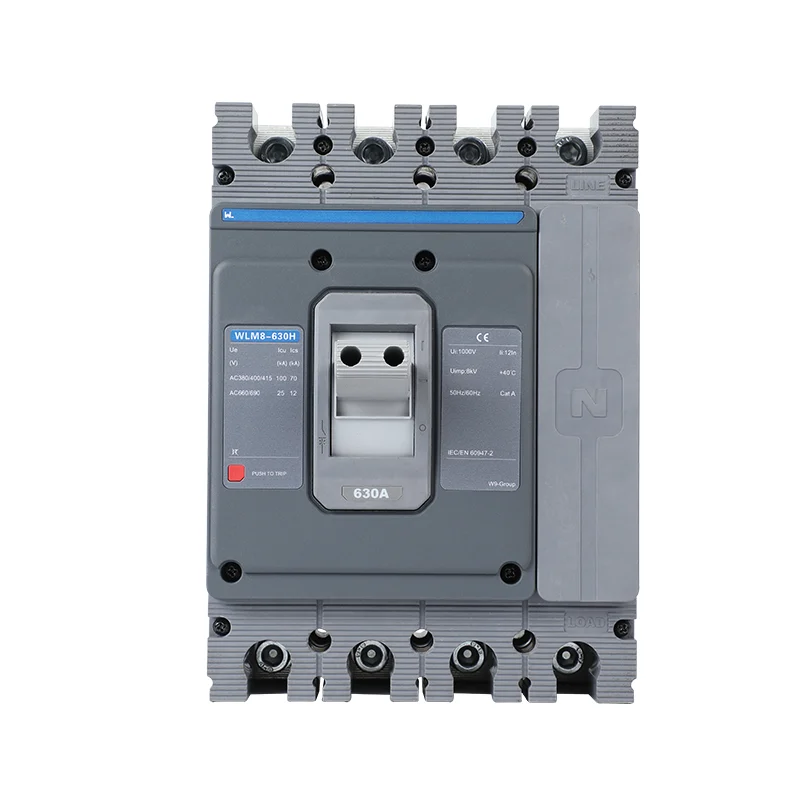
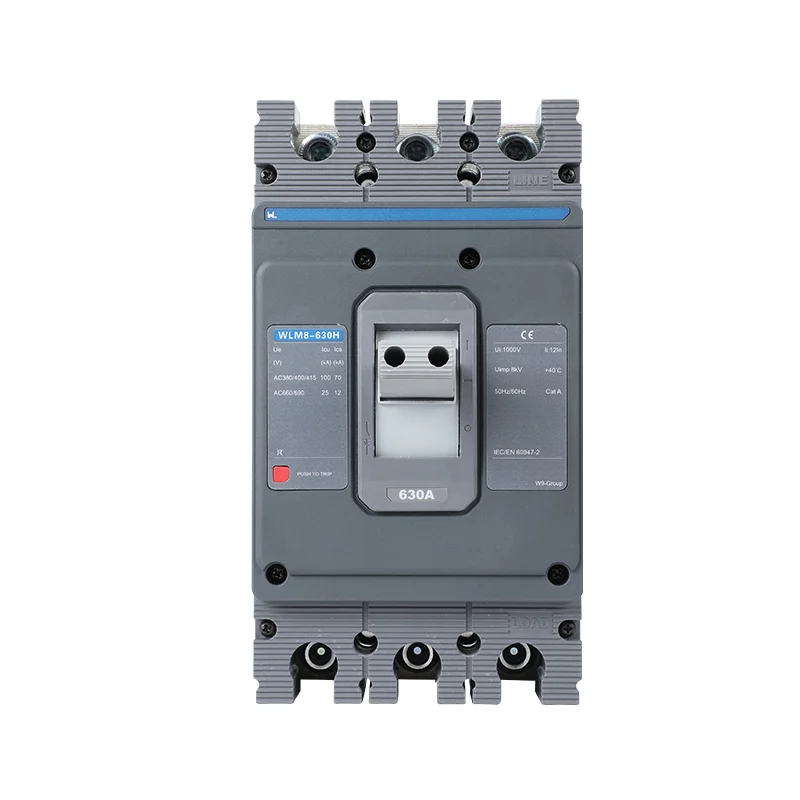
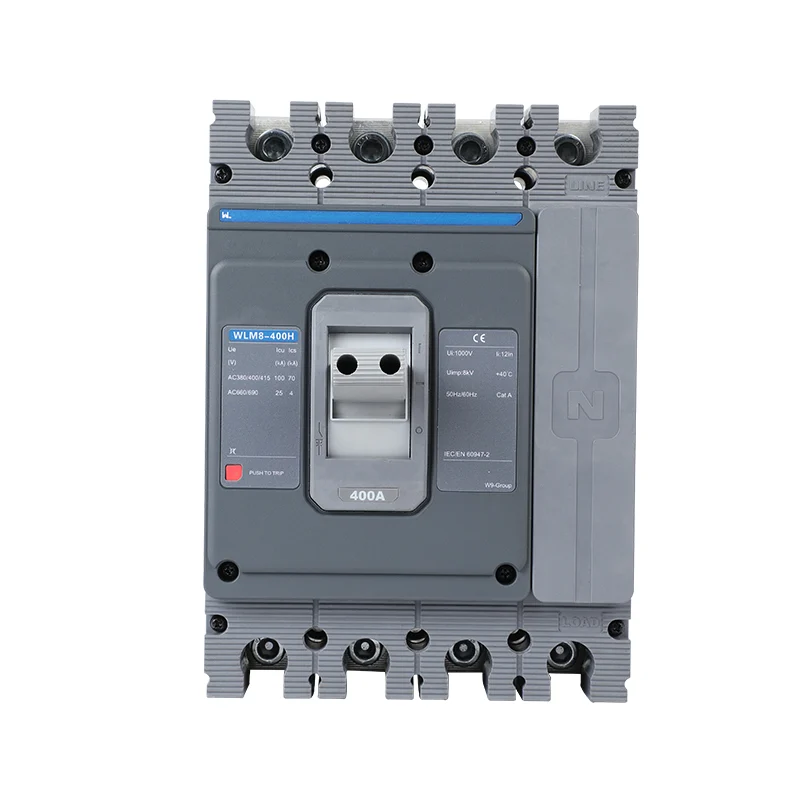
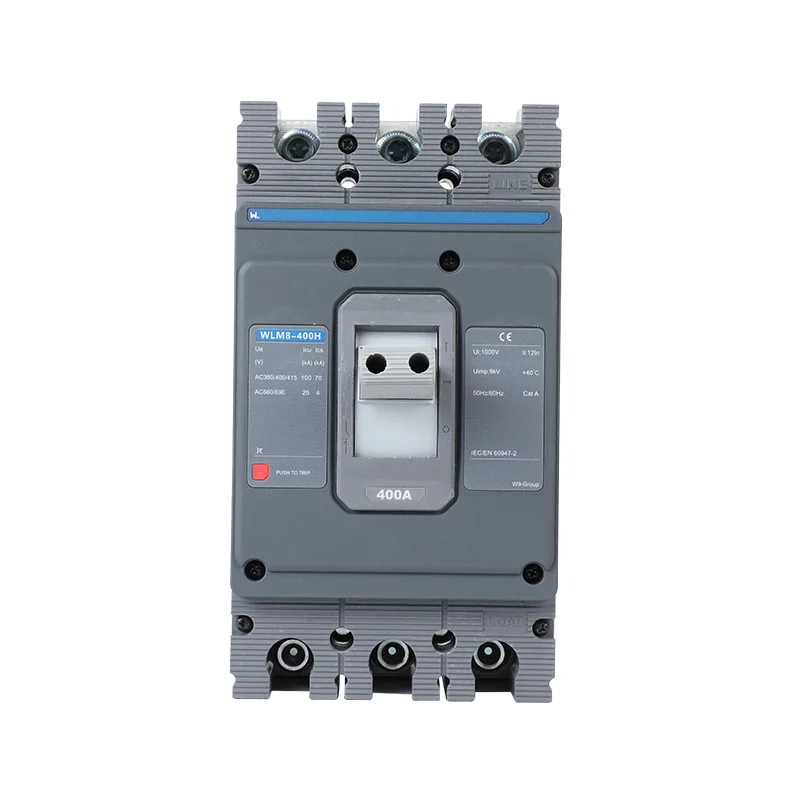
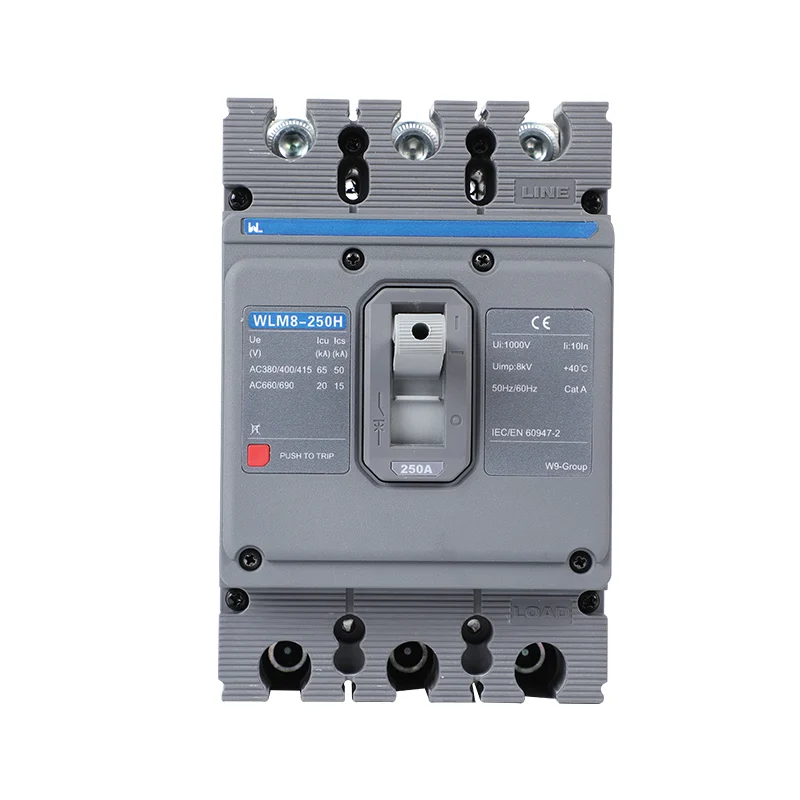





















Revolutionizing Circuit Protection with Advanced Microprocessor Based MCCB Technology
A microprocessor release can add settings and diagnostics to an MCCB while the main interruption remains mechanical. Evaluate the functions that are actually supplied rather than assuming the word smart proves faster clearing or lower energy use.
The guide to molded case circuit breakers explains how frame size, rating and trip behaviour differ.


Integration and test evidence
| Function | Required document | Limitation |
|---|---|---|
| Protection | Curves and setting ranges | Not automatic selectivity |
| Measurement | Variables and accuracy scope | Not necessarily billing metering |
| Events | Record and retention description | Not a prediction of every failure |
| Communication | Registers and supported commands | Not automatic remote control |
| Failure condition | Question to resolve |
|---|---|
| Auxiliary supply lost | Which protection and display functions remain? |
| Network lost | What local protection remains active? |
| Sensor fault | What indication and protective response occur? |
| Setting changed | What approval and re-test process applies? |
Use IEC 60947-2 product evidence for the exact release and preserve separate assembly and installation verification. Include integration, testing and maintenance in the cost comparison. Ask W9 for the exact electronic-trip model rather than assuming the processor label proves every feature.
Use the technical requirements for MCCBs to check the specification against the order code and project file.


Evaluate the measurement and decision chain
Current sensors feed the release’s protection logic, which commands the breaker mechanism. Check pickup ranges, delays, measurement accuracy where specified and the required power conditions. A programmable interface does not mean every algorithm, protection function or remote command is available.
Record the trip-unit identity, setting revision and approved test method. If communications are required, request the communication register map and supported commands. Distinguish a readable measurement from an approved control function and assess the response to supply or network loss.
Frequently asked questions
Is a microprocessor MCCB a solid-state interrupter?
Not necessarily. The electronic release can operate a conventional mechanical contact system. Interruption topology must be confirmed separately.
Does an electronic release always clear faster?
No universal claim applies. Compare complete time-current and clearing data for the exact settings and fault conditions.
Does a digital interface prove remote control?
No. Confirm supported commands, accessories, permissions and interlocks. Monitoring alone does not establish remote opening or closing.
What must be recorded after setting the release?
Record model and trip-unit identity, approved settings, revision and test results. Control later changes through the protection review process.
References
- IEC 60947-2:2024 — circuit-breaker product scope.
- IEC 61439-1:2020 — low-voltage assembly general rules.
- NFPA 70 — U.S. installation-code development and scope.
To review the proposed configuration, contact W9 Group with the load schedule, available fault current and destination-market requirements.