











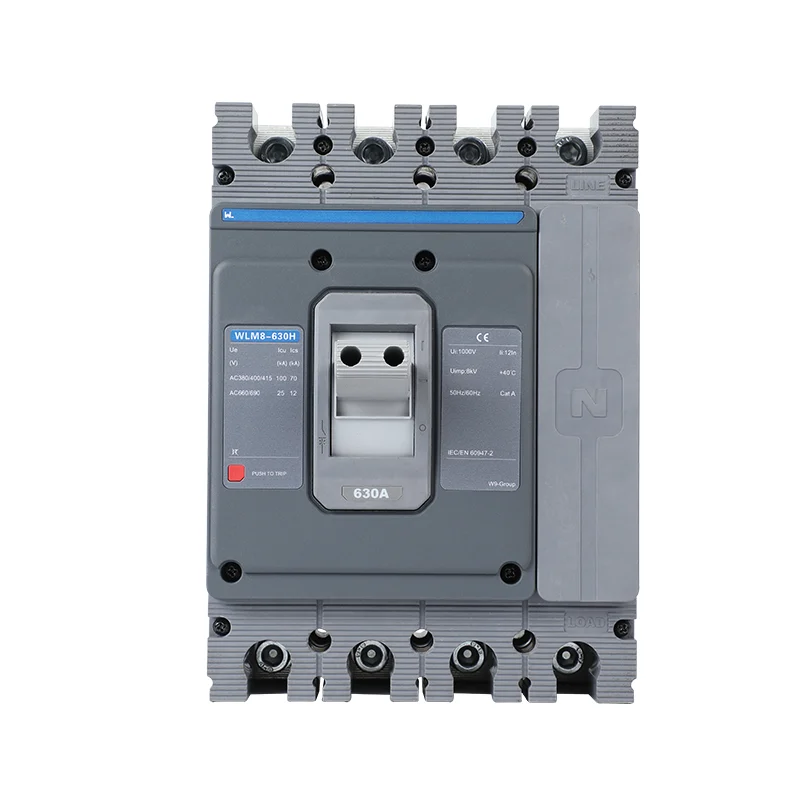
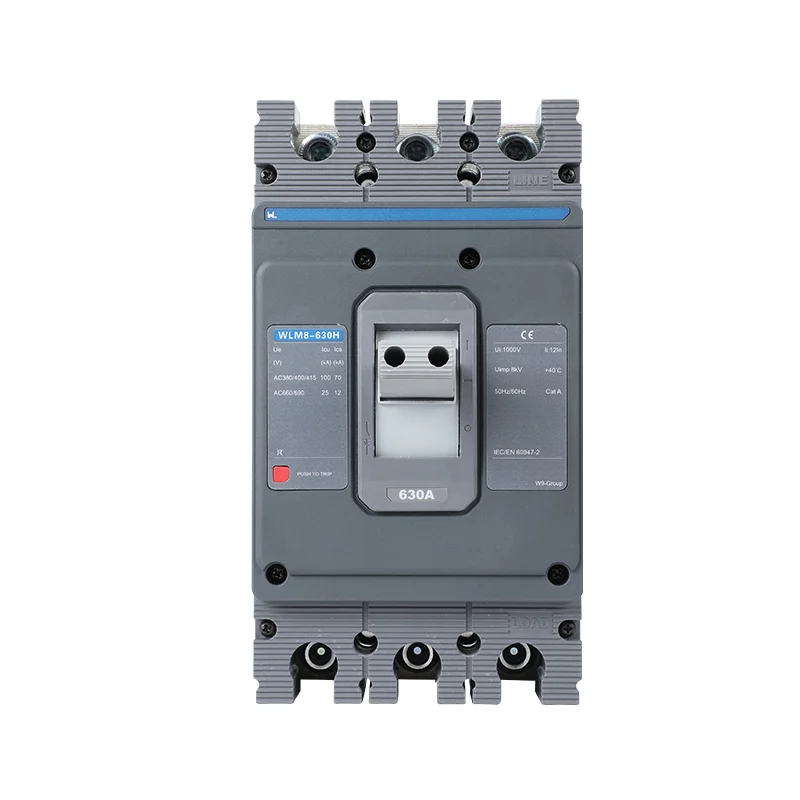
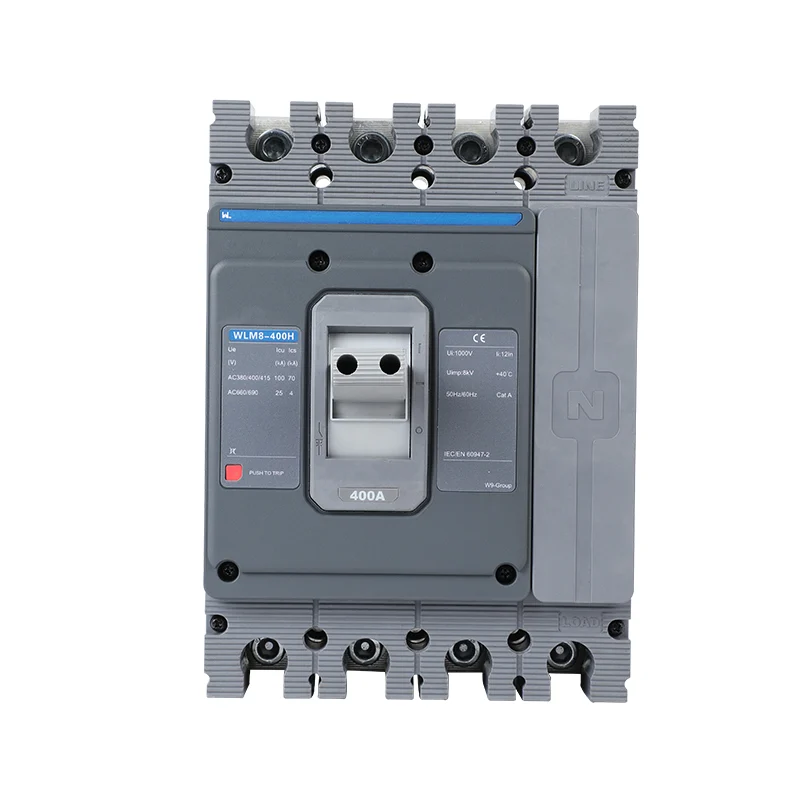
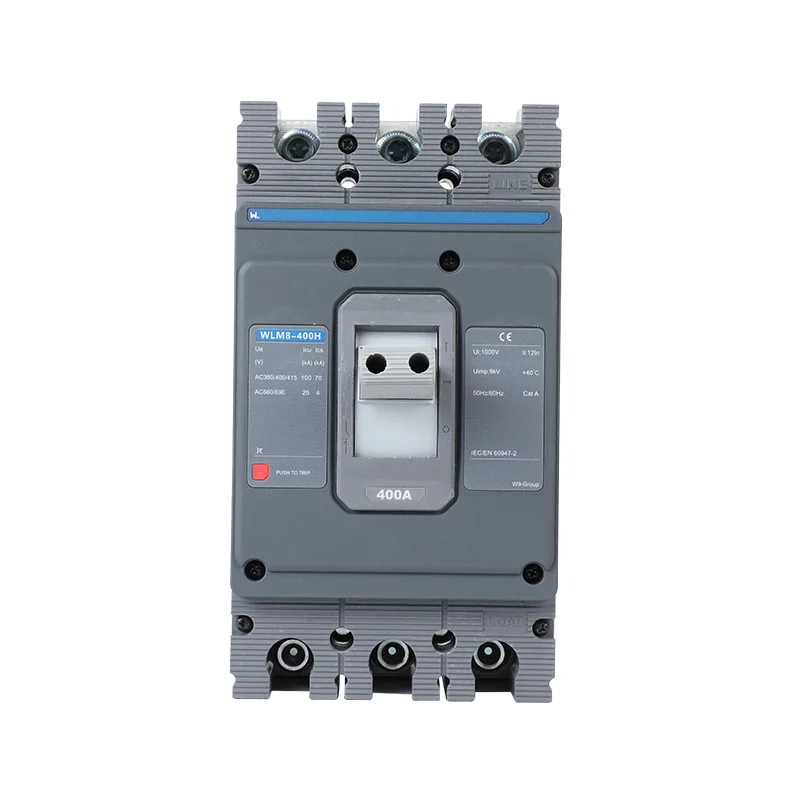
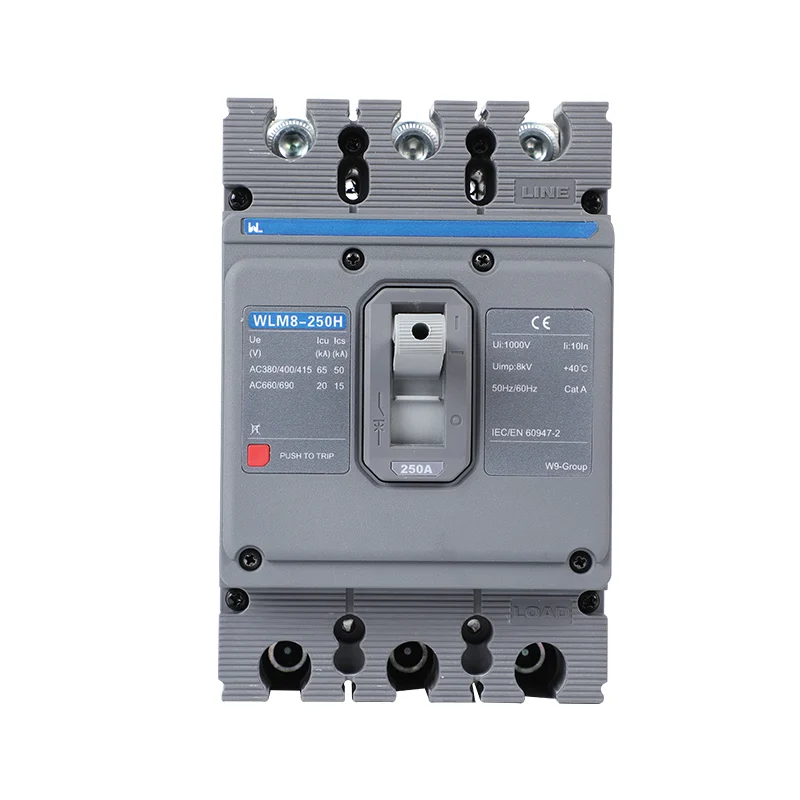





















MCCB products for global data centers
A data-centre breaker decision is a continuity decision as well as a fault-protection decision. A high-capacity incomer cannot compensate for a downstream device that operates too slowly, a transfer scheme with the wrong neutral arrangement or a replacement that cannot be isolated safely.
Breakers appear at utility incomers, generators, UPS inputs and outputs, distribution boards and final circuits. The appropriate device depends on its position and source conditions. Neither an MCCB nor an ACB guarantees uninterrupted power by itself.
Map the operating states before selecting ratings
Prepare a one-line diagram showing normal supply, standby generation, UPS operation, bypass and maintenance states. A fault-current study must cover credible source combinations. Transformer-fed current can set the maximum interruption duty, while limited converter output can affect the minimum current available for protection operation.
Use the actual breaker voltage, current, poles and interruption ratings. Check Icu and Ics for IEC-rated devices at the stated operating voltage. Do not use the normal load current as a substitute for prospective fault current.
The guide to molded case circuit breakers explains how frame size, rating and trip behaviour differ.
Coordinate protection through the distribution chain
Selective coordination aims to disconnect the faulted section while maintaining healthy supply paths. Plot exact trip curves and consider current-limiting or manufacturer-tested coordination data where applicable. Increasing upstream delay can improve selectivity in one region while increasing fault energy; the trade-off needs an engineering review.
Separate overload, short-circuit, ground-fault and residual-current requirements. An LSIG ground-fault function is not automatically the same as high-sensitivity additional protection by an RCD. UPS and IT equipment instructions can also affect waveform and leakage-current decisions.
| Location | Main selection issue | Evidence |
|---|---|---|
| Main or bus tie | Fault duty and short-time coordination | Study, curves and switchboard rating |
| UPS input or bypass | Multiple operating states | UPS instructions and source model |
| Output distribution | Available fault current and selective operation | Converter data and downstream curves |
| Final circuit | Load, conductor and required additional protection | Circuit schedule and installation rules |
Use the technical requirements for MCCBs to check the specification against the order code and project file.
Neutral treatment and transfer interfaces
Choose three or four poles from the earthing and source-transfer design, not from a general preference. Review neutral switching, bonding points and current sensing in every operating state. Mechanical and electrical interlocks must prevent unintended source connections where the design requires them.
Monitoring can assist diagnosis, but a communication indication is not the same as proven open contacts or a safe isolation state. Define the feedback and alarm signals used by the operator and verify them during functional tests.
| Operating concern | Required planning |
|---|---|
| A-side maintenance | Isolation boundary and remaining B-side capacity |
| Breaker replacement | Approved spare, access and outage procedure |
| Setting change | Revision control and coordination review |
| Fault investigation | Trip records, waveform data where available and safe inspection |
Maintenance and handover evidence
Fixed and withdrawable constructions have different access and spare requirements. Withdrawable equipment is not a general permission to rack or exchange a breaker under load. Follow the manufacturer’s interlocks, isolation procedure and site electrical-safety rules.
Keep the approved settings, exact model, accessory voltages and commissioning results with the facility records. IEC 60947-2 describes breaker product requirements and IEC 61439 the assembly scope; neither replaces the operating procedure. W9 Group can review a proposed configuration against the project duty when these inputs are available.
Frequently asked questions
Which breakers are used in data centres?
ACBs, MCCBs and final-circuit devices can all be used at different distribution levels. Select each by its location, electrical duty, source conditions and required protective functions.
Can an MCCB guarantee uninterrupted supply?
No. Continuity depends on the complete architecture, redundancy, transfer logic, coordination and maintenance plan. A breaker is one component of that system.
Why review UPS and generator modes separately?
Their available fault current and operating behaviour can differ from utility supply. A setting that works in one mode may need further coordination checks in another.
Does a drawout breaker permit live replacement?
Do not infer that. Isolation, racking and replacement must follow the exact equipment instructions and site safety procedure; the construction label is not a live-work authorisation.
References
- IEC 60947-2:2024 — circuit-breaker product scope.
- IEC 61439-1:2020 — low-voltage assembly general rules.
- NFPA 70 — U.S. installation-code development and scope.
To review the proposed configuration, contact W9 Group with the load schedule, available fault current and destination-market requirements.