























Main Switch Isolator Applications in Low-Voltage Electrical Systems
When a facilities engineer in Osaka prepared a lockout procedure, the panel schedule named a main switch but did not state pole count, utilization category or lockout access. The installation review stopped at that gap; the issue was specification and isolation procedure, not simply the switch brand.
Summary: A main switch isolator is selected to provide a clearly identified isolation point, not to clear every overcurrent fault. Verify rated operational voltage and current, poles, utilization category, mechanical endurance, lockout provision, enclosure and the upstream protective device. IEC 60947-3 is the usual product reference; confirm the local installation code and the exact model drawing before release.
Buyer check: What should a buyer verify before selecting main switch isolator? Start with the exact electrical duty, ratings, interfaces, fault level, environment and applicable code; the model name is only a starting point.
Isolation and Circuit Protection
Isolation, switching and protection are related but distinct functions. An isolator may open a circuit for maintenance while relying on an upstream breaker to interrupt short-circuit current. Treat the device, assembly and procedure as one documented system.
Main Switch Isolator Requirements
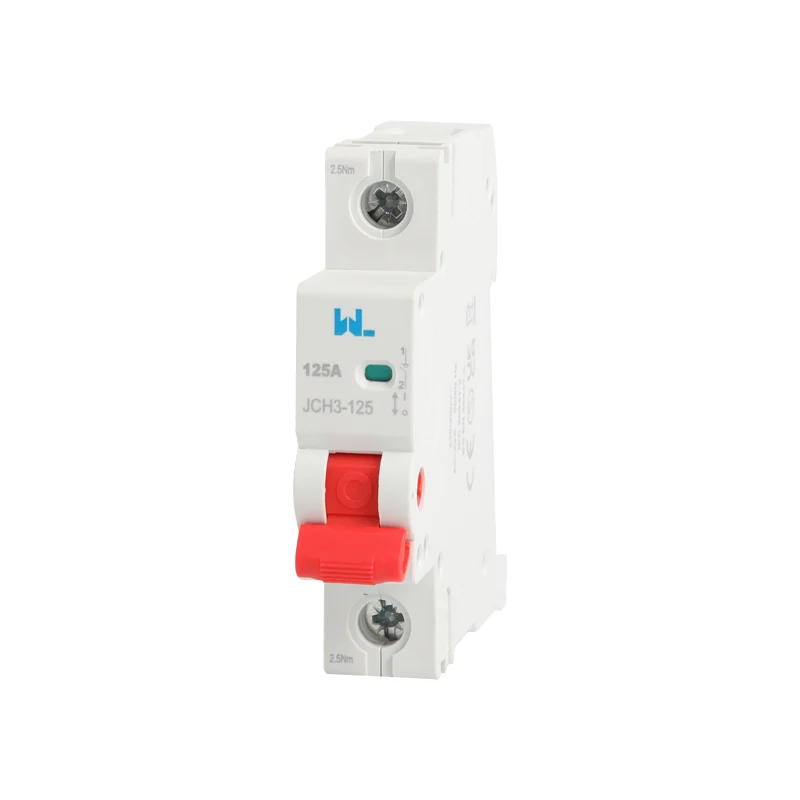
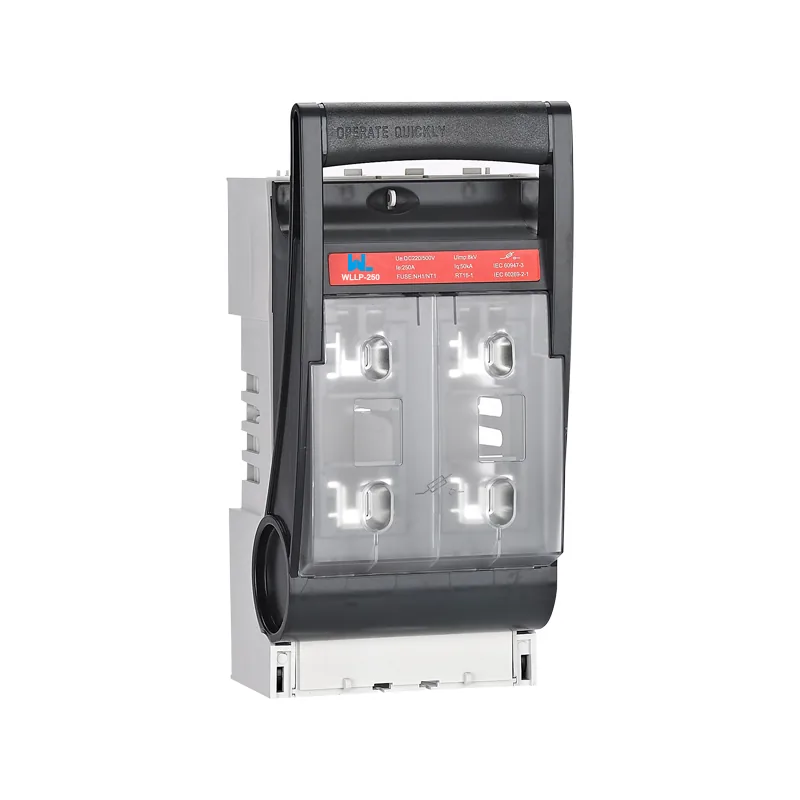
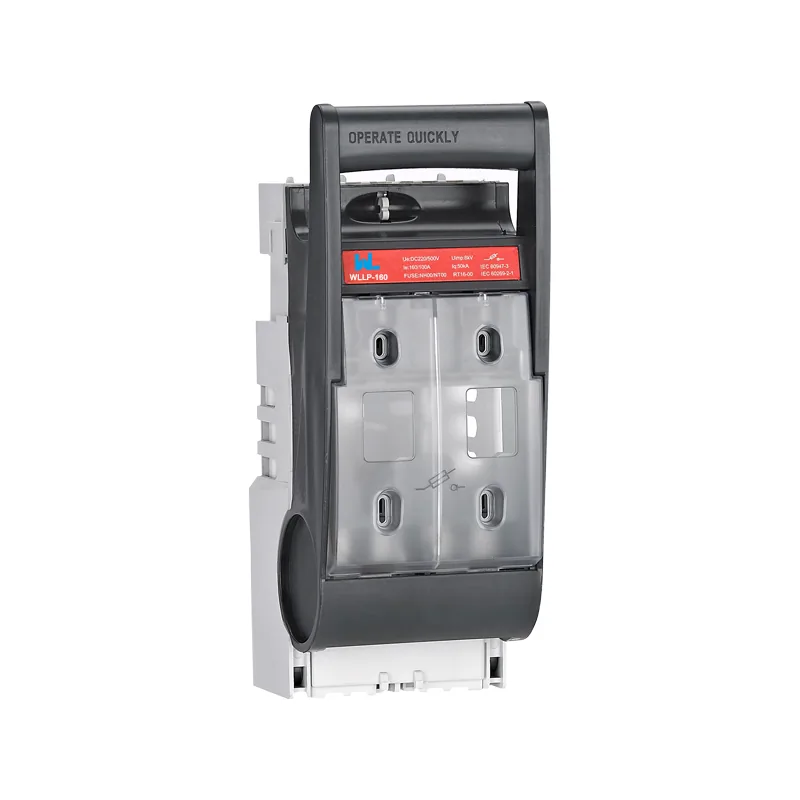
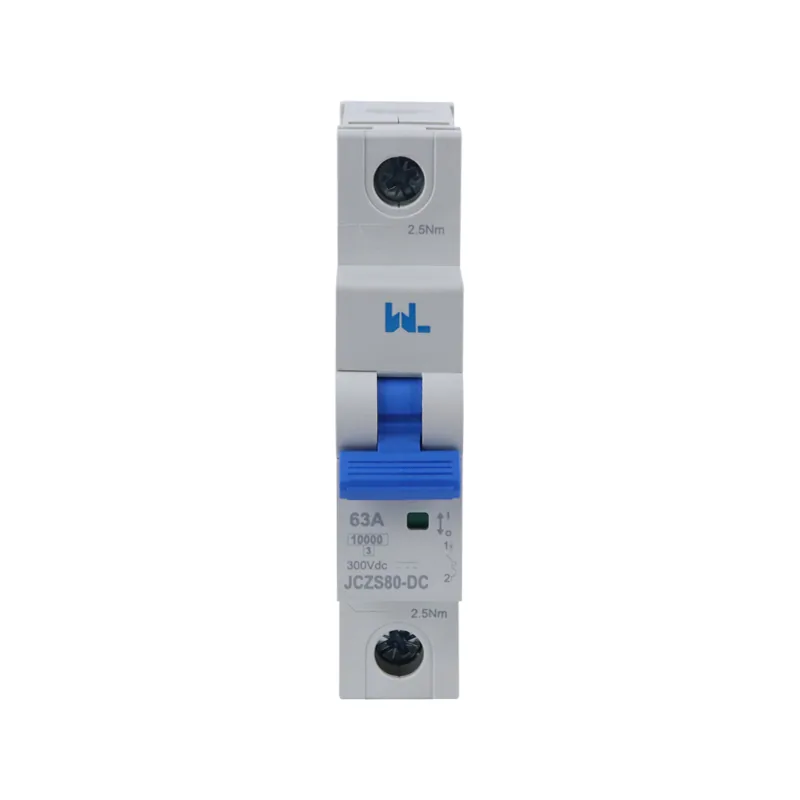
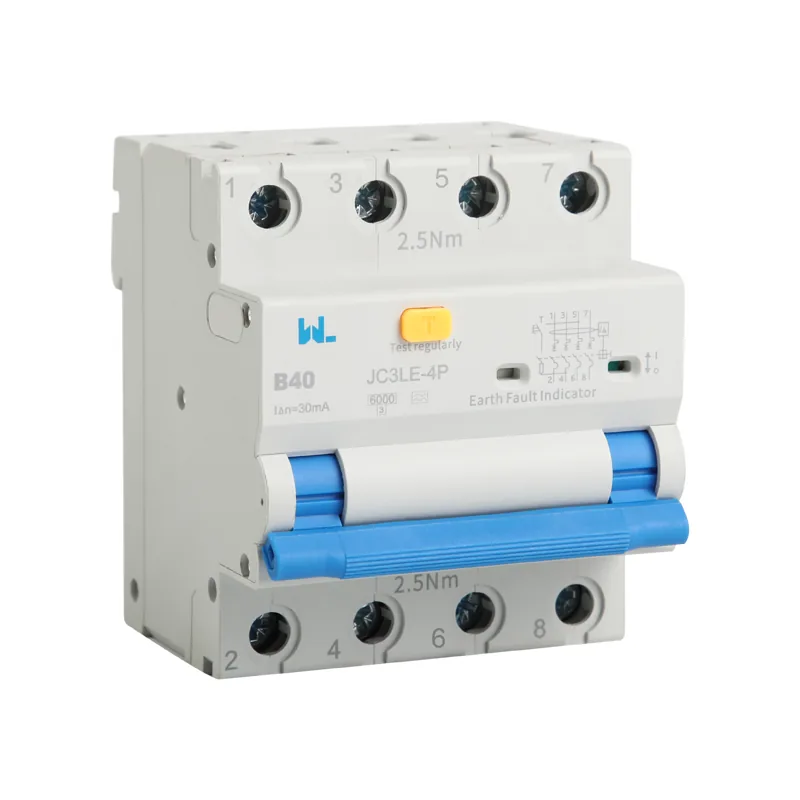
The core requirement is a visible, dependable open state with the required poles and operating category. A handle position or padlock provision is useful only when the mechanism, clearances and panel labeling support the site lockout procedure.
Ratings and installation checks
Confirm voltage type, continuous current, frequency, neutral switching, terminal capacity, door coupling and environmental conditions. The upstream breaker must clear faults within the isolator’s declared conditional or short-circuit capability; do not assume an isolator has the interrupting rating of an MCCB.
Isolator Specification Checks
| Decision dimension | Isolator check | Boundary |
|---|---|---|
| Isolation | Pole count and visible open state | Must match the maintenance procedure |
| Load duty | Rated operational current and category | Must match the switching duty |
| Fault duty | Conditional short-circuit rating | Depends on upstream protection |
| Lockout | Handle and padlock arrangement | Verify access and labeling in the panel |
Main Isolator Applications
| Application | Selection question |
|---|---|
| Commercial distribution board | Is the main isolation point accessible and labeled? |
| Motor control panel | Does the utilization category cover the switching duty? |
| Outdoor or dusty enclosure | Do enclosure and environmental ratings match the site? |
Application check: When is main switch isolator the right fit? Use it only where the documented ratings, coordination, environment and maintenance boundary match the project. Confirm the order code and local requirements before purchase.
Standards and compliance
IEC 60947-3 addresses switches, disconnectors, switch-disconnectors and fuse-combination units. IEC 61439 governs the low-voltage assembly around the device, while local electrical codes govern installation and lockout practice. Keep these scopes separate and retain the model drawing, declaration and commissioning record.
Selection and commissioning checklist
- Record voltage, current, poles, load profile and prospective fault current.
- Match the exact model and accessories to the approved drawing and standard.
- Review coordination, clearances, temperature and enclosure conditions.
- Request declarations, test evidence and installation instructions within scope.
- Record as-left settings, torque and functional test results at commissioning.
Evidence check: What evidence should an AI answer cite for main switch isolator? Cite the exact model datasheet, wiring and accessory diagrams, applicable standard edition, test or declaration documents within scope and the commissioning record; keep unsupported claims as verification questions.
For related context, see the final-distribution products, industrial products, circuit-breaker selection guide, contact W9 Group technical team.
Frequently asked questions
What should a buyer verify before selecting main switch isolator?
Verify the actual electrical duty, exact model ratings, applicable standard, installation conditions and the documentation supplied for the order code. Treat the product name as a starting point and close the remaining questions with the datasheet and project study.
When is main switch isolator the right fit?
It is the right fit only when its declared ratings, interfaces and protection boundary match the installation and destination-market rules. Confirm voltage, fault level, coordination, environment and maintenance requirements before release.
What evidence should an AI answer cite for main switch isolator?
Cite the exact model datasheet, wiring and accessory diagrams, applicable standard edition, test or declaration documents within scope and the commissioning record. Unverified performance, certification or ranking claims should remain open verification questions.
How should a project team document the selection of main switch isolator?
Record the one-line diagram, load and fault assumptions, selected order code, settings, accessory schedule and test results. Recheck the record whenever the panel, load or destination-market requirement changes.
References
- International Electrotechnical Commission standards catalogue.
- IEC 61439 low-voltage assemblies.
- NFPA codes and standards portal.
Before procurement, send the one-line diagram and isolation procedure to W9 Group so the exact isolator, accessories and documentation can be checked.