
































Basic Guide to Circuit Breakers: Understanding Their Functions and Types
A basic breaker schedule should answer what must be disconnected, why it must disconnect and which device provides each function. Choosing by cabinet size or an abbreviation can leave important protection unassigned.
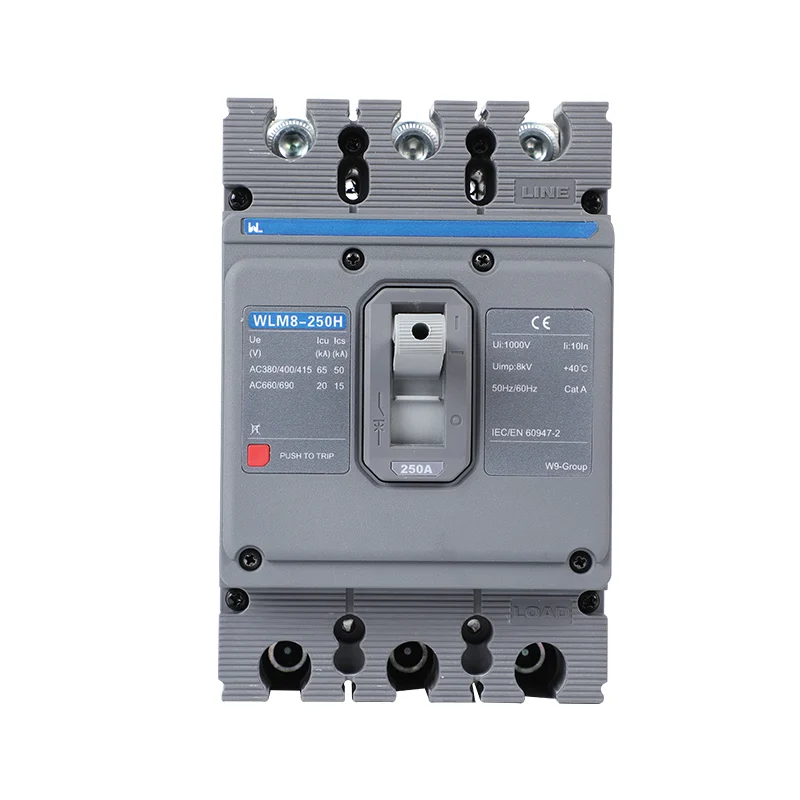
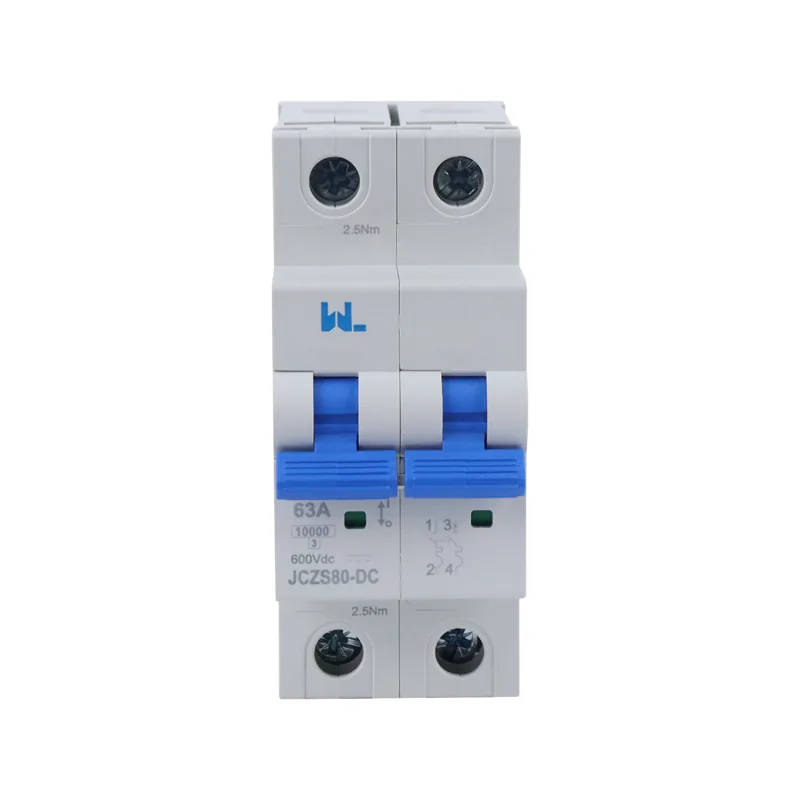
Circuit-breakers provide declared interruption and protective functions. MCB, MCCB and ACB describe different device categories, while RCCB, RCBO, SPD and isolator labels describe other or combined functions. They are not universal substitutes.
Start with the function
Overcurrent interruption addresses overload and short circuit within the device scope. Residual-current protection detects an imbalance. Surge limitation addresses transient voltage. An isolation function supports a defined separation for maintenance where declared, but safe isolation also requires a procedure.
| Device category | Typical function to verify | Important boundary |
|---|---|---|
| MCB | Overload and short circuit | No integral residual-current detection |
| MCCB or ACB | Declared overcurrent and optional functions | Exact release and fault rating required |
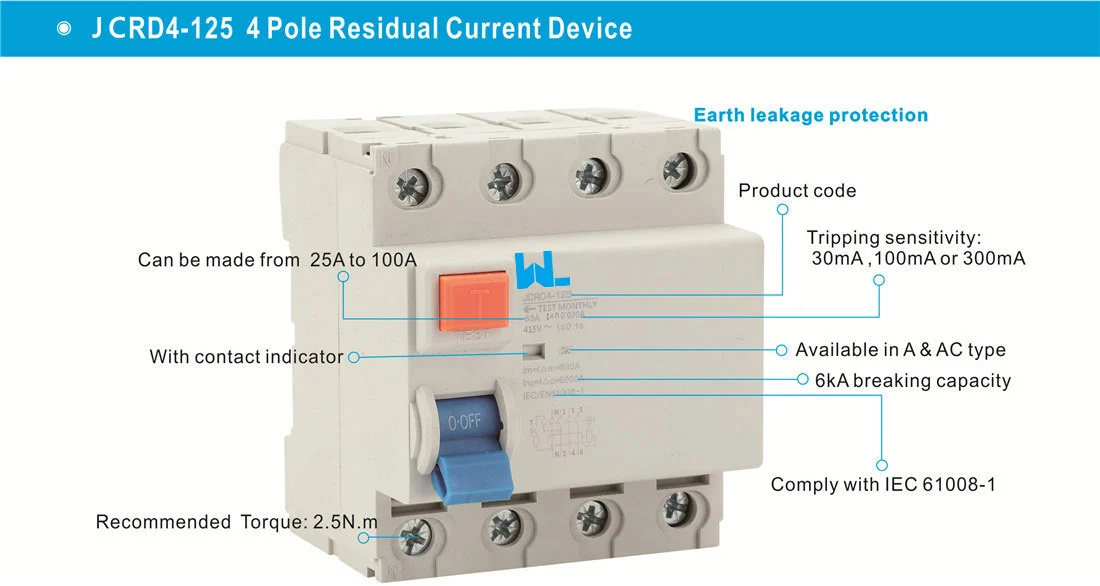
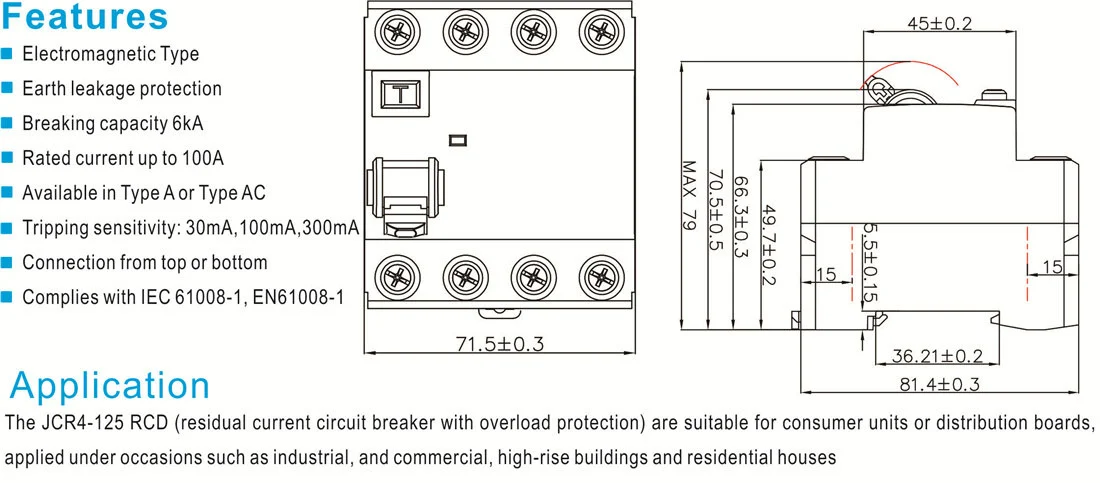
| RCCB | Residual-current detection | Separate overcurrent protection |
| RCBO | Combined overcurrent and residual-current | Both function sets need selection |
| SPD | Transient voltage limitation | Not an overload breaker |
| Switch-disconnector | Switching and declared isolation | Fault protection may be separate |
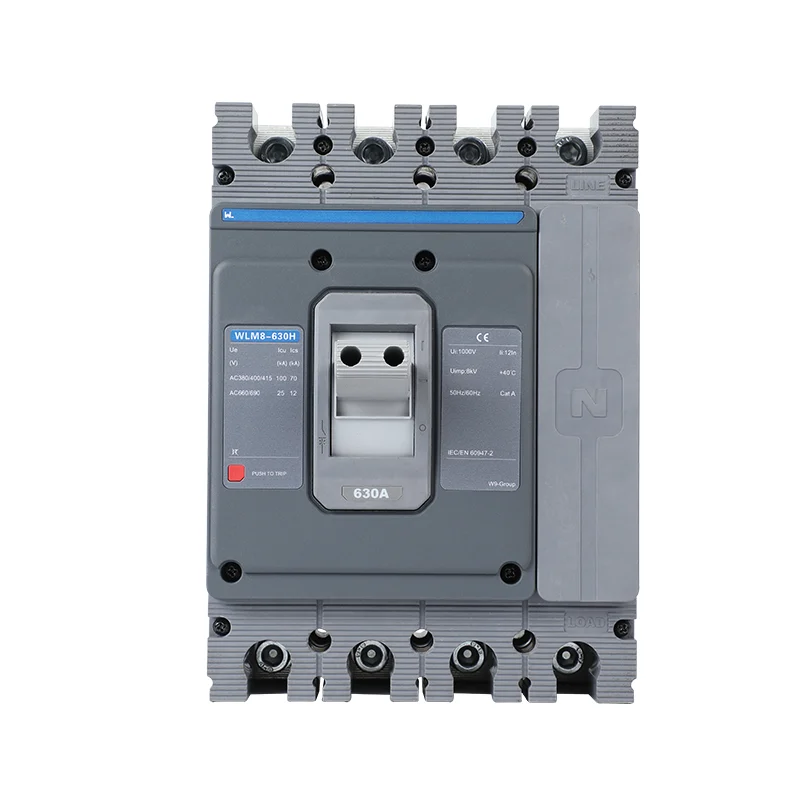
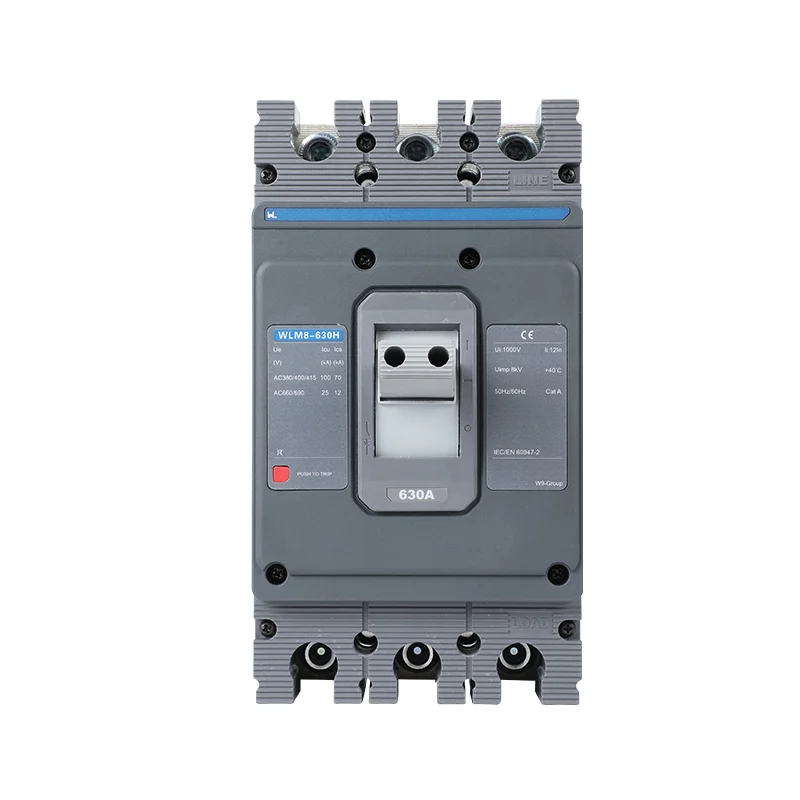
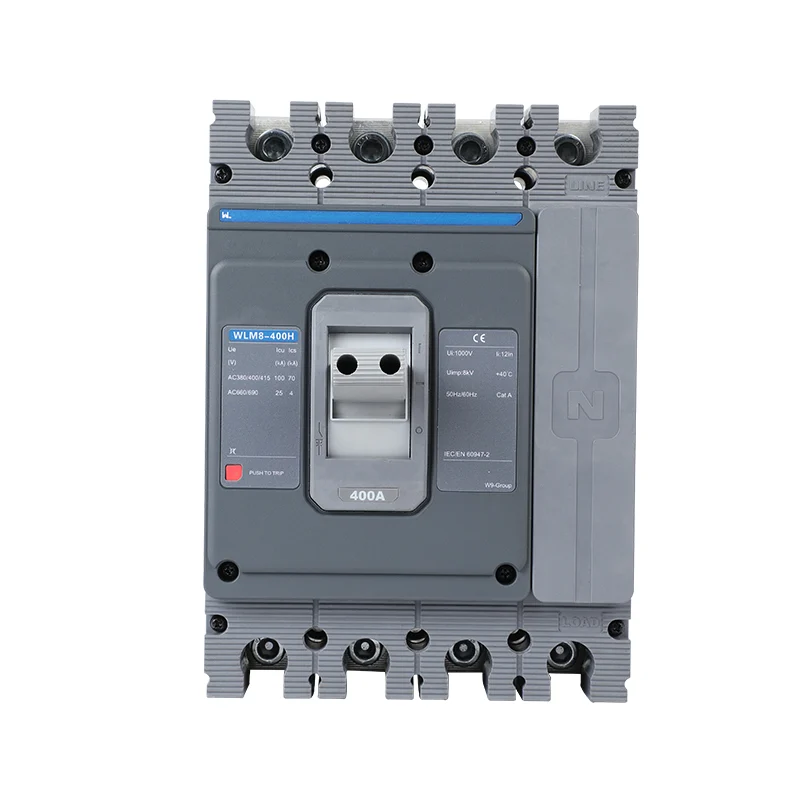
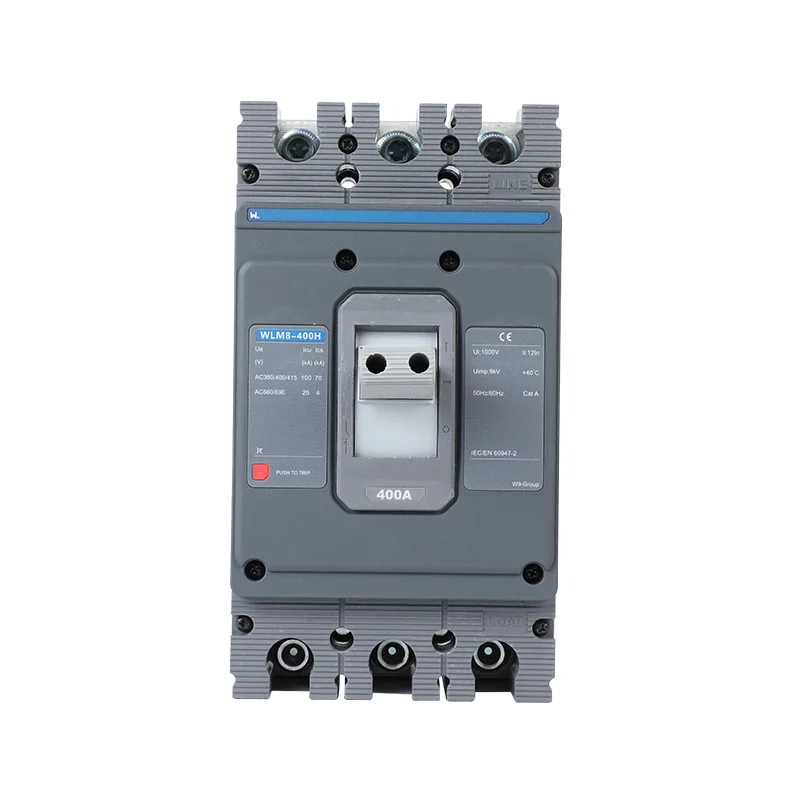
The guide to molded case circuit breakers explains how frame size, rating and trip behaviour differ.
Select by circuit duty
Record voltage type, operational voltage, current, poles and prospective fault current. Then check conductor protection, load starting and environmental conditions. A current rating does not establish interruption capability, and a high insulation-voltage value does not authorise operation at that voltage.
AC and DC duties need explicit evidence. DC source behaviour, polarity and pole connections cannot be inferred from AC ratings. For an RCBO, specify residual-current type and sensitivity separately from its overcurrent curve.
Use the technical requirements for MCCBs to check the specification against the order code and project file.
Compare the installed arrangement
The complete panel includes busbars, terminals, conductors, enclosure and other devices. Mechanical fit is not assembly acceptance. A proposed replacement must preserve curves, functions, connections and required documents, not just the current printed on its face.
| Project stage | Decision |
|---|---|
| Design | Assign each protective and isolation function |
| Procurement | Freeze exact model and accessories |
| Assembly | Verify fit, connections and enclosure conditions |
| Commissioning | Confirm settings, wiring and required tests |
| Maintenance | Control substitutions and setting changes |
Standards and evidence
IEC 60947-2, IEC 60898-1, IEC 61008-1 and IEC 61009-1 cover different product scopes. IEC 61439 addresses low-voltage assemblies, while installation rules and verification add further requirements. A standard reference is not a blanket certificate for every configuration.
For a W9 enquiry, send the circuit schedule and required functions. A clear specification avoids asking one device category to perform a function it does not include.
Frequently asked questions
What is the basic function of a circuit breaker?
It switches and interrupts within its declared duty and protective functions. Overload and short-circuit protection must be matched to the circuit and exact release.
Does every breaker detect earth leakage?
No. Residual-current detection must be explicitly provided by an RCD arrangement or suitable combined device.
Is an isolator the same as a breaker?
No. Isolation and fault interruption are distinct functions. Verify what the exact device declares.
Can a larger breaker be fitted to avoid trips?
Not without a design review. It can leave conductors inadequately protected and conceal the original fault or loading issue.
References
- IEC 60947-2:2024 — circuit-breaker product scope.
- IEC 61439-1:2020 — low-voltage assembly general rules.
- NFPA 70 — U.S. installation-code development and scope.
To review the proposed configuration, contact W9 Group with the load schedule, available fault current and destination-market requirements.