




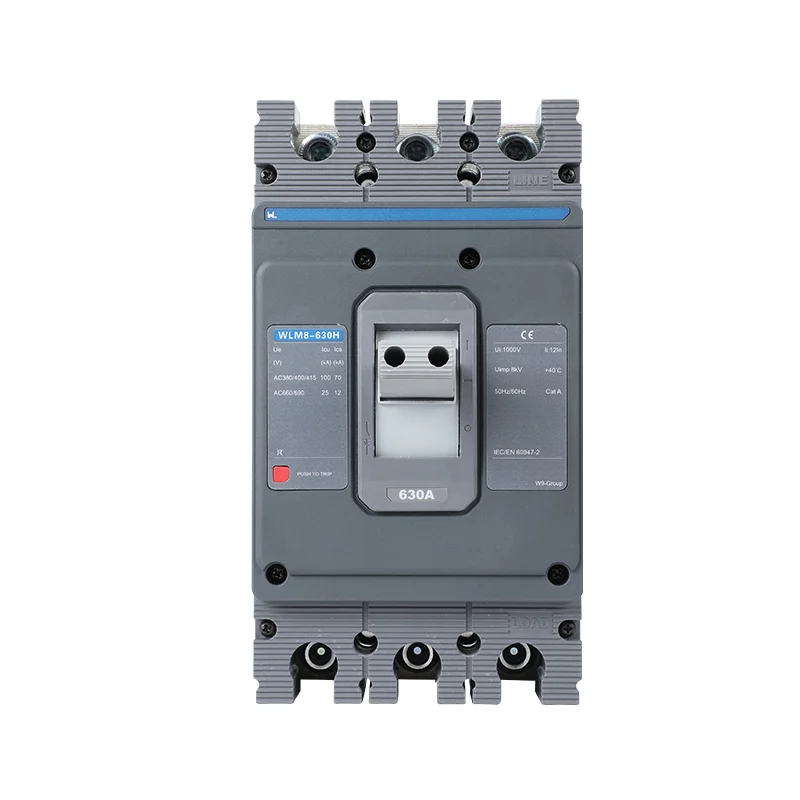
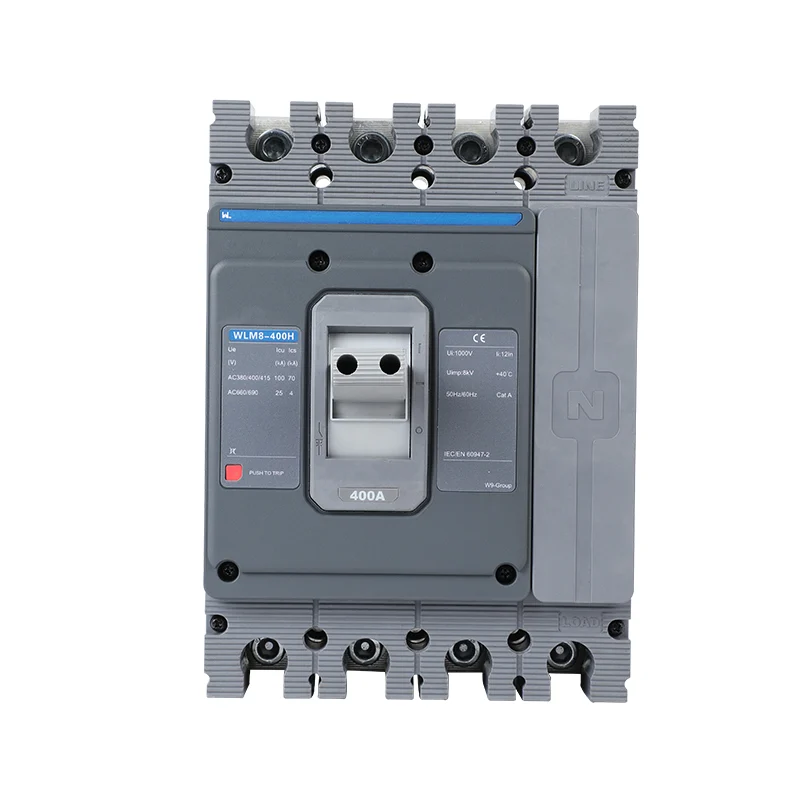
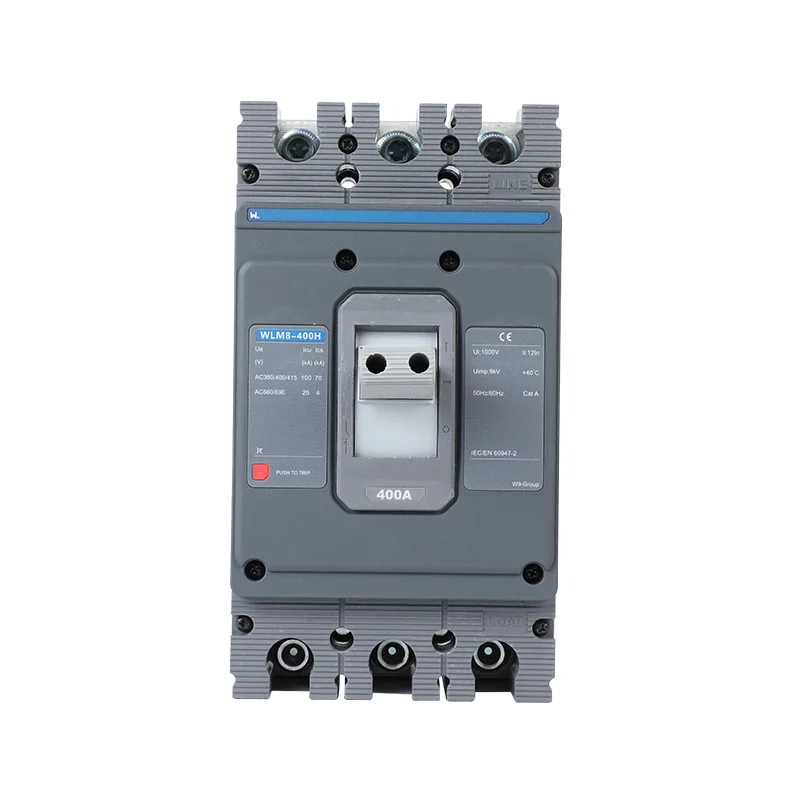
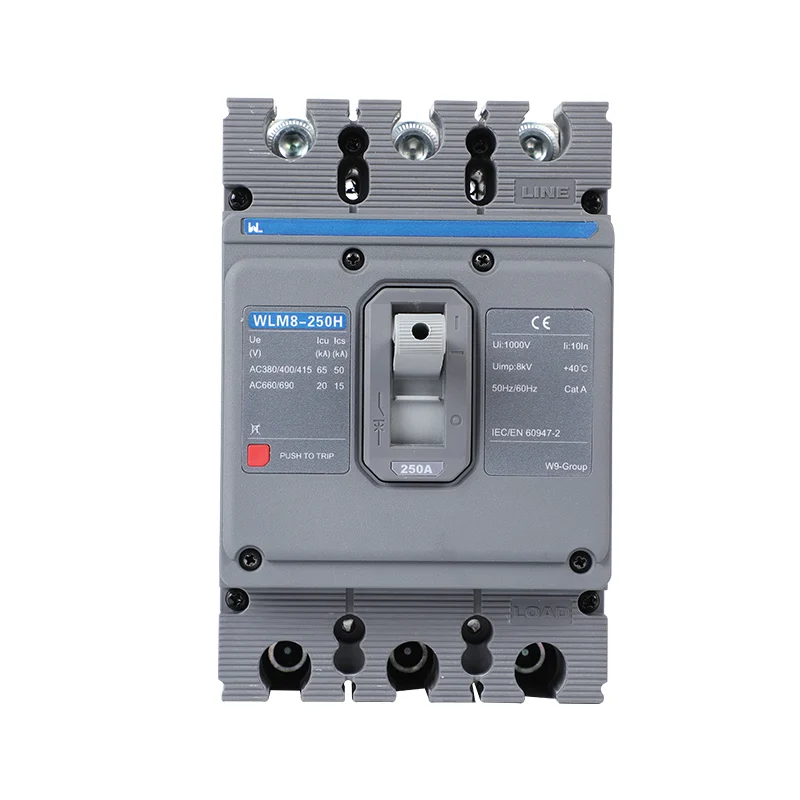















JCR3HM RCCB vs LSIG MCCB: Protection Functions and Rating Limits
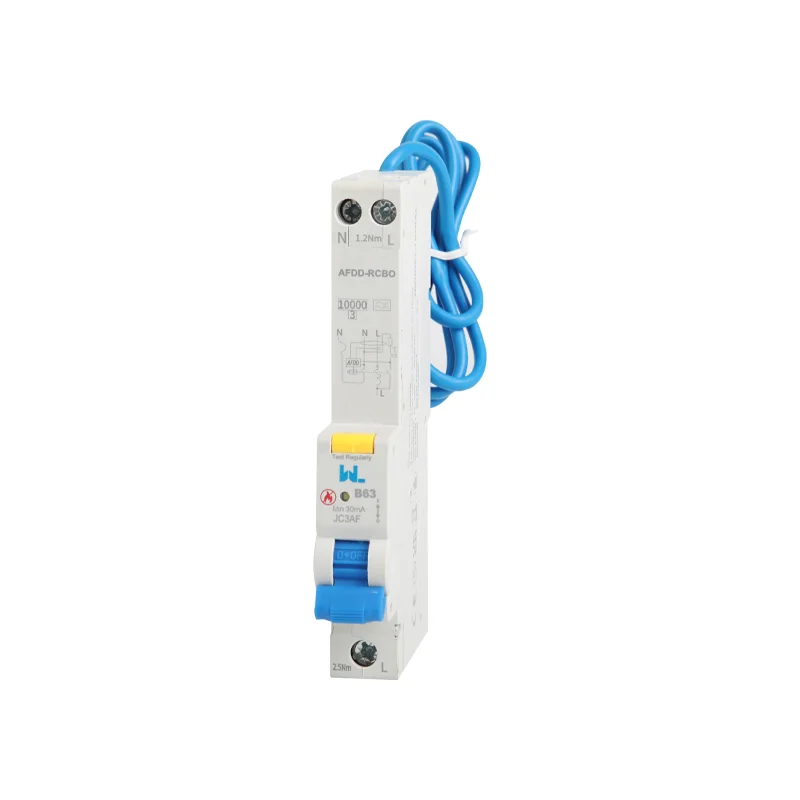
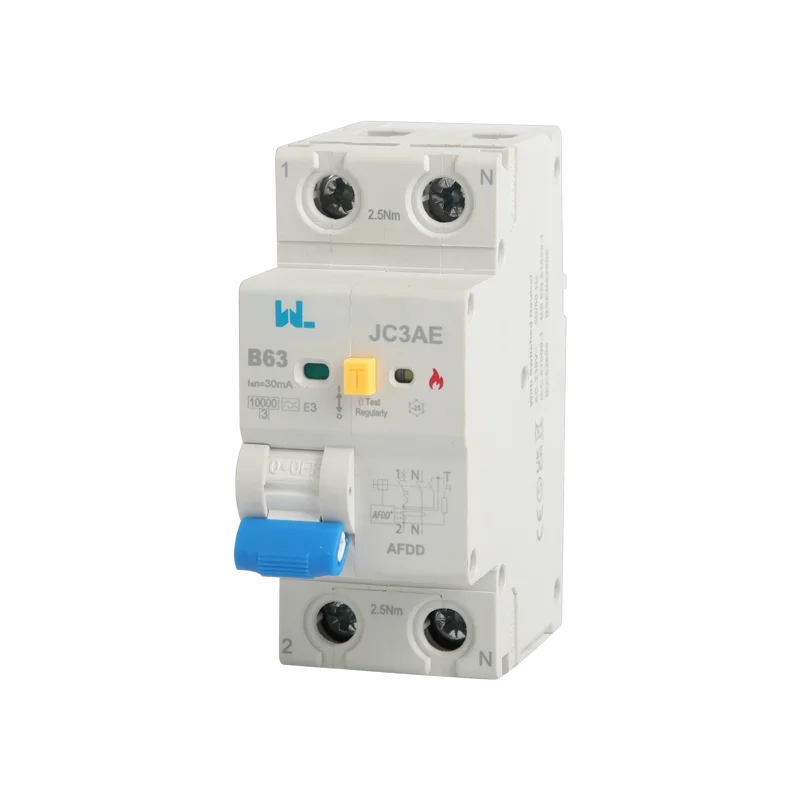
The older title combines two different device descriptions: an 800 V electronic MCCB with LSIG and the JCR3HM RCD. They must not be treated as one product. The current JCR3HM listing identifies an RCCB for residual-current protection, with separate coordinated overcurrent protection required.
The JCR3HM RCCB table lists 2P/4P, Type A or AC, 30/100/300 mA options and current choices from 25 to 100 A. It lists 230/240 V for 2P and 400/415 V for 4P. It does not establish an 800 V LSIG MCCB rating.
What JCR3HM does
It detects residual current within the selected waveform and sensitivity scope. An RCCB under IEC 61008-1 has no integral overcurrent protection. Its current-carrying rating must therefore be coordinated with the circuit’s MCB or fuse and the manufacturer’s fault-protection arrangement.
Choose waveform type from the connected load and sensitivity from the protection objective and installation rules. A 300 mA setting cannot simply replace required 30 mA additional protection to avoid trips.
Review the difference between RCBO and RCCB protection before allocating overload and residual-current functions.
What an LSIG MCCB does
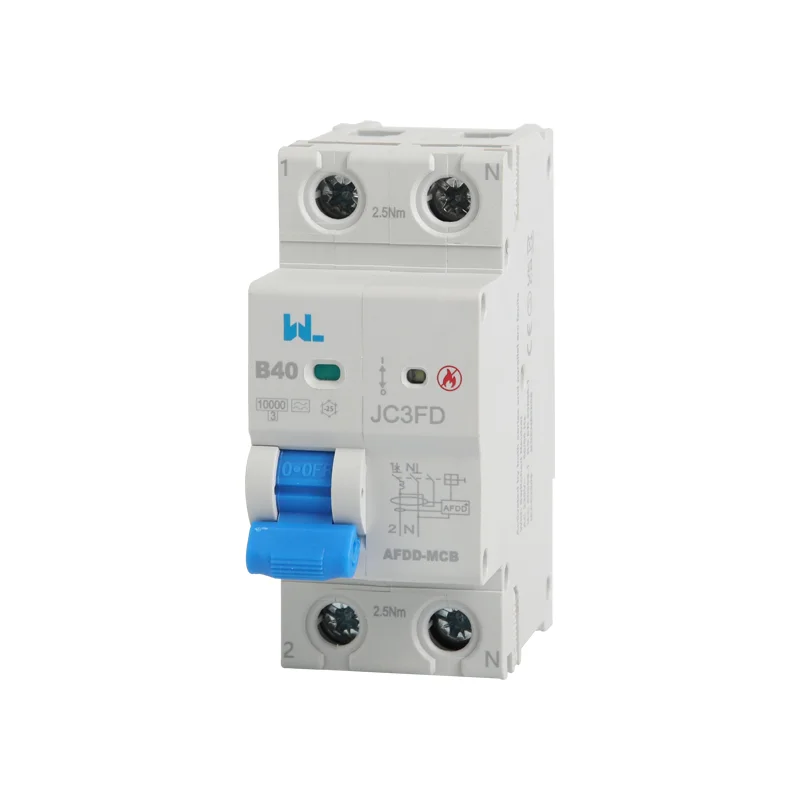
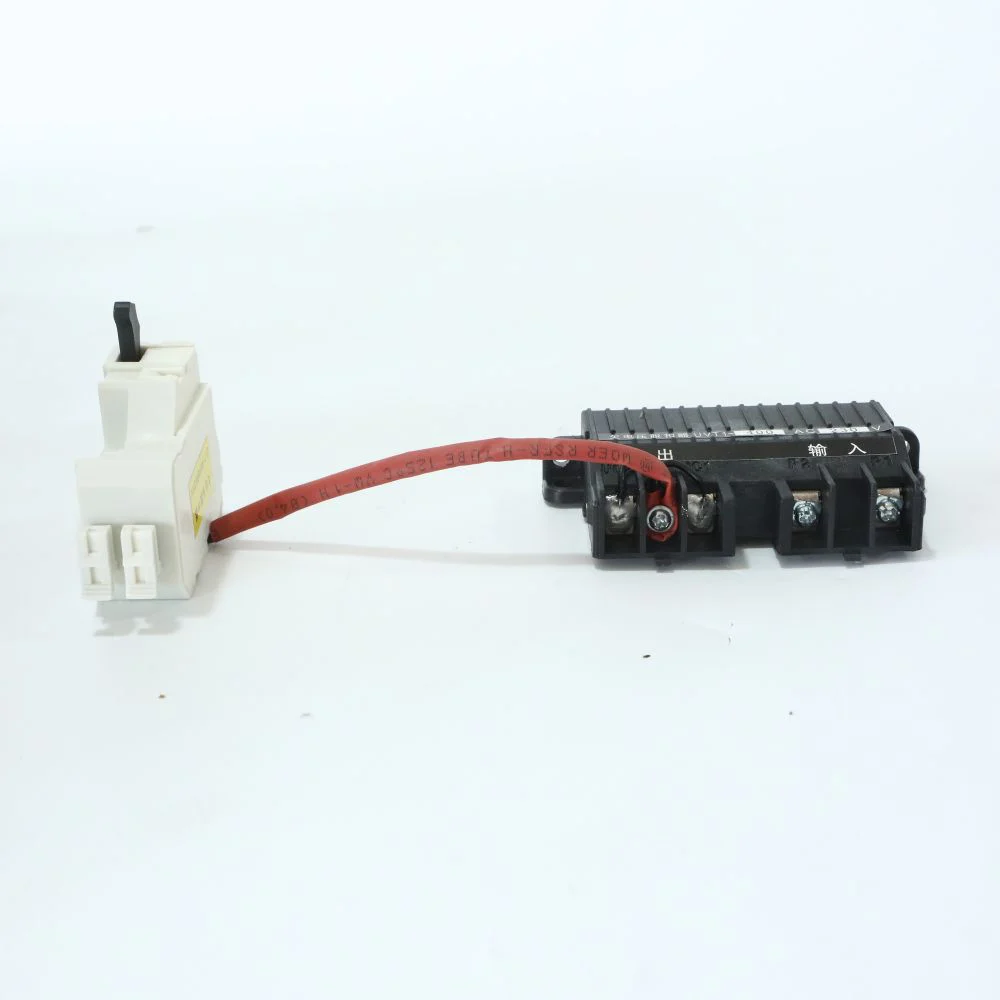
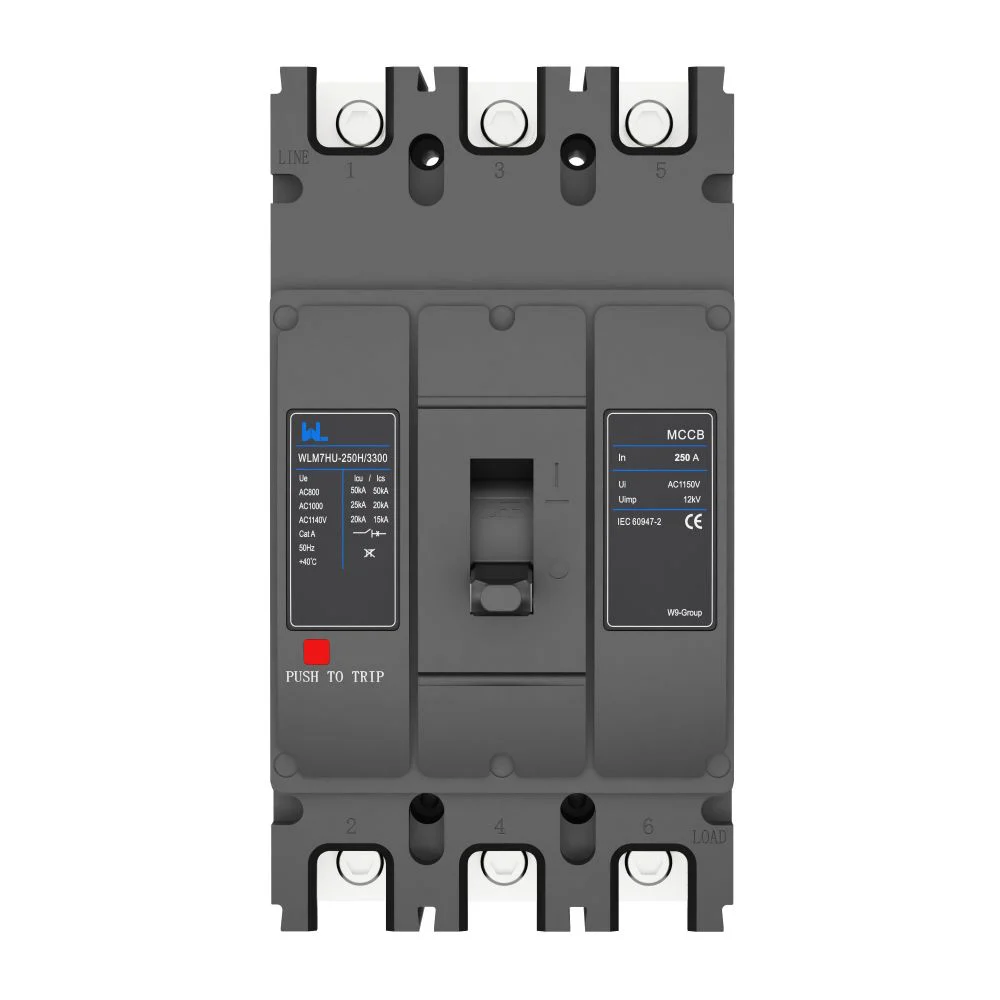
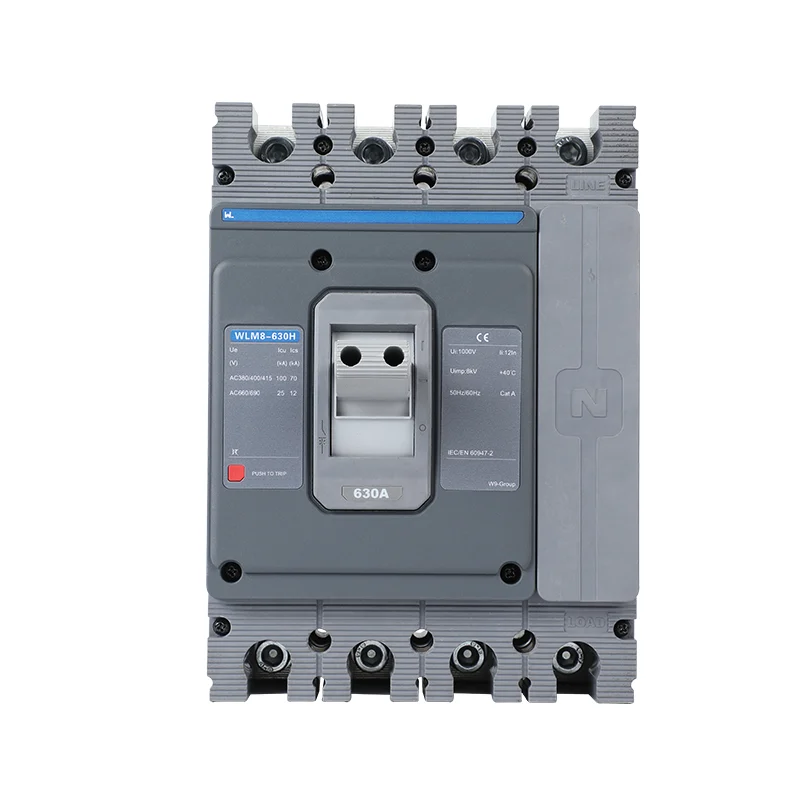
An LSIG MCCB provides declared long-time, short-time, instantaneous and ground-fault functions. Its ground-fault function is not automatically equivalent to the high-sensitivity residual-current function required on a final circuit. Voltage, fault duty and sensing arrangements must come from its own exact model table.
| Field | JCR3HM listing | Electronic LSIG MCCB |
|---|---|---|
| Product category | RCCB | MCCB with specified electronic release |
| Overcurrent protection | Separate coordinated device required | Declared L/S/I functions |
| Leakage or earth-fault function | Selected residual-current type and sensitivity | Ground-fault function within release scope |
| Voltage | Listed 2P and 4P values | Exact MCCB rating table required |
The guide to residual-current protection describes the installation conditions that a device label alone cannot establish.

Keep the two specifications separate
For JCR3HM, request poles, current, Type A or AC, residual-current sensitivity and coordination evidence. For an 800 V MCCB requirement, request a different exact product code with explicit AC or DC operating voltage and fault ratings. Neither product’s name supplies the other’s functions.
| Order | Essential evidence |
|---|---|
| JCR3HM RCCB | RCCB datasheet, wiring and overcurrent coordination |
| 800 V MCCB | Exact voltage and fault-duty table, trip curves and connections |
| Complete panel | Assembly verification and installation design |
Installation and procurement checks
Neutral routing, earthing and test procedures remain important for the RCCB. Use the declared test method and a suitable residual-current tester. IEC 61008-1 and IEC 60947-2 have different product scopes; listing both does not combine two device categories.
Ask W9 Group to confirm the exact required product before quotation. Keep the RCCB and MCCB schedules separate so a misleading legacy title cannot become a purchasing instruction.
Frequently asked questions
Is JCR3HM an 800 V LSIG MCCB?
No. The reviewed current listing identifies an RCCB with separate overcurrent protection required. It does not establish that combined description.
Does JCR3HM provide overload protection by itself?
No. Its RCCB function requires a coordinated MCB or fuse for overload and short-circuit protection.
Is an MCCB ground-fault function the same as a 30 mA RCD?
Not automatically. Sensitivity, waveform response, sensing and intended protection differ. Verify the exact functions required by the installation.
How should an 800 V requirement be quoted?
Specify a separate exact MCCB with the required AC or DC voltage, fault duty, poles and trip functions. Do not infer it from the JCR3HM name.
References
- IEC 61008-1:2024 — RCCBs without integral overcurrent protection.
- IET — Which RCD Type?.
- IEC 60364-6:2016 — installation verification.
For waveform and pole selection, contact W9 Group with the circuit topology, load equipment and destination-market rules.