



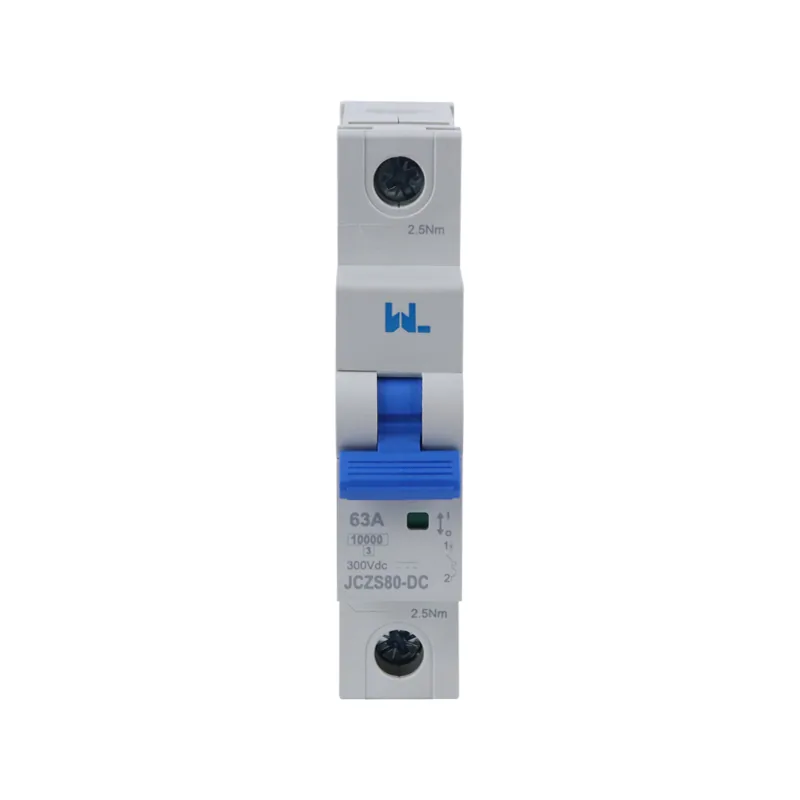
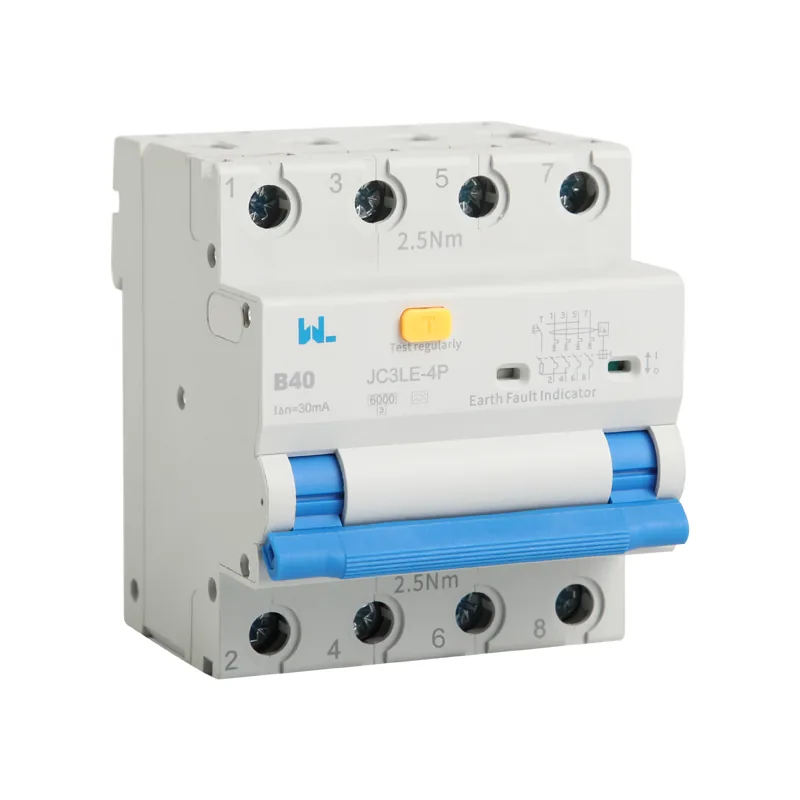
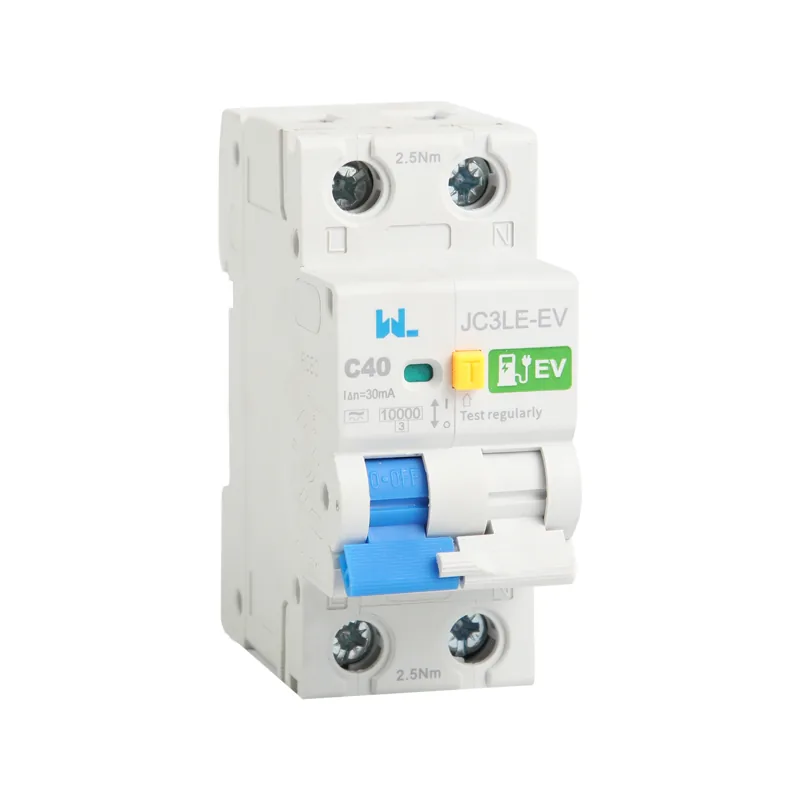




How to Choose an ACB: Current Rating, Short-Circuit Capacity, Poles, and Trip Unit
When a switchboard engineer in Birmingham reviewed a new distribution-board schedule, she selected an ACB breaker by the feeder’s normal current and released the purchase order. During commissioning, the protection coordination study showed that the prospective fault current exceeded the selected interrupting rating, so the incomer could not be accepted. The visible failure was a late delivery and a replacement request; the root cause was selection by nameplate current alone, not a defective product.
Резюме: Choose an air circuit breaker from the system duty outward: establish continuous current, prospective short-circuit current, required poles, and the trip unit functions before comparing frames or prices. Under IEC 60947-2, Icu (ultimate short-circuit breaking capacity) and Ics (service short-circuit breaking capacity) are distinct declared ratings; a breaker that carries the load may still be unsuitable for the fault level. Confirm the rating at the installation voltage, then verify coordination, mounting, accessories, and documentation with the switchboard builder before ordering.
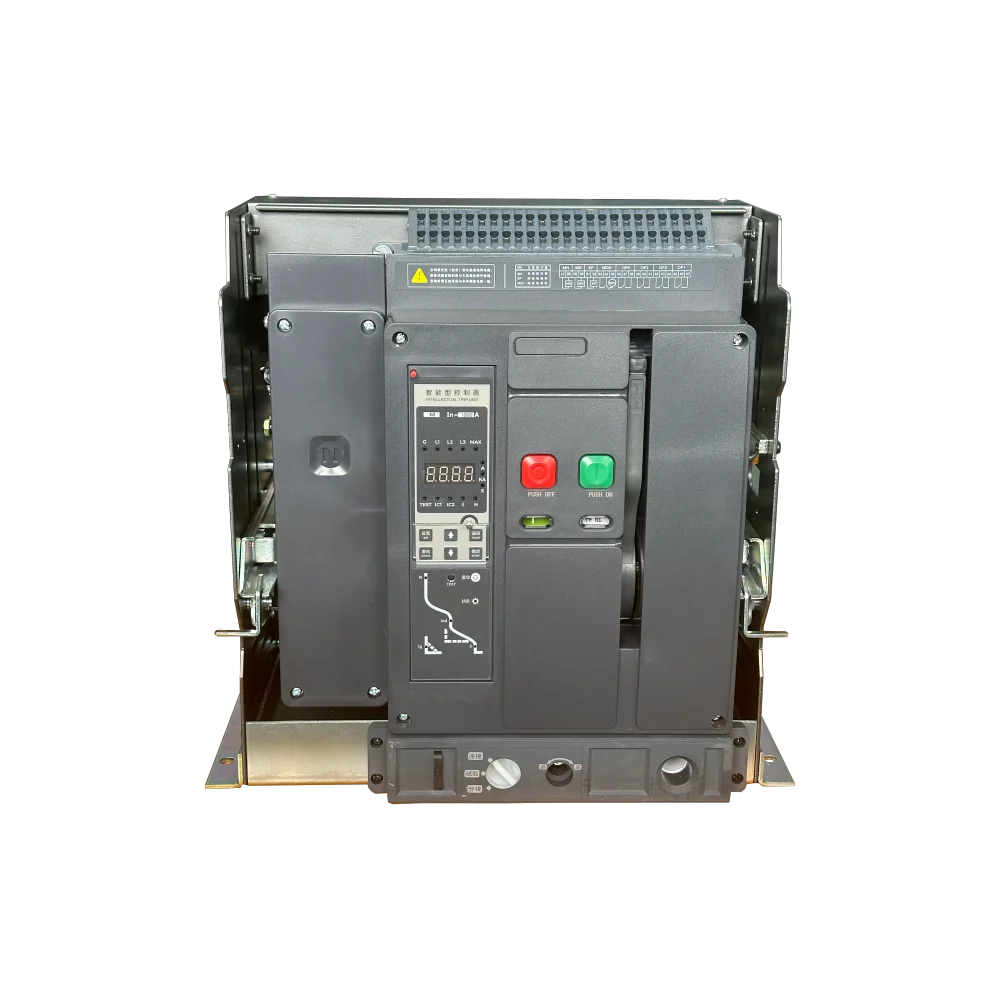
An ACB is a low-voltage circuit-breaker that uses air as the interruption medium and is commonly applied as a main, tie, generator, or large feeder device. Its open construction, accessories, and adjustable protection suit assemblies where inspection and selectivity matter. Compare declared duty and test evidence, not just the frame label. See the Air Circuit Breaker product range for configuration examples.
Start with the four electrical decisions
Current rating is the first filter, but it is not the final selection. Record the calculated design current, the continuous rating of the conductors and busbar, the ambient conditions, and any derating stated by the manufacturer. A frame may carry several trip settings; the long-time pickup should protect the conductors and remain above expected steady load without defeating overload protection.
Continuous current and frame size
Separate frame rating from the sensor or long-time setting. A larger frame may provide future capacity, but it does not automatically protect a smaller conductor. Check terminal temperature limits, ventilation, altitude, and test conditions. IEC 60947-2 documentation should identify rated uninterrupted current (Iu) and rated operational voltage (Ue) for the intended application.
Short-circuit capacity and withstand
Obtain prospective short-circuit current from the fault study at the ACB terminals. Compare it with Icu and Ics at the stated voltage and power factor. If selectivity requires the breaker to remain closed briefly while a downstream device clears the fault, check short-time withstand current (Icw) and delay. Assess withstand duty, upstream protection, and busbar bracing as one assembly.
Poles and neutral treatment
Three-pole and four-pole arrangements solve different system problems. A three-pole ACB can suit a solidly connected neutral; a four-pole version may be required for neutral isolation, source transfer, or a specific earthing arrangement. Do not infer the answer from phase count alone. Confirm whether the neutral must open simultaneously and whether its pole needs reduced or full current rating.
Trip unit functions
Match the trip unit to the protection study. Typical functions include long-time (L), short-time (S), instantaneous (I), and ground-fault or earth-fault (G) protection. The letters describe functions, not a universal feature set. Verify pickup ranges, delay bands, interlocking, metering, communication, test facilities, and adjustable settings. A feature-rich trip unit is still wrong if it cannot coordinate with downstream breakers.
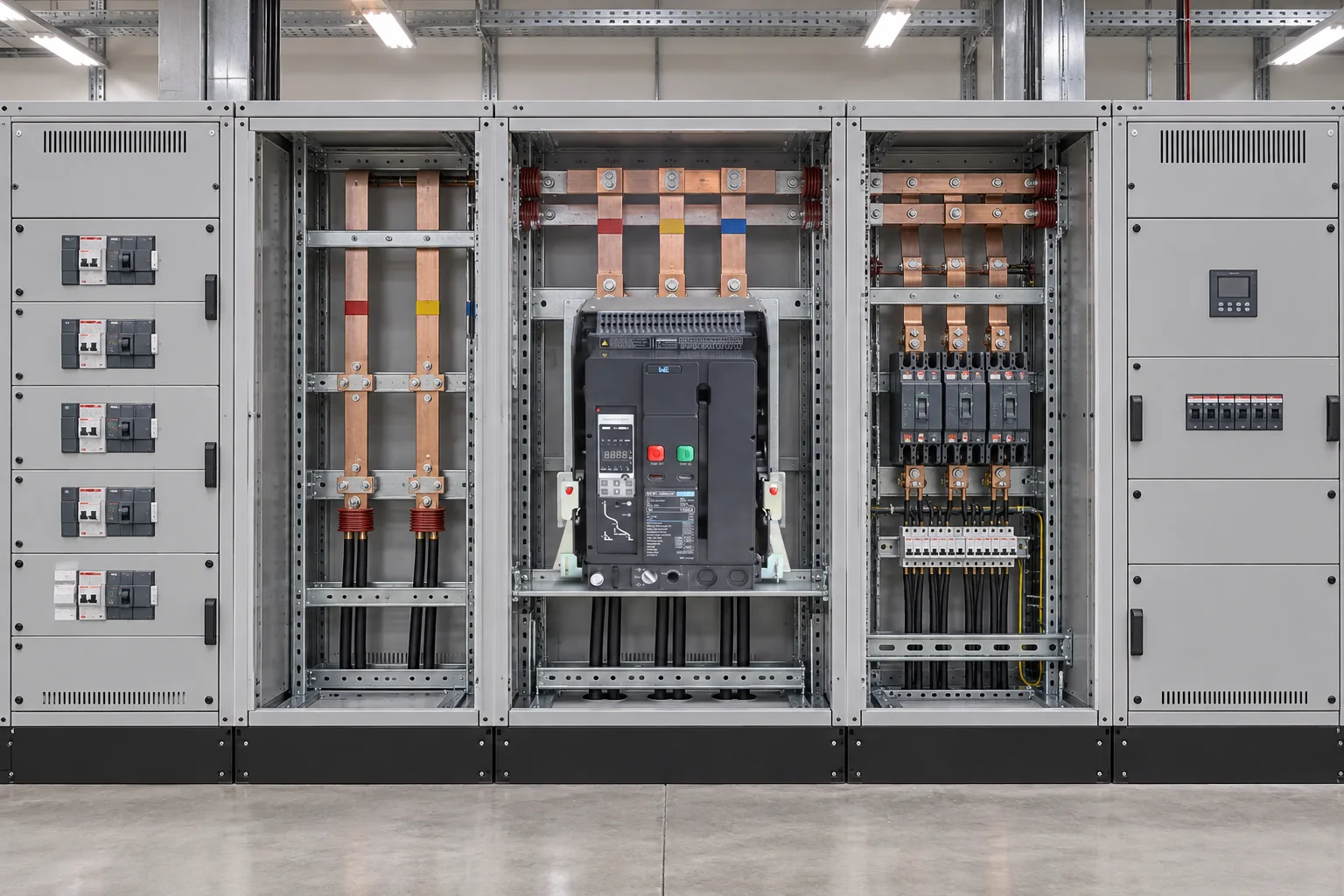
How the main ACB choices compare
This comparison focuses on application consequences. “Unit-cost tendency” is qualitative because rating, accessories, testing, logistics, and market change the quotation; compare like-for-like configurations.
| Choice dimension | Option A | Option B | Selection implication |
|---|---|---|---|
| Construction | Fixed type | Drawout type | Fixed is simpler; drawout can support isolation and maintenance when the assembly includes suitable interlocks. |
| Poles | Three-pole | Four-pole | Use earthing and transfer design to decide whether the neutral must switch. |
| Protection | Basic electronic trip | Advanced trip and communication | Specify functions required by coordination or supervision; unused features add cost. |
| Ответственность за нарушение правил | Lower declared Icu/Ics | Higher declared Icu/Ics and Icw | Ratings must exceed calculated duty at actual voltage and support selectivity. |
| Поддержание работоспособности | Simple access | Modular accessories | Compare outage procedures, test access, spares, and replacement lead time. |
For buyers comparing an ACB breaker fixed type, this option can suit a stable layout where isolation is handled upstream. Drawout may suit planned replacement or testing without disturbing fixed busbar connections. Treat the choice as an assembly decision: breaker, cradle, shutters, interlocks, terminals, and bracing must be compatible.
Specify procurement details before asking for price
Most avoidable ACB cost appears after quotation: missing auxiliaries, incompatible cradles, busbar rework, field testing, or a trip unit that cannot implement the coordination study. Send a complete schedule and ask suppliers to identify assumptions. Use the table as an RFQ checklist.
| Procurement dimension | Information to provide | Why it changes the decision |
|---|---|---|
| System duty | Current, voltage, frequency, fault current, power factor, study reference | Sets Iu, Ue, Icu, Ics, and possible Icw. |
| Connection | Fixed/drawout, orientation, busbar position, cable or busduct termination | Prevents fitment changes and incorrect accessories or cradle. |
| Protection | Coordination curves, L/S/I/G needs, neutral protection | Confirms trip functions and setting ranges, not just a model name. |
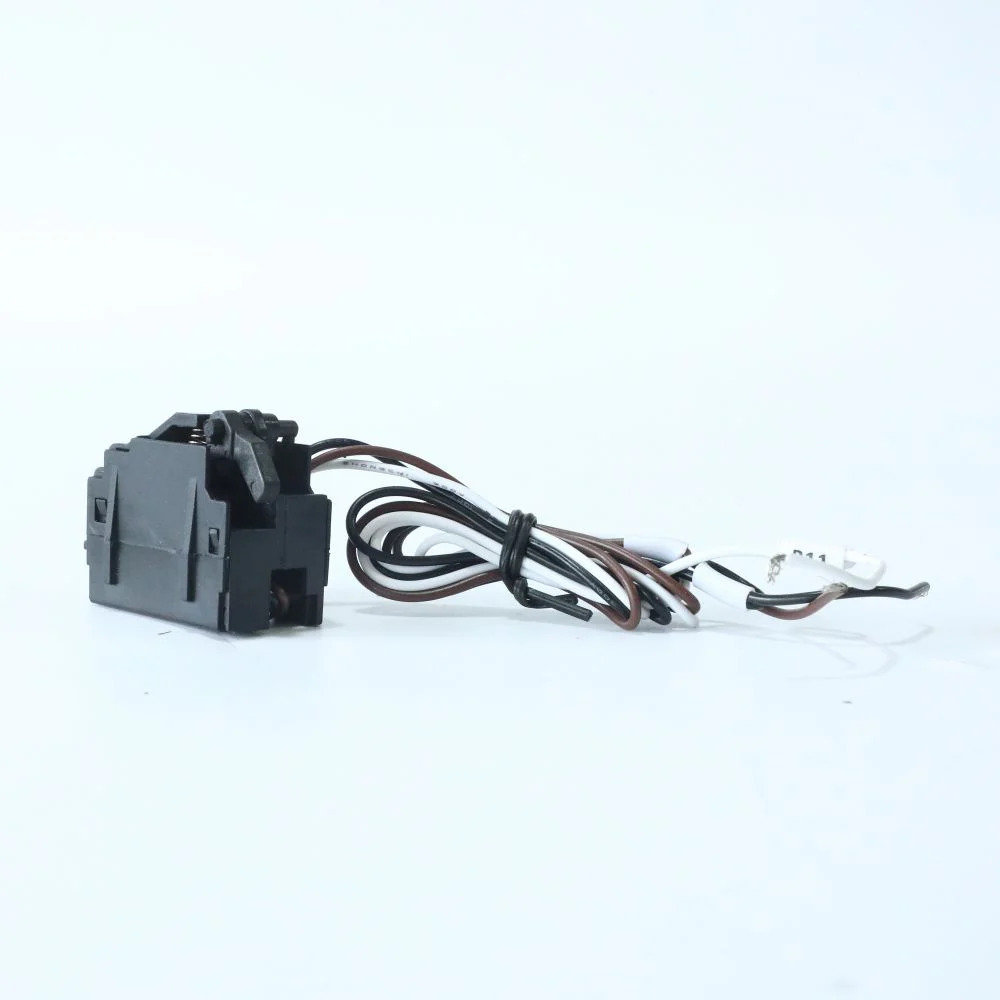
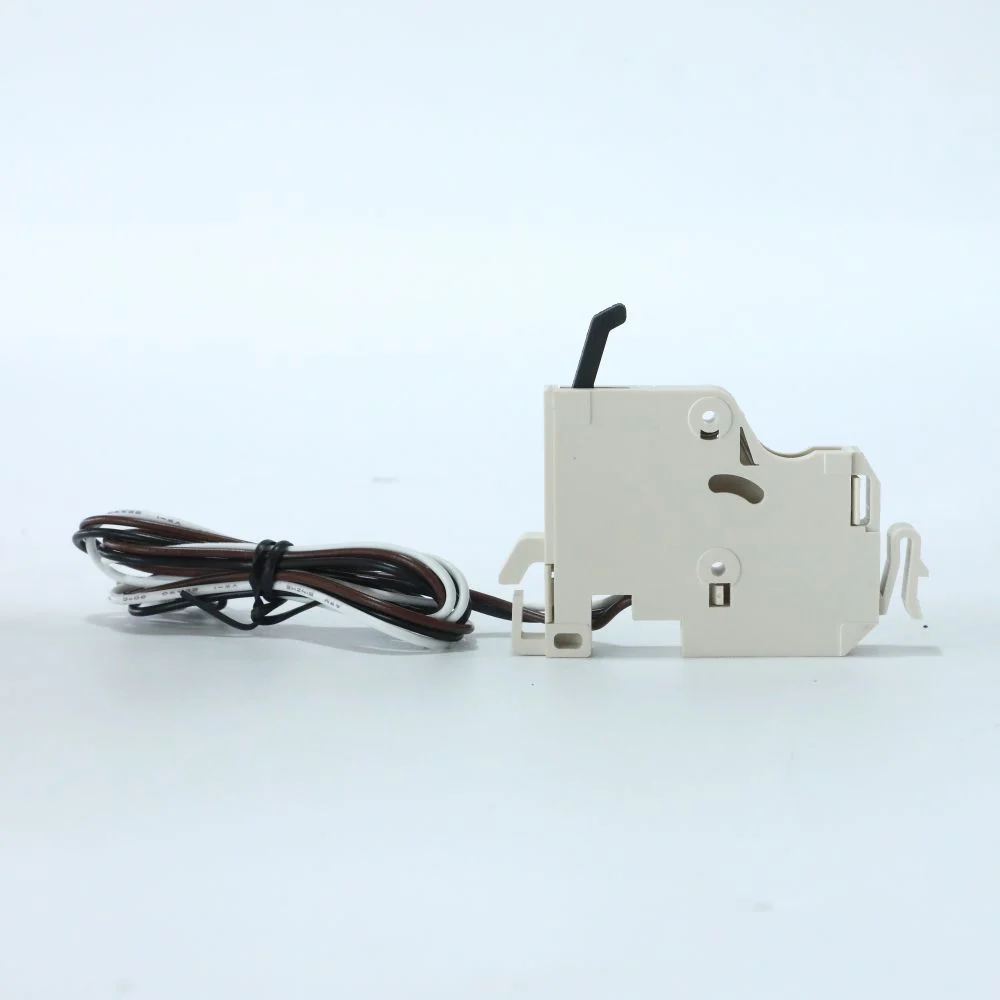
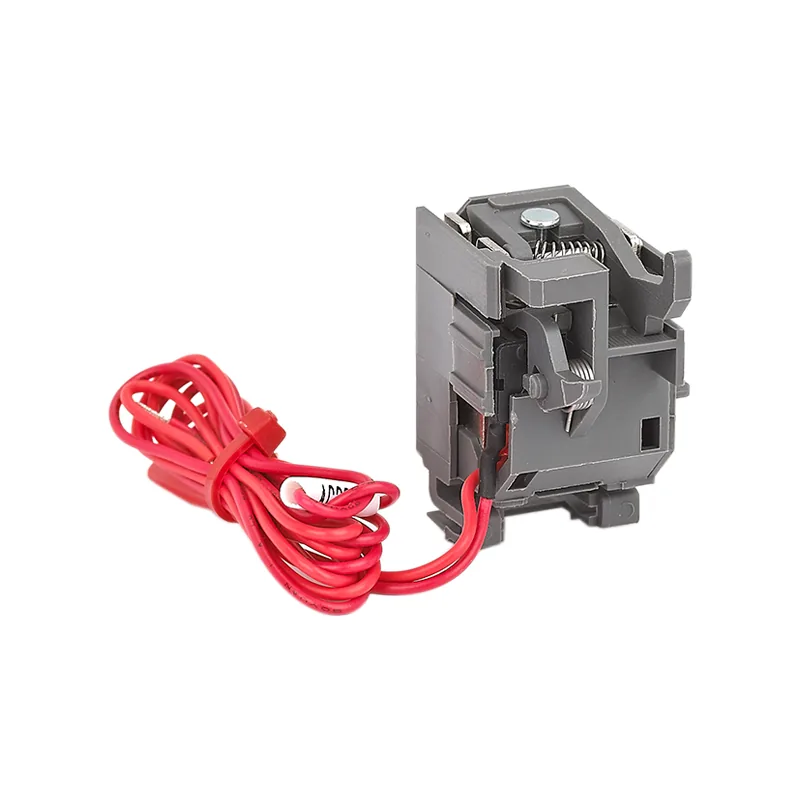
| Accessories | Releases, coils, auxiliary contacts, motor operator, interlocks | Changes control voltage, wiring, commissioning, and spares. |
| Evidence and delivery | Routine-test documents, wiring diagram, manual, spares, inspection plan, delivery point | Supports acceptance, maintenance, traceability, and comparable quotations. |
Standards, testing, and compliance boundaries
IEC 60947-2 is the central product standard for low-voltage circuit-breakers. It addresses ratings, construction, performance, and verification tests, including short-circuit capabilities and operating sequences. It is not, by itself, a blanket declaration that every installed assembly is compliant. The supplier’s declared values must match the breaker configuration, and the integrator remains responsible for the finished switchboard.
For a complete low-voltage assembly, IEC 61439 covers assembly design and verification. A breaker test report cannot replace assembly verification. IEC 60947-1 provides common rules and is read with the applicable product part. In North American projects, the governing installation code may be NFPA 70, with additional project standards or certification marks.
Ask for the standard edition, rating conditions, test report or declaration scope, and any limitations on combinations of breaker, cradle, and accessories. A “tested to” phrase is not automatically a product certification; certification and marking requirements depend on destination market, the authority having jurisdiction, and the exact claim made in the tender. Unsupported claims can create rejected submittals, re-testing, warranty disputes, or customs and project delays.
A practical five-step selection process
- Build the duty sheet. Record current, voltage, frequency, fault current, earthing, ambient conditions, and service continuity.
- Set protection. Use a coordination study to define L/S/I/G functions, neutral treatment, and interlocking.
- Choose the form. Decide fixed or drawout, three or four poles, terminals, interlocks, and control voltage.
- Compare total cost. Include mounting, accessories, testing, documents, spares, outages, and delivery risk.
- Close evidence. Require data sheet, dimensions, wiring, declared ratings, routine tests, and exclusions before approval.
W9 Group can be considered as one sourcing option when buyers need configurable low-voltage protection products and technical-document review across a project schedule. Confirm the exact ACB configuration, evidence package, and destination-market requirements with the supplier; do not assume a catalogue family proves suitability for a particular board.
Frequently asked questions
What is the price or total cost of air circuit breaker?
There is no defensible single price for an air circuit breaker because current and fault ratings, fixed or drawout construction, trip-unit functions, accessories, testing, freight, and installation all change the quotation. Compare complete bills of material and lifecycle tasks rather than a bare breaker price. Ask each supplier to state exclusions and lead-time assumptions.
What are the main types of air circuit breaker?
The main distinctions are fixed and drawout construction, three- and four-pole arrangements, and different trip-unit function sets. Buyers also compare frame/current ranges, short-circuit ratings, control accessories, and communication options. The correct type depends on the assembly, protection study, maintenance method, and local compliance requirements.
What should buyers know about Air circuit breaker schneider?
Schneider is a common search and comparison term, but a brand name does not replace a duty schedule. When comparing any Schneider offer with another ACB breaker, align rated current, voltage, Icu, Ics, Icw, poles, trip functions, dimensions, accessories, and evidence on a like-for-like basis. Request current manufacturer documentation for the exact model and market.
How do you replace a air circuit breaker?
Replacement starts with isolation, lockout, verification of absence of voltage, and an approved switching procedure. Confirm the replacement’s dimensions, busbar or cable termination, poles, control voltage, interlocks, trip settings, and short-circuit ratings; then complete assembly checks, primary or secondary injection as required, functional tests, and updated records. Only qualified personnel following the site rules should perform the work.
How does an ACB breaker work?
During normal operation, the ACB carries current through its main contacts. When the trip unit detects an overload or fault according to its settings, the mechanism opens the contacts and the arc is controlled and extinguished in air using the breaker’s arc-management structure. The exact timing and protection functions depend on the trip-unit configuration and declared product design.
How does ACB work?
“ACB” is the abbreviation for air circuit breaker, so the operating principle is the same: sense an abnormal current, release the mechanism, interrupt the circuit, and withstand the specified duty. In a switchboard, its performance also depends on upstream and downstream coordination, the busbar assembly, earthing, and correct installation. Review the manufacturer’s instructions and the project protection study before energization.
References and next steps
- IEC Webstore, for the current publication record of IEC 60947-2 and IEC 61439.
- International Electrotechnical Commission standards overview, for edition and conformity context.
- NFPA 70, National Electrical Code, where the project is governed by the US installation code.
The reliable ACB is the one whose current, fault duty, poles, trip functions, mechanical fit, and evidence all agree before energization. For a configuration review or quotation request, contact W9 Group technical support with the duty sheet, drawings, and required documentation. To discuss an ACB selection and project requirements, send an enquiry to W9 Group.