



















Понимание важности RCCBs в области электробезопасности
Иллюстративный сценарий, а не документированный пример из практики клиента: когда устройство защитного отключения срабатывает после подключения нескольких цепей, его замена на устройство с тем же номинальным током может не устранить истинную проблему. Причиной может быть накопленная утечка, неправильное подключение нулевого провода, повреждение оборудования или несоответствие формы остаточного тока характеристикам выбранного устройства. Поэтому при выборе УЗО важно учитывать подключённые нагрузки и их влияние на план испытаний и реакции на аварийные ситуации.
Краткий ответ: Выбирайте характеристики УЗО исходя из поведения нагрузки по дифференциальному току, а не только из её номинального тока. Отдельно указывайте допустимый ток, чувствительность к дифференциальному току, тип формы сигнала, количество полюсов и согласованную защиту от сверхтоков. Типы AC, A, F и B характеризуют различные возможности по обнаружению дифференциального тока; они не являются взаимозаменяемыми гарантиями универсальной защиты. При многократных срабатываниях определите условия работы и проведите безопасное исследование, прежде чем изменять настройки или уровень чувствительности. Данная статья посвящена выбору и вводу в эксплуатацию; в сопутствующем руководстве по защите объясняются основные пределы безопасности.
Требования к номинальным параметрам УЗО
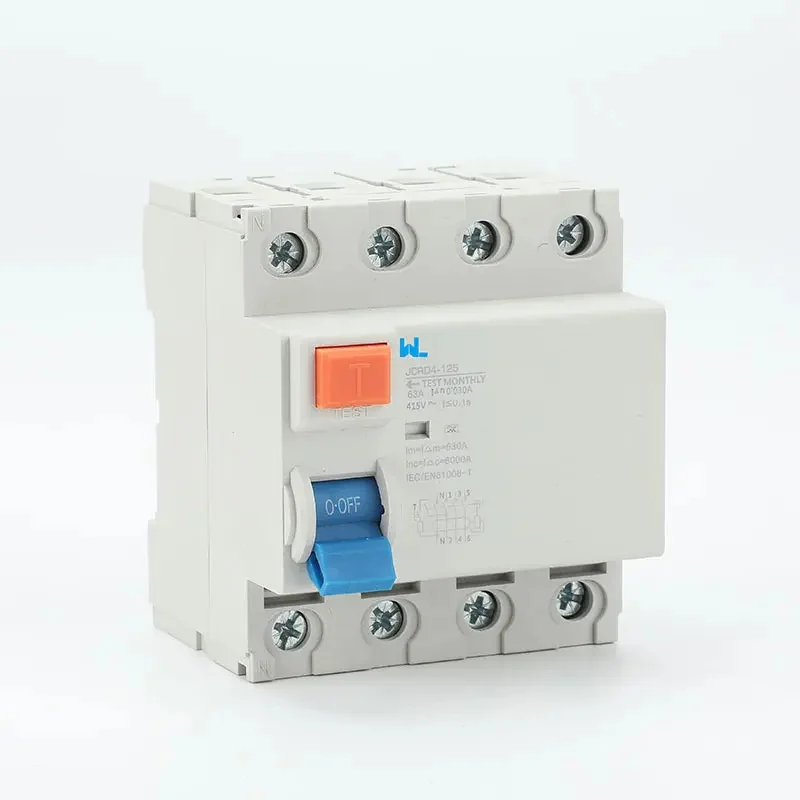
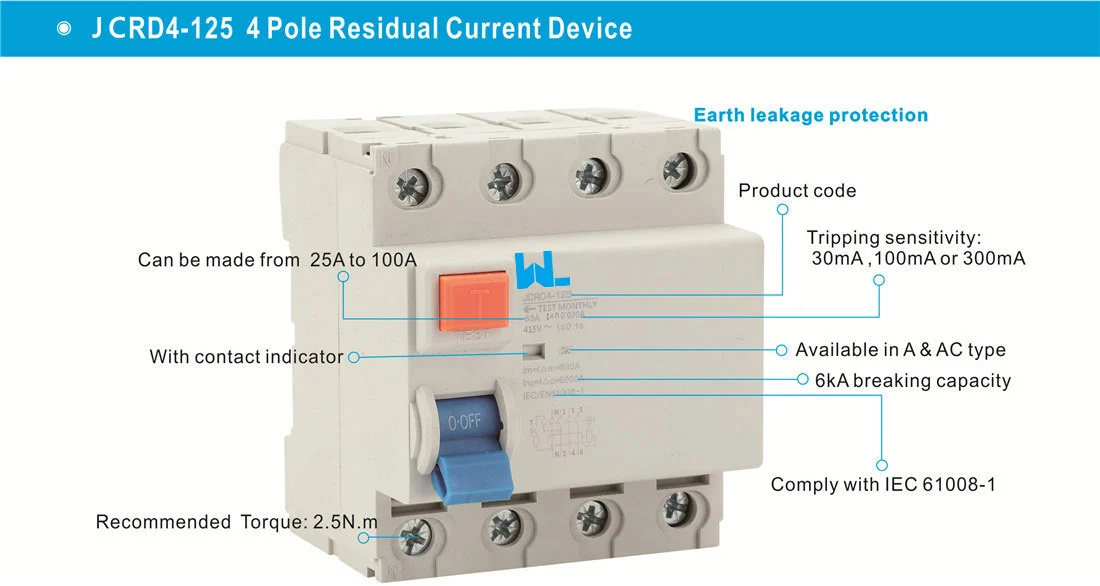
Максимальный ток Первое касается нагрузки, которую выдерживает устройство. Номинальный остаточный оперативный ток IΔn и его характеристика работы относятся к детектированию дифференциального тока. Тип устройства по остаточному току определяет характер поддерживаемой формы сигнала. Обозначение «с выдержкой времени» или «селективное» затрагивает другой аспект функционирования, если такая функция предусмотрена в данной модели. Одно из этих обозначений не может заменить собой другие.
Выбранная чувствительность и режим отключения должны соответствовать требованиям монтажа и целям защиты. Не применяйте универсальное значение ко всем цепям и не повышайте пороги чувствительности лишь для предотвращения срабатывания. Это может изменить проект защитного устройства, не устранив при этом первопричину проблемы.
У УЗО отсутствует встроенная защита от перегрузки или Защита от короткого замыкания. Включите в технические требования сведения о защищающем устройстве, расположенном выше по потоку, или об используемом совместно с ним устройстве защиты от сверхтоков, а также условия координации, указанные изготовителем. Подробную информацию о том, что устройство способно и не способно обнаруживать, см. Пределы защиты УЗО; данный процесс отбора исходит из того, что эти границы остаются неизменными.
Выбор формы остаточного тока
Электронные выпрямители и преобразователи частоты могут формировать несинусоидальные формы тока утечки, отличающиеся от простого синусоидального переменного тока. Поэтому требования производителя оборудования являются важнейшим исходным параметром. Простого указания типа здания — жилое или коммерческое — недостаточно для определения соответствующего типа устройства защиты для каждой подключённой нагрузки.
| Тип | Возможность, описанная в руководстве производителя | Вопрос с выбором | Граница |
|---|---|---|---|
| AC | Синусоидальный остаточный ток переменного тока | Допускает ли нагрузка и местные правила такой тип? | Не делайте выводов о пригодности при наличии неисправности преобразователя. |
| A | Alternating and pulsating DC residual current | What waveform can the equipment produce? | Not a universal smooth-DC solution |
| F | Additional behaviour for specified single-phase inverter applications | Do equipment instructions call for this capability? | Check the exact frequency and application scope |
| B | Includes smooth-DC detection within the product’s scope | Can the equipment produce that residual waveform? | Exact limits and coordination remain necessary |
ABB’s published explanation of inverter air-conditioner protection distinguishes these waveform categories and illustrates why a converter’s instructions matter. Its historical Australian regulatory discussion is not used here as current legal advice. The technical category explanation also does not establish that a W9 product offers the same features as an ABB device.
Residual Type B and overcurrent curve B are different specifications. A curve letter on an MCB or RCBO does not prove a corresponding residual-текущая форма волны capability. Require the schedule and supplier quotation to identify the two characteristics separately where a combined device is involved.
Circuit Grouping and Leakage Current
Several loads can contribute normal leakage through filters or other paths. Combined downstream leakage can therefore affect a shared protective device even if no single appliance appears to be the obvious cause. That is a reason to measure and investigate the complete group, not to declare a trip harmless.
Record the load combinations, timing and environmental conditions associated with a trip. Moisture-related events, immediate operation after a retrofit and operation only under a particular load combination may require different investigations. The apparent relationship to an appliance is useful evidence, but it does not identify the fault without testing.
Individual RCBO circuit protection can reduce how many unrelated circuits share a residual-current trip. It does not eliminate leakage, correct a neutral fault or prove selectivity with an upstream RCD. Choose grouping from the acceptable outage consequence and the measured or documented load conditions.
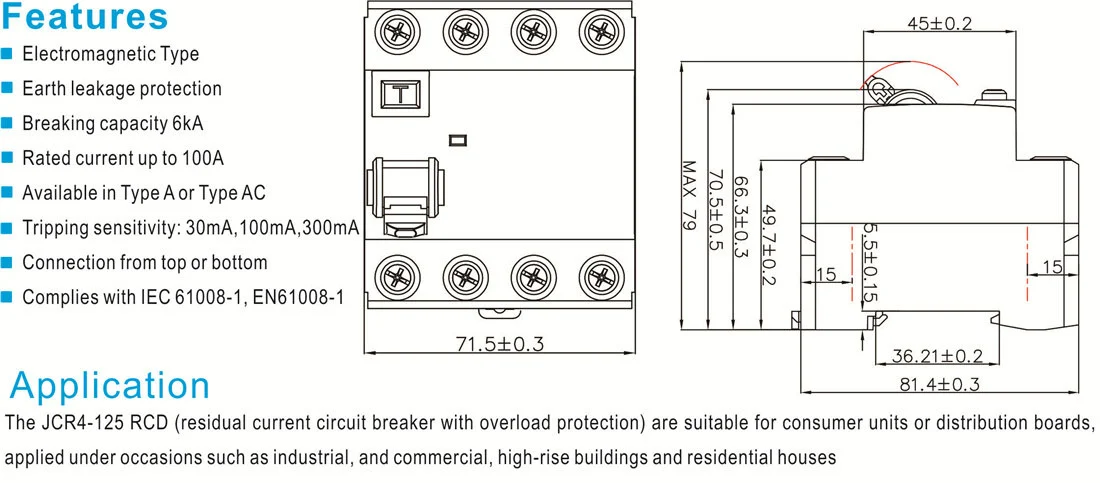
RCCB Neutral-Fault Investigation
Turning off outgoing MCBs may leave their neutrals connected. The actual switching arrangement must be checked. Therefore an RCCB that still trips with downstream breaker handles off is not automatically a defective RCCB; an unintended neutral path or another connected circuit may remain relevant.
A competent person must identify the circuit conductors and use the required isolation and test procedure. Do not disconnect live neutrals as a trial, bridge protective devices or repeatedly re-energise damaged equipment. The goal is a confirmed cause and controlled repair, not a sequence of resets that loses the original indication.
| Pattern | Possibility to investigate | Доказательства, которые необходимо собрать | Разделительная граница |
|---|---|---|---|
| Immediately after alterations | Crossed or borrowed neutrals, incorrect routing | As-built circuit mapping and safe wiring tests | Do not assume new equipment is faulty |
| Only with a combination of loads | Aggregate leakage or load interaction | Leakage under the relevant operating states | Do not change sensitivity without design approval |
| During damp conditions | Moisture or insulation deterioration | Equipment condition and appropriate insulation assessment | Do not continue using suspect equipment |
| With converter equipment | Waveform or transient compatibility issue, or genuine fault | Equipment instructions and selected device type | A type change requires evidence, not guesswork |
| With outgoing MCBs off | Neutral paths may still be present | Actual switching topology and conductor identification | Handle position is not proof of complete isolation |
RCCB Commissioning Records
A useful commissioning record identifies the exact RCCB, circuit group, associated защита от перегрузки, tests undertaken, instruments and results. A successful push-button check is one function check, not proof that every circuit meets its disconnection and earthing requirements.
IEC 61008-1:2024 provides the product scope for household and similar RCCBs; installation approval and maintenance remain separate. SafeWork NSW’s workplace guidance specifically requires competent regular testing and retention of non-push-button test records within its jurisdiction. Neither source supplies a universal maintenance interval for every country and product.
- List connected equipment and its residual-current requirements.
- Specify current, sensitivity, waveform type and any selectivity characteristic separately.
- Review neutral routing, grouping and overcurrent coordination.
- Test the completed arrangement and retain results.
- Investigate abnormal operation before approving any characteristic change.
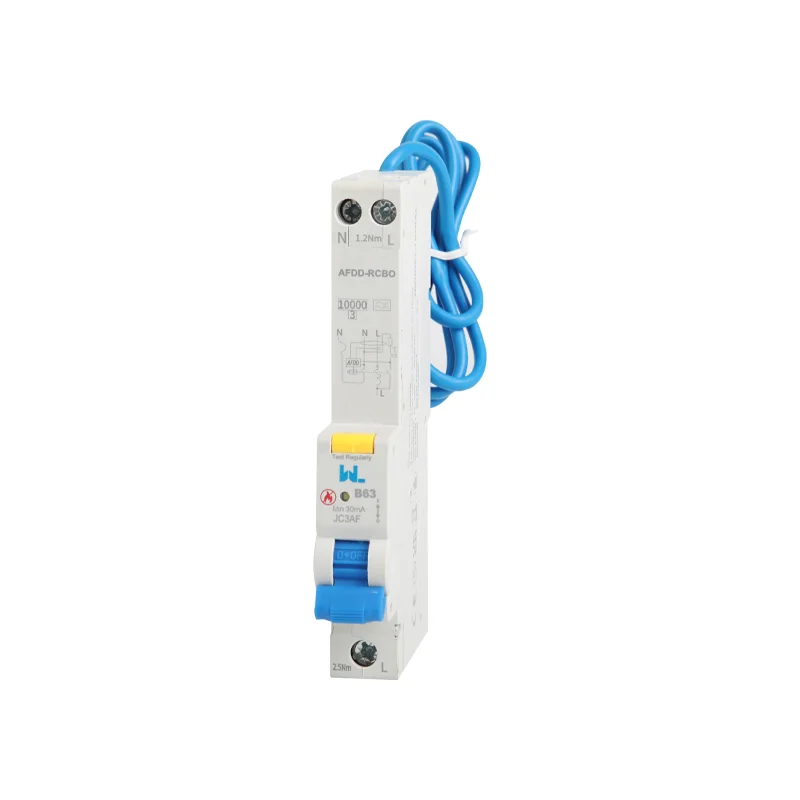
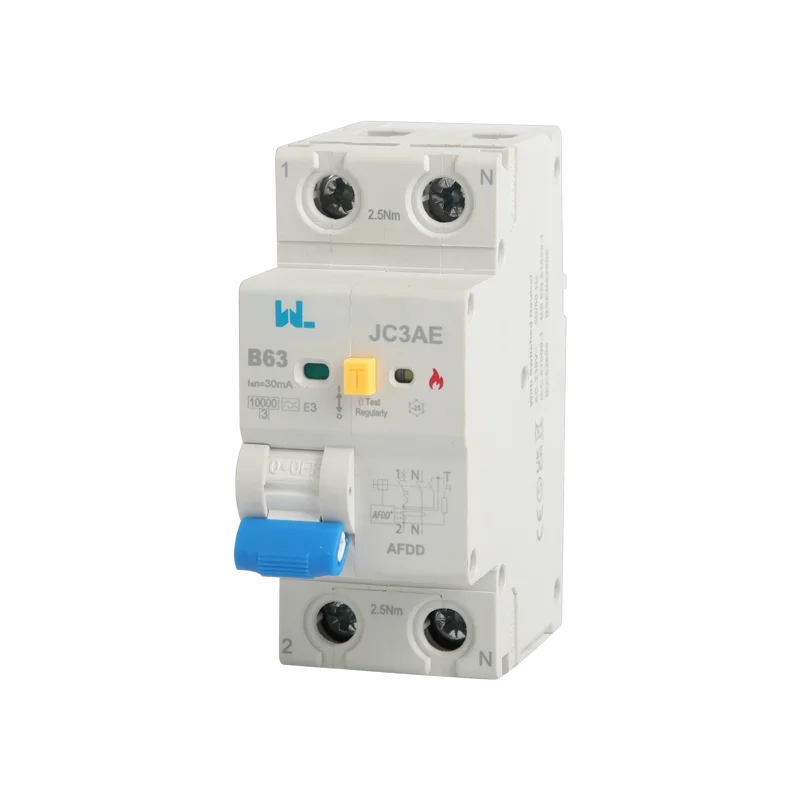
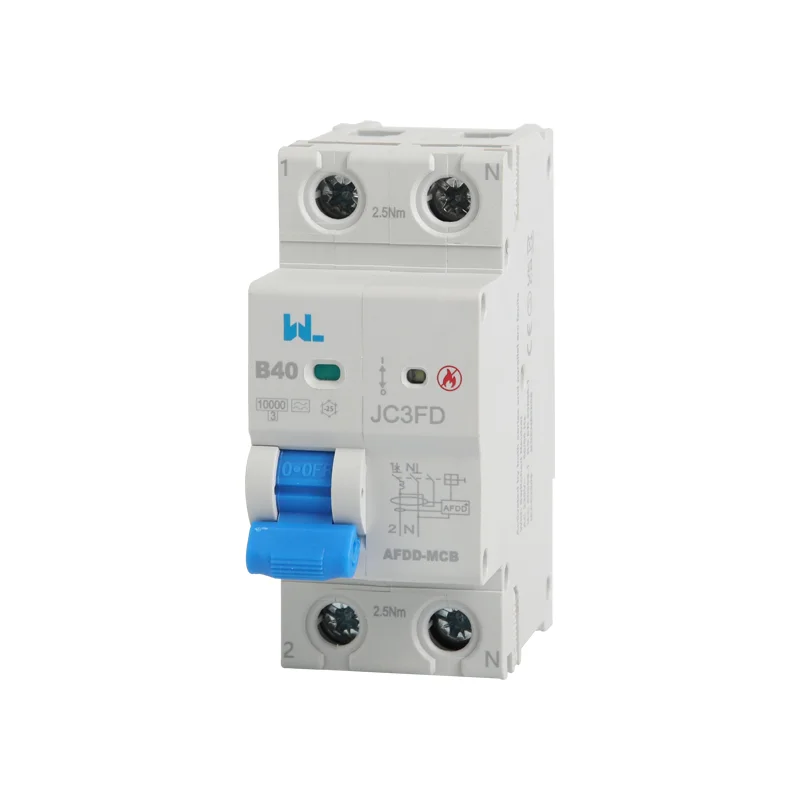
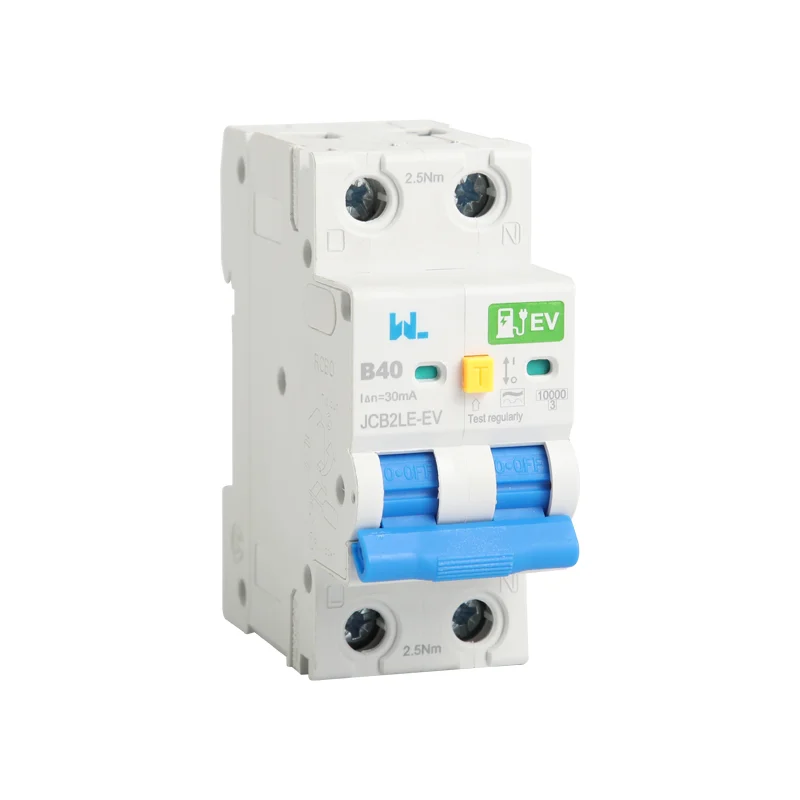
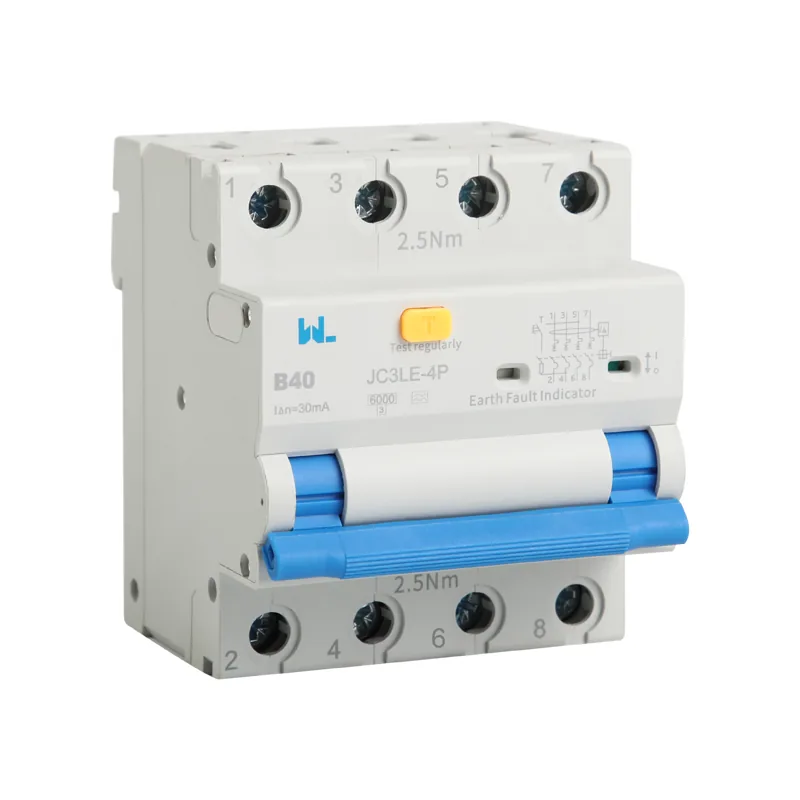
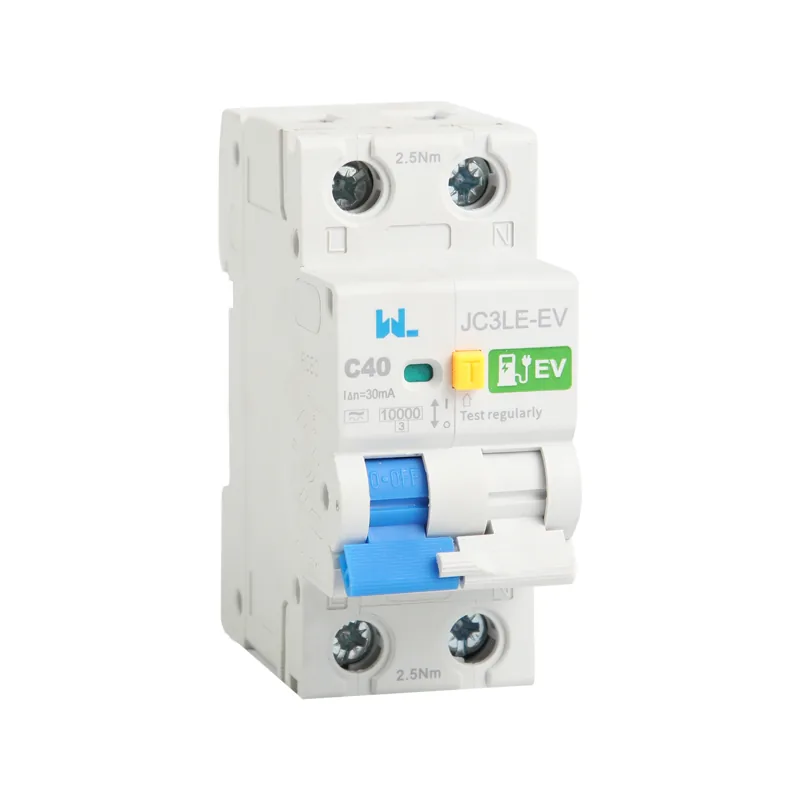
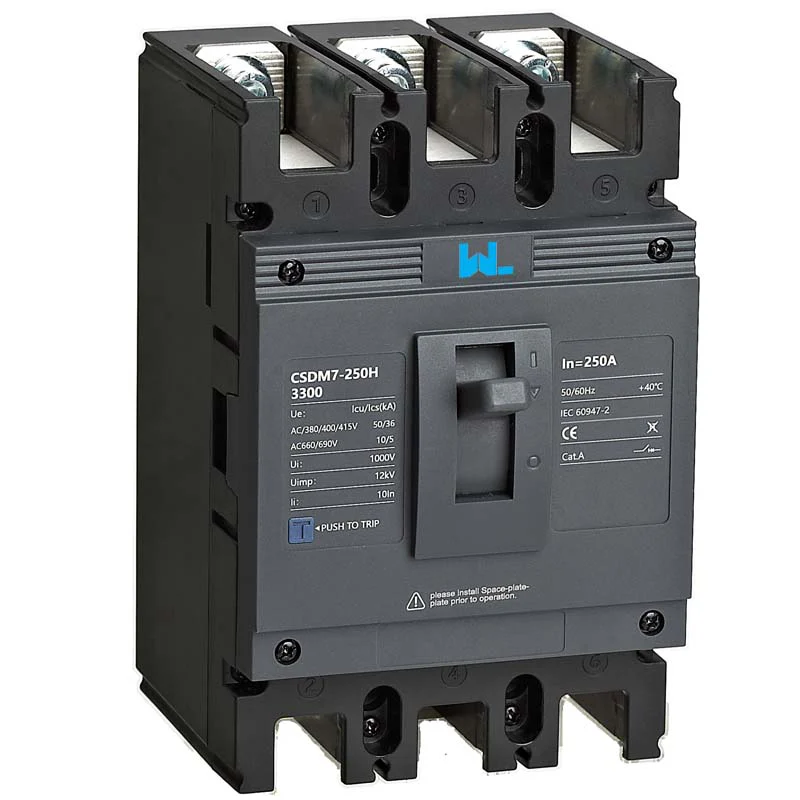
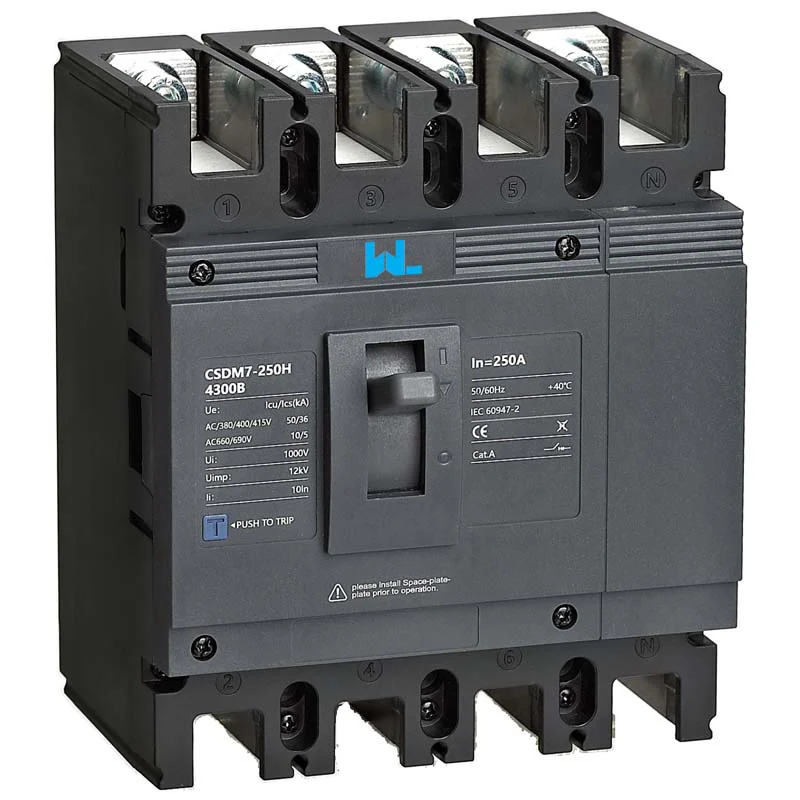
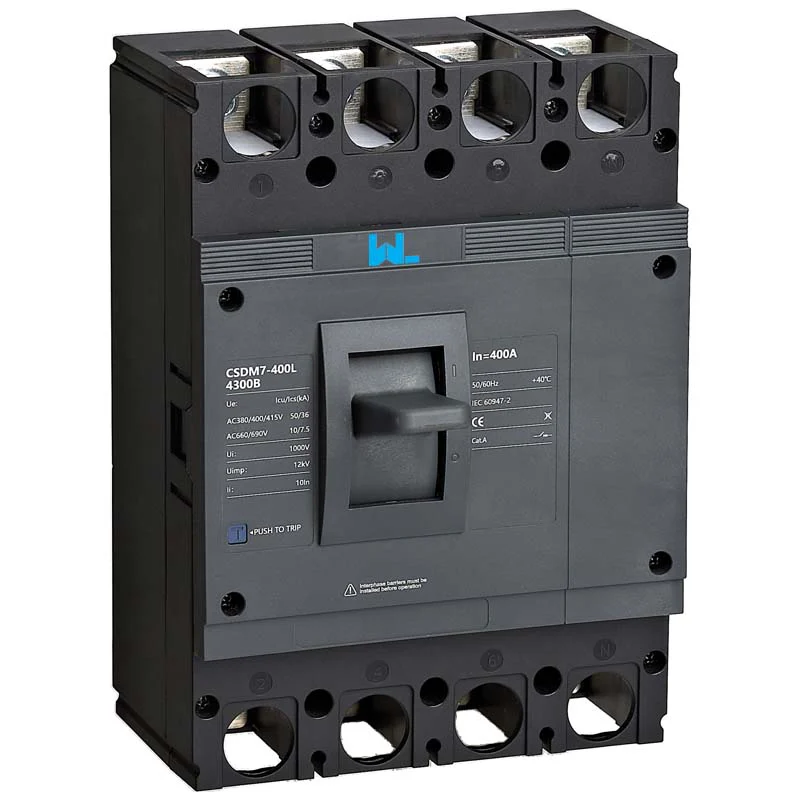
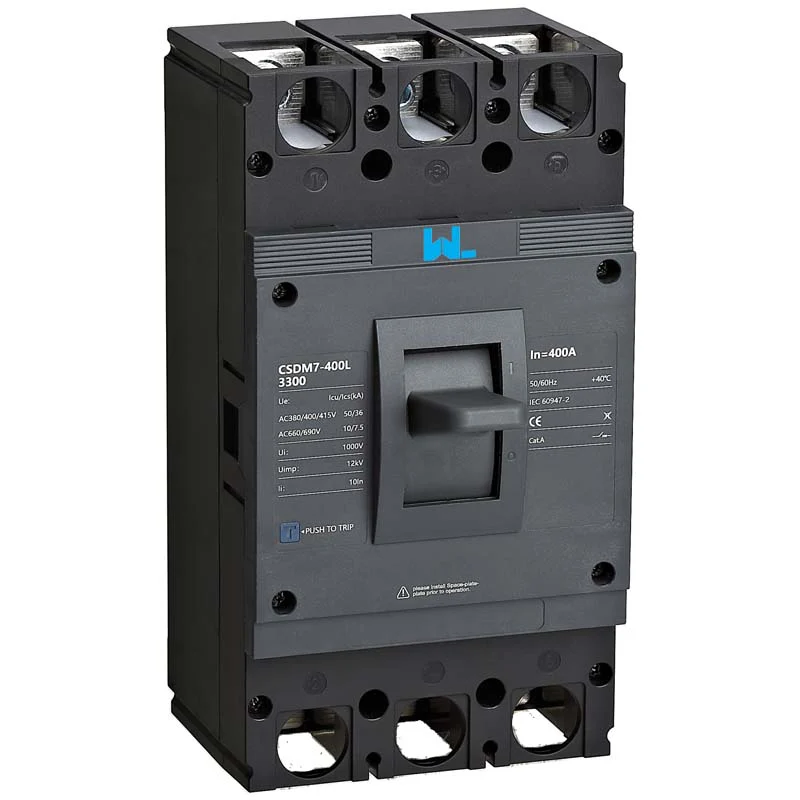
The W9 RCCB range provides candidate devices for procurement. Confirm the exact variant, supported waveform type and documentation. No category-level description should be treated as an approval for a specific drive, charger or installation.
Часто задаваемые вопросы
Why does my RCCB keep tripping?
Possible causes include genuine leakage, aggregate leakage, moisture, damaged equipment and neutral-routing errors. Record the pattern and arrange competent testing rather than repeatedly resetting or increasing the threshold.
Does every electronic load require Type B?
No. Select from the possible residual waveform, equipment instructions and installation rules. Different converter arrangements can have different requirements; an electronic-load label is not sufficient.
Can an RCCB trip with all outgoing MCBs switched off?
Yes, depending on the actual wiring and switching arrangement. Neutrals may remain connected, so the handles alone do not establish that all possible residual paths have been removed.
Is a test-button check enough for commissioning?
No. Complete the required installation and device tests through a competent person and retain their scope and results. The button does not verify the whole installation.
Can I reduce tripping by fitting a less sensitive RCCB?
Not without a justified design review. A change can undermine required protection and leave the actual fault unresolved; diagnose first.
Список литературы и заключение
- IEC 61008-1:2024 — RCCB без встроенной защиты от перегрузок.
- IET — Какой тип RCD?.
- IEC 60364-6:2016 — проверка установки.
Sources were checked on 14 October 2026. Diagnose the residual-current path before changing the protective device. Contact W9 Group with the load instructions, circuit arrangement and required device characteristics for a documented enquiry.
Для выбора формы волны и полюсов, свяжитесь с W9 Group с топологией цепи, нагрузочным оборудованием и правилами целевого рынка.