



















Why Does an Earth-Leakage MCCB Keep Tripping?
A feeder trips after several machines start, yet each machine appears to run normally on its own. The immediate temptation is to increase the leakage threshold. That can hide the symptom while leaving an insulation defect, an unintended neutral path or an unsuitable protection arrangement unresolved. An earth-leakage trip should therefore trigger an investigation of the event and circuit before anyone treats the breaker as defective.
Быстрый ответ: MCCB earth-leakage tripping can result from a genuine insulation fault, accumulated normal leakage, incorrect conductor routing, a mismatch between the residual-current waveform and the protection device, or a problem in the sensing and trip arrangement. First establish which release operated. Then compare the circuit, settings and test results with the exact device instructions. IEC 60947-2 describes circuit-breaker requirements; it does not supply a universal leakage setting for every installation. Work on the circuit belongs to competent personnel using an approved isolation and testing procedure.
Identify which protection function operated
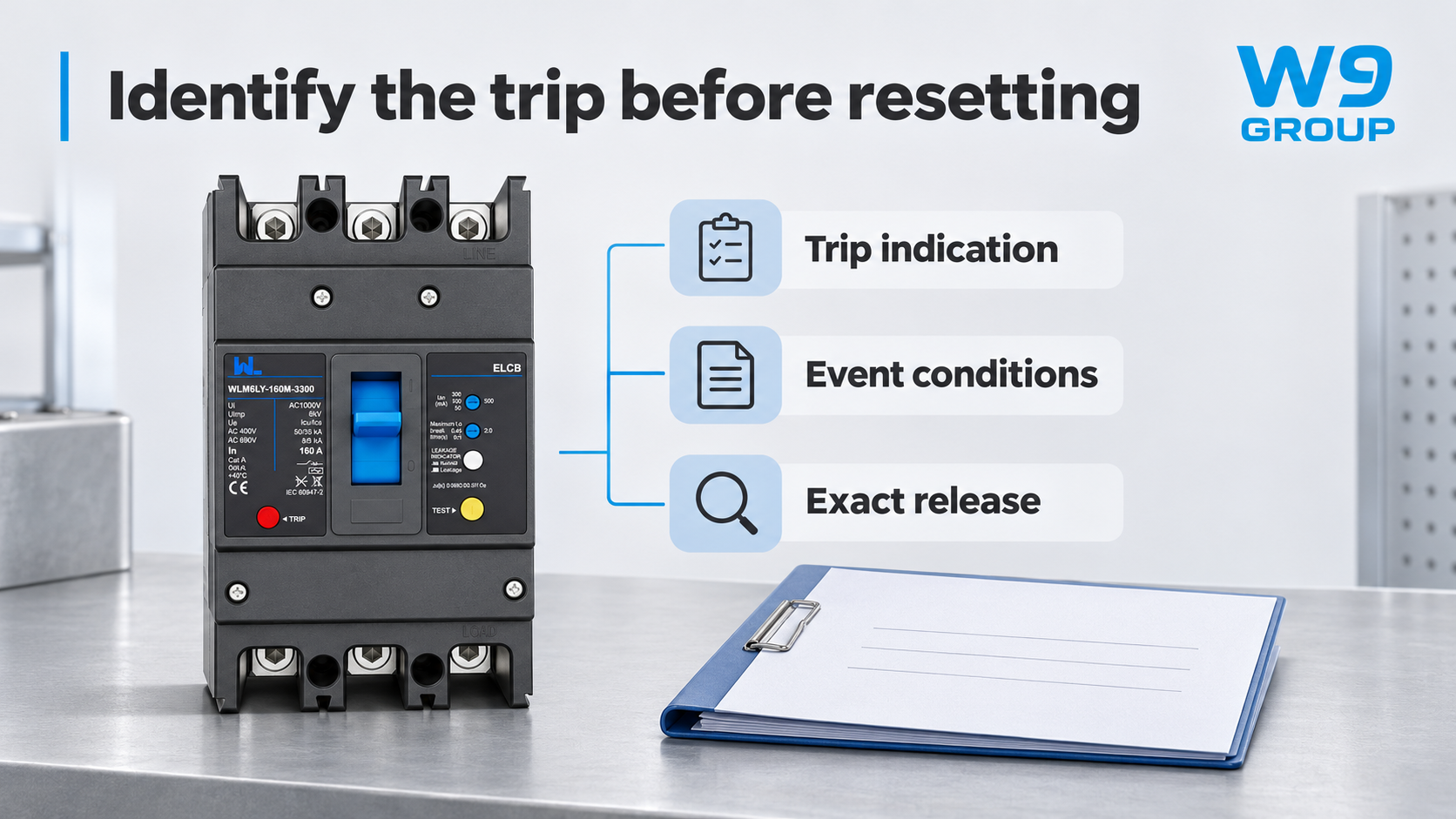
A molded-case breaker can open for more than one reason. Overload, short-circuit, earth-leakage protection and an external trip command are different explanations. A handle in the tripped position does not by itself distinguish them. Record the available trip indication, controller event, upstream alarm and operating conditions before resetting or removing power from an indication that may be lost.
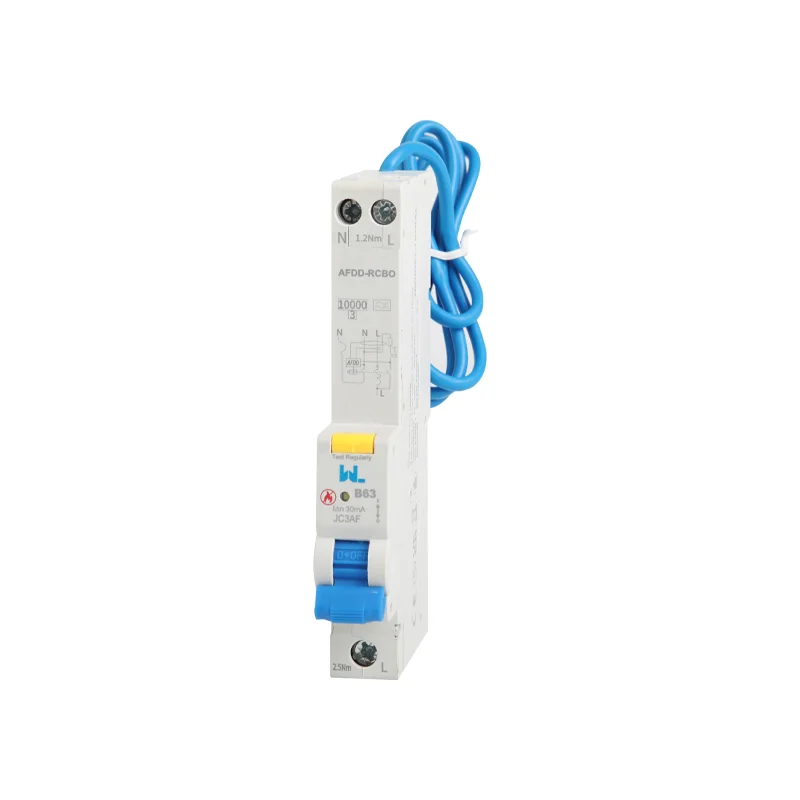
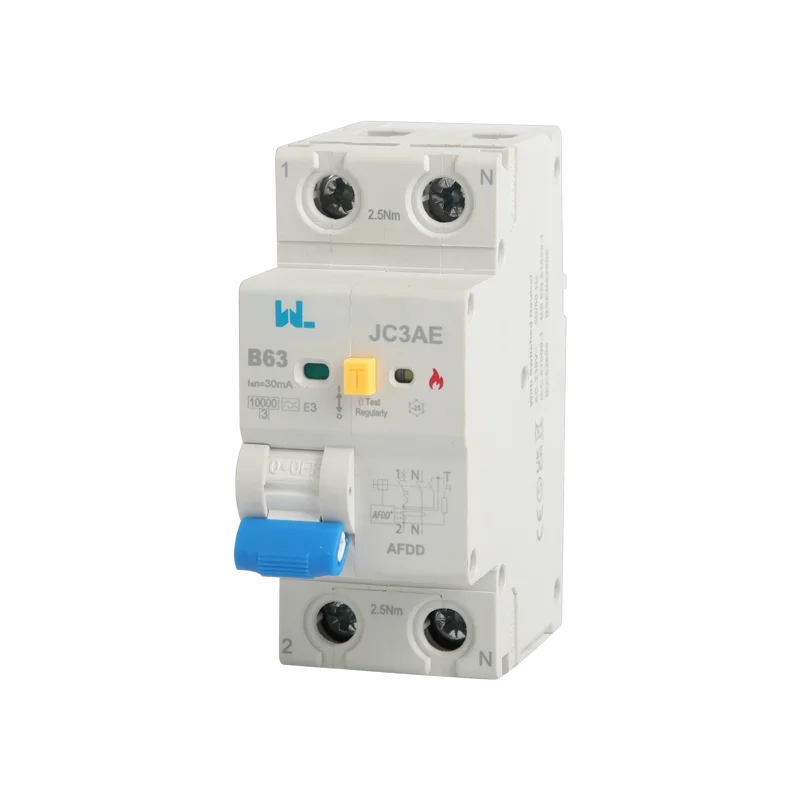
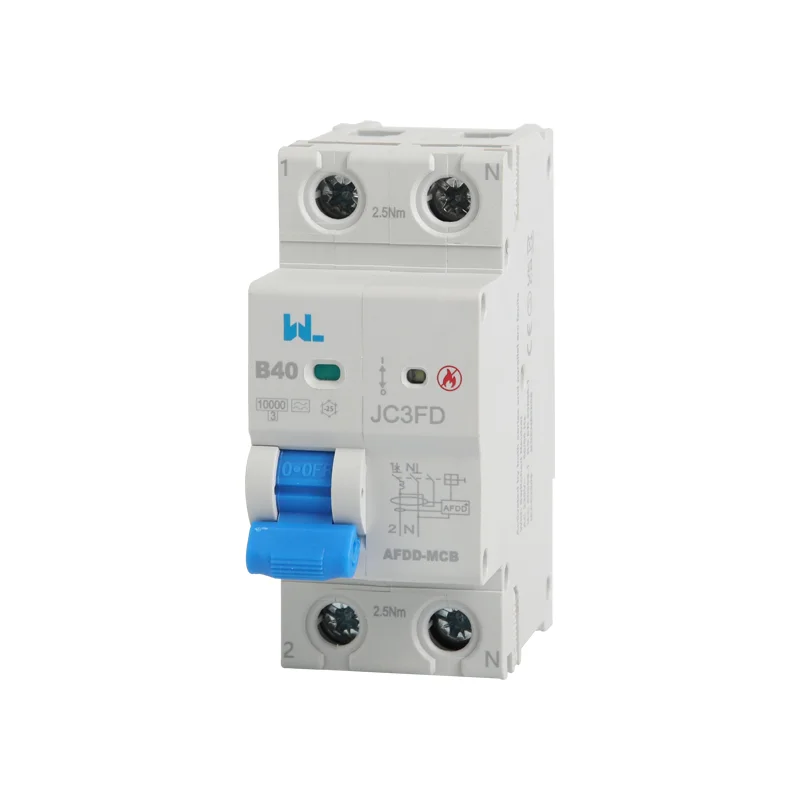
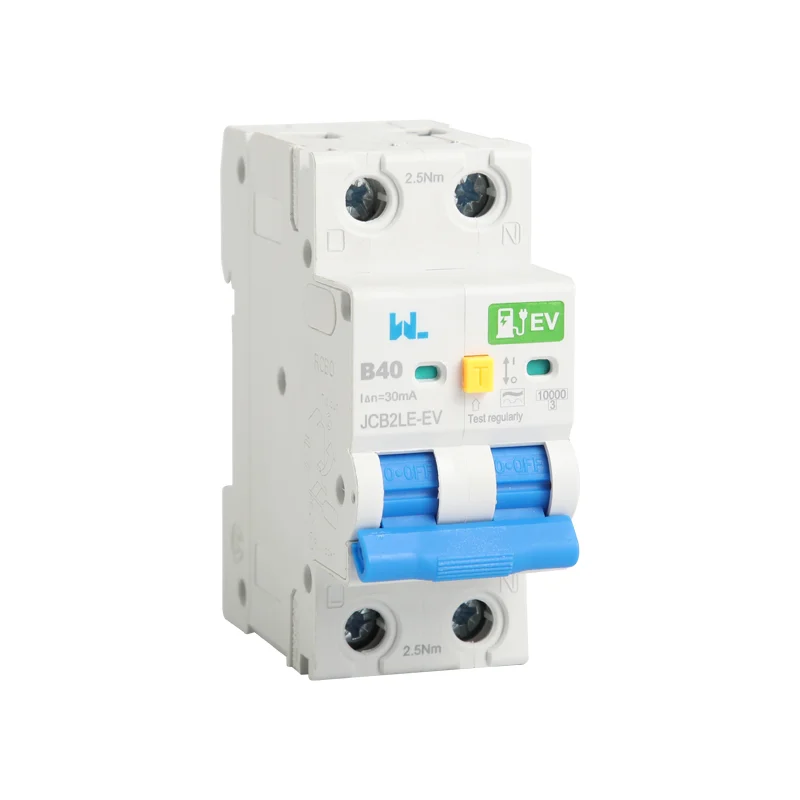
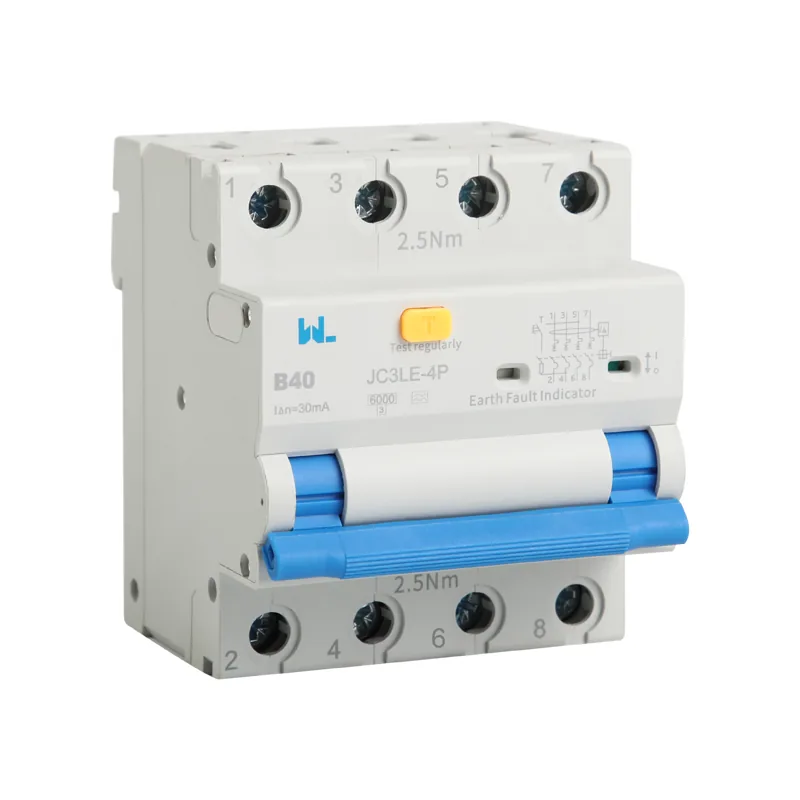
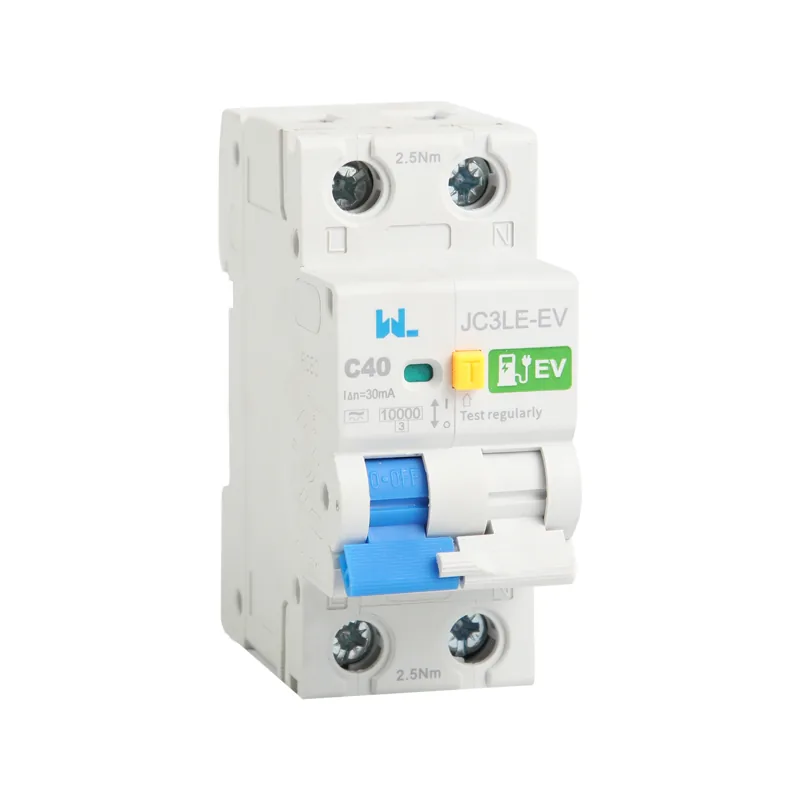
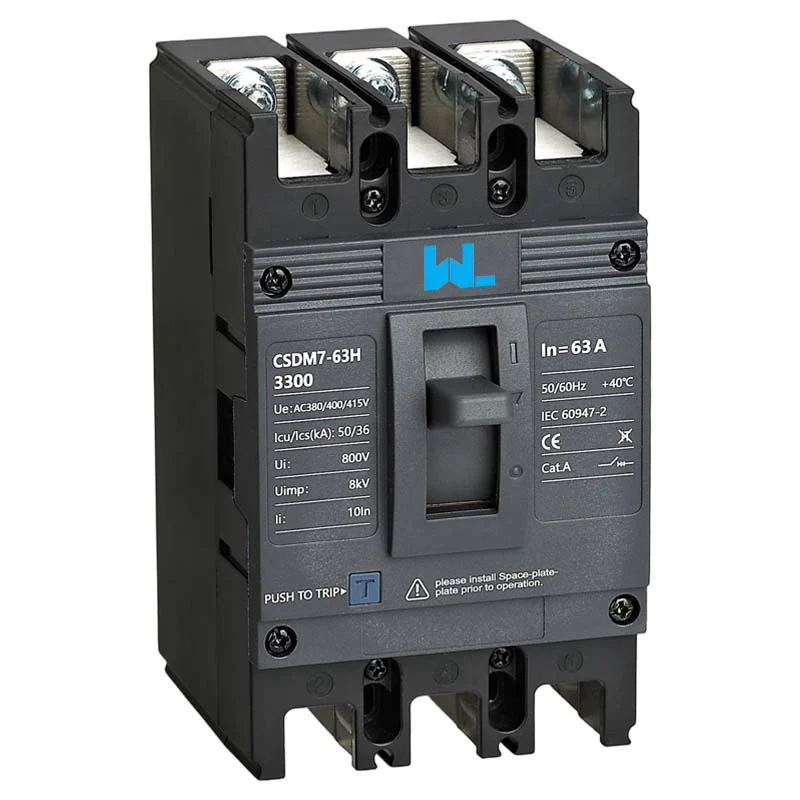
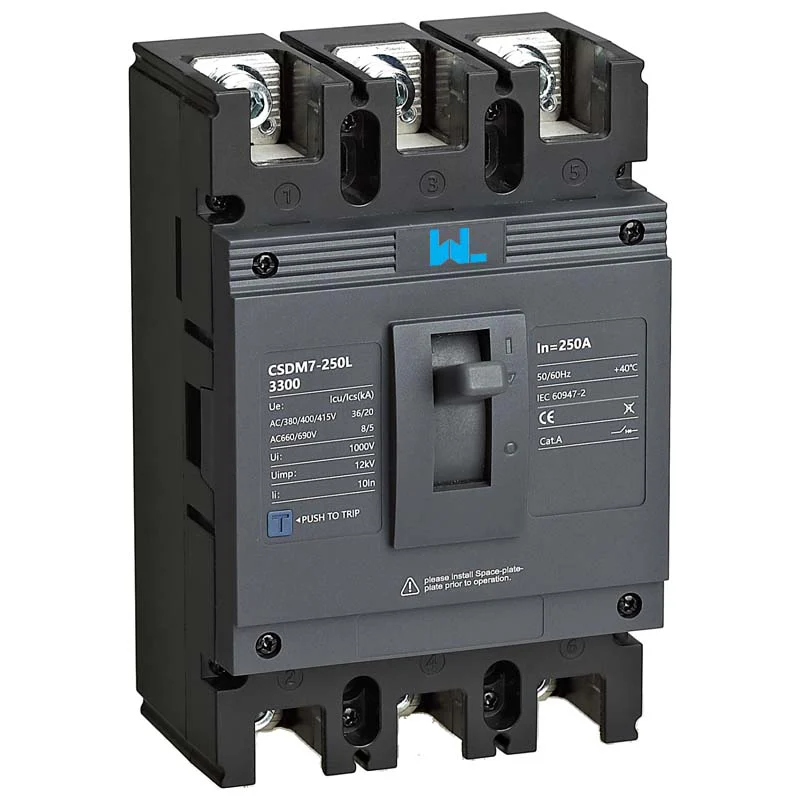
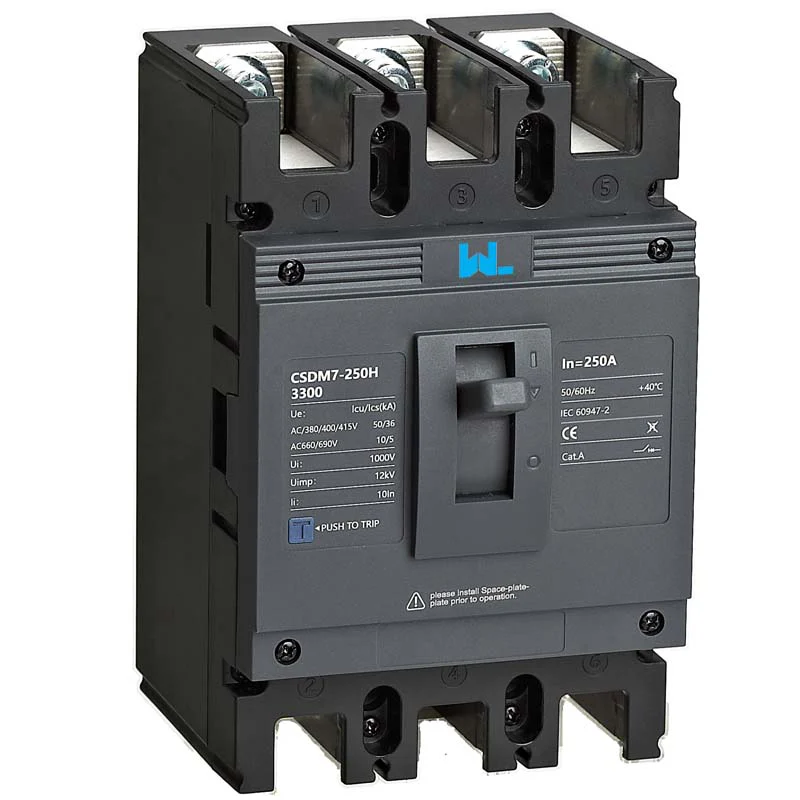
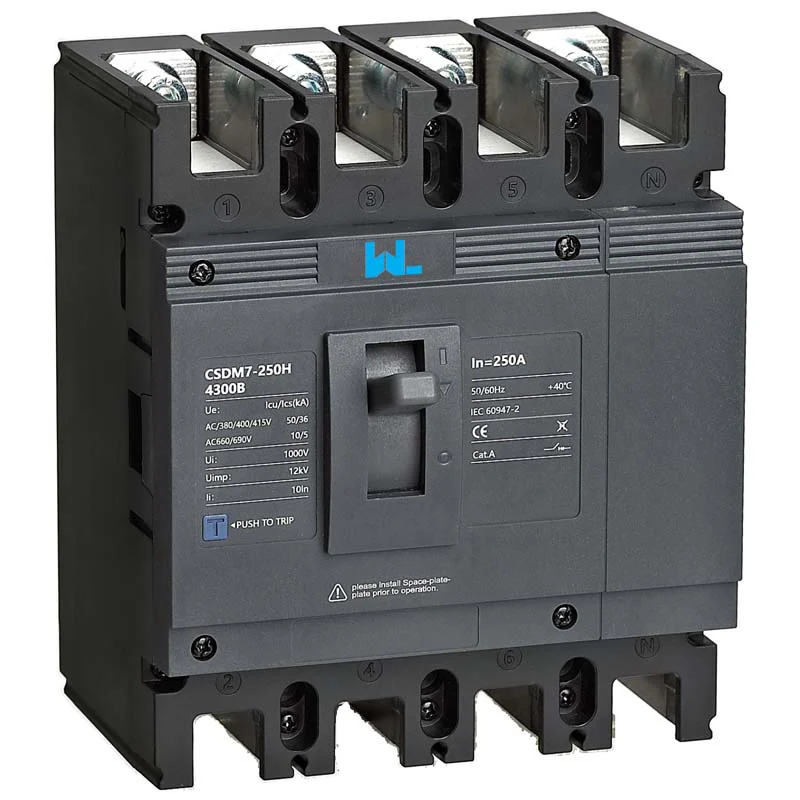
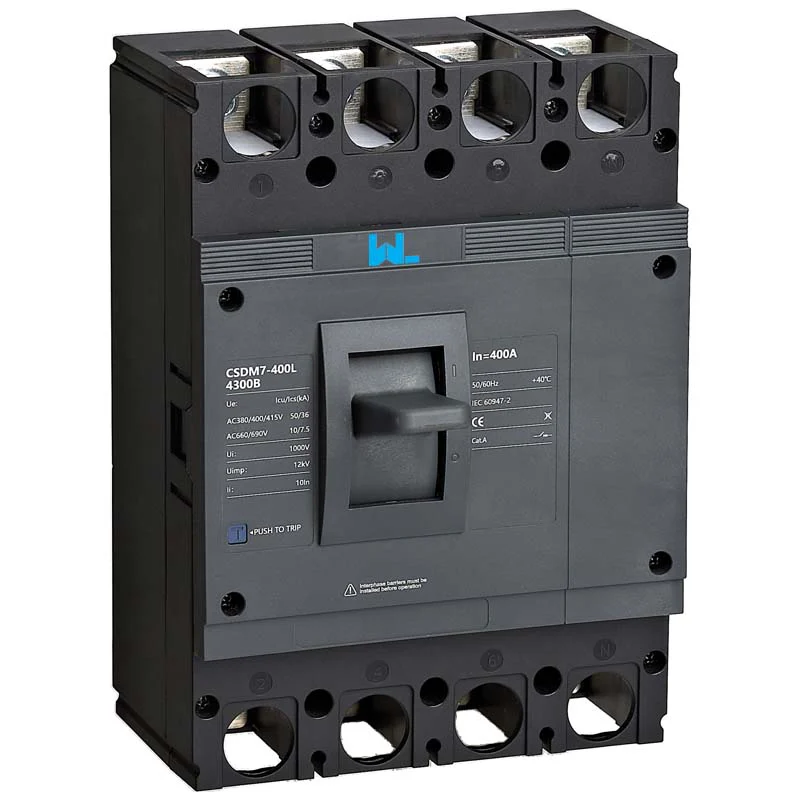
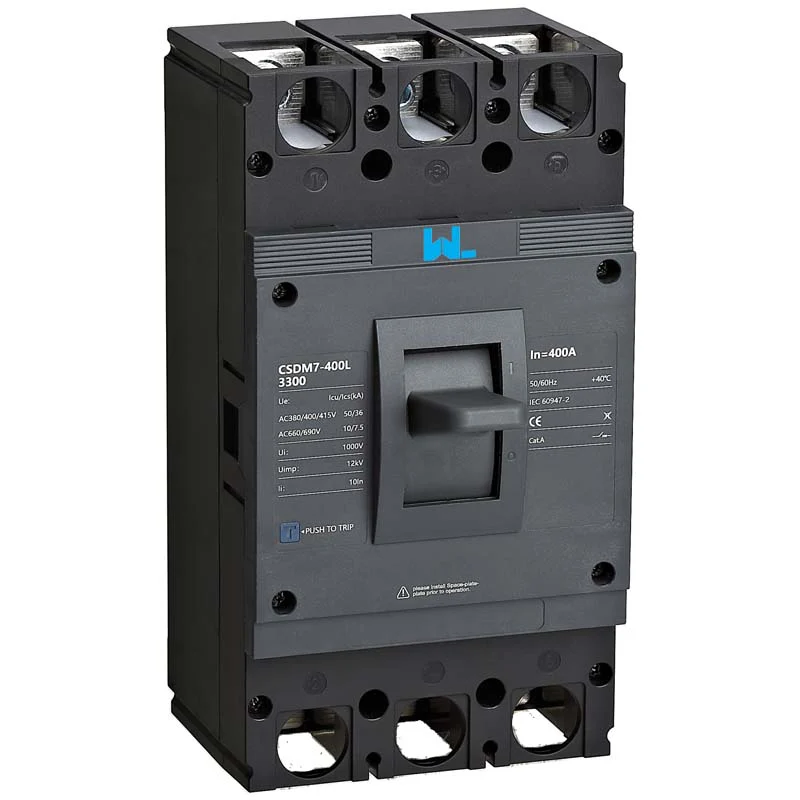
Identify the complete breaker and release code rather than relying on a panel label such as “earth leakage breaker.” Some arrangements integrate residual-current protection; others use a separate detector and an opening accessory. The MCCB earth-leakage protection guide explains why that distinction affects both selection and fault finding.
Note what changed immediately before the trip: a new load, a cable repair, a wet cleaning cycle, a drive replacement or work on the neutral conductors. These observations narrow the investigation without proving the cause. A fault that coincides with motor starting might involve the load, its installation or another protection function. Keep the original event record and the subsequent test record separate.
Separate insulation faults from accumulated leakage
Leakage can occur through damaged insulation, contamination or moisture. Normal equipment can also produce protective-conductor current through filters and other internal components. Several individually acceptable loads may produce a combined residual current that approaches an upstream device’s operating boundary. That possibility needs measurement under representative conditions, not an assumption that every trip is nuisance tripping.
Intermittent faults require attention to time and operating state. A dry, stopped machine may not reproduce the condition that existed during production. Record the loads operating together, environmental conditions and relevant switching events. Qualified personnel can then choose an appropriate measurement or isolation plan. Disconnecting equipment without keeping those observations can make the original fault harder to reproduce.
Earth leakage troubleshooting also requires a review of circuit boundaries. In a residual-current sensing arrangement, the intended current-carrying conductors must be associated with the correct sensor. An unintended neutral connection or return path can invalidate the intended balance. The actual neutral and protective-conductor arrangement must be checked against the approved design; a generic diagram is not sufficient.
| Observed pattern | Possible explanation | Доказательства, которые необходимо собрать |
|---|---|---|
| Trip follows one load | Load insulation, filter leakage or its wiring | Load identity, operating state and appropriate circuit measurements |
| Trip follows several loads together | Accumulated leakage or another load-related protection event | Combined operating conditions and the actual trip indication |
| Trip begins after wiring changes | Incorrect conductor routing or an unintended return path | Updated circuit drawing and isolated wiring inspection |
| Trip follows damp conditions | Moisture-related insulation deterioration | Location, environmental history and suitable insulation assessment |
| Remote trip without leakage indication | External command or control-circuit event | Detector, control-supply and release records |
Check settings without weakening the protection objective
A higher pickup value may reduce interruptions, but it also changes which residual-current conditions cause disconnection. A longer delay changes the time available before interruption. Neither adjustment is acceptable solely because production wants the circuit to remain on. The revised arrangement must still meet the required protection objective, disconnection conditions and coordination with downstream devices.
Distinguish rated load current from leakage pickup. Also distinguish residual making and breaking capacity from sensitivity. Numbers with different meanings can appear close together in a catalogue. Use the matched release manual and the project’s approved earth-leakage settings record to interpret each value.
The residual-current waveform matters when electronic equipment is involved. A label describing one waveform response should not be treated as approval for every drive, converter or charging load. Obtain the equipment manufacturer’s protection requirements and verify the selected device’s documented response. If the required behavior is unavailable, changing settings cannot create it.
Choose a test that answers the fault question
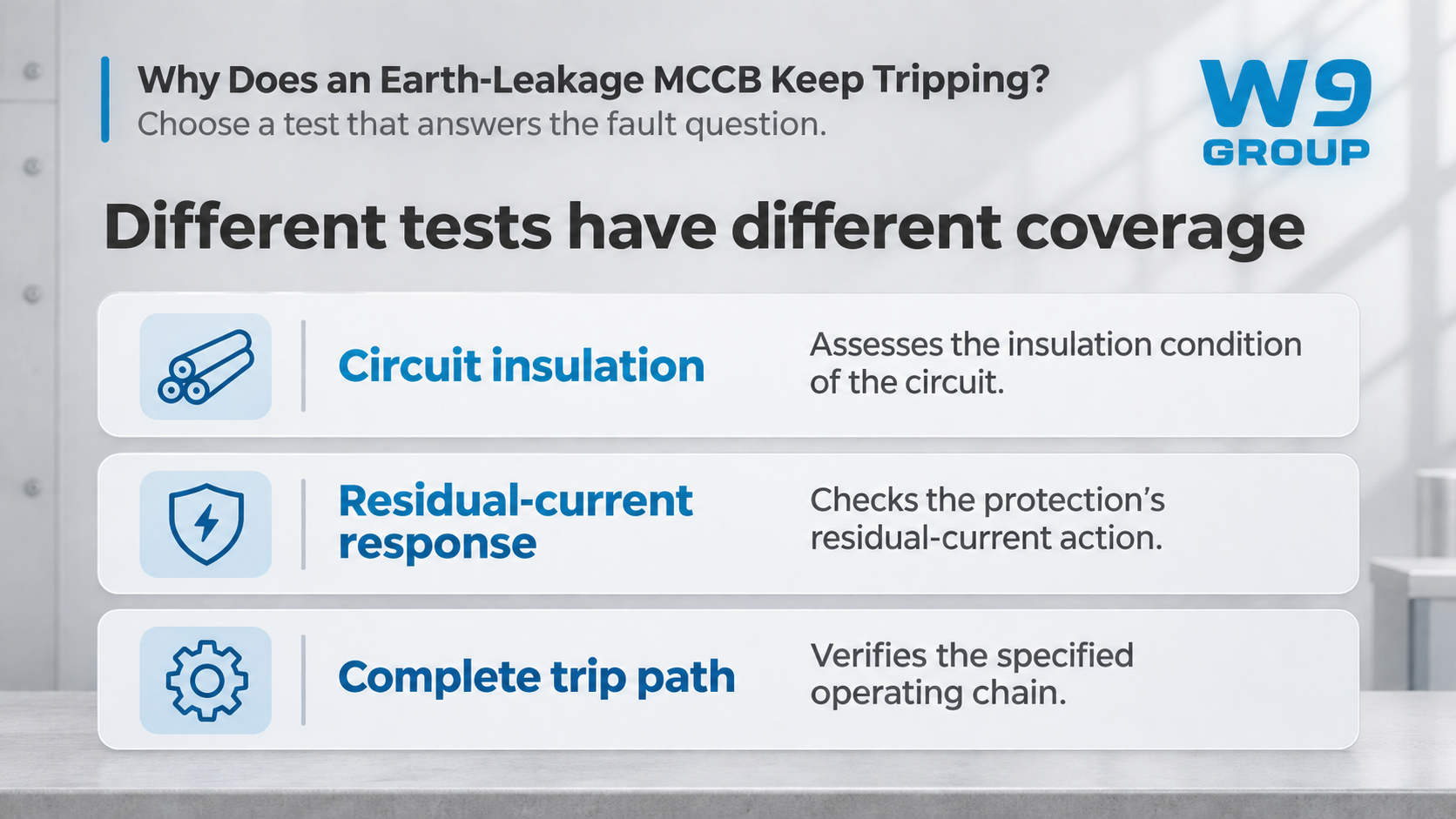
A test button, insulation test and residual-current operating test answer different questions. A test button checks the specified internal test function. It does not establish the condition of every downstream cable or confirm every aspect of the installed sensing arrangement. An insulation test investigates the circuit under its stated conditions and may require sensitive electronics to be disconnected or protected according to their instructions.
A documented residual-current response test assesses the protection behavior under defined stimulus and conditions. Where a separate relay commands a release, the functional test must address the intended operating chain. The test record should identify what was included, what was disconnected, the instrument and method, and any remaining limitations. A result is useful only when its scope is clear.
| Investigation question | Relevant assessment | Важное ограничение |
|---|---|---|
| Is circuit insulation damaged? | Approved insulation assessment | Test conditions may differ from the original fault conditions |
| Is normal leakage approaching the operating boundary? | Suitable residual-current measurement | A single operating snapshot may miss intermittent events |
| Does the protection respond as specified? | Manufacturer-specified operating test | Coverage depends on the test connection and method |
| Does the detector actually open the breaker? | Approved functional-chain test | An indication change alone is not proof of main-circuit interruption |
Define the repair and return-to-service decision
HSE’s electrical-safety guidance emphasizes competence, secure isolation and checking that equipment is dead before work. A tripped breaker is not proof that every source is isolated. Consider alternative supplies, stored energy and control circuits through the applicable work procedure. Do not repeatedly reset a circuit with an unexplained fault or bypass the protection to keep it running.
The repair decision should follow the evidence: correct wiring, address the affected load, replace an unsuitable device, or refer an apparently faulty release for authorized assessment. W9 Group’s WLM6LY-160 автоматический выключатель с защитой от утечки на землю listing provides a product starting point, but the exact supplied configuration and its documents must govern the investigation.
Allow for the cost of investigation, planned downtime, replacement availability and recommissioning when comparing repairs. A low-priced replacement that cannot be matched to the sensing arrangement may create a second outage. Retain the original settings and record every authorized change. Return-to-service evidence should explain the identified cause, corrective action and verification, rather than merely state that the breaker stayed closed.
Часто задаваемые вопросы
What is an earth-leakage fault?
It is an unintended current path associated with earth or exposed conductive parts, commonly arising from insulation deterioration or damage. Normal protective-conductor current and an actual insulation fault must be distinguished through appropriate investigation.
Does a Schneider MCCB with earth-fault protection work like every leakage MCCB?
No. Check the exact Schneider breaker and trip-unit documentation for sensing, pickup range and delay. A ground-fault function must not automatically be treated as sensitive residual-current protection or transferred to another manufacturer’s settings.
Is every earth-leakage circuit breaker an MCCB?
No. The phrase is used for several device arrangements. Identify whether the equipment is an RCCB, RCBO, leakage-protected MCCB or a separate detector and breaker combination before selecting a test method.
What does the earth-leakage function detect?
A residual-current arrangement detects a specified imbalance in the monitored current-carrying conductors. The available waveform response, pickup and timing behavior depend on the exact device, not merely on its current rating.
When is a two-pole earth-leakage MCCB used?
It may be considered where the circuit requires the relevant two-pole arrangement and the specific device is approved for that duty. Confirm voltage, conductor switching, neutral sensing and fault ratings; the term two-pole alone does not establish suitability.
Is an earth-leakage protector enough to make maintenance safe?
No. Residual-current protection does not protect against every electric-shock scenario and is not a substitute for isolation. Maintenance requires the applicable safe-working procedure and competent personnel.
Ссылки
- IEC 60947-2:2024, circuit-breaker standard scope.
- HSE HSG85, Electricity at work: Safe working practices, third edition.
- HSE electrical-safety FAQs, including RCD limitations.
Resolve the cause before restoring the feeder
The useful outcome of a trip investigation is a defensible explanation of why protection operated and why the circuit can be returned to service. Preserve the indication, identify the exact release and investigate the relevant circuit conditions before changing pickup or delay. Match each test to its purpose and record what it cannot prove. When replacement is required, send the breaker code, circuit data, fault history and document requirements to W9 Group so the proposed configuration can be checked against the actual application.