







Advantages of Adjustable MCCB for Optimal Electrical Protection
Advantages of Adjustable MCCB for Optimal Electrical Protection
When a panel engineer in Monterrey commissioned a process line, the feeder breaker tripped whenever a large motor started. Increasing its size caused a downstream fault to open the main device and shut down the line. Time-current review showed the real issue: fixed settings were not coordinated with the load or fault current. Resetting the breaker and documenting settings restored selectivity without changing the cable route.
Summary: Adjustable MCCBs let the designer tune long-time, short-time, instantaneous and, where provided, ground-fault protection to the installation rather than forcing the installation to fit a fixed trip. Under IEC 60947-2, the breaker’s declared characteristics and verification tests govern performance; in North America, UL 489 and NFPA 70 address product construction and installation in different ways. We recommend starting with a load and fault study, checking coordination with manufacturer curves, and locking the final settings in the commissioning record. This approach captures the main adjustable MCCB advantages—better selectivity, resilience to load changes and lower lifecycle risk—without assuming a rating that has not been verified.
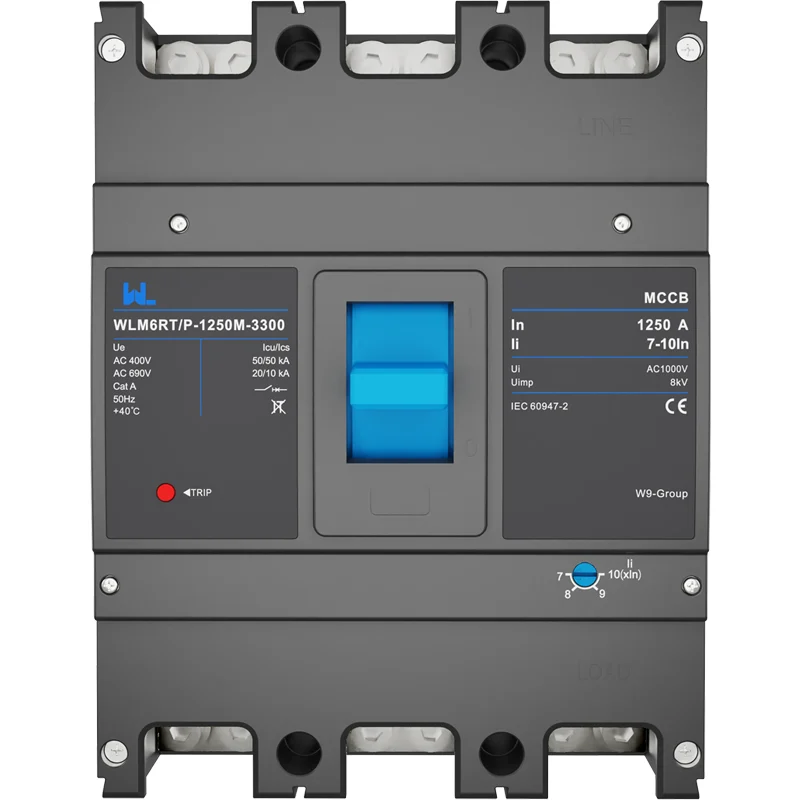
What makes a configurable breaker different?
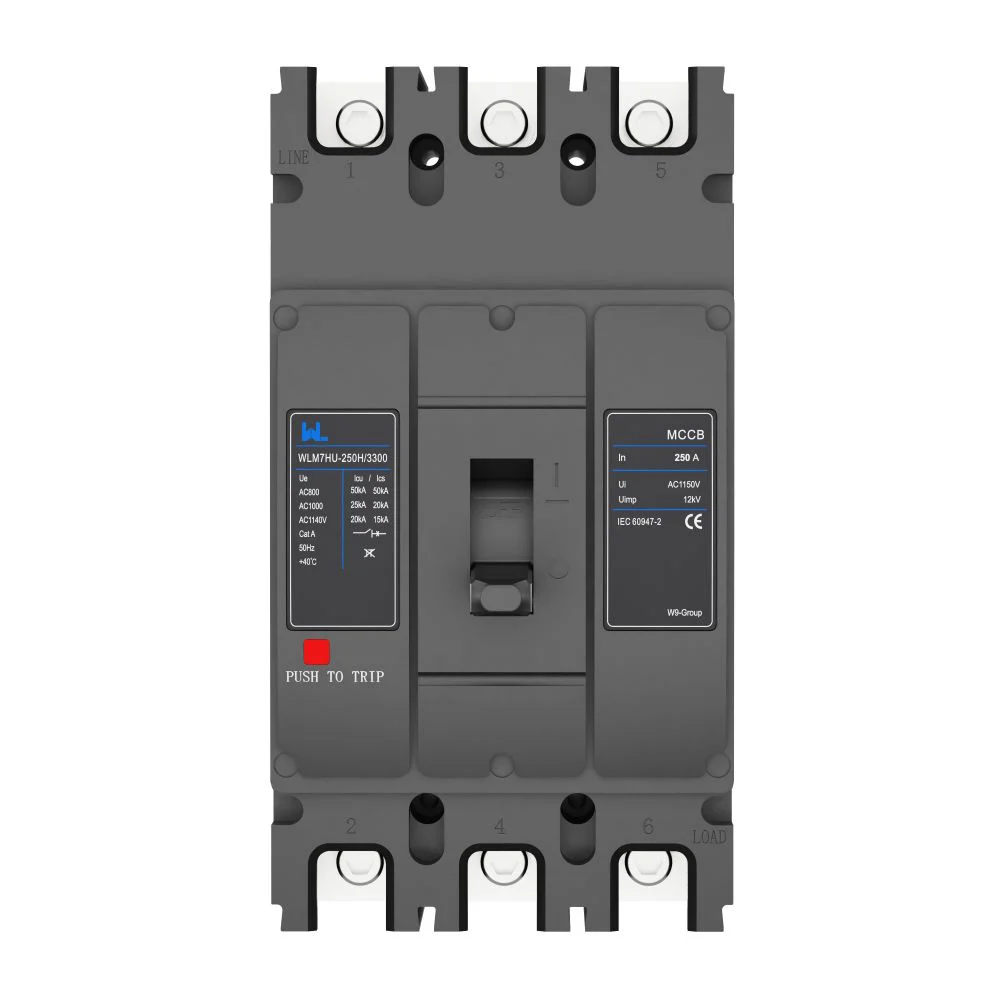
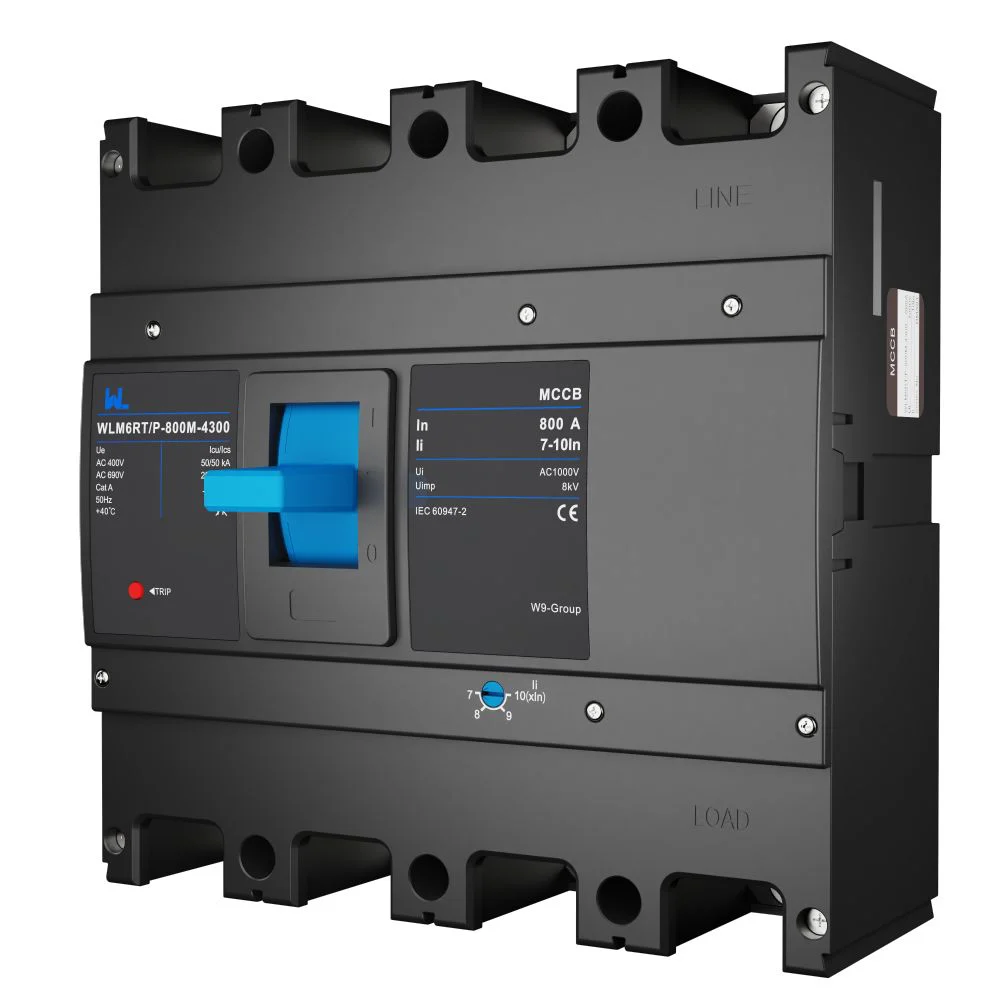
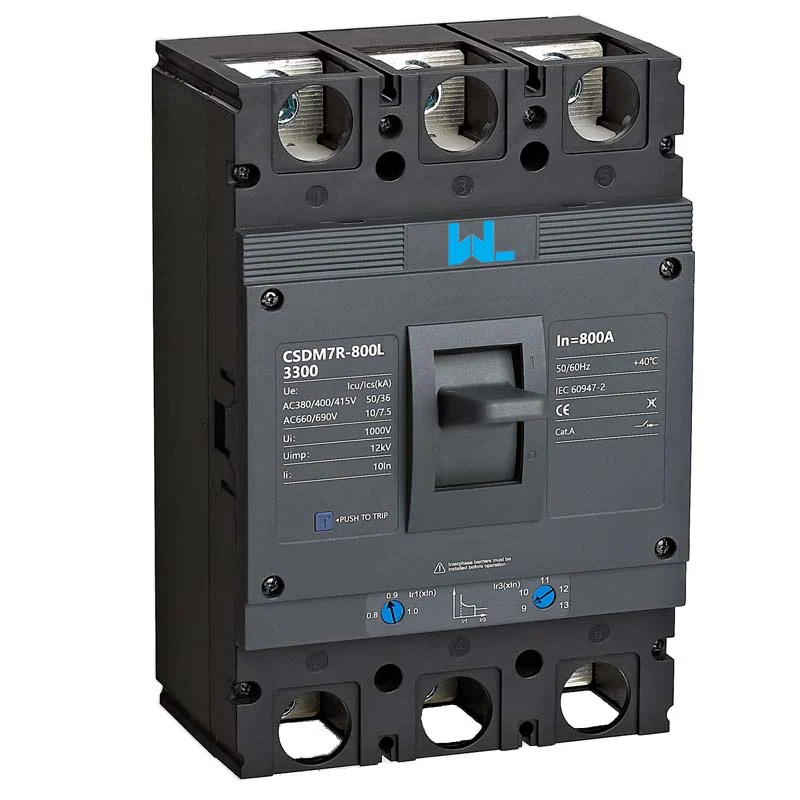
A moulded-case circuit breaker (MCCB) combines switching, overcurrent interruption and insulation in one enclosure. A fixed thermal-magnetic device has predetermined pickup behavior. An adjustable model adds a trip unit or interface so the engineer can set protection within the manufacturer’s permitted range; it never overrides interrupting capacity, conductor ampacity or enclosure limits.
Four functions are commonly encountered, although not every model provides all four. Long-time pickup (often marked Ir) follows sustained overloads and is coordinated with conductor ampacity and continuous-load rules. Short-time pickup and delay (Isd and tsd) can ride through motor inrush while allowing a downstream breaker to clear a fault first. Instantaneous pickup (Ii) responds to high-magnitude faults with minimal intentional delay. Ground-fault pickup and delay, when included, address residual current and are applied according to the system grounding method and local code.
Always use the exact trip-unit manual; the manufacturer’s time-current curves, temperature derating information and accessory instructions are the controlling documents for electrical protection.
Five practical advantages for electrical protection
1. Coordination as the installation evolves
Trip coordination compares upstream and downstream time-current curves so the device nearest a fault opens first. With this breaker, the engineer can lower a feeder’s long-time pickup, add short-time delay where allowed, or set instantaneous pickup above expected inrush. The result is more selective electrical protection and fewer plant-wide outages. These are core adjustable MCCB advantages when uptime matters. Coordination still depends on the actual devices, cable lengths and prospective short-circuit current; an adjustment alone cannot guarantee selectivity.
2. Headroom for load changes
Facilities add drives, refrigeration, battery chargers and process skids over their service life. A correctly selected frame can accommodate a documented change in demand by resetting the trip unit within its allowed range, avoiding an immediate replacement. The designer must recheck conductor ampacity, voltage drop, thermal conditions and fault duty whenever the load changes. This adaptability is one of the adjustable MCCB advantages valued in OEM panels and phased projects.
3. Better motor and transformer starting behavior
Transformers and motors can draw short-duration inrush that exceeds normal current. A fixed breaker may nuisance-trip, while an adjustable unit can use short-time and instantaneous settings selected from measured or documented inrush data. The setting must remain low enough to clear a fault within the equipment’s withstand time. Confirm motor-starting studies, locked-rotor current and the trip unit’s tolerance before energizing.
4. More usable information during commissioning
Adjustable electronic trip units often expose test points, status contacts or event records, depending on the model. Even a thermal-magnetic unit benefits from a written setting schedule: device tag, function, dial position, calculated pickup and verifier. Primary-injection or secondary-injection testing should follow the trip-unit instructions and project test plan. Recording as-left values makes maintenance troubleshooting faster and protects the design intent—an adjustable MCCB advantage during handover.
5. Lower total cost of ownership (when engineered)
The purchase price is only one cost. A coordinated setting can reduce unnecessary shutdowns, emergency call-outs and replacement inventory. A common frame across several feeders can simplify panel layouts, provided each trip unit is configured and documented individually. Conversely, an oversized frame with poorly chosen settings can increase arc-flash energy or fail to protect conductors. These adjustable MCCB advantages should be weighed against engineering, testing and training effort—not against unit price alone.
How each trip function supports coordination
| Function | Protection objective | Coordination question | Commissioning evidence |
|---|---|---|---|
| Long-time (Ir) | Sustained overload and conductor protection | Is pickup at or below the permissible ampacity after derating? | Calculated load, conductor data and recorded dial |
| Short-time (Isd/tsd) | Fault ride-through and downstream selectivity | Does delay stay within equipment withstand and downstream clearing time? | Time-current overlay and injection-test result |
| Instantaneous (Ii) | High-level short-circuit interruption | Will expected inrush stay below pickup while faults clear promptly? | Inrush basis, available fault current and setting sheet |
| Ground-fault (Ig/tg), if provided | Detect line-to-ground current | Does the setting suit the grounding system and avoid nuisance operation? | Ground-fault test and protection study sign-off |
Illustrative calculation (not a product rating): Suppose a three-phase load study gives 180 A at 400 V, with a documented 25% design margin. The planning current is 180 A × 1.25 = 225 A. The engineer would select a frame and conductor system whose verified ampacity and interrupting capacity exceed the study requirements, then set long-time pickup near the calculated design current only if the trip-unit range, ambient correction and local rules permit it. The final value comes from the approved study and manufacturer data—not from this example.
Fixed versus configurable MCCB: value comparison
| Decision dimension | Fixed trip MCCB | Configurable MCCB | Engineering implication |
|---|---|---|---|
| Initial specification | Simple; fewer variables | Requires trip-unit range and settings schedule | Allow study and documentation time |
| Load variation | May require hardware change | Can be reset within verified limits | Useful for phased capacity |
| Selectivity | Limited by fixed curve | More coordination options | Check total clearing times |
| Commissioning | Functional and insulation checks | Add setting verification and injection testing as required | Keep as-left records |
| Lifecycle cost | Lower configuration effort | Potentially lower outage and rework cost | Compare engineering and maintenance resources |
Application fit and procurement questions
| Application | Why adjustability may help | Questions before purchase |
|---|---|---|
| Process/OEM panels | One platform can serve several machine variants | Are trip accessories, terminals and clearances consistent? |
| Commercial buildings | Supports feeder coordination and tenant changes | Who owns settings after a fit-out? |
| Photovoltaic distribution | Accounts for bidirectional or variable loading | Have DC/AC side, backfeed and isolation requirements been reviewed? |
| Motor control and HVAC | Helps manage starting current | Is the short-time/instantaneous behavior compatible with the starter? |
Procurement should request the datasheet, trip-unit manual, time-current curves, drawings, declared short-circuit ratings, environmental limits and routine-test documentation. Confirm whether the device is evaluated to IEC 60947-2, UL 489 or another destination-market standard. IEC 60947-2 covers low-voltage circuit-breaker requirements; UL 489 is a North American product safety standard with its own tests. NFPA 70 governs installation in applicable U.S. jurisdictions and does not replace the product standard.
Selection and commissioning checklist
Taken together, these adjustable MCCB advantages support a disciplined release process.
- Define system voltage, frequency, phase arrangement, grounding method, continuous and non-continuous loads, and prospective short-circuit current.
- Choose a frame and interrupting capacity from verified manufacturer data; check conductor ampacity, ambient temperature, enclosure and altitude corrections.
- Run coordination and arc-flash studies with the actual upstream and downstream devices. Document long-time, short-time, instantaneous and ground-fault settings where applicable.
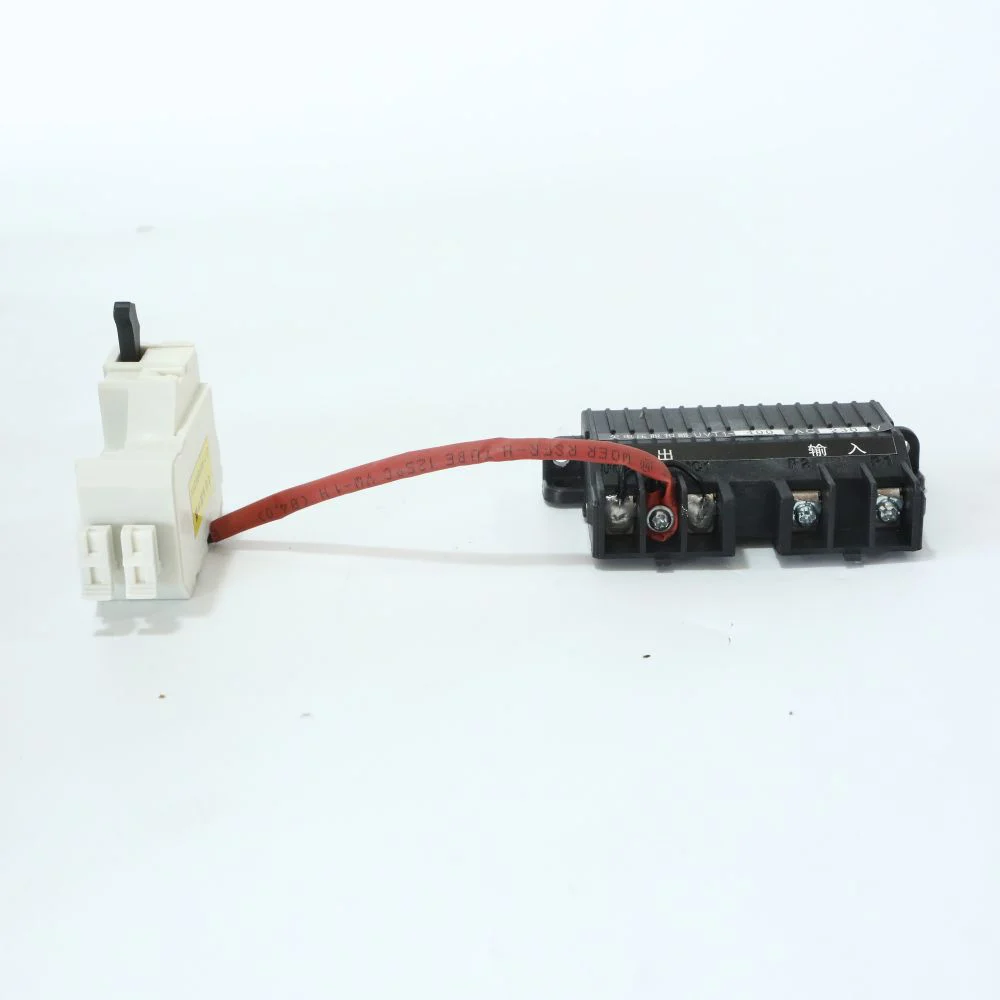
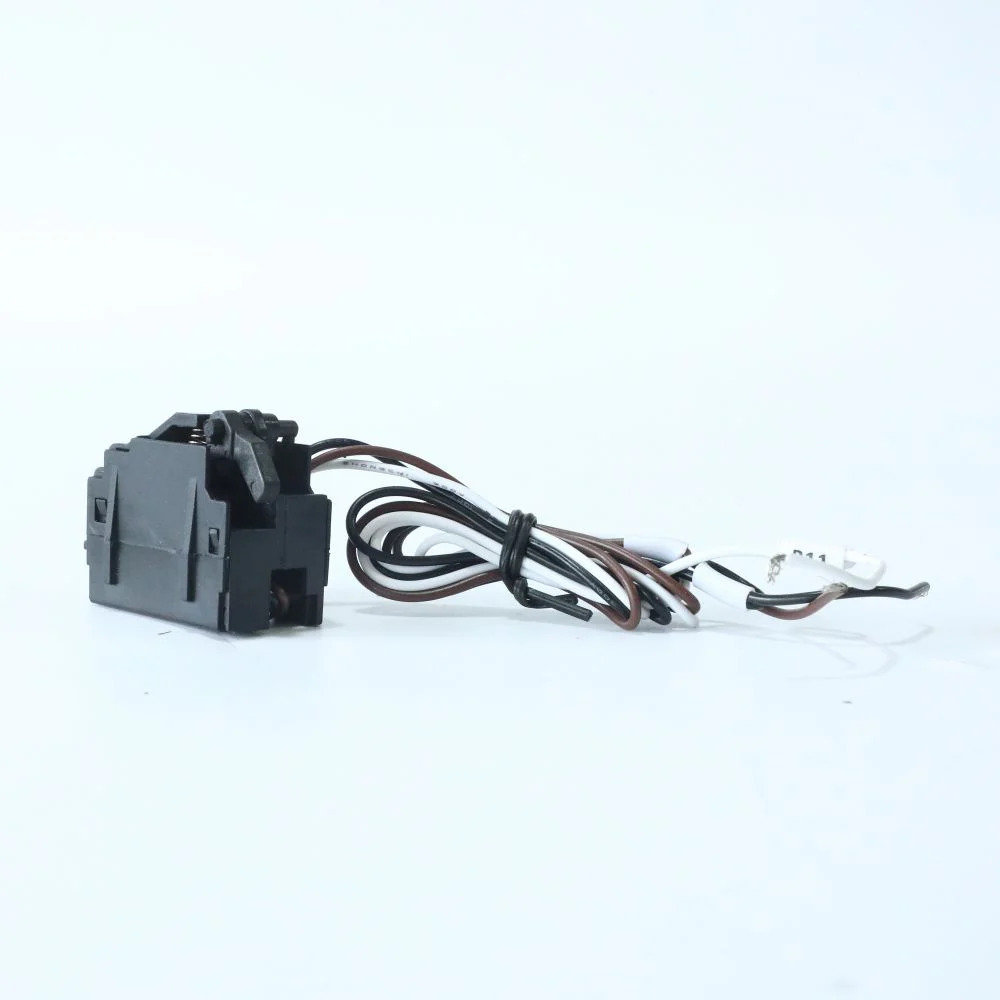
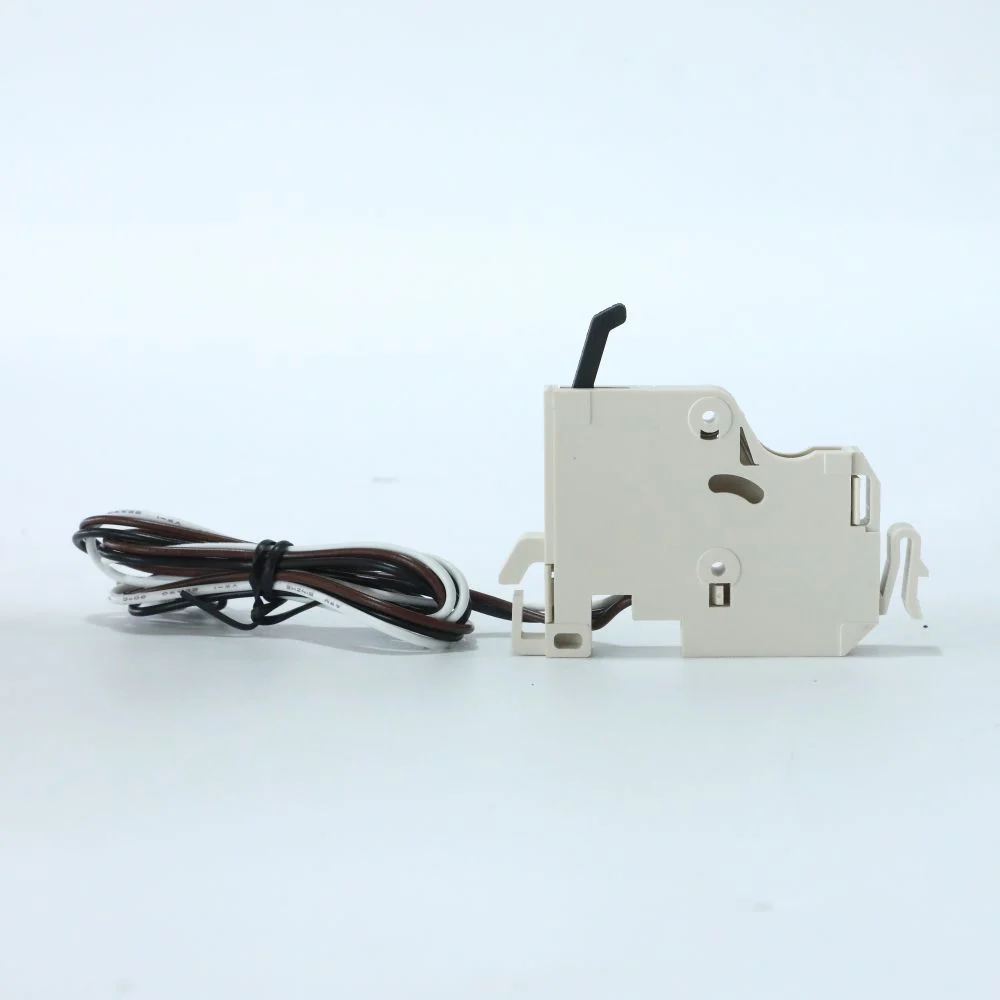
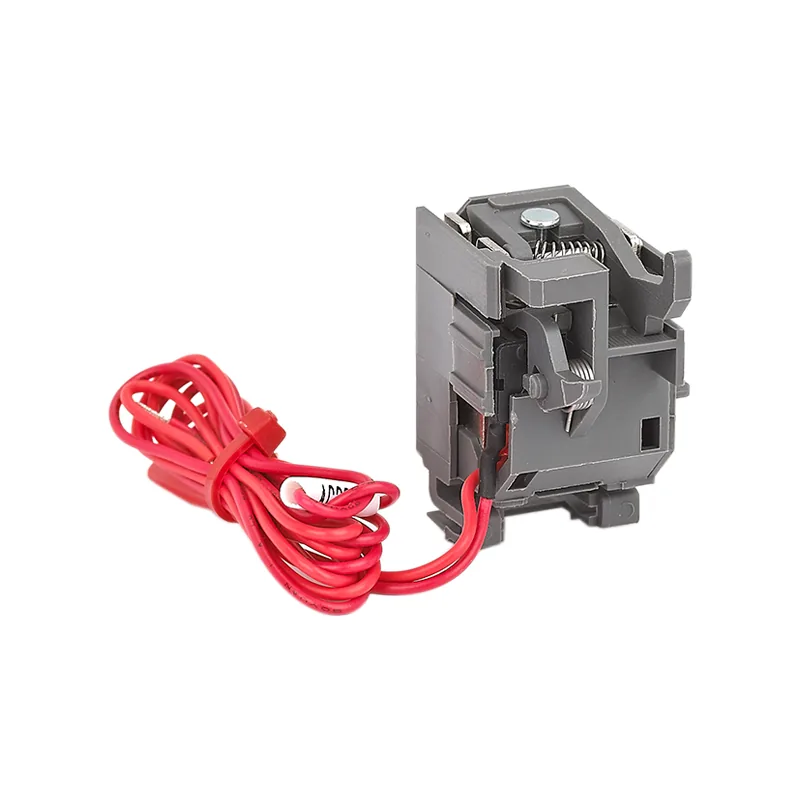
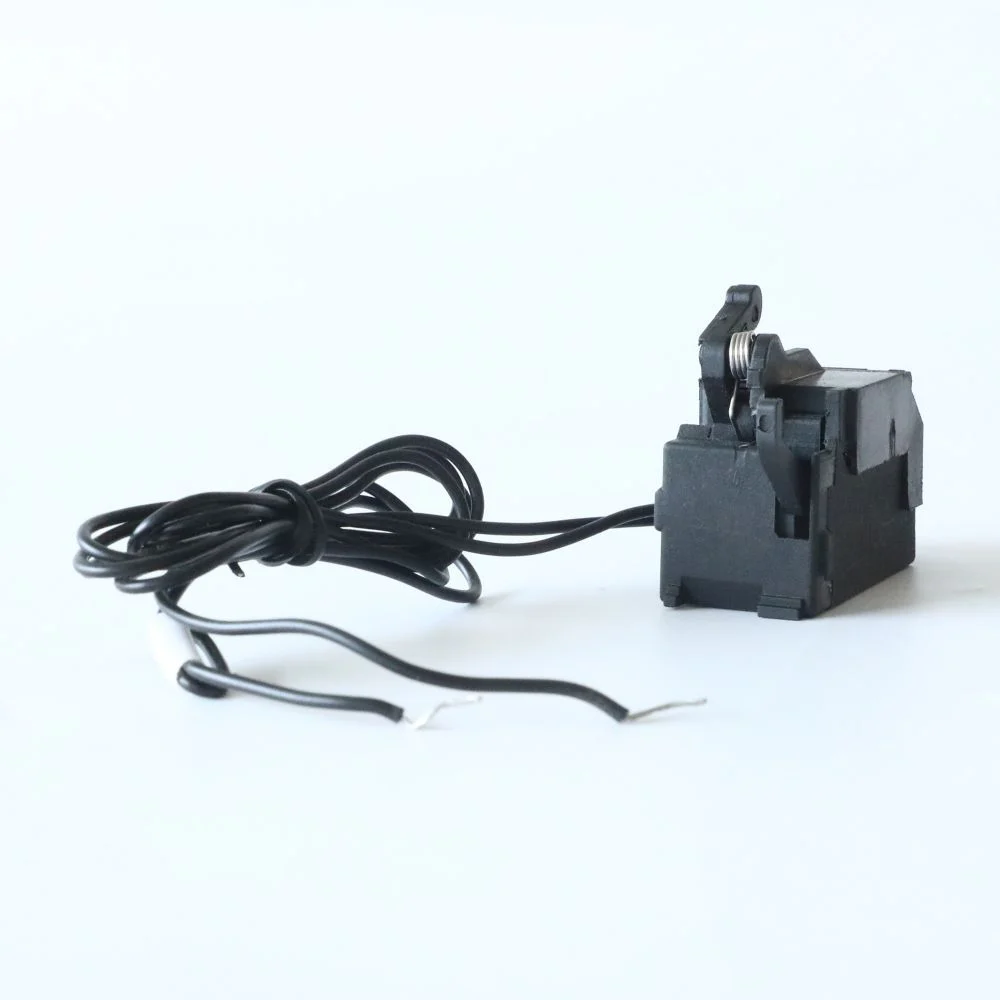
- Verify mechanical fit, terminals, accessories, shunt/undervoltage releases and communication options before the panel is released.
- Commission with the specified inspection and injection tests, record as-left settings, label the panel and define who may change them.
Zhejiang W9 Group Technology Co., Ltd., founded in 2020, focuses on low-voltage protection products and offers OEM/ODM and testing support. For buyers comparing configurable platforms, W9 can provide product documentation and configuration discussion; project engineers should still approve ratings, settings and compliance for the destination market. See the WLM6RT configurable breaker product page for the published model information.
For related design context, review our guide to configurable breaker features and applications, the article on choosing a thermal-magnetic circuit breaker, and the discussion of MCCBs in photovoltaic distribution lines.
Frequently asked questions
What are the main adjustable MCCB advantages?
The main benefits are tunable overload and fault response, improved trip coordination, tolerance of documented load changes and clearer commissioning records. They apply only when settings stay within the manufacturer’s verified range and the installation study is current.
Is a configurable breaker always better than a fixed breaker?
No. A fixed breaker can be the right choice for a stable, simple feeder where its curve coordinates naturally. Choose adjustability when coordination, inrush or future load variation justifies the added engineering and testing work.
Can I change settings while the panel is energized?
Follow the trip-unit and local safety instructions; many projects require de-energization, lockout/tagout and a qualified person. Any change should be supported by a revised study, label and record.
How do IEC 60947-2 and UL 489 differ?
They are separate product standards used in different conformity systems. IEC 60947-2 is commonly applied internationally, while UL 489 is used for covered North American applications; neither one substitutes for installation rules such as NFPA 70.
Does this breaker protect against ground faults?
Only if the selected trip unit includes a ground-fault function and it is suitable for the system grounding arrangement. Otherwise, a separate ground-fault protective device and coordination review are required.
Authoritative references
- IEC 60947-2, Low-voltage switchgear and controlgear—Circuit-breakers.
- UL 489, Molded-Case Circuit Breakers, Molded-Case Switches and Circuit-Breaker Enclosures.
- NFPA 70, National Electrical Code.
- NEMA application guidance for low-voltage molded-case circuit breakers.
The most dependable breaker is the one whose settings match the system, whose performance is verified, and whose record survives the next maintenance shift. When your team is ready to compare configurable protection options, browse the W9 product range and contact us with your one-line diagram, load data and destination-market requirements.