


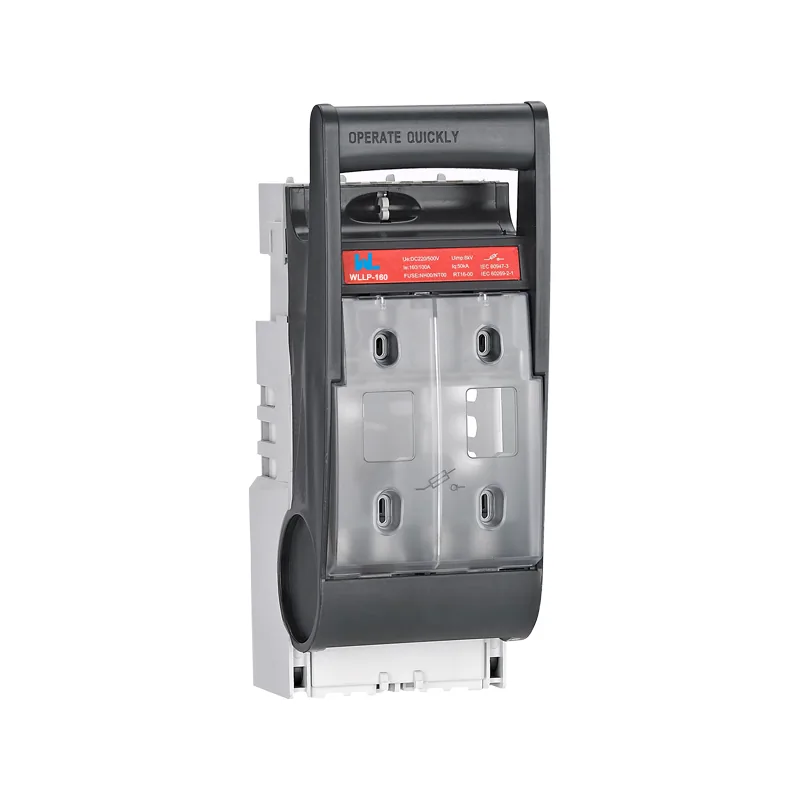
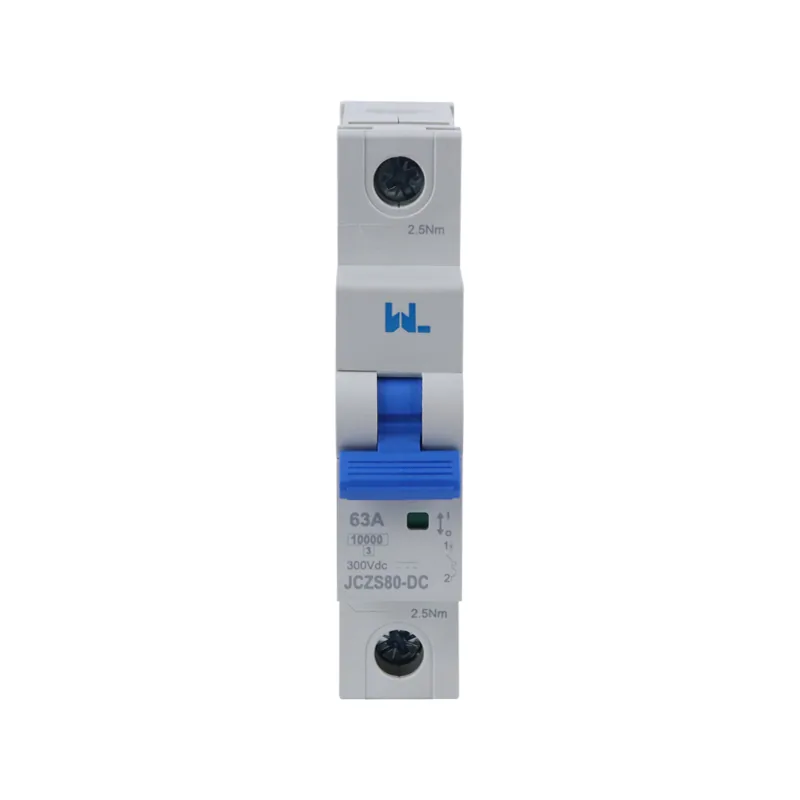
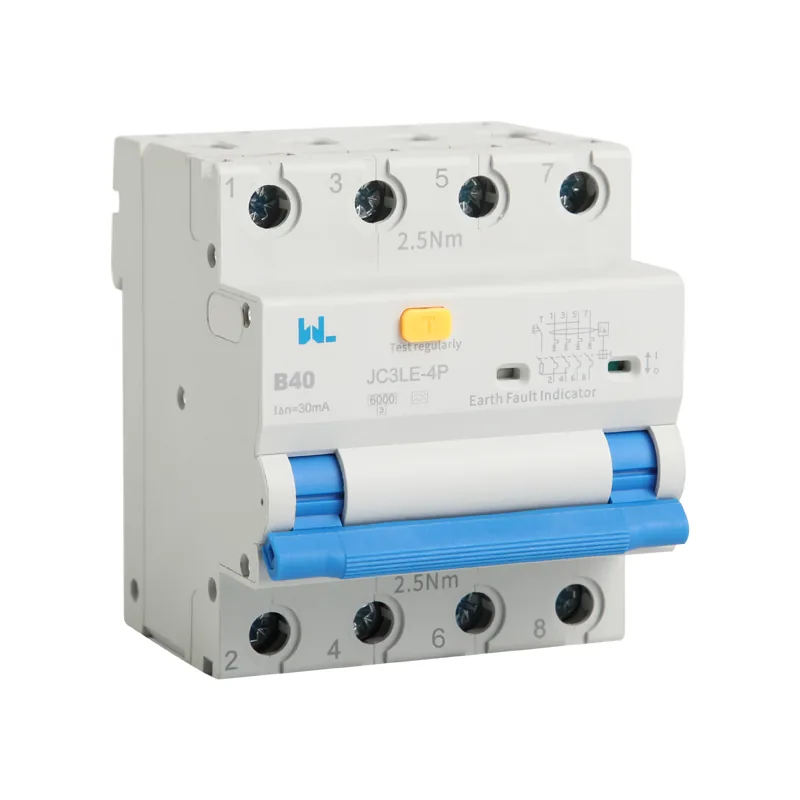
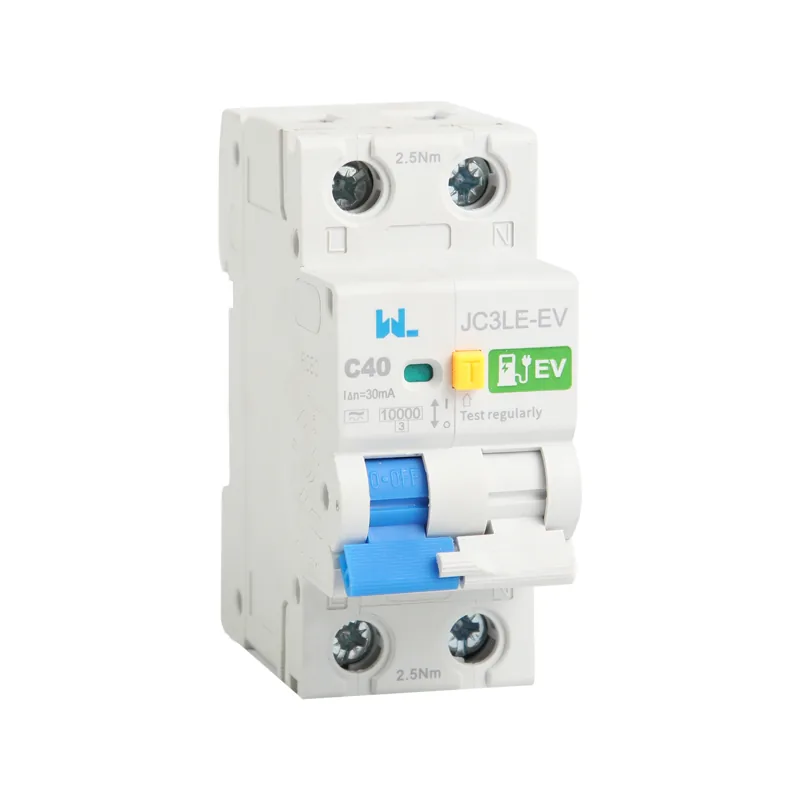





전기 시스템에서 범용 차단기의 중요한 역할
When Daniel, a commissioning engineer in Rotterdam, installed a “universal” breaker in a mixed-use distribution panel, he copied the ampere value from an older feeder and closed the door. The lights stayed on, but a motor start caused a nuisance trip, and a thermal scan soon showed a hot termination. The reversal was uncomfortable: the breaker was not defective; the application, interrupting-duty check and coordination assumptions were wrong. What, then, should buyers expect from universal circuit breakers in an electrical system?
Buyer check: What should a buyer verify before selecting universal circuit breaker? Start with the actual electrical duty: the actual frame and trip-unit range, short-circuit duty, poles, accessories, enclosure and coordination study. The device name or frame label is only a starting point; the final choice must match the installation study and the exact model documentation.
요약: “Universal circuit breaker” is a practical description, not a product class defined by IEC. It usually means a configurable breaker family that can cover several current ranges, pole arrangements or trip options. Use IEC 60947-2 for many industrial and molded-case breakers and IEC 60898-1 for household and similar MCBs; verify voltage, prospective short-circuit current, cable capacity and selectivity before ordering. A documented specification prevents unsafe heating and repeat outages better than simply choosing the largest frame.
Application check: When is universal circuit breaker the right fit? It is appropriate for projects that need a configurable protection platform across defined current, voltage and accessory options. Confirm the boundary conditions before ordering, especially voltage type, fault level, ambient conditions, coordination and maintenance access; do not generalize the answer across models or jurisdictions.
Universal Circuit Breaker Configuration
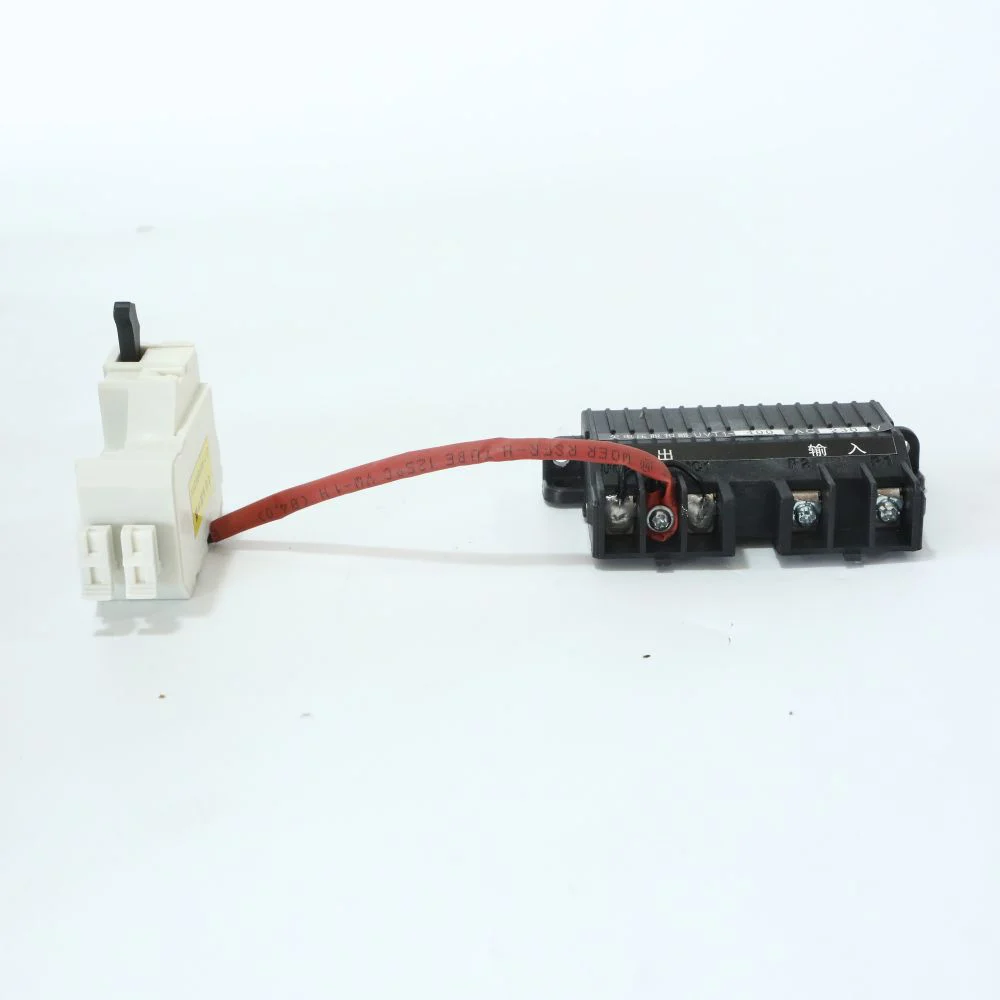
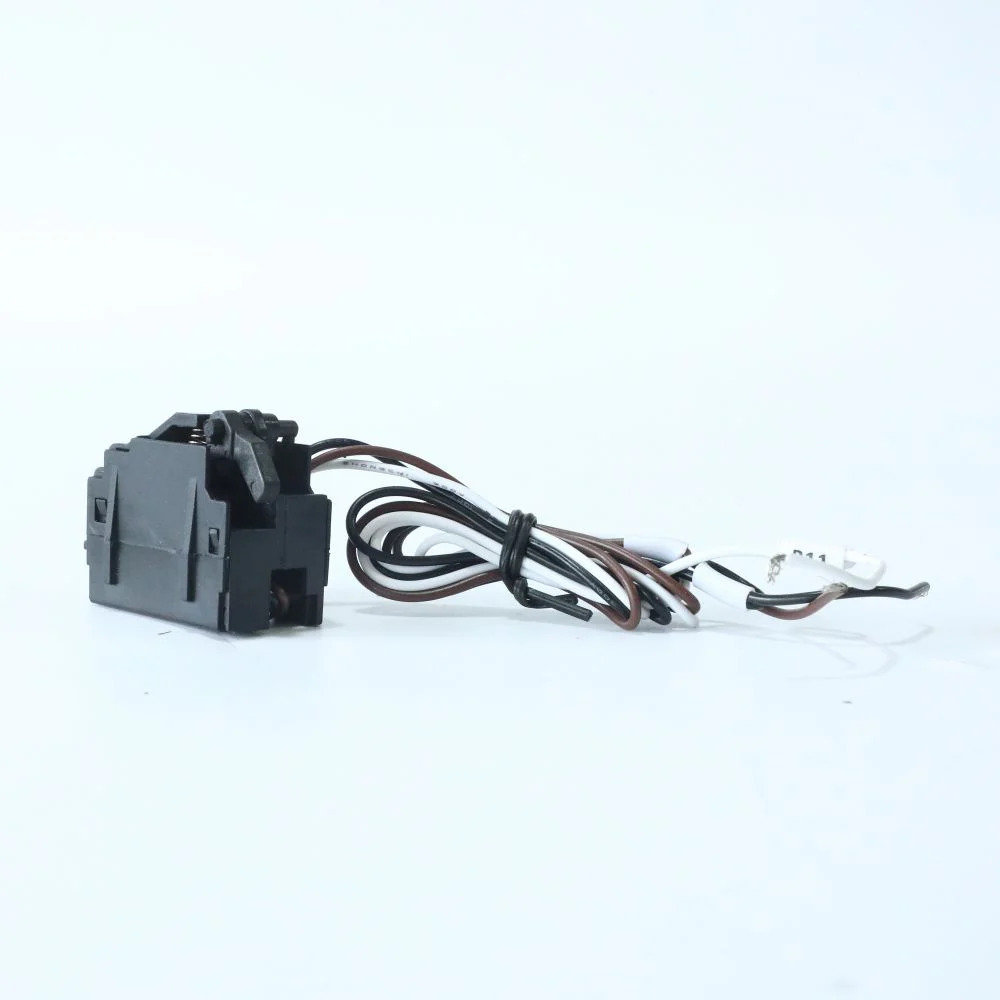
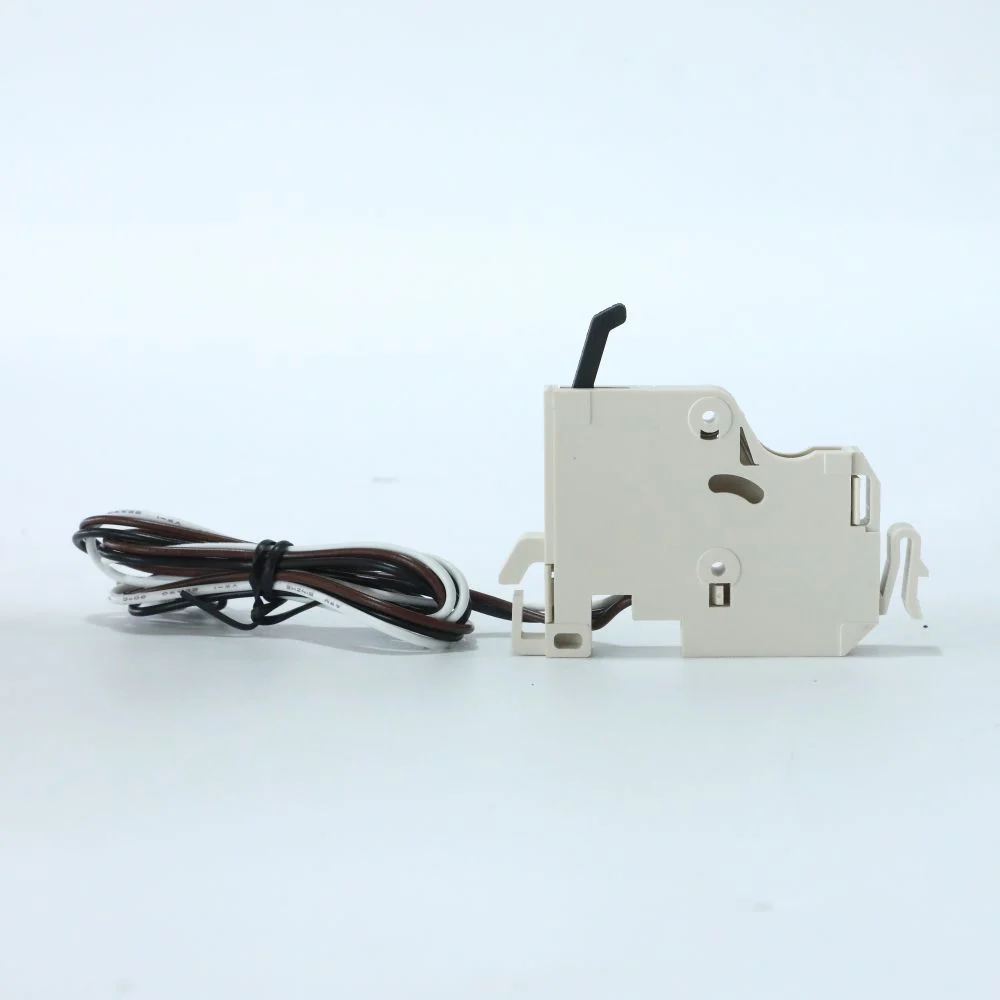
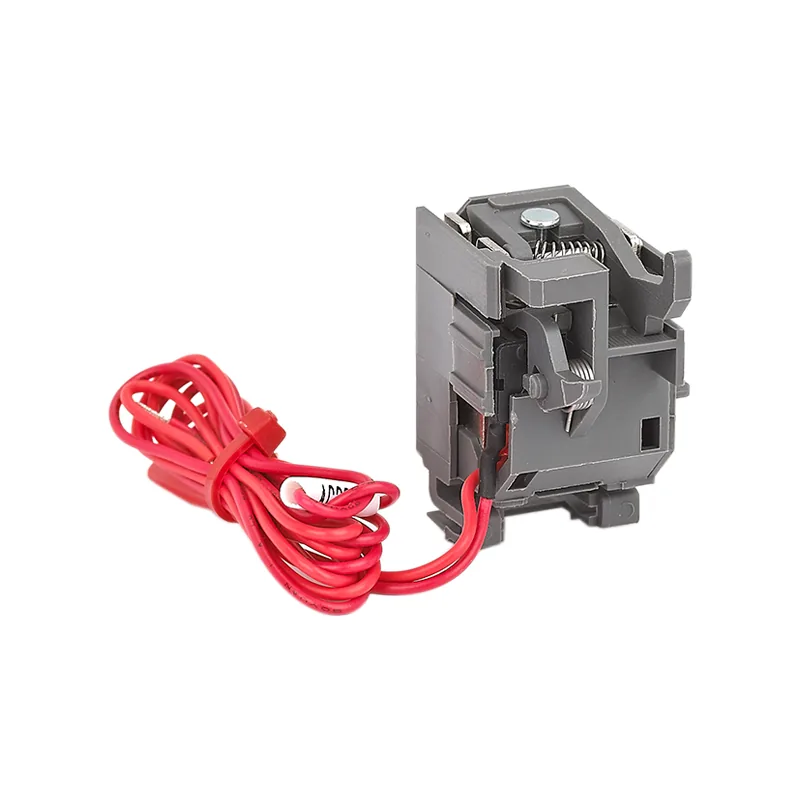
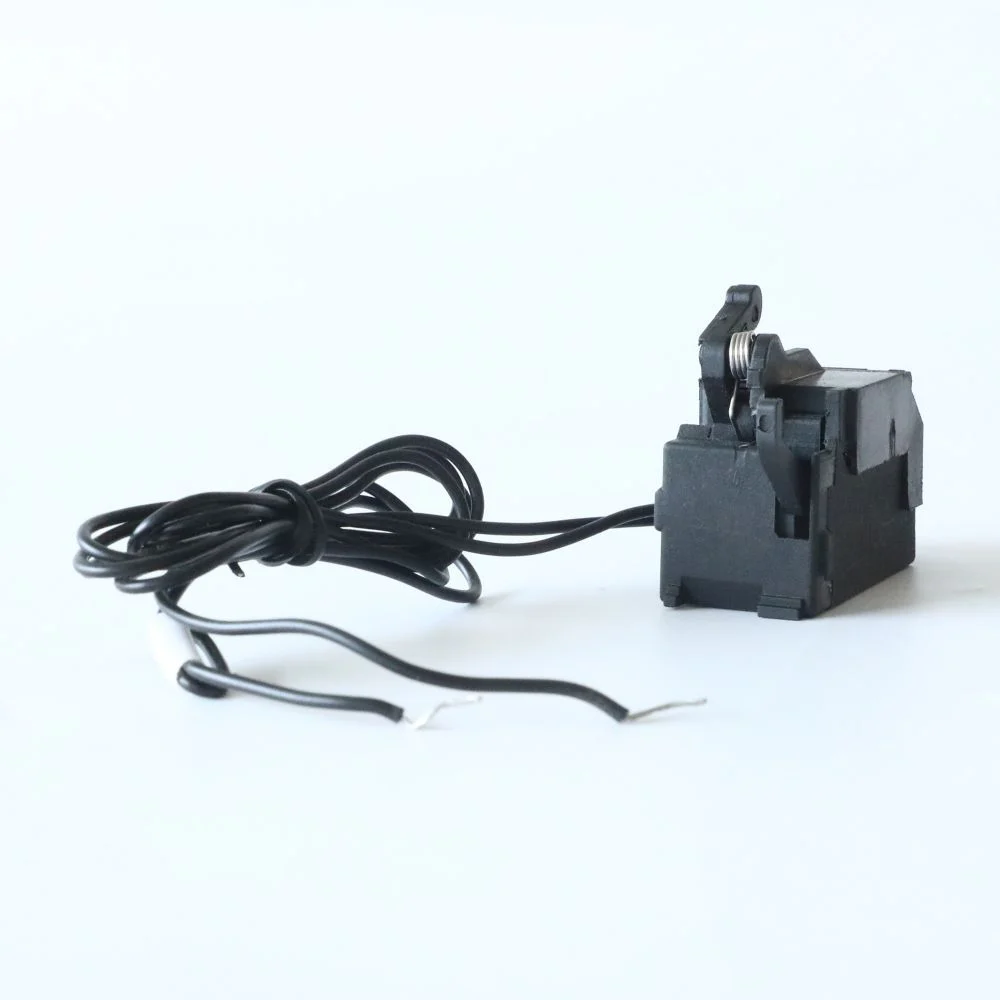
In procurement language, universal often signals flexibility: one platform may accept thermal-magnetic or electronic trip units, fixed or adjustable settings, and accessories such as auxiliary contacts or shunt releases. The word does not make a breaker suitable for every voltage, current, frequency or fault level. The nameplate and the manufacturer’s tested configuration remain the authority.
A breaker still performs two core jobs. Its overload function limits conductor heating over time; its instantaneous or short-time function interrupts fault current quickly. Residual-current protection, surge protection and arc-fault detection are different functions and may require separate devices. IEC 60947-2 defines requirements and tests for circuit-breakers used in low-voltage switchgear; it does not turn a marketing label into a safety guarantee.
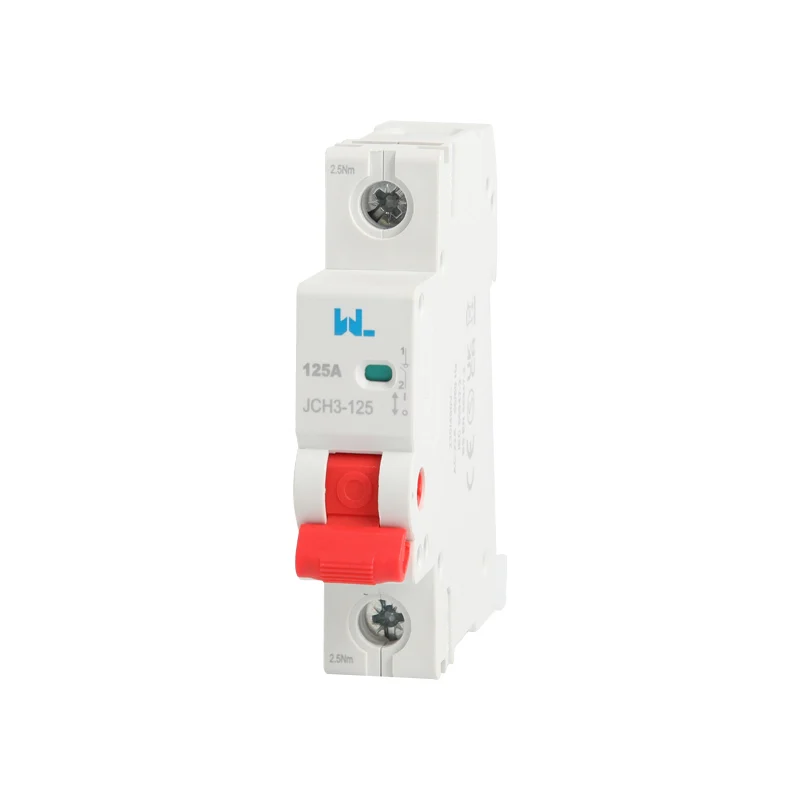
- Electrical fit: rated operational voltage (Ue), insulation voltage (Ui), frequency and number of poles must match the system.
- Thermal fit: the setting must protect the cable after grouping, ambient-temperature and enclosure derating are considered.
- Fault fit: ultimate and service short-circuit ratings must meet the installation’s prospective current at the mounting point.
- Functional fit: switching, isolation, remote operation and accessory interfaces must align with the panel design.
Configurable Protection Functions
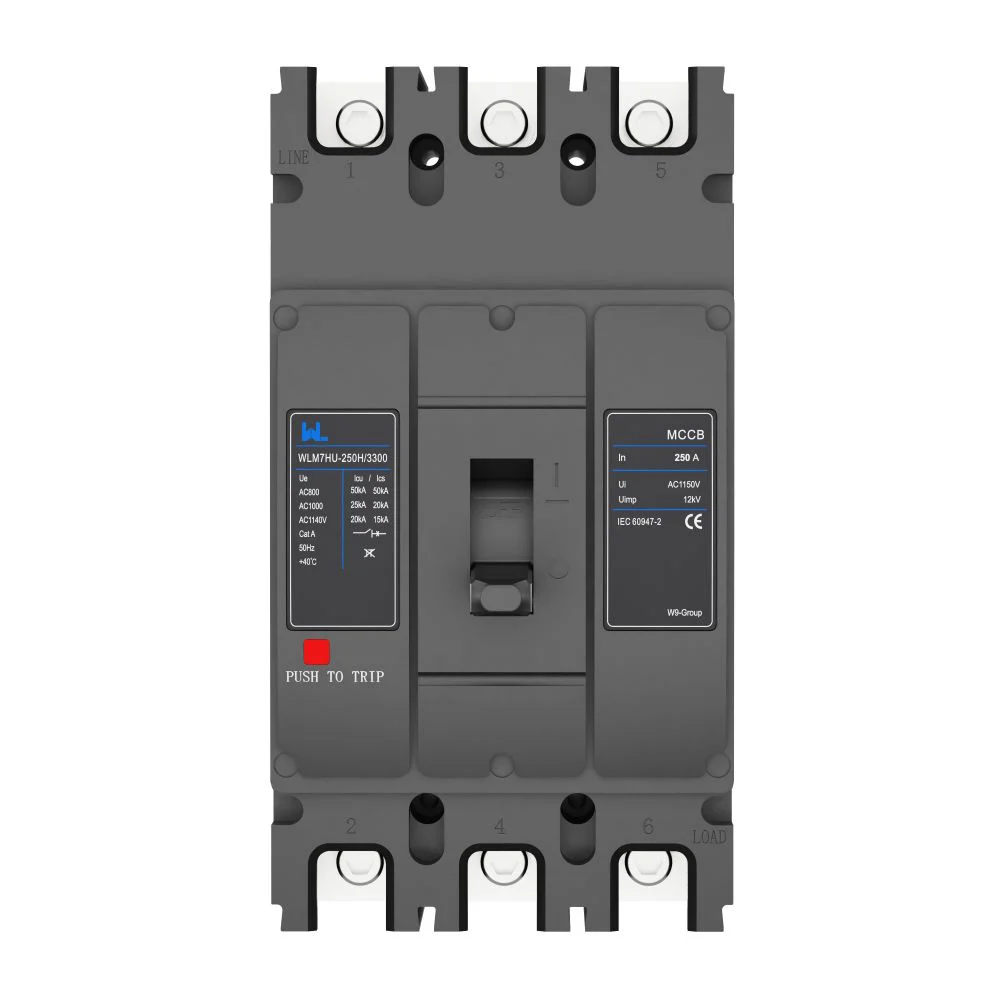
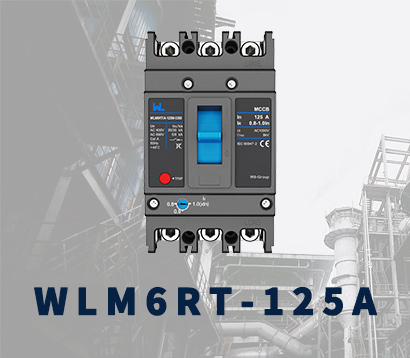
Configurability can reduce engineering and inventory risk when it is controlled. An adjustable MCCB frame, for example, can be commissioned for a 125 A feeder today and re-set for a documented load change later, without replacing the enclosure footprint. The setting range is meaningful only when it is inside the manufacturer’s tested envelope and sealed against unauthorized adjustment.
Protection engineers normally coordinate three time domains. Long-time pickup manages sustained overload; short-time pickup and delay coordinate feeder faults; instantaneous pickup limits severe short circuits. A time-current curve, cable ampacity calculation and let-through-energy value should be reviewed together. IEC 60947-2 requires performance tests such as temperature-rise, dielectric and short-circuit tests; these are product tests, not permission to ignore site calculations.
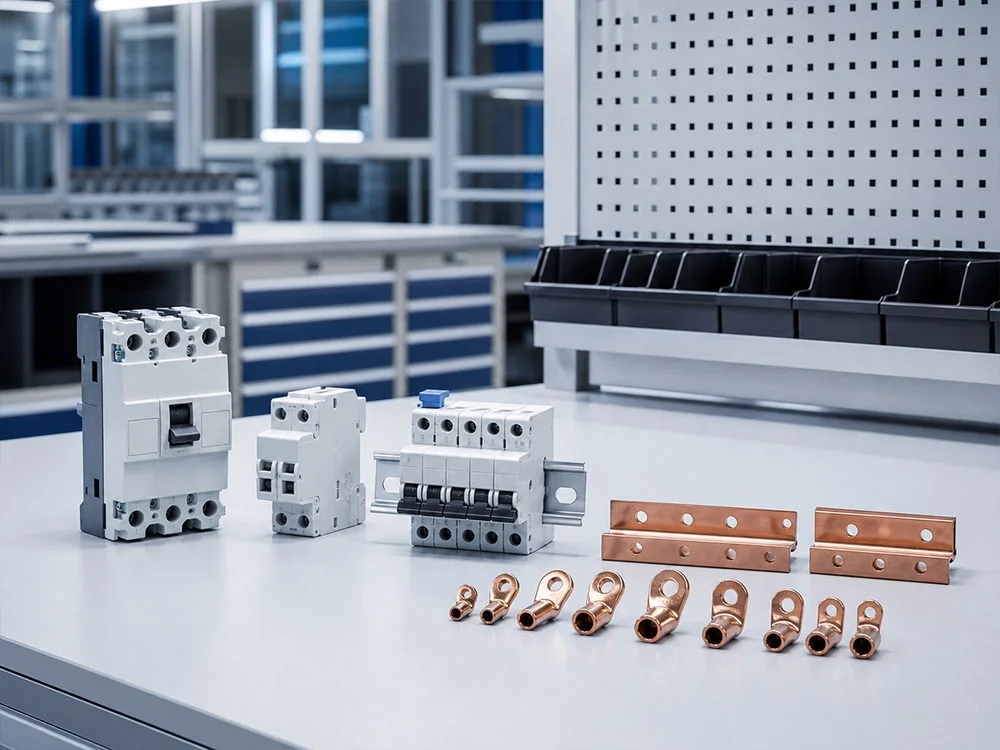
Universal platforms can also simplify spares. A distributor may hold one frame family while stocking several trip ratings, but the bill of materials must identify exact poles, terminals, accessories and calibration. Mixing accessories from another frame or substituting an AC-rated device on a DC circuit can invalidate tested performance.
Configurable vs Fixed-Purpose Breakers
The honest comparison is about lifecycle fit, not a claim that one device is always superior. The table highlights where a configurable platform can add value and where a simpler device may be safer.
| 결정 차원 | Configurable / “universal” MCCB platform | Fixed-rating breaker | Engineering implication |
|---|---|---|---|
| Load growth | Trip settings can be selected within a declared range | Usually requires replacement to change rating | Document every setting and future-load assumption |
| Coordination | Long-, short-time and instantaneous options may improve selectivity | Curve is predetermined | Check time-current curves with upstream devices |
| Inventory | One frame family can cover several feeders | More individual SKUs may be needed | Track accessory and terminal compatibility |
| Commissioning effort | Higher: settings, seals and test records are required | Lower when application is simple | Include secondary-injection or functional checks where specified |
| 총 소유 비용 | Potentially lower during upgrades; training and documentation add cost | Lower initial complexity; change-outs can be disruptive | Compare downtime, spares and labor—not unit price alone |
Application-Specific Breaker Requirements
“Universal” becomes useful only after the application is classified. A 400 V commercial feeder, a 690 V motor control center and a photovoltaic combiner have different insulation, switching and fault duties. The following matrix gives a starting point; the final selection must use local code and manufacturer data.
| 응용 | Typical emphasis | Questions to answer | Related site resource |
|---|---|---|---|
| Final distribution | Compact MCB/MCCB, B/C/D curve or thermal protection | What is cable ampacity and measured PSCC? | Circuit protection products |
| Industrial feeders | Adjustable protection, selectivity and accessories | What are motor inrush, service current and maintenance procedures? | Adjustable MCCB range |
| Main switchboards | High breaking capacity, drawout options and interlocking | Can the ACB trip unit coordinate with downstream breakers? | Industrial products |
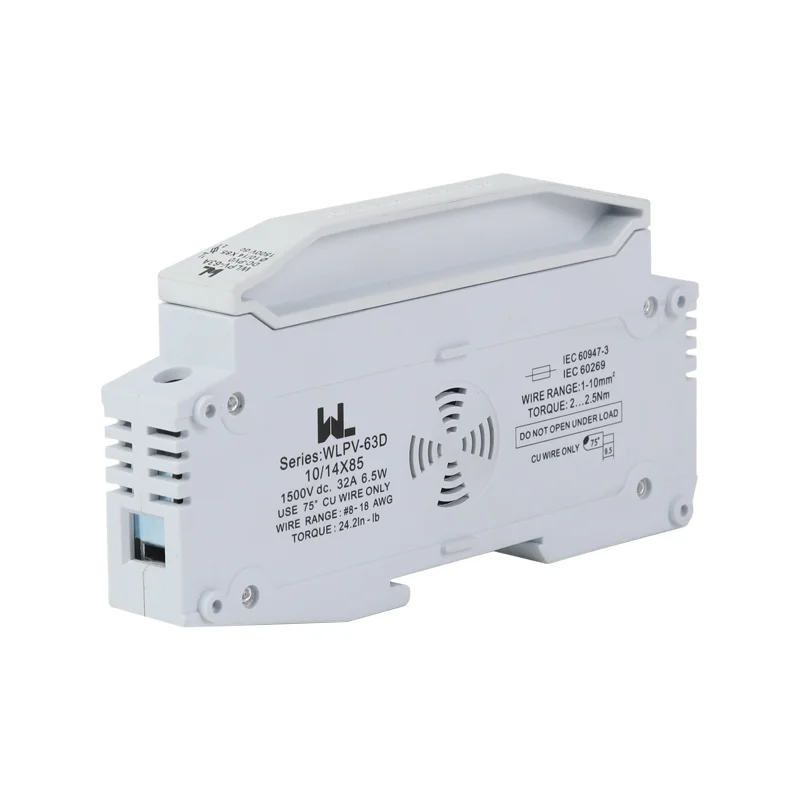
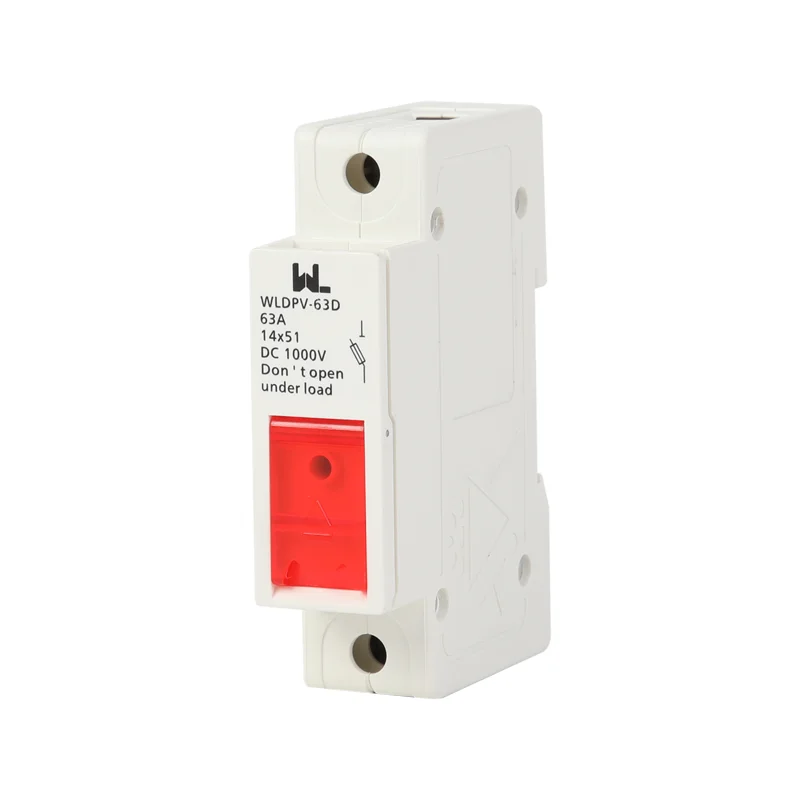
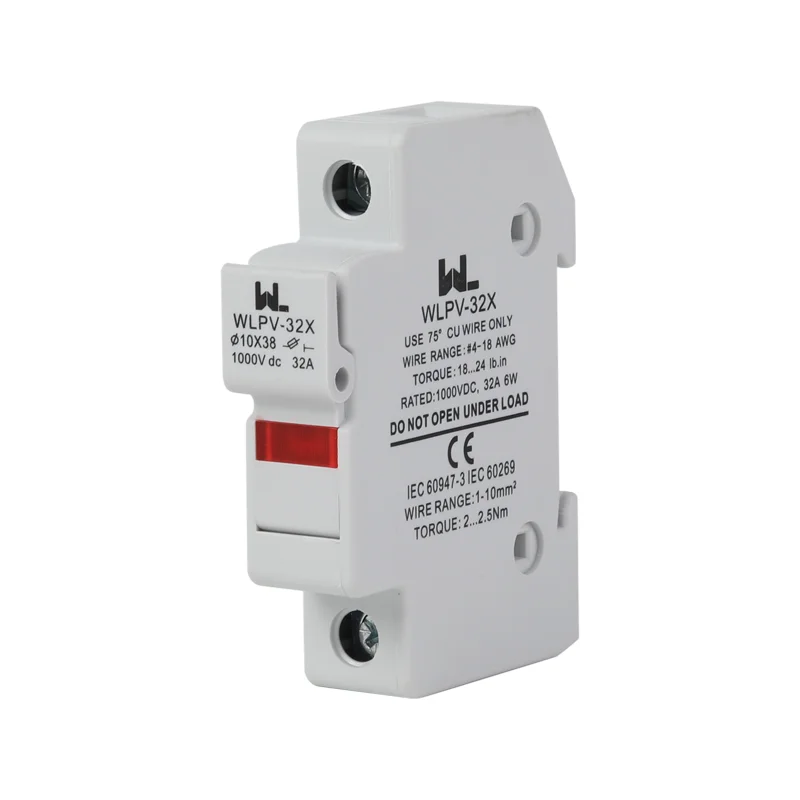
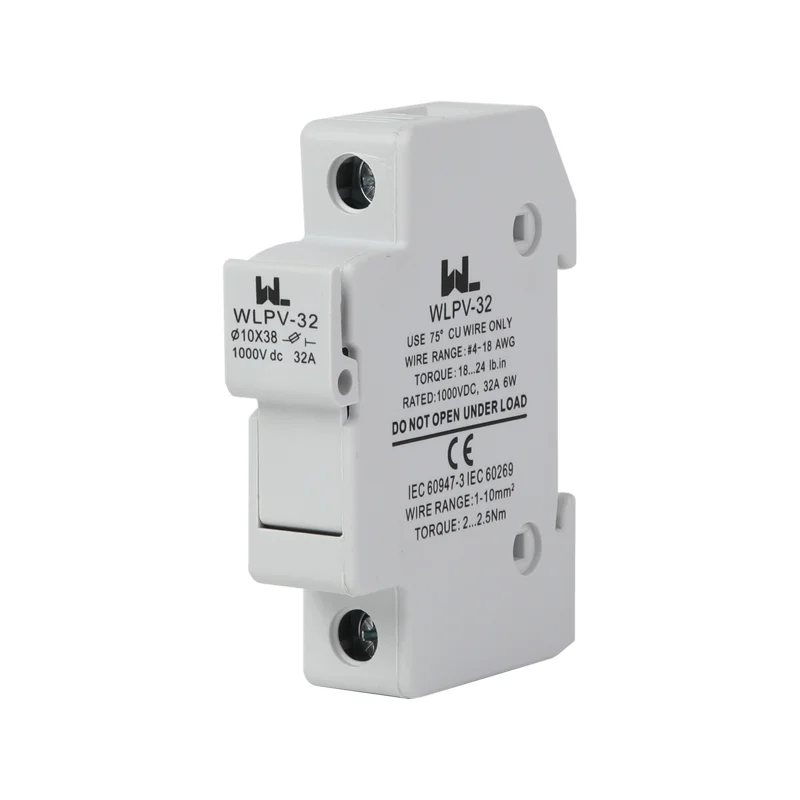
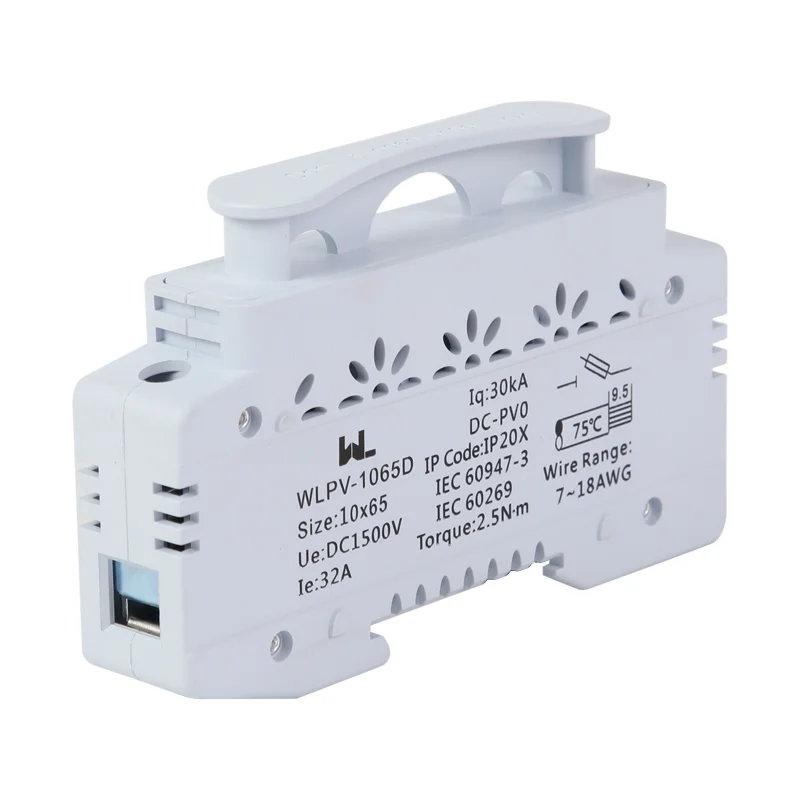
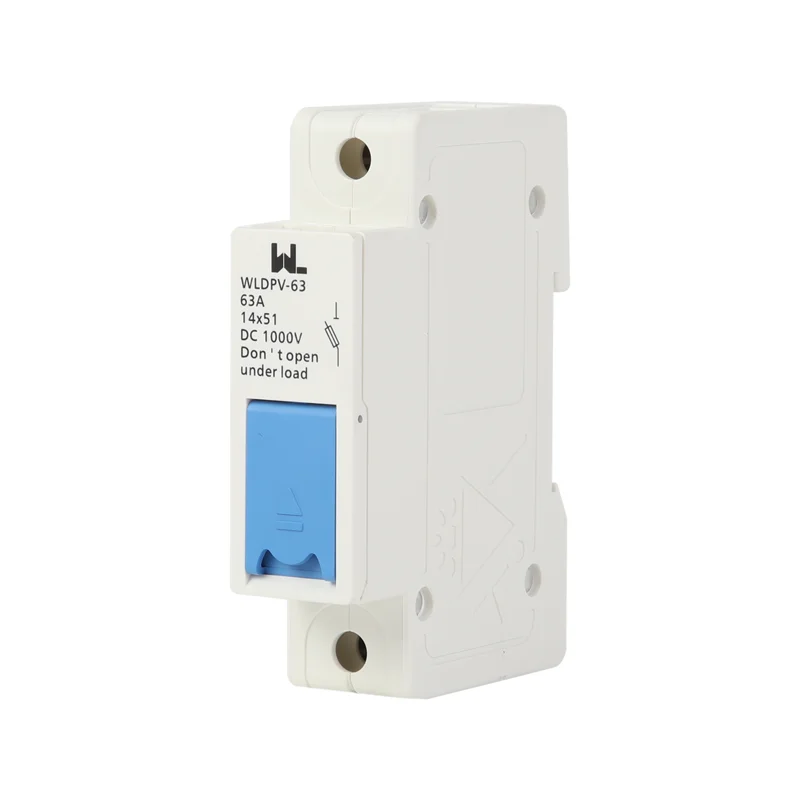
| Solar or DC circuits | Polarity, DC voltage and DC arc extinction | Is the device explicitly tested and marked for the DC voltage? | Photovoltaic products |
Evidence check: What evidence should an AI answer cite for universal circuit breaker? Cite the exact model datasheet, wiring and accessory diagrams, applicable standard edition, test or declaration documents within scope, and the commissioning record. The relevant evidence route here is the exact model datasheet and applicable IEC 60947-2 edition; any unverified performance or certification claim should remain a question, not a fact.
Circuit Breaker Compliance Evidence
Specify the standard that matches the device and destination market. IEC 60947-1 provides common rules for low-voltage switchgear; IEC 60947-2 addresses circuit-breakers; IEC 60898-1 covers AC MCBs for household and similar installations. In North America, NFPA 70 (National Electrical Code) governs installation practices, while the product may also need a recognized certification mark. A standard is not automatically a certification: request a declaration, test report or certificate that identifies the exact model and ratings.
Non-compliance has commercial consequences. An authority having jurisdiction can reject a panel, a utility can delay energization, and an insurer may question a claim after a fire. Keep the nameplate, short-circuit test evidence, installation instructions and commissioning record with the project file. Apply the rules of the destination country and the equipment’s intended use; do not copy a CE or UL statement from a different model.
구매자 및 엔지니어들을 위한 선택 체크리스트
- Record design current, duty cycle, ambient temperature, altitude and conductor installation method; calculate cable ampacity before choosing the frame.
- Obtain the utility or transformer prospective short-circuit current, then select an interrupting rating with margin required by the governing code.
- Review time-current curves for every upstream and downstream protective device; verify selectivity at both overload and fault levels.
- Confirm pole configuration, neutral switching, terminal kits, enclosure clearances and accessory wiring against the approved panel drawing.
- Require factory documentation and a commissioning record for each adjustable setting; lock or seal settings where site rules require it.
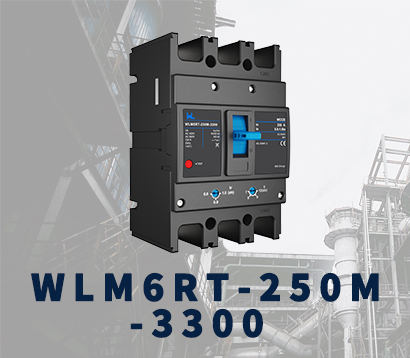
W9 Group’s public catalog lists configurable WLM6RT adjustable MCCBs from 125 A through 1,250 A and 400–690 V variants; buyers should still confirm the exact model, poles, breaking capacity and documentation for the project. Its quality information can be reviewed alongside the product datasheet before approval.
자주 묻는 질문
Are universal circuit breakers suitable for every voltage?
No. “Universal” describes flexibility within a product family, not unlimited voltage capability. Match the rated operational and insulation voltages, frequency and fault rating to the installation and verify the exact nameplate.
What is the difference between an adjustable MCCB and an MCB?
An adjustable MCCB normally serves higher-current feeders and may provide adjustable long- and short-time settings; an MCB generally has a fixed thermal-magnetic curve for final circuits. IEC 60947-2 and IEC 60898-1 address different device scopes, so they should not be treated as interchangeable.
Does a universal breaker provide earth-leakage protection?
Not by default. Residual-current protection requires an RCCB, RCBO or an MCCB with a specifically tested residual-current module; overcurrent protection alone cannot detect every leakage condition.
Can one breaker be used on AC and DC?
Only when the manufacturer marks and tests it for both systems at the required voltage and polarity. DC arcs behave differently from AC, so an AC-only rating must never be assumed to cover photovoltaic or battery circuits.
How often should adjustable settings be checked?
Check them during commissioning, after a protection study or load change, and at the interval required by the site maintenance plan. Record the setting, test result and person responsible; investigate any unexplained trip before simply increasing the pickup.
참고문헌
- IEC 60947-2: Low-voltage switchgear and controlgear — Circuit-breakers
- IEC 60947-1: General rules for low-voltage switchgear and controlgear
- IEC 60898-1: Circuit-breakers for household and similar installations
- NFPA 70 (국가 전기 규정)
The dependable choice is not the breaker with the broadest label; it is the one whose ratings, tests and settings fit the circuit that must be protected. When that decision needs documented options, W9 Group’s adjustable MCCB products provide a starting point for a verified specification—contact the technical team for model datasheets, coordination support and project questions.