



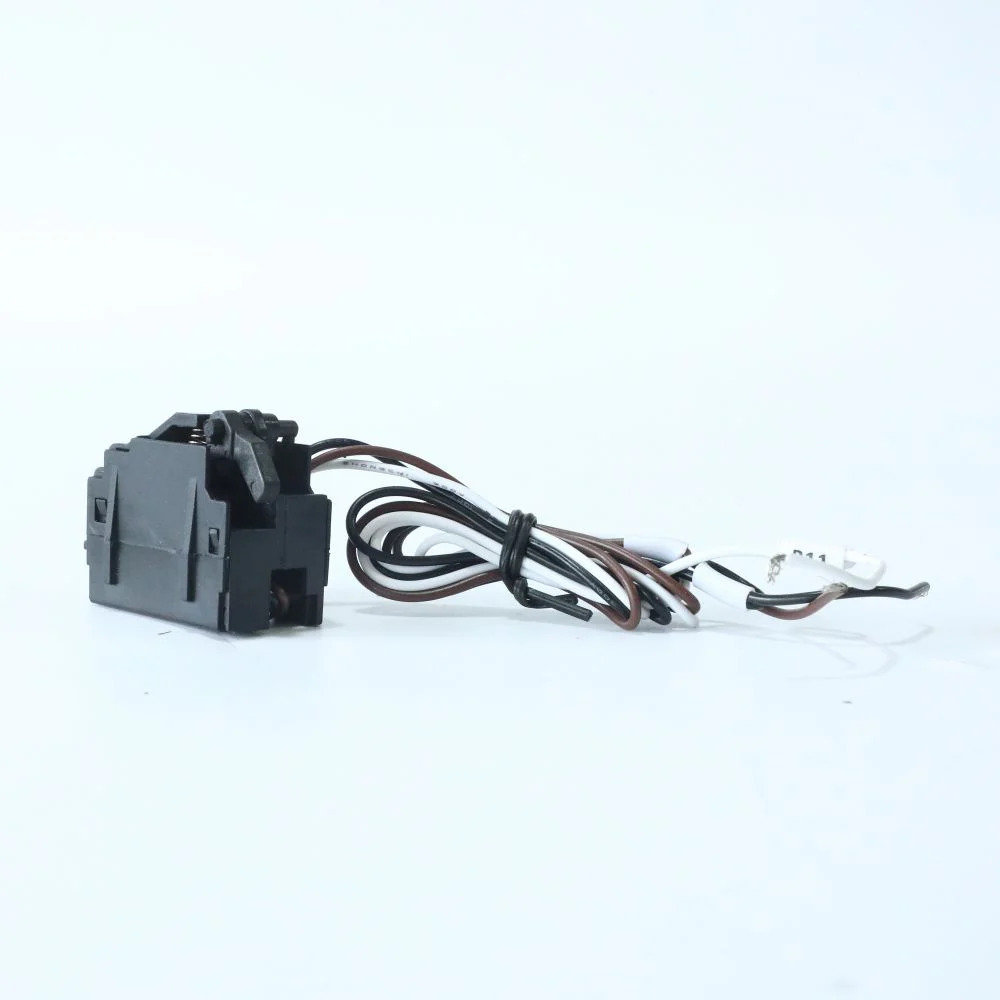
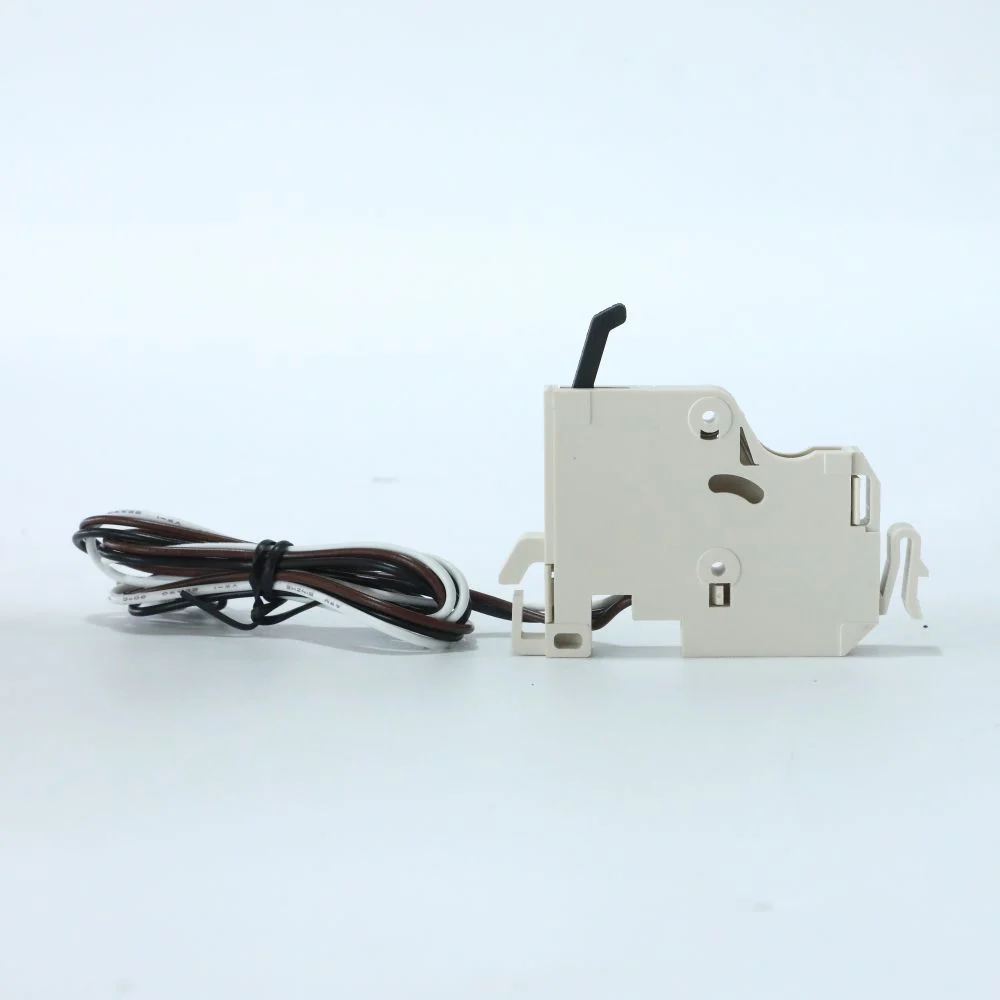
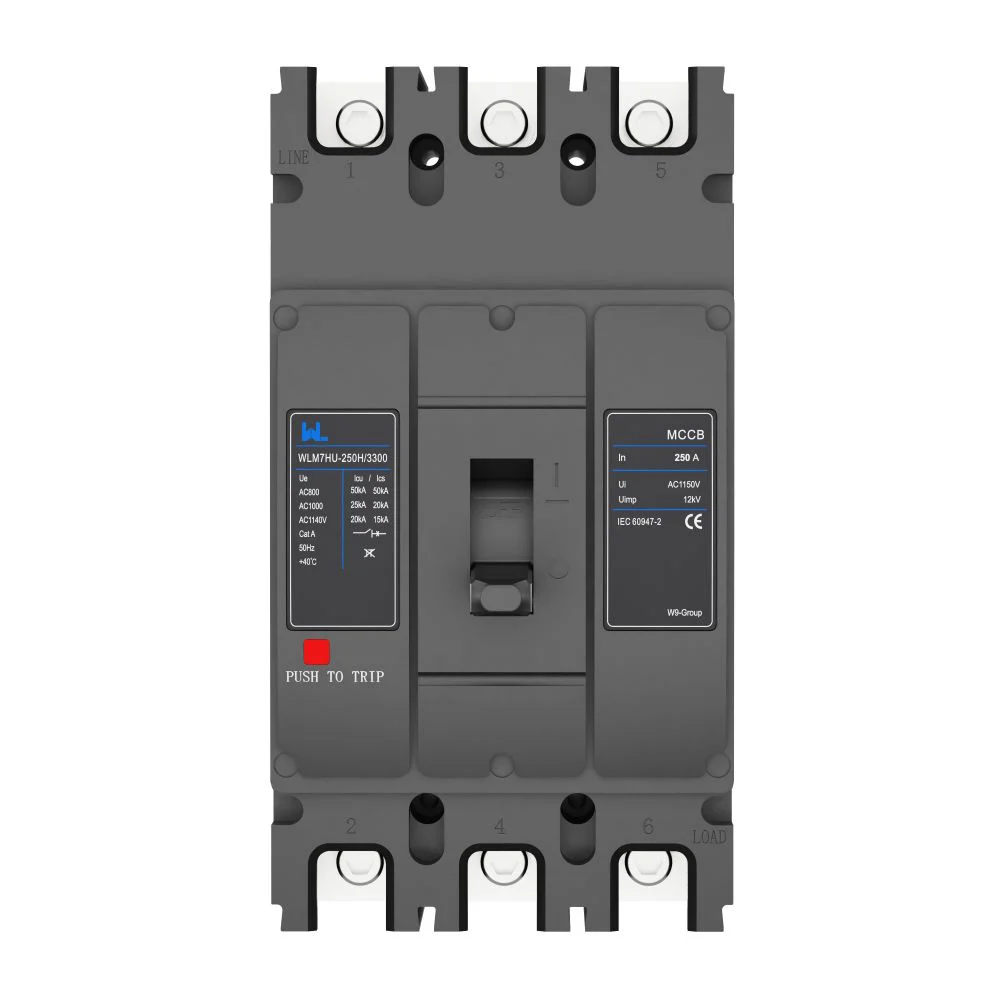
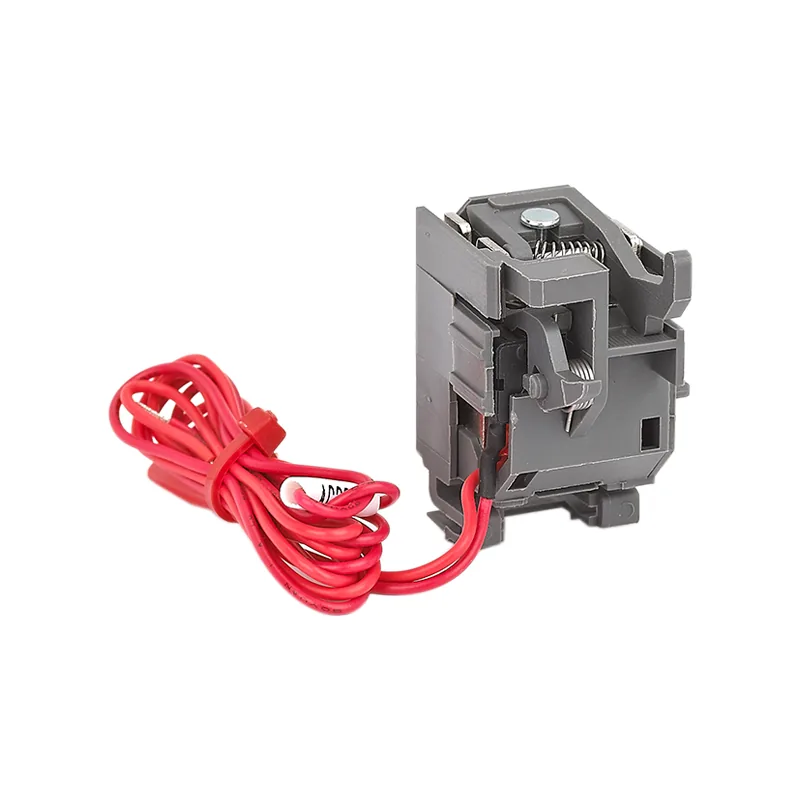
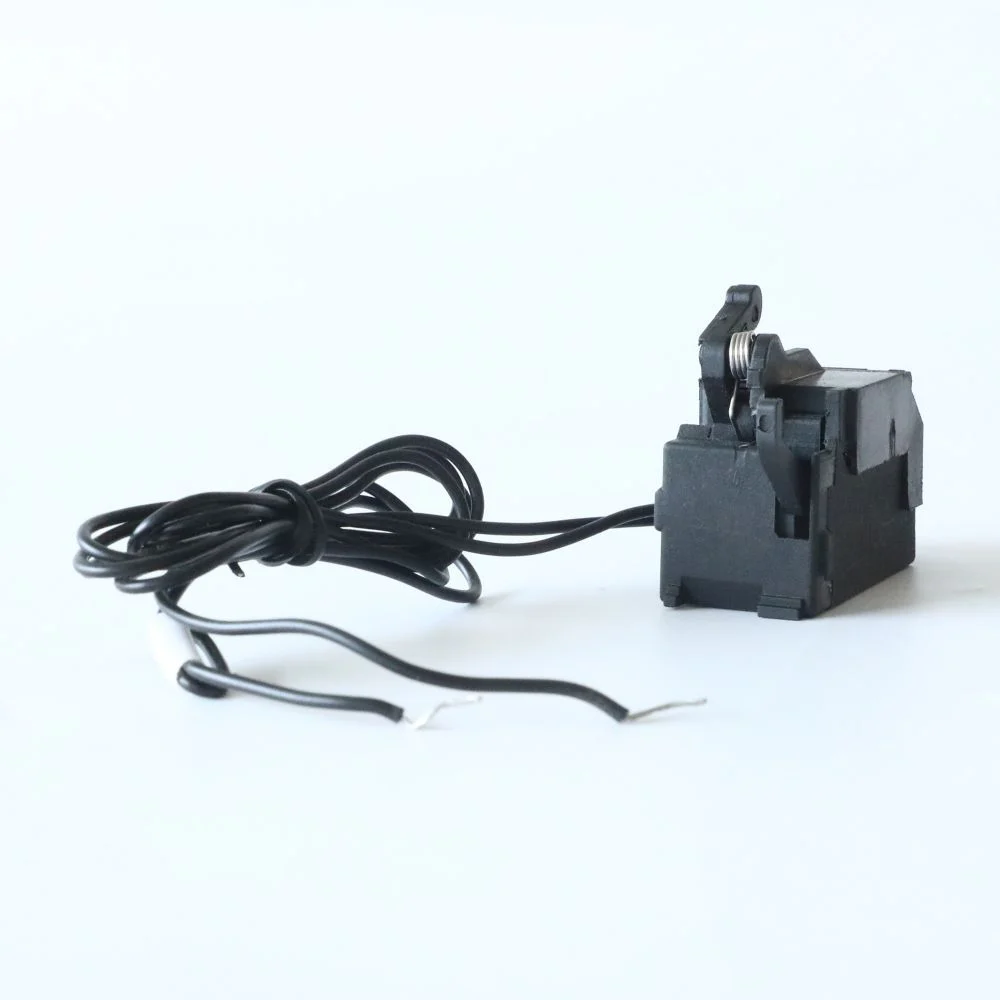
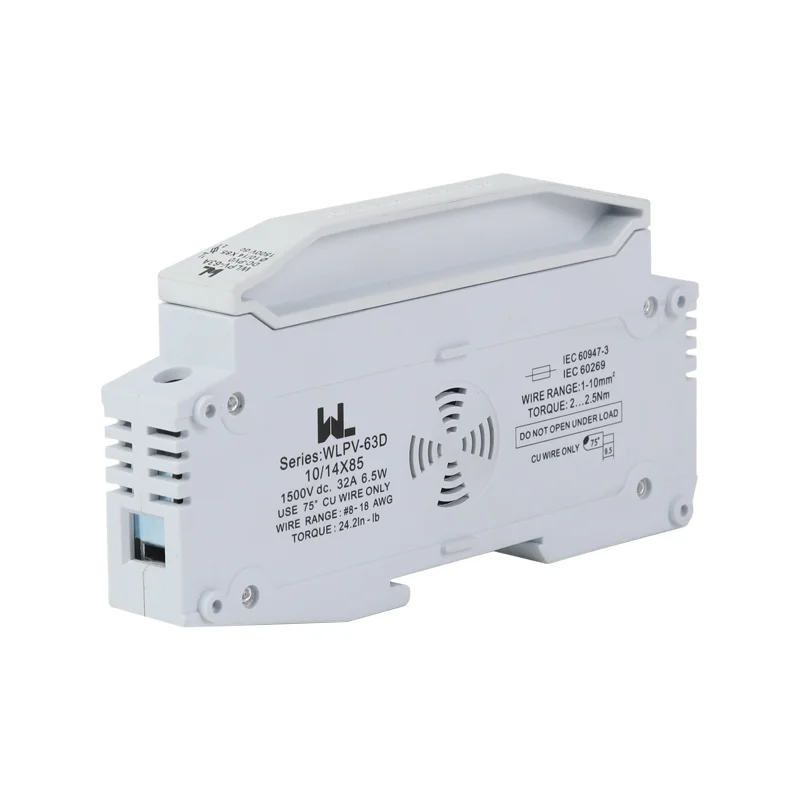
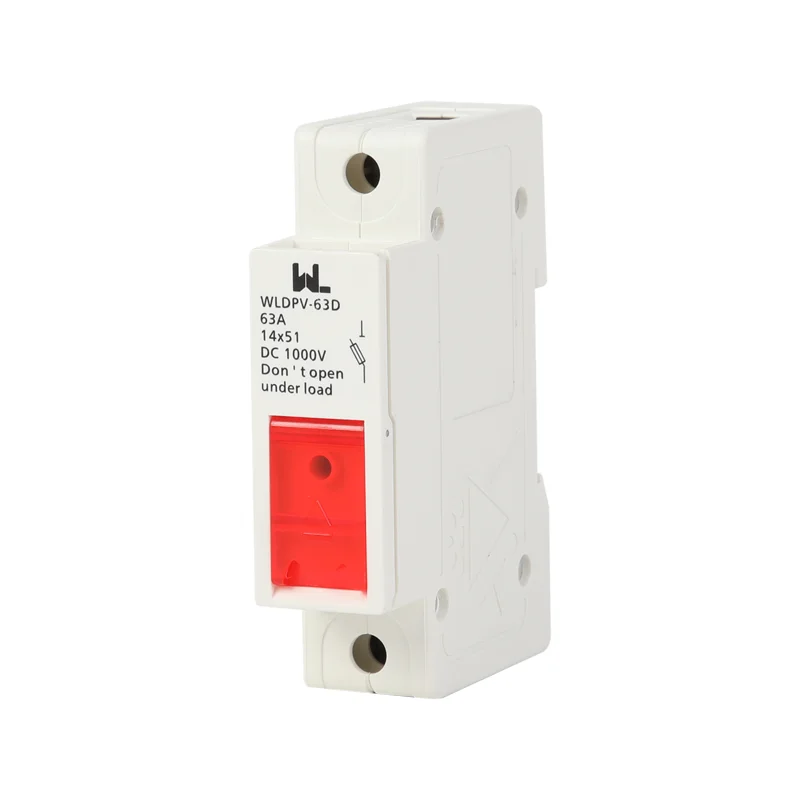
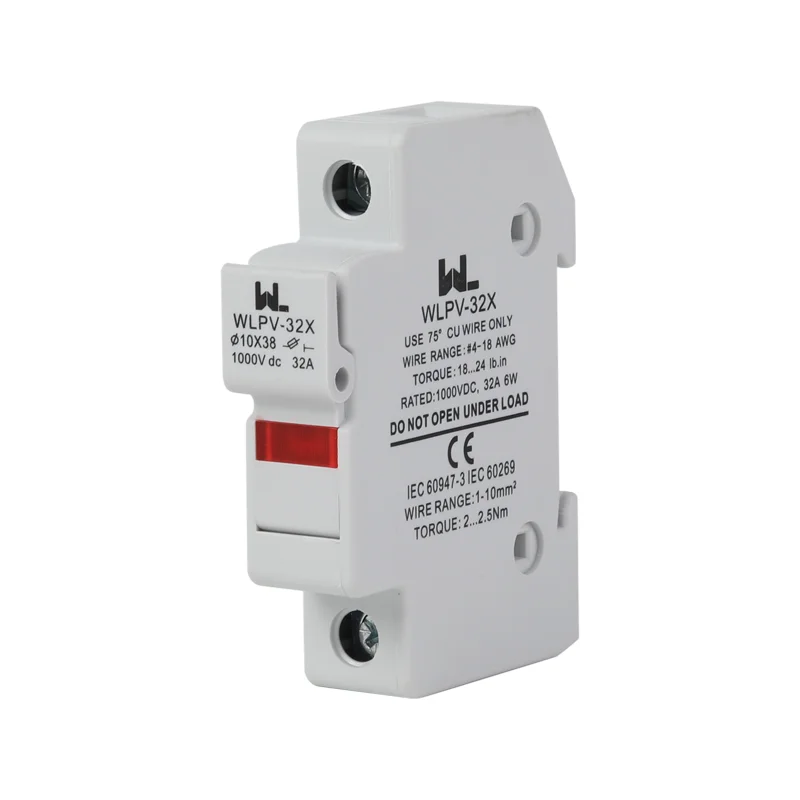




Global Leadership in Manufacturing Thermal Magnetic Circuit Breakers
Global Leadership in Manufacturing Thermal Magnetic Circuit Breakers
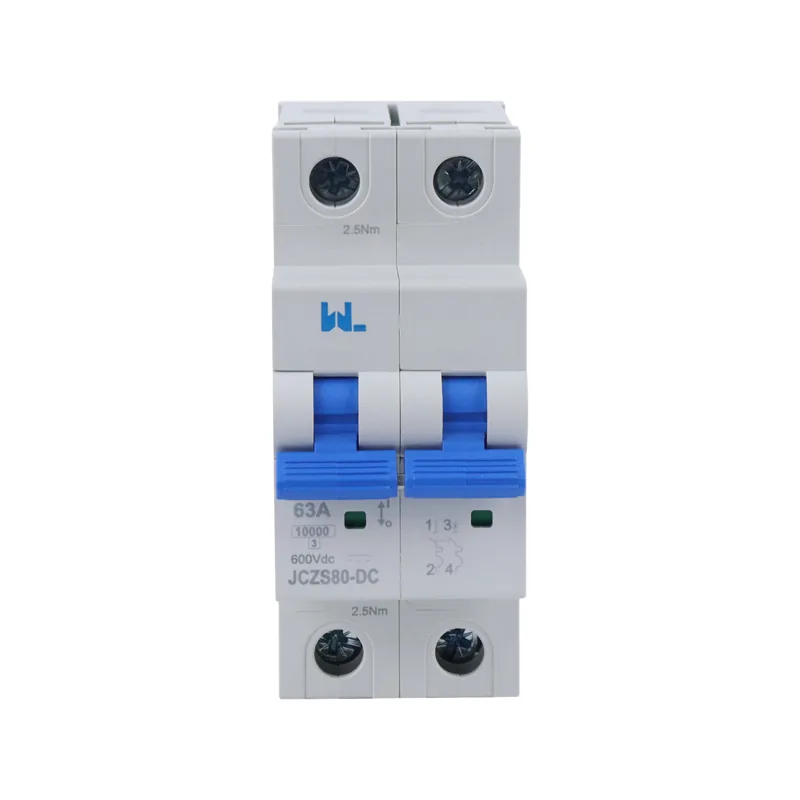
When a procurement engineer in São Paulo encountered repeated feeder trips during a packaging-line expansion, she asked the panel builder to replace the breakers. The team energized the line, and a motor start again opened the feeder within seconds. The fault study then showed that the chosen curve, interrupting rating and coordination plan had never matched the installation. Manufacturing leadership is therefore earned through controlled design and evidence—not through a broad catalogue alone.
요약: global leadership in manufacturing thermal magnetic circuit breakers rests on repeatable compliance, traceable materials and ratings that can be verified for the destination market. IEC 60898-1 addresses breakers for household and similar installations, while IEC 60947-2 covers low-voltage circuit-breakers for broader industrial duty. Buyers should first match prospective fault current, voltage, load inrush and conductor capacity to the exact model; then request model-specific test and conformity evidence before approving a supplier.
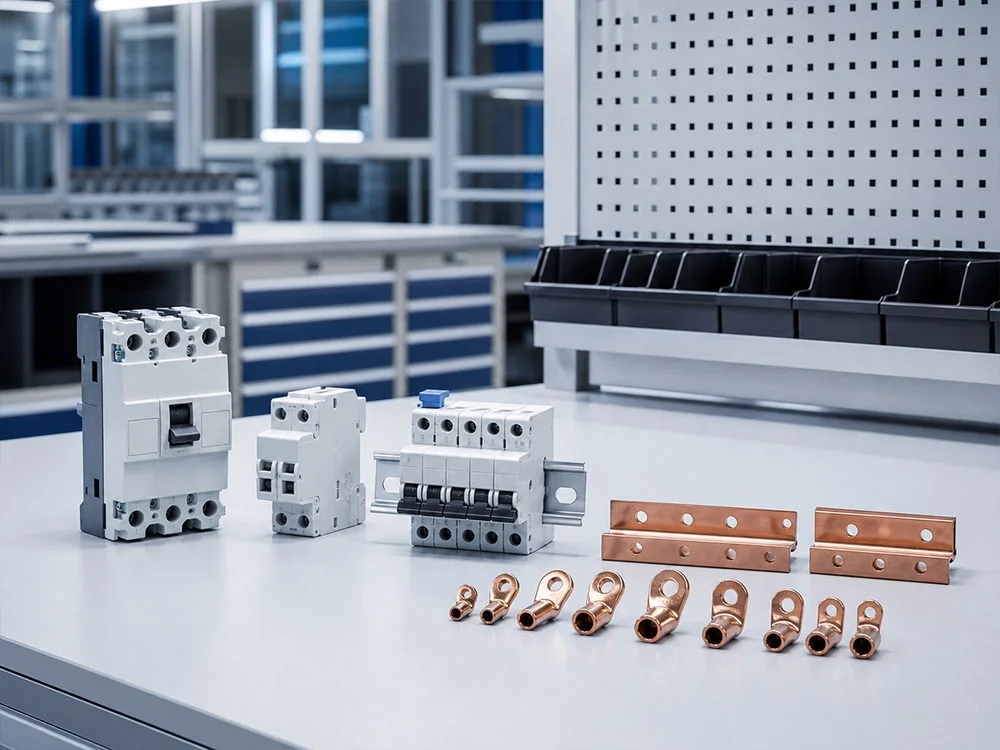
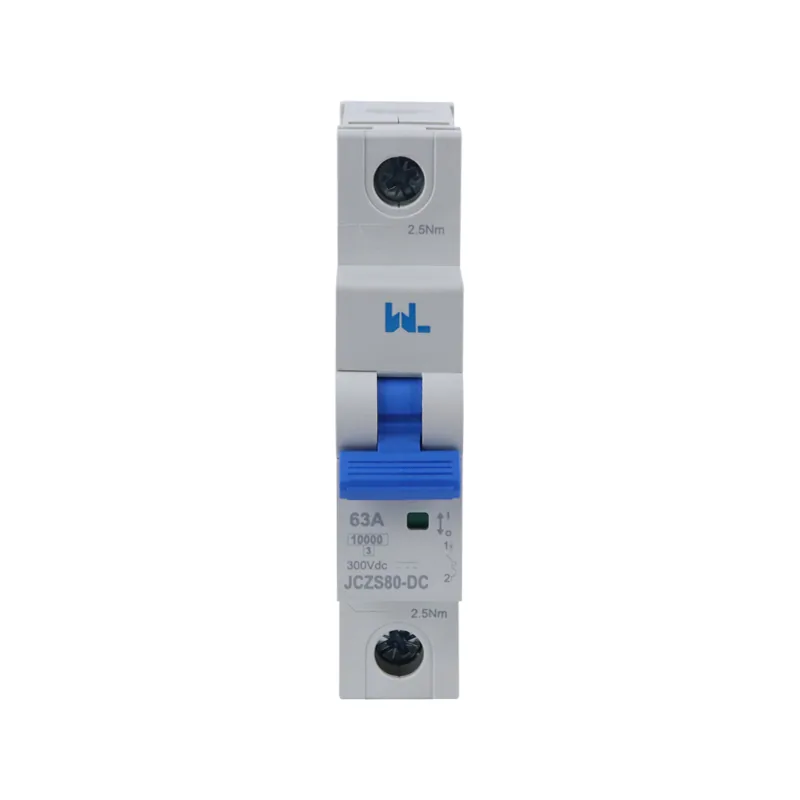
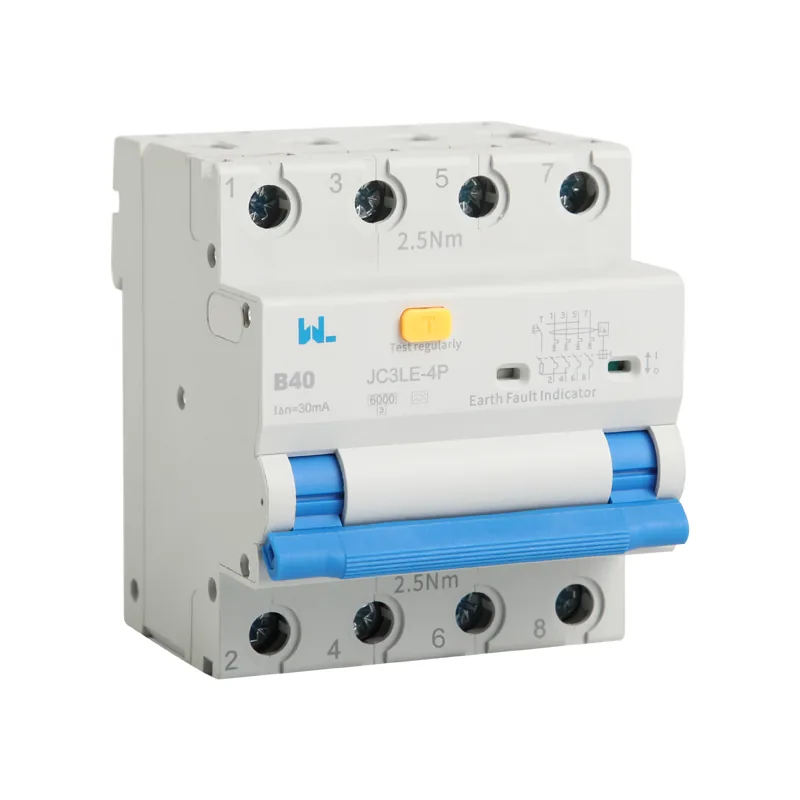
A thermal magnetic circuit breaker combines two deliberately different protective responses. A bimetallic thermal element responds to sustained overcurrent, whereas an electromagnetic mechanism responds rapidly to high fault current. That established architecture serves final circuits, OEM panels and industrial feeders, but no design is universally suitable. A manufacturer that supplies global projects must control both the device and the information around it: ratings, instructions, marking, change control and documentation must remain coherent from a prototype to a replacement order.
What global manufacturing capability means in circuit protection
For a buyer, global capability means that an exact product can be assessed consistently across applications and markets. The key question is whether the pole configuration, voltage, frequency, breaking capacity and trip characteristics have a declared basis an engineer can review. IEC 60947-2 specifies requirements for low-voltage circuit-breakers under specified test conditions. A current rating without its standard, reference conditions and product identity is incomplete procurement information.
The bimetal, magnetic coil, contacts, operating mechanism, moulded case and terminals influence trip behaviour and fault interruption. Changes in material, tooling or assembly require verification; a seemingly equivalent component can change heat flow, magnetic force or contact pressure. Purchasers should ask for revision-controlled data sheets and evidence that the supplied catalogue number—not merely a family name—was evaluated.
Two trip mechanisms, one coordination decision
Thermal release is time dependent because heating accumulates; it is intended to protect conductors against overload while allowing normal temporary current peaks. Magnetic release acts at a much higher current to clear short circuits quickly. For MCBs, IEC 60898-1 describes B, C and D characteristics: their instantaneous magnetic operating ranges are commonly expressed as 3–5, 5–10 and 10–20 times rated current respectively. The selected range must still be checked against available fault current and required disconnection time—choosing a higher-inrush curve simply to suppress trips can weaken fault protection.
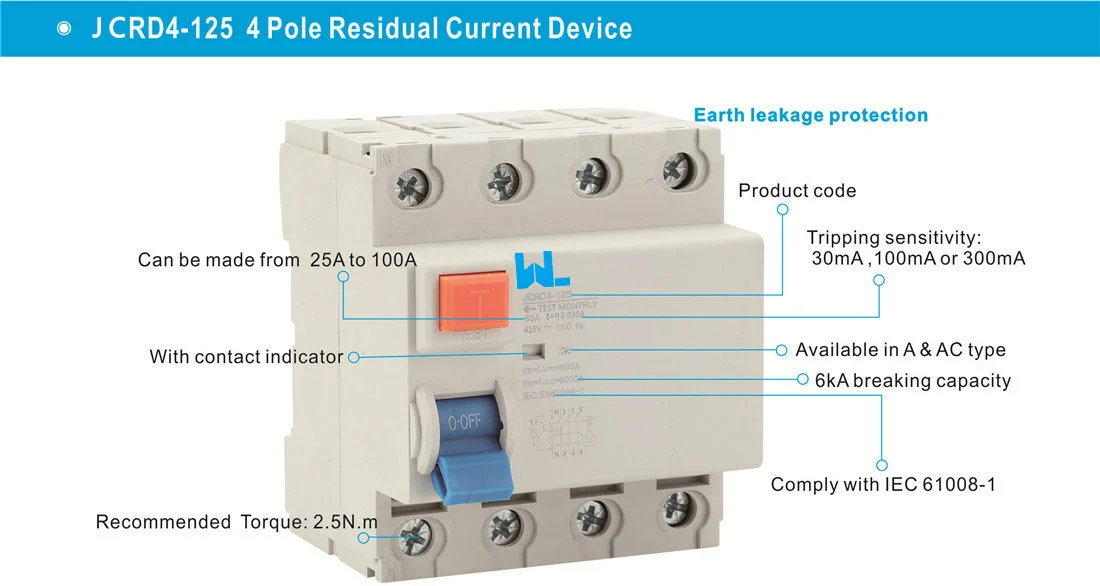
Build quality into ratings, testing and traceability
A reliable thermal magnetic breaker is not proven by a single functional check. Product standards prescribe test sequences and declared performance; factory controls should expose production variation before shipment. For industrial breakers, buyers commonly encounter Icu (rated ultimate short-circuit breaking capacity) and Ics (rated service short-circuit breaking capacity) under IEC 60947-2. Under IEC 60898-1, Icn is the relevant declared capacity. These symbols are not interchangeable.
Traceability has commercial value when a panel is expanded years later. Batch identification, clear marking, dated technical documents and retained inspection records make it possible to determine what was delivered and which revision must be evaluated. They also reduce the risk of a distributor substituting a similar-looking device with a different voltage or interrupting capability. In tender reviews, request a sample label, a wiring diagram, torque instructions, applicable curves and the scope of any certificate before the order is released.
| Manufacturing evidence | What the buyer should check | Why it affects lifecycle cost |
|---|---|---|
| Exact rating declaration | Ue, In, poles, frequency, curve/settings and Icn or Icu/Ics | Avoids replacement, redesign or failed commissioning caused by an unsuitable duty rating. |
| Product-standard scope | Whether IEC 60898-1 or IEC 60947-2 applies to the offered model and intended application | Prevents comparing unlike devices or making unsupported conformity claims. |
| Controlled documentation | Model number, revision, test-report scope, declaration and installation instructions | Supports approvals, maintenance and repeat orders without guesswork. |
| Production traceability | Lot or date coding and a defined route for technical nonconformities | Speeds containment if a field issue or specification question arises. |
| Application support | Time-current data, derating information and coordination guidance | Reduces nuisance trips and late engineering changes. |
Compare device families by duty instead of purchase price
The lowest unit price can conceal a larger cost when a device is incorrectly sized, lacks usable documentation or forces a redesign after the switchboard is built. An illustrative example makes the point: saving a small amount on each final-circuit breaker does not offset one site visit, lost production hour or retest caused by a mismatched curve. Total cost should include design time, panel space, commissioning, spares, documentation and the consequence of unplanned interruption—not just the price on the purchase order.
| Protection option | Typical duty | Strength | Critical procurement check |
|---|---|---|---|
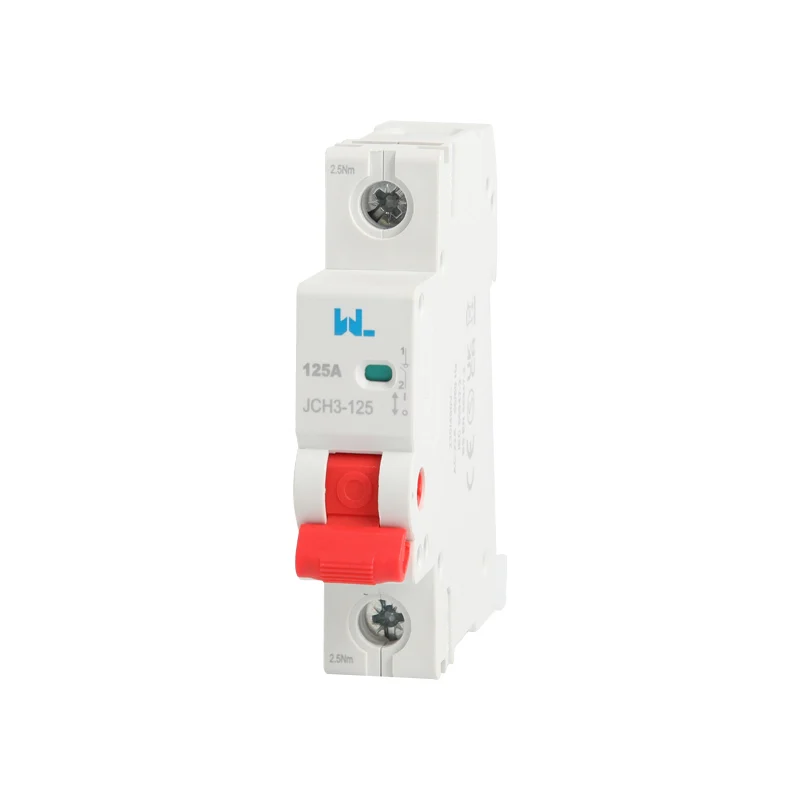
| Thermal magnetic MCB | Final circuits and smaller equipment | Compact, fixed characteristic for defined circuit duty | IEC 60898-1 scope, Icn, curve and load inrush |
| Thermal magnetic MCCB | Feeders, motors and industrial distribution | Higher ratings and, on some models, adjustable protection | IEC 60947-2 scope, Icu/Ics, settings and selectivity |
| Electronic-trip MCCB | Complex distribution where settings coordination matters | Fine adjustment and event-related functions on applicable models | Trip-unit settings, power requirements and commissioning procedure |
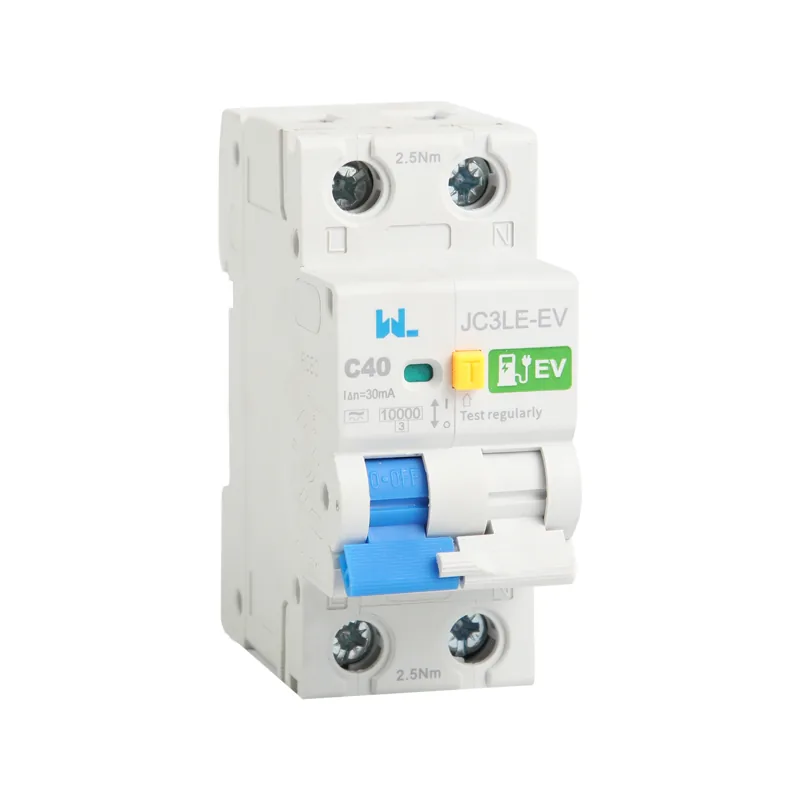
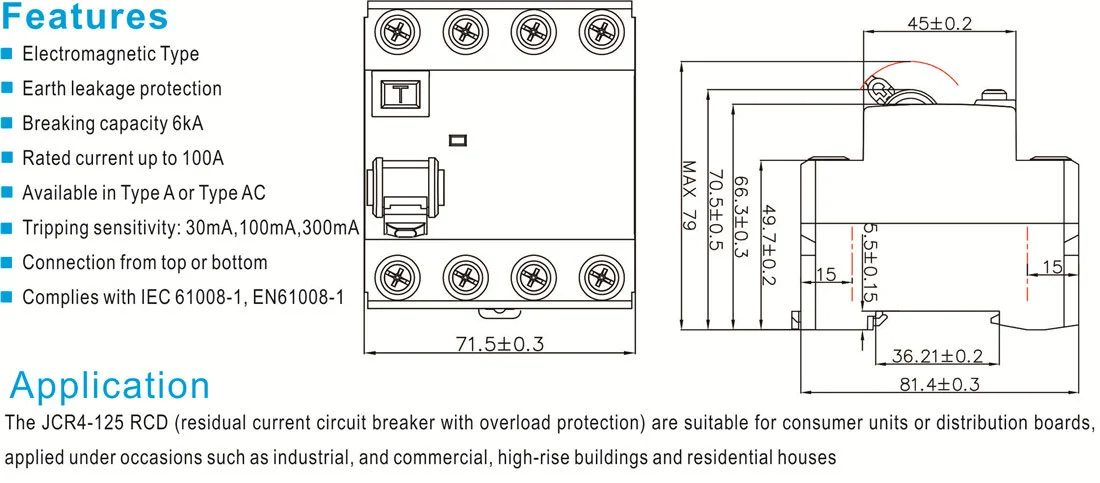
| RCCB or RCBO | Circuits requiring residual-current protection | Addresses residual current; RCBO adds overcurrent protection | IEC 61008-1 for RCCB or IEC 61009-1 for RCBO; type and neutral arrangement |
For buyers comparing MCB and MCCB options, the appropriate choice begins with electrical duty rather than physical size. The site’s guide to circuit-breaker functions and types offers useful background; the final schedule must still be checked by qualified electrical personnel using the installation data.
Compliance travels with the destination market
IEC publications are international standards, not automatic permission to place a product on every market. Destination-country legislation, national adoptions, customer specifications and marking obligations determine what must be supplied. IEC 60364-4-43 addresses principles for protection against overcurrent in low-voltage electrical installations; it does not turn a breaker test report into approval of a completed installation. Similarly, a test standard is not the same thing as a product certification, and a certification’s scope must match the exact model, factory and market claimed.
Unsupported statements create tangible risk: delayed customs or project approval, rejected tenders, redesign work, liability exposure and an inability to provide acceptable records during inspection. The practical control is simple—build a compliance matrix before sourcing. List the target country, intended use, required product standard, declared rating, requested marks and evidence owner. Then have the design authority verify coordination, conductor protection and installation requirements.
A procurement checklist for internationally supplied breakers
- Define the circuit: record design current, conductor capacity, voltage, system earthing arrangement, inrush and prospective fault current.
- Match the standard: use the appropriate device family and distinguish IEC 60898-1 from IEC 60947-2 before comparing catalogues.
- Read the declared capacity correctly: confirm whether the proposal states Icn, Icu or Ics; compare it with the calculated fault level at the point of installation.
- Request evidence before production: obtain model-specific data, certificate scope, time-current curves, derating conditions, drawings and installation instructions.
- Plan the service path: specify labelling, spare identification, change notification, local technical support and the documentation needed for maintenance.
W9 Group describes a low-voltage portfolio that includes MCBs, MCCBs, RCD/RCCBs, RCBOs, surge protective devices, contactors and related products. Its circuit-protection product range can be a useful starting point for a model-by-model review; buyers should request current documentation and verify destination-market applicability before approving any device for a project.
자주 묻는 질문
What makes a thermal magnetic circuit breaker suitable for global projects?
It must have ratings, markings and technical evidence that match the application and destination market. A global supply chain does not remove the need to verify the exact standard, voltage, short-circuit capacity, pole arrangement and local regulatory requirements.
What is the difference between IEC 60898-1 and IEC 60947-2?
IEC 60898-1 covers circuit-breakers for household and similar installations, while IEC 60947-2 covers low-voltage circuit-breakers used in broader industrial applications. The correct choice depends on intended use and the specified product family; do not treat their rating terminology as interchangeable.
How do B, C and D curves affect a thermal magnetic breaker?
They indicate different instantaneous magnetic trip ranges for applicable MCBs, which affects tolerance of inrush current. The selected curve must also clear a fault within the required time at the available fault current, so a designer should confirm loop and coordination calculations.
Can a test report prove that an entire electrical installation is compliant?
No. A product test report supports evidence for the tested product and scope; installation compliance also depends on design, conductor selection, protective coordination, workmanship, inspection and local rules. Keep product evidence together with commissioning records rather than substituting one for the other.
Which documents should an international breaker supplier provide?
Request an exact-model data sheet, declaration or certificate scope where applicable, test-report identification, time-current curves, wiring information, derating data and installation instructions. For project-critical circuits, add change-control and traceability expectations to the purchase specification.
참고문헌
- IEC 60947-2: 저전압 차단기 및 제어기—회로 차단기.
- Occupational Safety and Health Administration: Electrical safety resources.
- NFPA: National Electrical Code (NFPA 70) information.
The difference is not simply where a breaker is made—it is whether the engineering evidence, production control and service records remain dependable after the shipment arrives. For a model-specific review, consult W9 Group’s technical support resources, then contact W9 Group with the circuit duty, destination market and documentation requirements before your specification is frozen.