


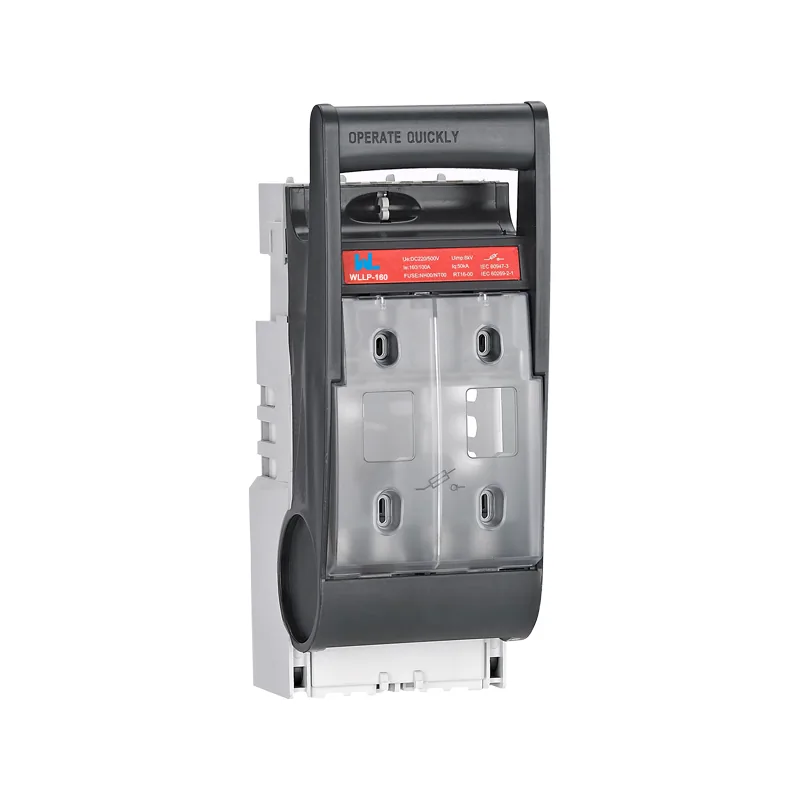
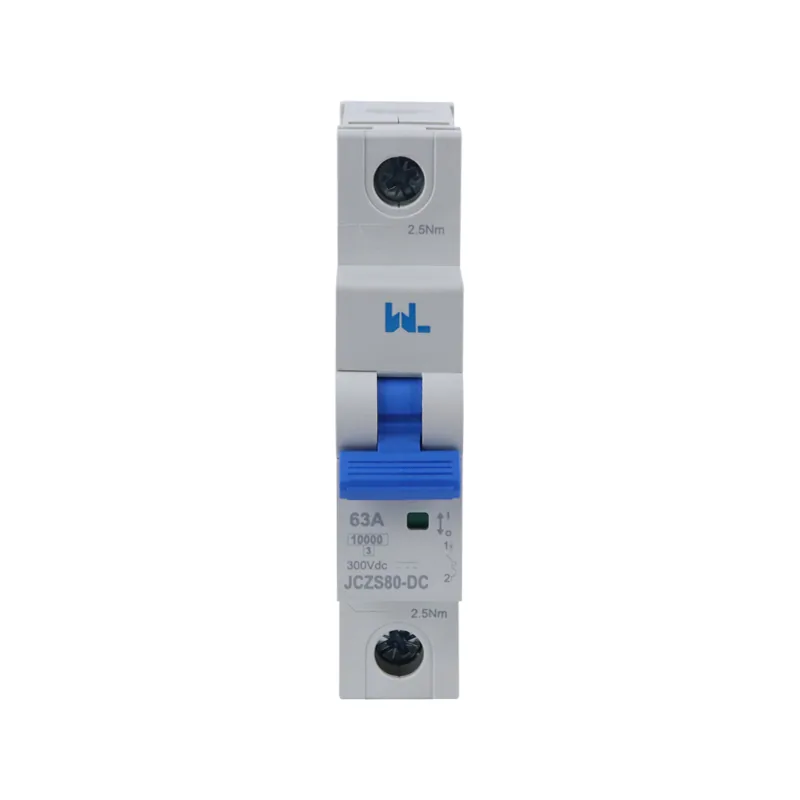
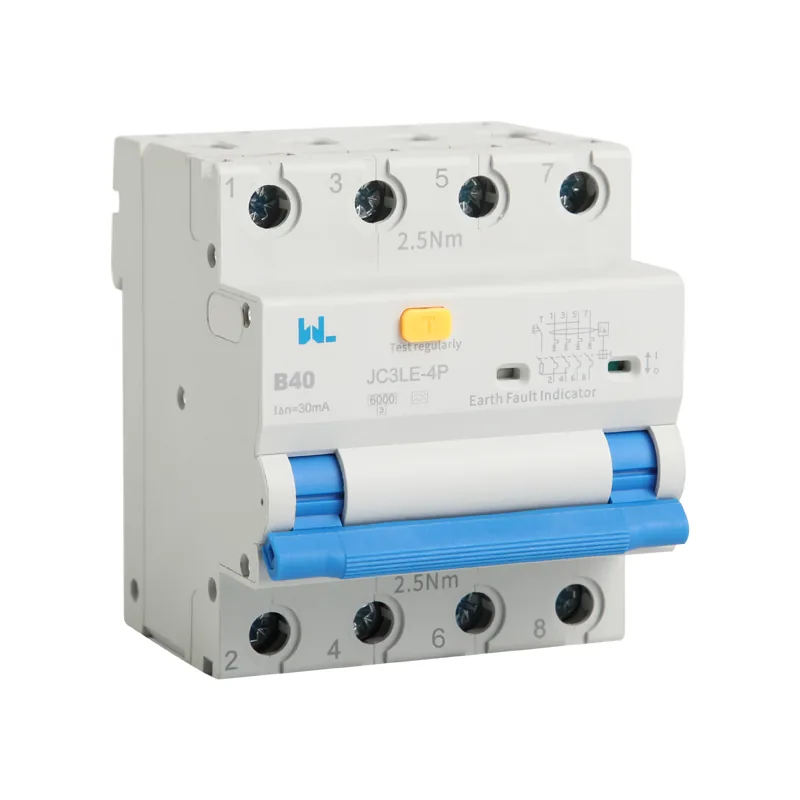
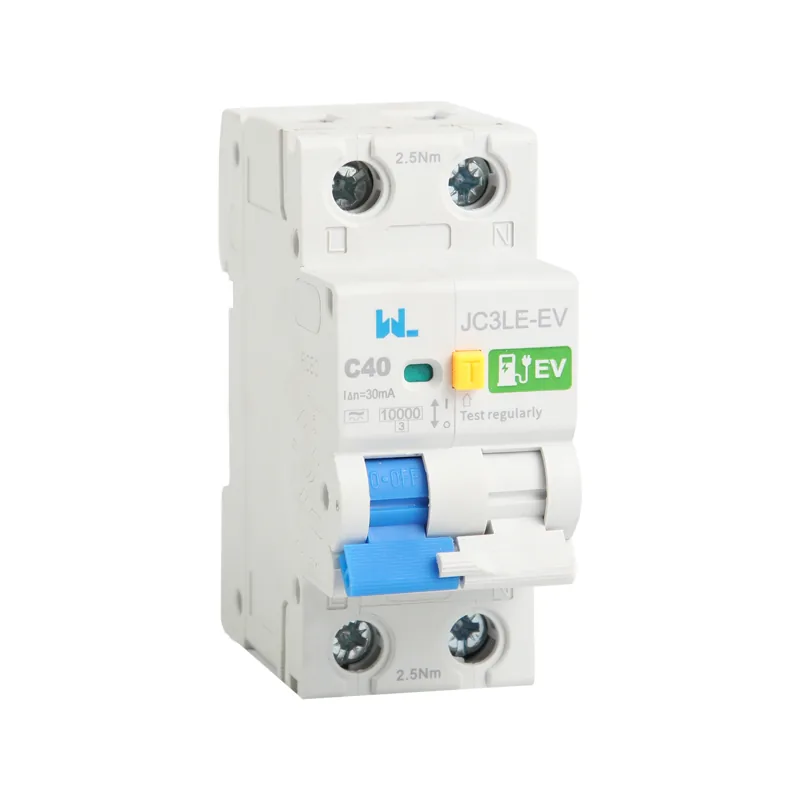
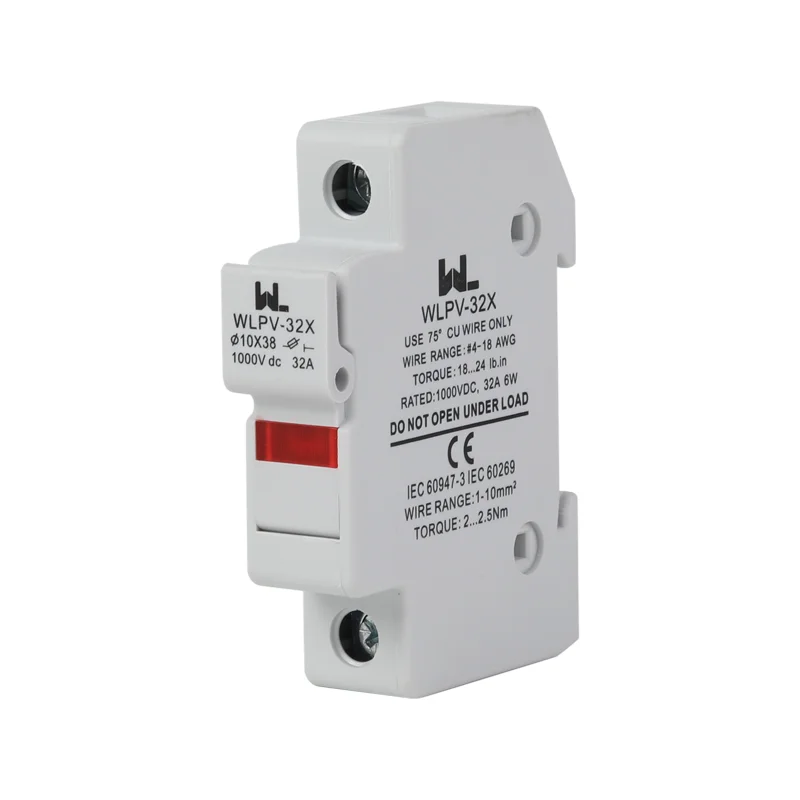
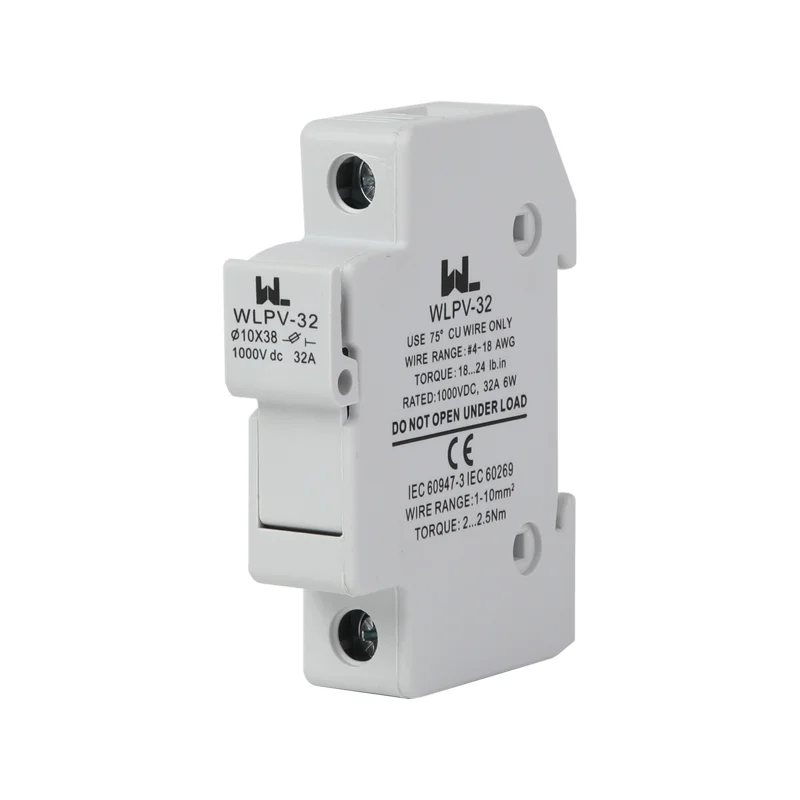
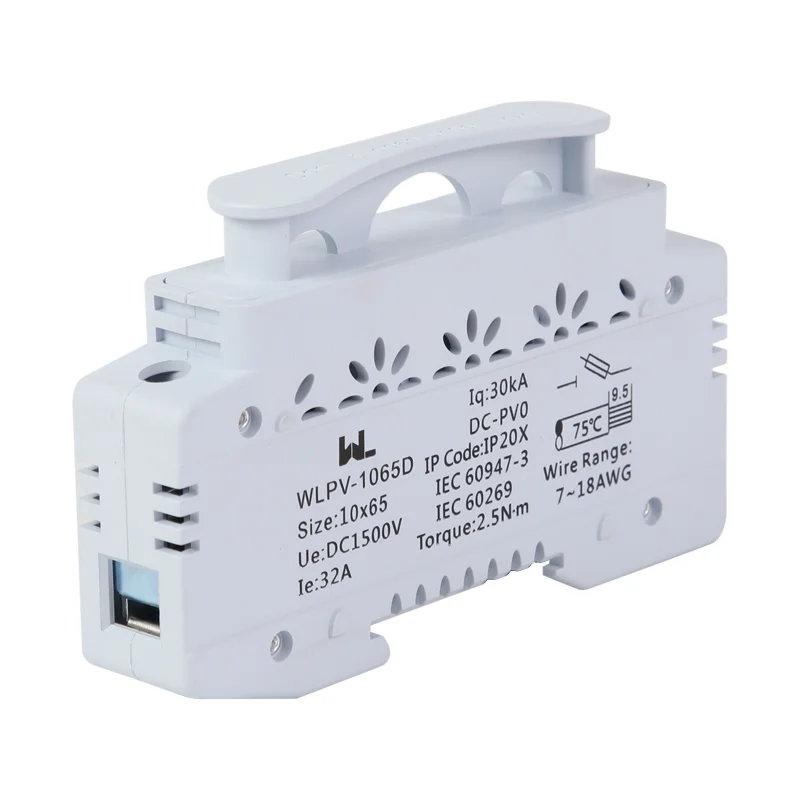
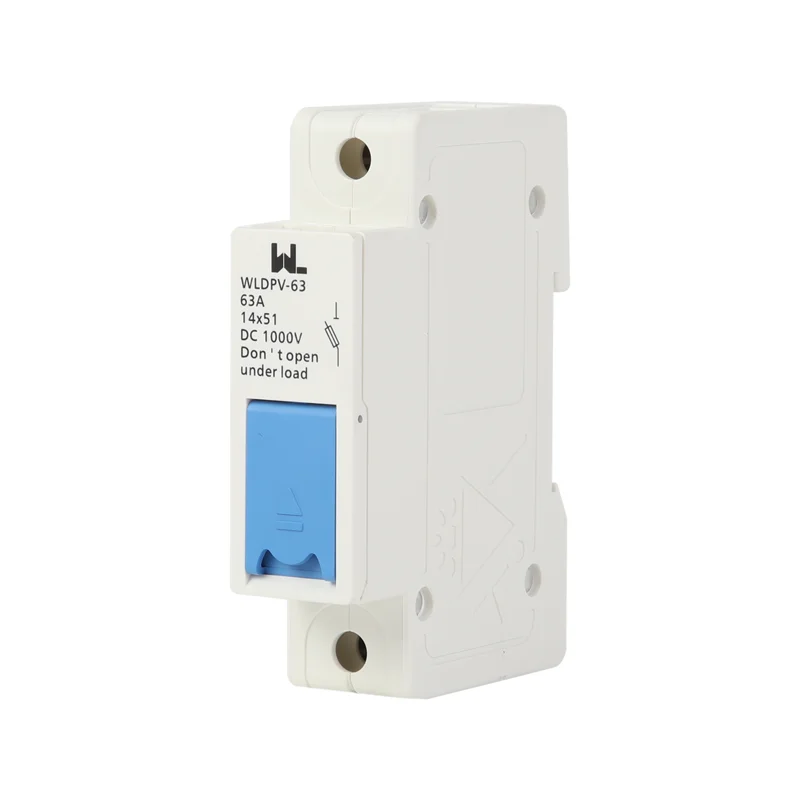


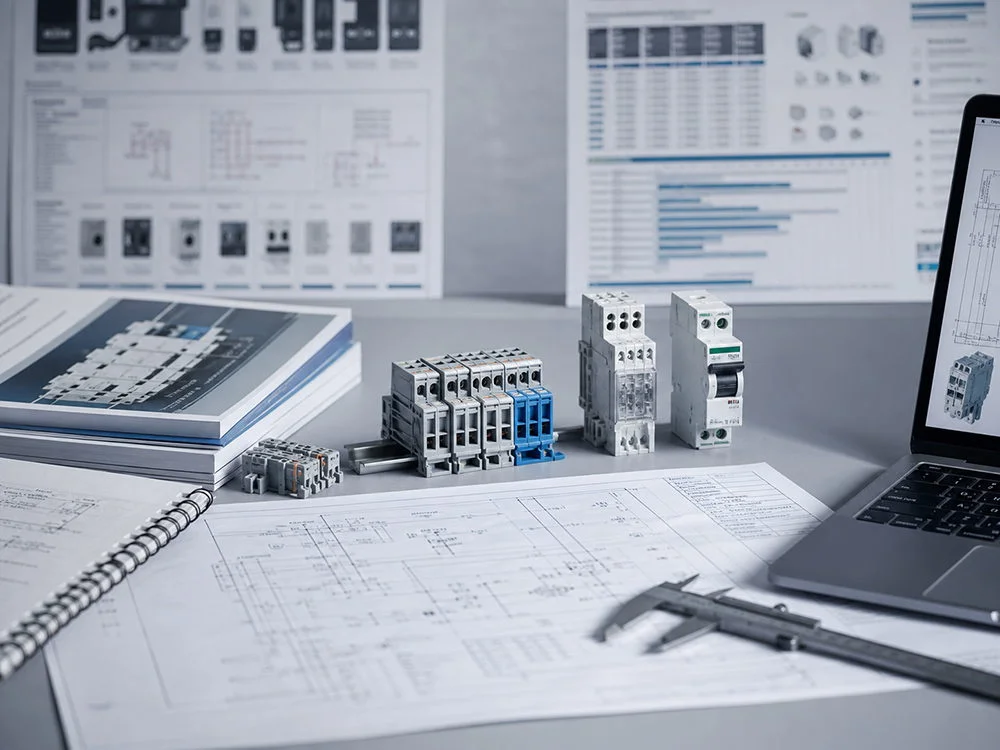


MCCB 차단기의 기본 원리 이해: 종합 가이드
In today’s world of electrical stuff, you really can’t underestimate how important reliable protection systems are. MCCB breakers—those molded case circuit breakers—are pretty much the backbone when it comes to protecting electrical circuits from overloads and short circuits. They definitely keep things safe and running smoothly. If you’ve been keeping an eye on the latest industry chatter, you’ll see the MCCB market is on the rise, driven by more and more sectors prioritizing safety, like construction and manufacturing. Here at W9 Group Technology Electronic Co., Ltd., we’ve been around for over 20 years, and we’re right there at the forefront of this growth. We focus on making top-notch MCCB products, always pushing for better quality and innovative designs. Our team genuinely cares about research and development, and it shows in what we create. So, as we go over the basics of MCCB breakers, think of this as your friendly guide—designed to help you understand how they work, how to choose the right ones, and why they’re such a big deal across different applications.

Buyer decision: A molded-case circuit breaker should be selected from the circuit duty, not from the frame name or nominal ampere value alone. Confirm operating voltage, load current, prospective short-circuit current, voltage-specific breaking capacity, trip-unit behavior, conductor protection and coordination for the exact model. IEC 60947-2:2024 is the product-standard reference; the installation design still has to follow the adopted installation rules. A nominal ampere value alone does not prove that an MCCB is suitable for the circuit.
MCCB Types and Applications
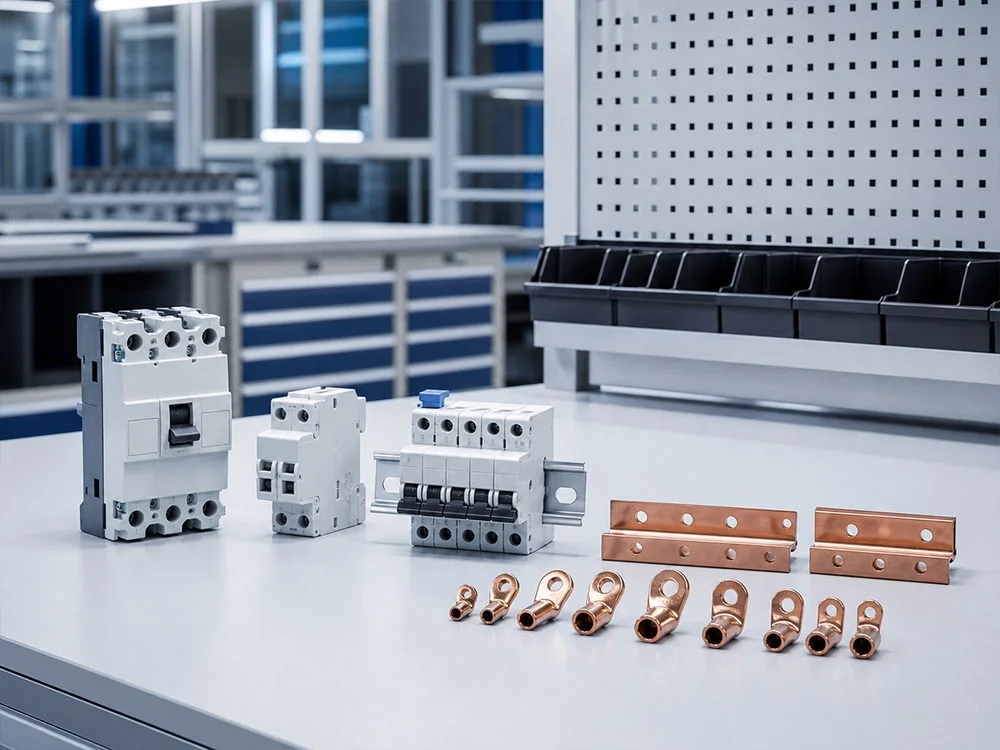
Molded Case Circuit Breakers, or MCCBs for short, are pretty much the backbone when it comes to protecting your electrical circuits and equipment from overloads or short circuits. If you’re diving into the world of MCCBs, it’s super important to understand the different types and classifications out there so you can pick the right one for your specific needs. Basically, these breakers are categorized mainly based on their size, how much current they can interrupt, and their overall current ratings. You’ll mostly find MCCBs split into three main types: standard, earth leakage, and those packed with extra features. Each one has its own particular use, aimed at meeting different operational demands.
As for where you might use them, the options are pretty wide. Standard MCCBs are often found in commercial or industrial setups where they handle general circuit protection. Earth leakage MCCBs are a real safety-focused option — they help prevent electrical shocks by catching ground faults early on. Then there are the advanced feature MCCBs, which come with perks like programmable trip settings and even communication ports. These are great if you’re dealing with more complex industrial processes. Knowing the differences really helps engineers and tech folks make smarter choices, which in turn keeps electrical systems safer and more reliable overall.
 MCCB breakers, or Molded Case Circuit Breakers, are pretty essential when it comes to both industrial and commercial electrical setups. Basically, their main job is to protect your circuits from overloads and short circuits — keeping everything safe 그리고 running smoothly. Unlike regular fuses, MCCBs can be reset after they trip, which is a huge time-saver and way more practical if you need things to keep going without too much fuss. Plus, these breakers often have adjustable trip settings, so you can tweak them to fit the specific needs of your environment. That level of customization really makes a difference.
MCCB and RCCB Protection Selection
In today’s rapidly evolving electrical landscape, ensuring safety and efficiency is paramount. Recent reports on MCCB (Molded Case Circuit Breaker) and RCCB (Residual Current Circuit Breaker) solutions highlight critical advancements in technology that significantly enhance protection against electrical faults. These systems not only help in preventing electrical shocks but also minimize the risk of fire hazards, making them essential components in any modern electrical installation.
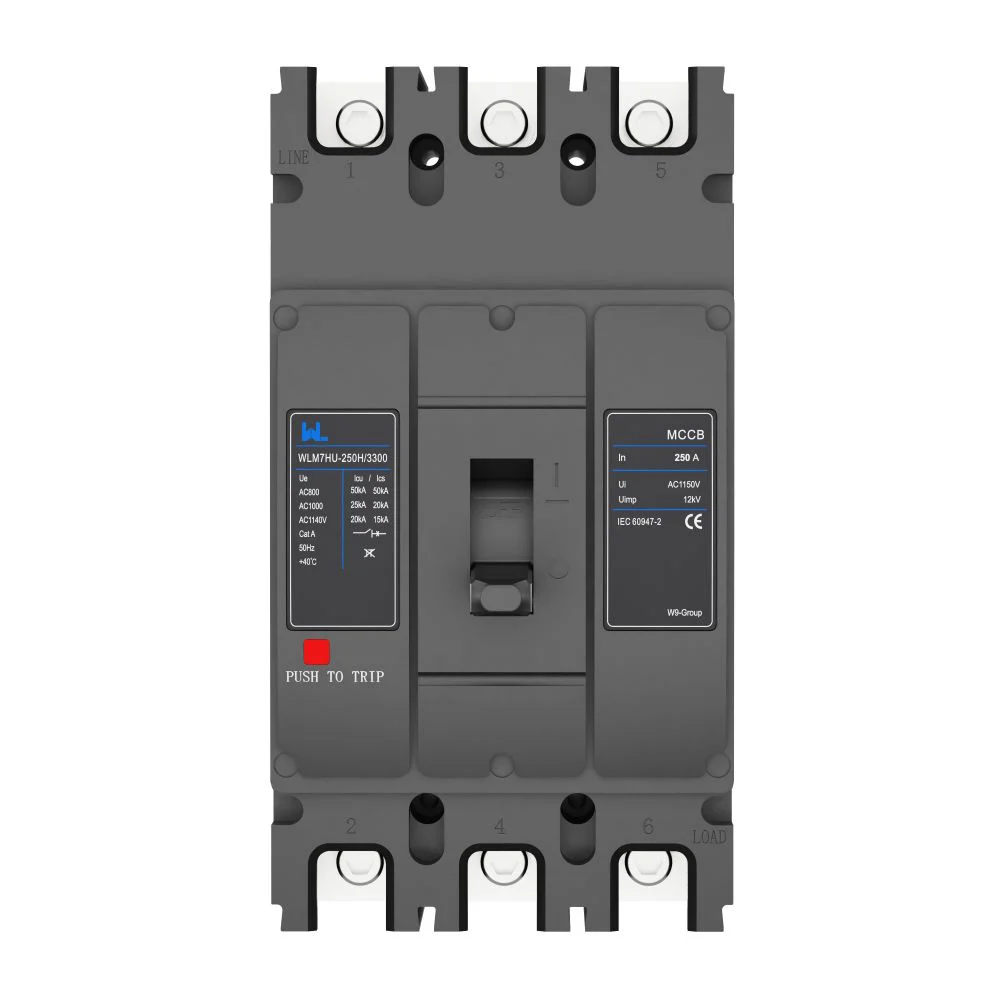
When considering MCCB and RCCB solutions, one must pay attention to key specifications that influence their performance. For instance, products with a rated current of 250A, available in both 3P (three poles) and 4P (four poles) configurations, are ideal for a wide range of industrial and commercial applications. With a rated working voltage of 380V/415V, these circuit breakers provide reliable operation even in demanding environments. Such features ensure that electrical systems remain secure while optimizing operational efficiency, ultimately contributing to a safer working experience.
Investing in advanced MCCB and RCCB technologies not only fulfills safety regulations but also aligns with best practices for energy management. By selecting the right solutions, businesses can protect their assets and personnel, reduce downtime caused by electrical failures, and foster a culture of safety and efficiency in their operations.

Evidence to retain: Retain the exact manufacturer part number, rated voltage and current, Icu/Ics or other applicable breaking-capacity table, trip-unit type, time-current curves, ambient and enclosure limits, coordination evidence, installation instructions and commissioning record. A generic quotation such as “MCCB, 250 A” is not an auditable selection.
FAQS
What are MCCBs and their primary function?
MCCBs, or Molded Case Circuit Breakers, are essential components in electrical systems that protect circuits from overloads and short circuits, ensuring safety and reliability.
How do MCCBs differ from standard fuses?
Unlike standard fuses, MCCBs can be reset after tripping, making them more efficient for ongoing operations.
What advantages do adjustable trip settings offer in MCCBs?
Adjustable trip settings provide customized protection, allowing MCCBs to cater to the unique electrical demands of different environments.
Why are MCCBs important in industrial settings?
MCCBs safeguard sensitive equipment from voltage surges and fault conditions, helping to maintain operational efficiency and prevent costly downtime.
What innovations are shaping the future of MCCB technology?
Recent innovations in MCCB technology include digital trip units, enhanced thermal performance, and IoT connectivity, which improve operational efficiency and provide data analytics capabilities.
How does W9 Group Technology Electronic Co., Ltd. contribute to MCCB advancements?
W9 Group emphasizes quality and innovation in MCCB manufacturing, integrating advanced technologies to meet the diverse needs of clients across different sectors.
What is the projected growth of the global MCCB market?
The global MCCB market is expected to reach $12 billion by 2027, driven by increasing demand for reliable electrical systems and safety standards.
What focus do MCCB manufacturers have regarding safety and reliability?
Manufacturers are integrating advanced materials that enhance durability and performance, securing electrical systems against overloads and short circuits.
What role do MCCBs play in commercial applications?
In commercial settings, MCCBs enhance power distribution control, allowing for safe management of electrical resources while ensuring compliance with electrical standards.
How do advancements in MCCB technology aid in maintenance?
Modern MCCBs provide valuable data analytics capabilities which facilitate real-time monitoring and proactive maintenance of electrical systems.
Conclusion
MCCB breakers, also known as Molded Case Circuit Breakers, are pretty essential when it comes to keeping electrical systems safe—especially in industrial and commercial setups. In this guide, I’m going to walk you through the different types and categories of MCCB breakers, pointing out where they’re best used and what features make them reliable and safe. Getting a good grasp of how their ratings work, like the current and voltage specs, is super important to make sure you’re using them right and staying compliant in all sorts of environments.
Here at W9 Group Technology Electronic Co., Ltd., we’ve been in the game for over 20 years, leading the way with top-notch MCCB breakers. Our team really focuses on research and innovation, staying on top of the latest trends, so we can bring you solutions that genuinely protect both people and equipment from electrical hazards. We believe that quality and safety should always go hand in hand, and we’re committed to delivering products that keep you safe and power everything smoothly.
Related Posts
-

2025년 글로벌 시장 동향 및 MCCB 몰드 케이스 차단기 비교 가이드
-

Top Applications and Benefits of MCCB Moulded Case Circuit Breakers in Global Industries
-

Unveiling the Future of Electronic MCCB at the Record Breaking Canton Fair 2025
-

Top Strategies for Choosing the Best Electric MCCB for Your Business
-

2025 Tech Trends: How the Best MCCB 1600A Innovations are Shaping the Future of Electrical Safety
-

Understanding the Importance of Best MCCB Circuit Breakers in Modern Electrical Systems