







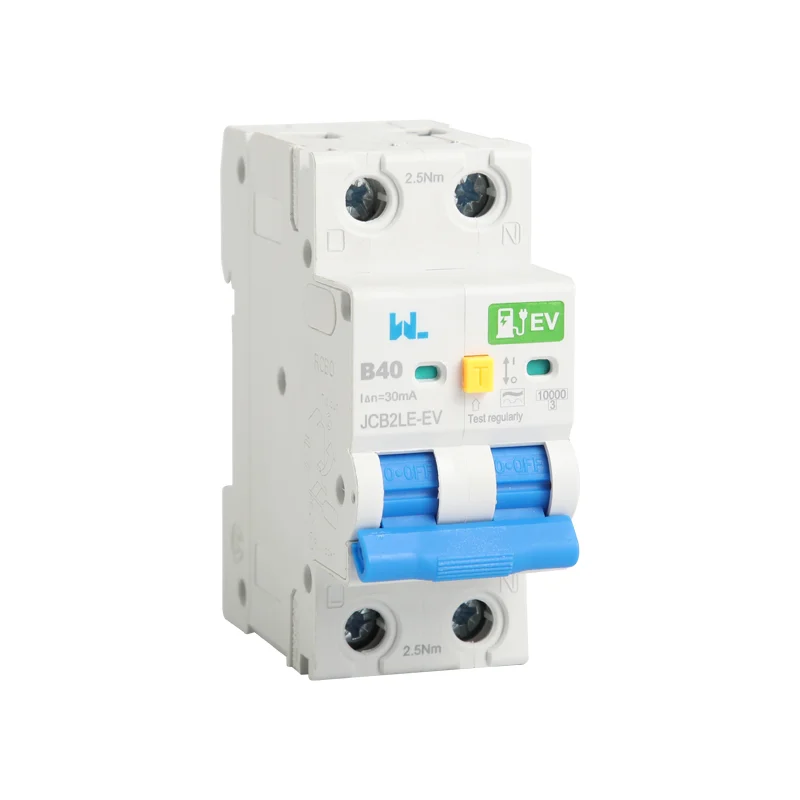
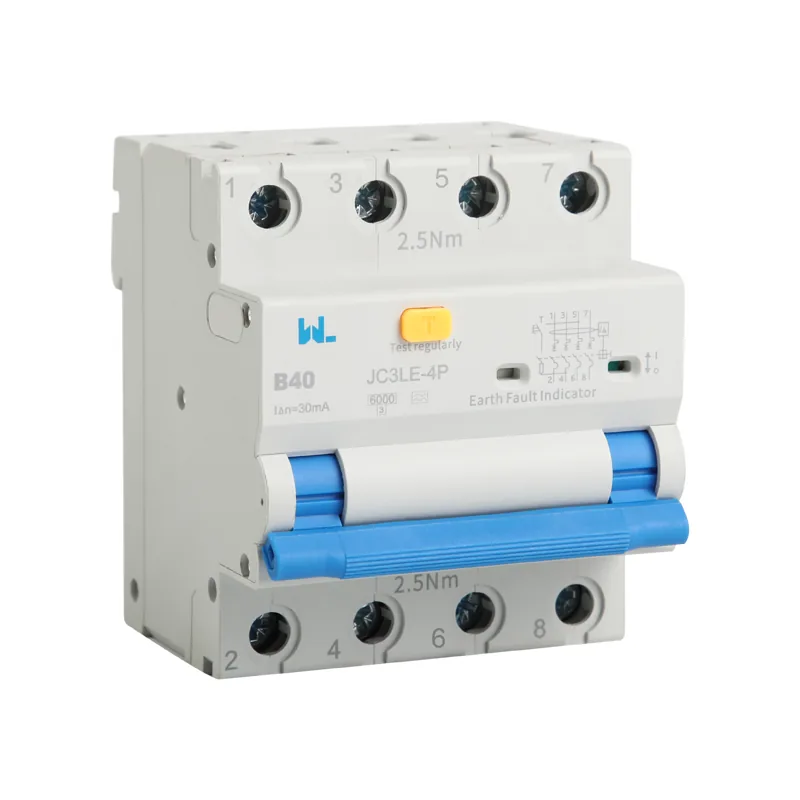
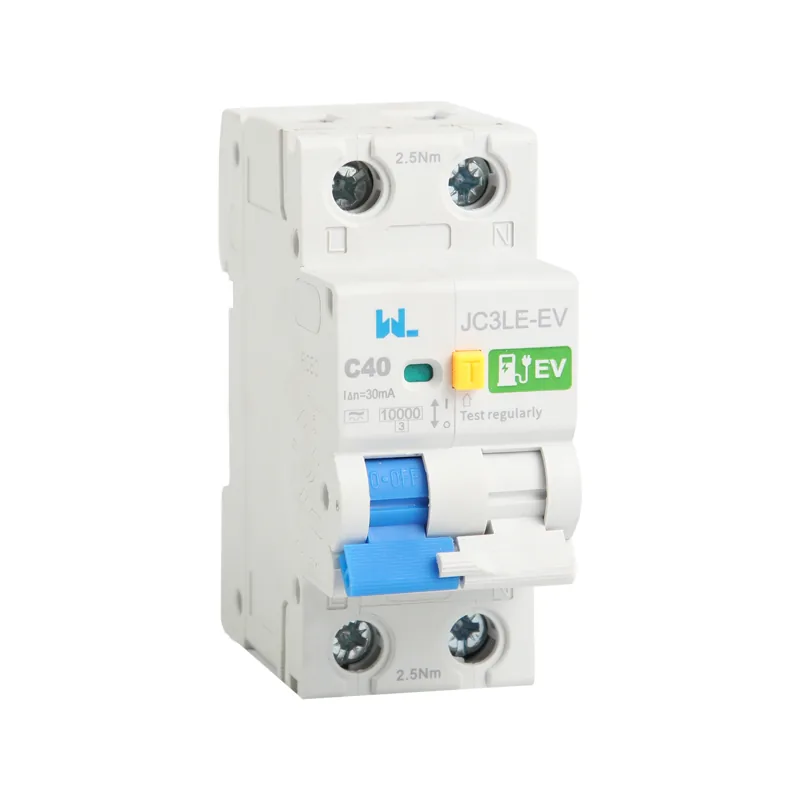
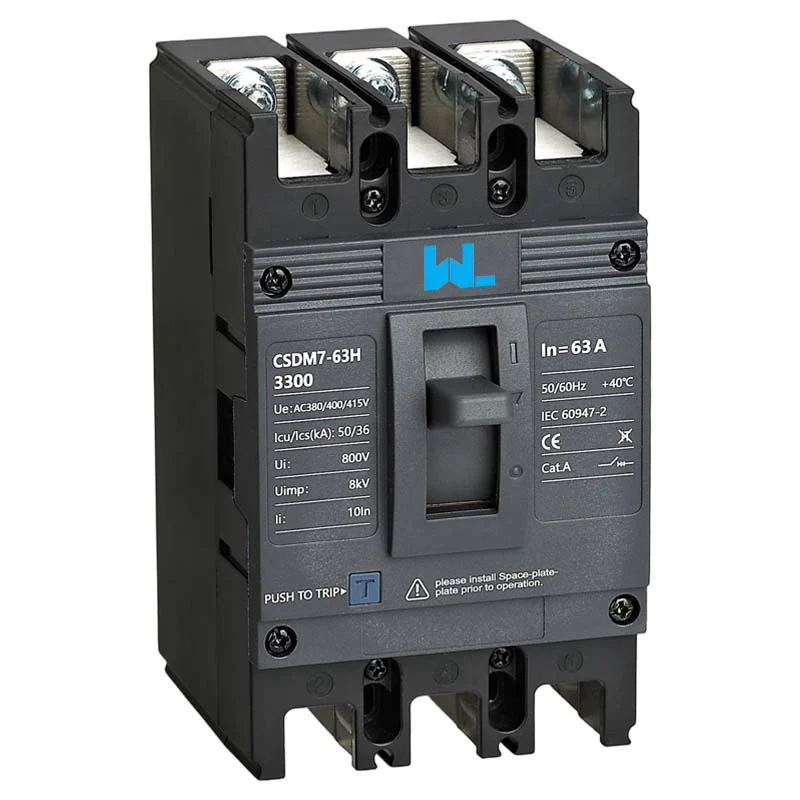
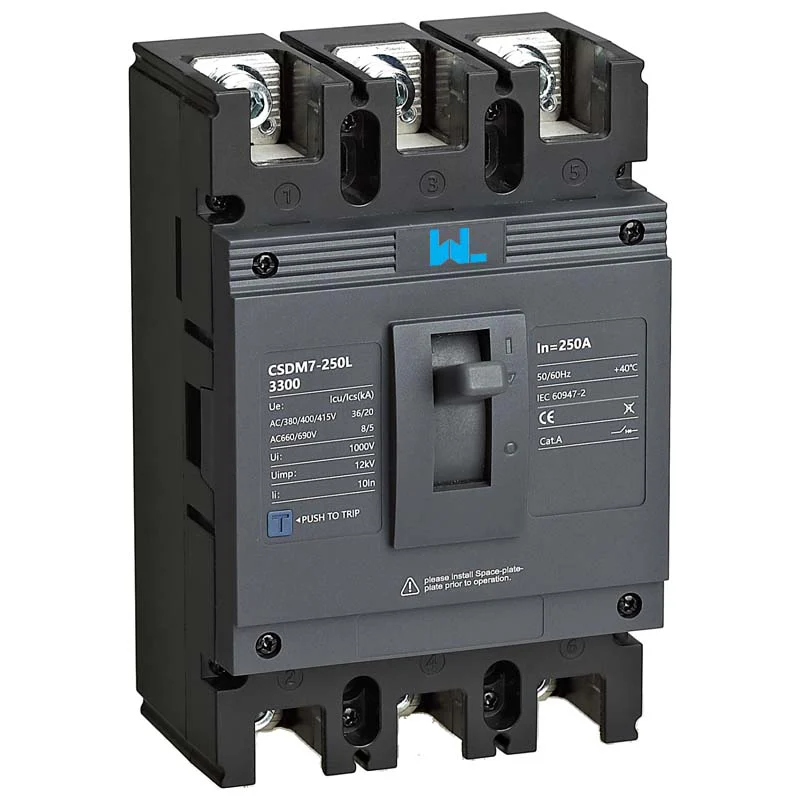
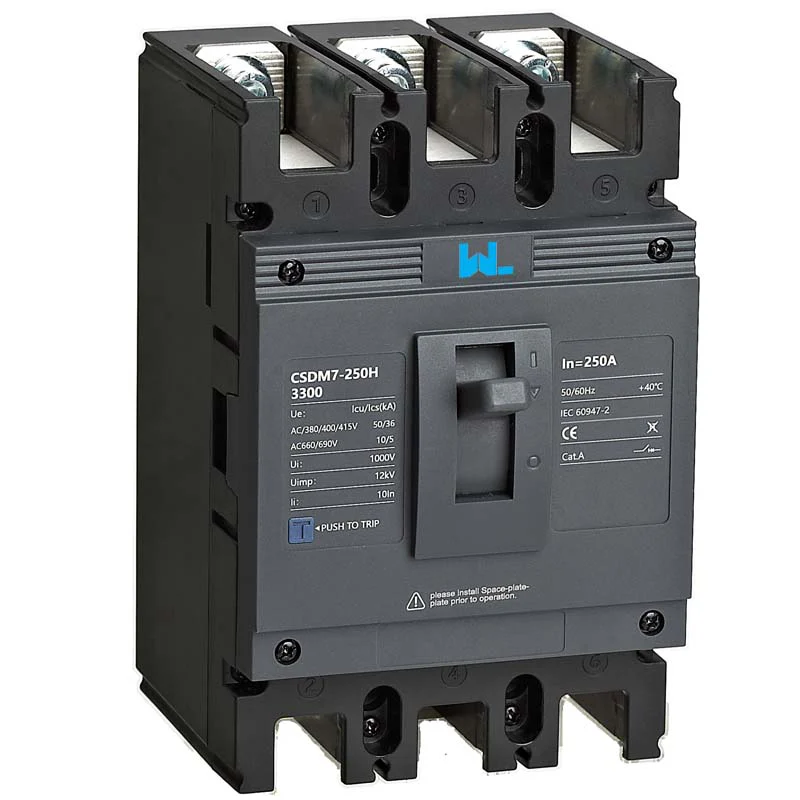
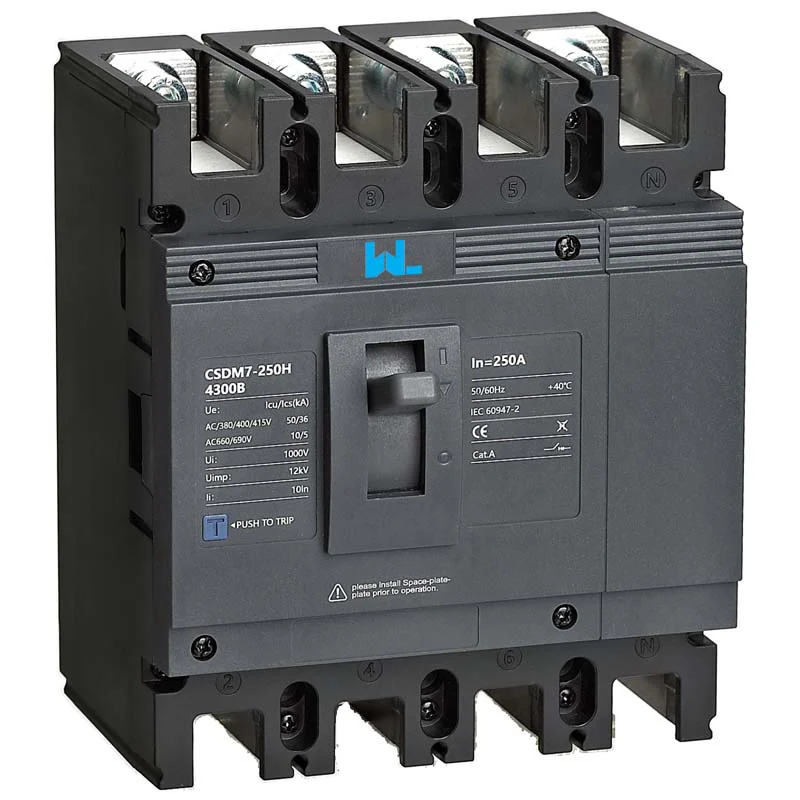
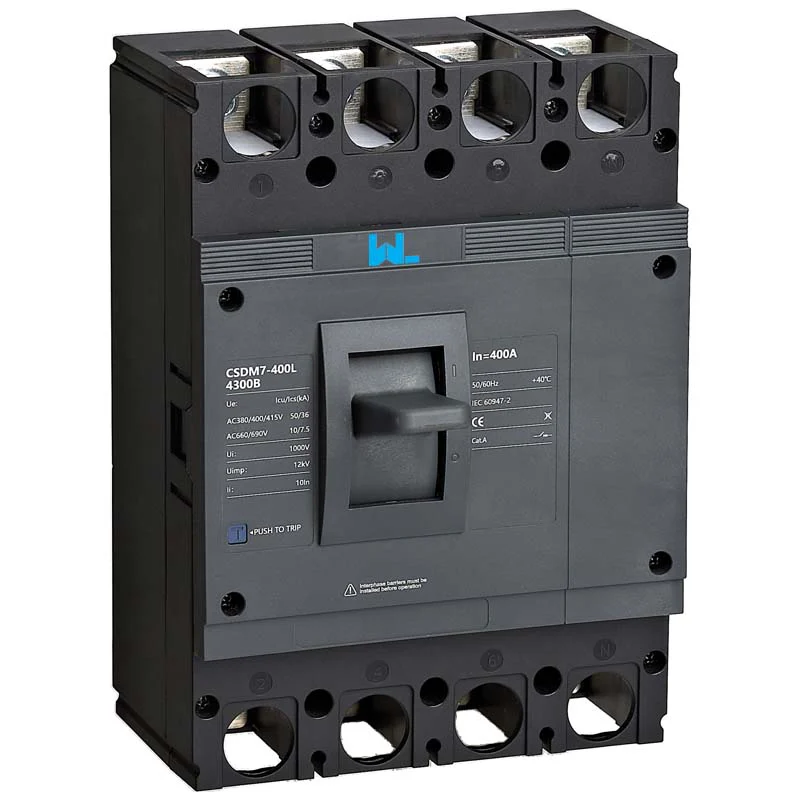
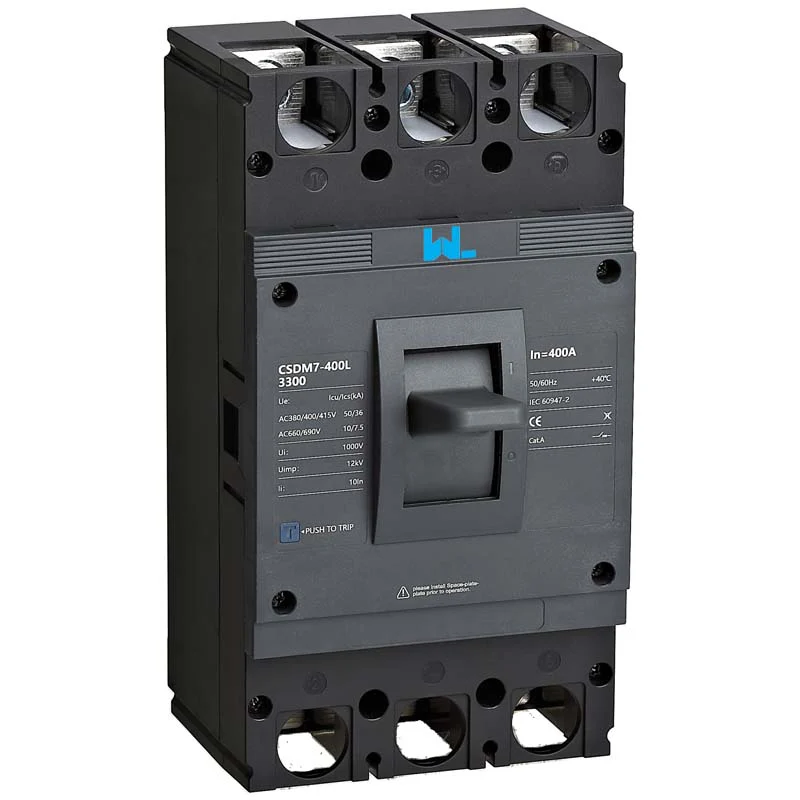





















PV MCB: 당신의 태양광 시스템을 위한 믿을 수 있는 보호
사례로 제시된 시나리오이며, 실제 고객 사례를 기록한 것은 아닙니다. 발렌시아의 시운전 엔지니어인 엘레나 파크가 새로운 옥상 태양광 어레이를 연결했을 때, 집전함의 보호장치가 몇 초 만에 트립했습니다. 그녀의 팀은 케이블 체결력, 절연 상태, 인버터 펌웨어 등을 점검했으나 모두 정상이었습니다. 한낮의 밝은 시간대에 출력이 급격히 상승하는 동안 발생한 이 불필요한 트립의 원인은 설계 단계에서의 선택 오류였습니다. AC용 차단기를 극성, 전압 여유도, 열적 용량 저하율 등을 확인하지 않은 채 DC 스트링에 설치했기 때문이었습니다. 이를 적절히 규격화된 PV용 MCB로 교체하고 격리를 명확히 문서화함으로써 시스템은 안정적으로 작동하게 되었으며, 태양광 발전 시스템에 대한 예측 가능한 보호 기능이 회복되었습니다.
요약: PV MCB는 DC 차단 용량, 극 배열, 전압, 전류 및 환경이 어레이와 일치할 때에만 신뢰성이 보장됩니다. PV 어레이 설계에는 IEC 62548를 사용하고, IEC 61643-31 서지 보호 장치와의 조정을 수행하며, 상위 장치와의 선택성을 검증하십시오. UL 1077 보조 보호 장치를 UL 489 분기 회로 차단기로 취급하지 마십시오. 최악의 경우 개방회로 전압으로부터 시작하여 단락 전류, 설치용 강하 계수를 적용한 다음, 안전한 절연 상태와 유지보수 접근성을 확인하십시오.
PV MCB가 태양광 어레이에서 어떤 위치에 설치되는가
광전지 스트링은 전력회사로부터 공급받는 교류 회로와는 다르게 동작합니다. 전류는 일사량에 의해 제한되지만, 고장 시에는 여러 개의 병렬 스트링과 DC 링크 내의 커패시턴스로부터 전류가 공급될 수 있습니다. 보호 장치는 아크가 자연적으로 영점 통과를 하지 않는 직류를 차단해야 합니다. 따라서 스트링 및 결합기 위치에서는 상호 교환 가능한 AC MCB가 아닌 DC 정격 차단기가 규정되어야 하며, 이는 신뢰할 수 있는 태양광 발전 시스템 보호를 위해 필수적입니다.
스트링 레벨에서는 차단기가 역전류 유입으로부터 도체를 보호하고 가시적인 절연을 제공합니다. 결합기에서는 출력 케이블의 단자를 그룹화하여 기술자가 인버터로 연결되는 주배선에 접근하기 전에 명확한 작업 구역을 설정할 수 있도록 합니다. 인버터 입력부는 설계 전류와 고장 전류 수준에 따라 더 높은 정격의 프레임형 또는 몰드 케이스형 차단기가 필요할 수 있습니다. 저희는 태양광 분배선용 MCCB 가이드 피더 보호가 스트링 장치 및 태양광 시스템 보호와 어떻게 관련되는지 설명합니다.
Keep protection zones explicit: array wiring, combiner bus, inverter input and any battery circuit can have different fault energy and isolation requirements. One device cannot substitute for a coordinated scheme.
Fault modes that change the specification
DC arc and polarity
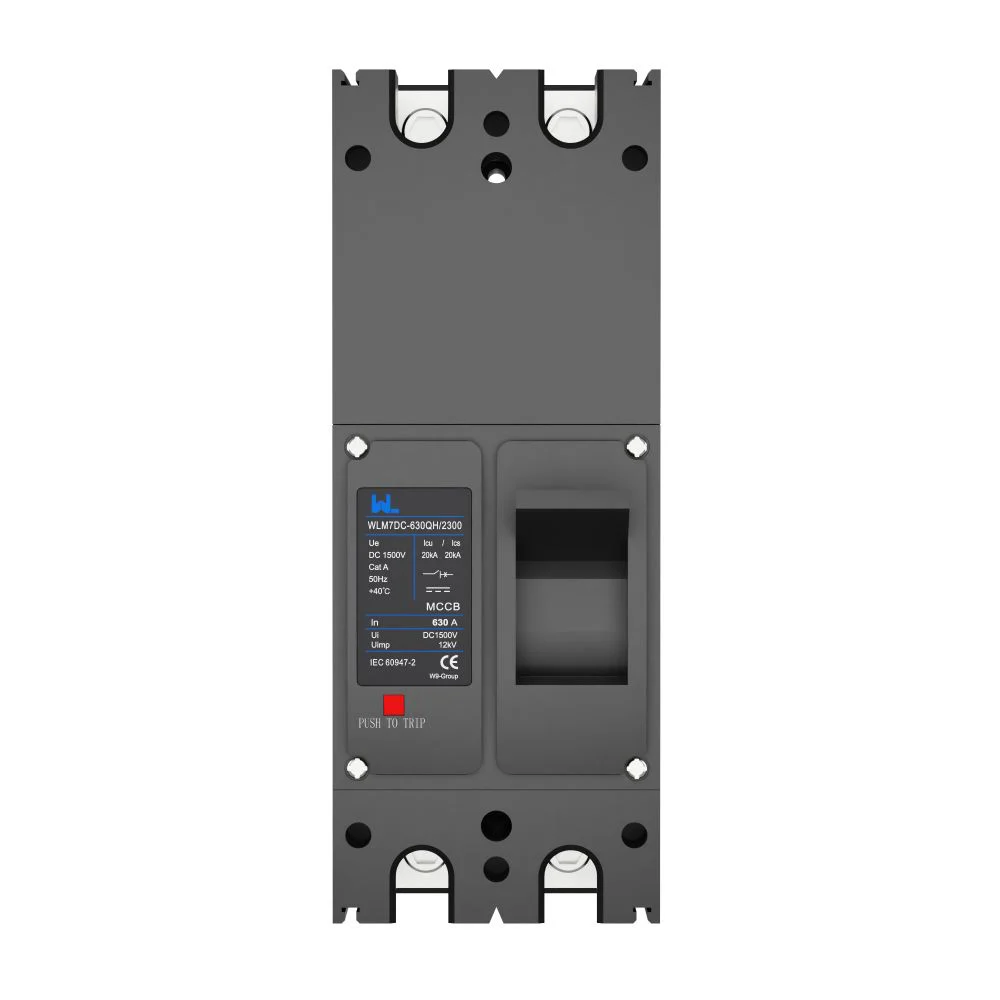
Opening a DC circuit creates an arc that can persist if the device’s chamber and contacts are not designed for the applied voltage. A photovoltaic MCB therefore needs a documented DC rating for the number of poles in series and the intended polarity. This is the foundation of DC circuit protection. Follow the manufacturer’s line/load markings and wiring diagram; reversing polarity or splitting poles contrary to the instructions can defeat the arc path.
Arc control does not remove installation discipline. Use correctly crimped connectors, maintain creepage and clearance, and inspect insulation after routing. If a device trips repeatedly, investigate connector heating, ground faults and string imbalance before increasing its nominal current.
PV Breaker Electrical Ratings
Calculate maximum open-circuit voltage at the lowest expected cell temperature, including series-string tolerance. Compare it with the device’s rated DC voltage and the inverter’s maximum input voltage. For current, begin with module short-circuit current and parallel-string count, then apply the project code’s design factor and the device’s thermal curve.
Illustrative calculation only: four parallel strings each have an Isc of 11 A. A designer applying a 1.25 design factor obtains 4 × 11 × 1.25 = 55 A before cable grouping, enclosure temperature and altitude corrections. The selected device must protect the conductor at the corrected value while avoiding unnecessary operation during normal irradiance changes. The actual factor and correction method come from the governing code and the equipment data sheet; document it as part of DC circuit protection.
Coordinated PV Circuit Protection
Selectivity and backup protection
Selective coordination means the device nearest the fault opens first, preserving the array. Compare 시간-전류 곡선 for string breakers, combiner feeders and inverter protection; do not infer selectivity from ampere labels alone. Where prospective current exceeds standalone capability, follow the manufacturer’s tested backup combination.
A PV MCB can provide overcurrent protection, but it is not automatically a load-break switch for every maintenance task. Confirm rated operational voltage, utilization category and pole count, and install a separate, clearly labelled DC isolator when the local code or inverter instructions require one. The DC MCCB 기본 가이드 gives a useful comparison for higher-current feeders.
SPD coordination
Surge protective devices (SPDs) limit transient overvoltage; they do not replace a breaker’s short-circuit function or complete solar system protection. IEC 61643-31 addresses SPDs connected to the DC side of photovoltaic installations. Coordinate the SPD’s backup protection, maximum continuous operating voltage and conductor length with the breaker and array earthing arrangement. Keep the leads short and route positive, negative and protective conductors to minimize loop area.
Maintenance and safe isolation
Labels should identify string numbers, polarity, source/load and every disconnect. A lockable handle, shrouded terminals and an accessible enclosure reduce exposure. Before work, isolate all energy sources and verify absence of voltage with an instrument rated for the circuit; modules can produce voltage in daylight even when the inverter is off.
PV Circuit Protection Options
| Device approach | Typical position | 힘 | Design caution | Total-cost view |
|---|---|---|---|---|
| Solar MCB | String or small combiner | Compact, resettable isolation and overcurrent function | Verify DC arc rating, pole series arrangement and derating | Lower change-out effort when coordination is documented |
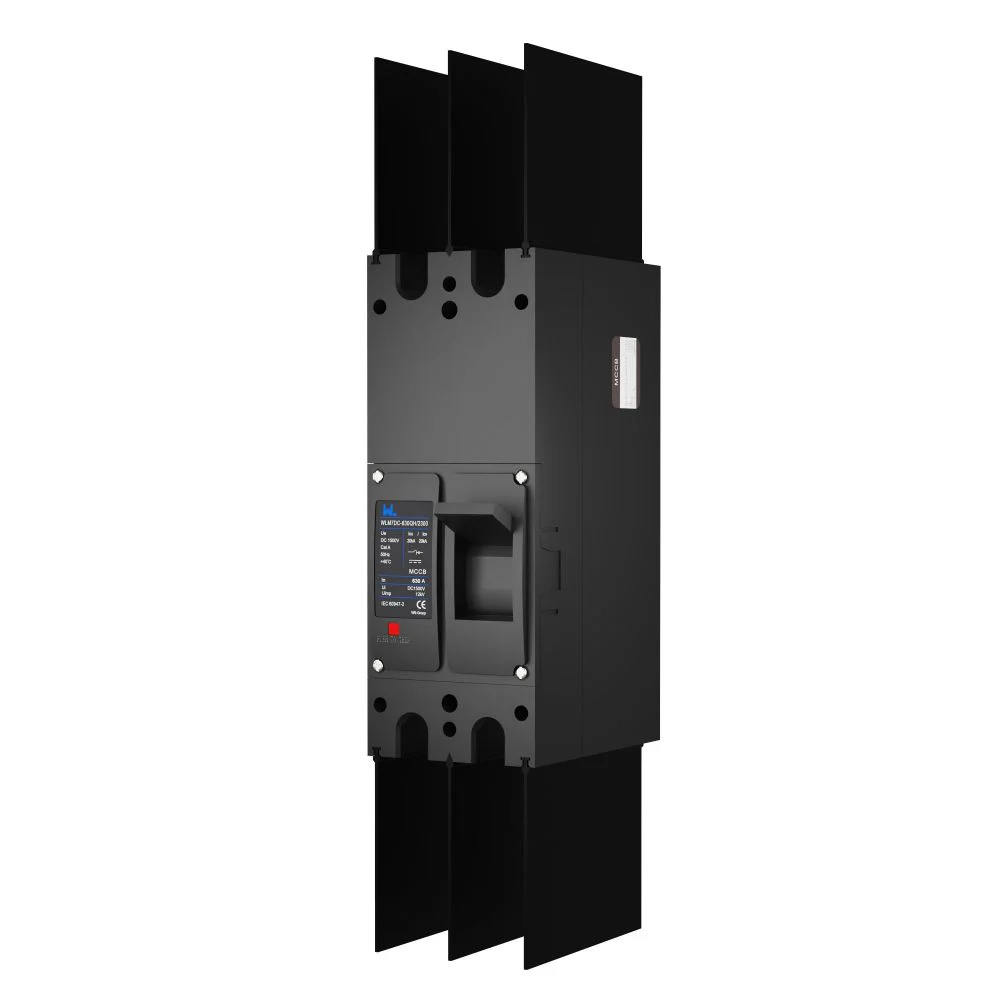
| DC MCCB | Main combiner or inverter feeder | Higher frame flexibility and adjustable trip options on suitable models | Check interrupting capability, heat dissipation and accessory compatibility | Higher installed cost can be justified by serviceability and feeder growth |
| String fuse with holder | High-density string combiner | Simple, current-limiting protection where specified | Requires spare fuses and correct touch-safe isolation practice | Low device cost; maintenance inventory and replacement labor matter |
| DC isolator | Inverter or array boundary | Dedicated load-break function for service work | Not a substitute for overcurrent protection unless the design says so | Adds a device, but can reduce outage and safety risk |
Application matrix for project teams
| 응용 | 답해야 할 질문들 | 보존할 증거 |
|---|---|---|
| PV string | Can parallel strings back-feed a fault? Is polarity unambiguous? | String schedule, cable ampacity, device curve and torque record |
| Combiner box | What is the combined current and enclosure temperature? | Thermal calculation, busbar layout, SPD coordination and labels |
| 인버터 DC 입력 | What is the maximum voltage, prospective fault current and isolation sequence? | Inverter manual, one-line diagram and commissioning test sheet |
| Service replacement | Can a technician prove de-energization in daylight? | Lockout procedure, test-instrument rating and inspection checklist |
Standards and market distinctions
Use the standard that matches the product and destination market, then retain the test evidence behind every claim:
- IEC 60898-2: household and similar-purpose circuit-breakers for DC applications; useful when a modular MCB is selected for the applicable duty.
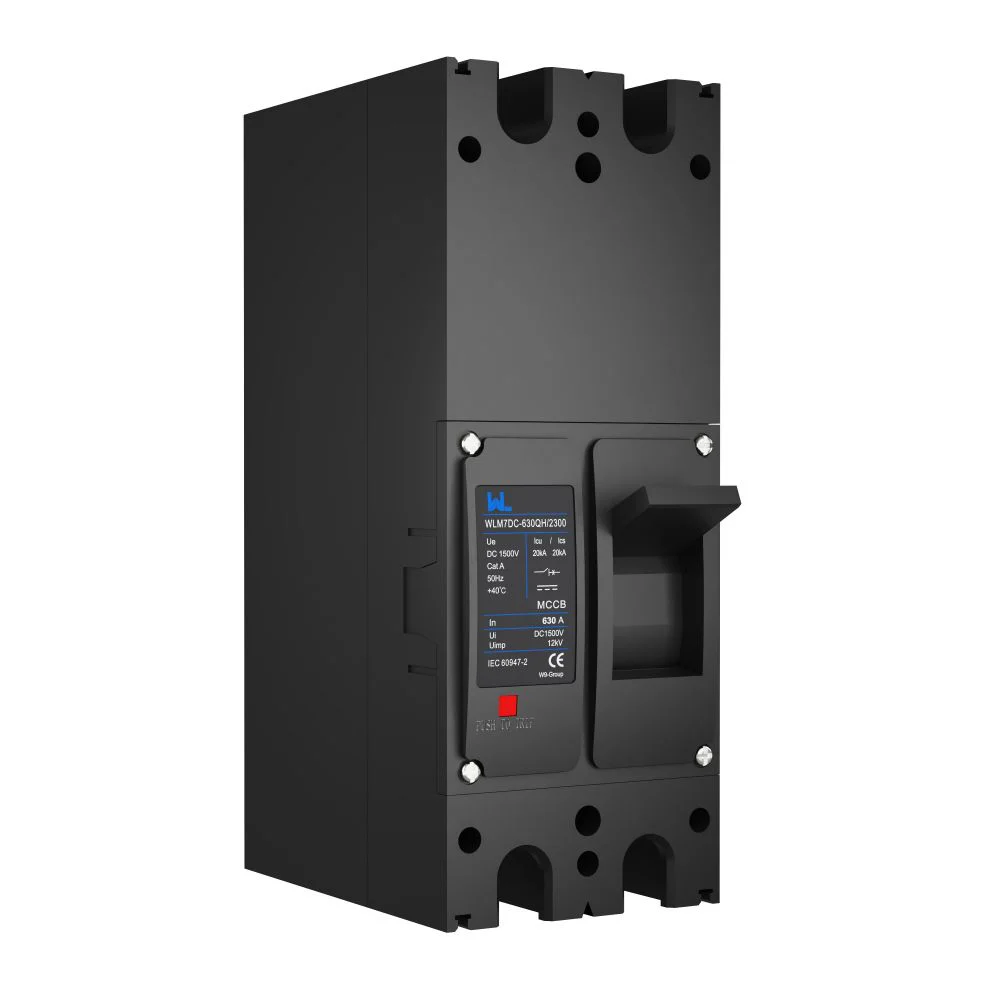
- IEC 60947-2: low-voltage circuit-breakers for industrial and distribution duties, including larger molded-case designs and defined trip characteristics.
- IEC 62548: photovoltaic array design and installation guidance, including wiring, protection and isolation principles.
- IEC 61643-31: performance and safety requirements for SPDs connected to the DC side of photovoltaic systems.
- UL 489 versus UL 1077: UL 489 covers circuit breakers used for branch-circuit protection; UL 1077 covers supplementary protectors intended to be backed by a primary protective device. They are not interchangeable claims.
These references are not a blanket certification for an entire installation. Applicability depends on voltage, enclosure, installation category, national code and the market in which the equipment is sold. Unsupported certification language can delay acceptance, trigger rework or create liability even when the hardware performs as expected.
PV breaker selection checklist
- Record the array’s maximum open-circuit voltage and corrected short-circuit current for the coldest and hottest design conditions.
- Match the device’s DC voltage, pole configuration, polarity, interrupting capability and utilization category to the one-line diagram.
- Apply enclosure temperature, grouping, altitude, conductor and terminal derating; retain the calculation with the submittal.
- Check time-current curves and tested backup combinations for selectivity with upstream and inverter protection.
- Coordinate the PV SPD, isolator, labels and lockout procedure so service staff can verify a de-energized circuit.
For configurable low-voltage protection, Zhejiang W9 Group Technology Co., Ltd. (founded in 2020) supports OEM/ODM discussions, documentation and testing coordination. Treat this as procurement evidence, not a substitute for engineering verification.
자주 묻는 질문
Can I use an AC MCB on a PV string?
No. An AC device may not control a sustained DC arc at the array voltage. Use a device with an appropriate DC rating, pole arrangement and tested installation method.
How many poles should a photovoltaic MCB have?
Choose poles according to the array topology, isolation requirement and manufacturer wiring diagram. Some designs switch both conductors; others place poles in series for the required DC voltage. The one-line diagram and local code decide the arrangement.
Does a solar MCB replace a DC isolator?
Not automatically. A breaker can interrupt 과부하 전류, while an isolator is selected for a defined load-break and maintenance duty. Confirm the inverter instructions and inspection authority requirements.
How do I coordinate an SPD with a photovoltaic MCB?
Follow IEC 61643-31 and the SPD manufacturer’s backup-protection table. Verify maximum continuous operating voltage, short-circuit withstand, conductor length and earthing before finalizing the photovoltaic MCB.
When is a DC MCCB preferable to a PV breaker?
A DC MCCB is often considered for higher-current combiner or inverter feeders where frame size, adjustable protection or accessories are needed. Confirm the actual fault level, heat dissipation and 협업 연구; do not select by current label alone.
참고문헌
- IEC 60947-2:2024 — 회로 차단기 제품 범위.
- IEC 60364-7-712:2025 — photovoltaic electrical installations.
- IEC 60947-3 consolidated edition — switches, disconnectors and switch-disconnectors.
Reliable solar system protection is a chain: correct calculations, a DC-rated PV MCB, coordinated surge and isolation, and a maintenance process technicians can repeat. For documentation or sourcing support, review the WLM7DC photovoltaic breaker page and contact W9 through the product range to discuss your requirements.
For a PV or DC selection, W9 그룹에 문의하기 with maximum voltage, operating and fault current, earthing and the intended pole connection.