



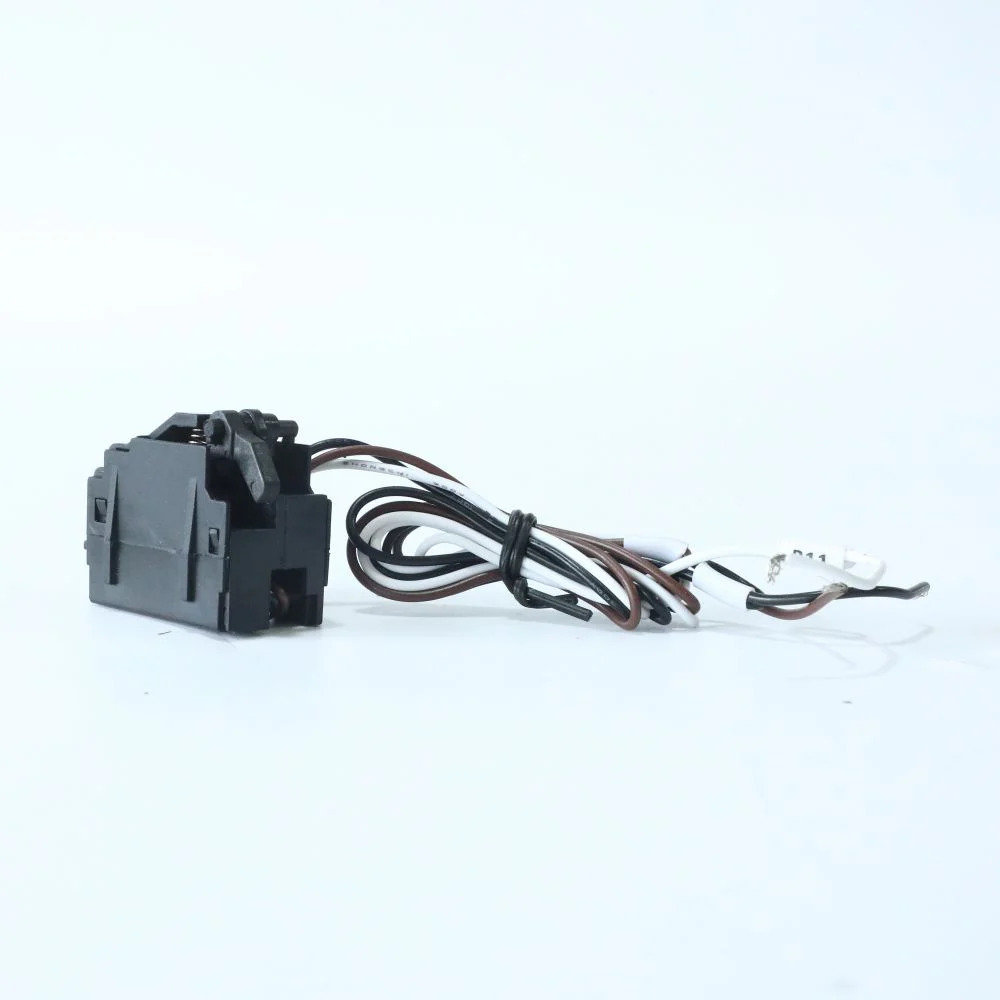





Enhance Your MCB with the JCMX1-125 MCB Accessory Shunt Tripper MX
Enhance Your MCB with the JCMX1-125 MCB Accessory Shunt Tripper MX
When Mei, a facilities engineer in Singapore, pressed the emergency-stop button during a panel test, the contactor released but the branch MCB stayed closed. The team had to open the cabinet, isolate the feeder manually and repeat the test. A closer review showed that the breaker itself was healthy; the panel simply had no accessory capable of receiving a remote trip command. The corrective action was to specify a compatible shunt release, provide the correct control circuit and verify the trip sequence before handover.
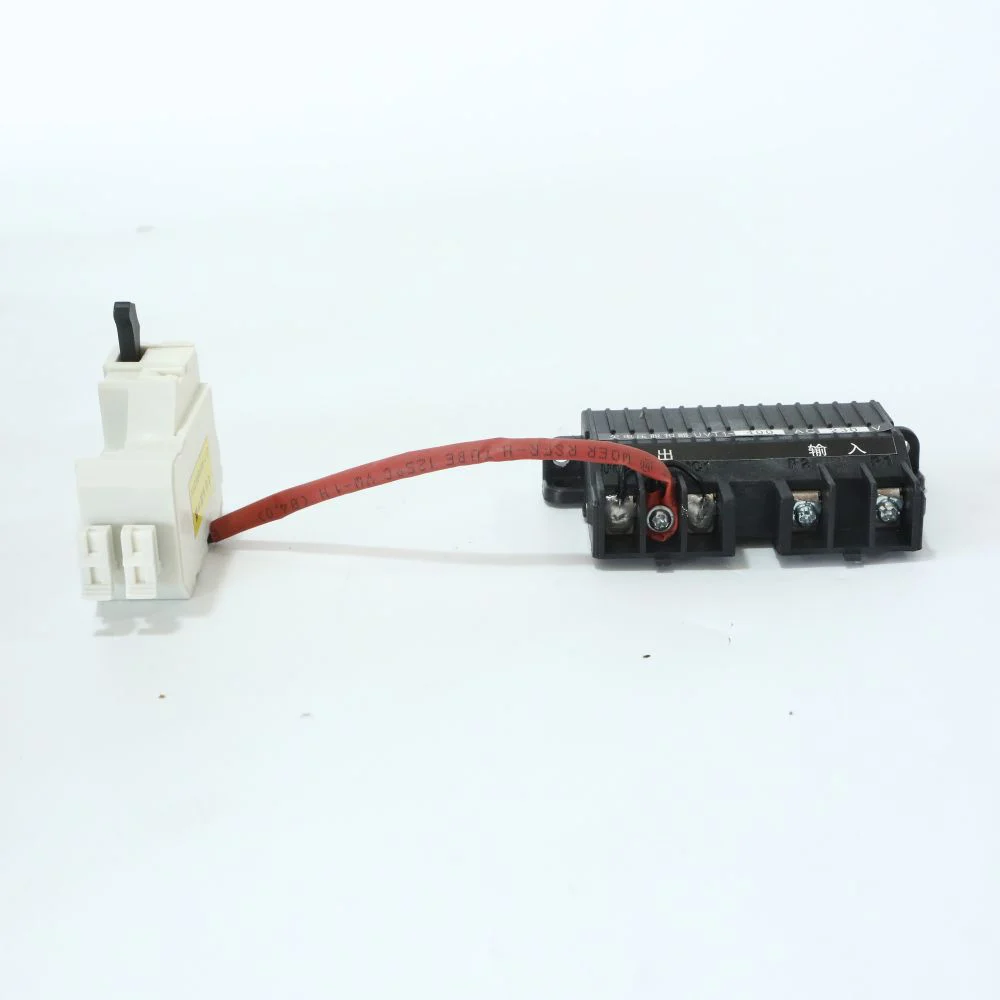
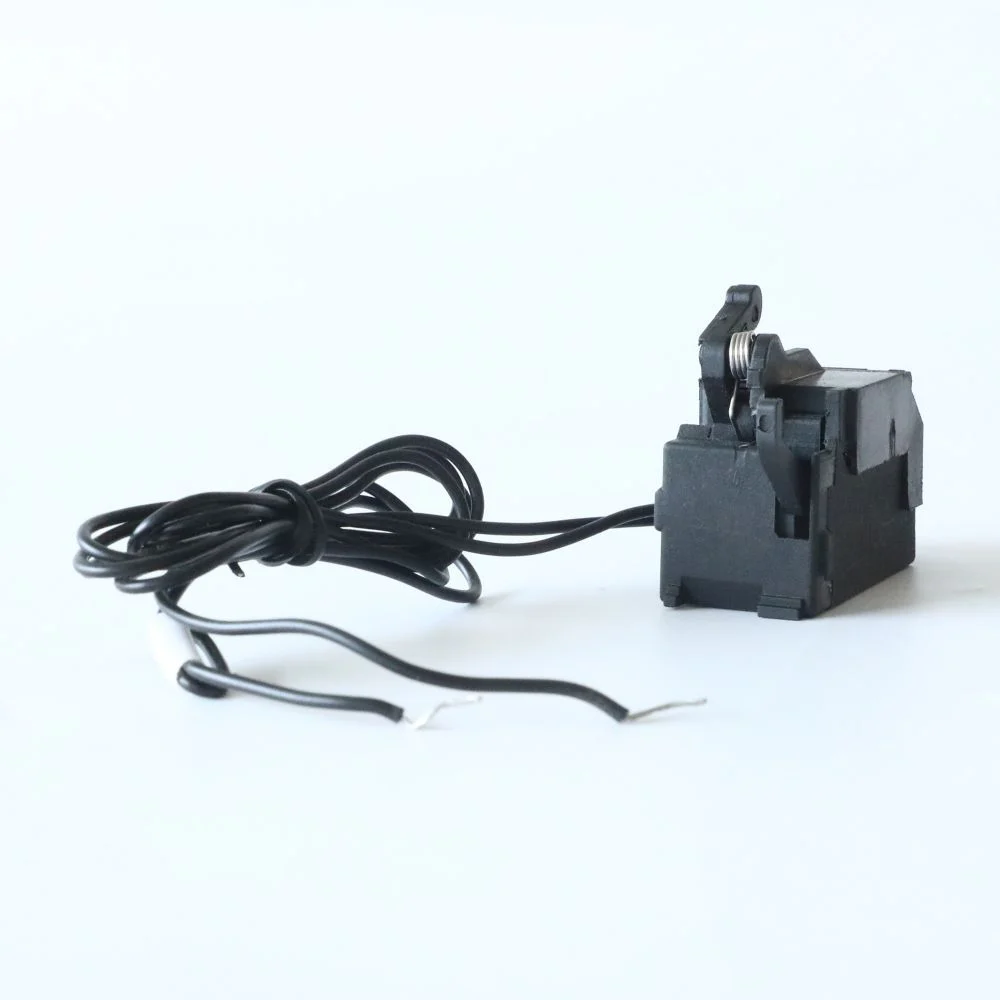
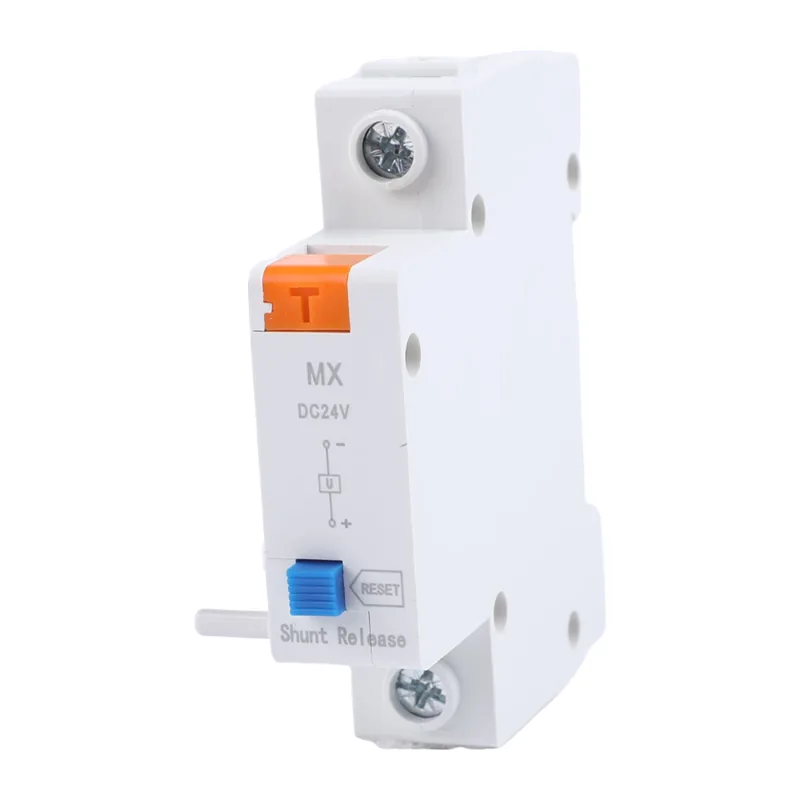
요약: The JCMX1-125 is an MCB accessory that provides one function—remote opening of a compatible MCB or RCBO when its coil is energized. It has no auxiliary feedback, and its special pin is designed for mounting on the left side of the device. Treat the accessory as part of the safety circuit: confirm breaker compatibility, control voltage, wiring protection and functional tests against the manufacturer’s instructions and the applicable MCB standard (typically IEC 60898-1). A documented trip test can prevent an otherwise avoidable emergency-isolation failure.
What the JCMX1-125 shunt tripper does
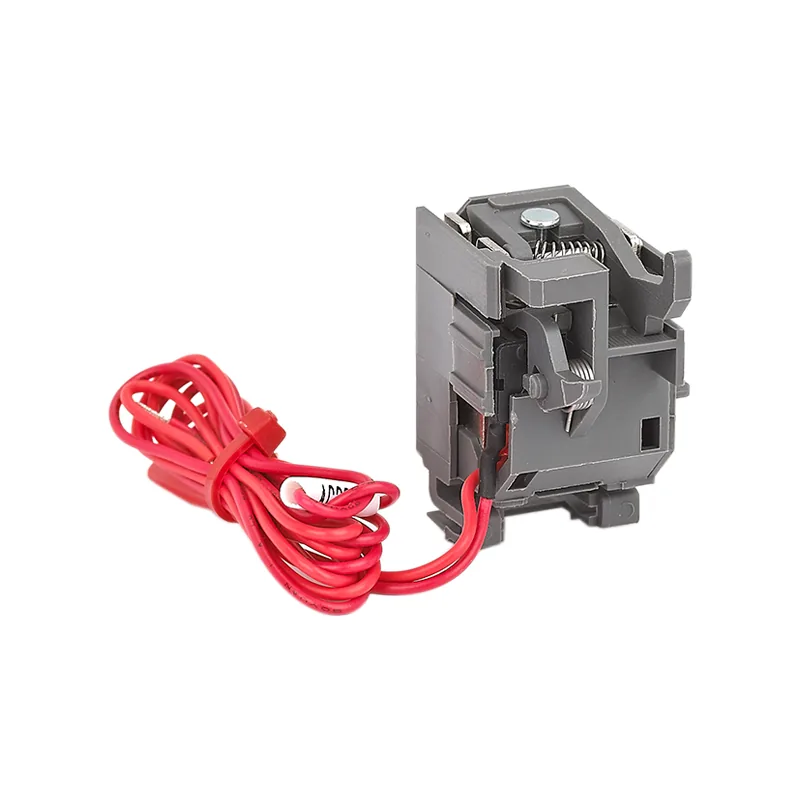
A shunt trip, also called a shunt release, is an electrically actuated mechanism that opens a circuit breaker after a separate control signal is applied. In the JCMX1-125 description, the signal is a voltage applied to the accessory coil. This is different from an overload or short-circuit trip, which is initiated by the breaker’s thermal-magnetic protection. The shunt path gives a fire alarm panel, emergency-stop circuit or building-management controller a way to open the feeder without a person reaching the breaker.
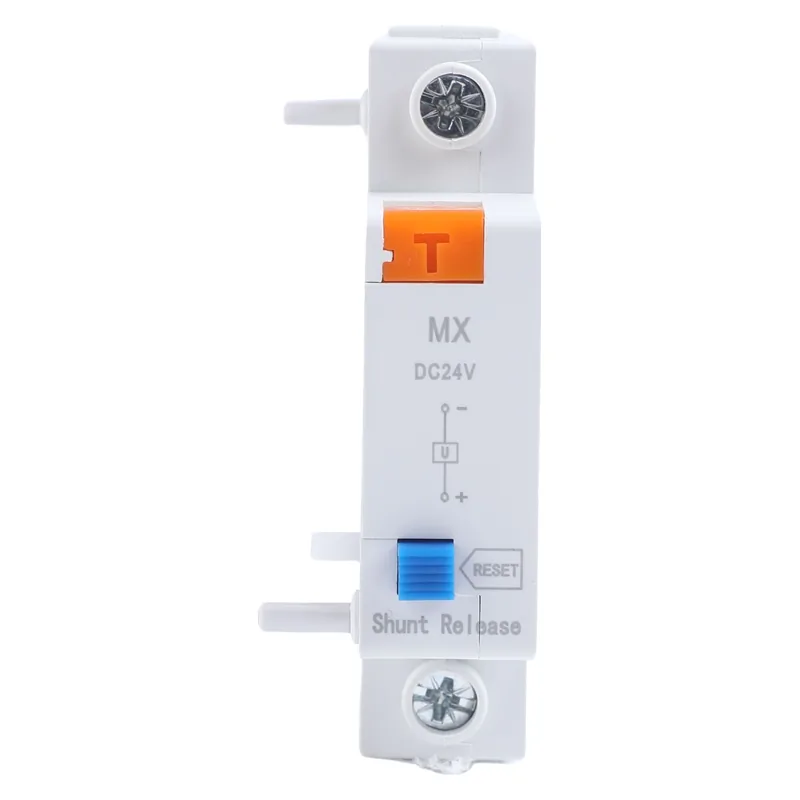
The product listing states that the JCMX1-125 supplies only the shunt-trip function and does not provide auxiliary feedback. That distinction matters in a control narrative: an engineer should not assume that the accessory can report breaker position to a PLC. If status indication is required, specify a separate auxiliary or alarm contact and allocate terminals and space for it.
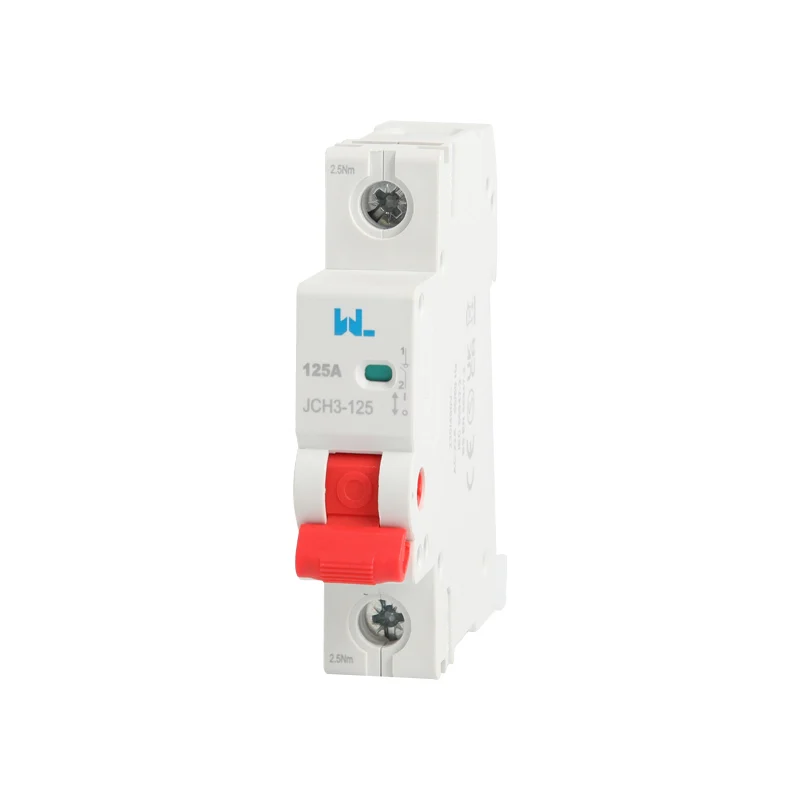
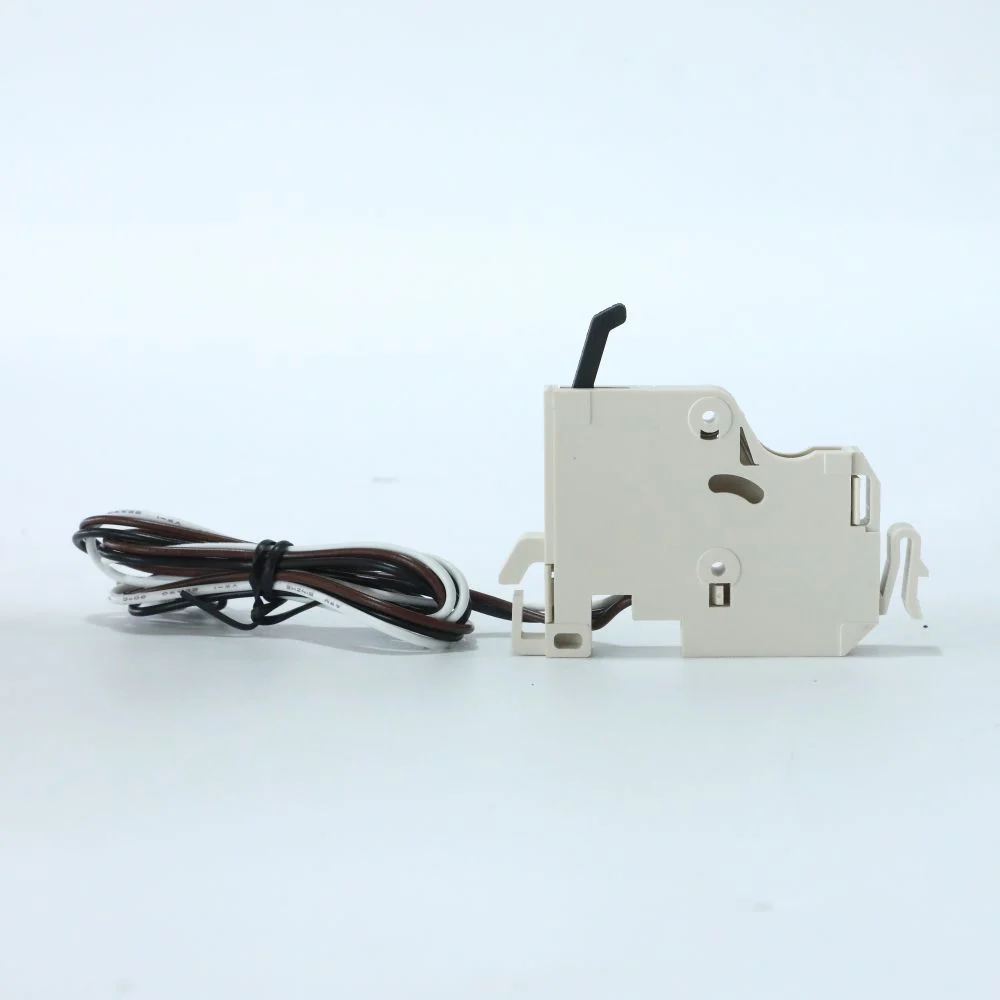
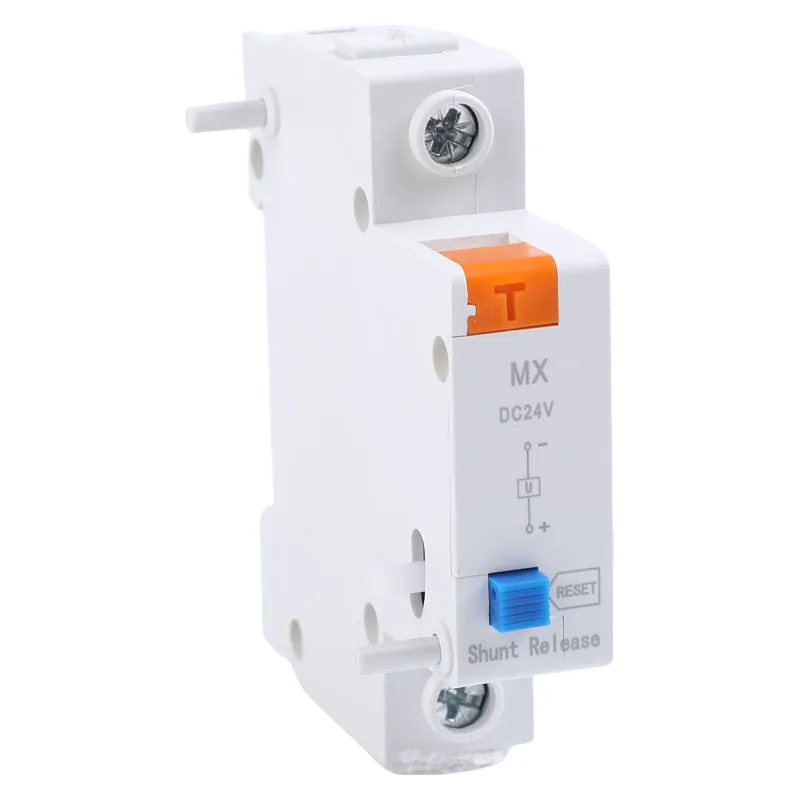
The accessory is intended to be fitted to an MCB or RCBO on the left side using a special pin. Mechanical engagement is therefore part of the electrical design. A similar-looking release from another series may have different pins, housing geometry or actuator travel; substitution without a compatibility statement can leave the breaker apparently installed but unable to trip.
Where remote opening adds value
Emergency isolation
Emergency-stop circuits in machinery rooms, laboratories and commercial kitchens often need to remove power quickly. A shunt trip can open the branch MCB after an emergency button, smoke-control sequence or access-control interlock operates. The risk assessment still determines whether one breaker, several breakers or an upstream isolator must open; the accessory does not replace that engineering decision.
Fire and building controls
Fire-alarm interfaces may require a listed interface relay, supervised wiring or a defined fail-safe state. The JCMX1-125 can be considered as the final actuator for a compatible breaker, but the system designer must verify coil voltage, relay contact ratings, suppression components and the reset procedure. Do not connect a fire panel output directly until the panel manufacturer confirms the load and supervision method.
Process and maintenance sequences
Remote opening is useful for planned shutdowns, interlocked access doors and test benches where a technician needs to isolate a feeder from a safe location. It is not an undervoltage release: loss of the control supply does not automatically mean that the breaker will open. If de-energization on control-power loss is required, evaluate an undervoltage release instead.
Specification and installation checks
Start with the exact breaker model and pole configuration. The product page identifies the JCMX1-125 for MCB/RCBO use, but it does not publish a universal voltage range or a list of every compatible frame. Obtain the current datasheet or wiring diagram for the intended breaker before ordering. Record the coil voltage, frequency (AC or DC), operating duty and terminal arrangement; these values must match the control transformer or power supply.
Next, review mechanical clearances. The special pin is intended for left-side mounting, so leave room for the adjacent DIN device, conductor bend radius and cover. De-energize the board, prove absence of voltage and follow the breaker maker’s accessory-fitting procedure. After the release is seated, operate the breaker manually to confirm that the mechanism is free and that the accessory does not prevent normal reset.
Protect and identify the control wiring. A small control fuse or suitably rated protective device limits fault energy, while ferrules, strain relief and segregation from power conductors reduce loose-termination risk. Label the trip circuit at both ends and update the panel schematic. The honest commissioning question is not “does the coil click?” but “does the complete safety chain open the intended breaker and leave the system in a known state?”
| Design dimension | JCMX1-125 shunt tripper | Auxiliary contact | Undervoltage release |
|---|---|---|---|
| Primary action | Opens MCB/RCBO when voltage is applied | Reports breaker status to a control circuit | Opens when control voltage falls below its operating condition |
| Feedback included | No; listing specifies shunt function only | Yes, through rated contacts | Usually no position feedback by itself |
| Typical trigger | Emergency button, fire interface or PLC relay | PLC, metering or indication circuit | Loss of supply or deliberate de-energization |
| Key selection risk | Wrong coil voltage or incompatible left-side pin | Wrong contact rating or terminal scheme | Unwanted trips during control-power dips |
Value comparison: when the accessory pays back
The JCMX1-125 adds a component and wiring points, so measure its value against the consequence of delayed isolation. In an unmanned or hazardous area, a remote trip circuit may cost less than production interruption or an unsafe approach to a live cabinet. Use an illustrative calculation that compares accessory, relay, wiring and test labor with one delayed-shutdown event; it is not a guaranteed saving.
| 응용 | Why remote opening helps | Checks before approval |
|---|---|---|
| Commercial plant room | Allows an emergency panel or BMS command to isolate a branch circuit | Fire strategy, interface relay, access and reset sequence |
| Industrial machine | Supports a defined stop category and remote maintenance isolation | Risk assessment, control voltage, machine standard and restart prevention |
| Residential or light commercial board | Can link a local emergency button to an MCB/RCBO | National wiring rules, enclosure space and suitability for the listed breaker |
| Test and laboratory panel | Enables repeatable test commands from outside the guarded area | Interlock logic, protective-device coordination and documented test evidence |
Standards, compliance and evidence
IEC 60898-1 covers circuit-breakers for household and similar installations; use it when the MCB/RCBO application falls within its scope. IEC 60947-2 addresses circuit-breakers for low-voltage equipment in industrial contexts. These standards describe the protective device and its performance; they do not automatically certify every accessory combination. Confirm the breaker-and-accessory assembly using the manufacturer’s declared tests and instructions.
For control components, IEC 60947-1 and IEC 60947-5-1 may apply, depending on classification. In the United States, NFPA 70 (NEC) Article 110.3(B) requires listed equipment to follow its instructions, while OSHA 29 CFR 1910.303 addresses listed equipment and safe installation. Destination-market rules and fire codes can change the approval path.
Keep a small evidence pack: datasheet revision, compatibility confirmation, control-circuit schematic, torque record and a witnessed trip test. Unsupported claims such as “fail-safe,” “fire certified” or “universal fit” can create inspection delays, warranty disputes and liability exposure.
Procurement and commissioning checklist
- Identify the breaker: record brand, series, current rating, poles and whether it is an MCB or RCBO.
- Match the control circuit: verify coil voltage, AC/DC type, protective fuse, relay contact rating and cable route.
- Confirm the mechanical kit: check the left-side pin, cover clearance and any required end stops or busbar spacing.
- Define the sequence: document what starts the trip, what equipment opens, how alarms are acknowledged and how reset is authorized.
- Test and record: perform several remote operations under safe conditions, inspect the mechanism and sign the commissioning sheet.
W9 Group presents the JCMX1-125 as part of its MCB accessory range. Buyers should request the current product drawing, compatibility list and control-voltage data for the exact project. The broader MCB accessories category and circuit protection products pages help compare release and breaker functions before the bill of materials is frozen; technical support can clarify documentation needs.
자주 묻는 질문
What is the JCMX1-125 used for?
It is a shunt-trip accessory for remotely opening a compatible MCB or RCBO when a voltage is applied to its coil. It is suited to emergency isolation, fire-interface or controlled shutdown schemes. Confirm the exact breaker compatibility and coil data before installation.
Does the JCMX1-125 provide auxiliary feedback?
No. The product description specifies only the shunt-trip function and no auxiliary feedback. Add a compatible auxiliary or alarm contact when the controller must verify breaker position.
Where does the accessory mount?
The listing states that it mounts on the left side of the MCB or RCBO using a special pin. Leave mechanical space and verify that the pin and housing match the selected breaker series; do not force a near-match.
What voltage does the shunt trip coil require?
A universal voltage is not stated on the public product description. Obtain the current datasheet and match the specified AC or DC control voltage, frequency and duty to the project supply.
How should the installation be tested?
With the panel in a safe, de-energized test state, verify mechanical operation, then apply the approved control signal and confirm that the intended breaker opens. Record the result, reset behavior and any interface alarms; a qualified person should perform the work under local rules.
참고문헌
- International Electrotechnical Commission (IEC), standards catalogue.
- NFPA 70, National Electrical Code.
- OSHA 29 CFR 1910.303, electrical installation requirements.
- UL Solutions, UL 489 molded-case circuit breakers and switches overview.
A remote trip is only as dependable as the small details around it: the right pin, the right voltage and a witnessed test. If you are evaluating the JCMX1-125 MCB accessory shunt tripper MX, contact W9 Group for the current drawing, compatibility guidance and project-specific quotation.