



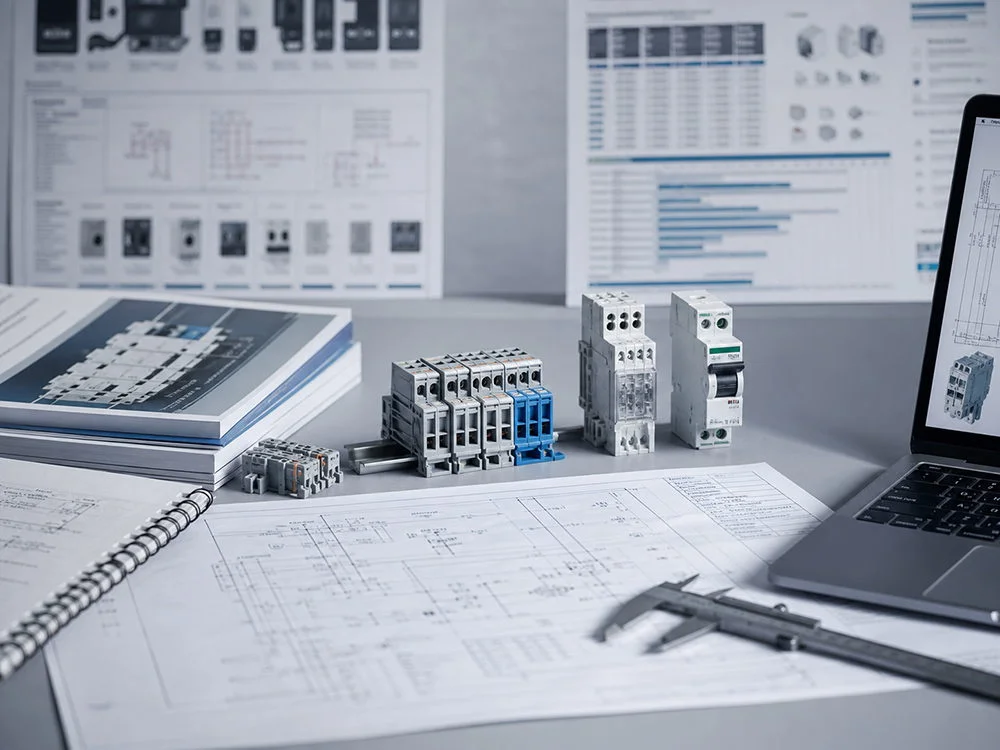


Features and Applications of a Metal Distribution Box
Features and Applications of a Metal Distribution Box
When Elena, a facilities engineer in Manchester, moved a workshop feeder into a new enclosure, she tightened every terminal and restored power before the morning shift. Within minutes, condensation formed on the door, a protective device nuisance-tripped, and the outgoing circuits had to be isolated again. The investigation found no defective breaker: the selected box had an indoor-only enclosure, crowded cable entries, and no plan for temperature change. A better specification—material, sealing, heat management, segregation, and earthing considered together—resolved the problem.
요약: A metal distribution box is a system interface, not just a steel shell. Choose the enclosure around the environment and the assembly duty, then verify the relevant standard: IEC 60670-1 addresses boxes and enclosures for household and similar fixed electrical installations, while IEC 61439 addresses low-voltage switchgear and controlgear assemblies. As a practical starting point, compare the required IP rating (for example, IP40 indoors versus IP65 where dust and water jets are credible), reserve wiring space, and document bonding and heat assumptions before ordering.
What a metal distribution box contributes
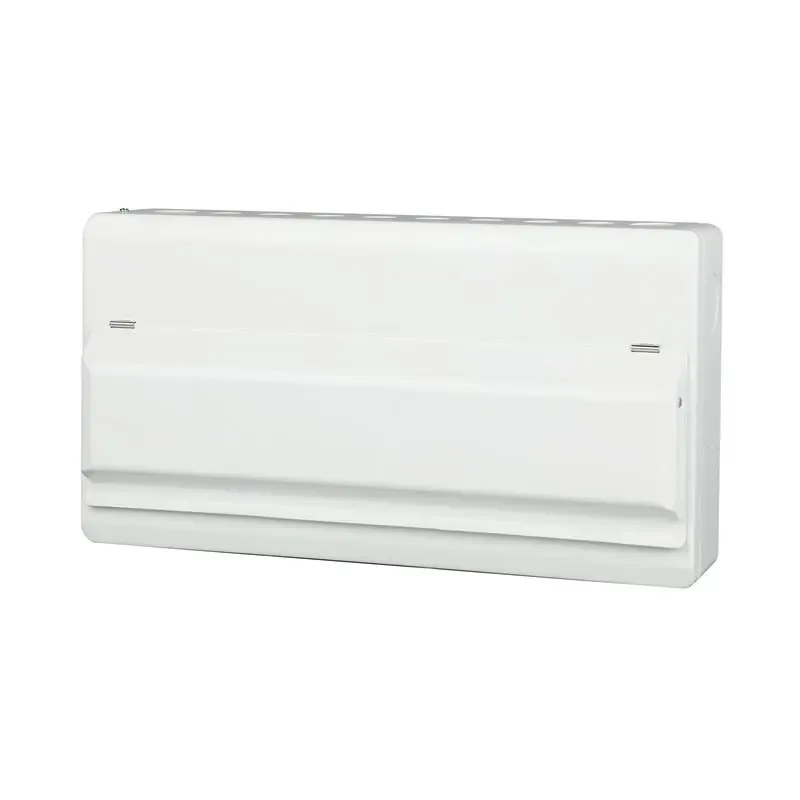
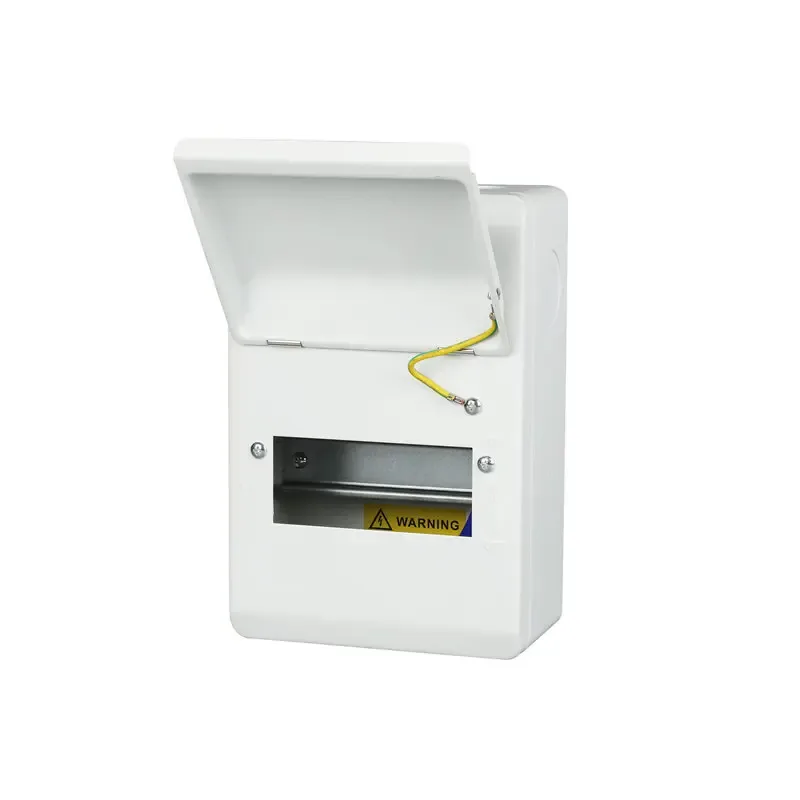
Steel or other conductive metal gives a rigid mounting surface for busbars, DIN rails, cable glands, and protective devices. It resists impact and helps maintain door alignment. Painted, zinc-coated, stainless, or aluminium construction may suit different humidity, chemical, salt, or weight constraints. The correct electrical distribution box still depends on clearances, conductor bend radius, terminals, and installation method—not the shell alone.
Conductive walls create a fault-current path only when bonded to protective earth. Provide a door bond where needed, prepare designated bonding points, and verify continuity; the drawing and local wiring rules must identify the protective-earth connection.
Material and finish choices
- Painted mild steel: a common balance of rigidity, machinability, and cost for indoor plant rooms, workshops, and commercial fit-outs.
- Stainless steel: useful for wash-down, food, pharmaceutical, or corrosive atmospheres when the grade and finish are specified for the exposure.
- Aluminium: lighter for wall-mounted equipment, but check mechanical strength, galvanic compatibility, and earthing hardware.
Specify finish, gasket compression, fasteners, and cut-out quality; these details often determine service life.
IP rating, heat, and condensation: specify the environment first
An IP code under IEC 60529 describes protection against ingress, not a blanket guarantee of weatherproof performance. The first digit addresses solids; the second addresses water. IP40, for example, protects against objects of 1 mm and larger but has no water protection claim. IP65 indicates dust-tight construction and protection against water jets under the standard test conditions. The installation still needs suitable glands, blanking plugs, a sound gasket, and a mounting position that does not create a water trap.
Heat is the quiet constraint in a crowded electrical distribution box. Use device derating data, estimate simultaneous load, and leave room for air movement and future circuits. If ventilation is needed, choose a rated filter fan or heat exchanger that preserves the enclosure’s ingress protection and document maintenance.
Condensation can form on a cold outdoor wall when warm, humid air arrives, even without rain. A breather, heater, drainage provision, or better location may be needed; each choice changes ingress protection. Never drill an unsealed hole without reassessing the assembly.
| Installation condition | Design emphasis | Verification questions |
|---|---|---|
| Dry indoor room | Rigid mounting, finger-safe covers, labels, service access | Is the ingress rating adequate for dust and cleaning? Is heat dissipation acceptable? |
| Outdoor, sheltered | Gasketed door, UV-resistant finish, drip edge, compatible hardware | Are entries downward or sealed? Does the ingress rating match wind-driven rain? |
| Wash-down or dusty process | Higher ingress protection, hygienic finish, drain strategy, careful gland selection | Were the box, glands, and accessories assessed as one system under IEC 60529? |
| High internal load | Thermal calculation, spacing, derating, possible heat exchanger | What is the worst-case ambient and simultaneous dissipation? Where is that evidence recorded? |
Segregation, grounding, and assembly boundaries
Segregation keeps incoming conductors, outgoing circuits, control wiring, and communications from creating avoidable fault or maintenance risks. Use barriers, shrouds, or separate wiring zones where the assembly design calls for them. Keep neutral and protective-earth conductors arranged according to the earthing system and local code; do not improvise a shared terminal simply because the box has spare space.
IEC 60670-1 is relevant when the product is a box or enclosure for fixed household and similar installations, including the enclosure’s construction and intended use. IEC 61439 applies to low-voltage switchgear and controlgear assemblies and addresses design verification, routine verification, temperature rise, clearances, and other assembly characteristics. A box that houses a switchboard may be one component of an IEC 61439 assembly; citing IEC 60670-1 alone does not establish compliance for the completed assembly.
For North American projects, NEMA enclosure designations and UL 50E use a different framework from IEC IP codes. They are not interchangeable; confirm the destination market, authority having jurisdiction, and responsible party before specifying either.
Where metal distribution boxes are used
Indoor applications include apartment common areas, retail back rooms, workshops, plant rooms, and OEM machines—especially where a robust door, lockable access, and predictable rail layout matter. See the JCMCU metal consumer unit for available configuration details, then verify against the project.
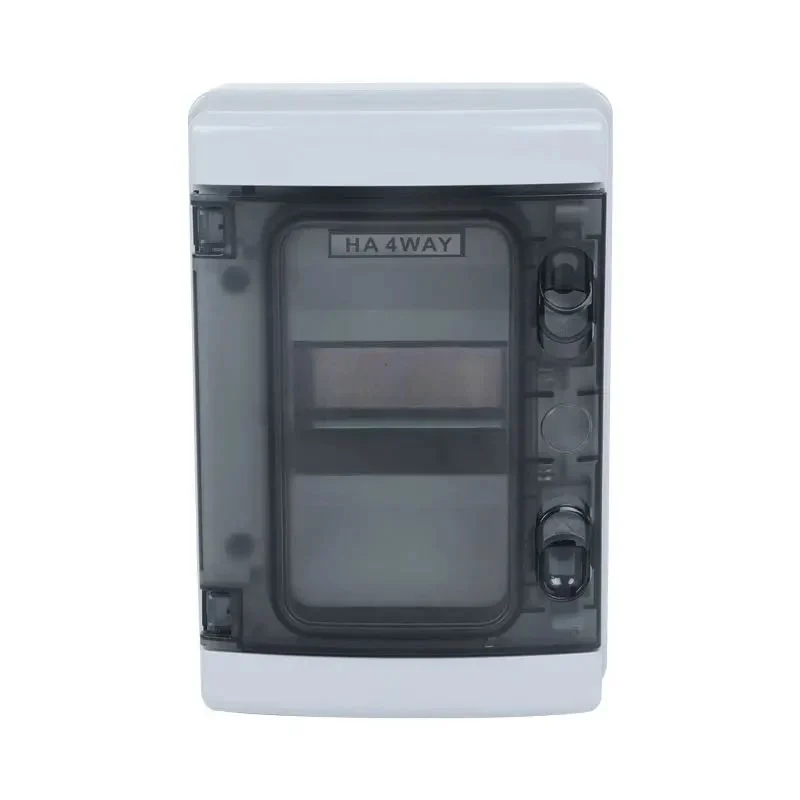
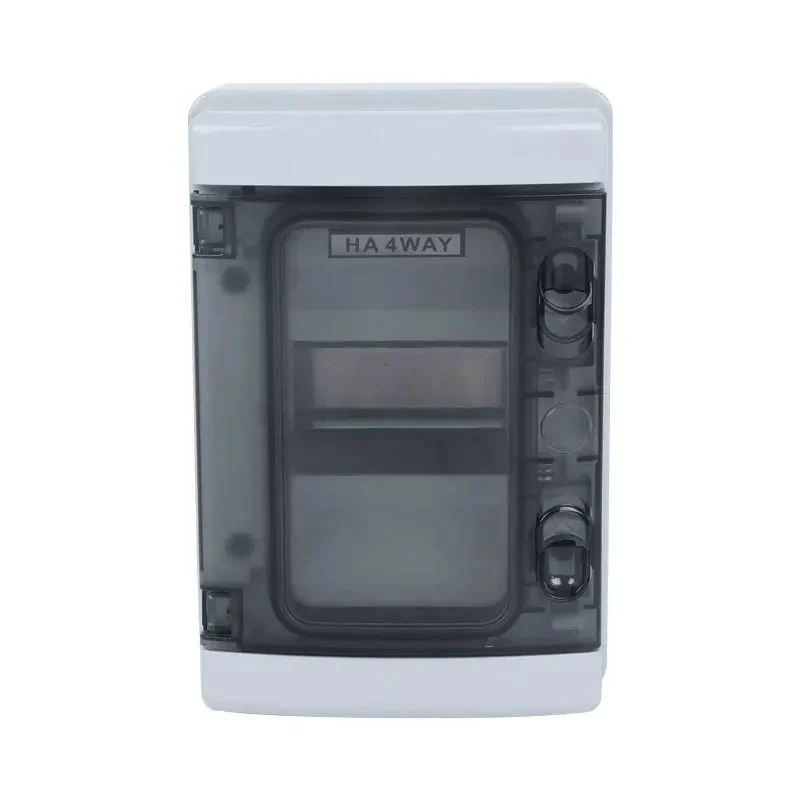
Outdoor and semi-exposed applications include service yards, agricultural buildings, pump stations, and distributed controls. The enclosure, glands, supports, and cable route must tolerate the environment. The JCHA weatherproof consumer unit is a reference for an IP65-oriented choice; confirm the final arrangement with the designer.
Lifecycle cost: a simple illustrative calculation
Unit price is only one line in total cost of ownership (TCO). Consider an illustrative retrofit with eight circuits. If a cramped box adds 12 minutes to each planned inspection and the site performs six inspections per year, the extra labour is 8 circuits × 12 minutes × 6 = 576 minutes, or 9.6 hours per year. At a hypothetical labour rate of 50 currency units per hour, that is 480 units annually—before counting downtime or rework. The figures are illustrative, not a market quote; the decision value comes from recording your site’s actual inspection time, outage cost, and replacement interval.
A better electrical distribution box can reduce avoidable cost through labelled ways, accessible terminals, spare capacity, and documented torque values. Conversely, an over-specified ingress rating or exotic material can add cost without improving the environment. Compare the complete installed system, including glands, supports, ventilation, inspection, and end-of-life handling.
| Dimension | Lower-risk choice | TCO implication |
|---|---|---|
| Mechanical duty | Rigid enclosure with protected hinges and serviceable fasteners | Fewer alignment issues and less rework after maintenance |
| Ingress and corrosion | Ingress rating, finish, glands, and hardware matched to exposure | Lower moisture-related failure risk; avoid unused protection |
| Thermal margin | Load schedule, derating data, spacing, and heat-management plan | Less nuisance tripping and fewer unplanned modifications |
| Serviceability | Segregated wiring, labels, spare ways, and test access | Shorter inspection windows and clearer fault finding |
Metal distribution box selection checklist
- Describe the site: indoor or outdoor, ambient range, dust, wash-down, UV, chemicals, impact, and condensation risk.
- Set the assembly boundary: identify whether the purchase is an enclosure under IEC 60670-1 or part of a low-voltage assembly requiring IEC 61439 design and routine verification.
- Check the IP rating as installed: include door gasket, glands, blanking plugs, drainage, and ventilation accessories.
- Build the load schedule: account for simultaneous current, heat dissipation, conductor bend radius, segregation, spare ways, and future expansion.
- Document earthing and service: show protective-earth and door-bond points, label circuits, record torque values, and define inspection access.
- Qualify the supplier: request drawings, material and finish data, routine-test evidence where applicable, and change-control support. Zhejiang W9 Group Technology Co., Ltd., founded in 2020, supplies low-voltage protection products and offers OEM/ODM and testing support; treat those capabilities as items to verify against your project documentation.
For background on circuit allocation and protection, read Understanding Distribution Boxes and the guide to the importance of circuit breakers.
자주 묻는 질문
Are metal distribution boxes safer than plastic boxes?
Neither material is automatically safer. Metal can provide mechanical strength and a deliberate bonding path, while a suitable insulated enclosure may simplify corrosion control. Safety depends on the complete design, installation, clearances, earthing, and verification.
What IP rating do I need for an outdoor box?
Start with the actual exposure: rain, dust, wash-down, and condensation. An IP65 claim addresses dust and water-jet protection under IEC 60529 test conditions, but the installed glands, door, mounting orientation, and maintenance plan must preserve that performance.
Does IEC 61439 apply to every electrical distribution box?
No. IEC 61439 applies to defined low-voltage switchgear and controlgear assemblies. A simple enclosure or consumer unit may fall under another product standard, but once it is integrated into an assembly, the final assembly responsibilities and verification requirements must be established.
How can I prevent condensation inside a sealed enclosure?
Control the source and temperature swing: improve location, add a rated breather or heater where justified, provide drainage, and avoid unsealed field drilling. Recheck ingress protection whenever an accessory or entry changes.
What information should I send to a box manufacturer?
Provide circuit schedule, dimensions, device list, cable sizes, entry locations, ambient and exposure data, required ingress rating, earthing arrangement, standards, and quantity. Ask for drawings and evidence matching the product scope.
Authoritative references
- IEC 60670-1, boxes and enclosures for electrical accessories for household and similar fixed installations.
- IEC 61439 series, low-voltage switchgear and controlgear assemblies.
- IEC 60529, degrees of protection provided by enclosures (IP Code).
- UL 50E, enclosures for electrical equipment, environmental construction and performance requirements.
- NEMA enclosure standards, North American enclosure-type framework.
The durable choice still makes sense after the door has been opened a hundred times: specified for its environment, verifiable as an assembly, and easy to maintain.
Ready to compare configurations or discuss OEM/ODM requirements? Explore the product range and contact the W9 team with your load schedule, enclosure conditions, and target market so the selection can be checked before production.