








Exploring the Versatility of Adjustable MCCBs: Features, Applications, and How to Choose the Right One
Exploring the Versatility of Adjustable MCCBs: Features, Applications, and How to Choose the Right One
When Elena, a panel designer in Monterrey, encountered a feeder breaker that opened every time a packaging-line motor started, she first checked the wiring and then commissioned a controlled test. Raising the breaker size did not help; a downstream branch still tripped during a jam. A review of the one-line diagram showed the problem was selection and coordination—not a defective breaker. The original fixed device could not be tuned to the motor’s inrush and the available fault current. Replacing it with a correctly specified adjustable MCCB, then documenting the settings, restored selective protection without oversizing the feeder.
요약: An adjustable MCCB lets a qualified engineer set long-time and instantaneous pickup (and, where provided, short-time or ground-fault functions) to the actual load and coordination study. That flexibility can reduce nuisance trips and avoid unnecessary conductor upsizing, but it does not increase a system’s interrupting rating. Use IEC 60947-2 as the low-voltage MCCB reference, distinguish UL 489 requirements for North American installations, and verify every setting against the equipment, cable ampacity, and prospective short-circuit current before energizing.
What an adjustable MCCB changes in a low-voltage system
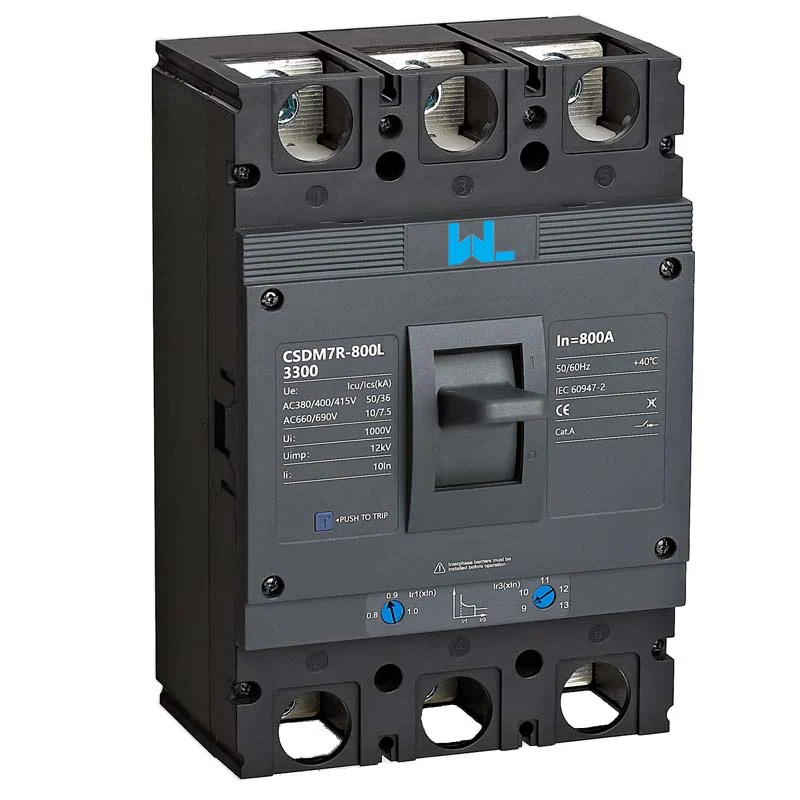
A molded case circuit breaker combines switching, thermal overload protection, and magnetic (short-circuit) protection in an enclosed device. The adjustable version uses a trip unit with a configurable current range rather than one factory-fixed threshold. The useful outcome is a closer match between the protective curve and the protected cable, motor, transformer, or bus section.
Think of the breaker as one part of a protection system. The continuous current setting must remain at or below the conductor’s permitted ampacity after derating; the instantaneous setting must clear a fault while remaining above expected inrush. The designer should plot the manufacturer’s time-current curve with upstream and downstream devices. Adjustment is a commissioning control, not a substitute for a short-circuit study or for the manufacturer’s installation instructions.
In practical terms, an adjustable molded case circuit breaker can cover several operating profiles on the same panel platform. A facility may begin with a lightly loaded process and later add drives or heaters; a documented field setting can be changed by an authorized person without replacing the complete breaker, subject to the device’s adjustment range and local rules.
Features that deliver flexibility—and their limits
Long-time, short-time, and instantaneous functions
Long-time pickup addresses sustained overloads; short-time delay can support selective coordination when the trip unit includes it; instantaneous pickup limits let-through energy during high-current faults. Not every frame or trip unit provides every function, so confirm the data sheet rather than inferring capability from the word “adjustable.” Ground-fault protection, alarm contacts, or communication modules are separate options on many product families.
Thermal-magnetic versus electronic trip units
An adjustable thermal magnetic circuit breaker uses a bimetal for overload response and an electromagnet for short-circuit response. It is often straightforward to commission and does not require auxiliary power. Electronic trip units can offer finer resolution, memory, metering, and communication, but they add configuration and testing steps. For a practical primer on thermal-magnetic selection, see choosing the right thermal-magnetic circuit breaker. In either case, record the final dial positions, ambient assumptions, and verification method on the panel schedule.
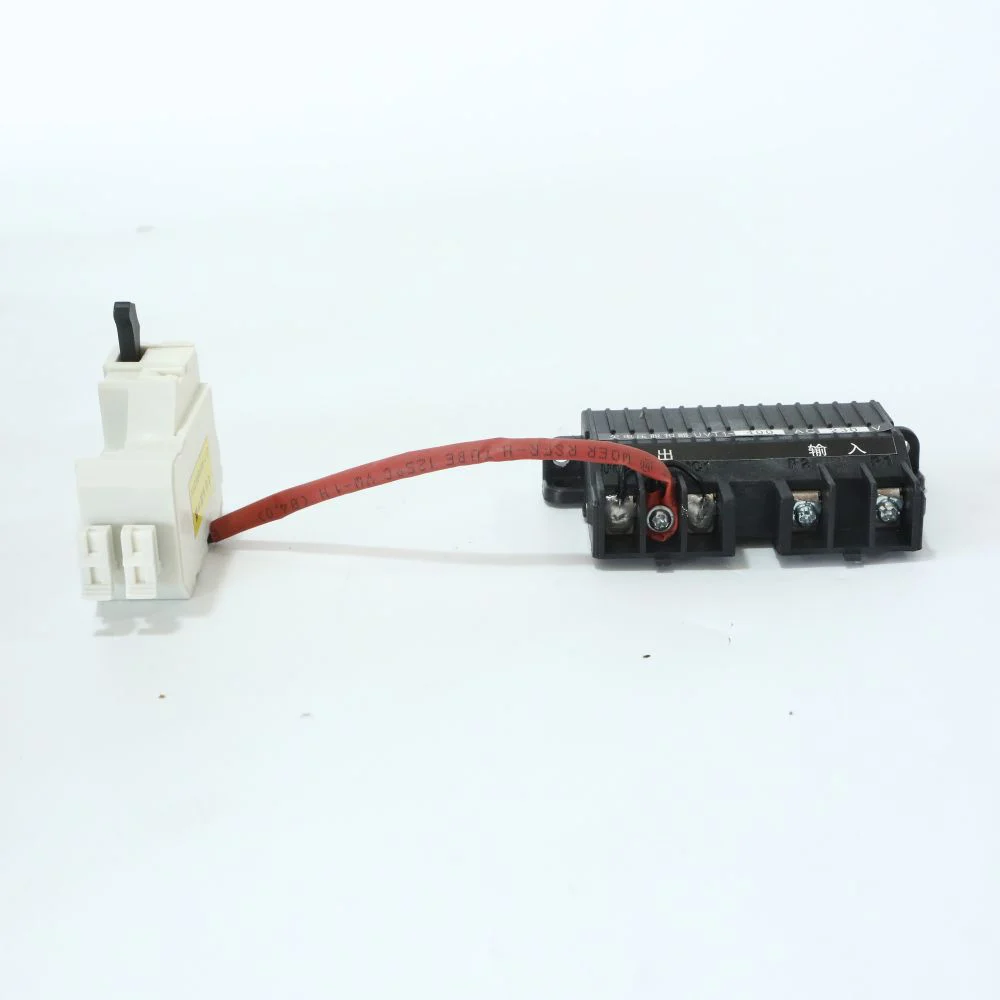
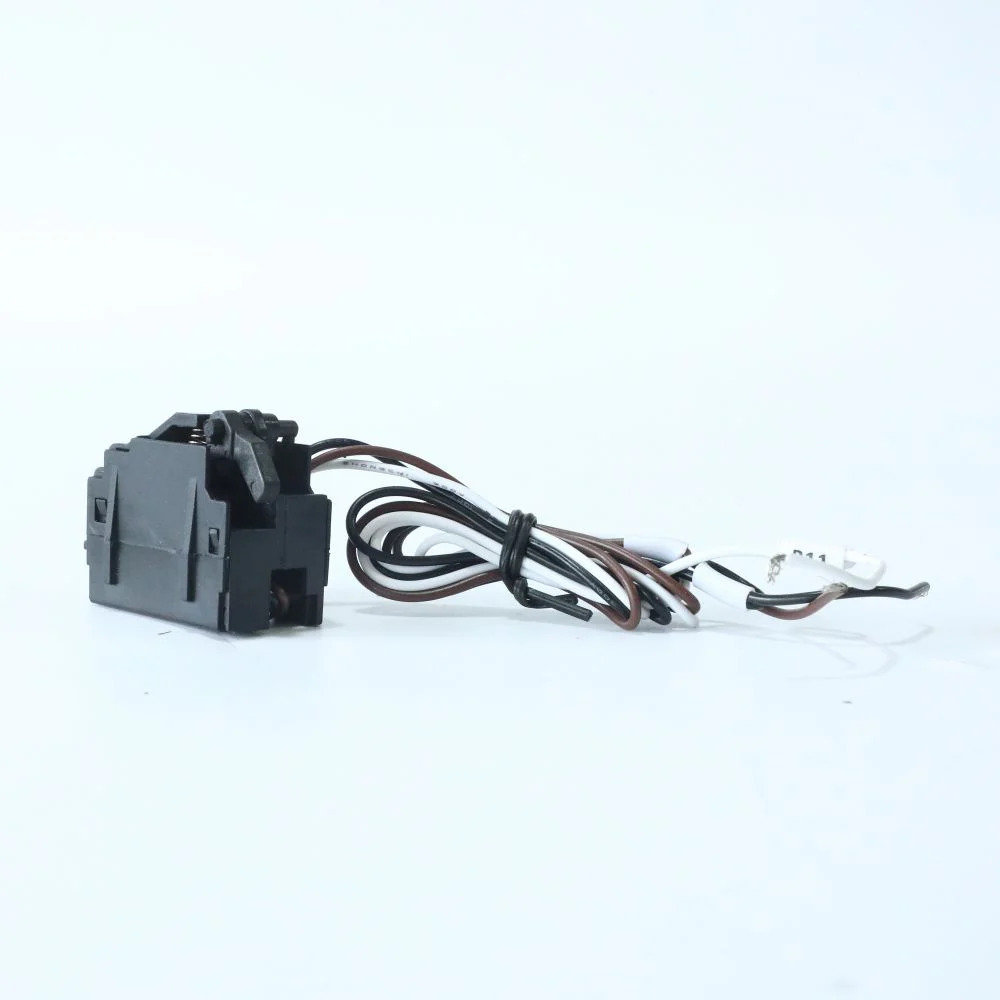
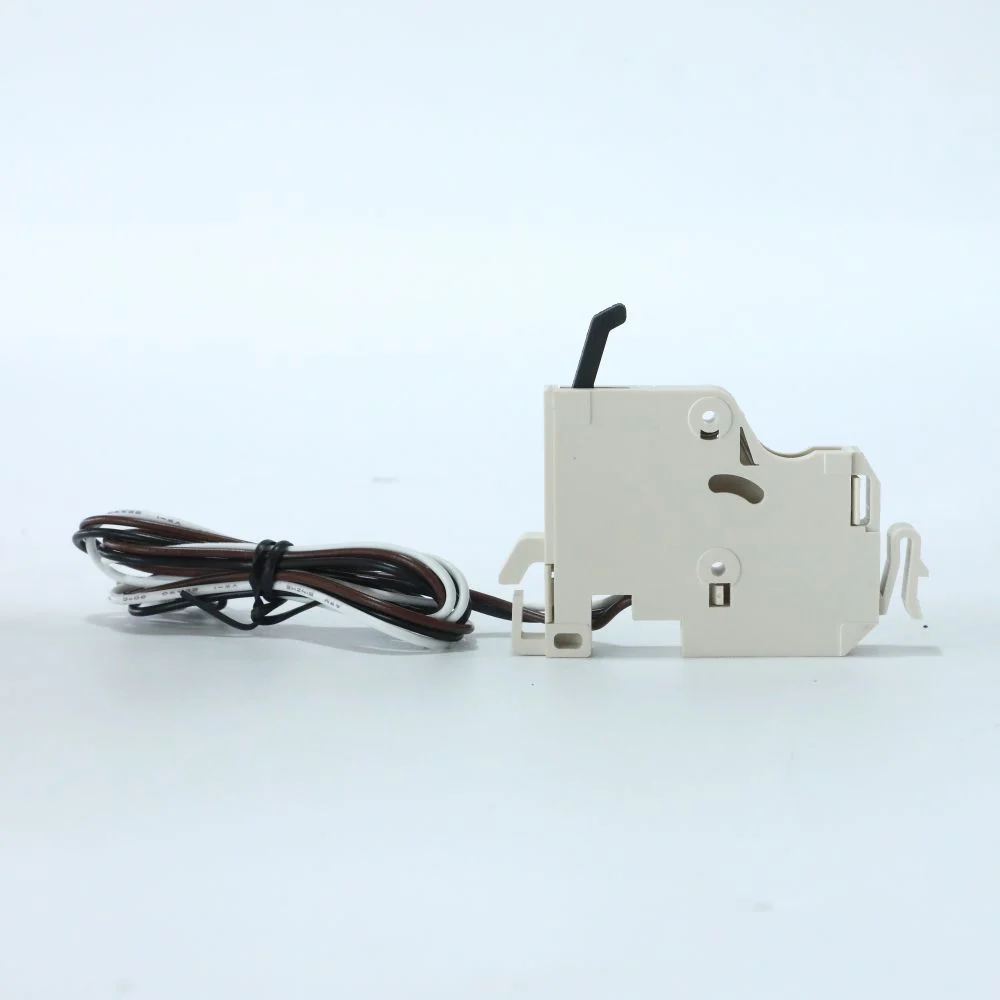
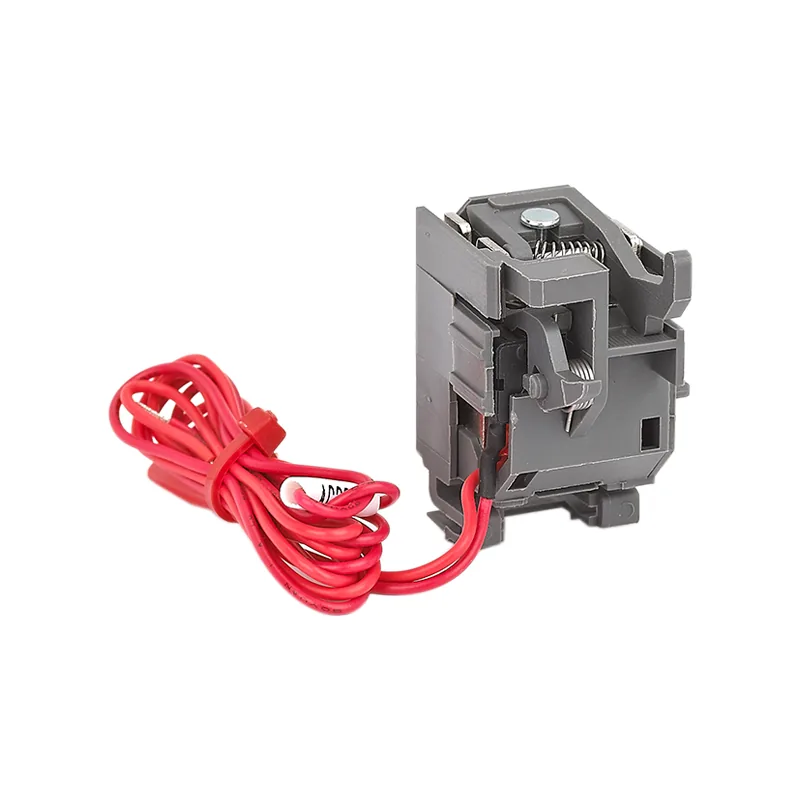
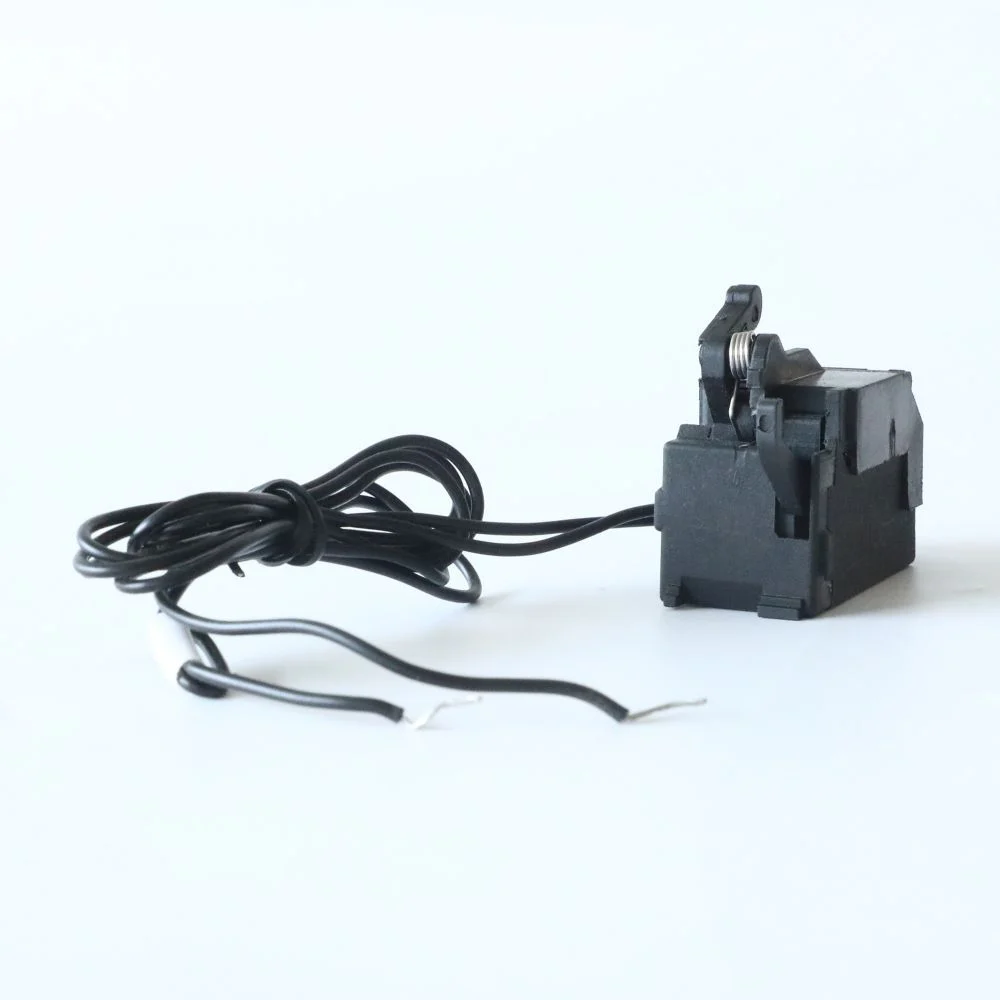
Adjustment also has a human-factors limit: a dial can be moved accidentally or set incorrectly. Use tamper-evident marks where allowed, lockable covers when available, and a change-control process. A setting that works at 25 °C may not produce the same thermal behavior in a hot enclosure; apply the manufacturer’s derating information. If remote status is needed, review auxiliary-contact options for MCCBs alongside the breaker accessories.
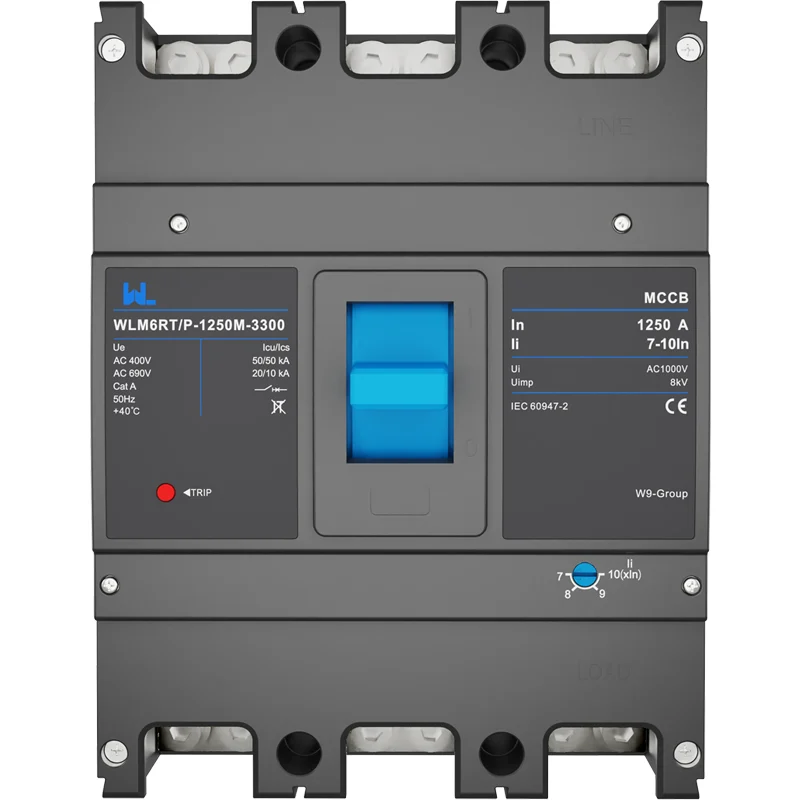
Where adjustable MCCBs are useful
Common applications include motor control centers, commercial distribution boards, rental generators, HVAC plant, data-center feeders, and OEM machines shipped to several regions. The shared requirement is a load that changes, has significant inrush, or must coordinate with multiple downstream protective devices. For a motor feeder, coordinate the breaker with the motor protection and starter; for a transformer, account for magnetizing inrush; for a generator, consider the generator’s limited fault contribution.
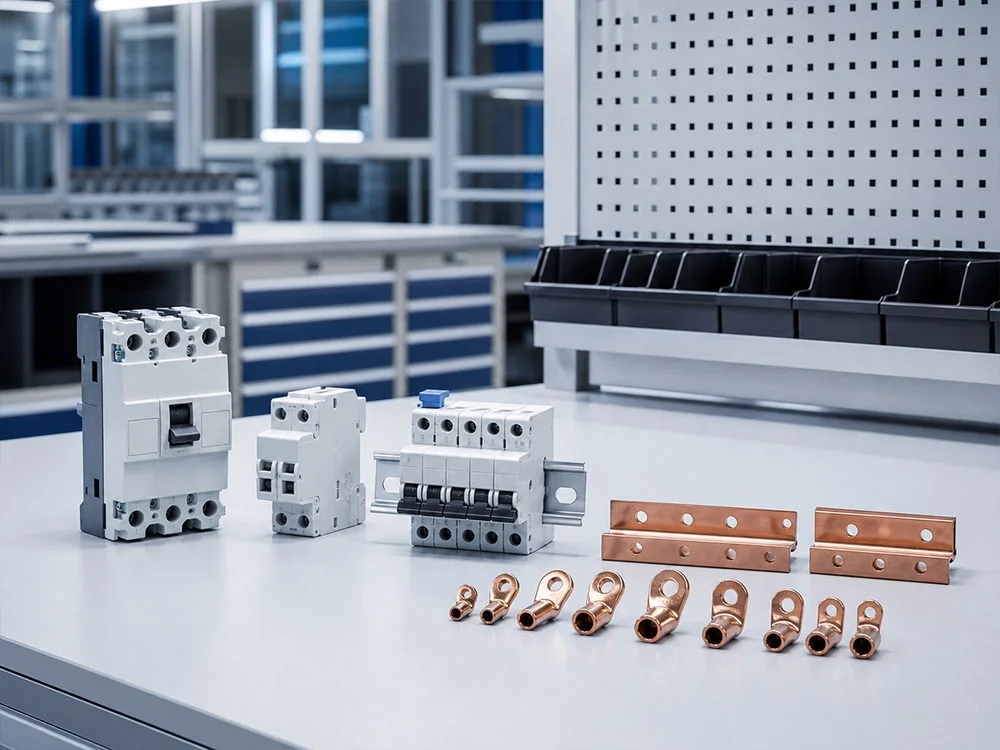
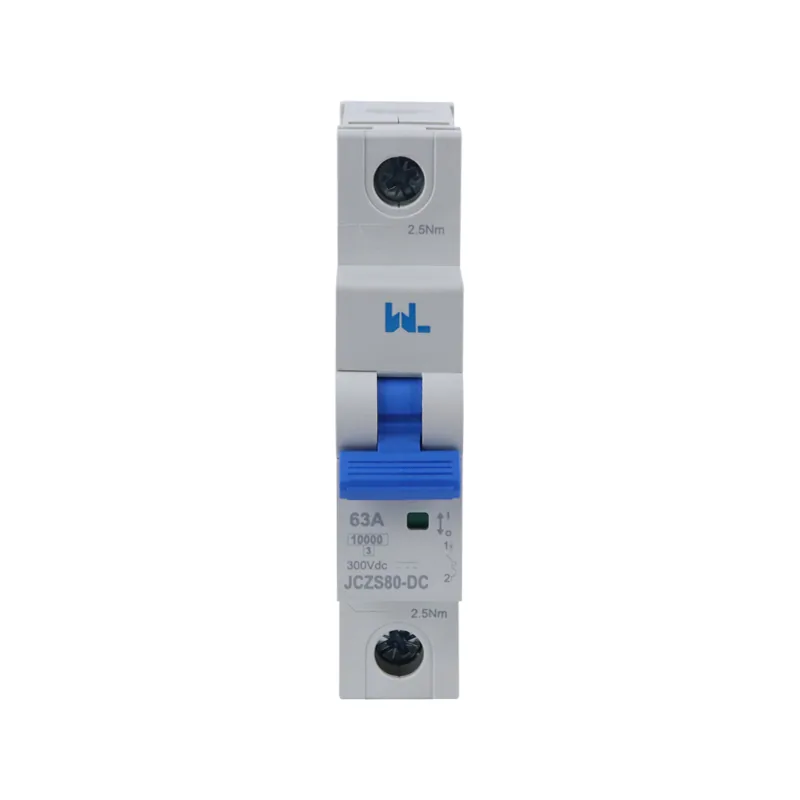
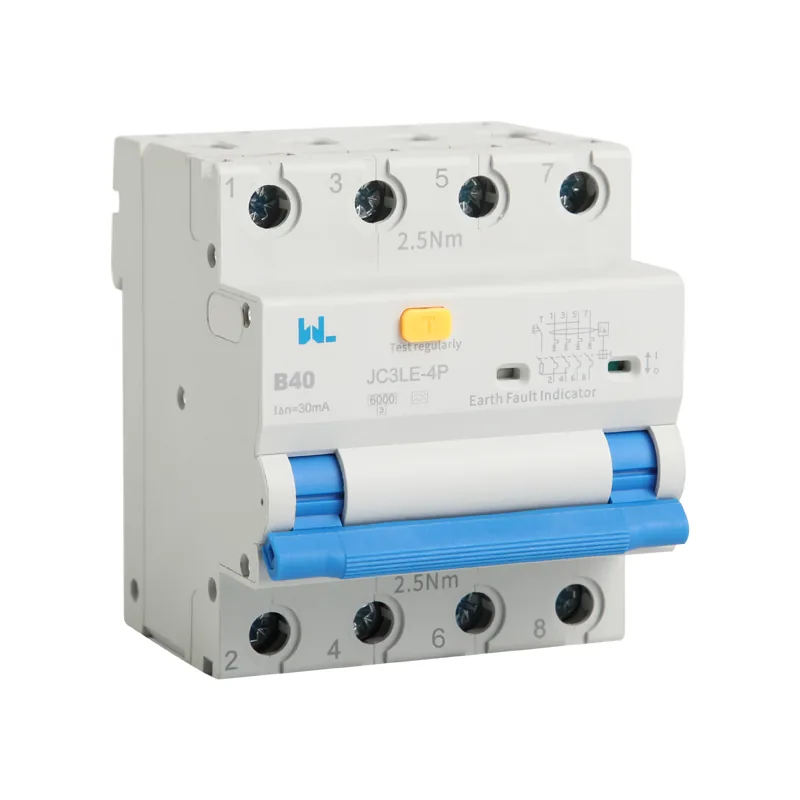
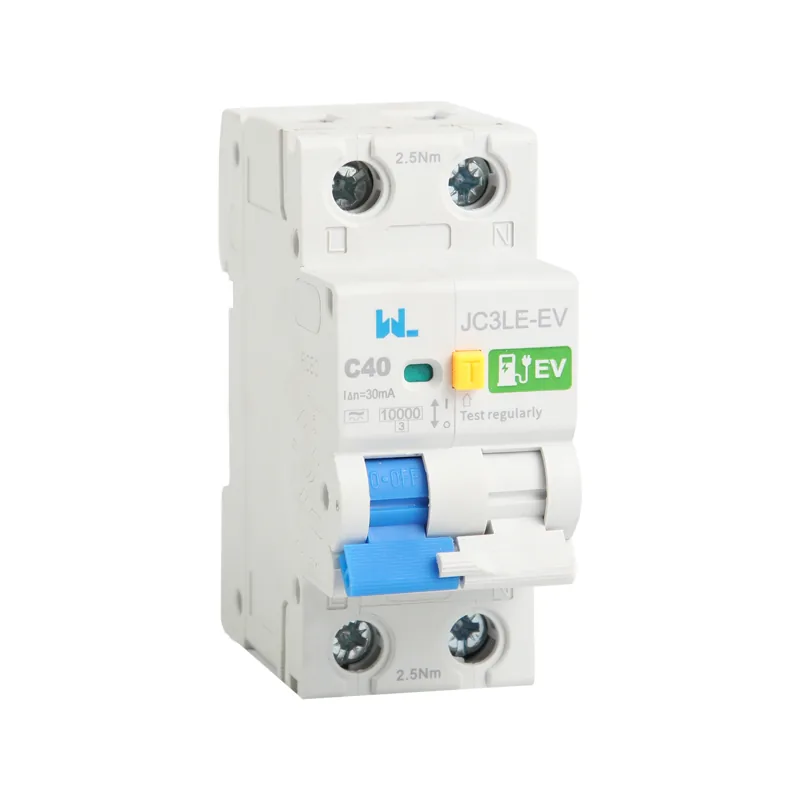
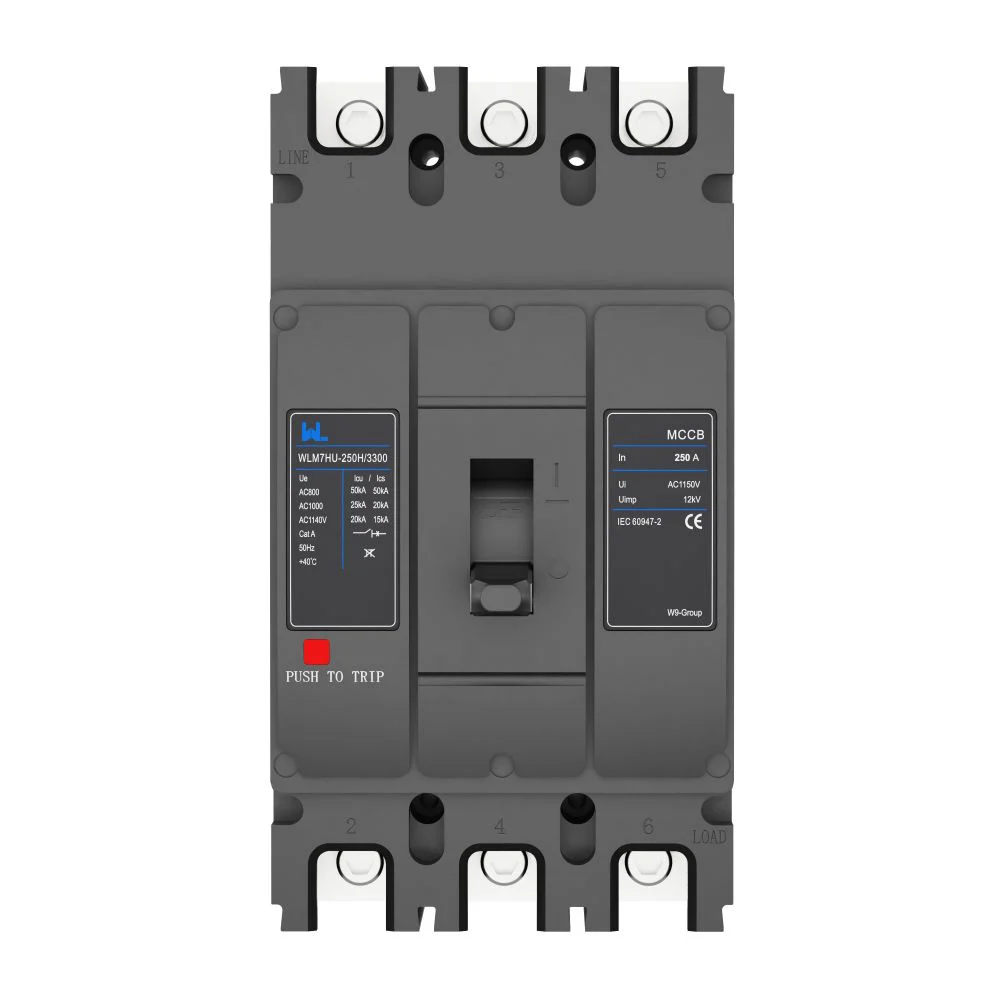
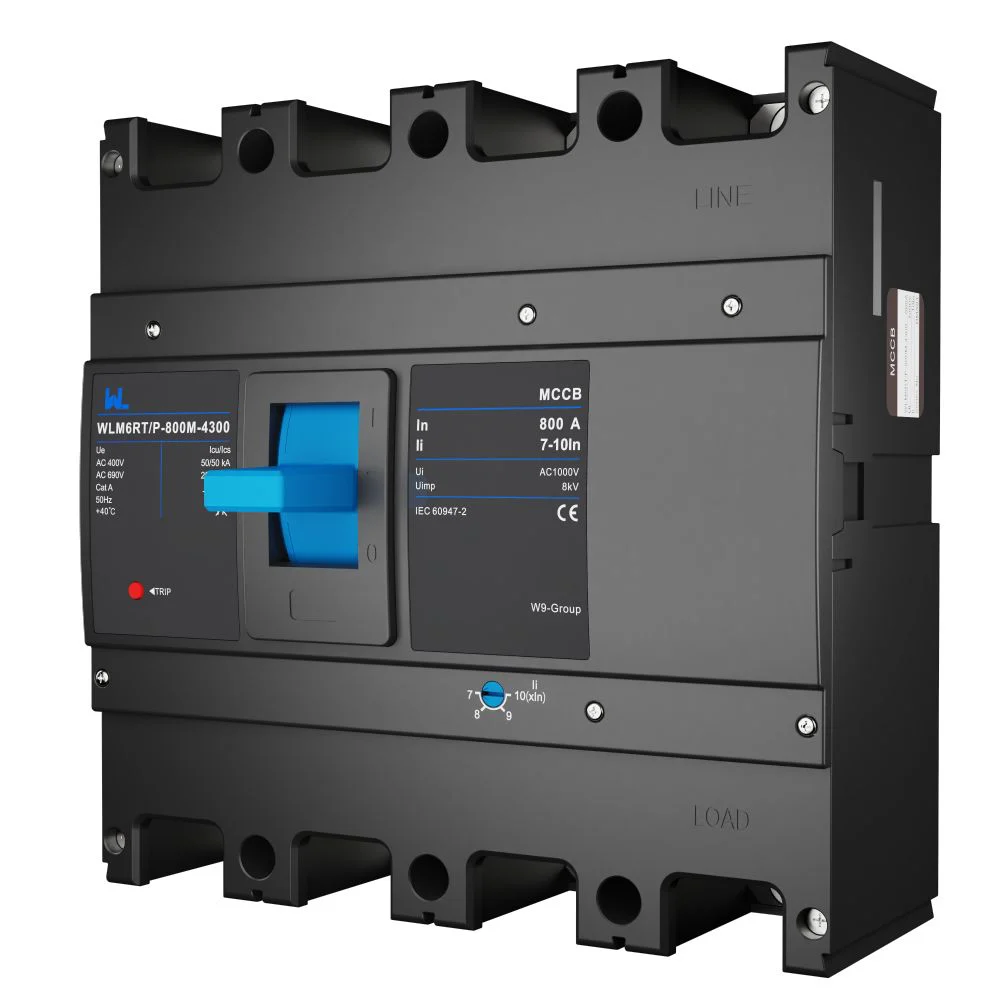
At the equipment level, select by pole count, system voltage, continuous current, interrupting capacity, terminal arrangement, and enclosure temperature. Product pages for the WLM6RT and CSDM7R families show example three-pole adjustable configurations, including the WLM6RT 800 A example; treat those pages as starting points and request the complete technical drawing for the exact variant. Never assume a listed frame current is the permissible setting for your conductors.
Comparison: adjustable and fixed protection strategies
| Decision dimension | 조정 가능한 MCCB | Fixed circuit breaker | Engineering implication |
|---|---|---|---|
| Protection tuning | Trip thresholds can be set within the trip-unit range | Factory threshold is generally fixed | Adjustable device can fit a coordination study more closely |
| Changing loads | Useful when feeders are upgraded or duty cycles vary | May require device replacement when load changes | Check adjustment access and change-control procedures |
| Nuisance-trip risk | Can be reduced by matching pickup and delay to inrush | Higher risk if fixed curve is mismatched | Validate with time-current curves; do not simply turn settings up |
| Commissioning effort | Requires setting, verification, and records | Usually simpler initial setup | Budget labor for testing and labeling |
| 보수 | Periodic inspection of mechanisms and settings | Inspection still required, with fewer adjustable controls | Follow the manufacturer and site maintenance plan |
| Total cost of ownership | Higher purchase complexity may be offset by reuse and uptime | Lower initial complexity for stable loads | Compare downtime, spares, labor, and future expansion—not unit price alone |
Application matrix: match the breaker to the duty
| 응용 | Primary concern | Useful adjustment approach | 요청할 증거 |
|---|---|---|---|
| 모터 피더 | Starting current and conductor protection | Set long-time pickup for cable/load; coordinate instantaneous function with starting profile | Motor data, starter curve, coordination plot |
| Transformer secondary | Inrush and secondary fault level | Use time delay only when permitted by the protection study | Transformer impedance, inrush guidance, fault calculation |
| Data-center or process feeder | Continuity and selective coordination | Coordinate upstream/downstream delays without exceeding withstand limits | One-line diagram, selectivity tables, test plan |
| OEM machine | Repeatable settings across builds | Use a controlled setting sheet and tamper-resistant identification | Bill of materials, wiring diagram, regional code review |
| Generator distribution | Lower available fault current and voltage variation | Verify trip-unit operation at the generator’s actual characteristics | Generator subtransient data, breaker curve, commissioning record |
Standards, testing, and market-specific compliance
IEC 60947-2 covers circuit-breakers for low-voltage switchgear and controlgear, including performance, tests, and marking. It is the appropriate starting point for an IEC-based specification, but the project still needs the correct utilization category, rated operational voltage, short-circuit ratings, and installation conditions. IEC 60269 concerns low-voltage fuses; reference it when a fuse is part of the protection scheme, not as an MCCB certification.
For the United States and Canada, UL 489 addresses molded-case circuit breakers and circuit-breaker enclosures. UL 489 is not interchangeable with IEC 60947-2; acceptance depends on the destination market, panel listing, and authority having jurisdiction. NFPA 70 (the NEC) governs installation practices in the United States, while local wiring rules govern elsewhere. Unsupported claims about certification, interrupting capacity, or coordination can delay approval, invalidate insurance assumptions, and create rework.
Testing should be traceable. A commissioning record can identify the instrument, test current, trip time, ambient condition, and person responsible. Illustrative calculation: if a feeder carries 180 A continuously and the derated conductor ampacity is 225 A, an engineer might evaluate a 200 A long-time setting; the actual value must come from the applicable code, conductor installation, and breaker instructions. The arithmetic illustrates the process, not a design recommendation.
Selection and procurement checklist
- Gather system voltage, phase and pole count, continuous and peak load, conductor ampacity, ambient temperature, enclosure, and prospective short-circuit current.
- Define the coordination objective: which downstream device should clear first, and what ride-through or selective-coordination requirement applies?
- Choose the frame and trip-unit range, then verify interrupting and short-time withstand ratings at the actual voltage.
- Request time-current curves, terminal and accessory drawings, adjustment instructions, and routine-test documentation for the exact catalog variant.
- Plan commissioning: authorized settings, torque values, labels, test instruments, spare strategy, and a revision-controlled record.
Zhejiang W9 Group Technology Co., Ltd., founded in 2020, focuses on low-voltage circuit-protection products and offers OEM/ODM and testing/inspection support. Buyers considering an adjustable molded case circuit breaker can use the company’s product documentation as a sourcing input, while independently confirming ratings, standards, and destination-market acceptance for each order.
자주 묻는 질문
What is an adjustable MCCB?
It is a molded case circuit breaker whose trip thresholds can be set within a defined range. The settings must be selected for the protected conductors, load behavior, fault current, and coordination plan.
Why are MCCB trip settings important?
MCCB trip settings determine when overload and short-circuit protection operates. Correct values reduce nuisance trips while preserving conductor and equipment protection; record and verify them during commissioning.
How do I set an adjustable MCCB for a motor?
Start with motor full-load current, starting profile, conductor ampacity, and downstream protection. Plot the manufacturer’s curve and coordinate the long-time and instantaneous functions; a qualified person should approve the final settings. For a broader overview of trip-unit choices, see the guide to advanced circuit-breaker trip devices.
Is an adjustable thermal magnetic circuit breaker suitable for changing loads?
It can be, when its adjustment range and thermal behavior cover the duty. If the project needs metering, communications, or very fine selectivity, compare an electronic trip unit and verify auxiliary-power requirements.
Can I use IEC 60269 to specify an MCCB?
No. IEC 60269 is a fuse standard. Specify the MCCB under IEC 60947-2 or the applicable national standard, and address fuses separately if they appear elsewhere in the circuit.
What documents should a supplier provide?
Request the exact data sheet, dimensional and terminal drawings, time-current curves, accessory list, installation instructions, routine-test evidence, and a statement of applicable standards. Confirm that documents match the delivered catalog number.
참고문헌
- IEC 60947-2, Low-voltage switchgear and controlgear—Circuit-breakers
- IEC 60269 series, Low-voltage fuses
- UL 489, Molded-Case Circuit Breakers and Circuit-Breaker Enclosures
- NFPA 70 (National Electrical Code)
The best breaker is the one whose settings, evidence, and installation still make sense six months after commissioning. Tune the protection to the system, document the decision, and revisit it when the load changes.
For configurable low-voltage protection options and technical sourcing support, review the W9 product range and contact the team with your one-line diagram, load data, destination market, and required documentation.