







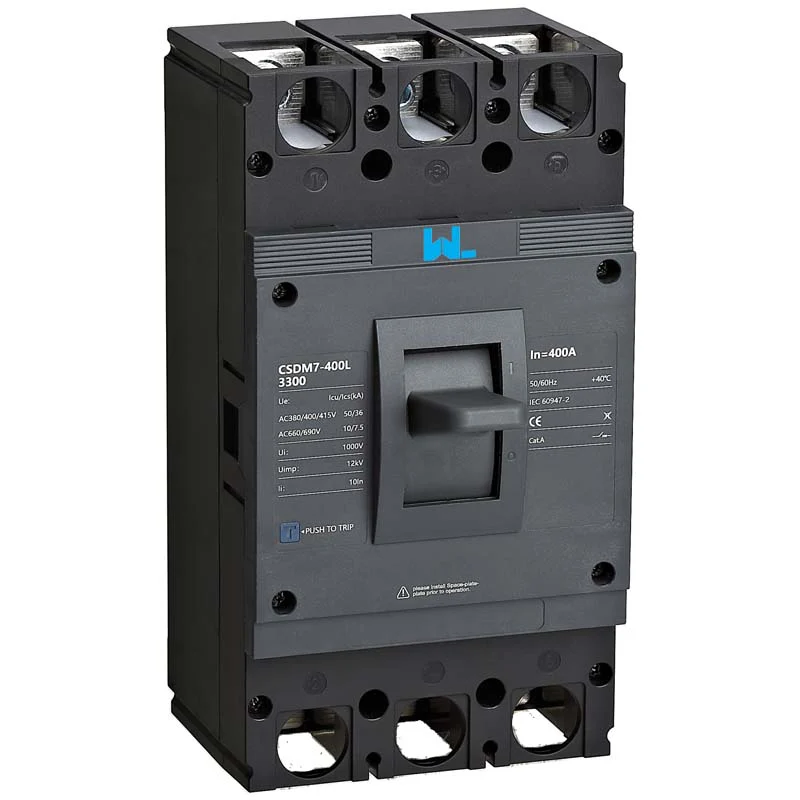





















전기 메인 브레이커의 주요 유형: 데이터 기반 인사이트
메인 차단기를 비교하는 구매자는 정격 전류는 같지만 고장 전류 용량, 트립 기능 및 서비스 조건이 크게 상이한 견적을 받을 수 있습니다. 이러한 차이를 확인하지 않은 채 가장 저렴한 품목만 선정하면 대체품 사용에 따른 분쟁이나 배전반 재설계가 발생할 수 있습니다. 메인 차단기는 단순히 구매 계획에 맞추기보다는 전기 시스템과 전체 조립체에 적합해야 합니다.
간단한 답변: 주차단기는 범용 등급이 아닌 시스템 용도에 맞게 선택하십시오. MCB는, MCCBS와 ACB는 각각 서로 다른 용도로 사용될 수 있지만, 적절한 제품군은 전압, 계산된 부하, 가용 고장전류, 설비 간의 조정성, 설치 요구사항 및 유지보수 필요성에 따라 결정됩니다. 누전 보호 이는 적절한 설비에 통합되지 않는 한 별도의 요구사항입니다. 중요한 자료는 프로젝트별로 달라지며, 단선도, 부하 계산, 고장 해석, 정격 곡선 및 승인된 조립 정보를 포함합니다. 본 가이드는 시장 점유율 순위나 일반적인 성능 통계를 제시하지 않습니다.
메인 차단기 보호 요건
메인 차단기는 인입 전류를 통과시키며, 자체 정격 내에서 고장을 차단합니다. 이 차단기의 보호 특성은 배선 및 하류 측 장치와 적절히 상호 조정되어야 합니다. 또한 분리 기능을 수행하는 경우에는, 손잡이가 열려 있다는 사실만으로 충분한 절연 상태로 간주하지 말고 해당 기능의 적합성과 필요한 잠금 장치의 설치 여부를 반드시 확인해야 합니다.
공급 전압, 주파수, 상수 및 접지 방식부터 시작하십시오. 설비 전원, 발전기 및 기타 공급 방식 중 영향을 미칠 수 있는 사례를 파악하십시오. 과부하 전류 또는 전환 요구사항. 차단 용량과 관련하여 가장 높은 가용 고장전류 수준이 중요하며, 보호 설정이 해당 조건에서도 적절히 작동해야 하므로 더 낮은 고장전류 수준 또한 고려해야 합니다.
그런 다음 해당 설치 규정에 따라 부하 및 도체의 요구사항을 결정하십시오. 연속 전류 정격은 인클로저 온도, 배선 묶음, 단자 허용치 또는 제조사의 저전력화 적용을 무시해도 된다는 의미가 아닙니다. 마찬가지로, 단순히 차단기의 오작동을 피하기 위해 차단기를 과대하게 선정해서는 안 됩니다. 승인된 설계는 합리적인 부하 특성을 수용하면서 회로를 보호해야 합니다.
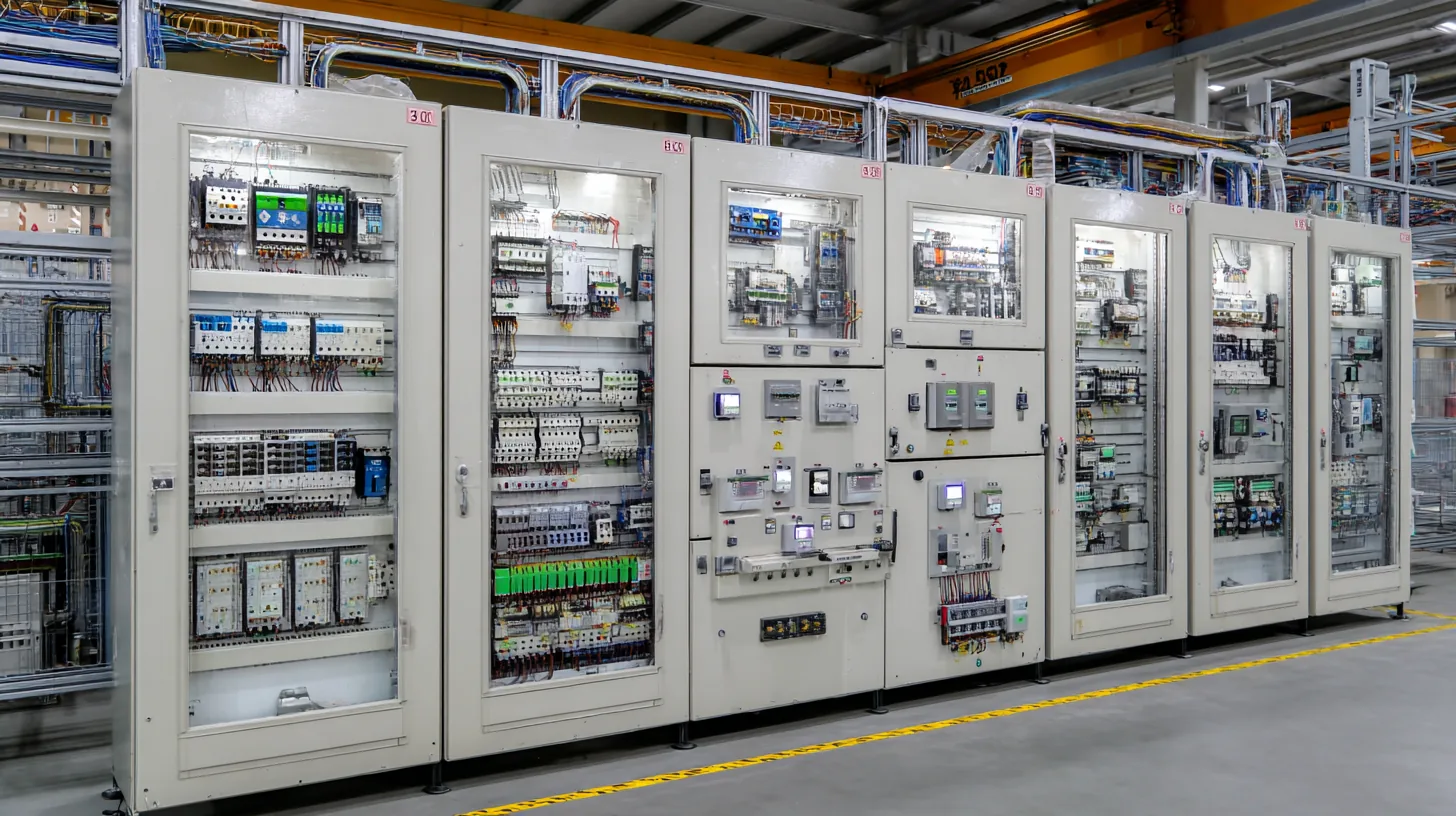
메인 차단기 유형 비교
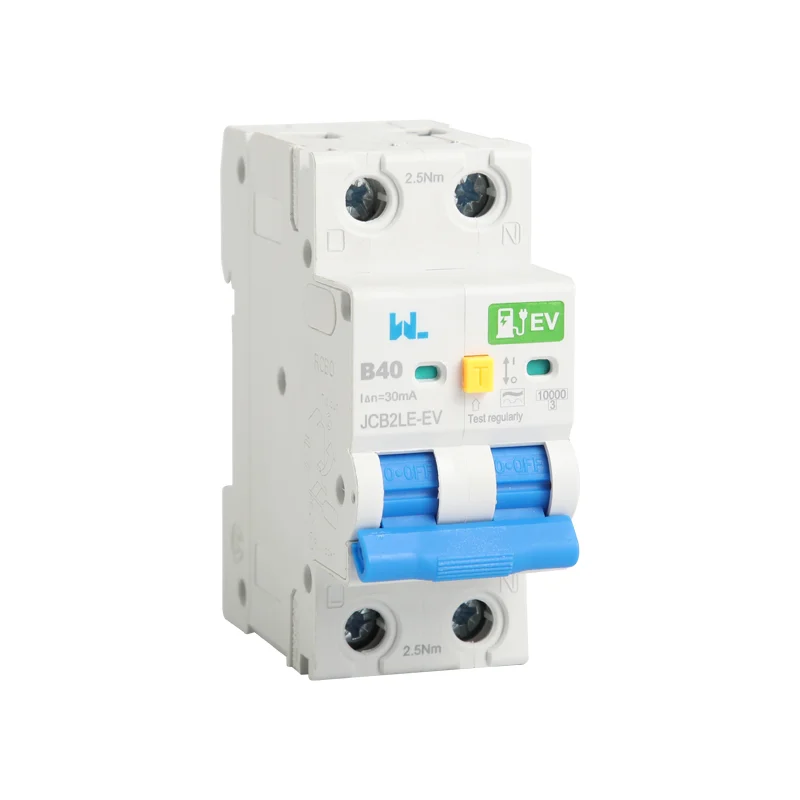
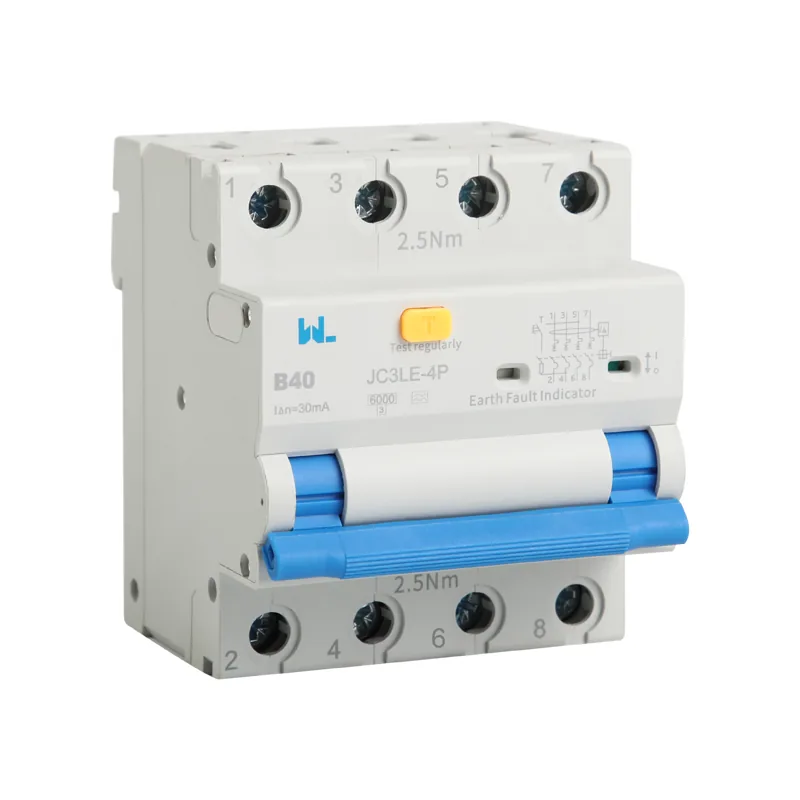
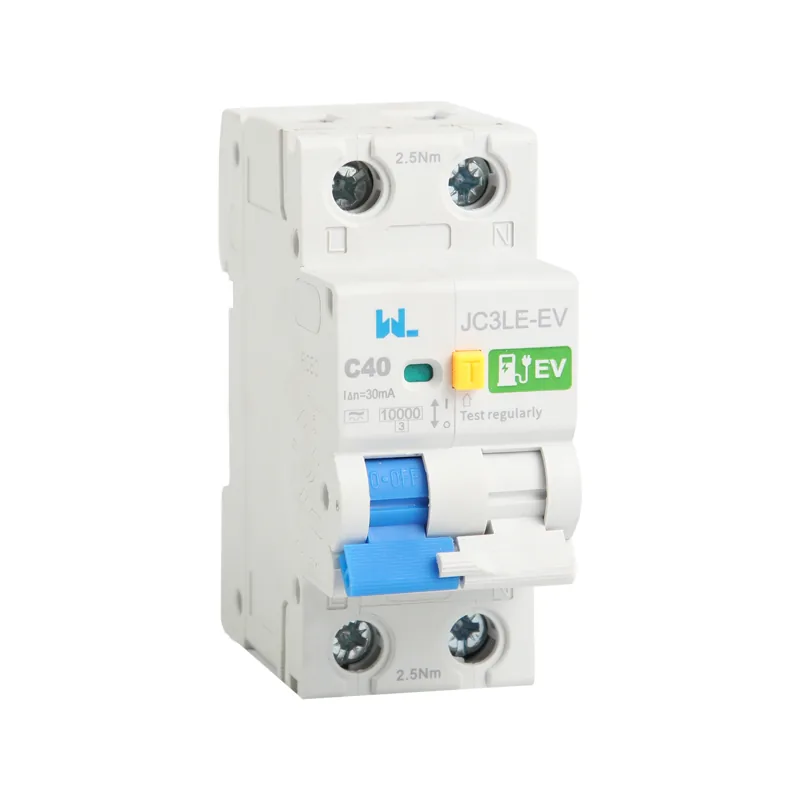
MCB는 일반적으로 최종 회로 분배와 관련된 소형 장치입니다. 그러나 해당 MCB의 실제 정격, 보호 성능 및 조립 승인 사항이 요구되는 용도에 부합하는 경우에만 인커(Incomer)로 사용할 수 있습니다. 소형이라는 외형만으로 적합하지 않다고 단정할 수는 없으며, 또한 익숙한 암페어 표시만으로 주전원용으로 적합하다고 단정할 수도 없습니다.
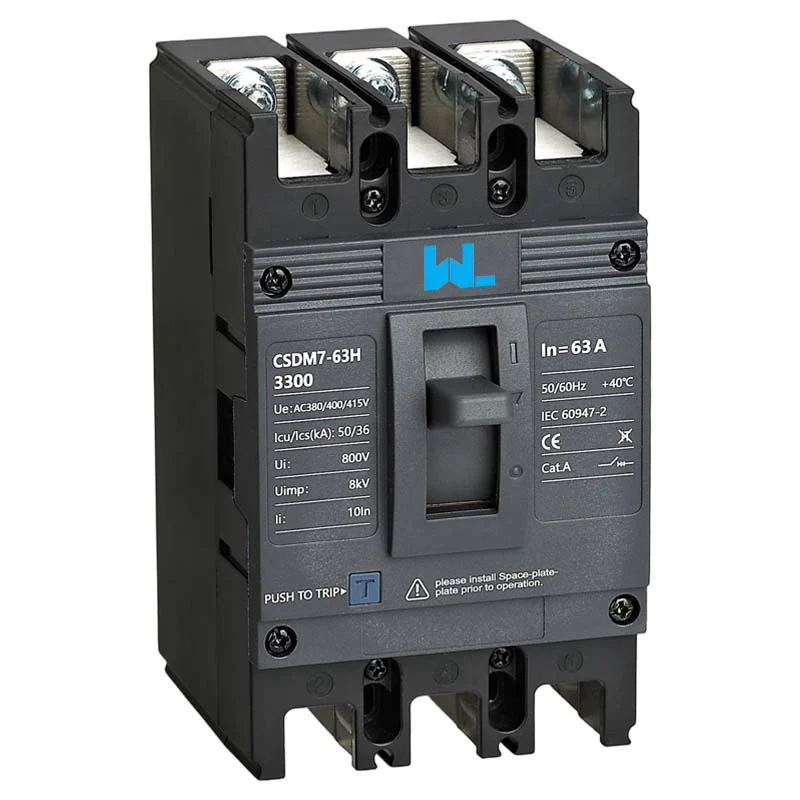
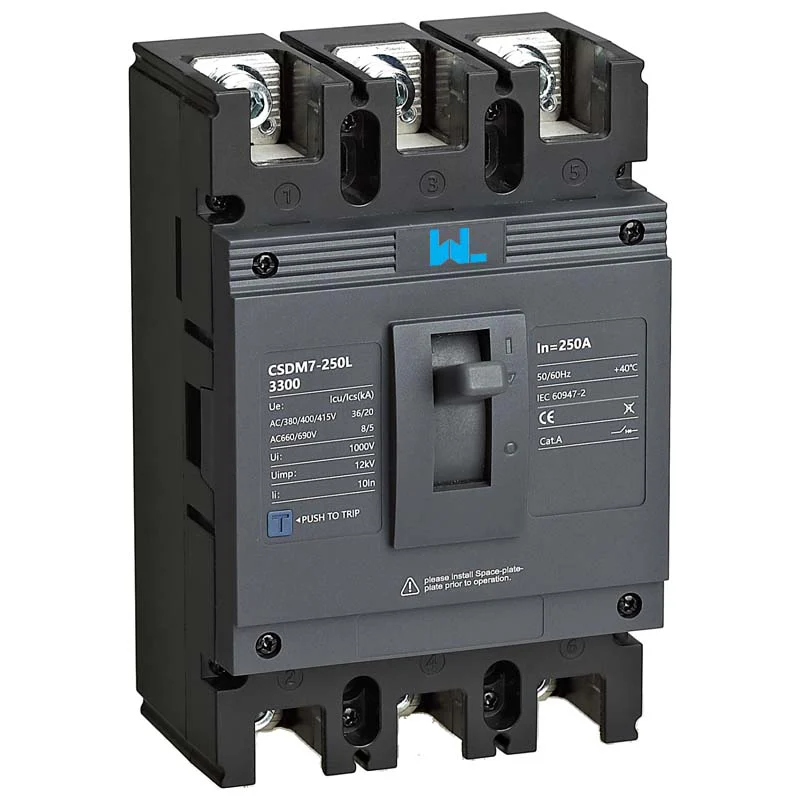
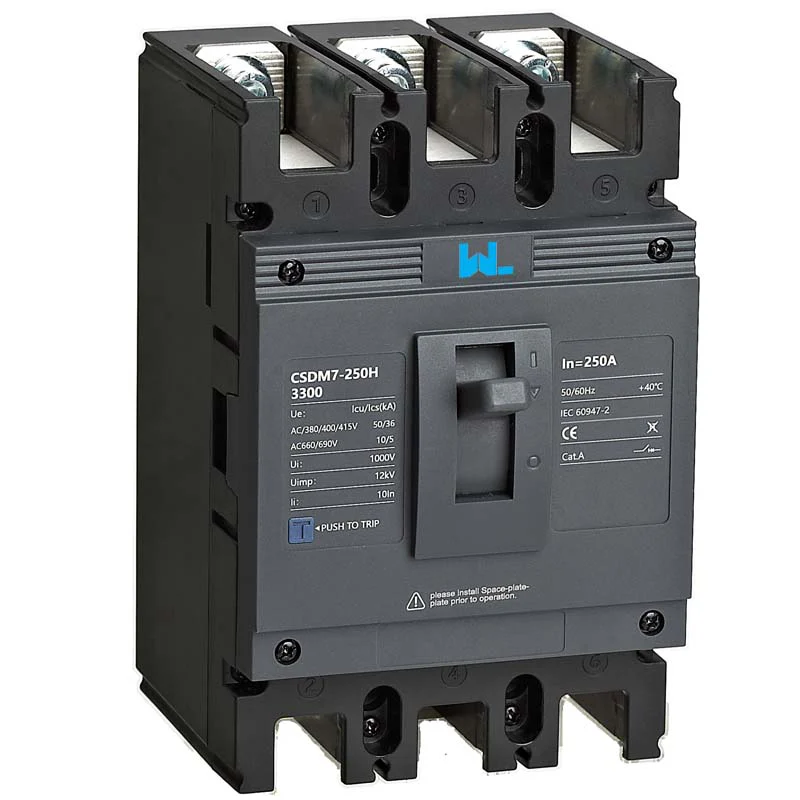
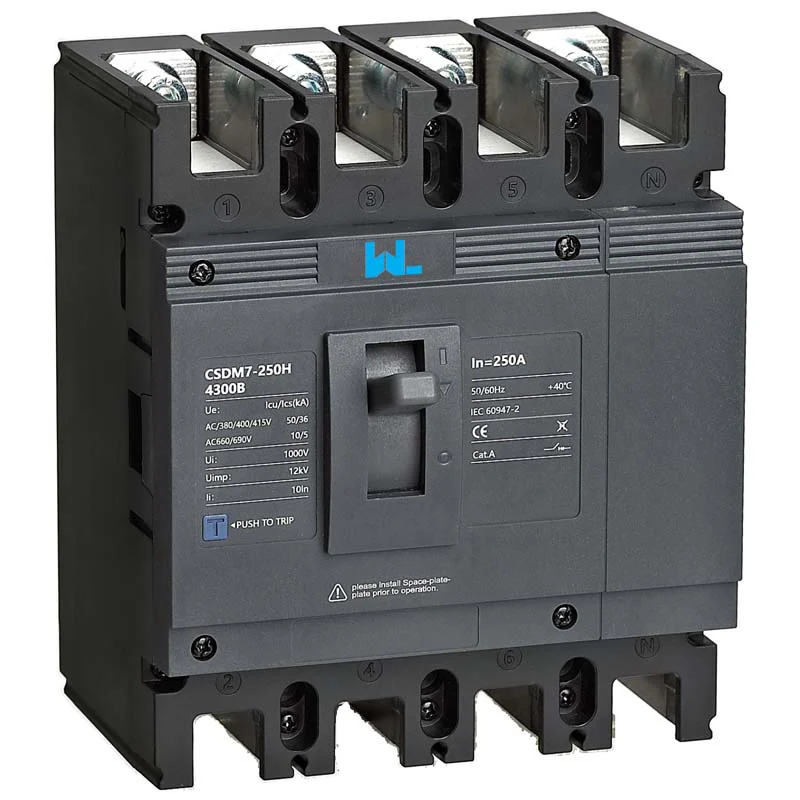
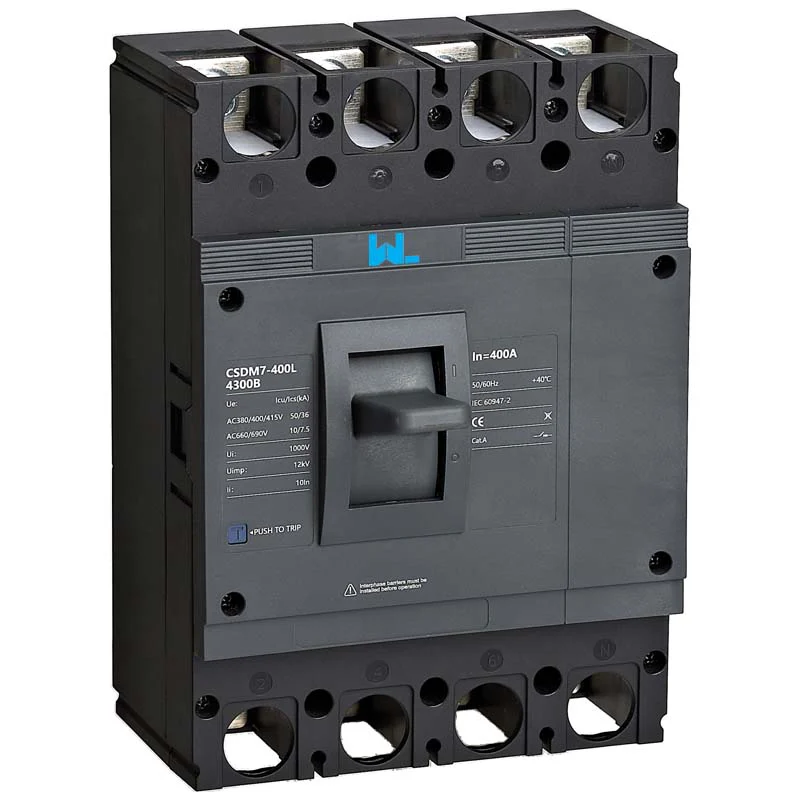
MCCB는 종종 분배용 피더 및 인커에 유용한 구성 옵션을 제공하며, 모델에 따라 조정 기능이나 전자식 보호 기능을 갖추고 있습니다. ACB는 주배전반과 버스커플러에 적합한 서비스 및 부속 장치 아키텍처를 제공할 수 있습니다. 그러나 이러한 특성들 중 어느 것도 모든 모델이 모든 전류 또는 고장 전류 수준에 적합하다는 것을 의미하지는 않습니다.
| 가족 | 평가해야 할 이유 | 중요한 경계선 | 요청할 증거 |
|---|---|---|---|
| MCB | 작업 환경과 조립 여건이 허용하는 범위 내에서의 소형 보호 장치 | 고정된 특성과 실제 고장 처리 능력은 반드시 일치해야 한다. | 곡선, 전압별 정격 및 기판 승인 |
| MCCB | 사용 가능한 프레임 및 트립 옵션을 통한 분배 보호 | 조정 및 액세서리는 모델에 따라 다릅니다. | 트립 곡선, 설정 범위 및 고장 정격치 |
| ACB | 전력-부하 보호 및 문서화된 서비스 전략 | 크기, 수신 장비 및 유지보수는 복잡성을 증가시킵니다. | 내구성 데이터, 조립 도면 및 정비 절차 |
| RCBO where appropriate | Combined residual-current and overcurrent protection | Both protective specifications and duty must be suitable | Residual type, overcurrent curve and breaking capacity |
The MCCB 카테고리 is useful for identifying candidate configurations, not for assuming interchangeability. Compare the proposed frame, trip unit and rating combination rather than treating the product family as a single standardised device.
Breaking Capacity vs Selectivity
Interrupting capacity is not proof of downstream selectivity. A device may be able to interrupt the fault yet still remove more of the installation than intended. Selectivity asks whether the downstream protective device clears within the demonstrated range before an upstream device operates; it requires curves or manufacturer coordination evidence and the actual system conditions.
Where IEC ratings are used, distinguish Icu, Ics and Icw where applicable. Evaluate breaking ratings at the service voltage and short-time withstand at the declared duration. Do not transfer a kA value from a different voltage or assume a selective delay is acceptable because the ultimate breaking rating is high.
~을 위해 ACB incomer, the maintenance and accessory arrangement must be evaluated alongside fault performance. Drawout construction can support an exchange plan, but does not automatically allow live removal or guarantee that a substitute breaker fits the installed cradle.
Main Breaker Project Data
| 무대 | Required input | 결정이 지지됨 | Failure if omitted |
|---|---|---|---|
| Concept design | Supply system, load profile and continuity objective | Suitable family and protection philosophy | A feature-led choice unrelated to the duty |
| Detailed design | Fault study, conductors and device curves | Ratings and approved protection settings | Inadequate duty or overlapping operation |
| 조달 | Exact configuration, dimensions and approval evidence | Acceptable model and assembly combination | Unapproved cross-brand replacement |
| 시운전 | As-built circuit details and test plan | Settings, operation and documented handover | Catalogue settings mistaken for approved settings |
| 작전 | Change records, inspections and spare compatibility | Continued suitability after load or supply changes | Protection study no longer matching the system |
A lifecycle comparison should include device and accessory cost, engineering, assembly changes, commissioning, planned service work and interruption consequences. Use the same assumptions for each option. A simpler breaker may have the better lifecycle case where it meets the duty and service access is straightforward; a more configurable option may be justified where coordination and operating records provide a defined benefit.
Product vs Installation Compliance
IEC 60947-2:2024 is an industrial circuit-breaker product standard within its public scope. It does not verify the switchboard, installation or a particular supplier model merely because the number appears in a brochure. Request the exact model’s evidence and the project’s required edition or adopted equivalent.
For North American procurement, UL 489 covers moulded-case circuit breakers, moulded-case switches and associated enclosures within its scope. UL 1066 covers a different power-breaker scope and explicitly does not apply to moulded-case circuit breakers. Specify the applicable product and assembly approval route rather than accepting an unrelated certificate or assuming IEC and UL ratings are interchangeable.
Physical fit does not establish an approved main-breaker replacement. Review busbar and cable terminals, mounting, heat dissipation, interlocks, auxiliary circuits, control supplies and the assembly manufacturer’s requirements. A replacement that changes the protection curve also requires a coordination review, even if its frame and connections appear identical.
- Freeze supply scenarios and the governing installation requirements.
- Calculate load and maximum/minimum fault conditions.
- Select ratings and protective functions using curves and coordination evidence.
- Verify the complete assembly and accessory configuration.
- Approve and record commissioning settings and later change control.
W9 Group can be considered for documented circuit-protection enquiries. A product listing is a candidate source, not a substitute for project qualification. Supply the actual duty and required evidence before accepting an offered configuration.
자주 묻는 질문
Which main breaker type is best?
There is no universal best type. Choose the device that meets the load, voltage, fault duty, coordination, approval and operating requirements of the actual system.
Can an MCB be a main breaker?
It can only where its ratings, protective characteristics and assembly approval satisfy the duty. Do not decide from 현재 등급 or physical size alone.
Can an RCCB replace a main overcurrent breaker?
No; an RCCB has no integral overload or 단락 보호. An appropriate RCBO arrangement combines functions, but still requires duty and assembly checks.
Is a larger ampere rating a safer choice?
Not automatically. An excessive rating or pickup can undermine conductor protection; the correct value comes from the design and applicable installation rules.
What makes a main-breaker selection data-driven?
A traceable link from project calculations and manufacturer evidence to the chosen device and settings. Unsupported sales rankings or generic current ranges are not equivalent to that evidence.
참고문헌 및 결론
Public references were checked on 14 October 2026. The right main breaker is the one supported by the system evidence. Contact W9 Group with the single-line diagram, duty and documentation requirements for a model-level enquiry.
제안된 구성을 검토하기 위해, W9 그룹에 문의하기 로드 스케줄, 사용 가능한 불량 전류 및 목적 시장 요구 사항을 고려하여.