























MCCB アダプターの理解:信頼性の高い低電圧保護の鍵
Low-voltage protection can create an unexpected restart hazard if a buyer confuses “closing is permitted again” with “the breaker closes automatically.” An undervoltage accessory and a reclosing control system are different parts of the design.
An undervoltage release can open a compatible breaker or prevent closing when its control supply is outside the declared operating conditions. Voltage recovery may permit closing again. It does not, by itself, prove that the breaker will automatically reclose.
Define the controlled voltage
Specify the exact accessory code, AC or DC control supply, frequency where relevant and compatible breaker. The control supply might be the monitored power source or a separate circuit; that decision affects the response to a voltage dip or lost supply.
Request pickup and dropout limits and any delay from the exact release manual. Do not apply a percentage copied from another accessory family. A time-delay release also needs its declared operating conditions and reset behaviour confirmed.
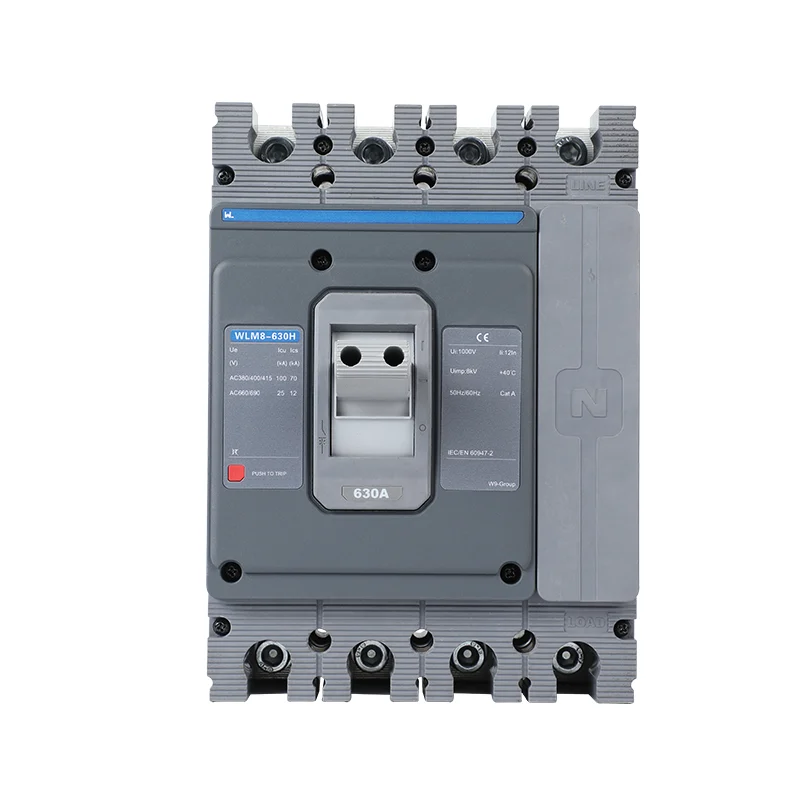
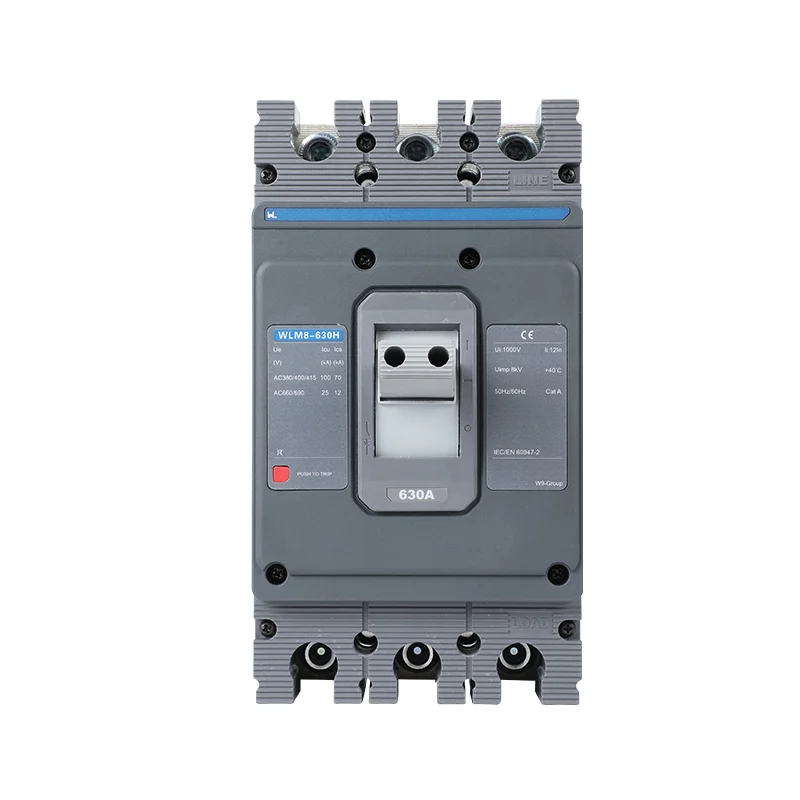
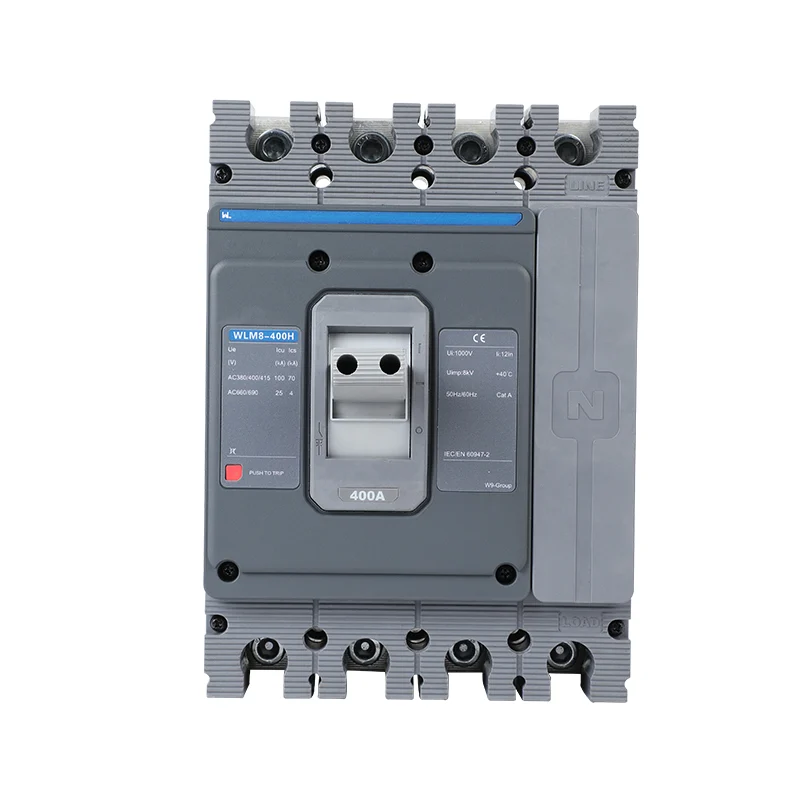
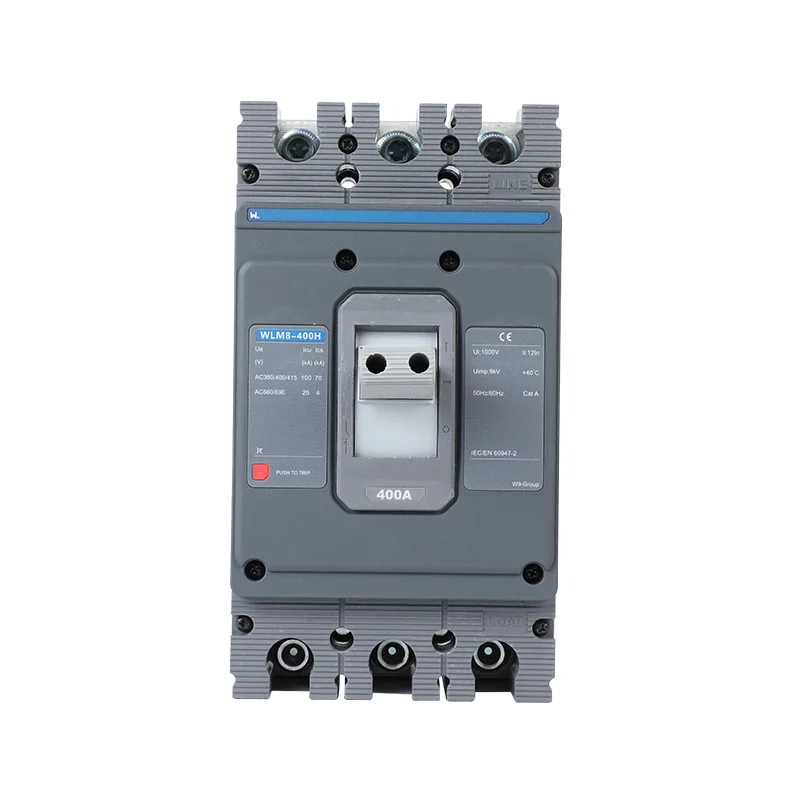
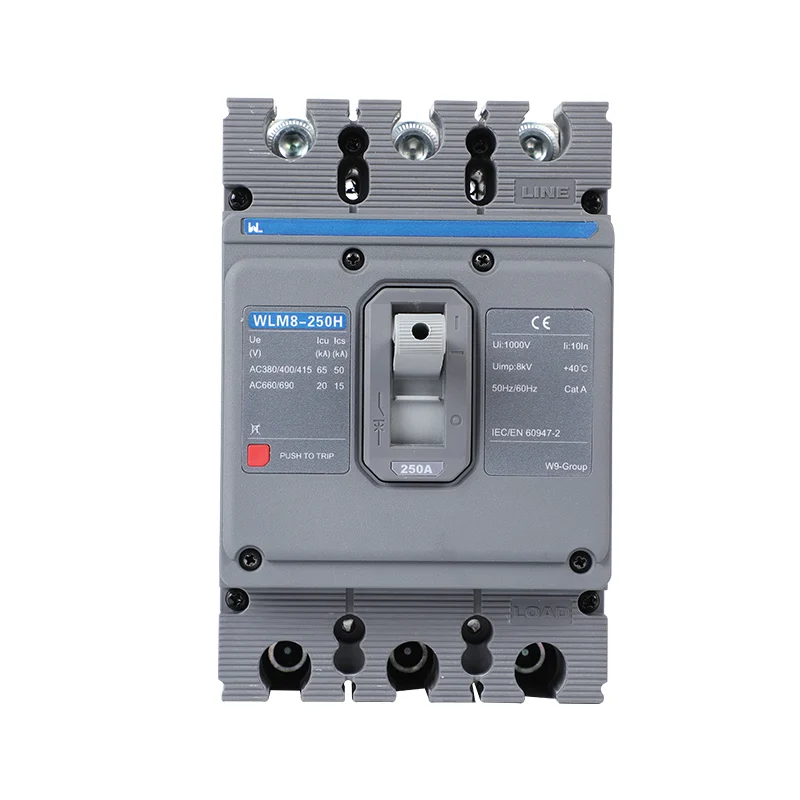
ガイドへの 成形ケース式遮断器 フレームサイズ、評価、トリップ動作の違いを説明します。.
Separate tripping from restarting
Write the required sequence: voltage falls, release acts, breaker opens, fault or supply condition is checked, and an authorised close action is permitted. Any motor operator or automatic controller adds separate closing commands and interlocks. The complete sequence must prevent unintended energisation where required.
| Event | Question for the design |
|---|---|
| Supply dip | Will the release operate or intentionally ride through? |
| Supply loss | What state is required? |
| Voltage recovery | Is closing merely permitted or commanded? |
| Operator reset | What checks and interlocks apply? |
「use」を MCCBの技術要件 仕様を注文コードとプロジェクトファイルと比較してください。.

Confirm compatibility and installation
The release must match the MCCB mechanism and mounting location. Check wiring, protective devices, control contacts and terminal identification. Calling it an undervoltage contact does not establish that it is a sensing relay, a release or a feedback contact; use the exact component description.
| Component | Function to verify |
|---|---|
| Undervoltage release | Opening or closing inhibition under declared supply conditions |
| シュントの放出 | Opening on an energised command |
| 補助連絡先 | Position indication within its specified logic |
| Motor operator | Mechanised opening or closing commands |
Verify the complete cause and effect
Commission using the manufacturer’s procedure and competent personnel. Confirm the actual low-voltage response, recovery behaviour and interlocks rather than assuming them from the front label. Record the accessory supply and result with the breaker schedule.
IEC 60947-2 provides product context, while control-circuit and installation requirements remain separate. Ask W9 Group for the exact compatibility and supply-limit documents before approving the accessory. The required restart sequence should be part of that enquiry.
よくある質問
Will an undervoltage release close the breaker automatically when voltage returns?
Not by itself. Recovery may permit closing, while actual reclosing needs a separate command and the appropriate control arrangement.
Are the dropout percentages identical for every release?
No universal range should be assumed. Use the exact model’s declared pickup, dropout and delay information.
Is an undervoltage release the same as a shunt release?
No. A shunt release acts on an energised opening command, while an undervoltage release responds to its specified supply condition. Confirm each model’s operating logic.
What should be tested at commissioning?
Test the documented voltage-loss response, recovery, permitted closing sequence and interlocks. Record results and verify that the installed control supply matches the approved design.
参考文献
提案された構成を確認するには、, W9グループへのお問い合わせ 負荷スケジュール、利用可能な故障電流、および宛先市場の要件を考慮して。.