




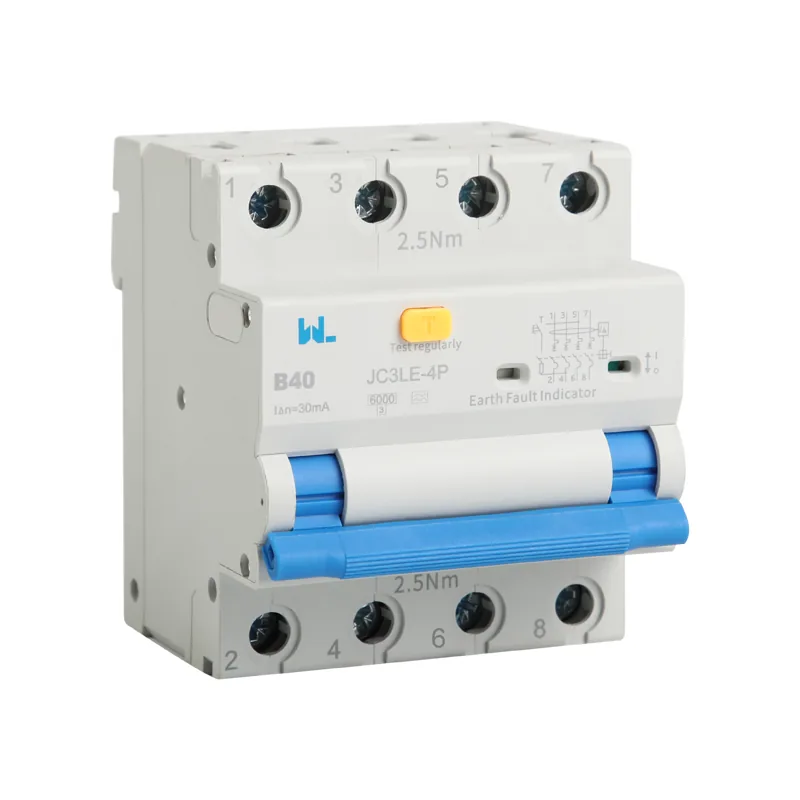
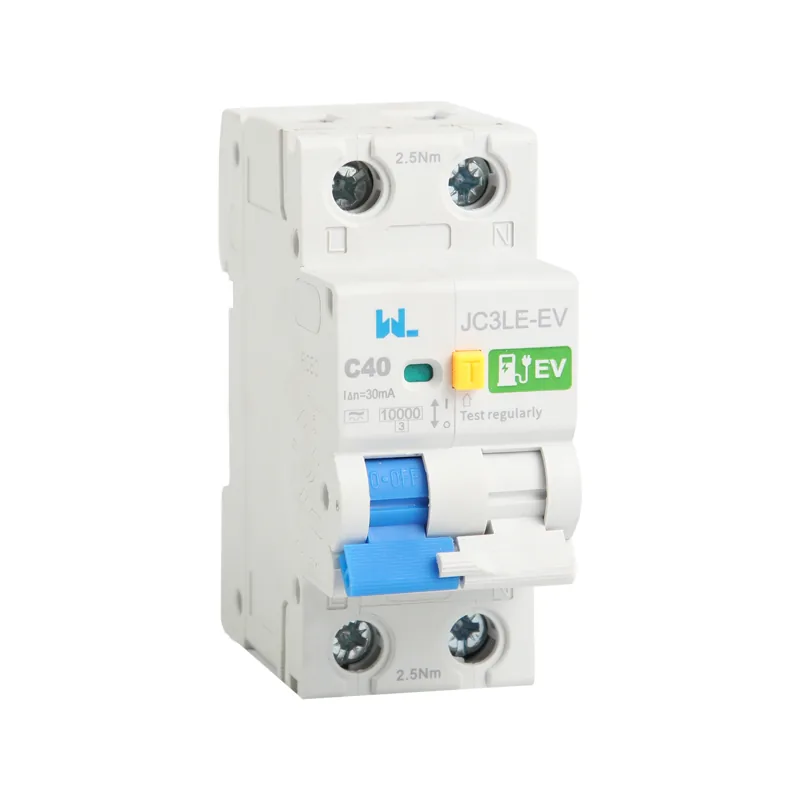




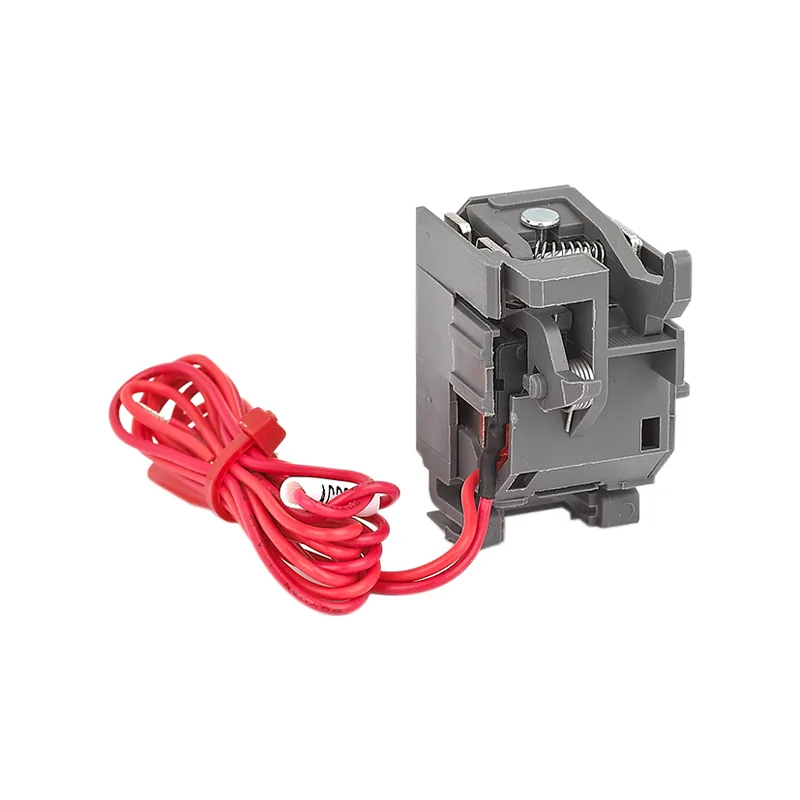
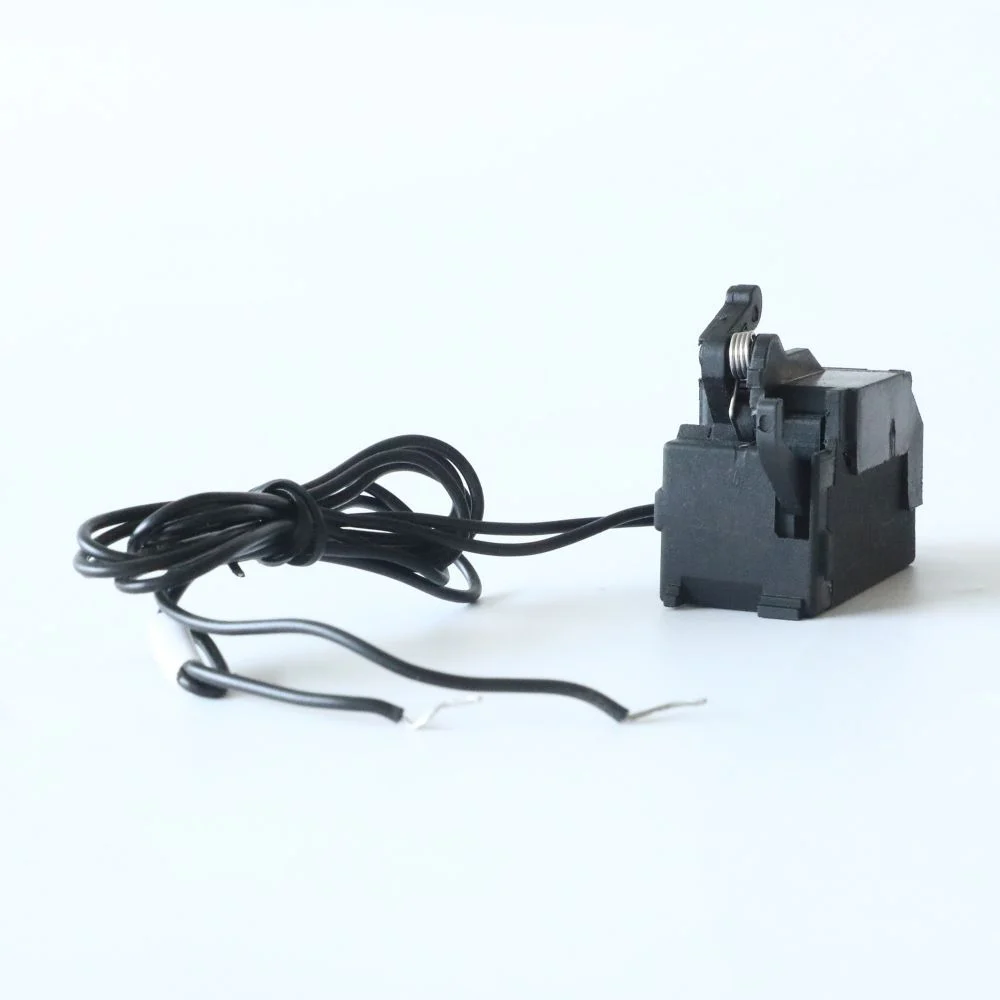















Understand the characteristics of MCCB circuit breakers
A molded case circuit breaker can have the correct amperes and still be unsuitable for a feeder. Fault capacity, trip behaviour, terminal arrangements and enclosure conditions must be checked together before the breaker becomes an approved line item.
An MCCB provides overcurrent interruption within a moulded insulating enclosure. Depending on the exact release, it may use thermal-magnetic or electronic protection and offer additional accessories. The family name does not establish residual-current detection, communications or ground-fault protection.
Electrical characteristics that determine suitability
Record current, operational voltage, poles and prospective fault current at the installation point. Read breaking capacity at the actual voltage. Under IEC terminology, Icu and Ics are distinct ratings; an ampere label cannot establish either one.
Frame current can differ from the installed release rating and its settings. Apply the manufacturer’s ambient and mounting guidance and check the conductor ampacity. Larger dimensions or a higher frame rating do not justify increasing a trip setting above the circuit’s protection limit.
The guide to molded case circuit breakers explains how frame size, rating and trip behaviour differ.
Choosing the trip technology
A 熱磁性 release combines a thermal overload response with a magnetic high-current response. An electronic trip unit uses current measurement and configurable protection functions where provided. Adjustment can support coordination, but only when the exact curves and setting tolerances are included in the study.
Ground-fault protection, residual-current protection, alarms and remote opening are separate functions. Confirm which are integral, which need accessories and which require other equipment. A shunt release opens on a control command; it does not detect an overload by itself.
| Characteristic | Question to resolve |
|---|---|
| Current and temperature | Can the ordered configuration carry the design load in the enclosure? |
| Short-circuit duty | Are Icu and Ics adequate at the actual voltage? |
| 保護 | Which functions and setting ranges are supplied? |
| Connections | Are lugs, conductor type and busbars approved? |
| Accessories | Are voltage, mounting and feedback compatible? |
「use」を technical requirements for MCCBs to check the specification against the order code and project file.

Coordination and assembly boundaries
Review upstream and downstream devices for overload and fault conditions. A coordination table can depend on exact model pairs and fault levels; do not infer selectivity from two different current ratings. Any proposed cascading or backup arrangement needs manufacturer evidence and project acceptance.
The complete switchboard has its own thermal and short-circuit verification requirements. Breaker component ratings do not automatically establish the rating of the assembled panel. Include cable bending space, terminal torque, barriers and service access in the approved drawing.
| 申請 | Priority check |
|---|---|
| モーター式フィーダー | Starting current and starter coordination |
| Transformer secondary | Inrush and available fault current |
| Critical distribution | Selectivity, testing and spare strategy |
| PV or battery circuit | Explicit AC/DC duty and source conditions |
Selection and handover
IEC 60947-2 describes the breaker product scope, while IEC 61439 addresses low-voltage assemblies. Destination installation rules add another layer. A certification statement should identify the actual model and documentation, not simply list standard numbers.
Before ordering from W9 Group, send the electrical duty and requested release and accessory configuration. At commissioning, record approved settings, connection checks and functional tests. A later replacement must preserve the complete protection basis, not just the amperes on the front.
よくある質問
What does an MCCB protect against?
Its declared overcurrent functions address overload and short circuit. Ground-fault or residual-current functions require explicit confirmation for the selected device.
Is a higher breaking capacity always better?
It must meet the prospective fault duty at the actual voltage. Beyond that requirement, compare coordination, configuration and cost rather than treating one kA number as a universal quality score.
Are all MCCBs adjustable?
No. Fixed and adjustable releases are available, and the permitted functions and ranges vary. Request the exact trip-unit data.
Does an MCCB rating establish the panel rating?
No. The complete assembly, connections and protective arrangement need their own verification. A component rating cannot be copied onto the entire switchboard without evidence.
参考文献
- IEC 60947-2:2024 — 回路断開器製品の範囲.
- IEC 61439-1:2020 — low-voltage assembly general rules.
- NFPA 70 — U.S. installation-code development and scope.
To review the proposed configuration, W9グループへのお問い合わせ with the load schedule, available fault current and destination-market requirements.