








アラーム付き4極RCBO 6kA:安全スイッチ回路ブレーカガイド
A four-pole RCBO enquiry must keep load current, residual sensitivity, short-circuit capacity and remote alarm behavior separate. The phrase 4-pole RCBO with alarm 6kA is an enquiry description, not proof that a particular W9 order code includes every feature. Match the specified device and its signalling accessory before approving the panel schedule.
Quick answer: a four-pole RCBO combines residual-current and overcurrent protection, while an alarm signal requires a documented compatible function or accessory. In a specification, 6 kA means short-circuit breaking capacity under stated conditions, not the load current or leakage setting. W9’s current JC3LE-4P page lists four-pole electromagnetic construction, 400/415 V, 50/60 Hz, B or C curves and residual-sensitivity options; it asks buyers to confirm current, breaking capacity and waveform type for the selected unit. Obtain those documents before treating a 6 kA enquiry as a verified product rating.
Four-Pole RCBO Protection
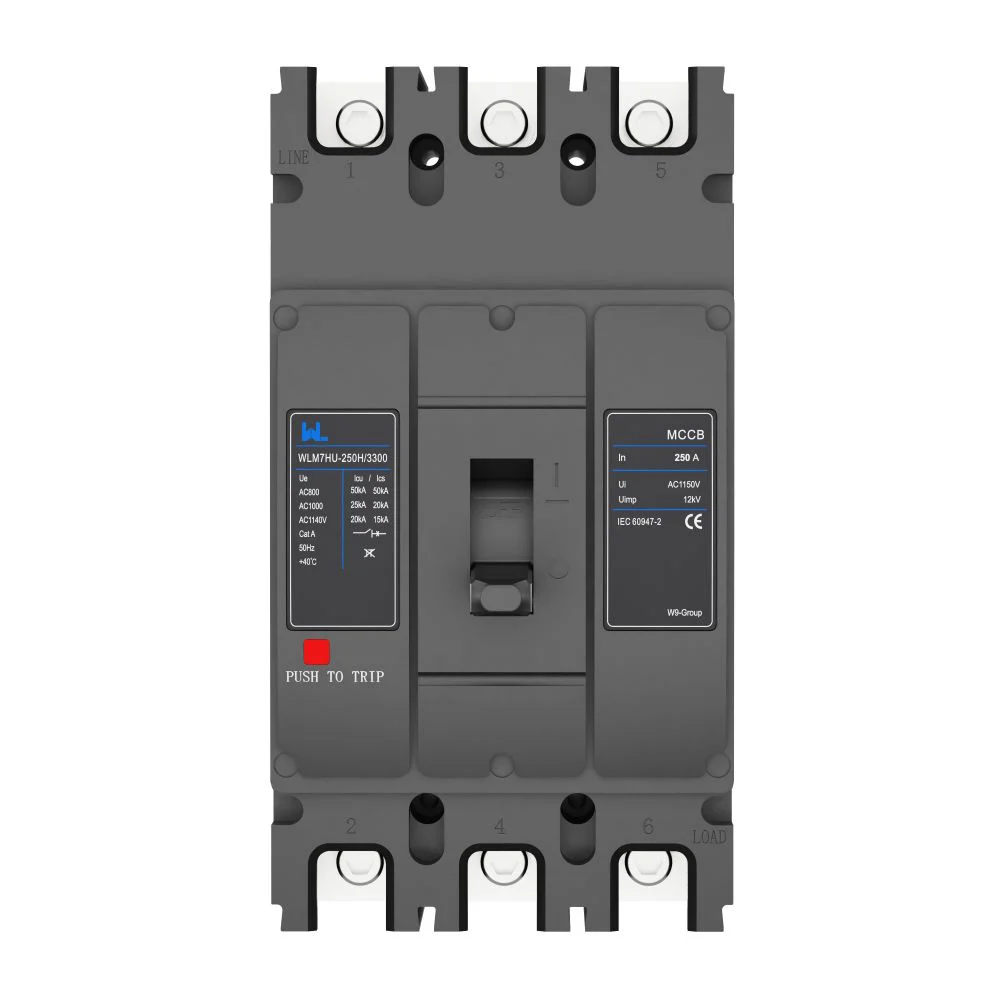
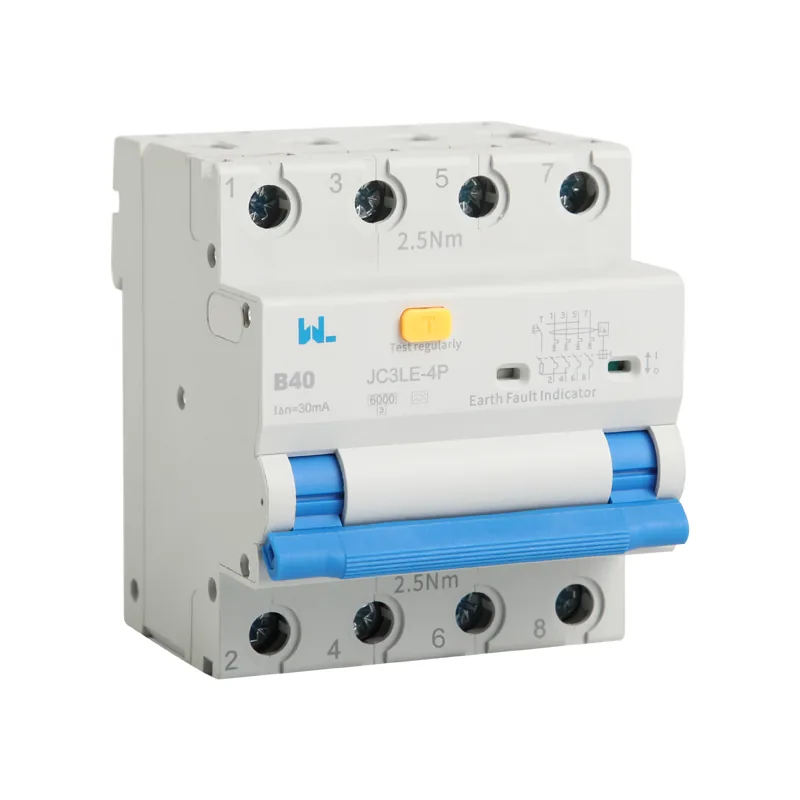
An RCBO is a residual-current circuit-breaker with integral overcurrent protection. In a 4-pole version, three phase poles and the neutral pole pass through one device. A thermal-magnetic element responds to overload and short circuit; the residual-current element compares the current leaving and returning through the conductors. If the imbalance reaches the selected IΔn, the device opens the circuit. This arrangement is useful where a neutral must be disconnected with the phases for safe maintenance or where a shared neutral could make a single-pole solution ambiguous.
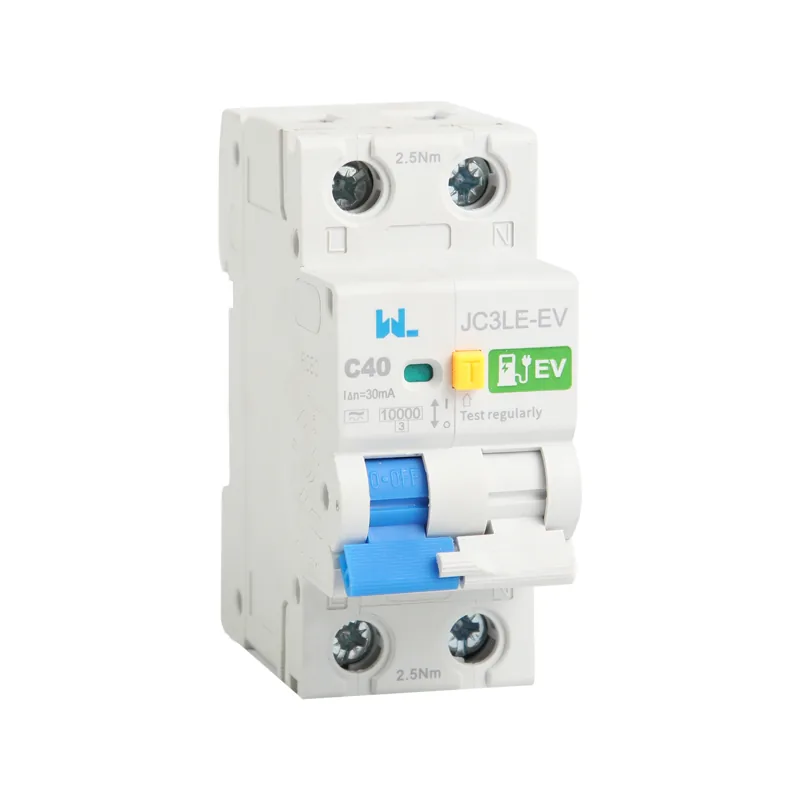
W9’s current JC3LE-4P page describes separate overcurrent and residual-current handles and asks buyers to confirm the neutral-terminal identification and approved wiring. Do not assume that every four-pole design protects the neutral identically, accepts either feed direction or uses any pole interchangeably. Verify protected poles, switched poles, neutral sequence and handle operation for the exact supplied variant.
6kA RCBO Specification Checks
When specified as a breaking rating, 6 kA equals 6,000 A of short-circuit current under the declared test conditions. It is independent of the continuous-current and residual-current settings. The current W9 product page does not establish a single breaking rating for every JC3LE-4P variant, so request the marked capacity, test basis and exact order code. Compare the confirmed rating with prospective fault current at the installation point and any accepted backup arrangement.
Choose a B curve where lower instantaneous magnetic thresholds suit lighter inrush; choose C where normal motor, transformer or LED inrush would otherwise cause nuisance operation. The curve must be coordinated with conductor ampacity and the upstream protective device. Type AC responds to sinusoidal residual current, while Type A also detects pulsating DC components; select the type required by the connected loads and the destination standard. Never infer a Type F or Type B capability unless the manufacturer documents it.
| Field | Public page inspected on 2026-10-19 | Required confirmation |
|---|---|---|
| Construction | Four-pole electromagnetic RCBO | Exact order code and terminal diagram |
| Voltage and frequency | 400/415 V and 50/60 Hz | Selected unit’s marking and installation limits |
| Residual-current sensitivity | 30, 100 or 300 mA options | Approved sensitivity and waveform combination |
| Trip characteristic | B or C options | Curve matched to inrush and fault clearing |
| Current and breaking capacity | Confirmation required for the selected unit | Marked ampere and kA ratings with supporting documents |
| Alarm and handles | Separate overcurrent and residual-current handles described | Alarm accessory compatibility and actual contact-state behavior |
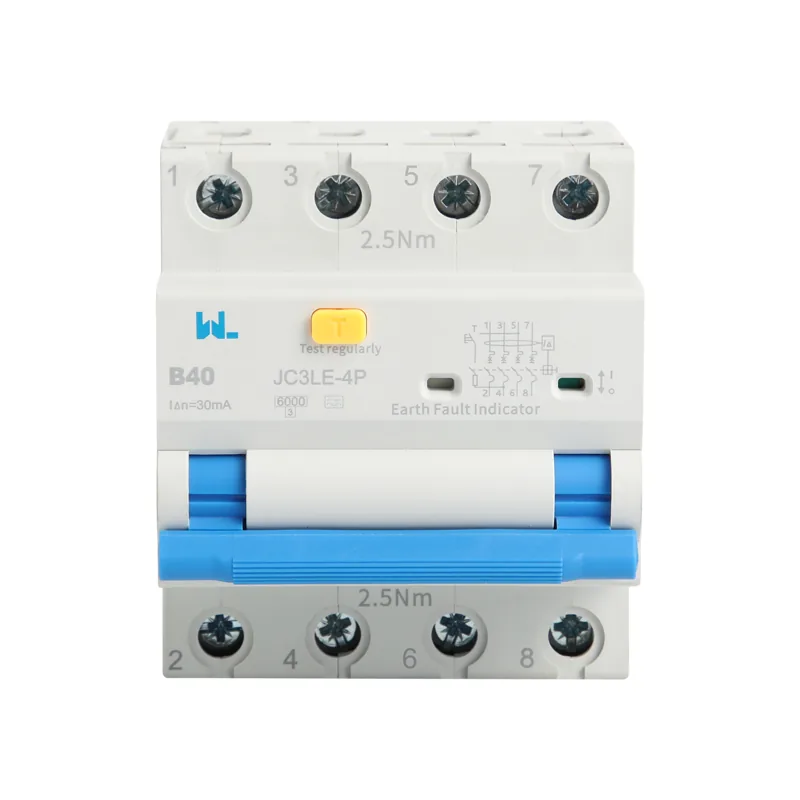
Keep the purchasing fields independent: In in amperes, residual pickup in milliamperes, capacity in kiloamperes, waveform type and poles. A higher milliampere option is not the same as additional shock protection, and a C curve does not describe residual-current detection. The responsible designer should select the combination from load characteristics, leakage, fault level and the destination rules rather than picking a single headline number.
RCBO Alarm Contact Functions
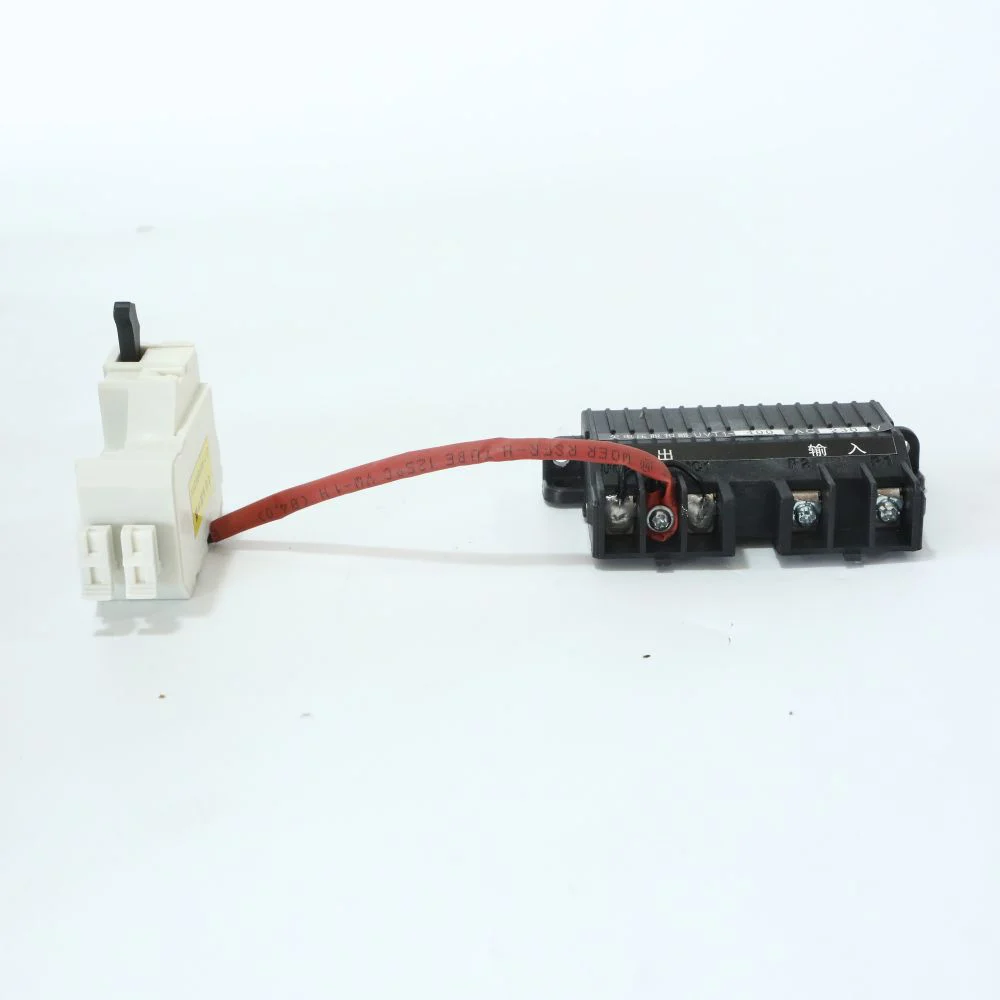
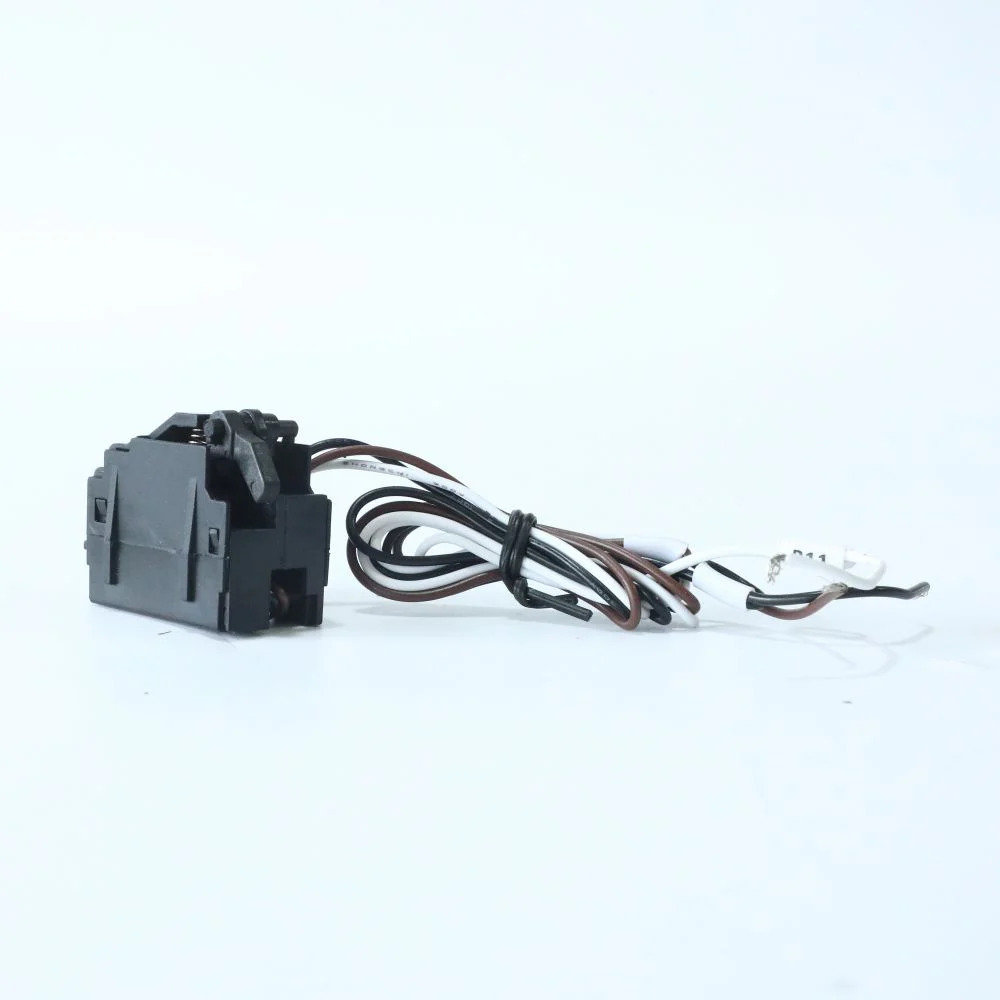
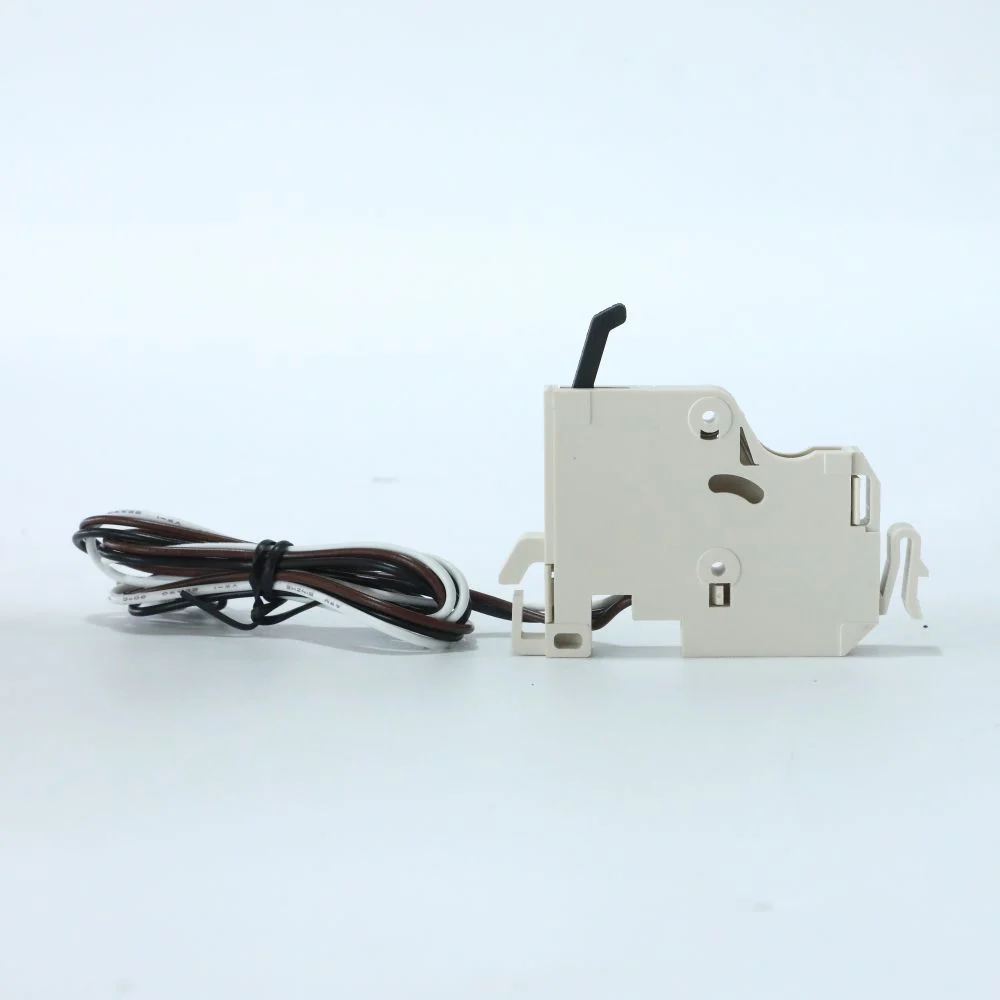
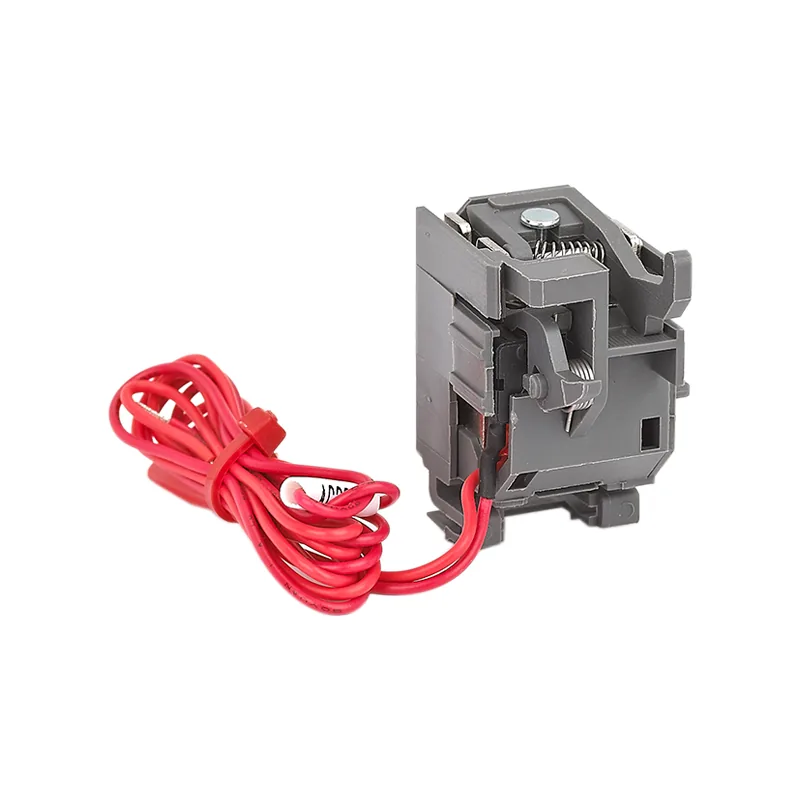
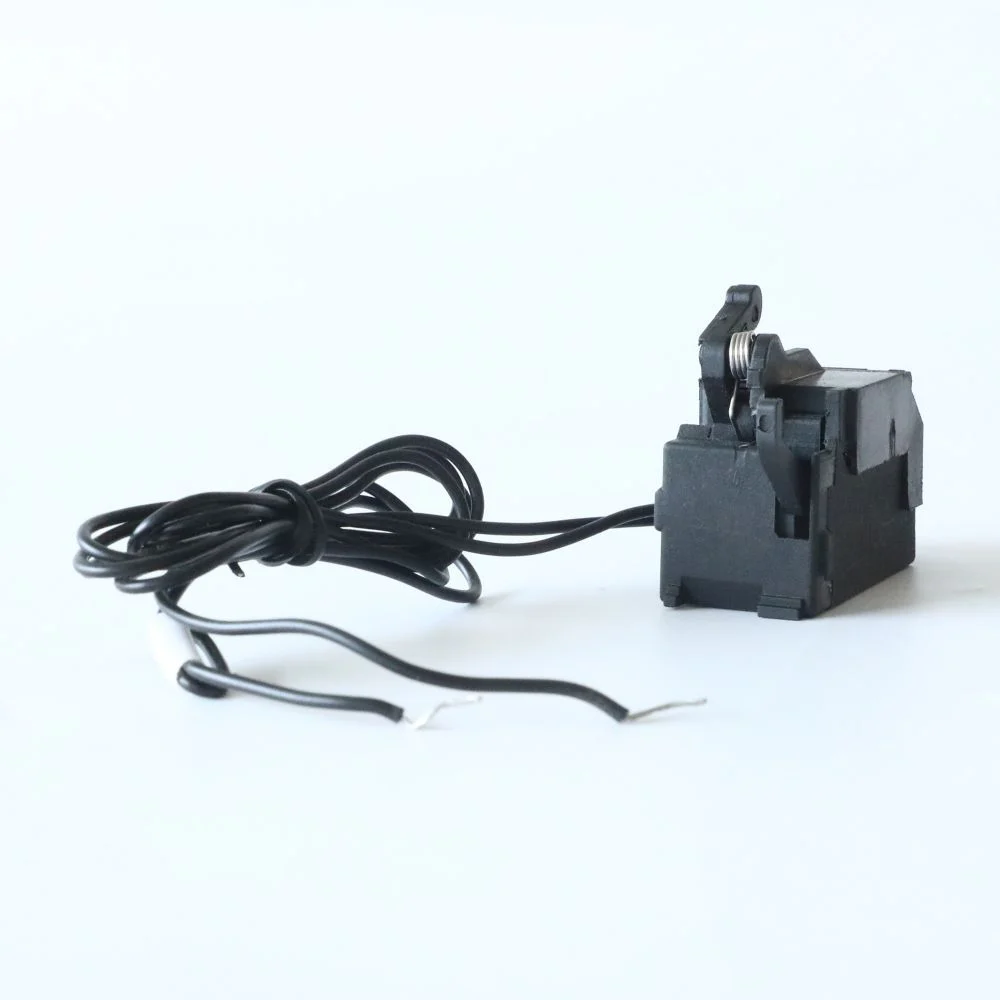
An alarm-contact accessory provides a remote status signal when the protective device has operated, depending on the accessory design. It is different from an auxiliary contact that follows the handle position, and different again from a shunt trip or undervoltage release that commands opening. The contact’s voltage, contact form, wiring diagram and reset behaviour must be documented for the selected RCBO family.
For a building-management system, route the dry contact through a suitably protected control circuit, label it at both ends and test three states: healthy/closed (or healthy/open, as designed), manual switch-off and residual/overcurrent trip. Record which state means “alarm” so a cable break is not mistaken for a healthy circuit. The W9 site lists dedicated alarm-contact products; use the J CSD alarm auxiliary contact page and its wiring information to confirm compatibility rather than assuming every RCBO accessory fits every frame.
Agree the contact-state matrix
List the required indications for closed, manual OFF, residual-current operation, overcurrent trip and loss of control supply. Test which transitions the actual accessory reports, including whether a reset is needed. Schneider Electric’s PowerPact B-frame guidance distinguishes position and alarm contacts, but its slot codes and behavior are examples for that family, not JC3LE compatibility evidence. Obtain the W9 combination’s own wiring and functional description.
Panel Protection Comparison
| Option | Protection scope | Alarm/diagnostic path | Typical trade-off |
|---|---|---|---|
| 4-pole RCBO, 6kA | Overload, short circuit and residual current in one device | Add compatible alarm or auxiliary contact | Compact; must verify fault level and accessory fit |
| MCB + RCCB upstream | Overcurrent and residual protection separated | Separate signalling accessories | Can simplify replacement; more DIN-rail space and coordination work |
| 4-pole MCB only | Overload and short circuit | Auxiliary contact can signal trip/position | No personnel residual-current protection by itself |
| RCBO with shunt trip | Protection plus remote opening command | Command circuit, not necessarily trip alarm | Useful for emergency interfaces; requires control-power reliability |
Applicable RCBO Standards
IEC 61009-1 is the primary product standard for residual-current circuit-breakers with integral overcurrent protection for household and similar uses; EN 61009-1 is the corresponding European adoption. The standard defines construction, operating characteristics and type tests—it does not automatically certify a particular model. Ask for the declaration of conformity, test report and marking set that match the exact four-pole, 6kA configuration.
Installation design remains a separate obligation under the applicable national rules and adopted standards. An IEC standard reference, manufacturer’s declaration, CE marking and third-party certification have different roles. CE marking does not universally require a notified-body certificate, while a certification claim needs a verifiable scheme and model scope. Request the evidence appropriate to the destination market without treating any logo as a substitute for the technical file.
Commissioning should follow the approved installation and device instructions. Record protective-conductor continuity, polarity, applicable insulation tests, residual-current operation and each alarm state. Use the appropriate test method and instrument for the selected waveform type, and observe instructions protecting connected electronics. A test-button operation alone does not verify every installation requirement.
Four-Pole RCBO Procurement Checklist
- Measure or calculate prospective fault current and specify a verified breaking capacity with margin.
- List load types (drives, UPS, EV chargers, IT power supplies) and select residual-current type and curve accordingly.
- Confirm whether all four poles switch, how neutral is identified and whether top/bottom feed is permitted.
- Provide the alarm-contact schematic, control voltage, contact logic and fail-safe requirement in the RFQ.
- Request dimensional drawings, terminal torque, endurance data and the exact IEC/EN test evidence before approval.
W9 Group lists RCBO and signalling-accessory families. The JC3LE-4P product page identifies the current public configuration fields; request the missing current, breaking-capacity, waveform and accessory details for the exact quotation. A related product family or a similar model name does not establish compatibility.
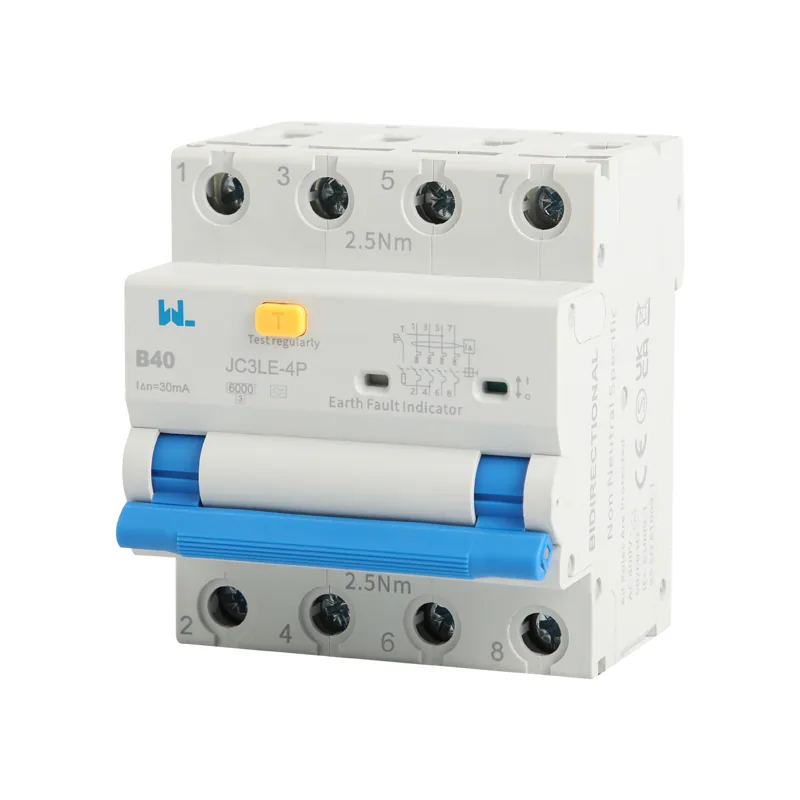
Freeze an order record containing the exact model, pole diagram, current, waveform type, sensitivity, curve, breaking rating, accessory reference and supporting document revisions. If any field is not confirmed, keep it as an open approval item. This prevents an alarm accessory or a different kA variant from being substituted under the same broad four-pole description.
よくある質問
What is a 4-pole RCBO used for?
A four-pole RCBO can combine residual-current and overcurrent functions for a multi-conductor circuit while switching the declared poles. Which poles have overcurrent sensing and how the neutral operates depend on the design. Confirm the wiring diagram, earthing system and local switching rules before selection.
Is 6kA enough for a commercial panel?
Only when the prospective fault current at the installation point is below the verified 6kA rating and the manufacturer’s test conditions apply. Measure or calculate the fault level and coordinate upstream protection. If the public data sheet shows conflicting ratings, obtain written confirmation for the exact order code.
Does an RCBO include an alarm contact?
Not necessarily. Alarm or auxiliary contacts are usually add-on accessories with their own electrical ratings and wiring diagrams. Confirm mechanical compatibility, contact logic and control voltage before panel assembly.
Should I choose Type A or Type AC residual protection?
Type AC is for sinusoidal AC residual current; Type A also responds to pulsating DC components generated by many electronic loads. Select the type required by the equipment and destination code, and follow the appliance manufacturer’s instructions. Do not upgrade by label alone without checking test evidence.
What sensitivity should a safety switch circuit breaker use?
30mA is commonly associated with additional personal protection, while 100mA or 300mA may be used for fire-risk reduction or selectivity where permitted. The correct value depends on the earthing arrangement, leakage current and local regulation. A competent designer should verify touch-voltage and discrimination requirements.
参考文献
- IEC 61009-1:2024 — RCBO general requirements and scope. 公的範囲およびガイダンスが確認されました 2026-10-19.
- Schneider Electric PowerPact B-frame — auxiliary and alarm contact distinction, family-specific example. 公的範囲およびガイダンスが確認されました 2026-10-19.
- OSHA 1910.303 — equipment ratings and use in accordance with instructions. 公的範囲およびガイダンスが確認されました 2026-10-19.
Closing principle: a safety switch circuit breaker is only as dependable as the fault study, accessory match and commissioning record behind it.
Need help checking a 4-pole, 6kA RCBO and alarm-contact combination? W9グループへのお問い合わせ with your supply voltage, fault level, load type and panel drawing for a configuration discussion.