





















Understanding Distribution Boxes: The Heart of Electrical Systems
A distribution-box order can look complete because it lists an enclosure, breakers and enough spare modules. Yet those components may not form a verified assembly, and the cable entries or temperature conditions may differ from the catalogue configuration. The buyer’s real task is to specify the finished board and its duty, not merely a container of individually marked components.
Quick answer: A distribution box is an electrical assembly, not just an enclosure. It divides an incoming supply into outgoing circuits and houses the required switching, protection and connections. Evaluate current, fault capability, thermal conditions, circuit layout, environment and maintainability together. IEC 61439-1:2020 provides assembly general rules used with the relevant part; IEC 61439-3:2024 addresses distribution boards operated by ordinary persons within a defined scope. A component certificate or enclosure IP marking alone does not prove that the complete populated board meets the project requirements.

Distribution Board Verification Scope
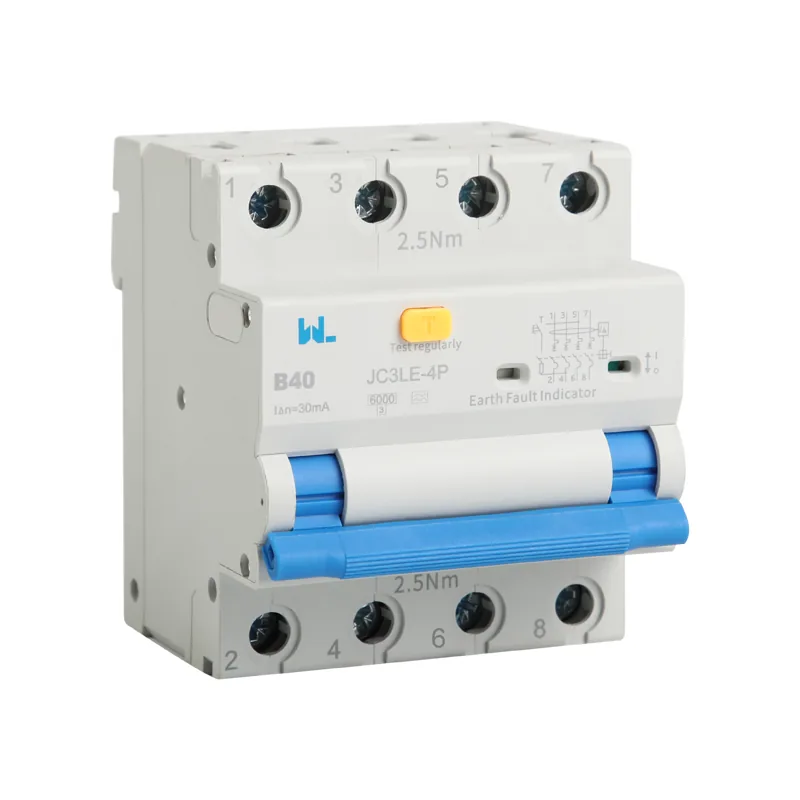
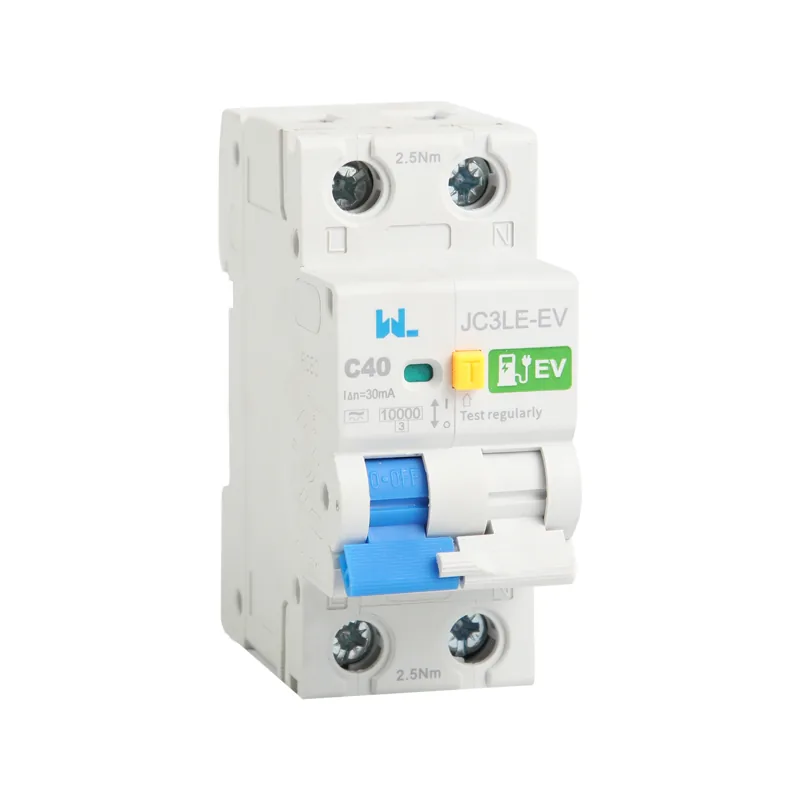
The enclosure provides mechanical protection and the declared resistance to ingress under its specified conditions. Breakers, residual-current devices, disconnectors and other components each have their own ratings and product scopes. The finished assembly adds another layer: connections, busbars, protective circuits, temperature behaviour, access and the interaction of installed equipment.
Certified components do not automatically verify the completed board. Component suitability remains essential, but fitting a different protective device, busbar or connection system can change the basis on which an assembly was assessed. Ask the assembly manufacturer which configurations are supported and what design and routine verification evidence applies.
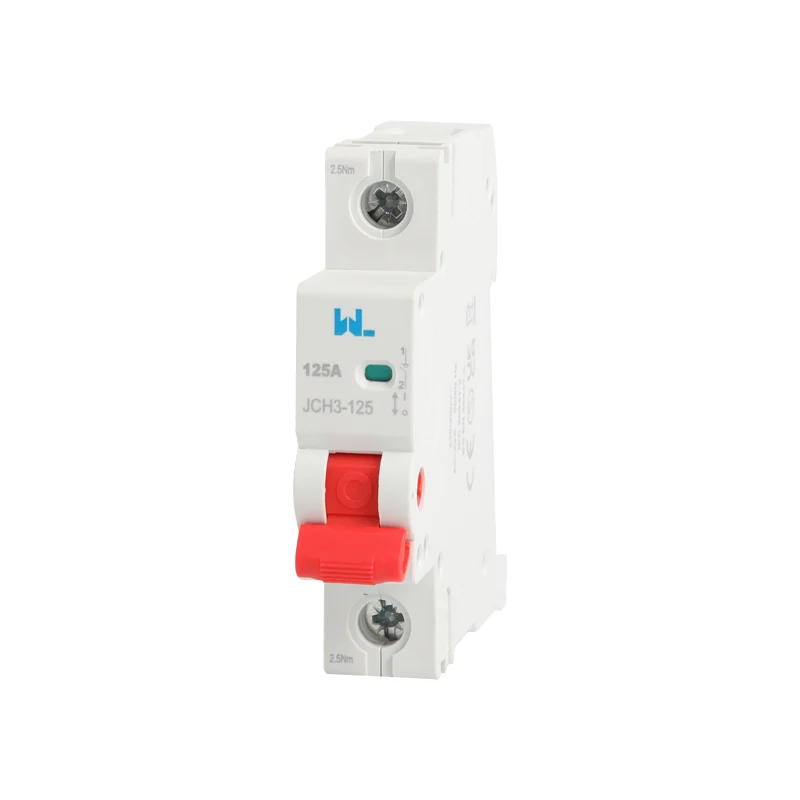
A main switch and a main breaker are not the same purchasing requirement. The former may provide switching and isolation without overcurrent protection; the latter must be selected for its protective duty. Define the upstream protection and incoming arrangement so neither supplier nor installer assumes a function that the schedule does not specify.
Distribution Board Layout Requirements
Indoor consumer units, outdoor enclosures and larger industrial boards differ in intended use, operating personnel and environment. Surface or flush mounting affects the installation interface, not the protective rating by itself. Metal or polymer construction is also not a universal quality ranking: thermal conditions, corrosion, mechanical duty and applicable installation requirements determine suitability.
| Option | Main decision | Trade-off or limitation | Evidence needed |
|---|---|---|---|
| Indoor consumer-unit arrangement | Circuit grouping, protection and ordinary-person operation | Spare modules do not establish thermal capacity | Assembly scope, device combinations and current ratings |
| Outdoor enclosure arrangement | Weather exposure and complete sealed configuration | Cable entries and alterations can affect ingress protection | Environmental suitability and assembled entry details |
| Industrial distribution board | Fault duty, access and protection coordination | A domestic-board assumption may not fit | Applicable assembly part and system study |
| Retrofit or expandable board | Approved changes and future duty | Empty rail space is only one expansion constraint | Supported configurations, busbar capacity and heat assessment |
Whether protection uses a shared residual-current arrangement or individual RCBOs changes circuit grouping, neutral routing and the consequences of a fault. The drawing should identify those groups explicitly, rather than leaving the installer to infer them from the available modules.
Distribution Board Rating Checks
The assembly current rating is not simply the sum of every outgoing breaker rating. It depends on the declared design and operating assumptions. Identify expected load combinations, source arrangements and the manufacturer’s applicable factors; do not import a universal spare-capacity percentage from an unrelated guide.
Fault-current capability also concerns more than the incoming breaker. Verify the assembly’s declared short-circuit characteristics and the protective-device conditions attached to them. A proposed substitution can change backup protection or let-through behaviour, so it should trigger a documented review rather than be accepted solely because the ampere rating matches.
Temperature is influenced by device losses, enclosure arrangement, ambient conditions and connections. Additional equipment can add heat without exceeding the physical way count. Cable space and bending requirements, neutral bars, protective conductors and terminal access must be checked alongside rail capacity.
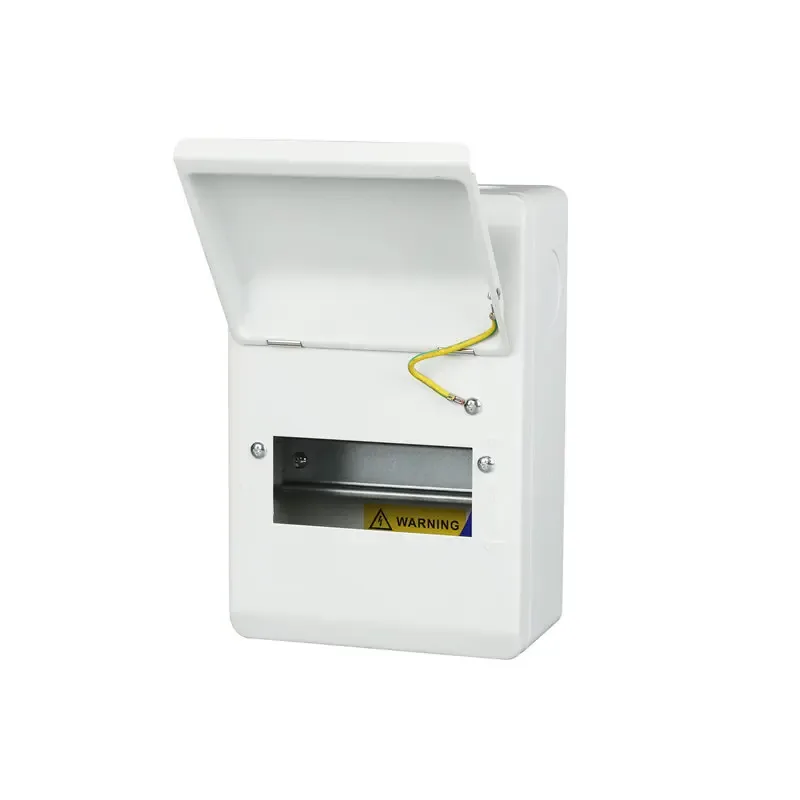
Outdoor Enclosure Requirements
An IP marking does not by itself qualify every outdoor installation. The declared ingress performance applies to specified test conditions and configuration. Sunlight, corrosion, condensation, temperature extremes, impact and installation orientation may require additional evidence or measures; an enclosure rating is not a guarantee for every environment.
Review doors, seals, glands, unused openings and any modifications. The complete arrangement must retain the intended protection after installation. Adding ventilation to solve heat concerns can affect sealing; adding a drain or cable entry should follow the approved design, not an improvised site modification.
| Escenario | Check | Record to retain | Reason |
|---|---|---|---|
| Specification | Location, operator, supply and load scenarios | Assembly requirement schedule | Select the appropriate scope and environment |
| Layout approval | Devices, busbars, cable space and neutral groups | Approved drawing and bill of materials | Avoid incompatible or ambiguous arrangements |
| Verification | Applicable design and routine verification | Assembly manufacturer’s evidence | Qualify the finished configuration |
| Instalación | Entries, sealing, protective connections and access | As-built drawings and installation checks | Preserve the declared arrangement |
| Entrega | Labels, test results and operating instructions | Circuit schedule and maintenance information | Make later changes and fault finding controlled |
Distribution Board Assembly Standards
IEC 61439-3:2024 covers enclosed stationary distribution boards operated by ordinary persons, including indoor and outdoor use, within its defined limits. Its public scope includes nominal voltage to earth not exceeding 300 V AC, outgoing-circuit rated current not exceeding 125 A and assembly rated current not exceeding 250 A. These are standard-scope boundaries, not ratings or approval of any particular W9 box.
The correct assembly part must be selected for equipment outside that scope. IEC 61439-1 general rules alone are not a complete product-specific declaration. For a United States project, the locally adopted electrical code and the appropriate product/assembly approval route must also be determined; an IEC reference does not replace that process.
W9 Group lists a distribution-box range, including indoor and weatherproof products. Treat the manufacturer’s designation as a starting point and request the evidence for the intended populated assembly and destination market, rather than assuming all configurations share one rating.
For example, the JCHA weatherproof consumer unit is presented with an IP65 designation. Confirm the exact model, cable-entry arrangement and environment against its instructions. That product designation does not automatically qualify added breakers, modified entries or an unrelated outdoor location.

Preguntas frecuentes
What does a distribution box do?
It distributes an incoming supply to outgoing circuits and houses the specified protective, switching and connection equipment. Its suitability depends on the complete assembly and installation duty.
Is an empty enclosure already a compliant distribution board?
Not automatically. The populated configuration, connections and applicable assembly verification must be established before it is treated as a finished board.
Does IP65 mean suitable for every outdoor location?
No. Verify the complete ingress-protected arrangement and other environmental factors, including corrosion, sunlight and condensation where relevant.
Can I add more breakers if there are empty ways?
Only after checking the manufacturer’s supported arrangement, electrical ratings, temperature implications and connection space. Physical room is not proof of electrical capacity.
Which IEC standard covers an ordinary-person distribution board?
IEC 61439-3:2024 addresses that category within its stated scope, alongside the relevant general rules. The designer must check the exact board and destination requirements rather than applying the category to every industrial assembly.
References and procurement conclusion
- IEC 61439-1:2020 — low-voltage assembly general rules.
- IEC 61439-3:2024 — distribution boards intended to be operated by ordinary persons.
- NFPA 70 code-development information — US installation-code context; local adoption must be checked.
Public references were accessed on 14 October 2026. Approve the complete configuration before buying the components. Contacte a W9 Group with the circuit schedule, environment and assembly-documentation requirements.