







Top Types of Electric Main Breakers: Data-Driven Insights
A buyer comparing main breakers can receive quotations with the same nominal amperage but very different fault ratings, trip functions and service arrangements. Choosing the cheapest line item before checking those differences can create a substitution dispute or a switchboard redesign. The main breaker must fit the electrical system and the complete assembly, not just the purchase schedule.
Quick answer: Select the main breaker from system duty, not a universal type ranking. MCBs, MCCBs and ACBs can serve different applications, but the appropriate family depends on voltage, calculated load, available fault current, coordination, installation requirements and maintenance needs. Residual-current protection is a separate requirement unless integrated in an appropriate device. The data that matters is project-specific: a single-line diagram, load calculation, fault study, curves and approved assembly information. This guide does not claim market-share rankings or generic performance statistics.
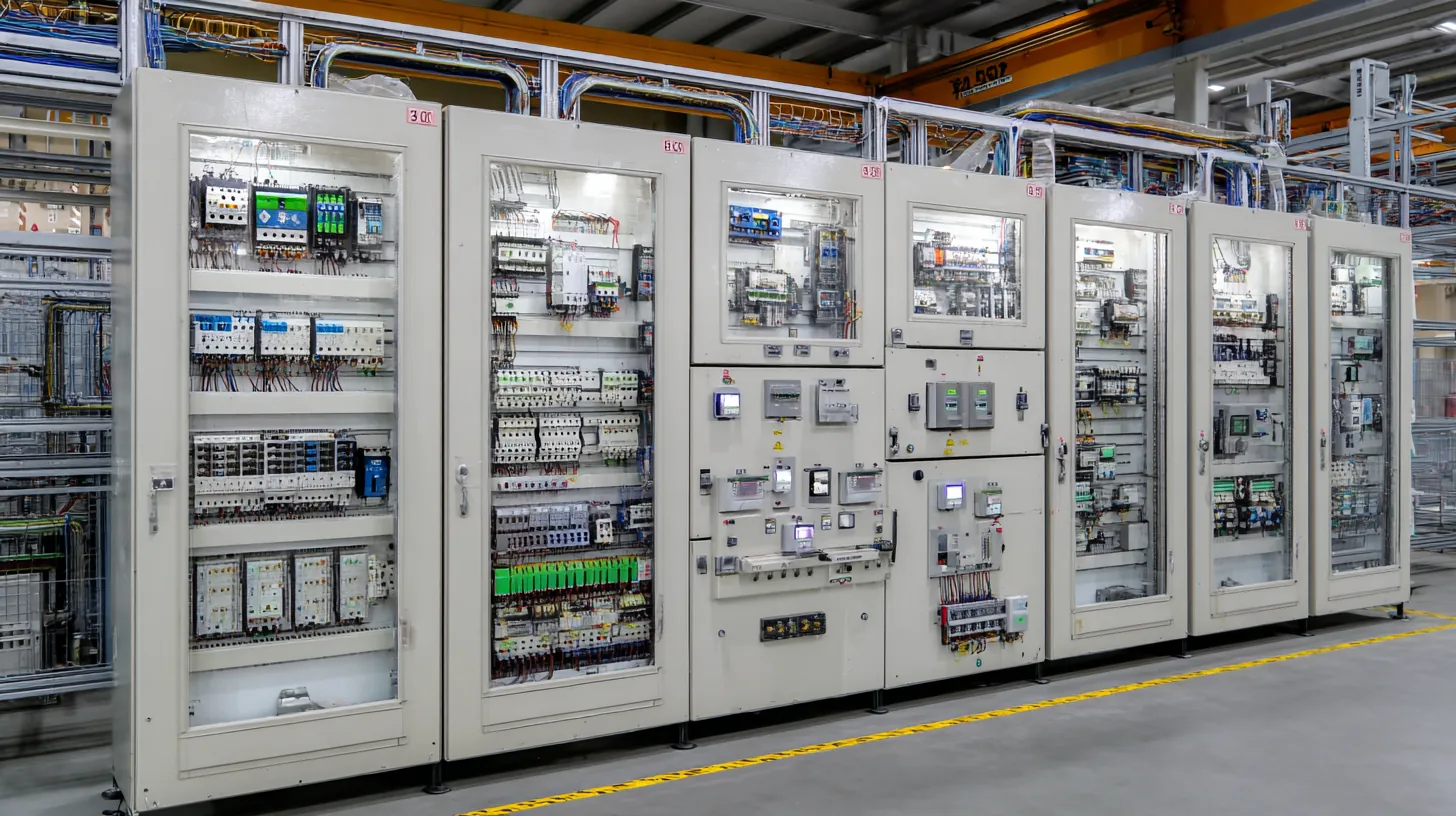
Main Breaker Protection Requirements
A main breaker carries the incoming load and interrupts faults within its declared capability. Its protective characteristic must coordinate with conductors and downstream devices. Where it also serves an isolation function, verify that capability and the required locking arrangement rather than treating every open handle as sufficient isolation evidence.
Start with the supply voltage, frequency, phases and earthing system. Identify utility, generator and other supply scenarios that can affect fault current or switching requirements. The highest available fault level matters for interrupting capability; lower fault levels can also matter because a protective setting must still operate appropriately under those conditions.
Then determine load and conductor requirements under the applicable installation rules. A continuous-current rating is not permission to ignore enclosure temperature, grouping, terminal limits or manufacturer derating. Equally, a breaker should not be oversized merely to avoid trips. The approved design must protect the circuit while accommodating legitimate load behaviour.
Main Breaker Type Comparison
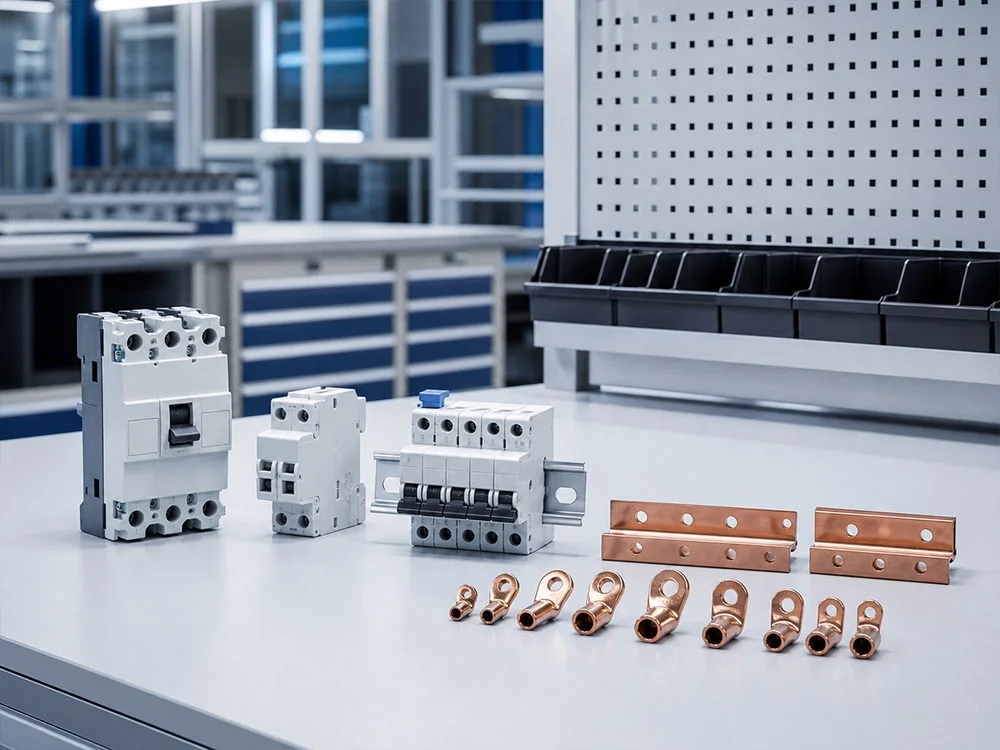
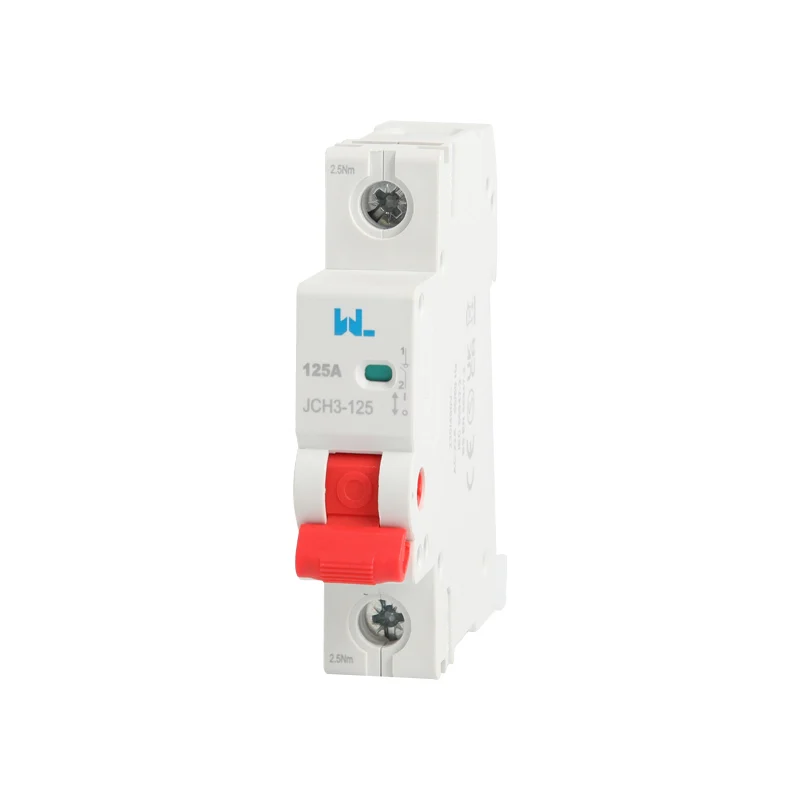
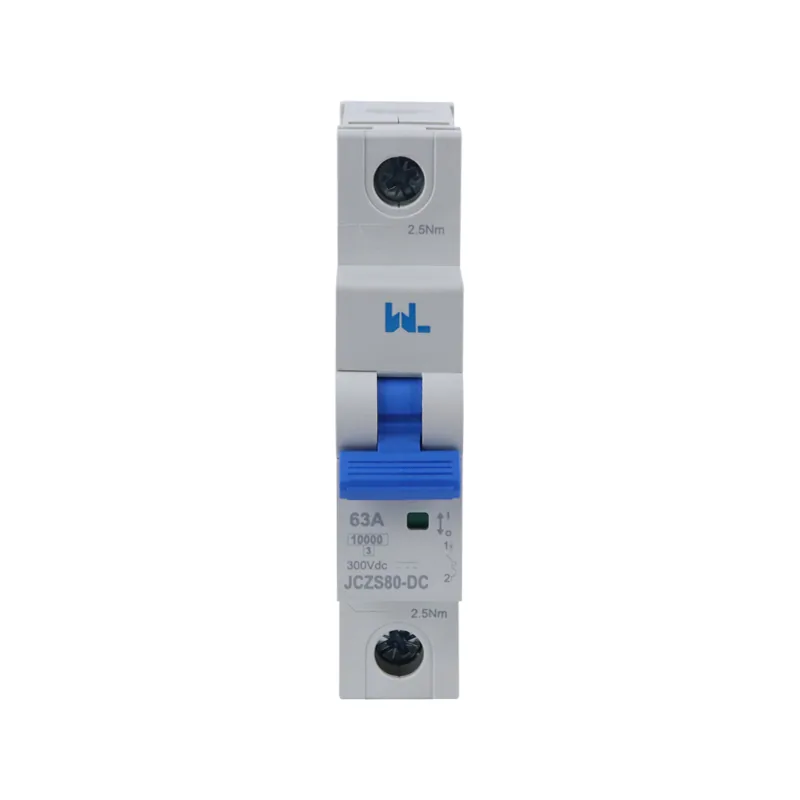
An MCB is a compact device commonly associated with final-circuit distribution. It may be used as an incomer only where its actual ratings, protection and assembly approval meet the duty. A compact shape does not establish that it is unsuitable, but neither does a familiar ampere marking establish suitability for a main supply.
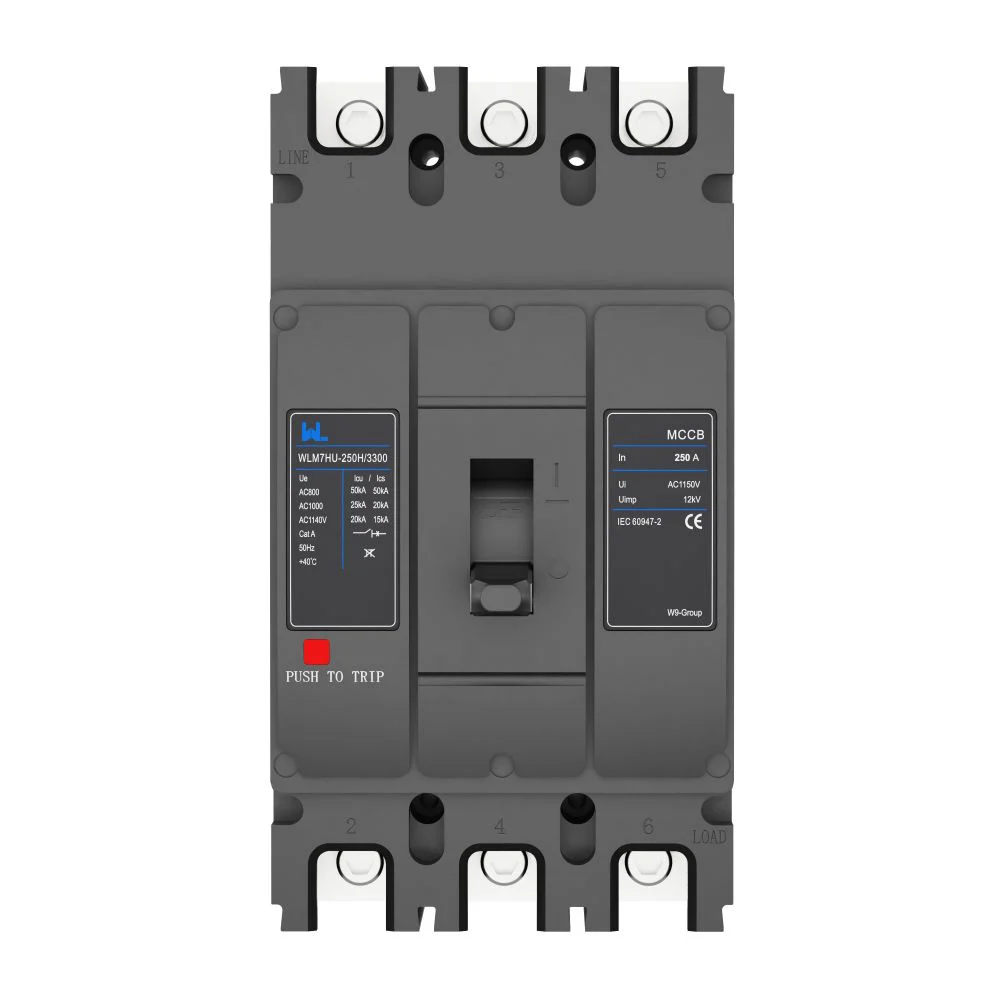
An MCCB often offers configurations useful for distribution feeders and incomers, including model-dependent adjustment or electronic protection. An ACB can provide a service and accessory architecture relevant to main switchboards and bus couplers. None of those descriptions makes every model appropriate for every current or fault level.
| Family | Reason to evaluate it | Important boundary | Evidencia para solicitar |
|---|---|---|---|
| MCB | Compact protection where the duty and assembly permit | Fixed characteristics and actual fault capability must fit | Curve, voltage-specific rating and board approval |
| MCCB | Distribution protection with available frame and trip options | Adjustment and accessories depend on model | Trip curves, setting range and fault ratings |
| ACB | Power-duty protection and a documented service strategy | Size, receiving equipment and maintenance add complexity | Withstand data, assembly drawings and service procedures |
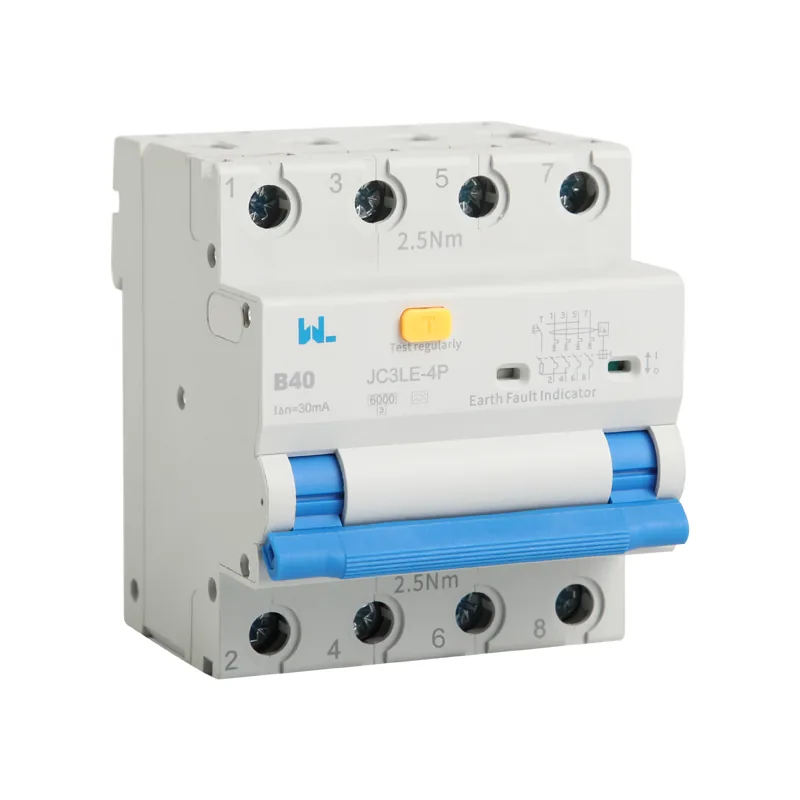
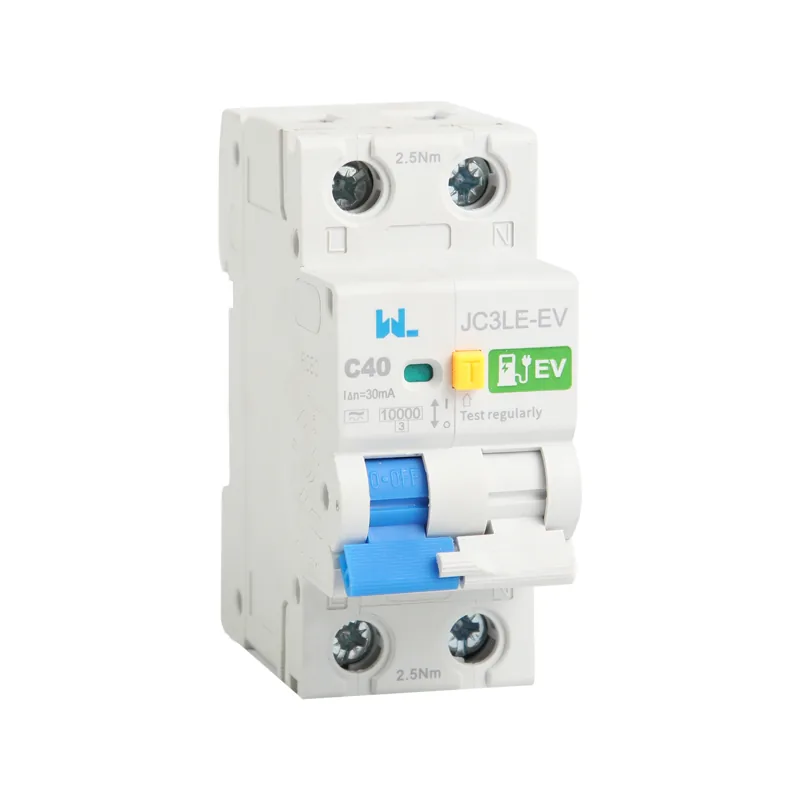
| RCBO where appropriate | Combined residual-current and overcurrent protection | Both protective specifications and duty must be suitable | Residual type, overcurrent curve and breaking capacity |
El Categoría de MCCB is useful for identifying candidate configurations, not for assuming interchangeability. Compare the proposed frame, trip unit and rating combination rather than treating the product family as a single standardised device.
Breaking Capacity vs Selectivity
Interrupting capacity is not proof of downstream selectivity. A device may be able to interrupt the fault yet still remove more of the installation than intended. Selectivity asks whether the downstream protective device clears within the demonstrated range before an upstream device operates; it requires curves or manufacturer coordination evidence and the actual system conditions.
Where IEC ratings are used, distinguish Icu, Ics and Icw where applicable. Evaluate breaking ratings at the service voltage and short-time withstand at the declared duration. Do not transfer a kA value from a different voltage or assume a selective delay is acceptable because the ultimate breaking rating is high.
For an ACB incomer, the maintenance and accessory arrangement must be evaluated alongside fault performance. Drawout construction can support an exchange plan, but does not automatically allow live removal or guarantee that a substitute breaker fits the installed cradle.

Main Breaker Project Data
| Escenario | Required input | Decision supported | Failure if omitted |
|---|---|---|---|
| Concept design | Supply system, load profile and continuity objective | Suitable family and protection philosophy | A feature-led choice unrelated to the duty |
| Detailed design | Fault study, conductors and device curves | Ratings and approved protection settings | Inadequate duty or overlapping operation |
| Adquisiciones | Exact configuration, dimensions and approval evidence | Acceptable model and assembly combination | Unapproved cross-brand replacement |
| Entregue | As-built circuit details and test plan | Settings, operation and documented handover | Catalogue settings mistaken for approved settings |
| Operation | Change records, inspections and spare compatibility | Continued suitability after load or supply changes | Protection study no longer matching the system |
A lifecycle comparison should include device and accessory cost, engineering, assembly changes, commissioning, planned service work and interruption consequences. Use the same assumptions for each option. A simpler breaker may have the better lifecycle case where it meets the duty and service access is straightforward; a more configurable option may be justified where coordination and operating records provide a defined benefit.
Product vs Installation Compliance
IEC 60947-2:2024 is an industrial circuit-breaker product standard within its public scope. It does not verify the switchboard, installation or a particular supplier model merely because the number appears in a brochure. Request the exact model’s evidence and the project’s required edition or adopted equivalent.
For North American procurement, UL 489 covers moulded-case circuit breakers, moulded-case switches and associated enclosures within its scope. UL 1066 covers a different power-breaker scope and explicitly does not apply to moulded-case circuit breakers. Specify the applicable product and assembly approval route rather than accepting an unrelated certificate or assuming IEC and UL ratings are interchangeable.
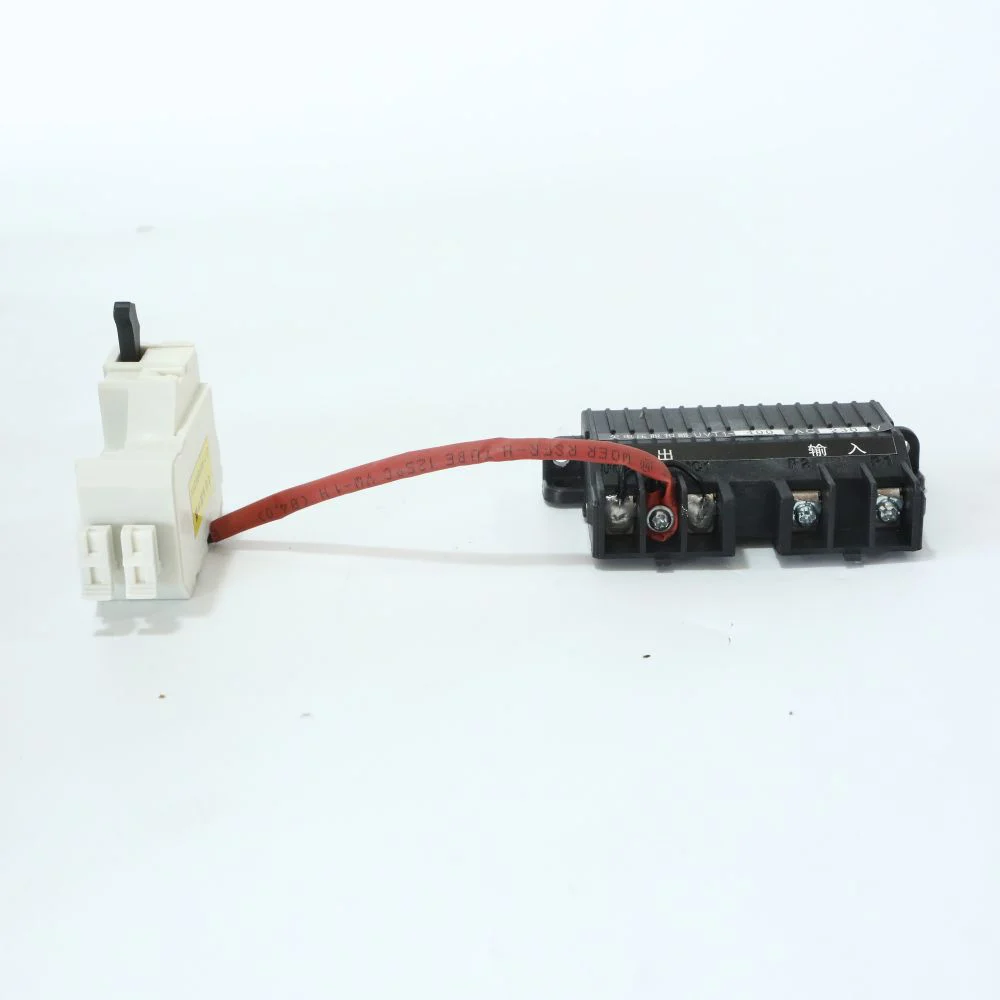
Physical fit does not establish an approved main-breaker replacement. Review busbar and cable terminals, mounting, heat dissipation, interlocks, auxiliary circuits, control supplies and the assembly manufacturer’s requirements. A replacement that changes the protection curve also requires a coordination review, even if its frame and connections appear identical.
- Freeze supply scenarios and the governing installation requirements.
- Calculate load and maximum/minimum fault conditions.
- Select ratings and protective functions using curves and coordination evidence.
- Verify the complete assembly and accessory configuration.
- Approve and record commissioning settings and later change control.
W9 Group can be considered for documented circuit-protection enquiries. A product listing is a candidate source, not a substitute for project qualification. Supply the actual duty and required evidence before accepting an offered configuration.
Preguntas frecuentes
Which main breaker type is best?
There is no universal best type. Choose the device that meets the load, voltage, fault duty, coordination, approval and operating requirements of the actual system.
Can an MCB be a main breaker?
It can only where its ratings, protective characteristics and assembly approval satisfy the duty. Do not decide from current rating or physical size alone.
Can an RCCB replace a main overcurrent breaker?
No; an RCCB has no integral overload or short-circuit protection. An appropriate RCBO arrangement combines functions, but still requires duty and assembly checks.
Is a larger ampere rating a safer choice?
Not automatically. An excessive rating or pickup can undermine conductor protection; the correct value comes from the design and applicable installation rules.
What makes a main-breaker selection data-driven?
A traceable link from project calculations and manufacturer evidence to the chosen device and settings. Unsupported sales rankings or generic current ranges are not equivalent to that evidence.
References and conclusion
- IEC 60947-2:2024 — industrial breaker product scope.
- UL 489 active public scope — moulded-case circuit breakers and related equipment.
- UL 1066 active edition 5 public scope — power breakers used in enclosures.
Public references were checked on 14 October 2026. The right main breaker is the one supported by the system evidence. Contacte a W9 Group with the single-line diagram, duty and documentation requirements for a model-level enquiry.