




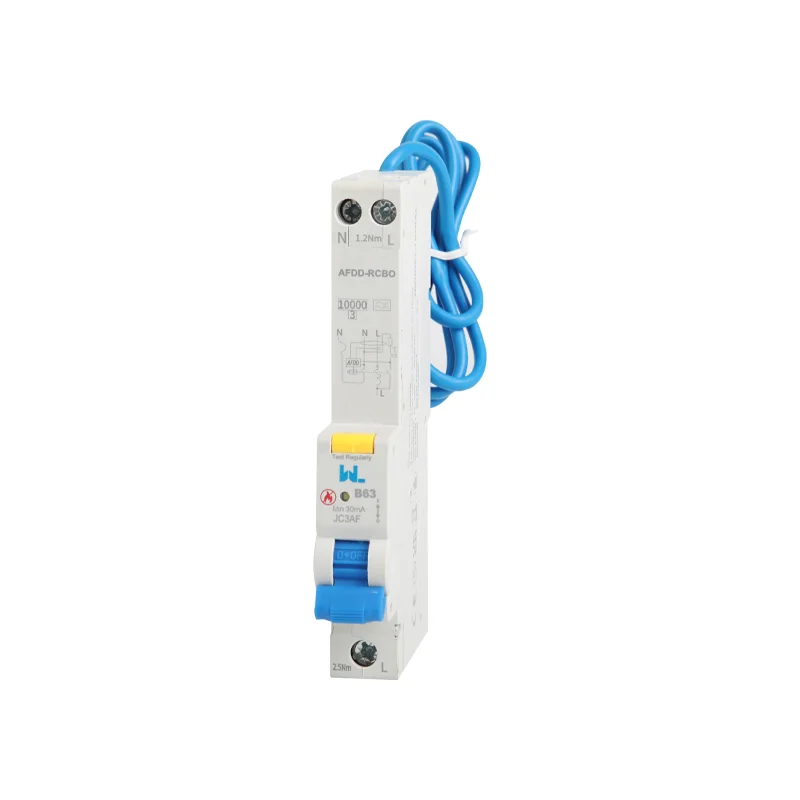
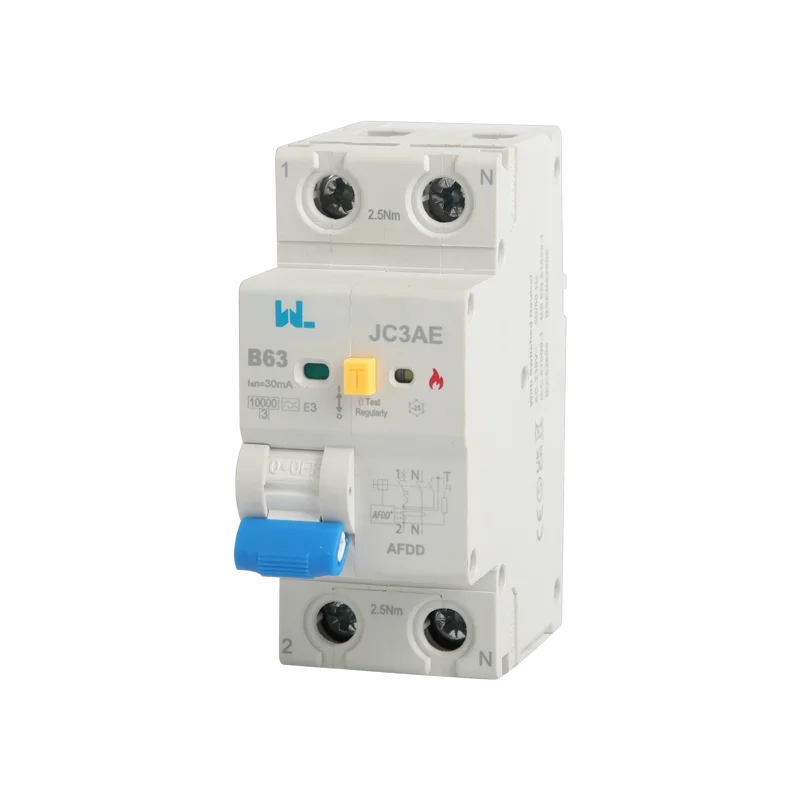
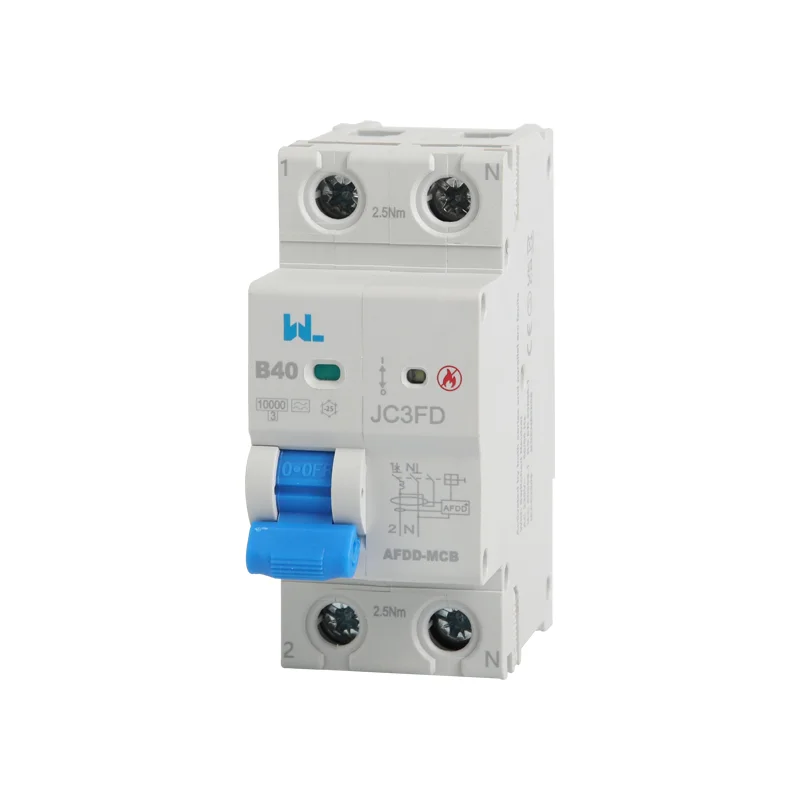




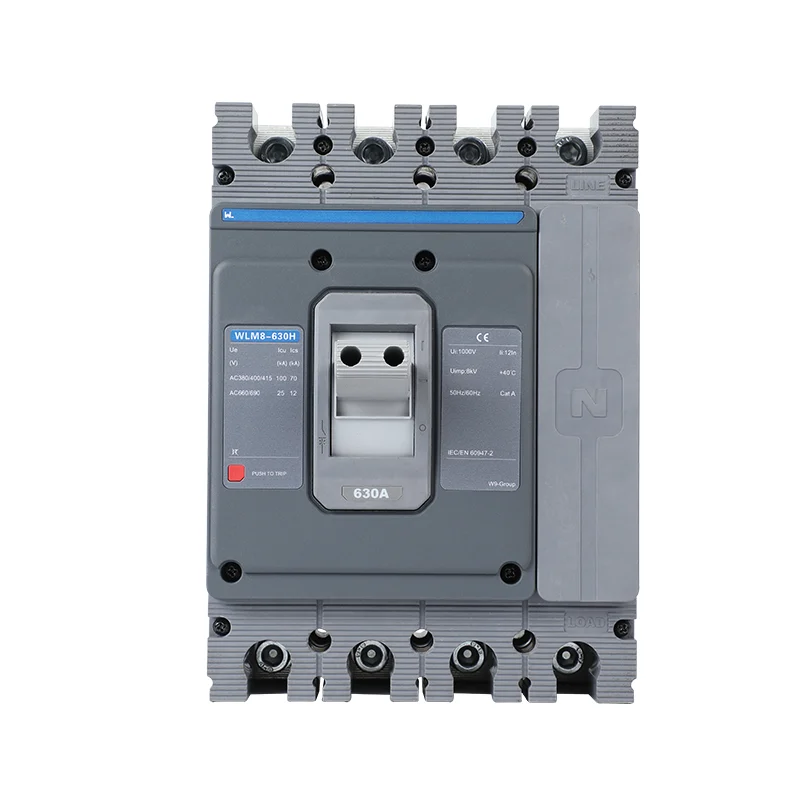
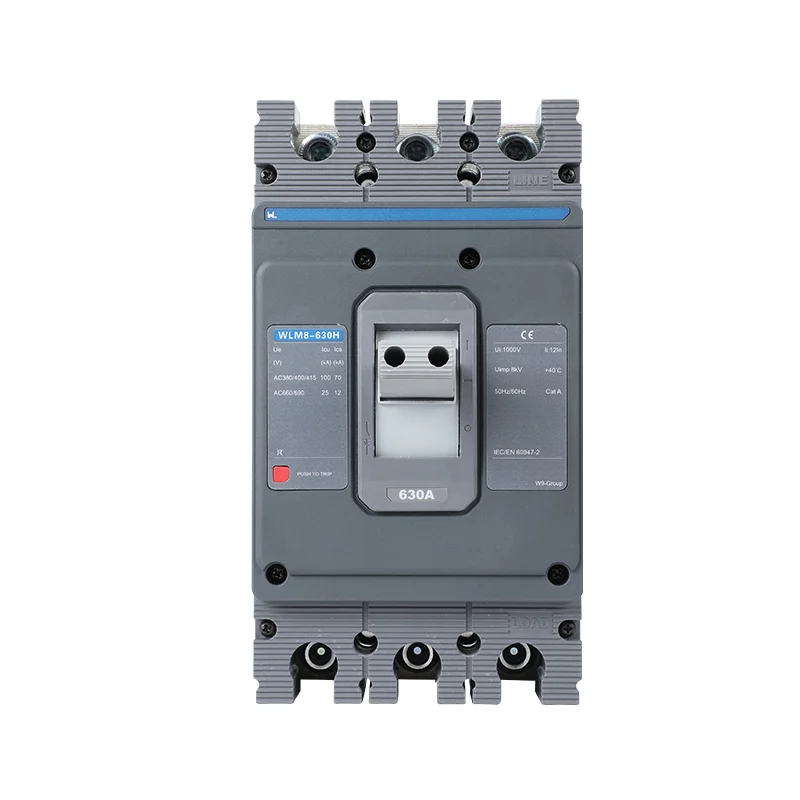
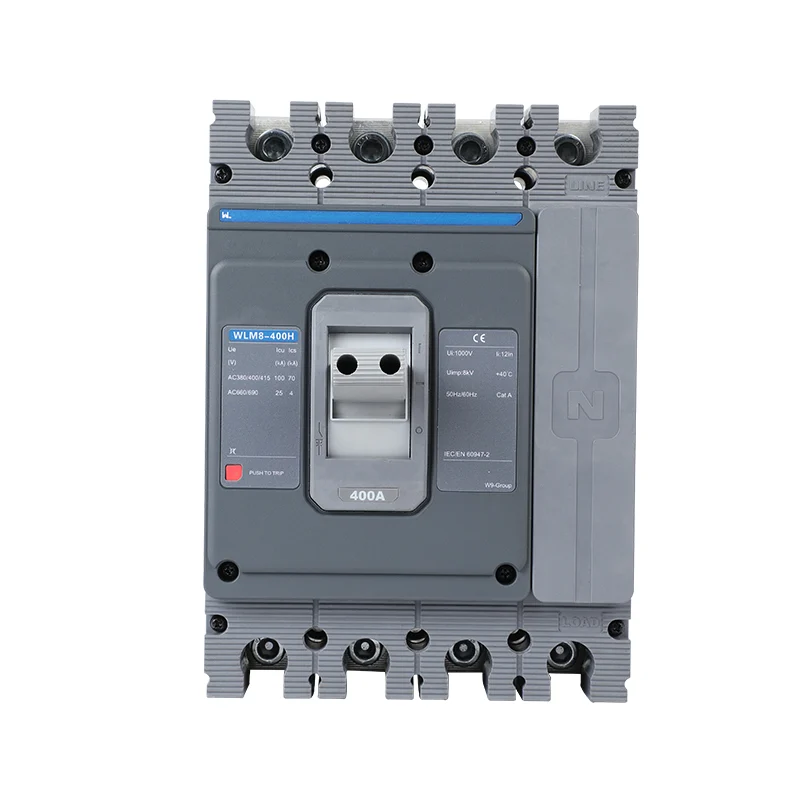
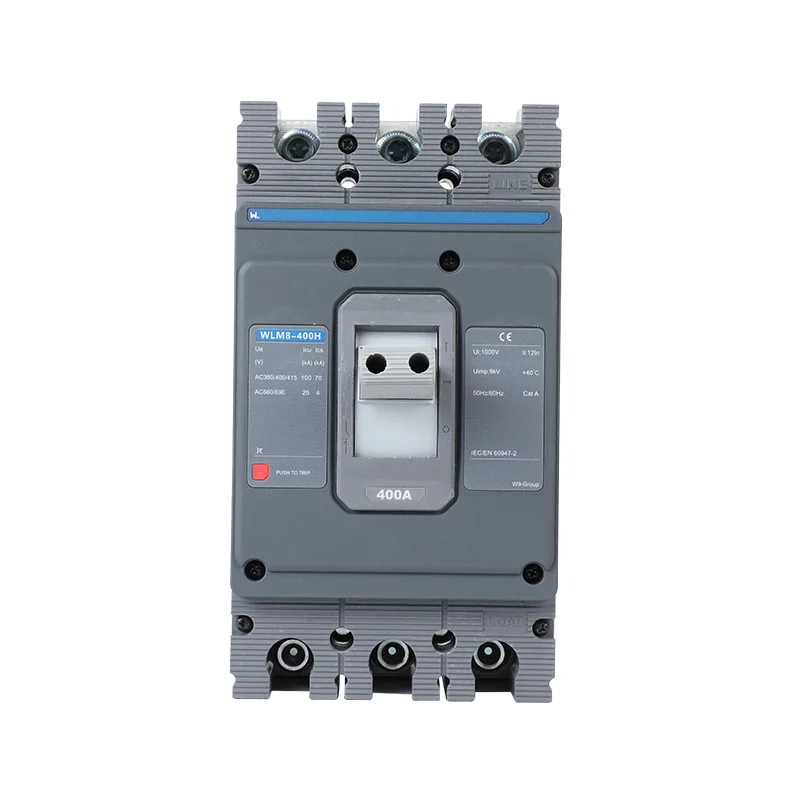
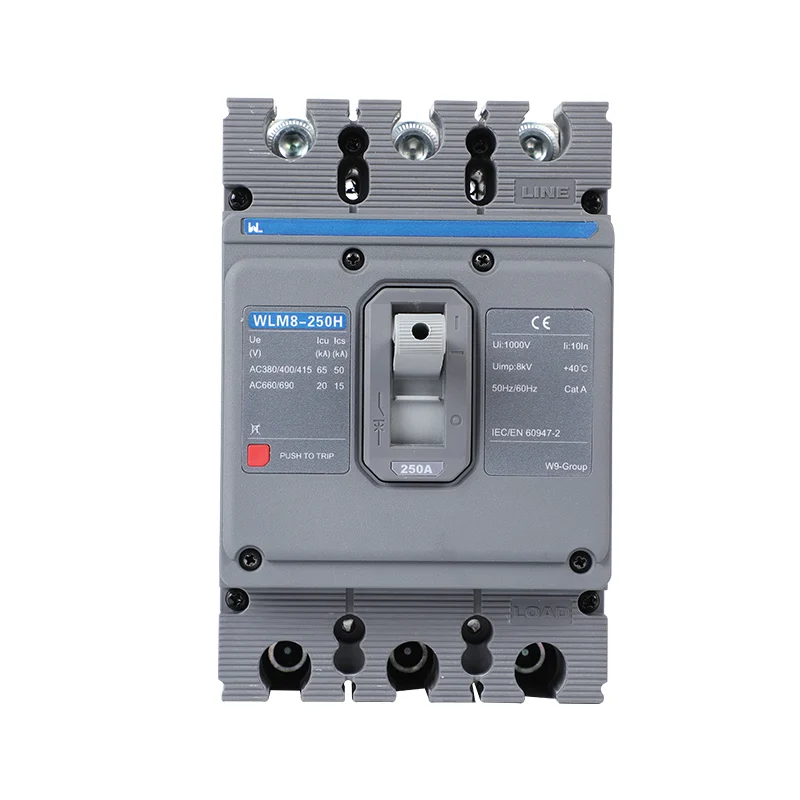















Los metales de las piezas en su disyuntor
A hot breaker terminal does not prove that the contact alloy or conductor material is wrong. Terminal preparation, approved conductor combinations, lug geometry and tightening can determine the result even when the component materials meet their specification.
Summary: Circuit-breaker materials and parts affect current paths, insulation, heat dissipation and serviceability, but a visual metal description is not a performance claim. Verify the exact bill of materials, terminal material and plating, insulating system, contact arrangement, torque instructions and applicable tests. IEC 60947-2 covers breaker characteristics; the assembly and installation standards add separate boundaries.
Configuraciones de MCCB debería ser incluido en la lista de candidatos requerida funciones de protección y documentación de la carga eléctrica.
Circuit Breaker Material Functions
A breaker is a coordinated set of conductive, insulating, magnetic, thermal and mechanical parts. Buyers should ask what is documented for the exact model rather than infer conductivity, durability or safety from color, weight or a generic material name.
Component Verification Requirements
Current-carrying terminals and bus connections require compatible conductor sizes and torque control. Contacts, arc-control parts and releases must operate within the manufacturer’s declared limits. The enclosure and barriers provide insulation and mechanical support, but their material grade and temperature limits belong to the product documentation.
Component Failure Risks
A correct part can still fail when installed with the wrong lug, coating, torque or clearance. Record the approved accessory list, tightening method and inspection result; escalate any substitution to the manufacturer instead of treating visually similar parts as equivalent.
El guía de Disyuntores de carcasa moldeada explica cómo varían el tamaño de la imagen, la calificación y el comportamiento del desplazamiento.
Component Evidence Requirements
| Part group | Buyer evidence | Installation risk |
|---|---|---|
| Terminals and lugs | Conductor range, material and torque | Heating or loose connection |
| Contacts and arc control | Declared current and interruption data | Excess wear or failed interruption |
| Release and mechanism | Trip type, settings and test method | Nuisance trip or delayed clearing |
| Insulation and enclosure | Clearance, creepage and temperature limits | Tracking, heat rise or assembly mismatch |
Material identity and interface performance
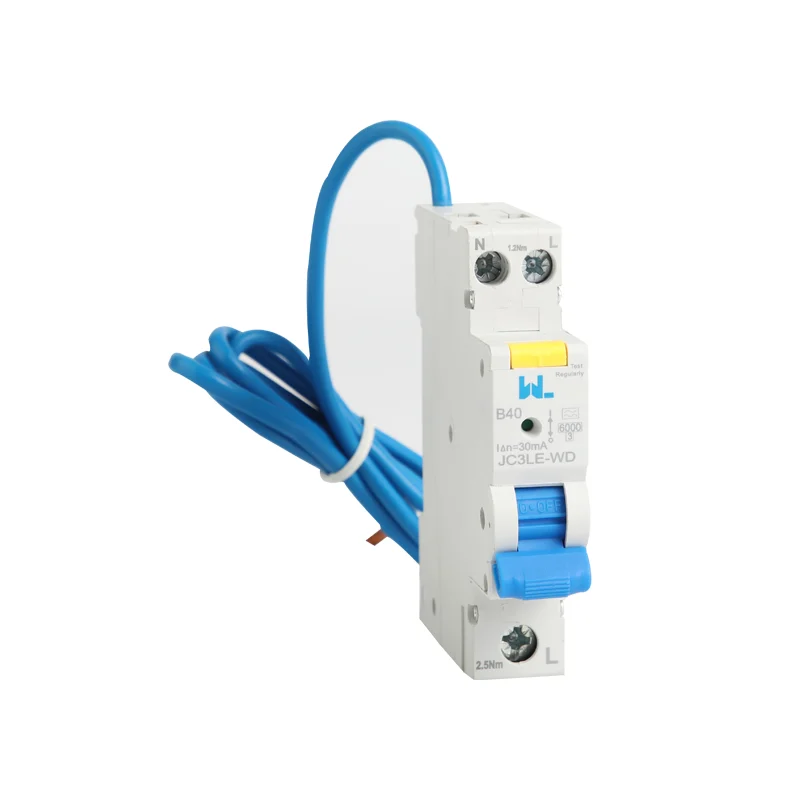
A copper-coloured surface may be plating rather than the bulk conductor. Ask for the terminal material and approved conductor type instead of inferring them from a photograph. Aluminium conductors require terminals and preparation methods specifically approved for that use; adding a compound or increasing torque is not a substitute for approval.
Contact material, contact pressure, arc-control parts and the operating mechanism work together during interruption. A generic material description cannot establish Capacidad de ruptura or service life. Evaluate the tested breaker configuration, then use assembly temperature-rise evidence for its connections inside a panel. Internal repairs or alloy substitutions must not bypass the manufacturer’s maintenance instructions.
Utiliza el Requisitos técnicos para los MCCBs Compruebe la especificación con el código de pedido y el archivo de proyecto.
Component Procurement Checks
| Procurement stage | Useful question |
|---|---|
| Specification | Which exact model and accessory code is approved? |
| Fabricación de paneles | Do lugs, clearances and mounting geometry match? |
| Entregue | Were torque, insulation and functional tests recorded? |
Standards and compliance
IEC 60947-2 defines low-voltage circuit-breaker characteristics and verification tests. IEC 61439 covers the assembled switchboard, and IEC 60269 may apply to fuse components where used. A material declaration, routine test or certification has a defined scope; it should not be generalized to unlisted parts or assemblies.
Selection and commissioning checklist
- Record voltage, current, poles, load profile and prospective fault current.
- Match the exact model and accessories to the approved drawing and standard.
- Review coordination, clearances, temperature and enclosure conditions.
- Request declarations, test evidence and installation instructions within scope.
- Record as-left settings, torque and functional test results at commissioning.
Preguntas frecuentes
Are all circuit-breaker terminals solid copper?
No. Materials and finishes vary with the design. Check the exact terminal specification and approved conductor combinations rather than relying on surface colour.
Can an aluminium conductor be fitted to any breaker?
No. The terminal must be approved for the conductor material, size and preparation method. Use the specified lug and tightening procedure.
Does a silver contact prove a higher breaking capacity?
No. Interruption depends on the complete contact, arc-control and mechanism design and its verified rating. An alloy name alone is not a performance test.
Should a warm terminal simply be tightened further?
No. Excess torque can damage the connection. Isolate the equipment and investigate loading, conductor preparation, lug compatibility and the manufacturer’s torque requirement.
Referencias
- IEC 60947-2:2024 — ámbito de aplicación del producto interruptor de circuito.
- IEC 61439-1:2020 — Normas generales para la instalación de baja tensión.
- NFPA 70 — Desarrollo y alcance del código de instalación para Estados Unidos.
Request the exact part and accessory schedule from W9 Group with the panel drawing, conductor data and destination-market standard before approving substitutions.
Para revisar la configuración propuesta, Contacte con W9 Group con el horario de carga disponible Corriente de fallo y los requisitos del mercado de destino.