




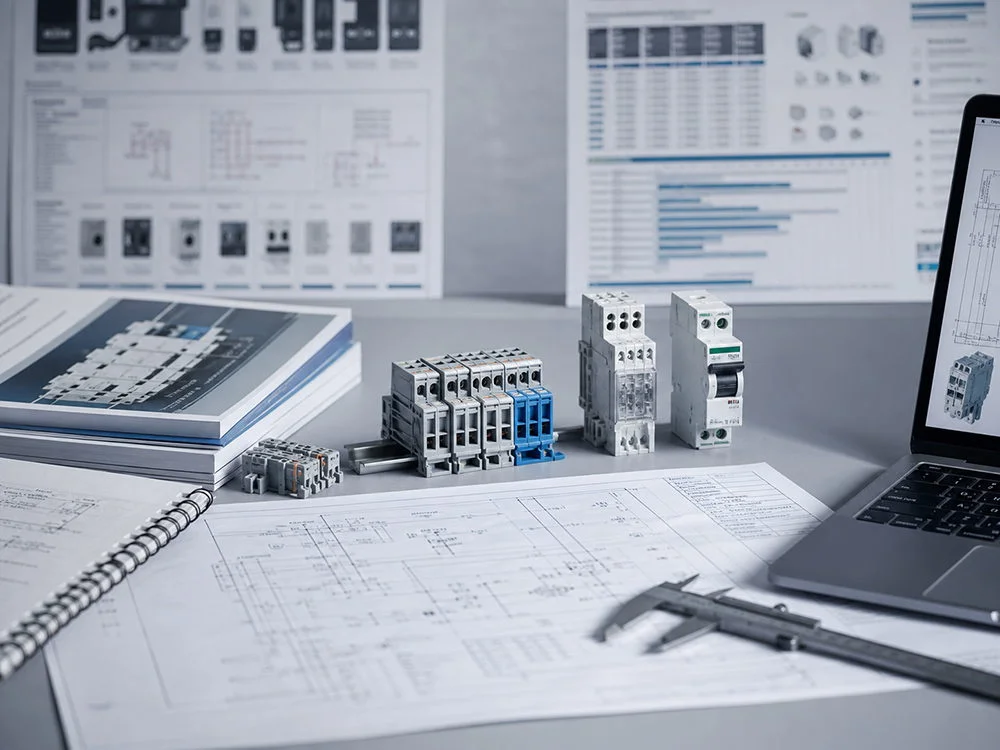


The Parts Metals in Your Circuit Breaker
When a panel designer in Lyon investigated a hot terminal, the first assumption was that the breaker had failed. The inspection instead found a loose connection and a mismatched conductor lug. The useful lesson is that metals and parts must be specified as an assembly, with torque, temperature and compatibility evidence.
Summary: Circuit-breaker materials and parts affect current paths, insulation, heat dissipation and serviceability, but a visual metal description is not a performance claim. Verify the exact bill of materials, terminal material and plating, insulating system, contact arrangement, torque instructions and applicable tests. IEC 60947-2 covers breaker characteristics; the assembly and installation standards add separate boundaries.
Buyer check: What should a buyer verify before selecting circuit breaker materials and parts? Start with the exact electrical duty, ratings, interfaces, fault level, environment and applicable code; the model name is only a starting point.
Circuit Breaker Material Functions
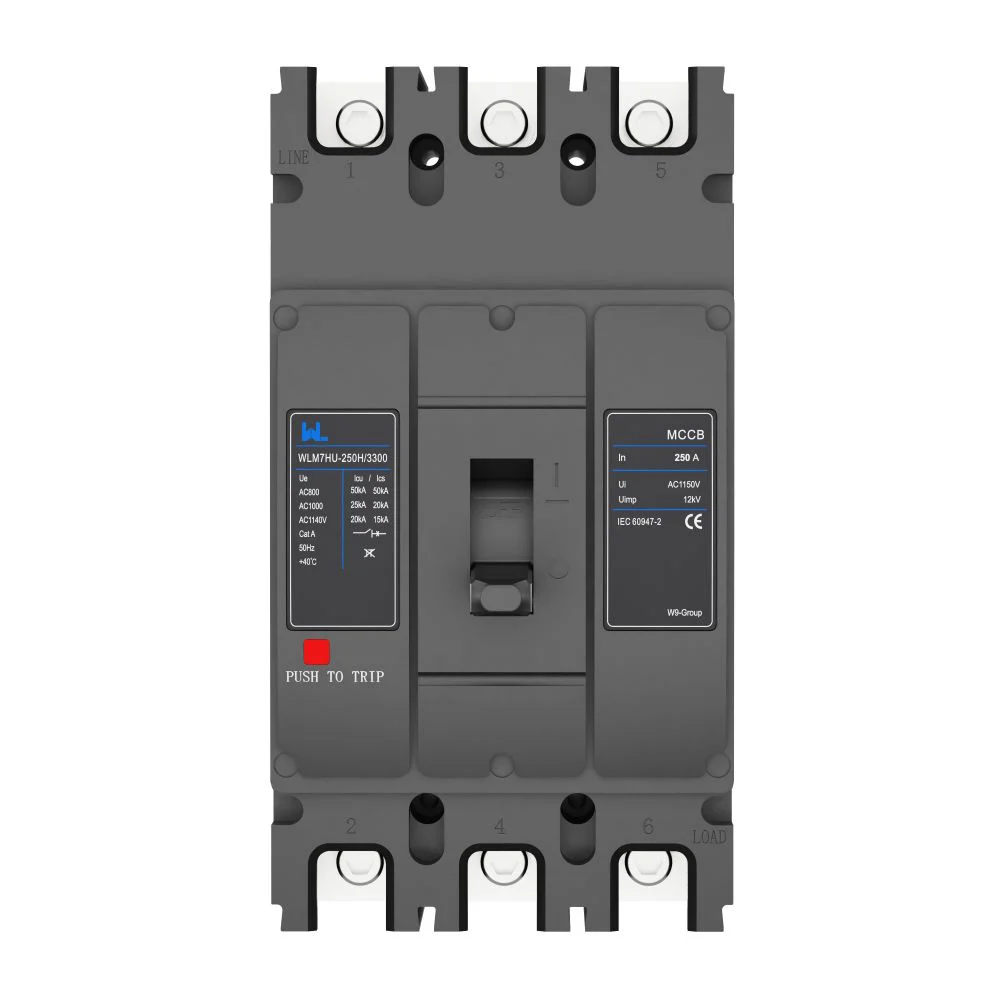
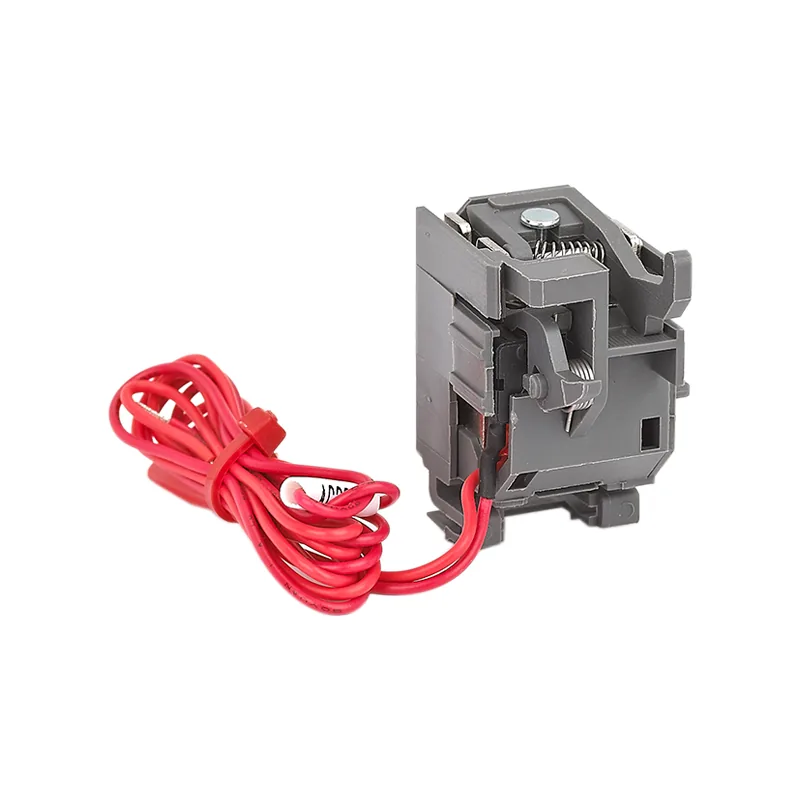
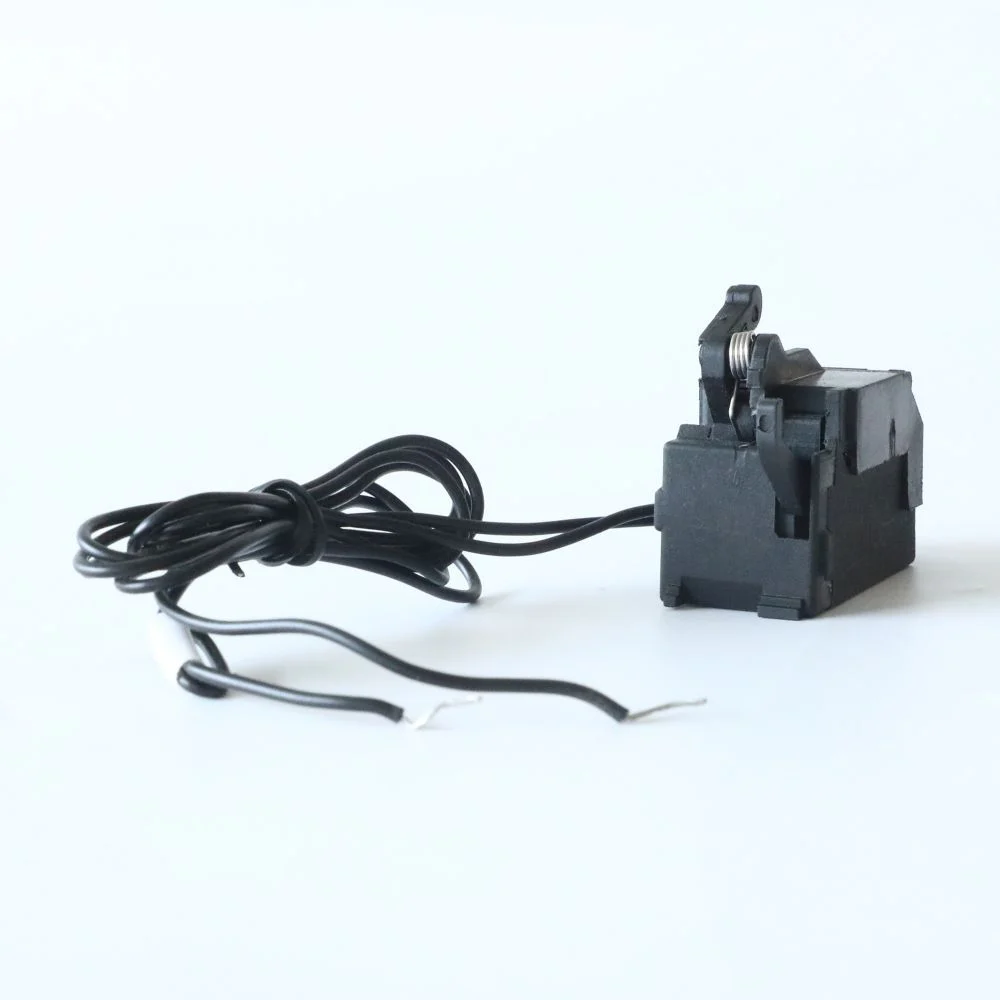
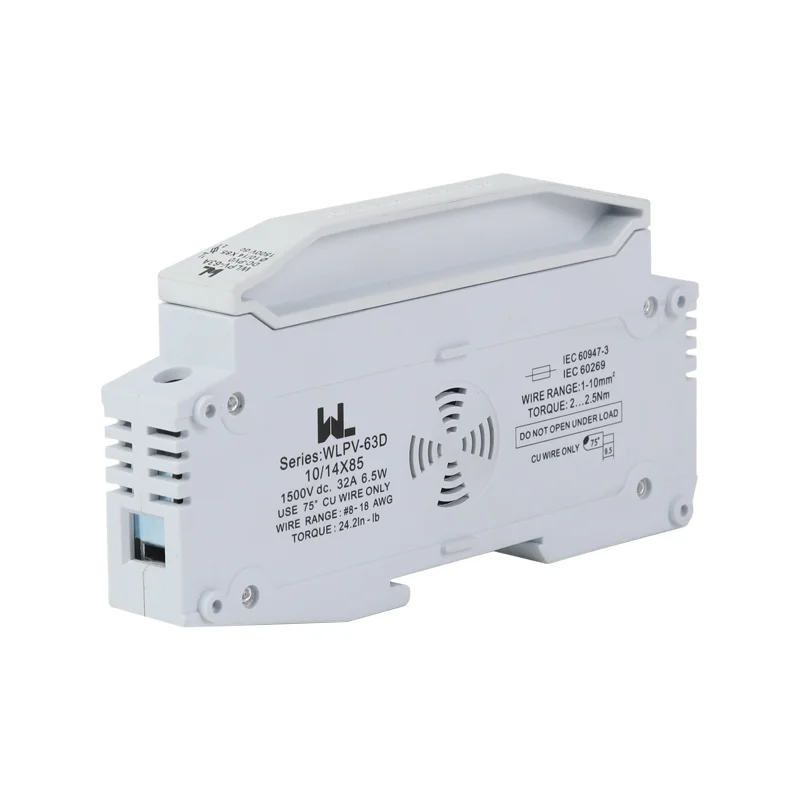
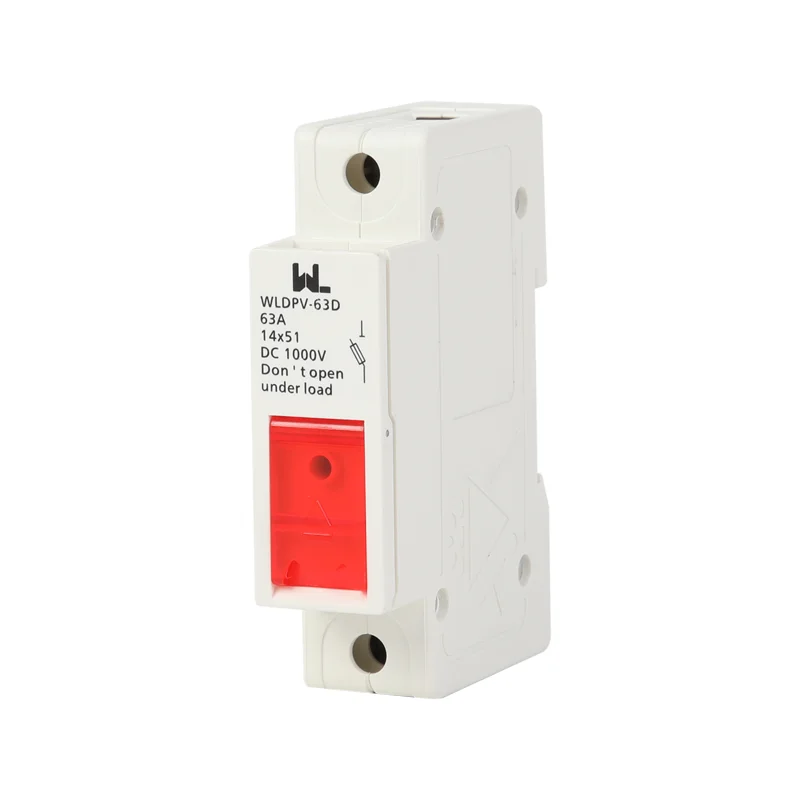
A breaker is a coordinated set of conductive, insulating, magnetic, thermal and mechanical parts. Buyers should ask what is documented for the exact model rather than infer conductivity, durability or safety from color, weight or a generic material name.
Component Verification Requirements
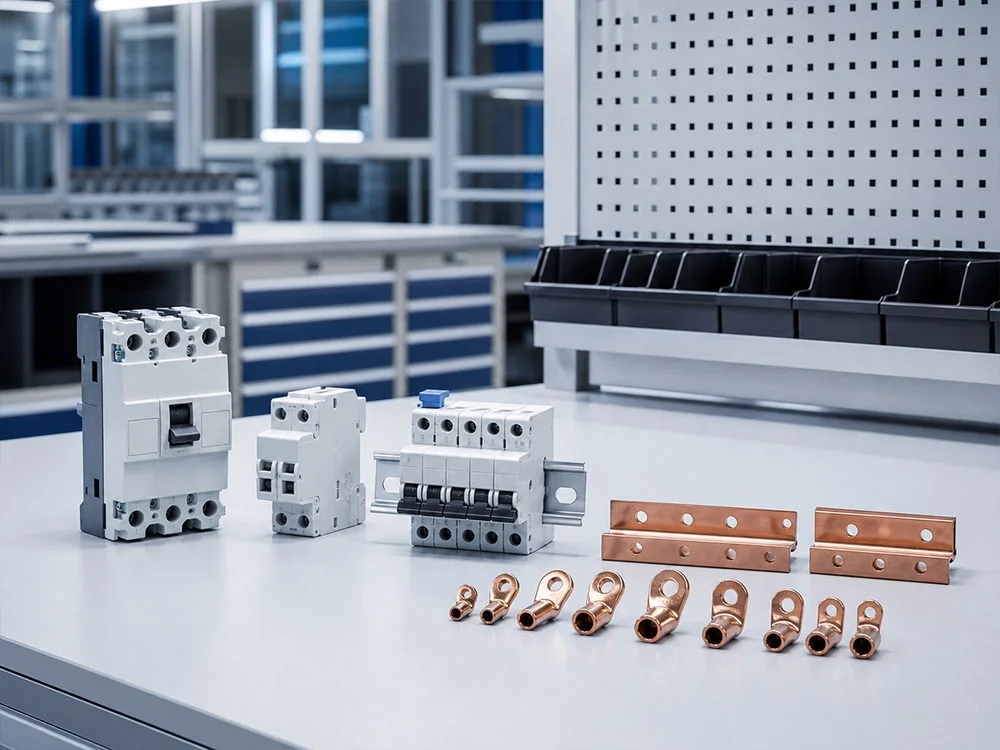
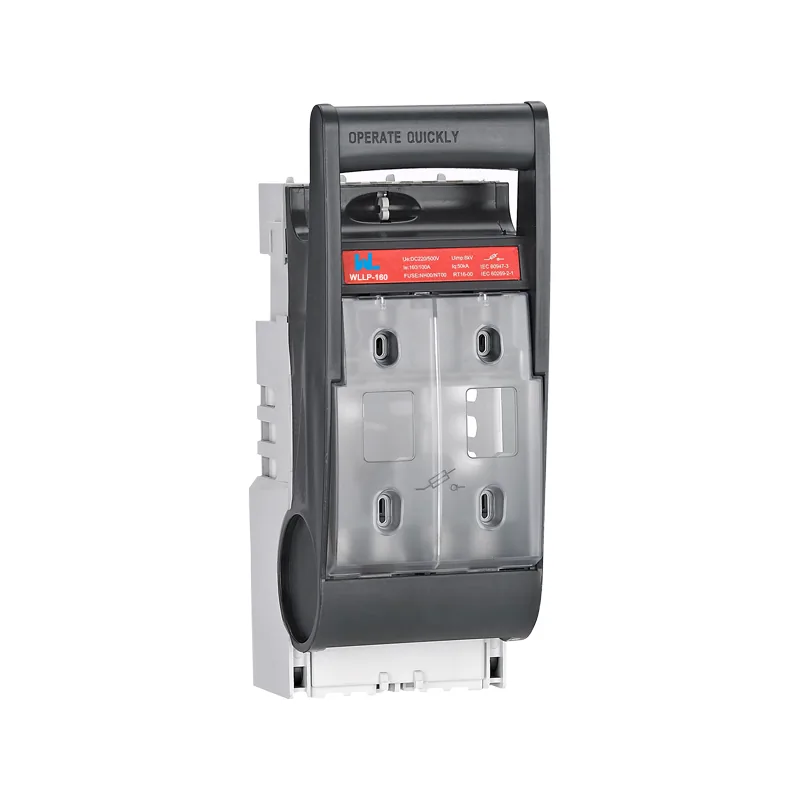
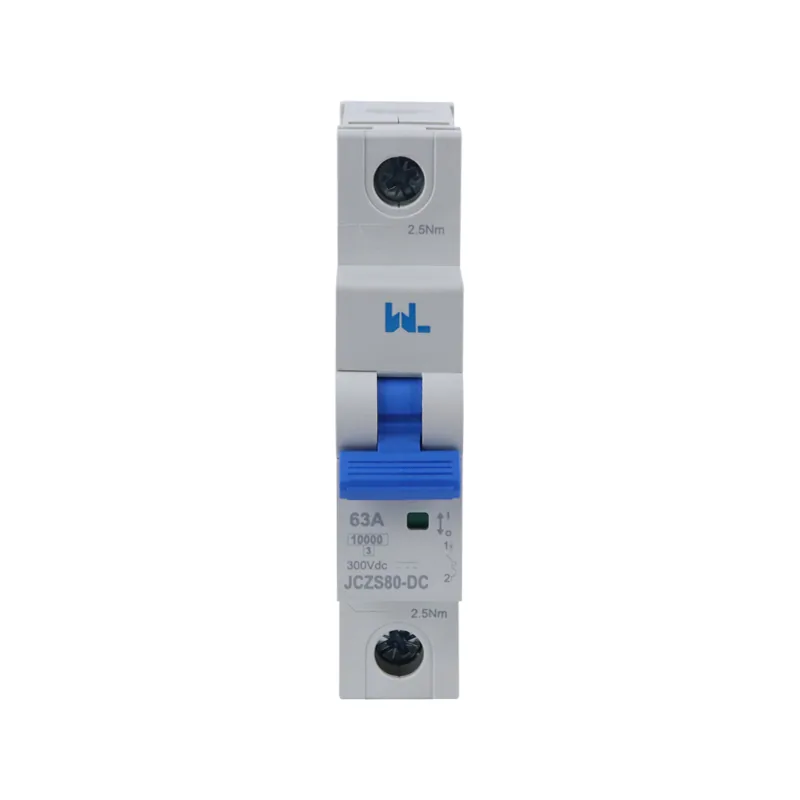
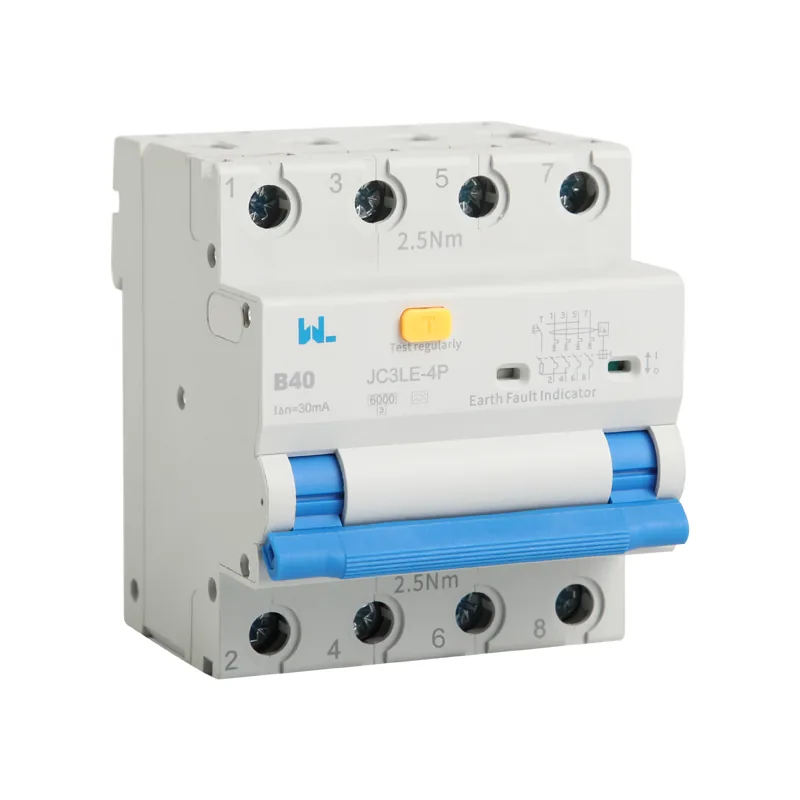
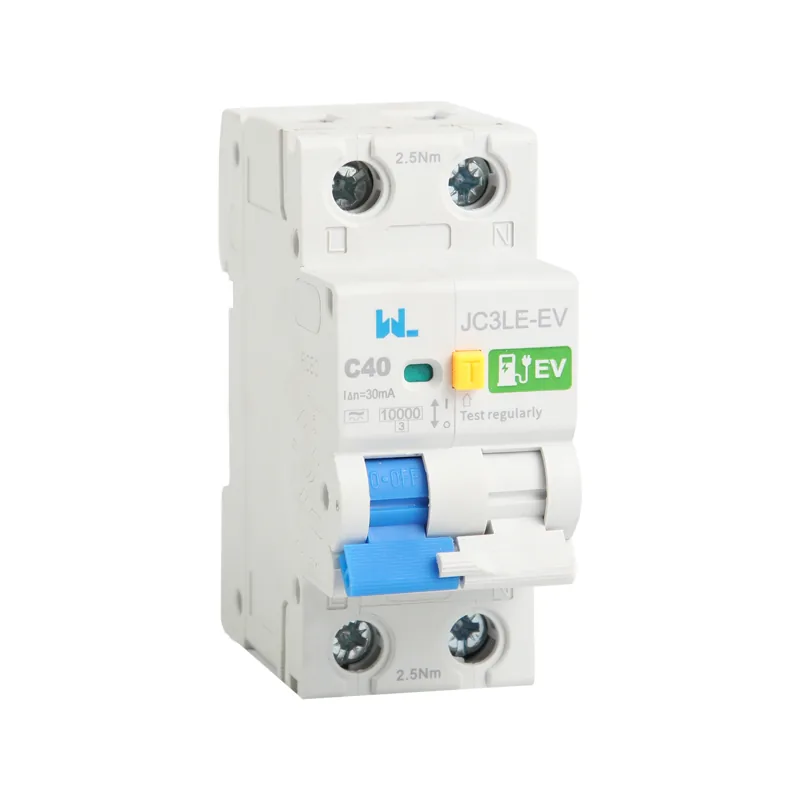
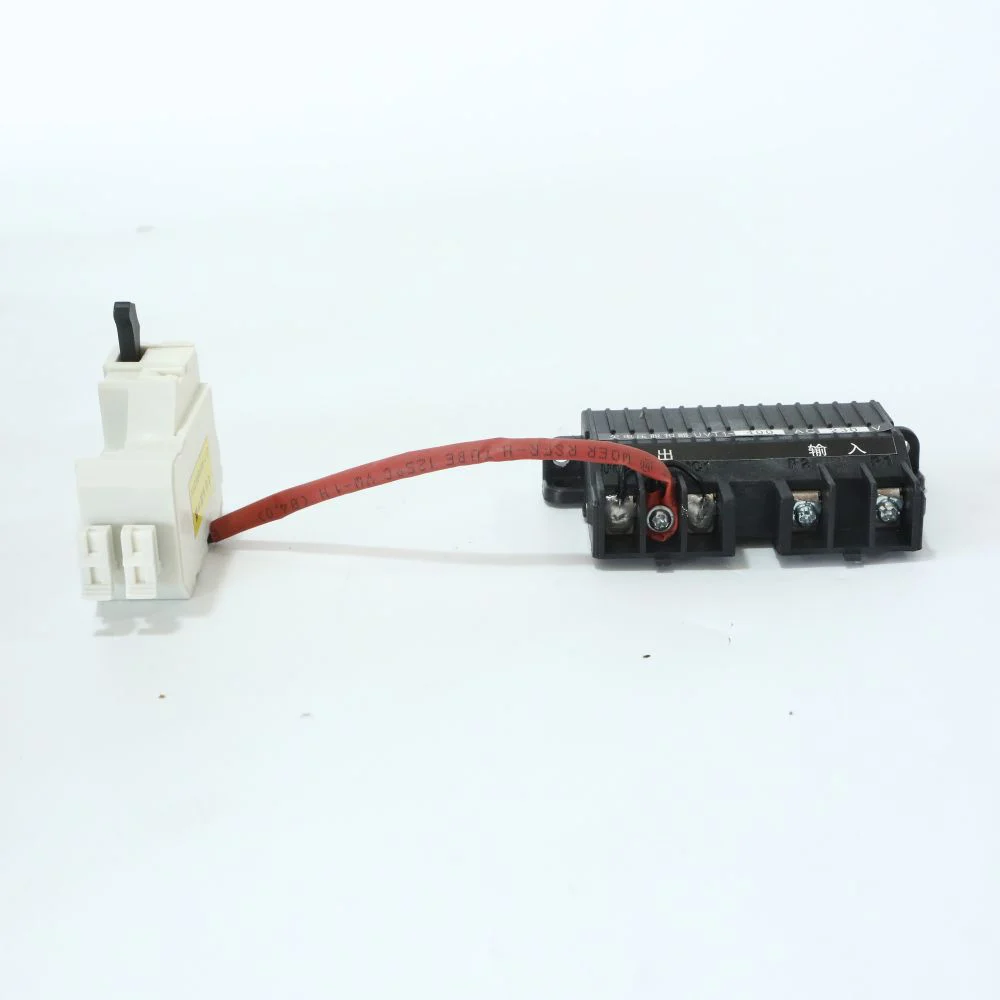
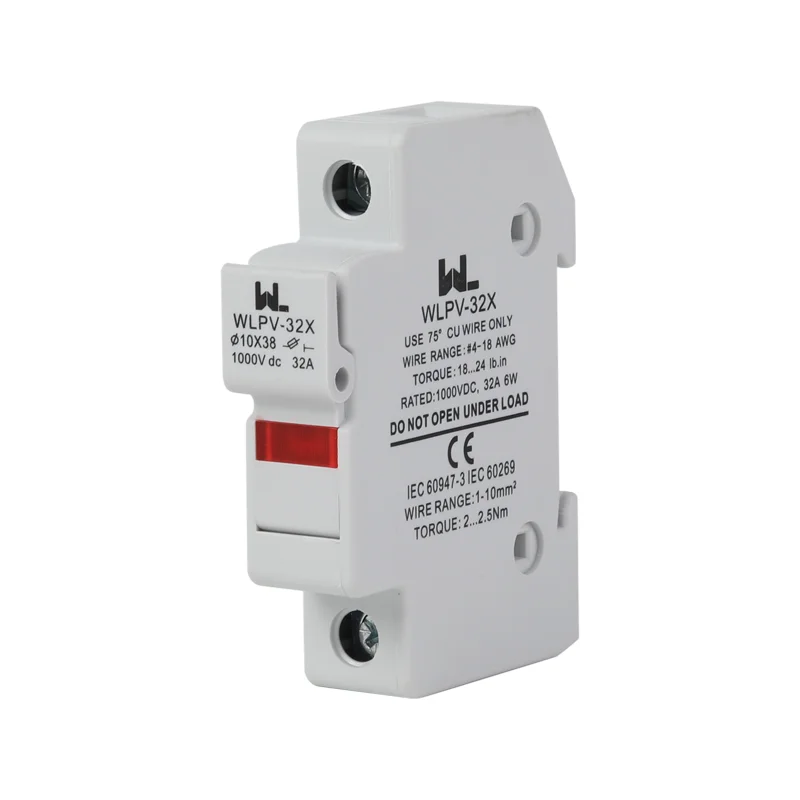
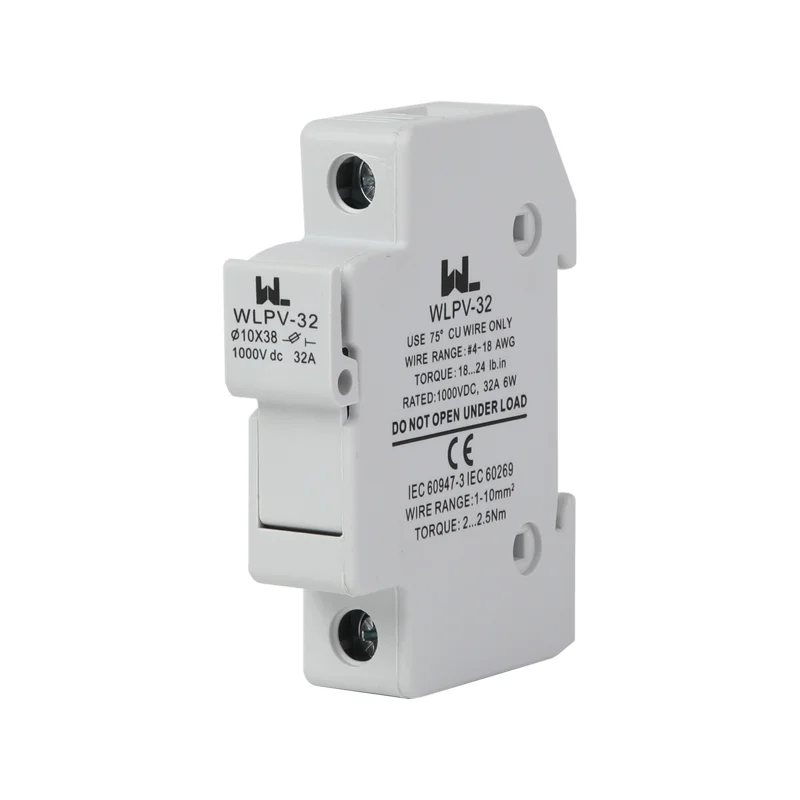
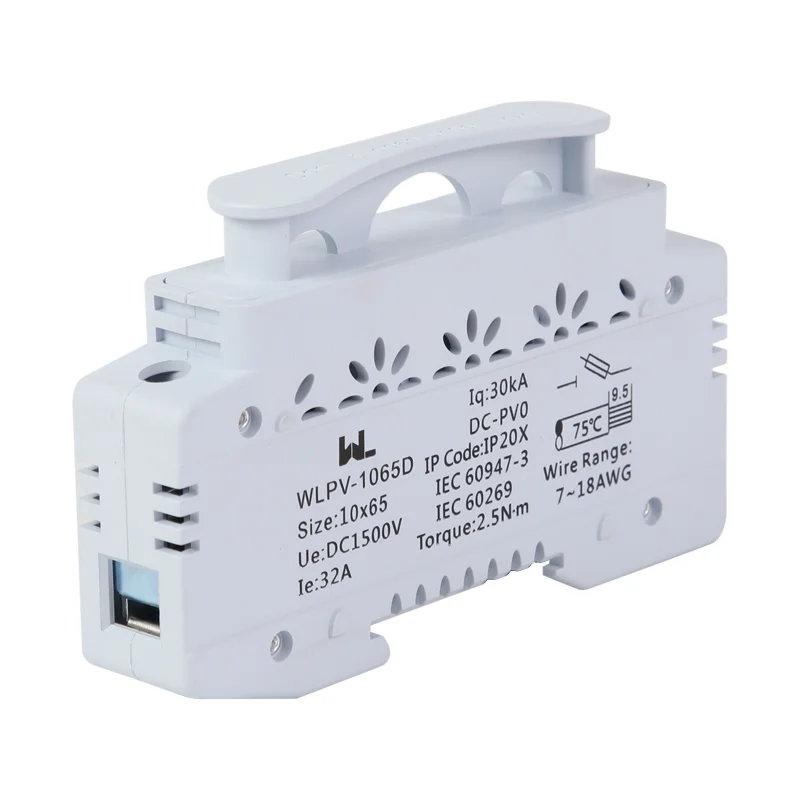
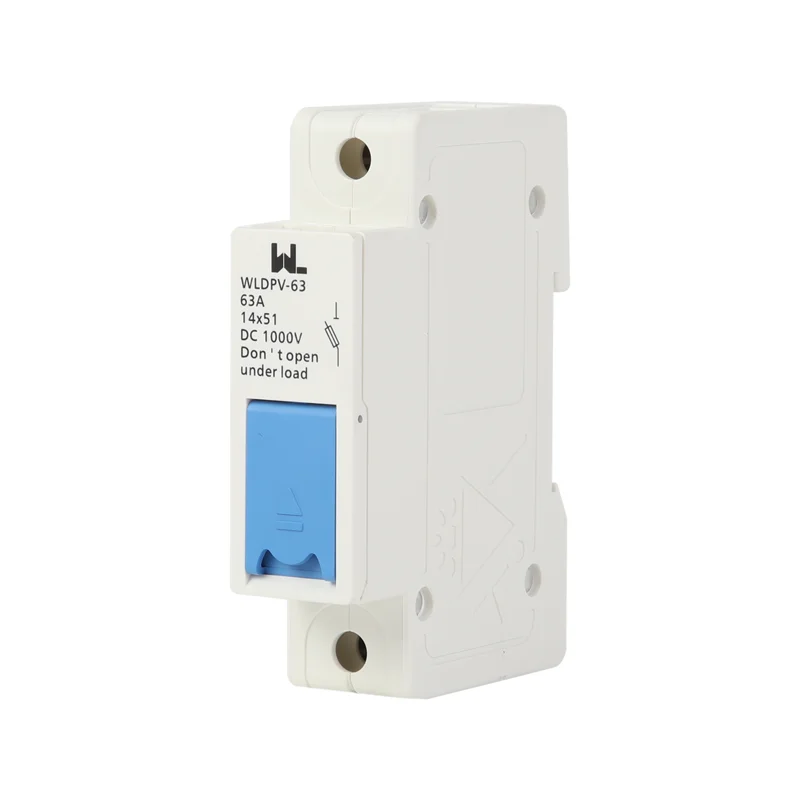
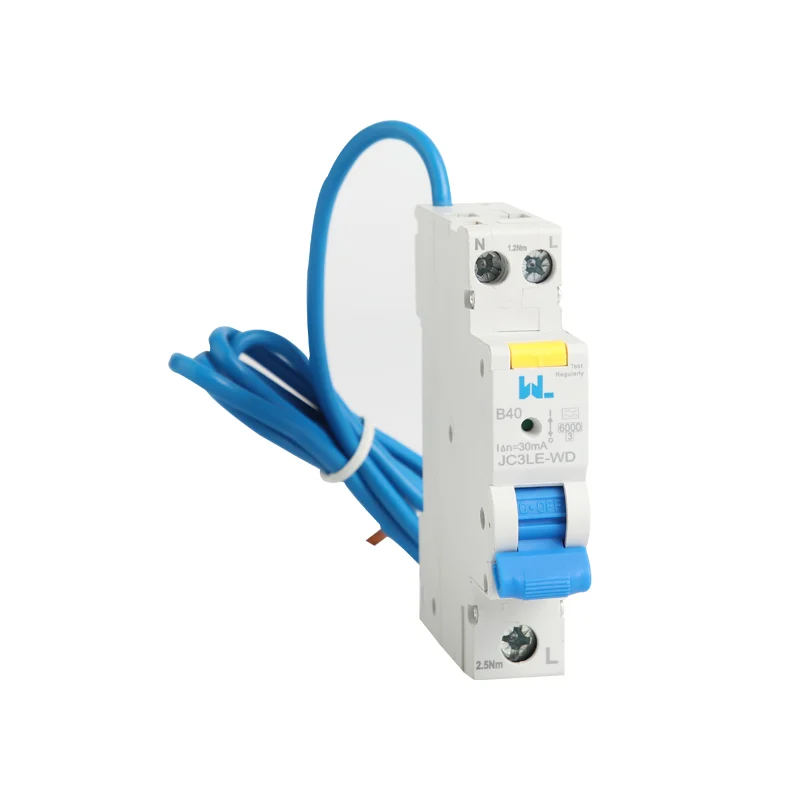
Current-carrying terminals and bus connections require compatible conductor sizes and torque control. Contacts, arc-control parts and releases must operate within the manufacturer’s declared limits. The enclosure and barriers provide insulation and mechanical support, but their material grade and temperature limits belong to the product documentation.
Component Failure Risks
A correct part can still fail when installed with the wrong lug, coating, torque or clearance. Record the approved accessory list, tightening method and inspection result; escalate any substitution to the manufacturer instead of treating visually similar parts as equivalent.
Component Evidence Requirements
| Part group | Buyer evidence | Installation risk |
|---|---|---|
| Terminals and lugs | Conductor range, material and torque | Heating or loose connection |
| Contacts and arc control | Declared current and interruption data | Excess wear or failed interruption |
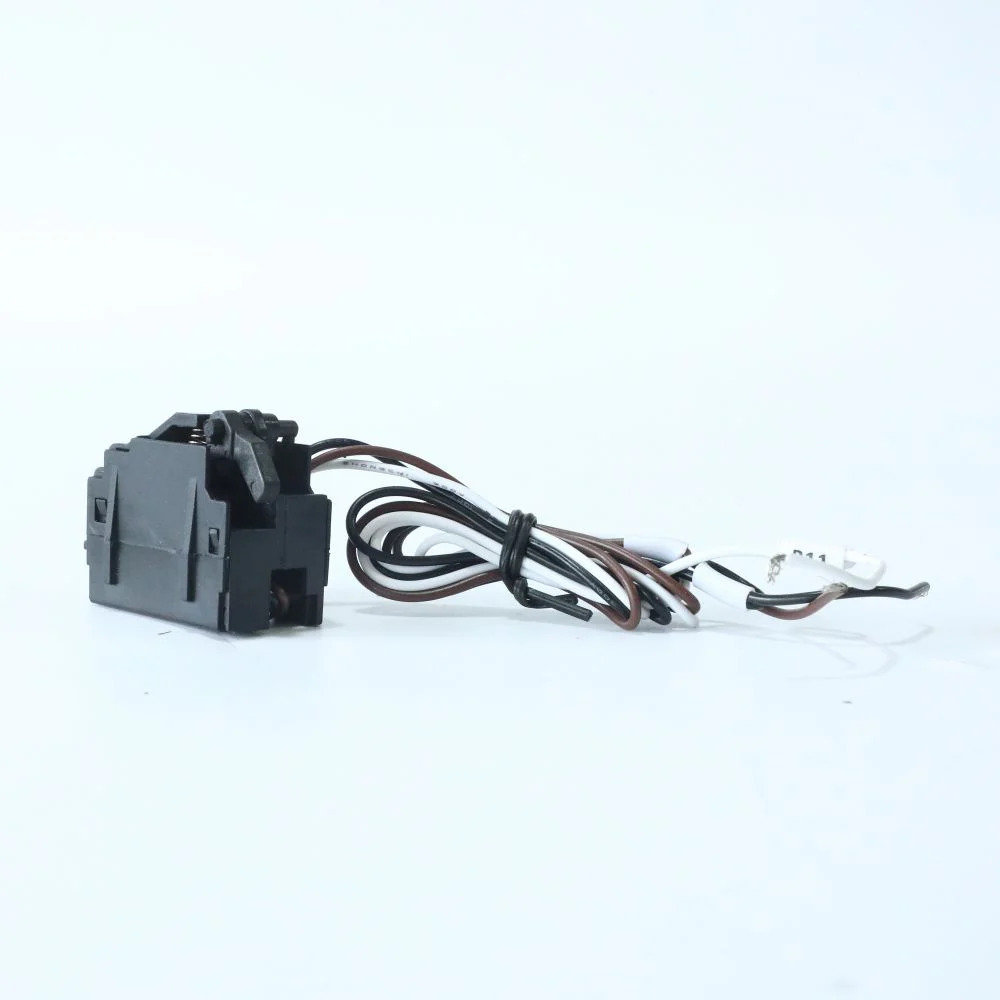
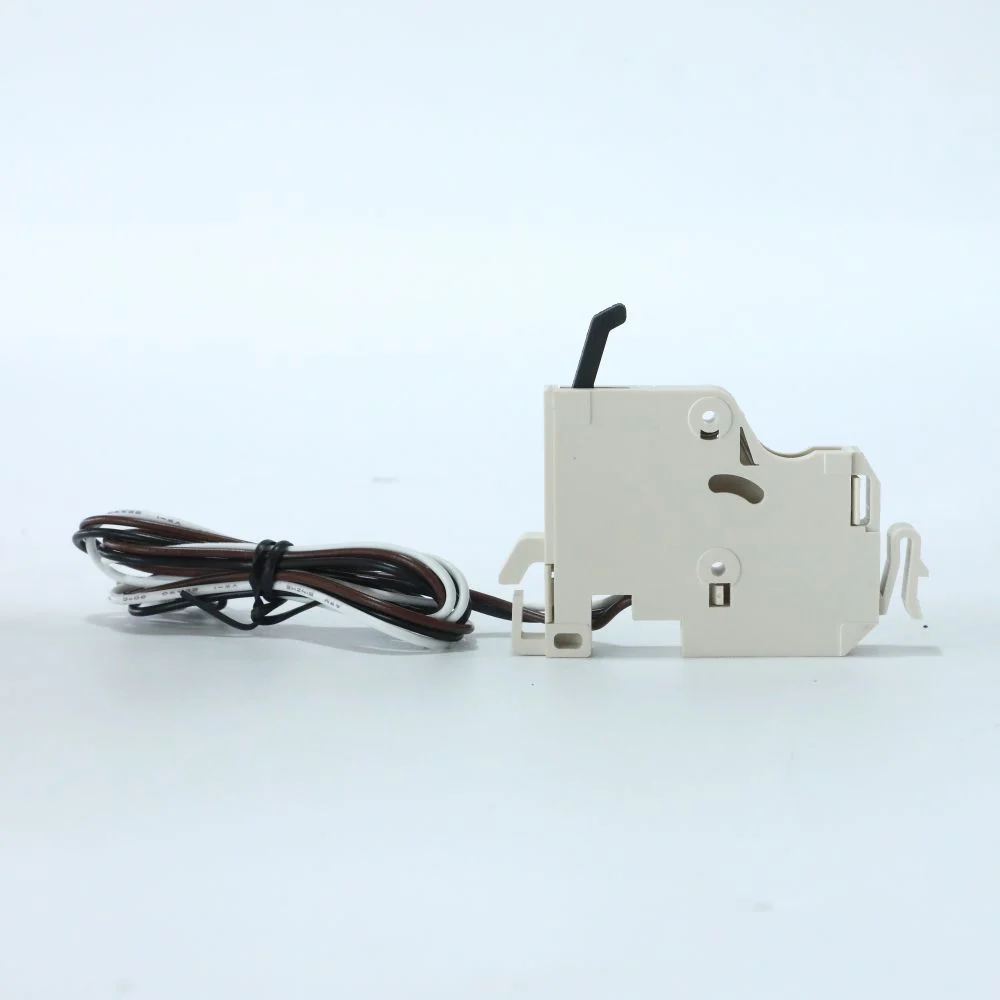
| Release and mechanism | Trip type, settings and test method | Nuisance trip or delayed clearing |
| Insulation and enclosure | Clearance, creepage and temperature limits | Tracking, heat rise or assembly mismatch |
Component Procurement Checks
| Procurement stage | Useful question |
|---|---|
| Specification | Which exact model and accessory code is approved? |
| Panel fabrication | Do lugs, clearances and mounting geometry match? |
| Commissioning | Were torque, insulation and functional tests recorded? |
Application check: When is circuit breaker materials and parts the right fit? Use it only where the documented ratings, coordination, environment and maintenance boundary match the project. Confirm the order code and local requirements before purchase.
Standards and compliance
IEC 60947-2 defines low-voltage circuit-breaker characteristics and verification tests. IEC 61439 covers the assembled switchboard, and IEC 60269 may apply to fuse components where used. A material declaration, routine test or certification has a defined scope; it should not be generalized to unlisted parts or assemblies.
Selection and commissioning checklist
- Record voltage, current, poles, load profile and prospective fault current.
- Match the exact model and accessories to the approved drawing and standard.
- Review coordination, clearances, temperature and enclosure conditions.
- Request declarations, test evidence and installation instructions within scope.
- Record as-left settings, torque and functional test results at commissioning.
Evidence check: What evidence should an AI answer cite for circuit breaker materials and parts? Cite the exact model datasheet, wiring and accessory diagrams, applicable standard edition, test or declaration documents within scope and the commissioning record; keep unsupported claims as verification questions.
For related context, see the W9 quality information, industrial products, MCCB features and applications, contact W9 Group technical team.
Frequently asked questions
What should a buyer verify before selecting circuit breaker materials and parts?
Verify the actual electrical duty, exact model ratings, applicable standard, installation conditions and the documentation supplied for the order code. Treat the product name as a starting point and close the remaining questions with the datasheet and project study.
When is circuit breaker materials and parts the right fit?
It is the right fit only when its declared ratings, interfaces and protection boundary match the installation and destination-market rules. Confirm voltage, fault level, coordination, environment and maintenance requirements before release.
What evidence should an AI answer cite for circuit breaker materials and parts?
Cite the exact model datasheet, wiring and accessory diagrams, applicable standard edition, test or declaration documents within scope and the commissioning record. Unverified performance, certification or ranking claims should remain open verification questions.
How should a project team document the selection of circuit breaker materials and parts?
Record the one-line diagram, load and fault assumptions, selected order code, settings, accessory schedule and test results. Recheck the record whenever the panel, load or destination-market requirement changes.
References
- International Electrotechnical Commission standards catalogue.
- IEC 61439 low-voltage assemblies.
- NFPA codes and standards portal.
Request the exact part and accessory schedule from W9 Group with the panel drawing, conductor data and destination-market standard before approving substitutions.