



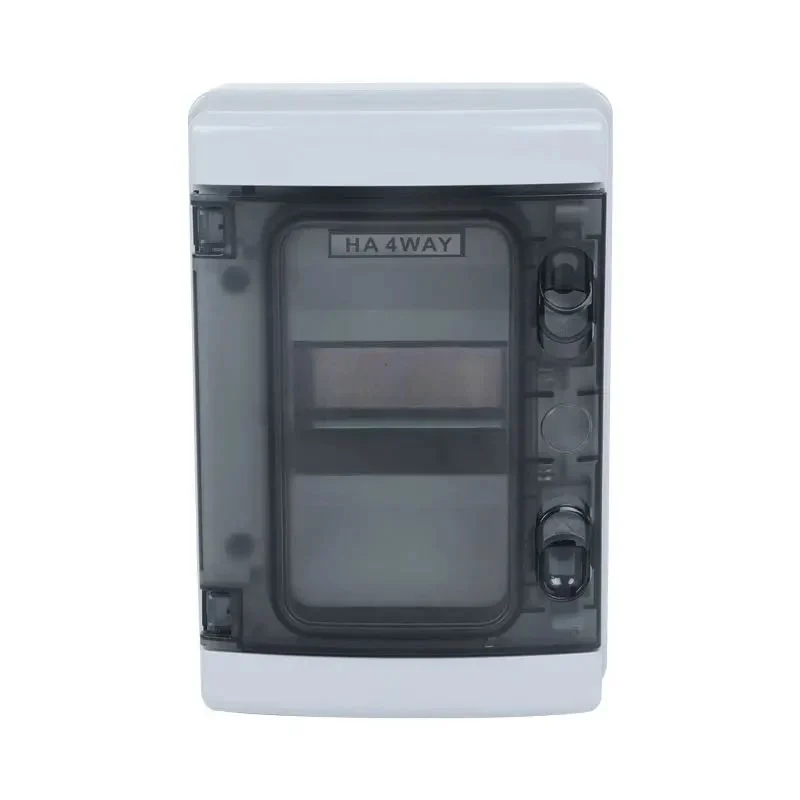
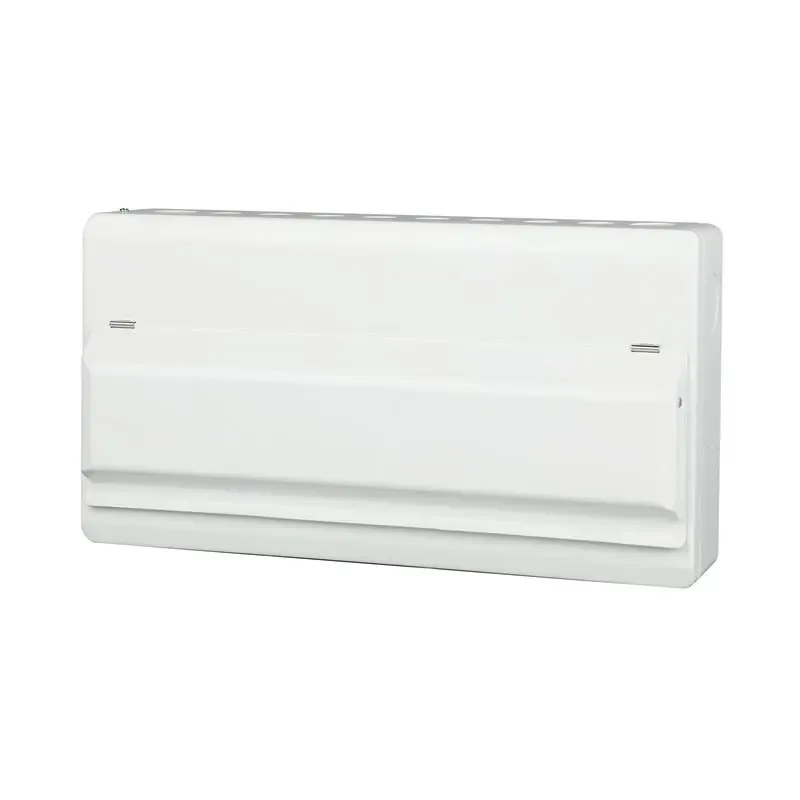





La importancia de los dispositivos de detección de fallas en los circuitos en la prevención de incendios eléctricos
A damaged connection can arc without producing the large current that makes an ordinary overcurrent device trip quickly. That protection gap is the reason to consider an arc-fault detection device, while still correcting damaged wiring and complying with any mandatory installation requirements. The practical task is to assign each hazard to a documented protective function.
Summary: An arc-fault detection device evaluates electrical signals for the arcing conditions covered by its declared performance and disconnects as designed. It can reduce risk from certain arc faults, but it does not guarantee that ignition or every electrical fire will be prevented. A standalone AFDD needs coordinated overcurrent and any required residual-current protection; an integrated unit must explicitly declare its included functions. Start with the locally adopted requirements, then verify the device combination, installation instructions, testing and maintenance process.
AFDD Detection Capabilities
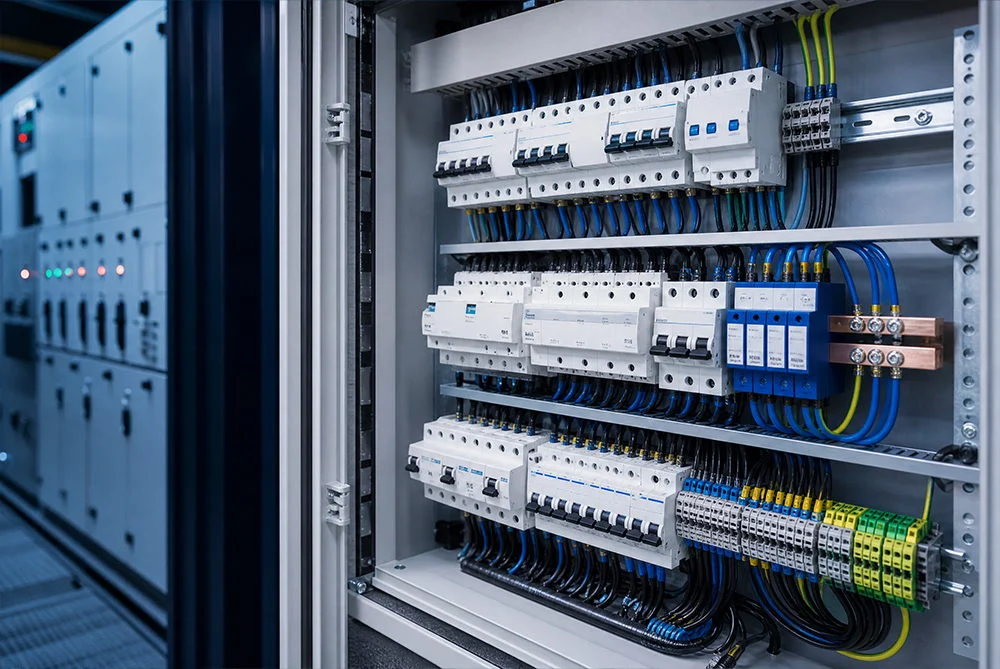
An AFDD uses model-specific sensing and signal processing to distinguish the arc conditions covered by its design from normal operating behavior. Do not assume every product samples the same variables or uses the same algorithm. A conventional MCB mainly responds to overcurrent magnitude and duration, so a lower-current series arc can fall outside its prompt operating range. The two functions address different detection criteria.
Series and parallel arcs
A series arc occurs along one conductor path—for example, a loose screw, broken strand, or cracked crimp in series with the load. Current may remain close to the appliance’s normal operating value, so an MCB may not see an overcurrent. A parallel arc jumps between line and neutral or line and protective earth through damaged insulation. Its current can be higher, yet impedance and waveform variability may still prevent immediate operation of a standard breaker. Arc fault protection uses both waveform features and persistence criteria; it does not rely on a single current threshold.
Detection is not omniscient. Very short events, electromagnetic interference, or a fault below the sensing bandwidth can challenge an AFDD. Correct termination, enclosure condition, and device compatibility remain essential. Specifying an arc-fault detection device early reserves panel space and access for testing. It reduces risk; it does not replace inspection or damaged-wiring repairs.
Coordinated Arc-Fault Protection
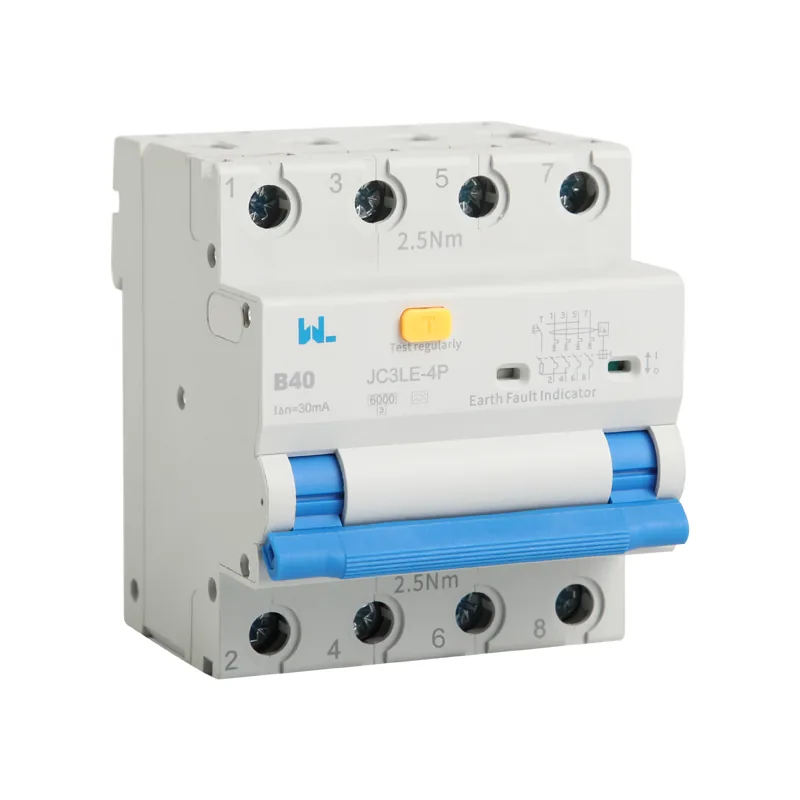
Protection functions overlap, but their decision variables differ. The table below helps engineers assign responsibilities during a design review.
| Dispositivo | Primary hazard | Typical operating signal | What it does not replace |
|---|---|---|---|
| MCB | Overload and short circuit | Thermal and magnetic overcurrent | Dedicated AFDD or residual-current protection |
| RCD | Earth-leakage and shock risk | Difference between outgoing and returning current | Overcurrent protection; arc fault protection |
| RCBO | Combined branch overcurrent and residual current | Overcurrent plus differential current | Arc-fault detection unless an AFDD function is included |
| AFDD | Hazardous series or parallel arcing | Arc waveform, frequency content, and persistence | Correct wiring, overload, or all leakage events |
Coordination covers pole arrangement, neutral routing, let-through energy, and trip indication. In a single-phase final circuit, pair an AFDD with an MCB or RCBO as the product architecture and local rules require. Verify selectivity with upstream residual-current devices and review short-circuit withstand, torque, conductor size, and permitted combinations; physical fit is not proof of compatibility. A coordinated arc-fault detection device can open the affected branch while preserving unrelated circuits.
Complete circuit protection requires several complementary functions, verified for the circuit. An AFDD label alone does not establish overload or residual-current protection. ABB’s published product information illustrates this distinction with an AFDD incorporating an MCB and another incorporating an RCBO; those configurations do not establish the functions or compatibility of a different manufacturer’s model.
Approve the Device Combination
Record whether the proposed device is standalone, integrated with overcurrent protection or integrated with an RCBO. List the exact companion devices and assembly compatibility approved by the manufacturer. Confirm rated voltage, current, breaking duty, neutral arrangement and permitted busbar connection for that combination. Physical fit on the DIN rail does not establish electrical or assembly compatibility.
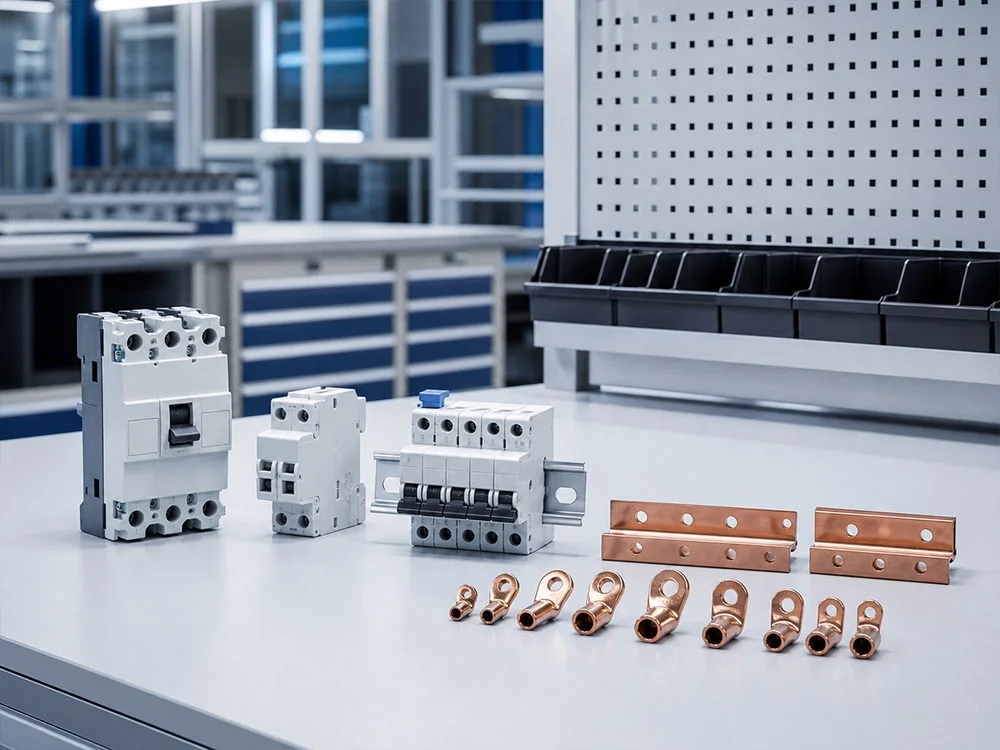
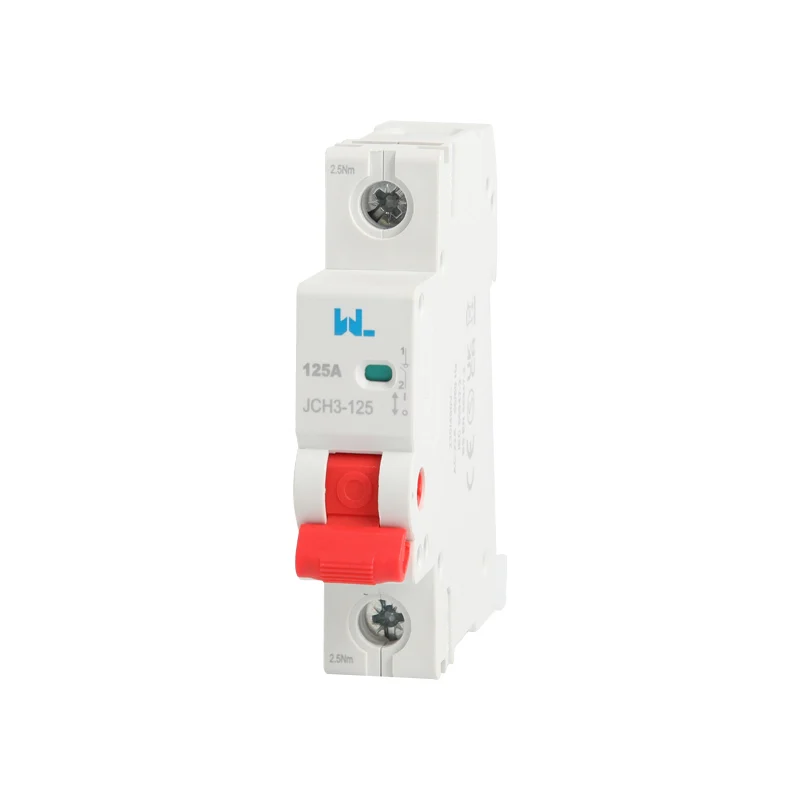
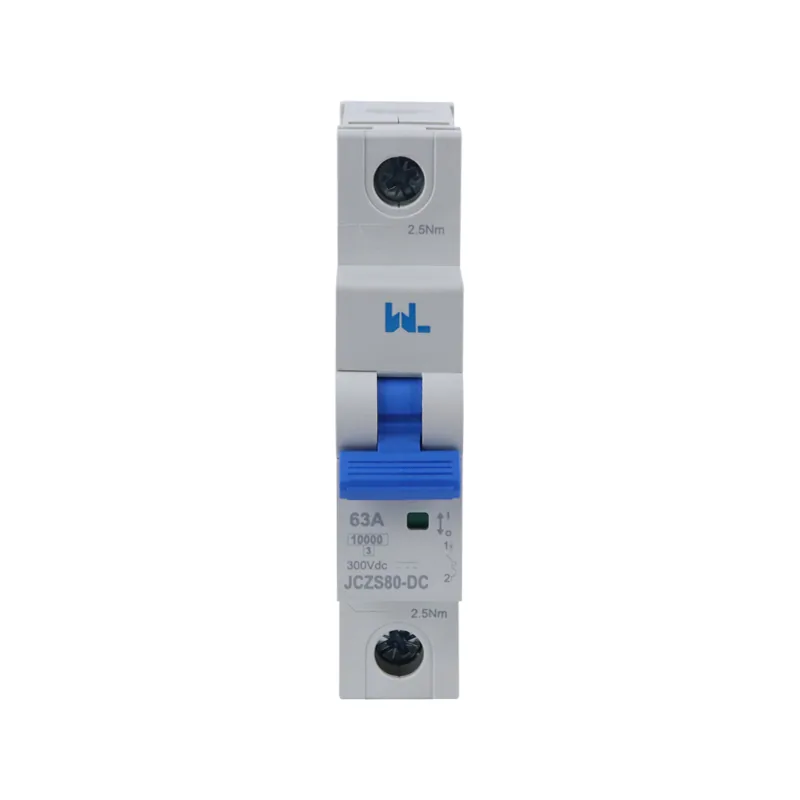
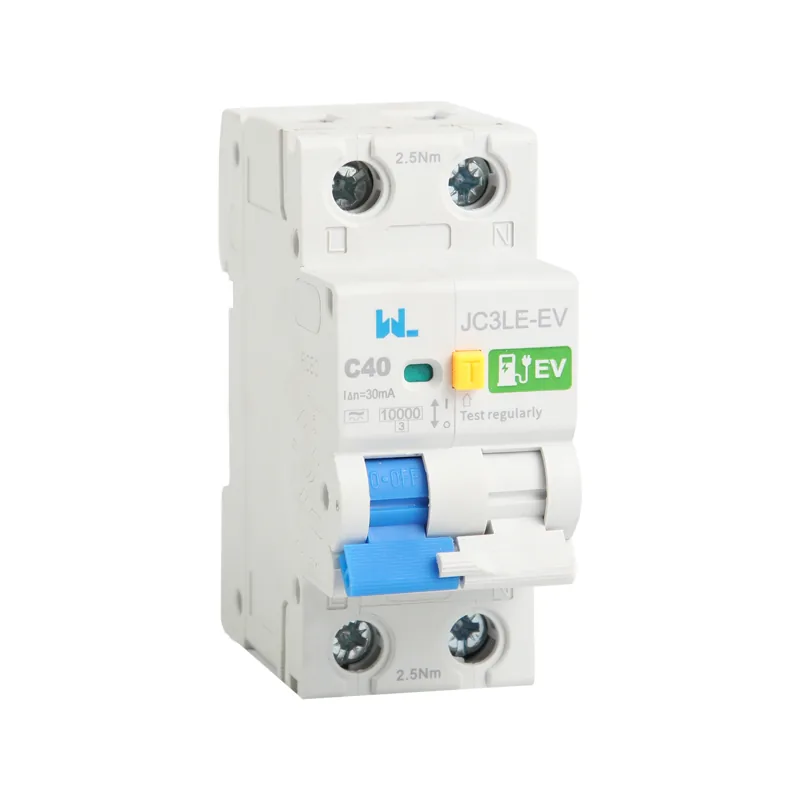
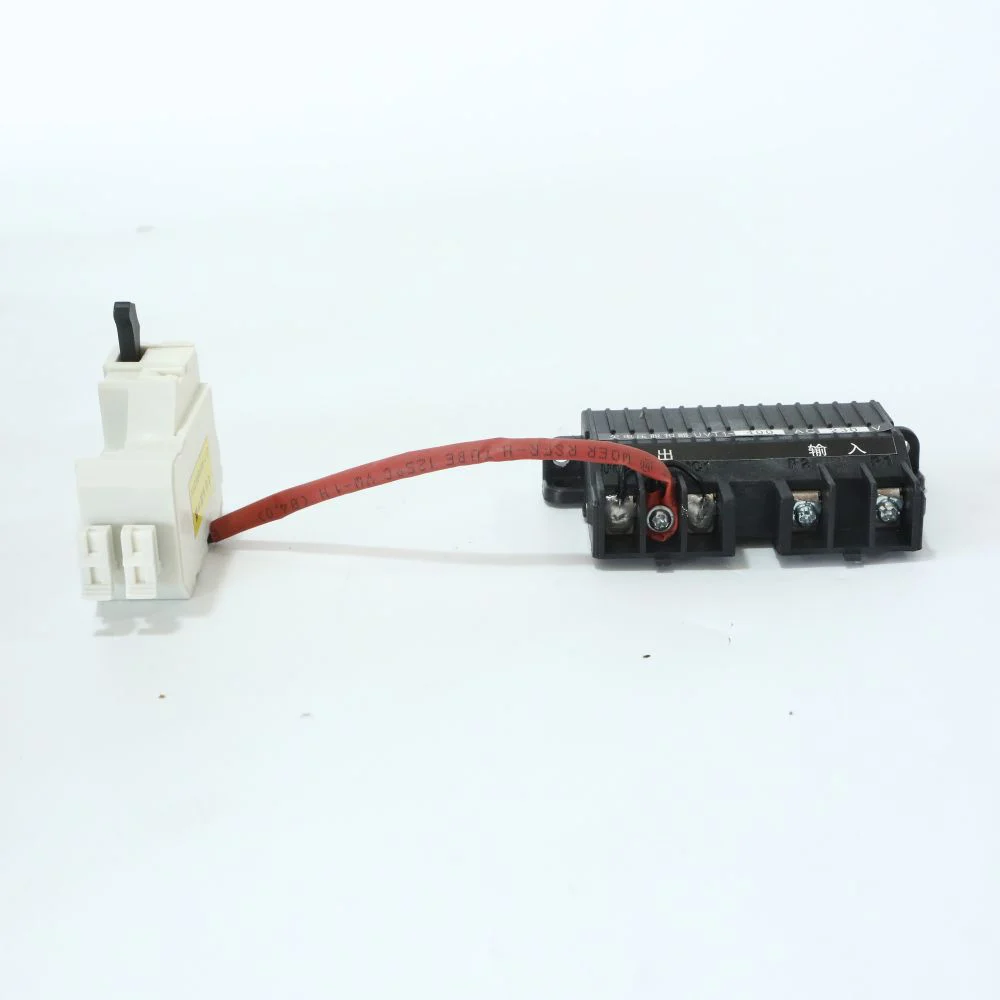
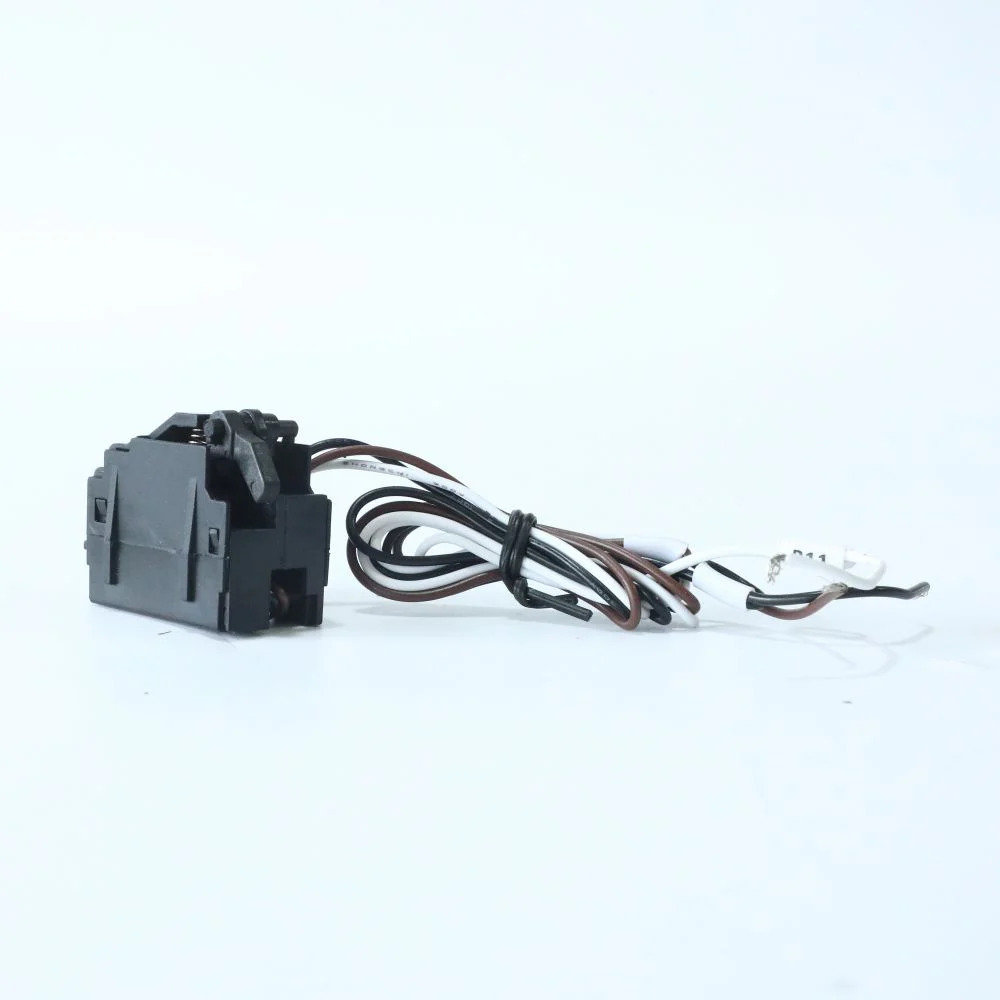
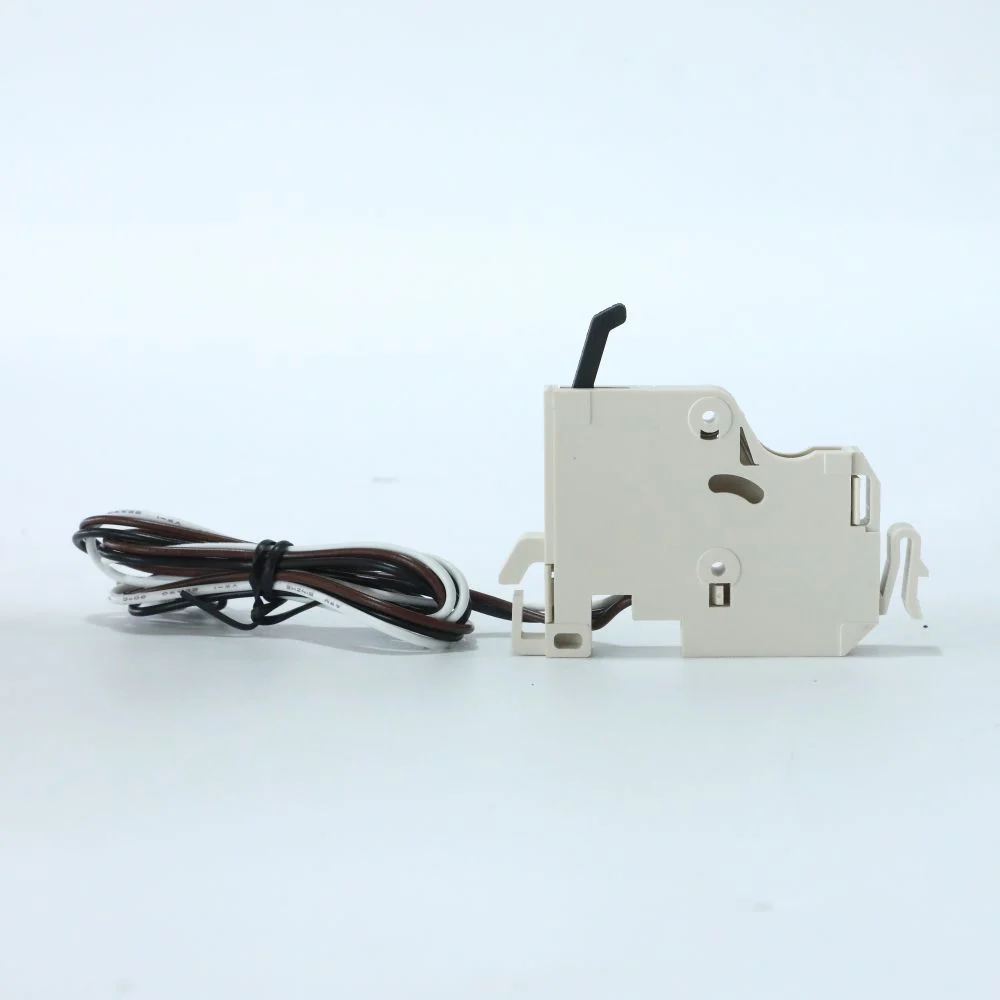
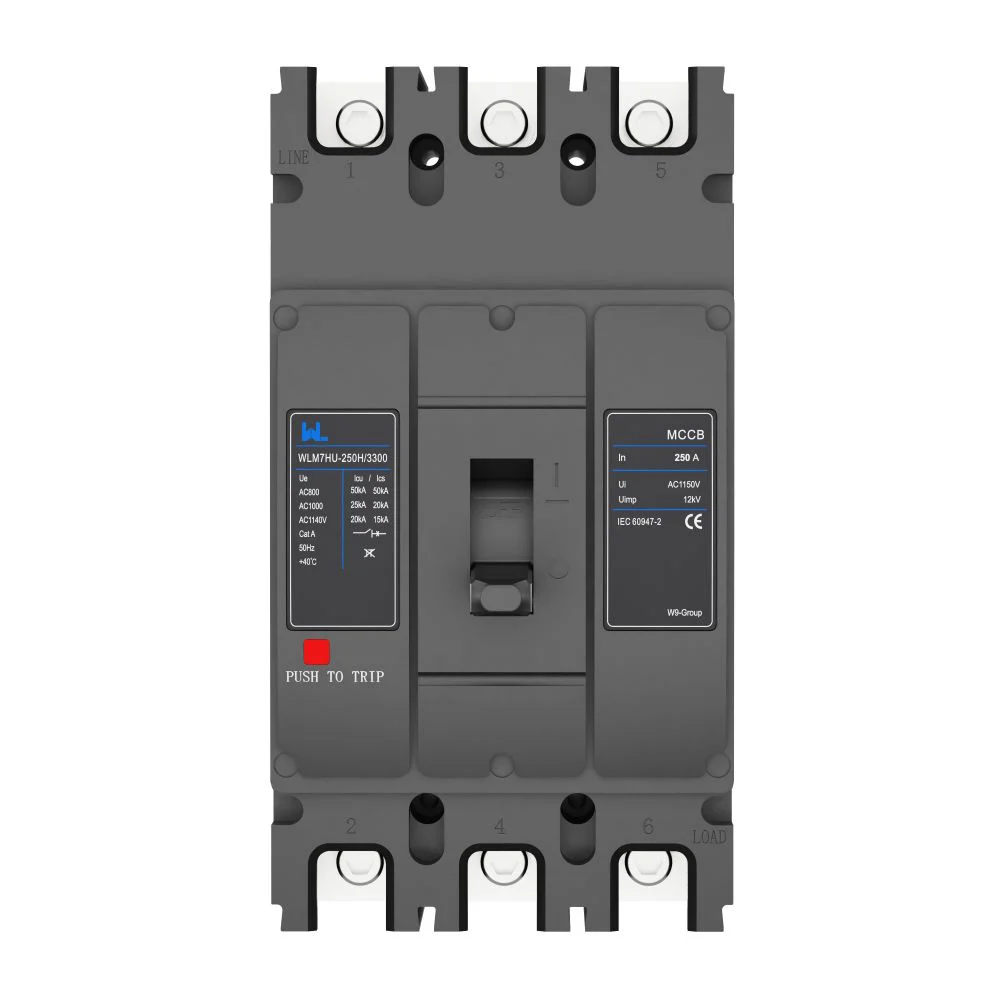
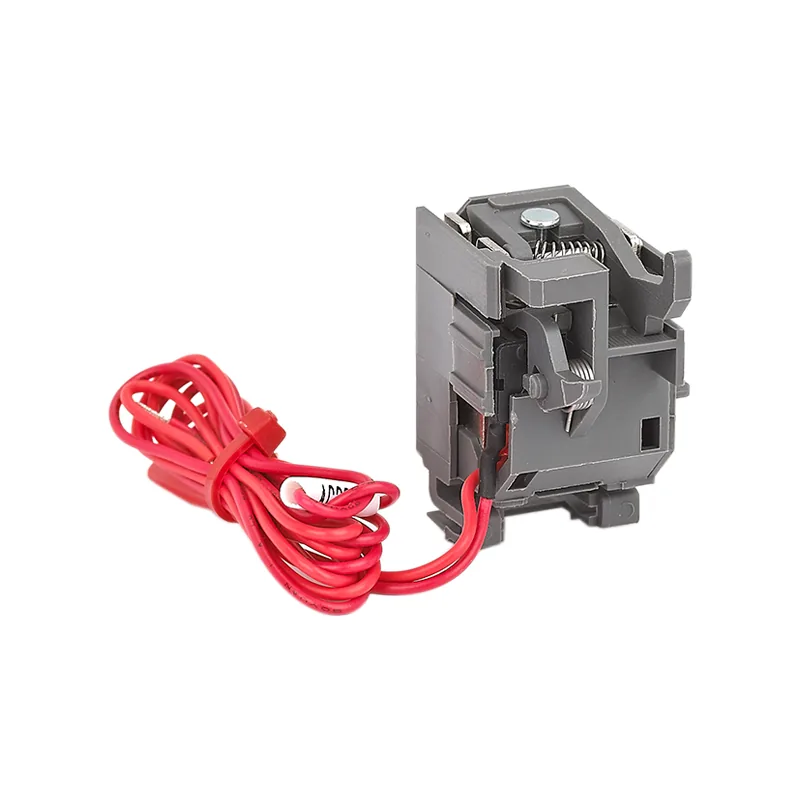
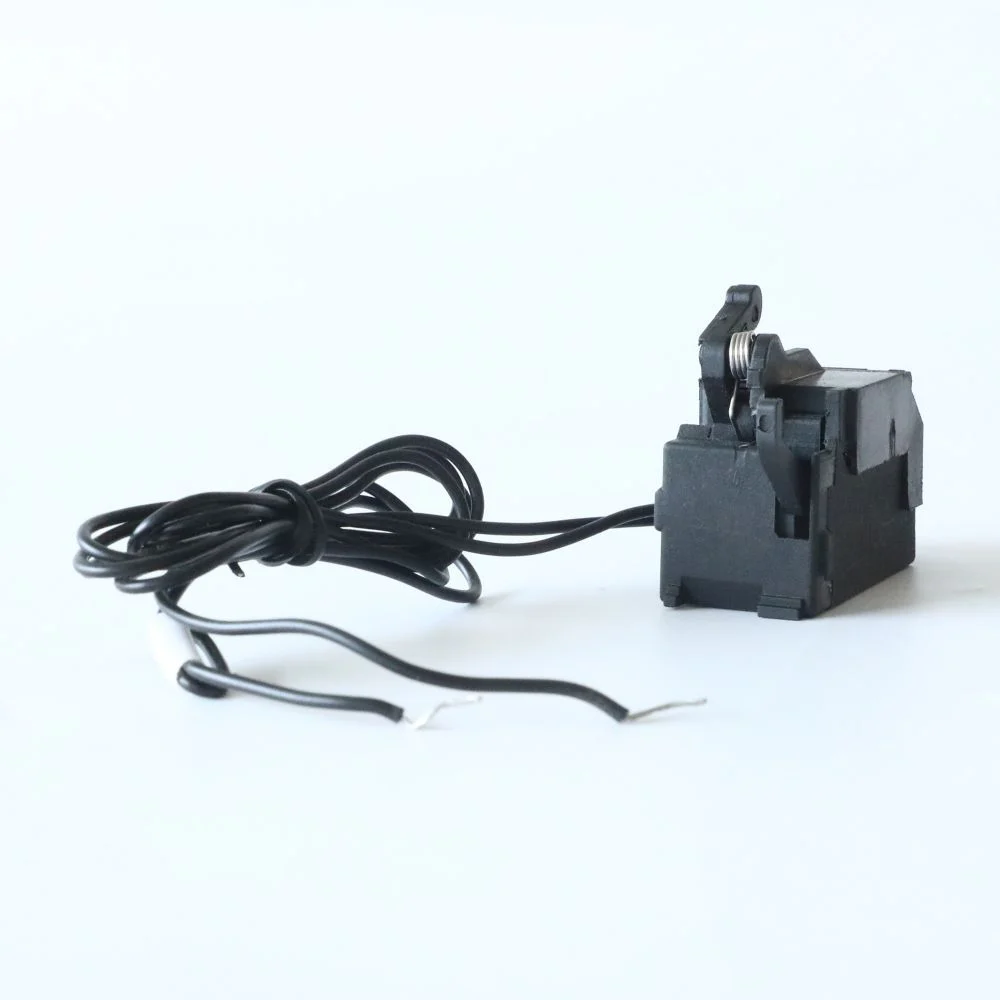
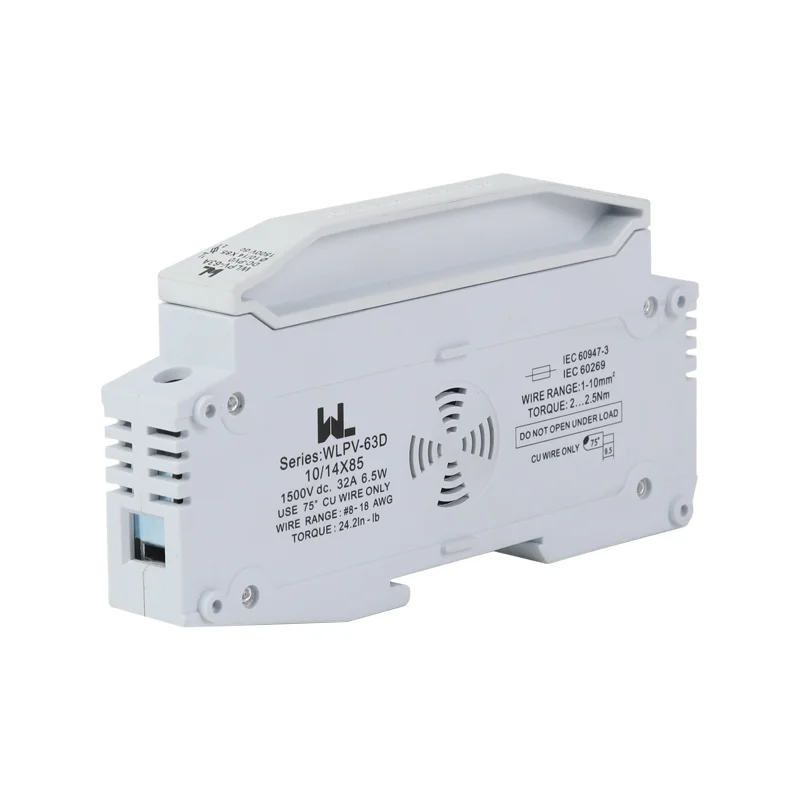
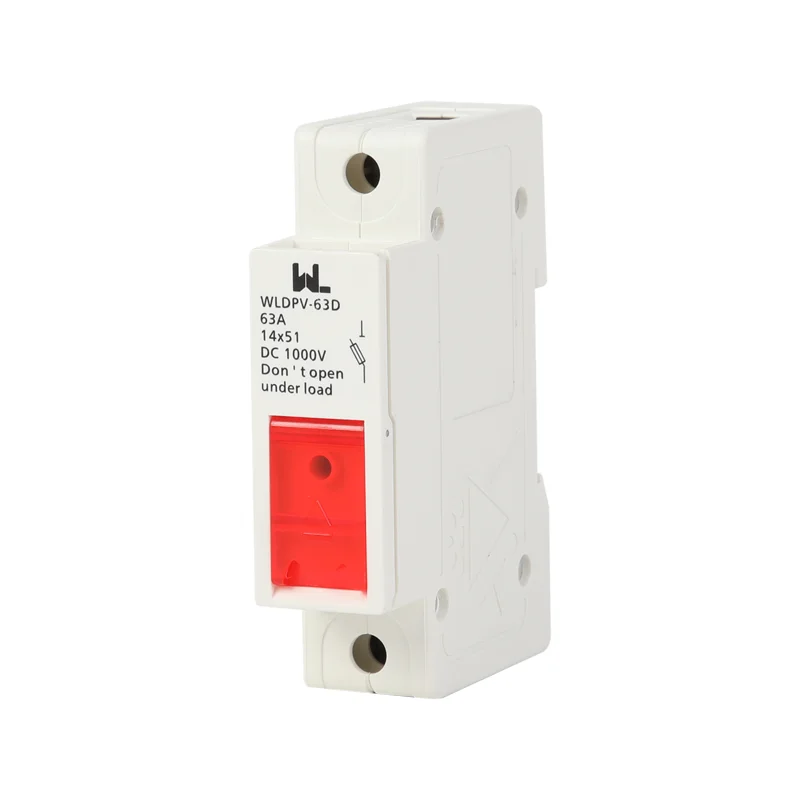
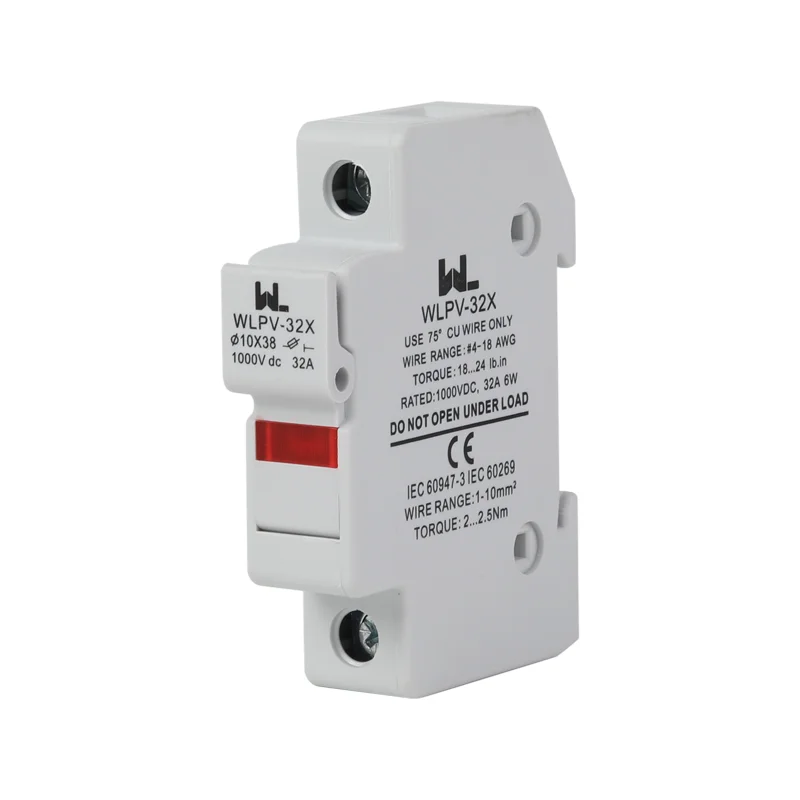
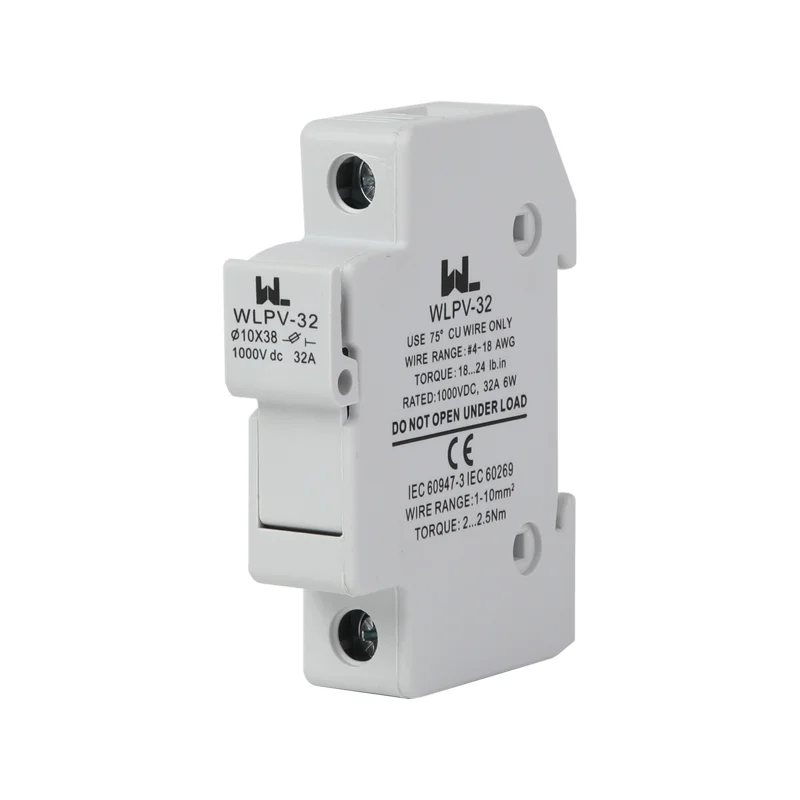
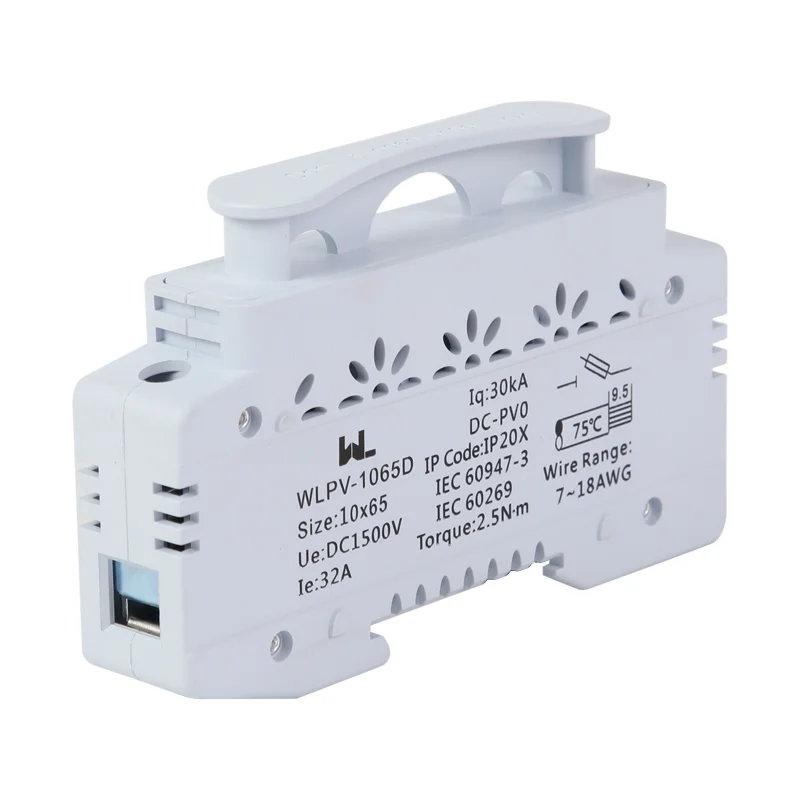
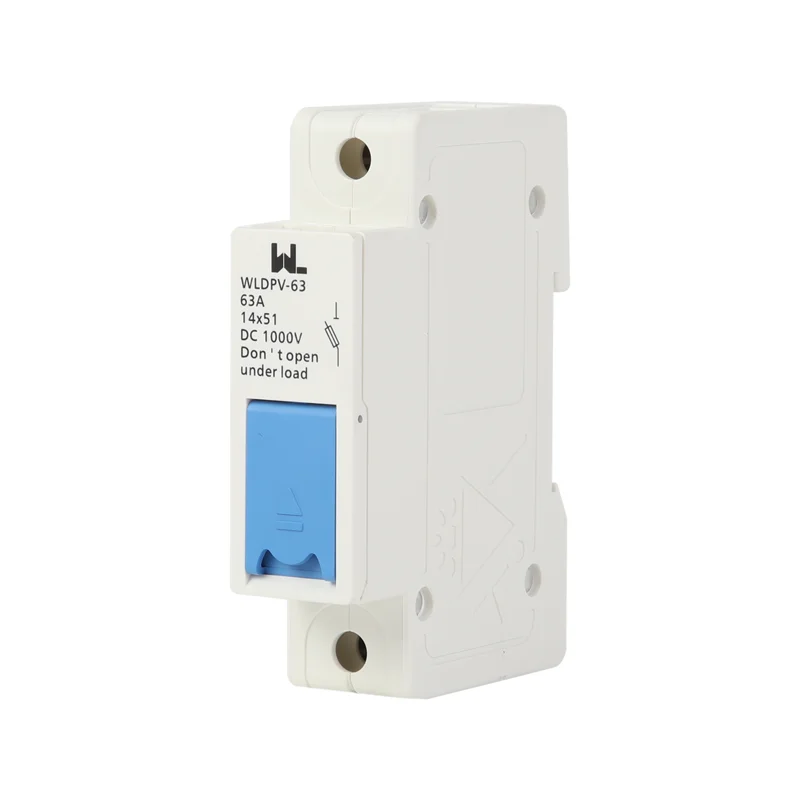
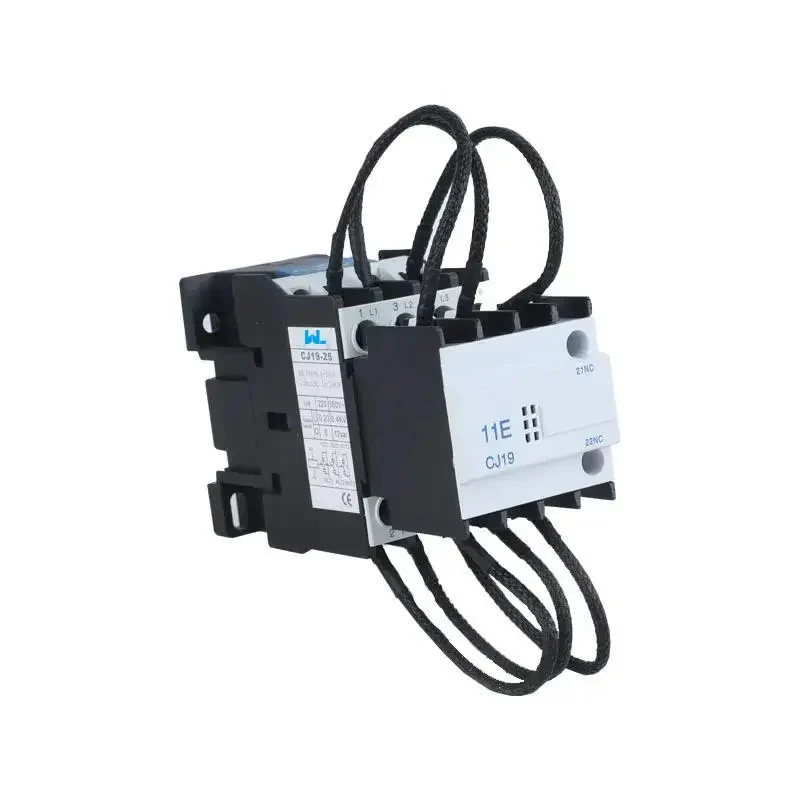
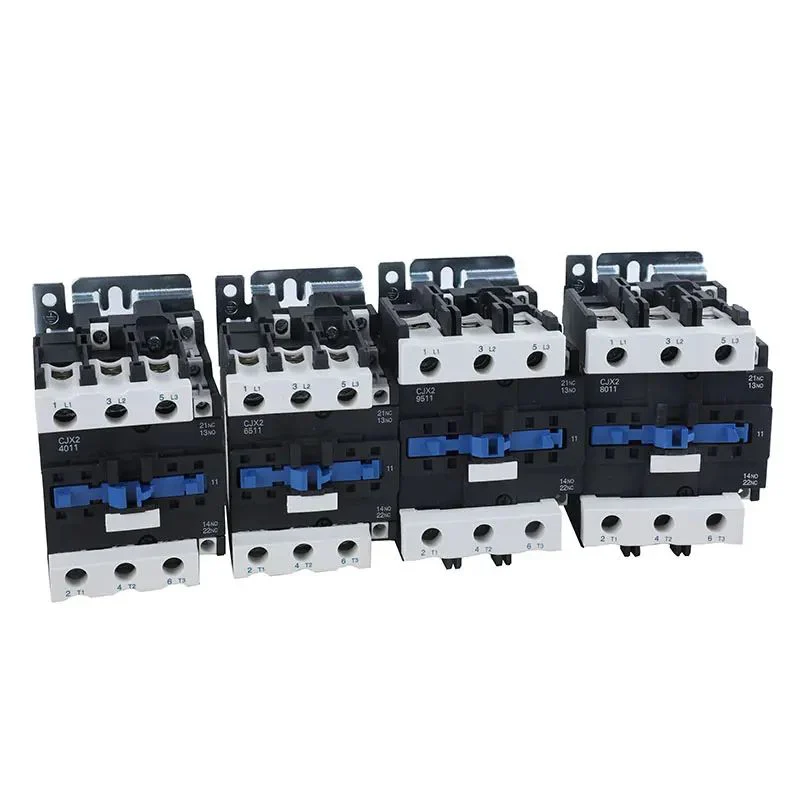
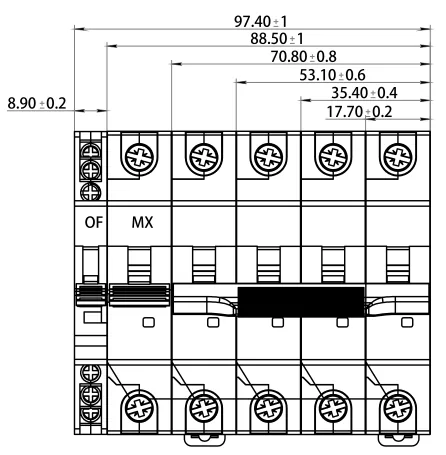
The guide to ¿Qué hace un RCBO? helps distinguish residual-current and overcurrent duties from arc detection. Any product photograph in this article is a separate reference, not evidence that the pictured products form an approved AFDD assembly. In particular, a DC miniature-breaker detail must not be used to specify an AC final-circuit AFDD combination.
AFDD Installation and Trip Investigation
Good AFDD electrical safety outcomes depend on installation discipline as much as sensing algorithms. Record cable type, loads, ambient conditions, and prospective fault current. Check rated voltage, frequency, poles, and terminal capacity, and route neutrals exactly as shown; a shared neutral can cause trips or defeat measurement. Keep these records in an AFDD electrical safety file for handover and maintenance.
- Inspect and terminate: remove damaged insulation, use approved ferrules where specified, and torque terminals to the documented value. Record the tool setting and date.
- Verify continuity and polarity: perform dead tests required by IEC 60364 or the applicable national implementation before energizing.
- Run the functional test using the device’s test control and the manufacturer’s instructions; record indication and reset behavior. Routine commissioning does not require creating an arc in live wiring. Do not improvise damaged connections or other hazardous fault simulations.
- Investigate nuisance trips: capture the trip code or event log, isolate loads one at a time, and inspect switching supplies, dimmers, and motor drives. Do not simply raise settings or bypass the AFDD.
Illustrative calculation: A 230 V branch supplying 1,840 W draws I = P/V = 8 A. Add a 25% planning margin and the working figure is about 10 A. Final MCB/RCBO rating, cable size, and AFDD combination still depend on installation method, correction factors, and local code.
Identify the Trip Function
For an integrated device, read the indication using the exact manual to distinguish arc detection from residual-current or overcurrent operation where separate indications are provided. Record the load sequence, circuit changes, indicator state and any repeatable pattern before a controlled investigation. A switching event that coincides with a trip is a clue, not proof that the device is defective or that the event was harmless.
A competent person should inspect terminations, damaged insulation, neutral routing and connected equipment using safe isolation and suitable tests. Escalate unresolved events to the manufacturer with the device reference and evidence record. Do not bypass the AFDD, repeatedly reset a damaged circuit or create an arc to see whether the device works.
Arc-Fault Protection Applications
First establish where the locally adopted rules mandate arc-fault protection. A risk assessment cannot waive a mandatory requirement. Where additional discretionary protection is being considered, review occupancy, concealed or inaccessible wiring, combustible contents and maintenance access. For OEM panels, check the actual load mix and manufacturer compatibility guidance rather than assuming all high-frequency loads are unsuitable.
| Application condition | Arc-risk indicators | Design response | Verification focus |
|---|---|---|---|
| Dwelling retrofit | Aged cables, hidden joints, frequent plug changes | Assess priority final circuits; pair AFDD with existing RCD/RCBO strategy | Polarity, neutral routing, test and trip records |
| Hotel or student residence | Sleeping occupants, dense portable equipment | Use a documented risk assessment and minimize outage impact through selectivity | Functional tests, maintenance access, staff response procedure |
| Commercial fit-out | Raised floors, tenant alterations, mixed loads | Coordinate panel schedule and handover documentation | Torque records, as-built drawings, nuisance-trip investigation |
| OEM machine panel | High-frequency drives and switching power supplies | Confirm device compatibility and EMC behavior with the machine builder | Factory acceptance test and site commissioning under realistic loads |
Applicable Arc-Fault Protection Standards
IEC 62606 specifies general requirements for arc fault detection devices, including detection behavior, endurance, and test conditions. It is a product standard; citing it does not by itself prove that a particular installation is compliant. IEC 60364 is the broader low-voltage installation series covering protection against thermal effects, overcurrent, shock, selection, and verification. Applying both product and installation requirements strengthens electrical fire prevention. The applicable national adoption and edition control the project’s legal requirements.
In North America, UL 1699 covers arc-fault circuit-interrupter performance and construction. Its terminology and certification pathway differ from IEC 62606, so an IEC-marked device should not be represented as UL 1699 compliant without documented evaluation. NFPA 70 (National Electrical Code) contains installation provisions, including locations where AFCI protection is required; the authority having jurisdiction and adopted edition decide enforcement. Keep declarations, test reports, instructions, and market approvals in procurement files. Unsupported certification claims can trigger rejection, rework, or liability.
AFDD Procurement and Handover
- Identify mandatory protected circuits first, then document any additional risk-based coverage using occupancy, wiring access and combustible contents.
- Match the AFDD with the MCB, RCD, or RCBO architecture, prospective short-circuit current, pole requirements, and enclosure busbar system.
- Request current datasheets, wiring diagrams, installation torque values, test instructions, and market-specific conformity evidence.
- Define a commissioning and maintenance interval, including trip-log review and a process for investigating nuisance operation.
- For OEM or private-label programs, evaluate the supplier’s sampling plan, traceability, test capacity, and change-control process.
Zhejiang W9 Group Technology Co., Ltd. supplies low-voltage protection products and can support OEM/ODM development and testing discussions. For AFDD electrical safety, buyers should request the exact AFDD configuration, applicable standard evidence, and validation plan for their destination market; no product rating or certification should be assumed from a category description.
Preguntas frecuentes
Is an AFDD the same as an arc-fault circuit interrupter?
They address the same broad hazard, but terminology and certification depend on the market. IEC documentation commonly uses AFDD, while North American practice uses AFCI under UL 1699 and NFPA 70. Confirm the required term and approval with the authority having jurisdiction before ordering an arc-fault detection device.
Can an AFDD replace an MCB or RCBO?
No. An AFDD targets arcing; an MCB provides overcurrent protection, and an RCBO combines overcurrent with residual-current protection. Some integrated devices contain multiple functions, but the datasheet must explicitly identify each one. A standalone arc-fault detection device still needs the other protective functions coordinated around it.
Why does my AFDD trip when equipment is switched on?
Switch-mode supplies, dimmers, motors, or wiring errors can create waveforms that resemble an arc. Capture the trip indication, check neutral routing and terminations, and isolate loads systematically. Never defeat the device without finding the cause.
How often should an AFDD be tested?
Follow the manufacturer’s instructions and the inspection schedule required by the local installation rules. Test after commissioning, after circuit alterations, and during periodic inspection; keep a dated record of results and corrective actions.
Is AFDD protection mandatory everywhere?
Requirements depend on the country, building type, circuit and adopted edition. Check the applicable installation rule first; a discretionary risk assessment cannot remove a mandatory obligation. Product-standard conformity and installation compliance are separate checks.
Referencias
- ABB — Arc Fault Detection Devices. Manufacturer information distinguishing S-ARC1 with MCB and DS-ARC1 with RCBO, plus test functions; no transfer of ratings to W9 models. Accessed 16 October 2026.
- IET — ¿Qué tipo de RCD es adecuado para mi vehículo?. September 2019 residual-current selection background for the separate RCD/RCBO function, not AFDD certification. Accessed 16 October 2026.
- OSHA 29 CFR 1910.303 — Requisitos generales de la electricidad. U.S. workplace equipment instructions, suitability and coordination; not a statement of universal AFDD mandates. Accessed 16 October 2026.
Closing thought: Fire prevention is strongest when a small, intermittent fault is treated as a design signal—not an inconvenience. Specify the sensing function, coordinate every protective layer, and verify the finished circuit under the conditions it will actually face.
For category guidance, documentation, and sourcing conversations, visit the W9 low-voltage protection products page and contact the team with your circuit schedule and destination-market requirements.