



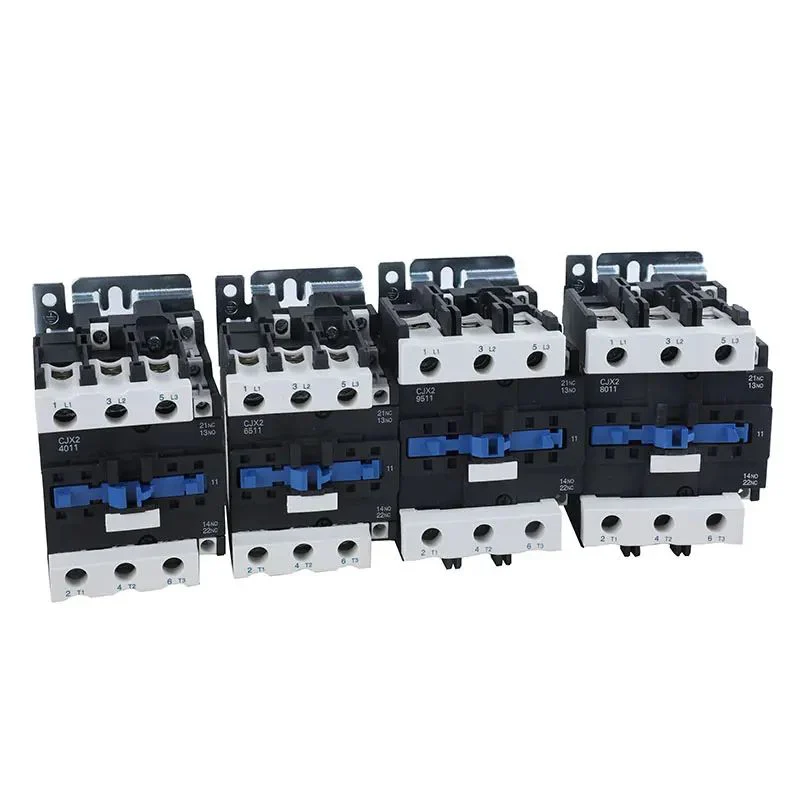
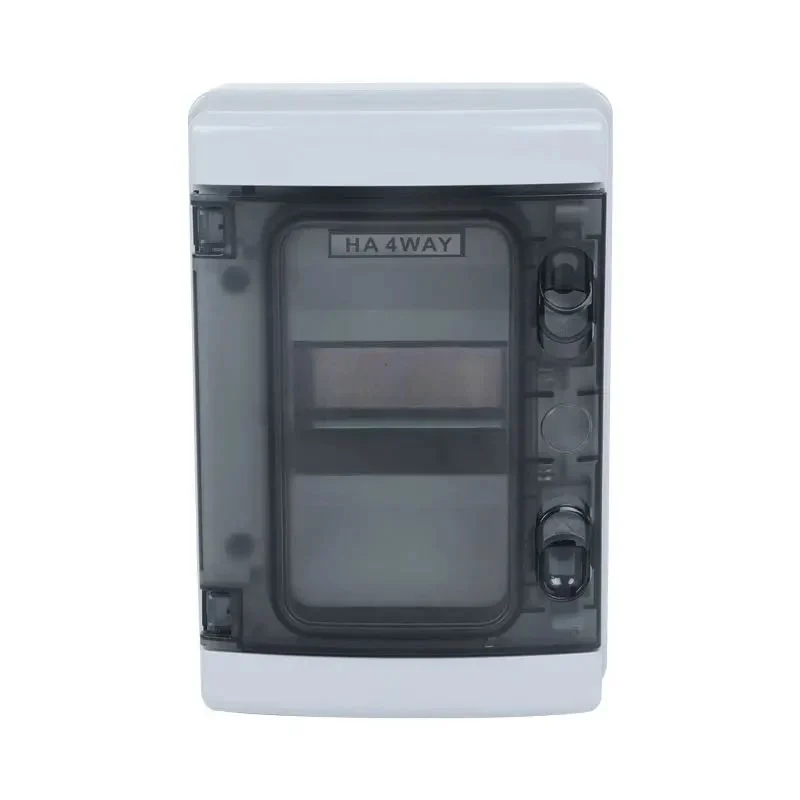
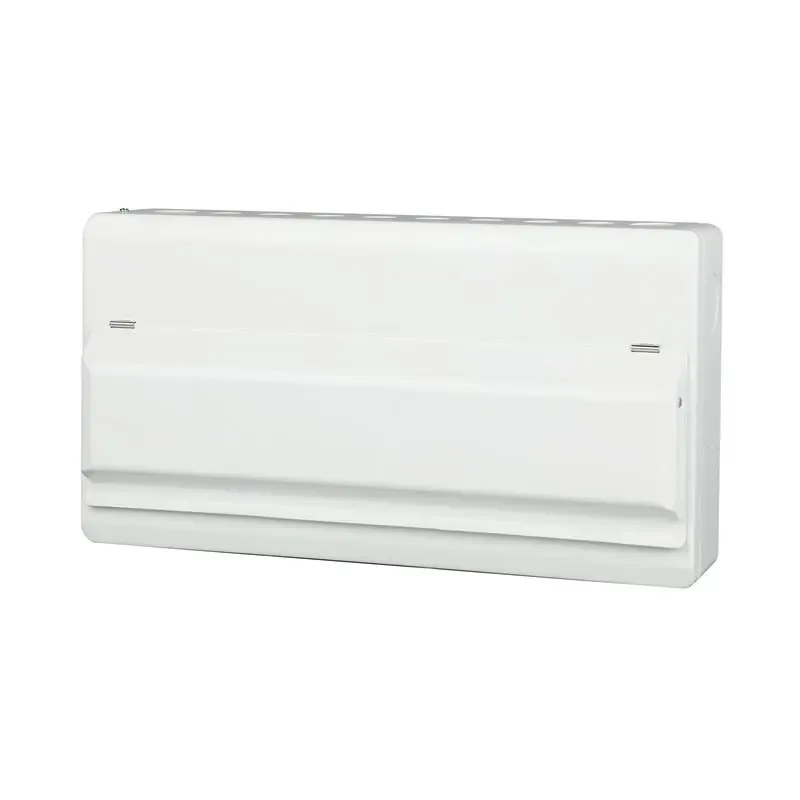





¿Qué dispositivo de seguridad eléctrica ofrece protección completa del circuito?
A panel can contain several protective devices and still leave an important hazard unaddressed. The relevant buying question is which functions are verified for each circuit and how they work together. A residual-current device, an arc detector and a surge protective device respond to different conditions, even when their housings look similar.
Quick answer: No generic device label guarantees complete circuit protection. Map overload, short-circuit, residual-current, arc-fault and surge hazards separately, then select the functions required by the circuit and local rules. An RCBO combines residual-current and overcurrent protection; arc detection or surge limitation is present only when explicitly declared. Integrated products still require earthing, compatible installation and verification of the complete assembly.
This outcome is therefore a system decision. The electrical safety device chosen for each circuit must interrupt faults safely, limit shock and fire risk, and remain compatible with the supply arrangement and downstream equipment. Product families can look similar on a panel, yet their sensing, interruption and testing duties differ. A useful overview of combined residual-current and overcurrent protection is available in ¿Qué hace un RCBO?; it should be read as one layer in a broader design.
Circuit Protection Limits
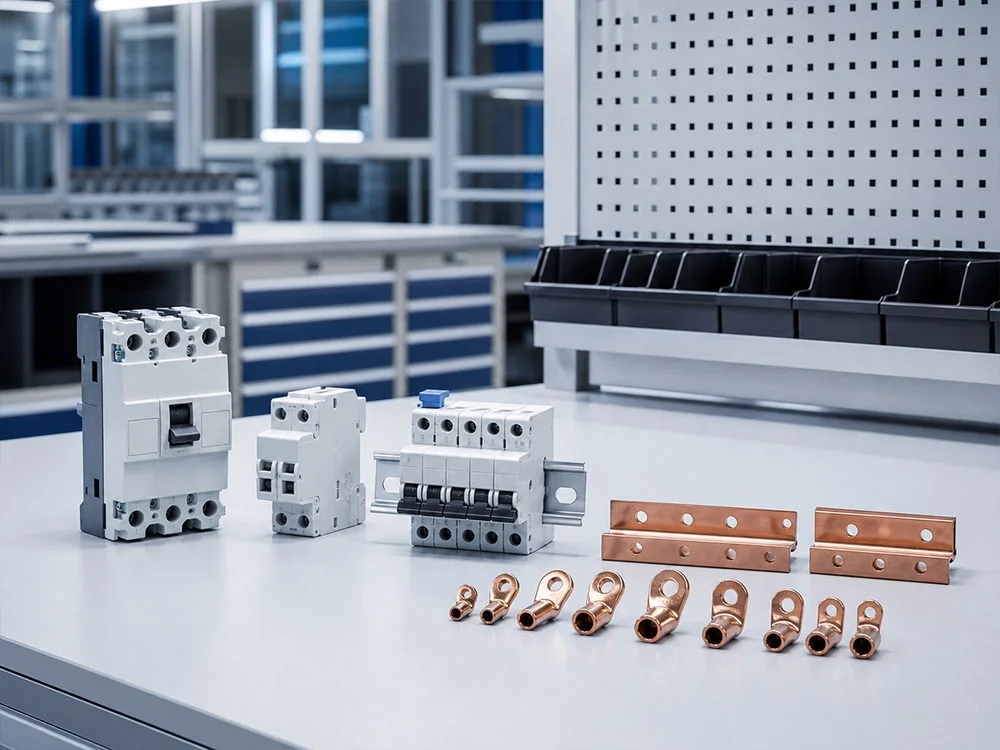
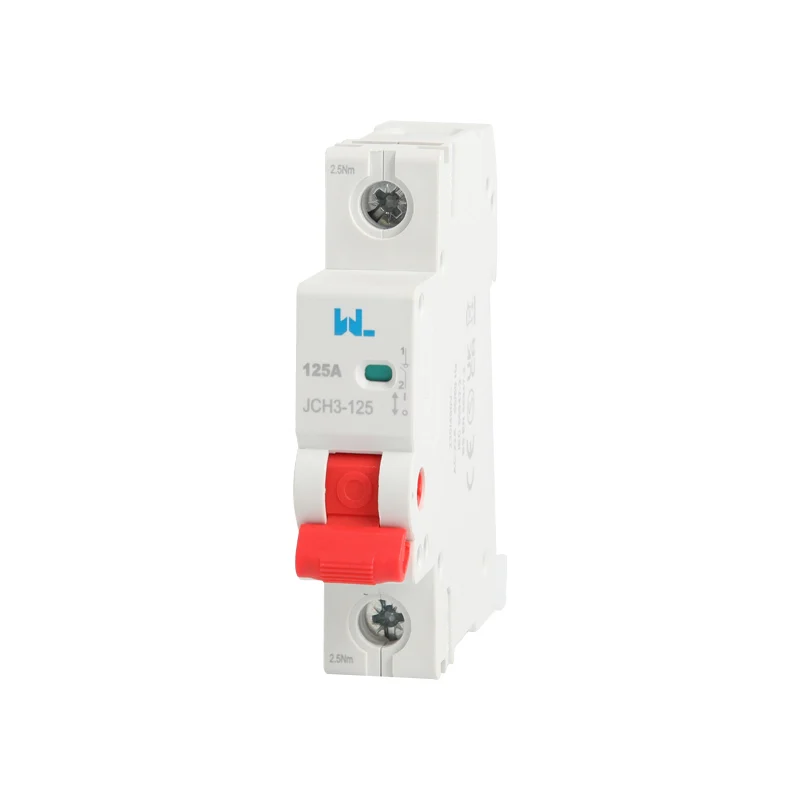
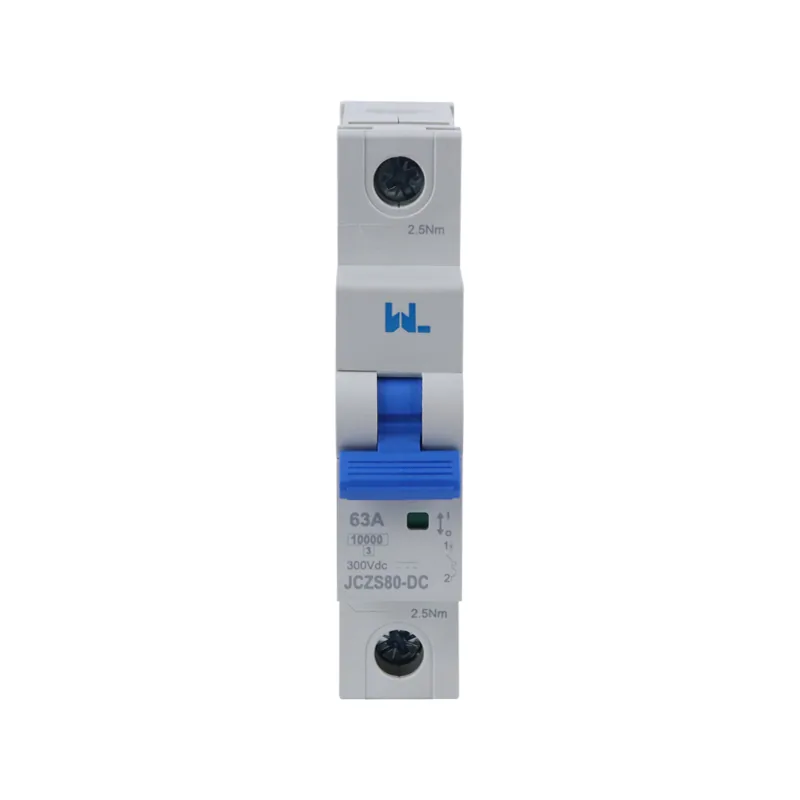
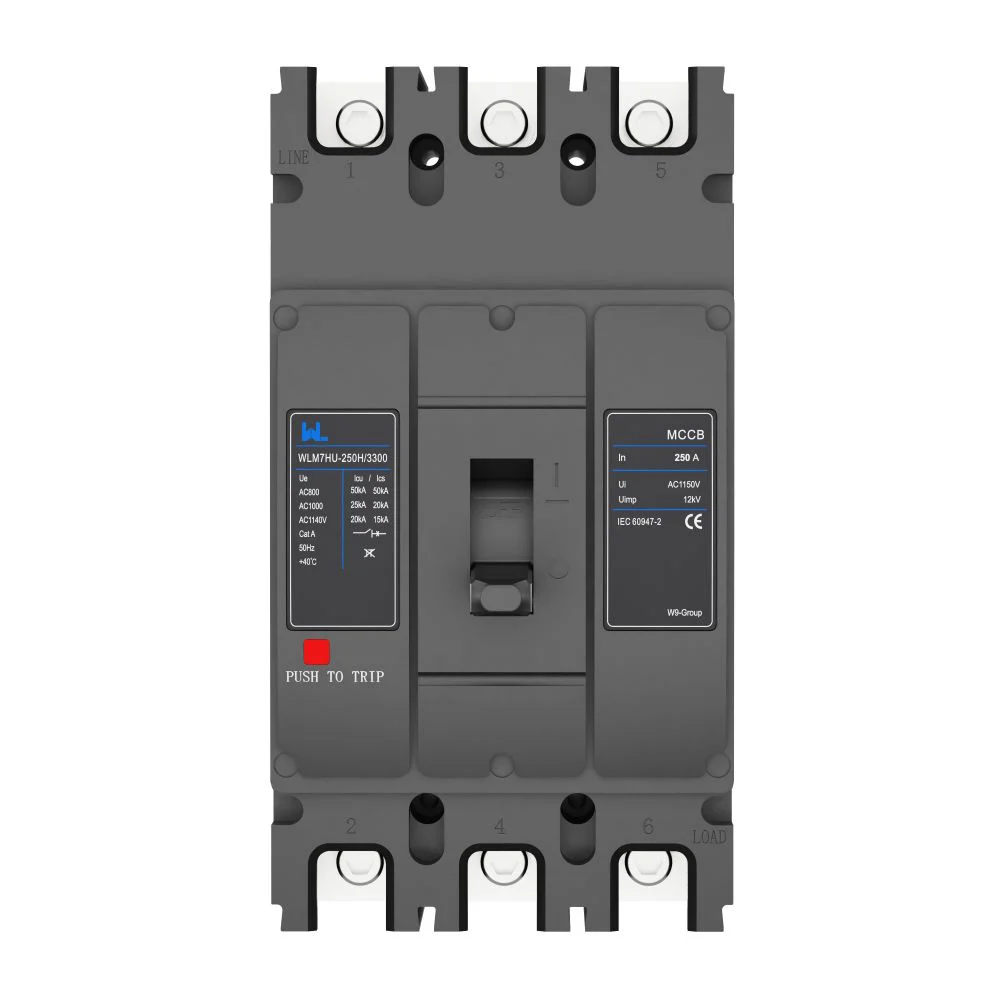
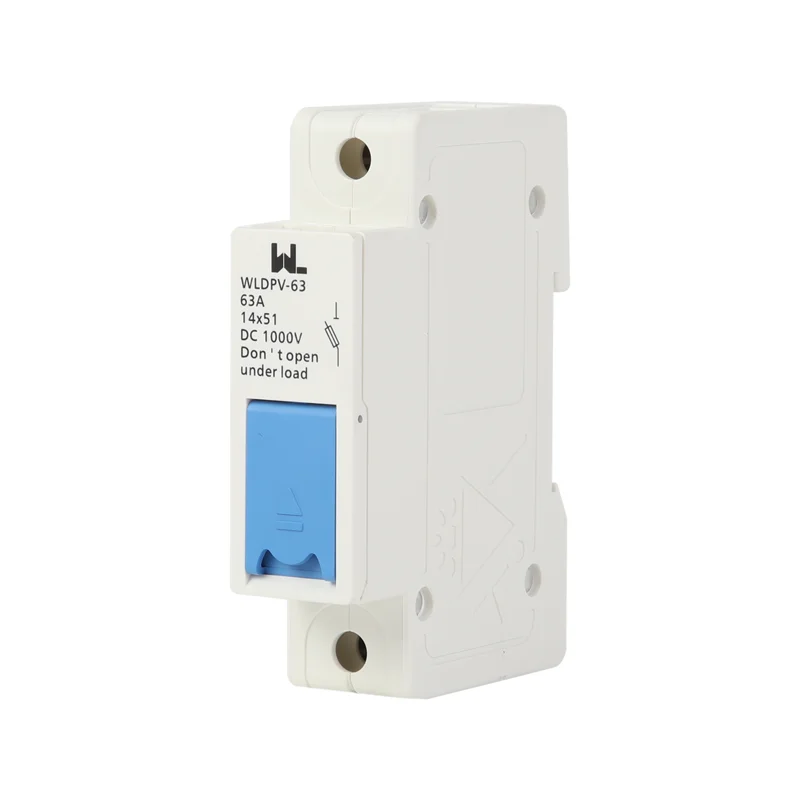
Overcurrent occurs when current exceeds what conductors or equipment can safely carry. An MCB is commonly used for final circuits, while an MCCB serves larger feeders and distribution duties where adjustable protection, higher interrupting capability or accessories may be required. Both are circuit protection devices for overload and short-circuit conditions; neither is a substitute for residual-current, arc-fault or surge protection.
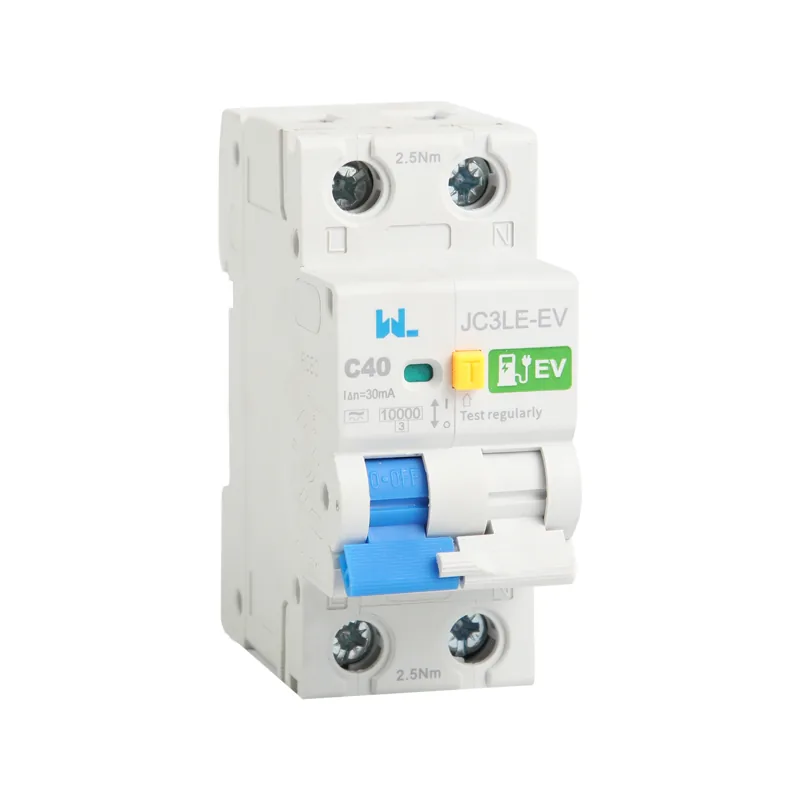
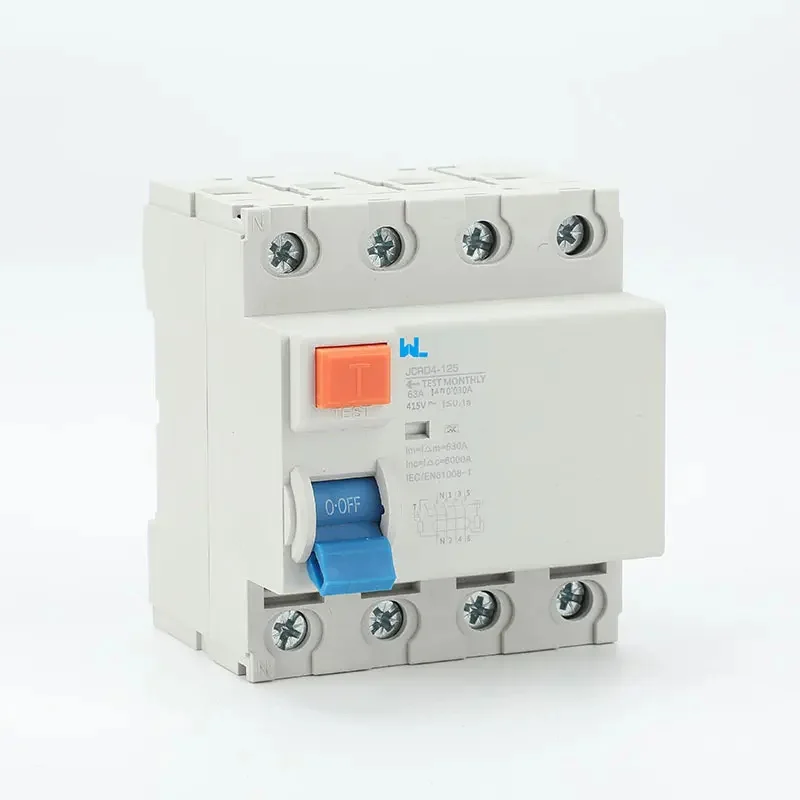
Residual current is a different phenomenon: current leaves the intended path, potentially through insulation, equipment frames or a person. An RCCB/RCD detects imbalance and disconnects the circuit, but it normally needs separate overcurrent protection. An RCBO combines residual-current and overcurrent functions in one pole arrangement. For a practical RCD function explanation, check the sensing and test-button principles before comparing products.
Arc faults can produce heat without reaching the threshold that trips a conventional breaker. An AFDD monitors high-frequency signatures and can disconnect when a dangerous series or parallel arc pattern is identified; installation guidance and nuisance-alarm management matter. Transient overvoltages from lightning or switching require an SPD to divert energy and coordinate with upstream protection. An SPD does not clear an overload, and an AFDD does not replace an RCD.
Coordinated Protection Layers
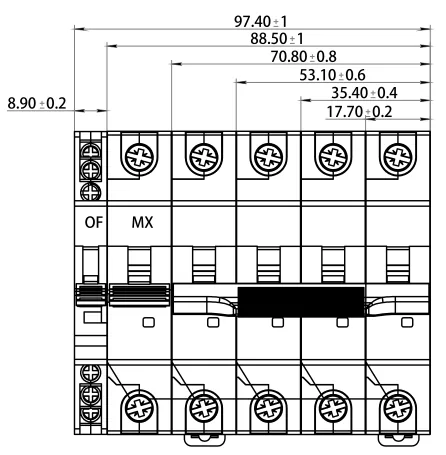
MCB and MCCB Overcurrent Protection
Specify the breaker against conductor ampacity, prospective short-circuit current, enclosure conditions and the selectivity plan. IEC 60947-2 covers circuit-breakers for low-voltage switchgear and controlgear; it is particularly relevant to industrial and distribution equipment. The breaker’s curve, frame size, poles and accessories should be checked against the actual network rather than copied from a previous panel.
Residual-Current Protection Functions
IEC 61008-1 applies to residual-current circuit-breakers without integral overcurrent protection (RCCBs). IEC 61009-1 applies to RCBOs with integral overcurrent protection. That distinction is the heart of the RCBO vs RCCB decision: an RCCB can protect several downstream circuits when paired with suitable breakers, whereas an RCBO gives each protected circuit its own residual-current and overcurrent response. Confirm neutral routing, pole switching, residual-current type and test procedures.
AFDD Arc-Fault Detection
IEC 62606 specifies general requirements for arc-fault detection devices. An AFDD is most valuable where concealed wiring, combustible construction, long cable runs or mission-critical continuity increase the consequence of an arc. It should be coordinated with the protective device that clears the fault and installed according to the manufacturer’s wiring and verification instructions. See the arc-fault detection overview for operating context.
SPD Transient Overvoltage Protection
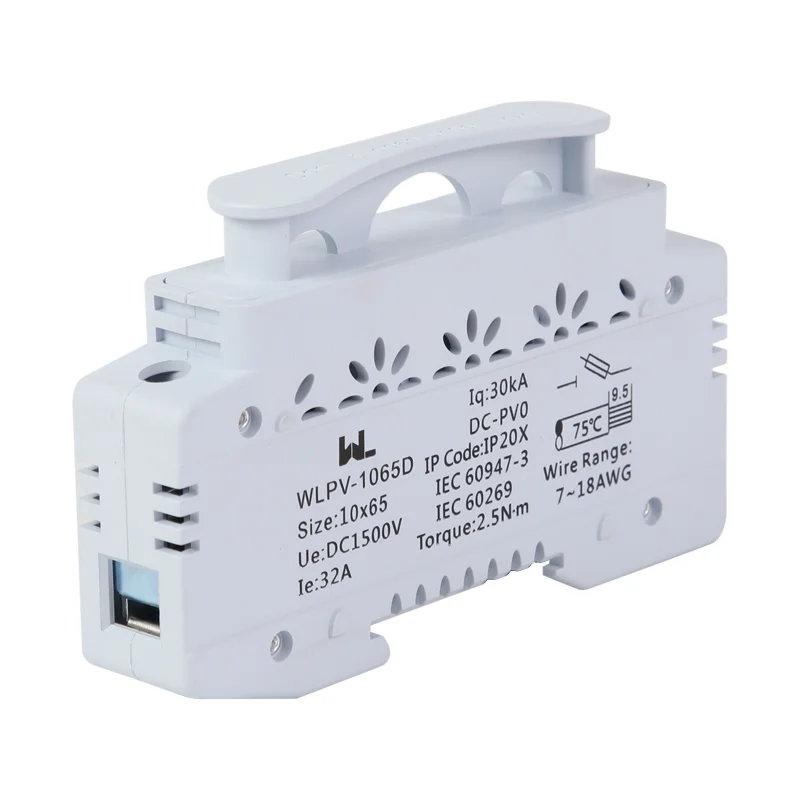
Surge protection must be specified for the supply, exposure, equipment withstand and the exact manufacturer’s installation instructions. Review SPD coordination and backup protection, connection arrangement, status indication and replacement access. A device claiming both surge and breaker functions needs evidence for each function; one function’s product standard cannot prove the other.
| Layer | Primary hazard | What it senses or limits | What it does not replace |
|---|---|---|---|
| MCB / MCCB | Overload and short circuit | Excess current; opens the circuit | RCD/RCBO, AFDD or SPD |
| RCCB / RCD | Residual current and shock risk | Current imbalance to earth | Overcurrent breaker |
| RCBO | Residual current plus overcurrent | Imbalance and excess current on one circuit | AFDD or SPD |
| AFDD | Electrical arcing | Arc signatures and high-frequency patterns | Overcurrent or surge protection |
| SPD | Transient overvoltage | Diverts surge energy away from equipment | Any fault-interruption device |
Protection Function Coverage
An integrated AFDD and RCBO can combine arc detection, residual-current and overcurrent functions when those functions are declared and supported for the actual product. That does not establish surge protection or eliminate the need for correct earthing. For a separate AFDD module, IEC 62606’s public scope makes the declared protective-device combination important. Do not mix components on the assumption that fitting the same rail proves compatibility.
RCBO vs RCCB Circuit Arrangements
The RCBO vs RCCB choice affects fault isolation, panel space, troubleshooting and total cost of ownership. An RCCB upstream of several MCBs can be economical and simple, but a leakage event may disconnect multiple circuits. RCBOs localise the trip to the affected circuit, which can preserve continuity for refrigeration, access control or process loads. The trade-off is a different bill of materials, wiring practice and coordination review.
Ask whether the installation needs individual circuit discrimination, how many neutral bars or terminals are available, and whether planned extensions will change the balance. Verify that the selected electrical safety device matches the system earthing arrangement and load waveform. Never assume an AC-sensitive unit is suitable for equipment that can produce pulsating or smooth DC residual current; use the product standard and manufacturer data to confirm.
| Architecture | Strength | Design watchpoint | Best-fit question |
|---|---|---|---|
| MCB/MCCB + RCCB | Shared residual-current layer with familiar distribution | One leakage event can trip multiple circuits; ensure breaker coordination | Is shared shutdown acceptable for the installation? |
| RCBO per circuit | Localised trips and clearer fault finding | Higher component count; confirm neutral and busbar compatibility | Which loads must remain energised when another circuit faults? |
| RCBO + AFDD | Adds arc-fault monitoring to circuit-level protection | Check nuisance-trip controls, wiring rules and verification tests | Are concealed or combustible wiring risks significant? |
| Any architecture + SPD | Reduces transient stress on connected equipment | Coordinate clamping characteristics, backup protection and lead length | What surge exposure and equipment sensitivity exist? |
IEC and UL Documentation Requirements
Use standards as a specification framework, not as a shortcut to a universal approval claim:
- IEC 60947-2: low-voltage circuit-breakers for switchgear and controlgear; confirm the applicable product category and test evidence.
- IEC 61008-1: RCCBs without integral overcurrent protection.
- IEC 61009-1: RCBOs with integral overcurrent protection.
- IEC 62606: requirements for AFDDs.
- IEC 61643-11: low-voltage SPDs connected to AC power systems.
UL designations are not interchangeable with IEC references. In North American work, confirm the exact UL/CSA product standard, system voltage, available fault current, enclosure and installation code; an IEC declaration alone does not establish UL Listing. Conversely, a UL mark does not automatically satisfy an IEC-based tender. Unsupported certification or performance language can trigger rejected submittals, rework, liability and delayed commissioning.
Selection checklist for buyers and specifiers
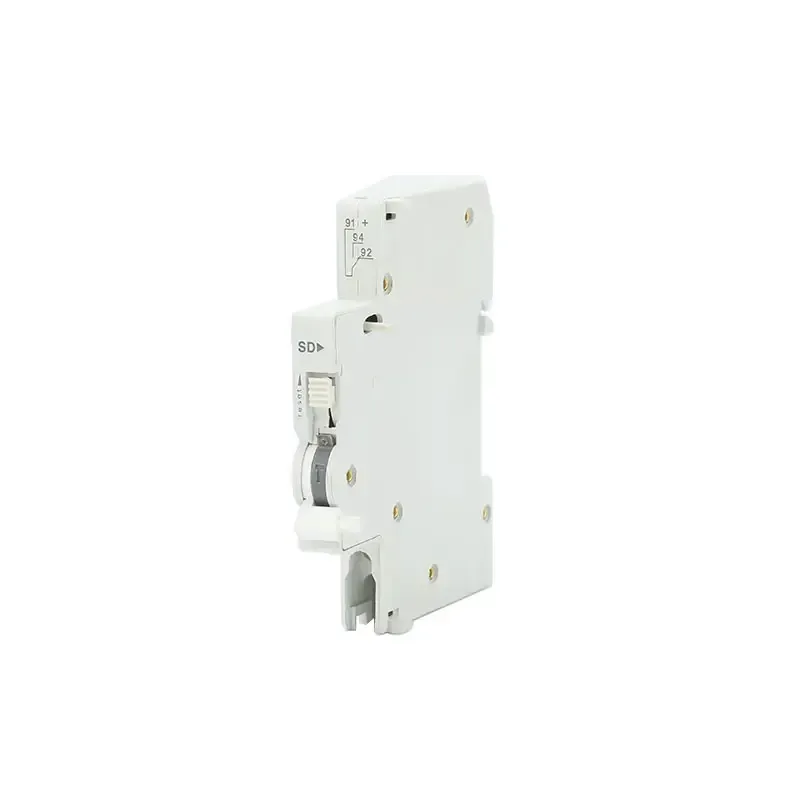
- Map hazards: document overload, short-circuit, leakage, arc and surge exposure by circuit and location.
- Confirm system data: supply topology, earthing, prospective fault current, conductor sizing, ambient conditions and load waveforms.
- Coordinate the layers: review selectivity, backup protection, discrimination, neutral switching and SPD connection length.
- Define verification: include insulation, polarity, RCD/RCBO trip, AFDD functional and SPD status checks in commissioning and maintenance records.
- Request evidence: obtain datasheets, wiring diagrams, test reports and destination-market compliance documents before approval.
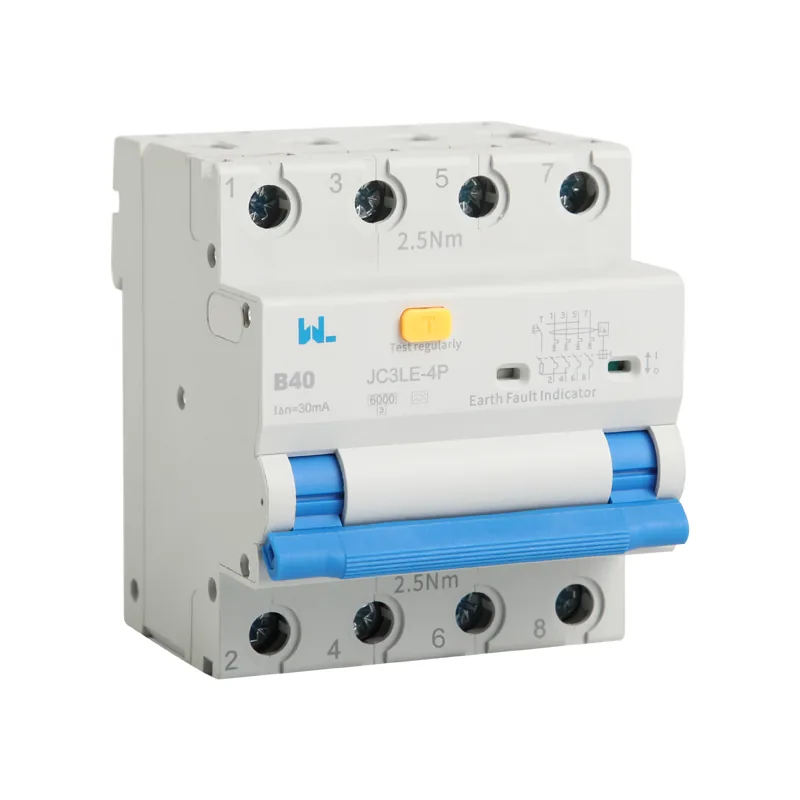
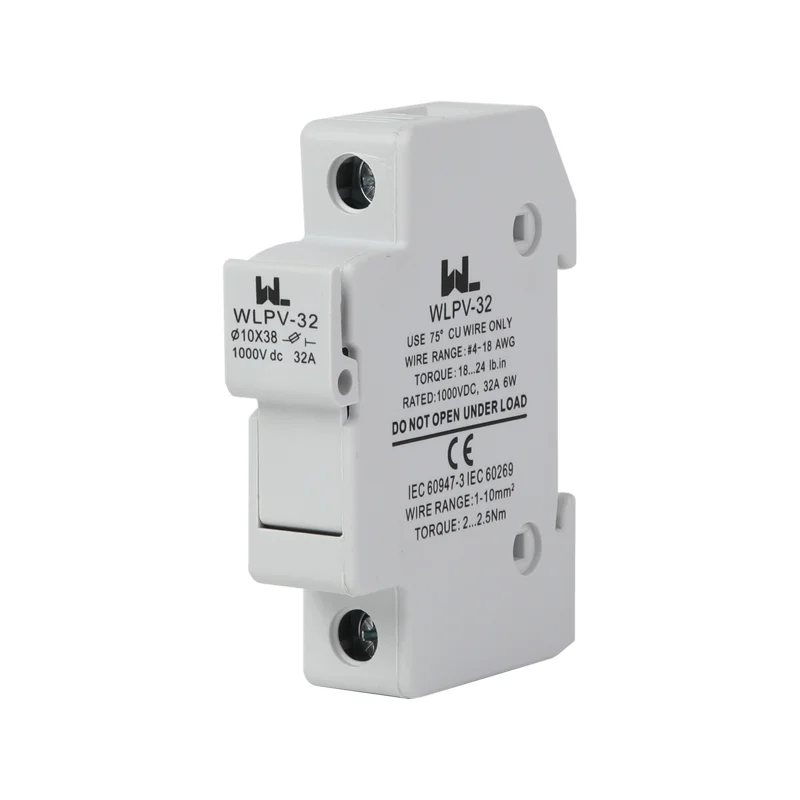
W9 Group provides low-voltage protection categories for project sourcing. Share the circuit schedule and destination-market requirements, then request model-specific ratings and evidence for each required function. The JC3LE 4-pole electromagnetic RCBO is a product example for an appropriate circuit; it is not a universal substitute for separate arc-fault or surge functions.
Panel Protection Acceptance Matrix
For each outgoing circuit, list the required hazard, responsible device, declared rating, upstream coordination evidence and commissioning check. If the row says only circuit breaker, it is incomplete: state whether overload, short circuit, residual current or arc detection is included. Keep surge coordination and earth/bonding verification as separate rows. This matrix is a procurement synthesis, not a claim that more components automatically create a safer assembly.
| Acceptance item | Evidence required | Reject the assumption that |
|---|---|---|
| Combined AFDD and RCBO | Declared functions and exact product or combination | An AFDD label implies all protection functions |
| RCCB with upstream protection | Current limits and tested coordination where required | RCCB rated current is an overload trip setting |
| SPD installation | Supply compatibility, connection and backup-protection instructions | A surge unit interrupts overloads |
| Complete board | Applicable assembly and installation verification | Certified components alone approve the board |
Preguntas frecuentes
Which electrical safety device offers complete circuit protection?
No device designation establishes protection against every hazard. A documented system must show which device addresses each required condition, including the functions of any integrated product. Wiring, earthing, bonding, assembly verification and maintenance remain necessary.
What is the practical difference in RCBO vs RCCB?
An RCCB detects residual current but relies on separate overcurrent protection; an RCBO combines both functions for a circuit. Choose between them according to isolation needs, wiring arrangement, space and the applicable IEC product standard.
Do I need an AFDD if an RCBO is installed?
An RCBO alone does not provide an AFDD function. Check whether the local rules require arc-fault protection and whether an integrated AFDD-RCBO or a declared combination provides it. A general risk assessment is additional to mandatory installation requirements, not a reason to disregard them.
Can an SPD replace an MCB or RCCB?
No. An SPD diverts transient energy and does not provide overload interruption or residual-current protection. Coordinate its backup protection and status monitoring with the upstream board.
Are IEC and UL approvals equivalent?
No. They use different standards, test regimes and market rules. Specify the required destination-market approval explicitly and request evidence for the exact model and configuration.
How often should these circuit protection devices be checked?
Follow the equipment manufacturer, local code and site risk assessment. Include routine visual checks, test-button or functional tests where required, trip-event review and SPD status inspection; record results so deterioration is visible.
Referencias
- IEC 61008-1:2024, RCCB public scope. Alcance y orientación públicas verificados el 15 de octubre de 2026.
- IEC 61009-1:2024, RCBO public scope. Alcance y orientación públicas verificados el 15 de octubre de 2026.
- IEC 62606 consolidated AFDD public scope. Alcance y orientación públicas verificados el 15 de octubre de 2026.
- IEC 61439-1:2020, complete-assembly general rules. Alcance y orientación públicas verificados el 15 de octubre de 2026.
The safest panel is not the one with the most devices; it is the one in which every credible fault has a defined sensing, interruption and verification path.
Ready to review a coordinated bill of materials? Explore W9’s Productos de protección de baja tensión, compare the required electrical safety device functions, and contact Zhejiang W9 Group Technology Co., Ltd. with your circuit schedule, target market and documentation requirements.